Explore Bhutan’s Soul: Is Bumthang the Spiritual Heart?
Ever thought about what makes a place truly spiritual? Is Bumthang the spiritual heart of Bhutan? It’s a key spot in the country’s rich culture and beliefs. Located in central Bhutan, Bumthang has four valleys: Chokhor, Tang, Ura, and Chhume.
It’s known as a spiritual center, with ancient temples like Jambay Lhakhang from the 7th century. Here, you can start a spiritual journey through old buildings and stunning views. It’s a chance to think about your own spiritual path.
Exploring Bumthang, you’ll see how Guru Rinpoche’s teachings are important here. Walking through the valleys, you’ll find beauty and a deep connection to Bhutan’s spiritual past. Let’s explore Bhutan’s spirituality together, focusing on Bumthang’s role in it.
Introduction to Bumthang
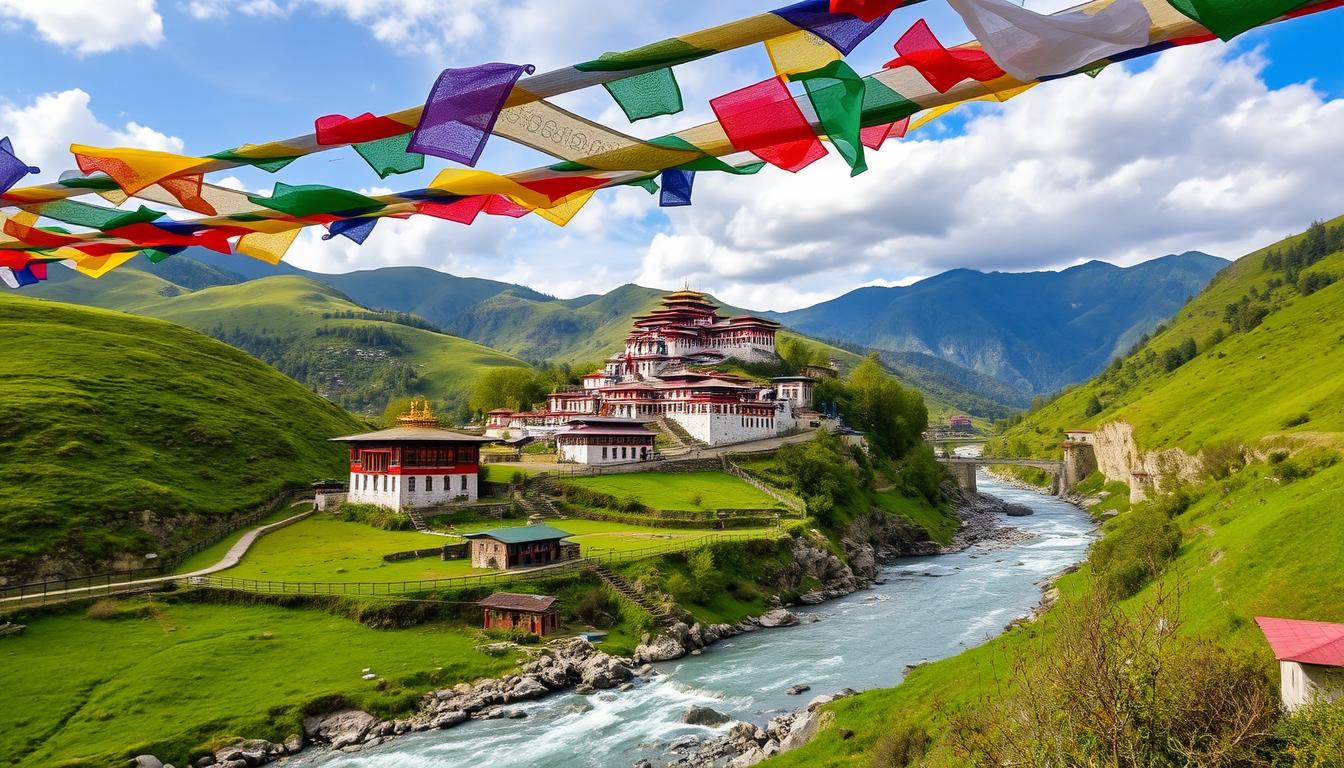
Bumthang is a beautiful region in central Bhutan. It has four valleys: Choekhor, Tang, Chumey, and Ura. Each valley is unique, with its own landscapes, ancient temples, and traditions.
This area is a visual treat and a treasure of Bhutan’s history. It’s seen as the birthplace of many religious practices and festivals.
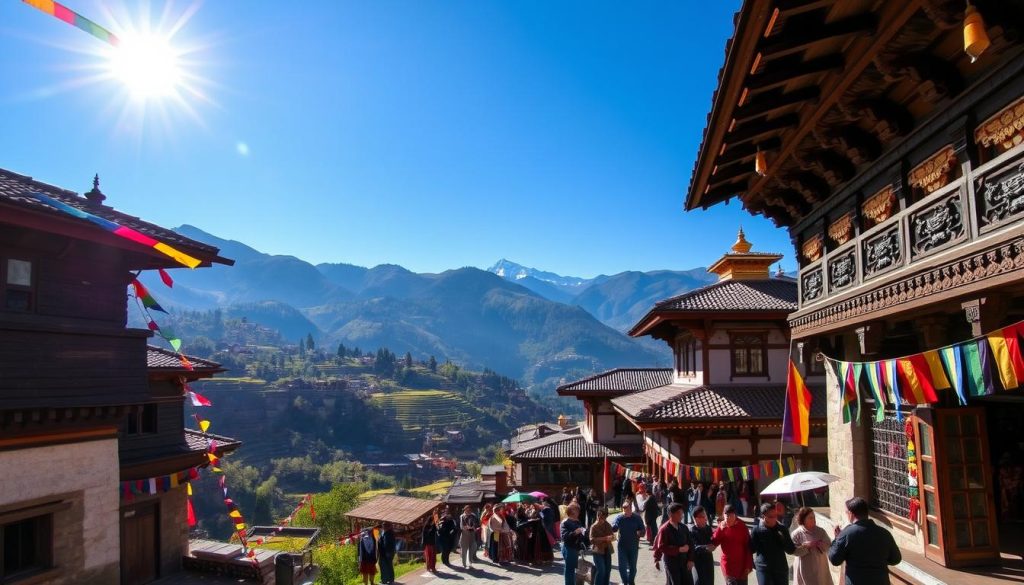
Visitors can easily reach Bumthang through the Bumthang Airport. It connects to major airports in Bhutan, like Paro and Gelephu. The drive from Trongsa to Bumthang is scenic and takes about four hours.
This place is ideal for those who want to see the mix of spirituality and beauty. It’s a must-see for anyone exploring Bhutan.
Walking through Bumthang’s valleys, you’ll find ancient temples. Jambay Lhakhang, built in the 7th century, is one of them. It was built to keep evil spirits away.
Each valley has its own history. You’ll see monasteries like Kurje Lhakhang, where Guru Rinpoche meditated. And Tamshing Goemba, known for its art. Visiting Bumthang Bhutan is a journey through time and faith.
The Spiritual Significance of Bumthang
The Bumthang Valley is a spiritual heart in Bhutan. It has four valleys: Chokhor, Tang, Ura, and Chhume. Each valley has its own attractions for those seeking spiritual experiences.
Chokhor Valley is special because it has some of Bhutan’s oldest temples. The historic Jakar Dzong is one of them.
Buddhism started in Bumthang, making it a key place for spiritual journeys. There are over 108 temples, including the 7th-century Jambay Lhakhang. Kurjey Lhakhang is famous because Guru Rinpoche left his body imprint there.
Many come to Bumthang to find enlightenment. You can walk peaceful trails or join cultural events like the Jambay Lhakhang Drup. Remember to respect local customs, like dressing modestly and learning Dzongkha phrases.
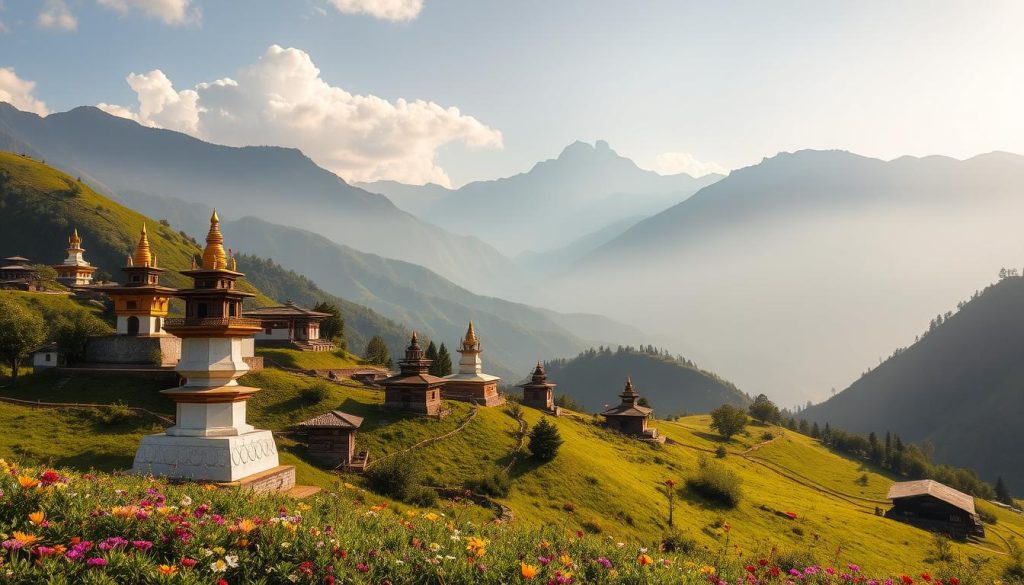
Is Bumthang the spiritual heart of Bhutan?
Bumthang is a special place for those looking for spiritual growth in Bhutan. It has a rich history that connects with the country’s religious traditions. This makes it a key spot for both locals and visitors from abroad.
The area shows off Bhutan’s deep Buddhist culture and spiritual practices. It’s a window into the country’s spiritual heart.
Historical Context of Bumthang
Bumthang is seen as the spiritual and cultural center of Central Bhutan. It has some of the oldest Buddhist temples and monasteries in the country. These sites have shaped Bhutan’s spiritual identity.
They draw tourists and spiritual seekers, making Bumthang a key stop for those on a spiritual journey. The beautiful landscapes of Bumthang also make it a top tourist spot.
Influence of Guru Rinpoche
Guru Rinpoche, also known as Padmasambhava, has a big impact on Bumthang. He brought Buddhism to the area in the 8th century. Today, temples like Kurje Lhakhang, where his body imprint is believed to be, honor his legacy.
The murals at Tamshing Lhakhang tell his story, drawing many visitors. Every year, people come to these sacred sites. They confirm Bumthang’s role as Bhutan’s spiritual heart.
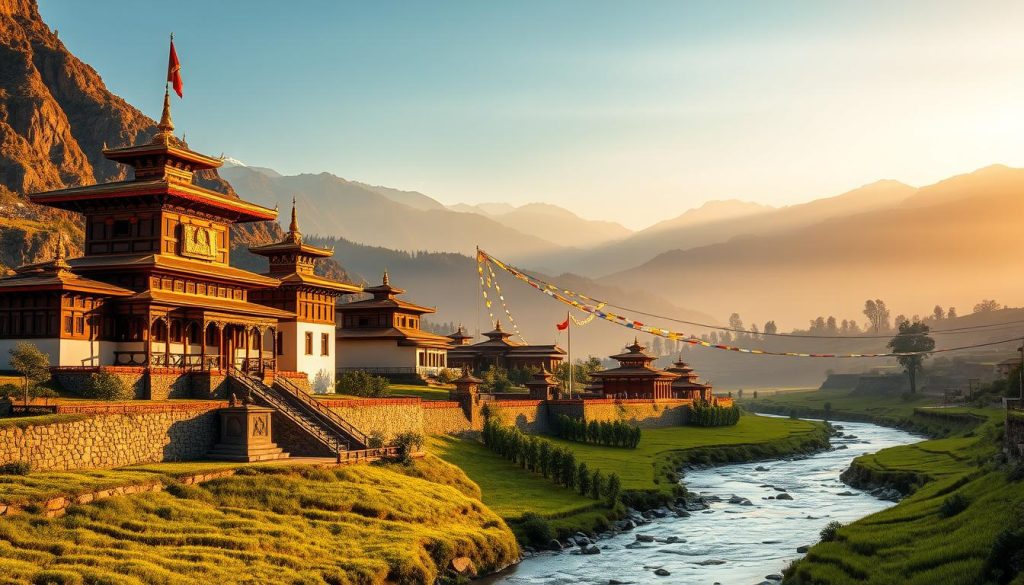
| Site | Significance | Year Established |
|---|---|---|
| Kurje Lhakhang | Resting place of Guru Rinpoche’s body imprint | 8th Century |
| Tamshing Lhakhang | Famous for murals of Buddhist teachings | 15th Century |
| Jambay Lhakhang | A vital part of the region’s spiritual pilgrimage | 7th Century |
Exploring Sacred Sites in Bumthang
Bumthang is known for its deep spiritual history. You can feel this through its sacred sites. Each place offers a glimpse into Bhutan’s rich culture and spirituality. Here, we’ll look at three key sites in Bumthang that show the heart of Bhutan’s spiritual journey.
Jambay Lhakhang: A Pillar of Spirituality
Jambay Lhakhang was built in the 7th century by King Songtsen Gampo of Tibet. It’s one of the oldest temples in Bhutan. The temple is the center of the Jambay Lhakhang Drup festival, where people come together to dance and pray.
Visitors and pilgrims gather here to feel the temple’s spiritual energy. It’s a place of deep connection and reflection.
Kurje Lhakhang: The Meditative Sanctuary
Kurje Lhakhang is near a peaceful spot. It’s famous because Guru Rinpoche left his footprint on a rock here. The temple’s calm atmosphere is perfect for meditation and reflection.
It’s a key stop for those on a spiritual journey in Bhutan. The site’s beauty and spiritual value are unmatched.
Tamshing Lhakhang: Artistic and Spiritual Heritage
Tamshing Lhakhang was founded by Pema Lingpa in the early 16th century. It’s known for its beautiful murals and detailed artwork. The temple is not just a place of worship but also a center for learning and practice.
The mix of art and spirituality makes Tamshing Lhakhang special. It attracts those who love beauty and seek spiritual connection.
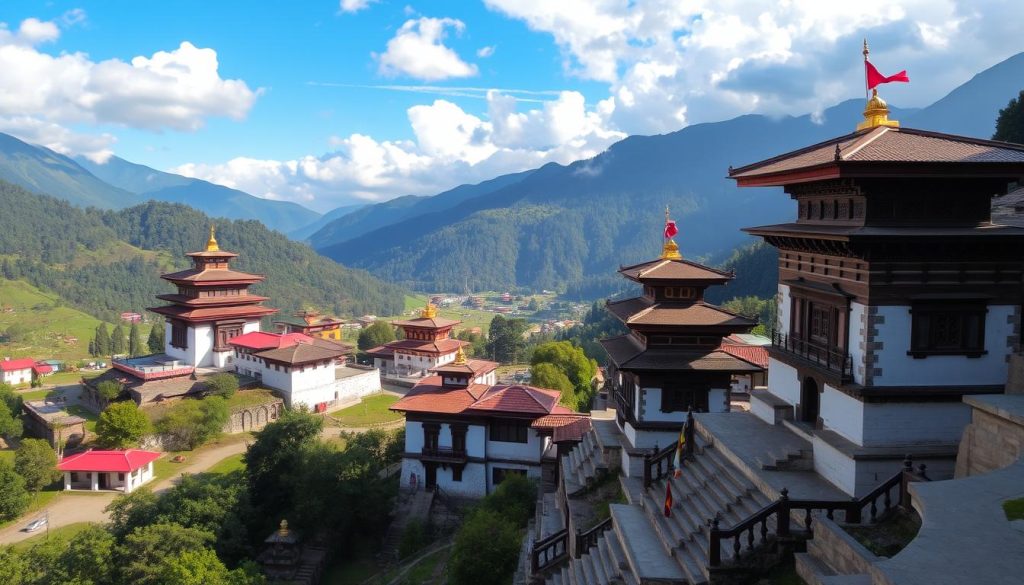
| Site | Established | Significance |
|---|---|---|
| Jambay Lhakhang | 7th Century | One of the oldest temples, known for its annual festival |
| Kurje Lhakhang | Not dated | Site where Guru Rinpoche meditated |
| Tamshing Lhakhang | 16th Century | Famous for ancient paintings and spiritual teachings |
Festivals and Cultural Heritage in Bumthang
Bumthang’s festivals show off its rich culture. These events are deep spiritual experiences for the community. They connect people and highlight the area’s traditions.
The Vibrant Jambay Lhakhang Drup
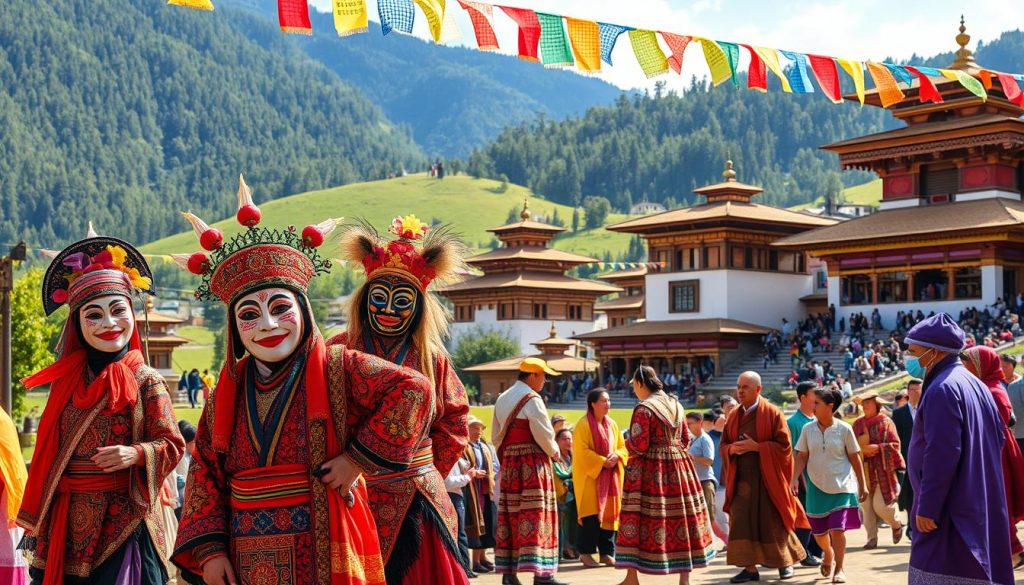
The Jambay Lhakhang Drup festival is famous in Bumthang. It’s celebrated by locals and visitors. The festival includes masked dances by monks.
These dances tell important religious stories. They show the teachings of Buddhism. The festival is key in sharing *Buddhist* values.
As you watch, you learn about Bumthang’s traditions. It’s a chance to see the culture up close.
The Community Spirit of Ura Yakchoe
The Ura Yakchoe festival brings the community together. It’s centered around a sacred relic. The festival has traditional performances and feasting.
Families come together, strengthening their bonds. It’s more than an event; it’s a celebration of *Bhutan spiritual experiences*. It shows the community’s unity and cultural values.
This gathering makes locals feel connected. It also draws tourists wanting to see Bhutan’s true customs.
Experiencing Bumthang’s Natural Beauty
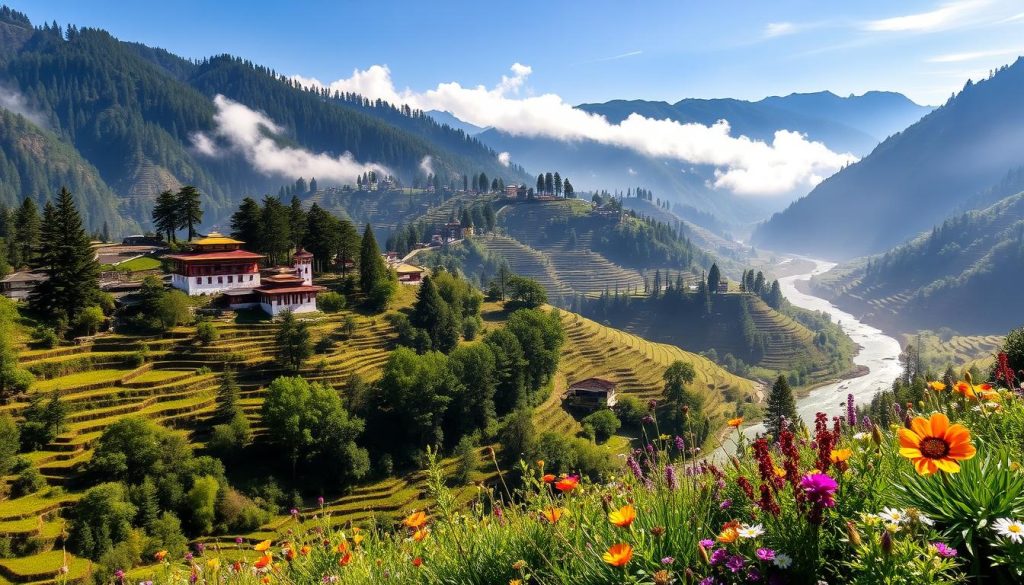
Bumthang’s landscapes are breathtaking, offering a chance to see Bhutan’s natural wonders. The area has vibrant valleys and ancient buildings set in stunning views. You can try various outdoor activities that show off the region’s ecological beauty.
Hiking Trails and Scenic Views
Hiking in Bumthang has trails for everyone. The Bumthang Owl Trek is a highlight, with its scenic views and wildlife. You’ll see cultural sites and hidden spots, making your journey unforgettable.
The four glacier valleys in Bumthang offer different hiking experiences. Each valley has its own natural attractions, making every trek unique.
Iconic Sites such as Burning Lake
Mebar Tsho, or Burning Lake, is a spiritual gem in Bumthang. It’s famous for its beauty and the stories behind it. The lake is surrounded by colorful prayer flags, creating a peaceful scene.
Visitors to Burning Lake get to see its beauty and learn about its legends. These stories add to the exploration of Bumthang’s natural wonders.
Your Journey to Visit Bumthang, Bhutan
Traveling to Visit Bumthang Bhutan is both easy and scenic. You can fly into Bathpalathang Airport for a quick trip from Paro International Airport. Or, take a road trip to see Bhutan’s beautiful landscapes up close.
Travel Tips and Accessibility
When planning your trip, remember to acclimate to Bumthang’s high altitude of 2,800 meters. Also, consider the long drive times from major cities. It’s important to plan your schedule well.
For a deeper experience, travel during local festivals. The Jambay Lhakhang Drup in October or November is a great time to see Bhutan’s culture. Book your stay early, as it gets busy during festivals.
| Route | Duration | Altitude |
|---|---|---|
| Paro to Bumthang | 35 minutes (flight) | 2,800 meters |
| Bumthang to Thimphu | 8-10 hours (drive) | 2,320 meters |
| Thimphu to Paro | 1.5 hours (drive) | 2,195 meters |
| Thimphu to Punakha | 2 hours (drive) | 1,310 meters |
Bumthang is colder than other parts of Bhutan. Visit in warmer months for better weather. Don’t miss the Burning Lake and try local foods like Ema Datshi and hot stone baths.
Accommodations and Dining in Bumthang
Exploring Bumthang means finding the right place to stay. The area has many options for all budgets and tastes. You can choose from fancy resorts to cozy lodges, all offering comfort and stunning views.
Where to Stay: A Range of Options
Bumthang has many places to stay, each with its own charm. For luxury, Amankora Bumthang is a great choice. It has nine rooms and a two-bed villa, offering a cozy feel. The resort is built around trees to protect the environment.
It focuses on sustainability by using food from its gardens or the nearby forest. Families will love the free babysitting for four hours a day. Pets are also welcome, but keep them close due to wildlife.
Local Cuisine: Must-Try Dishes
Trying the local food in Bumthang is a must. You’ll find traditional dishes that will excite your taste buds. Be sure to try Bumthang Cheese and Khur-le, key to the local food scene.
Restaurants like the River Lodge offer a mix of Bhutanese and international dishes. The views from these places make every meal special, adding to your trip’s memories.
Preservation of Bumthang’s Cultural Heritage
Bumthang is a key part of Bhutan’s spiritual and cultural world. It has some of the oldest temples and monasteries, like Jambay Lhakhang and Kurjey Lhakhang. As Bumthang grows, there’s a big push to keep its culture alive. Local people and the government work together to protect its history and nature.
This effort helps Bumthang stay true to itself, even as it changes. It shows how important it is to keep the region’s unique spirit alive.
Balancing Modernity with Tradition
Bumthang works hard to keep its Bhutan cultural balance. It focuses on farming, making products like dairy, honey, and buckwheat. Traditional crafts, like Yathra weaving, are also kept alive, showing off the area’s talent and heritage.
Festivals like the Bumthang Tsechu and the Ura Yakchoe highlight this mix of old and new. They attract visitors who love nature and culture.
Even with new roads and internet, Bumthang faces challenges. It’s all about finding a way to grow without losing its history and beauty. Eco-tourism and cultural tours could help Bumthang grow in a way that respects its past and future.
Conclusion
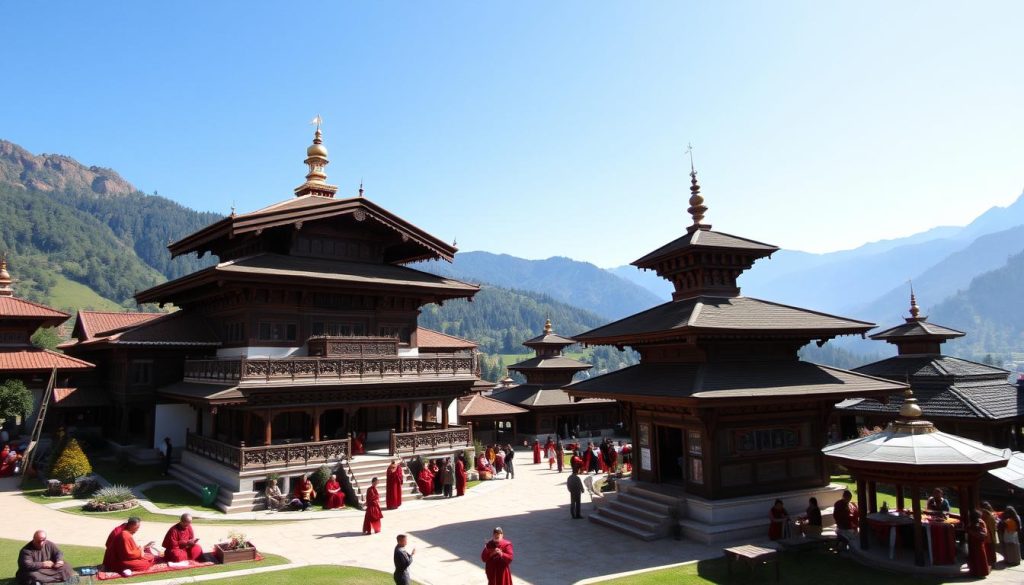
Reflecting on your trip to Bumthang, it’s clear why it’s called Bhutan’s spiritual heart. This place is filled with sacred sites like Jambay Lhakhang and Kurjey Lhakhang. It also hosts vibrant festivals like the Jambay Lhakhang Drup.
These festivals are full of rich traditions. They welcome travelers to dive into Bhutan’s spiritual side. You get to see the cultural depth of this place.
Bumthang’s natural beauty is also stunning. The Bumthang Cultural Trek and Mebar Tsho show its unique landscapes. Here, old history meets modern life, showing the true Bhutanese way.
Visiting Bumthang is more than seeing Bhutan’s spiritual side. It’s an experience that touches your heart and soul. Whether you’re drawn to its sacred sites or community festivals, your trip will change how you see Bhutan.