Experience Taiwan’s Tea Ceremonies and Culture
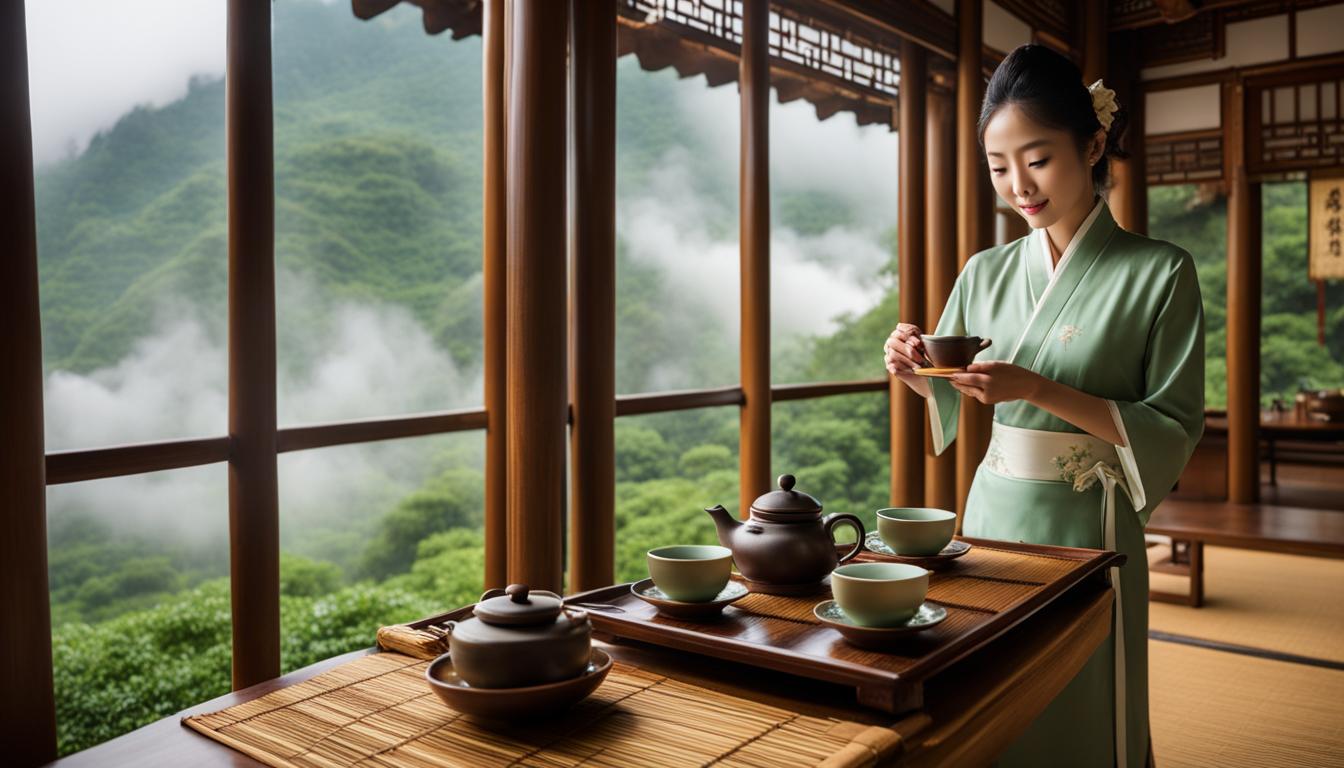
Step into the serene world of traditional tea ceremonies and culture in Taiwan. Immerse yourself in the beauty of this age-old practice and discover the rich heritage behind every cup of tea. Whether you’re a tea enthusiast or simply looking for a moment of mindfulness, Taiwan’s tea culture offers a unique and immersive experience that’s not to be missed.
From the intricate rituals of tea ceremonies to the art of tea appreciation and the health benefits of Taiwanese tea, this article will take you on a journey through the customs, traditions, and practices that shape the tea culture in Taiwan.
Join us as we explore the history of tea in Taiwan, visit picturesque tea farms and plantations, and discover the unique relationship between tea and Taiwanese cuisine. From teahouses to festivals, this article will showcase the beauty and elegance of Taiwan’s tea culture and offer insight into how to incorporate tea rituals into your own life for a greater sense of serenity and mindfulness.
The History of Tea in Taiwan
Taiwanese tea traditions have a long and storied history, deeply intertwined with the country’s culture and heritage. The cultivation of tea in Taiwan is believed to have begun in the 17th century, during the Ming dynasty. However, it wasn’t until the 1800s that tea became a prominent export, and the industry began to flourish.
The tea culture heritage in Taiwan is diverse, with various regional styles of tea that have been developed and perfected over time. Some of the most popular tea varieties from Taiwan include Oolong, Black, and Green tea, each with their own unique flavor and aroma.
“With over 300 years of history, Taiwanese tea is more than just a drink, it’s a way of life.”
Taiwanese tea traditions underwent significant changes during the Japanese occupation of Taiwan from 1895 to 1945. Japan introduced new tea-making techniques to Taiwan and promoted scientific ways of cultivating tea, including tea breeding and soil analysis.
Today, Taiwan is renowned as one of the world’s top tea producers, with tea aficionados flocking to the country to sample its world-class teas and learn from its tea masters. The tea culture heritage in Taiwan is deeply ingrained in the country’s identity, and its impact can be felt in every aspect of Taiwanese life, from the grandest tea ceremony to the most casual cup of tea.
Traditional Taiwanese Tea Ceremonies
Tea is not just a beverage in Taiwan, it is an integral part of the culture and daily life. Traditional Taiwanese tea ceremonies date back to the 19th century when tea culture was introduced to Taiwan, and the practices and customs have been passed down from generation to generation. These ceremonies are much more than just brewing and drinking tea; they represent a way of life, a philosophy, and an art form.
One of the essential aspects of traditional Taiwanese tea ceremonies is the preparation of the tea. It is not just about pouring hot water over the tea leaves; it is a precise and deliberate process that requires skill and attention to detail.
The first step in preparing the tea is rinsing the tea leaves to remove any impurities. Then, the tea leaves are carefully placed in a teapot or gaiwan, and hot water is added. The tea is steeped for a few seconds, and the liquor is poured into a fairness cup to distribute evenly among all guests. The tea is served in tiny porcelain cups, and each cup is refilled with fresh hot water multiple times, with the flavor and character of the tea changing with each steep.
Another crucial aspect of Taiwanese tea ceremonies is the etiquette that must be observed. For example, the guests must wait until the host has poured the tea and raised their cup before drinking. The cups must be held with both hands as a sign of respect, and the guests must not make any unnecessary noise or movements that could disturb the harmony of the ceremony.
The beauty of traditional Taiwanese tea ceremonies lies not only in the taste of the tea but also in the mindfulness and appreciation of the present moment. By participating in a tea ceremony, you can learn to slow down, savor each sip, and enjoy the company of others.
“Tea is not a drink, but an art form. It nourishes the body, mind, and soul.”
Tea Ceremony Practices
Below are some of the essential practices observed during traditional Taiwanese tea ceremonies:
| Practice | Description |
|---|---|
| Warming the Teapot | Before brewing the tea, the teapot or gaiwan is rinsed with hot water to warm it up. This ensures that the tea is brewed at the proper temperature and releases the full flavor and aroma of the leaves. |
| Measuring the Tea | The amount of tea used in a traditional Taiwanese tea ceremony is carefully measured to ensure that the tea is not too weak or too strong, but just right. |
| Timing the Steep | The steeping time is critical in traditional Taiwanese tea ceremonies. It must be just enough to extract the flavor, but not too long that it becomes bitter or astringent. |
| Serving Fairly | All guests are served the same amount of tea, poured from a fairness cup, to ensure that the taste and strength of the tea are consistent for everyone. |
By following these practices, you can experience the authentic beauty and grace of traditional Taiwanese tea ceremonies and appreciate the art of tea brewing as a form of meditation for the mind and soul.
Tea Appreciation Rituals
Tea appreciation is an art form in Taiwan, and the rituals and techniques used to enhance the flavor and aroma of tea are steeped in tradition. Whether you enjoy it on your own or with guests, practicing tea appreciation rituals can enhance your overall well-being and bring a sense of mindfulness and serenity to your routine.
Brewing Methods: The brewing method you choose can greatly affect the taste and aroma of your tea. Some popular methods include gongfu-style brewing, which involves steeping a small amount of tea leaves multiple times in quick succession, and western-style brewing, which involves steeping tea for longer periods of time in larger amounts of water.
Temperature and Timing: The temperature and timing of your brew can also have a significant impact on the final product. For example, certain teas, such as green tea, are best brewed at cooler temperatures, while others, like oolong tea, require hotter water. The timing of your brew can also impact the flavor and strength of your tea, so experimenting with different brew times can help you find your perfect cup.
“Tea is not a drink but an experience, one that can easily be enhanced by practicing the art of tea appreciation.
Tea Sets: The type of tea set you use can also influence your tea appreciation experience. From traditional clay pots to modern glass sets, choosing the right tea set can enhance the aesthetic beauty of your tea drinking ritual.

Tea Brewing Guide
| Tea Type | Water Temperature | Brewing Time |
|---|---|---|
| Green | 170°F-180°F (77°C-82°C) | 1-3 minutes |
| Oolong | 190°F-200°F (88°C-93°C) | 3-5 minutes |
| Pu-erh | 200°F-212°F (93°C-100°C) | 3-5 minutes |
| Black | 200°F-212°F (93°C-100°C) | 3-5 minutes |
Take your tea drinking experience to new heights by practicing the art of tea appreciation. Experiment with brewing methods, timing, and temperature, and choose a tea set that reflects your personal taste to fully immerse yourself in the beauty of Taiwanese tea culture.
Tea Farms and Plantations in Taiwan
Take a journey through Taiwan’s picturesque tea farms and plantations where the art of tea-making has been passed down from generation to generation. The stunning scenery of Taiwan’s tea country is home to an array of tea plantations where different varieties of tea are cultivated.
| Tea Variety | Flavor | Color |
|---|---|---|
| Oolong | Smooth, slightly sweet | Golden brown |
| Black | Rich, malty | Dark red |
| Green | Grassy, vegetal | Light green |
| White | Delicate, floral | Pale yellow |
The cultivation of Taiwanese tea involves intricate and delicate processes that can yield different flavors and aroma depending on the unique environment of each plantation. The island’s high altitude, unique soil composition, and subtropical climate create perfect conditions for growing exquisite tea leaves that results in the distinctive tasting Taiwanese tea.
Furthermore, Taiwan boasts several tea-making techniques that are creative and unique, with many farmers using their own specialized methods to ensure that their tea is of the highest quality. The art of tea-making is cherished and highly respected in Taiwan, with many tea-making techniques passed down from generation to generation.
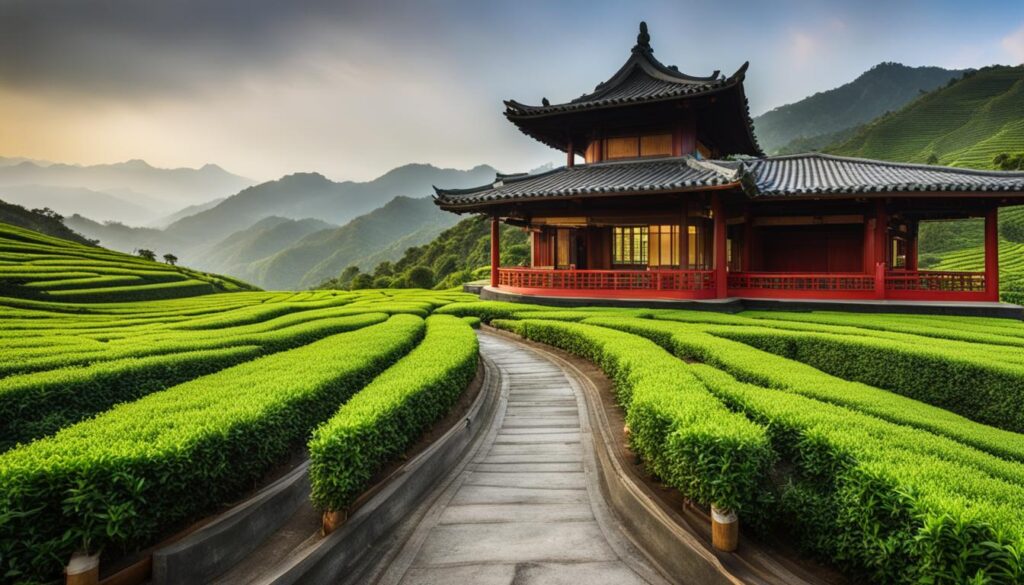
Experience the beautiful culture of Taiwanese tea traditions by visiting the country’s tea farms and plantations. Witness first-hand the hard work and passion driving the production of one of Taiwan’s most significant exports. Learn about the cultivation process, the secrets, and the perfecting of each tea variety, and appreciate the artistry of Taiwanese tea-making techniques.
Tea Houses and Teahouses in Taiwan
When in Taiwan, you cannot miss the chance to visit some of the many traditional teahouses and tea houses located throughout the country. These establishments hold a special place in Taiwanese tea customs and play an essential role in promoting and preserving Taiwan’s tea culture heritage.
The unique architectural styles of teahouses vary, often featuring grandiose entrances, intricate woodwork, and beautiful natural elements. Some even showcase stunning views of Taiwan’s breathtaking landscapes, making them an ideal place to unwind and enjoy a cup of tea.
The serene atmosphere of Taiwanese tea houses and teahouses provides a tranquil space to escape the hustle and bustle of daily life. It’s a place where you can quietly reflect or engage in conversation with friends while enjoying the aroma and taste of Taiwanese tea.

Tea Culture Festivals and Events
Indulge in the lively and colorful traditions of tea culture in Taiwan by participating in various festivals and events that celebrate Taiwanese tea customs and tea culture heritage.
One of the most exciting events is the annual Taiwan International Tea Expo which showcases the country’s diverse tea culture through exhibits, performances and tea-tasting competitions. Here, tea aficionados can explore different types of Taiwanese tea and learn more about the cultivation and brewing techniques from tea masters and farmers.
Another festival worth experiencing is the Dongshan River Tea Art Festival, which is held in autumn and celebrates the rich tea culture heritage of the Dongshan River area. Visitors can enjoy tea tasting, cultural performances and even participate in tea-making activities.
Tea Harvest Festivals
The tea harvest festivals are an excellent opportunity to immerse yourself in the age-old Taiwanese tea customs and culture. These festivals bring together tea farmers and enthusiasts from all over Taiwan to celebrate the harvest season, offering visitors a chance to pick tea leaves, roast tea and participate in tea-picking competitions. Some of the most popular tea harvest festivals in Taiwan include the Pinglin Tea Culture Festival and the Alishan Tea Culture Festival.
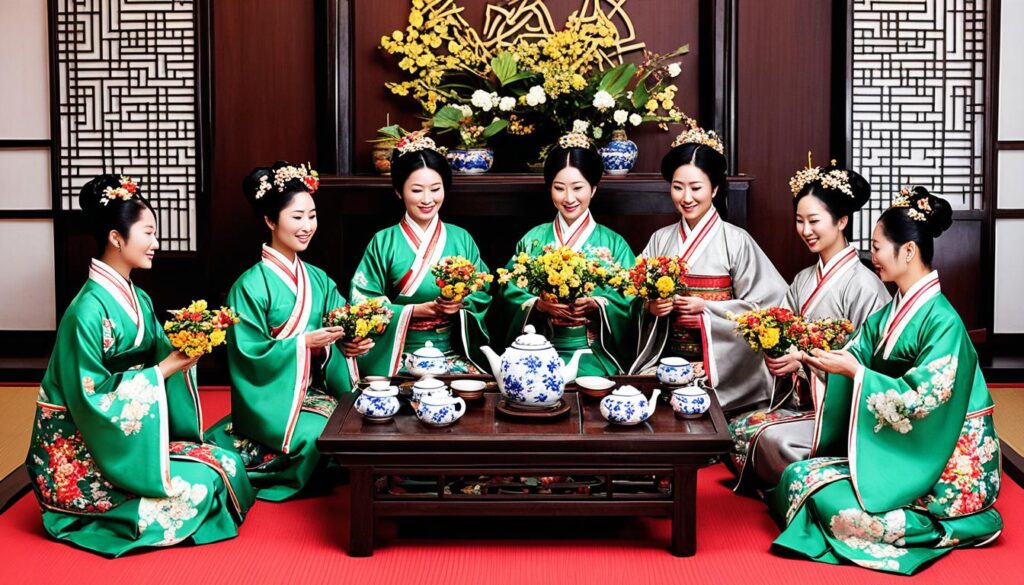
Experience the vibrant and colorful traditions of Taiwanese tea culture by attending these festivals and events. From the tea-tasting competitions to tea harvest festivals, immerse yourself in the beauty of Taiwan’s rich tea customs and culture.
The Health Benefits of Taiwanese Tea
Taiwanese tea traditions have been passed down through generations, contributing to the preservation of tea culture heritage in Taiwan. The antioxidants and compounds present in tea have also been linked to many health benefits.
| Health Benefit | Description |
|---|---|
| Digestive Health | The polyphenols in tea can help improve digestion and reduce inflammation in the gut. |
| Immune Function | The catechins in tea have been shown to have antiviral and antibacterial properties, potentially boosting immune function. |
| Heart Health | Regular tea consumption has been associated with a lower risk of heart disease, due to its ability to reduce inflammation and improve blood vessel function. |
| Mental Clarity | The L-Theanine in tea can have a calming effect on the mind and promote a state of relaxation and mental clarity. |
With its numerous health benefits and cultural significance, it’s no wonder that tea is such an integral part of Taiwanese life.
Tea and Taiwanese Cuisine
In Taiwan, tea plays an important role in the culinary experience. To truly immerse yourself in Taiwanese culture, it’s essential to understand the unique relationship between Taiwanese cuisine and tea. Then, discover the different types of tea that are commonly paired with specific dishes and how tea enhances the flavors of the food.
Oolong tea is considered the national drink of Taiwan. It has a floral aroma and a slightly sweet taste that complements rich and savory flavors. You’ll often find it served alongside Taiwanese breakfast dishes like crispy scallion pancakes and egg crepes. Additionally, oolong tea is often paired with stir-fries and dim sum dishes to balance the heavier flavors of meat and fried foods.
Green tea is another popular tea variety in Taiwan and is often paired with lighter dishes. Its grassy and slightly bitter taste pairs well with dishes like steamed fish and vegetable dishes, making it a healthy and refreshing addition to any meal.
“Tea is considered the yin to the yang of Taiwanese cuisine, providing balance and enhancing the overall dining experience”
Finally, black tea is often served as a dessert tea, paired with sweet dishes like pineapple cake and egg tarts. Its robust flavor and natural sweetness balance the sugariness of the desserts, making for a satisfying and well-rounded culinary experience.
Taiwan’s tea culture and customs play a significant role in the country’s cuisine, enhancing the flavors and overall dining experience. Whether you’re a tea enthusiast or a food lover, incorporating tea into your meals in traditional Taiwanese style is sure to elevate your taste buds.
Conclusion
Now that you have immersed yourself into the world of Taiwanese tea culture and traditional tea ceremonies, you have gained a profound understanding of the importance and value of this ancient practice. By exploring the history of tea in Taiwan and learning about the different types of tea, you have discovered how deeply rooted tea is in Taiwanese heritage.
The intricate and graceful rituals of Taiwanese tea ceremonies have allowed you to appreciate the beauty and mindfulness behind this age-old practice. You have also explored the art of tea appreciation in Taiwan, and learned about various rituals and techniques used to enhance the flavor and aroma of tea.
As you took a journey through Taiwan’s picturesque tea farms, plantations, and tea houses, you have been exposed to different aspects of Taiwanese tea culture. Additionally, you have participated in the vibrant celebrations of tea culture by taking part in various festivals and events.
It’s important to note the health benefits of Taiwanese tea, from promoting digestion to boosting immune function and overall well-being. Moreover, the unique relationship between tea and Taiwanese cuisine has been explored, and you have discovered how different types of tea are commonly paired with specific dishes in Taiwan to enhance flavors and complement the culinary experience.
In conclusion, the traditional tea ceremonies and tea culture in Taiwan are deeply ingrained in Taiwanese society, and have become an integral part of their heritage. By understanding and appreciating this ancient practice, you can incorporate tea rituals into your own life for a greater sense of serenity and mindfulness.