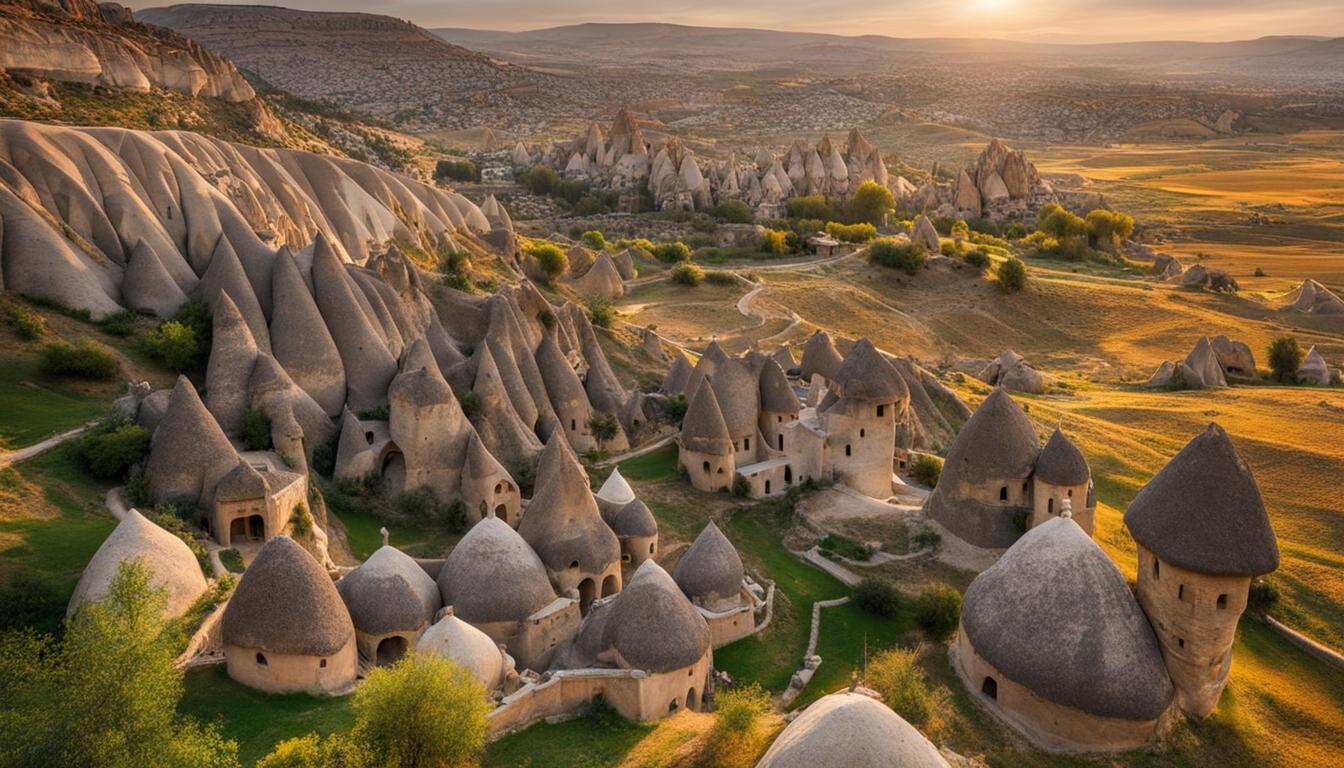
Explore Cappadocia’s Hidden Underground Cities
Prepare to embark on a journey beyond the well-known underground cities of Derinkuyu and Kaymakli. Cappadocia’s underground cities offer a unique and fascinating subterranean adventure waiting to be discovered.
Unearth the marvels of this ancient land and delve into the secrets of the hidden underground cities. These lesser-known gems, such as Özkonak, Mazi, and Tatlarin, offer a glimpse into the remarkable engineering and architecture of the past.
Experience the intriguing daily life and survival strategies of the people who once inhabited these underground cities. From unique architectural features to cultural importance, learn about the historical significance of these underground marvels.
Discover the best practical information for exploring Cappadocia’s underground cities, including tips for navigating the underground complexes, visiting hours, and entry fees.
Join us as we take a journey through these hidden gems and explore the subterranean depths of Cappadocia’s hidden underground cities.
The Enigmatic Underground City of Özkonak
If you want to experience the fascinating history of Cappadocia’s underground cities, don’t miss the chance to visit Özkonak. Located just a few kilometers northeast of Avanos, this unique underground city is a must-see for history enthusiasts and curious travelers alike.
Özkonak is thought to have been built during the Byzantine era, sometime between the 5th and 10th centuries. It is smaller than Derinkuyu and Kaymakli but is no less impressive in terms of its engineering and architectural achievements. The underground city consists of 10 levels, although only four of them are currently open to the public.
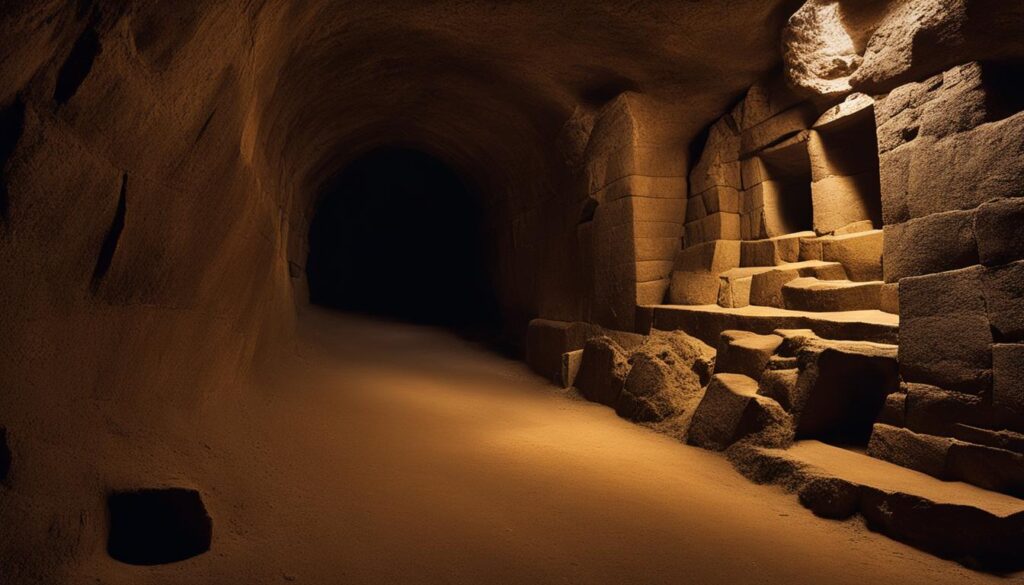
One of the most intriguing features of Özkonak is its narrow ventilation shafts, which helped to pump fresh air into the underground complex. These shafts also doubled as defense mechanisms, allowing the inhabitants to repel intruders by pouring boiling oil down them. Additionally, Özkonak features stone doors that could be rolled across to seal off different sections of the city, making it harder for invaders to penetrate.
Although Özkonak is smaller than Derinkuyu and Kaymakli, it is no less fascinating. Each level of the city has its own unique features, from kitchens and stables to storage rooms and chapels. As you explore, you’ll gain insight into the daily life of the people who once inhabited this underground complex and marvel at their ingenuity and resourcefulness in adapting to underground living.
If you’re fascinated by the history and architecture of Cappadocia’s underground cities, Özkonak is a must-visit. Don’t miss the chance to explore this enigmatic underground city and learn about the secrets it holds.
Exploring the Depths of Mazi Underground City
Leave the crowds behind and embark on an adventure to Mazi Underground City. Tucked away in the isolated village of the same name, this underground city is one of Cappadocia’s best-kept secrets.
A labyrinth of tunnels and chambers awaits you as you step underground, getting a glimpse into the daily lives of the city’s former inhabitants. The settlement features a complex network of ventilation shafts, wells, storage rooms, and even a church, showcasing the unique engineering and architectural accomplishments of the ancient people who built it.
As you wander through the underground city’s dimly lit corridors, you’ll be struck by the haunting beauty of the structures that have stood the test of time. From the intricate stonework of the walls to the carved ornamentations of the doors and arches, every inch of the city exudes an air of mystery and intrigue.
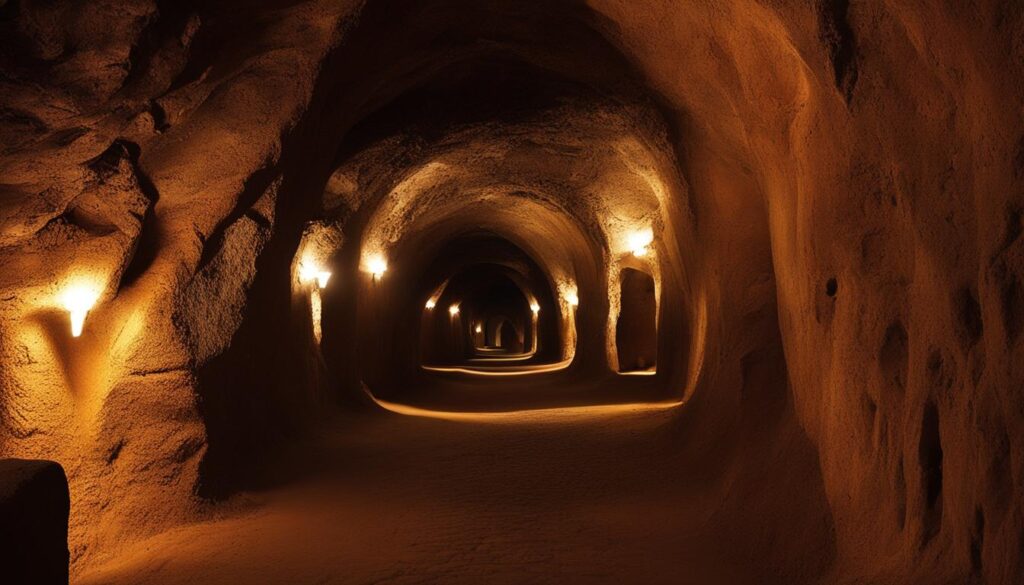
The city’s historical and cultural significance is undeniable, providing a fascinating glimpse into the lives and times of the people who once called it home. Don’t miss this opportunity to explore the secrets hidden within the underground chambers of Mazi Underground City.
The Subterranean Mysteries of Tatlarin Underground City
Located in the heart of Cappadocia, Tatlarin Underground City is one of the region’s most intriguing hidden gems. As you explore this unique underground complex, you will be transported back in time to a world of ancient civilizations and enigmatic mysteries.
What sets Tatlarin apart from other underground cities in Cappadocia is its unique architectural features. The city boasts a complex system of tunnels, ventilation shafts, and living spaces, all of which were ingeniously carved out of the soft volcanic rock that characterizes the region.
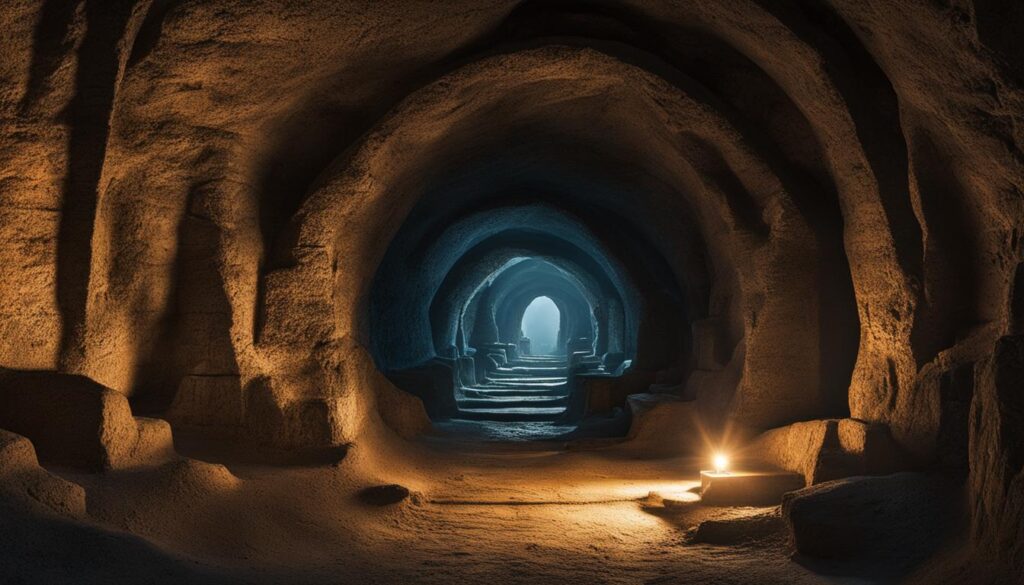
As you descend into the depths of Tatlarin, you’ll be struck by the intricate details etched into the walls and ceilings. From religious motifs to intricate geometric patterns, the underground city is a testament to the creativity and skilled craftsmanship of its ancient inhabitants.
However, Tatlarin also remains shrouded in mystery, with many unanswered questions surrounding its origins and purpose. Some suggest that it was used as a refuge from invading forces, while others speculate that it served as a secret meeting place for religious or political gatherings.
“Tatlarin Underground City is a hidden wonder. It is so fascinating to think about the people who used to live in these underground spaces and imagine what life was like for them.”
Whatever its true purpose, Tatlarin is a must-visit destination for anyone who wants to get a glimpse into the ancient world of Cappadocia. Whether you’re an archaeology enthusiast or simply looking for an off-the-beaten-path adventure, Tatlarin will not disappoint.
Derinkuyu and Kaymakli: A Brief Introduction
As you explore Cappadocia’s underground cities, two iconic sites stand out: Derinkuyu and Kaymakli. These underground cities are among the deepest and most extensive in the entire region, boasting an intricate network of tunnels, chambers, and living spaces. Derinkuyu is the largest known underground city in Turkey, while Kaymakli features a remarkable ventilation system that allowed its inhabitants to survive underground for extended periods.
These unique underground cities were once home to ancient civilizations that lived and thrived beneath the surface. The cities’ origins date back to the Hittites, with subsequent expansion and additions made by various civilizations over time. Both cities display unique features that highlight their complex engineering and architectural achievements, such as underground wells, ventilation shafts, storage rooms, kitchens, and even worship areas.
“Derinkuyu and Kaymakli are a testament to the ingenuity and resourcefulness of the people who once inhabited these underground cities. Despite the harsh and challenging living conditions, these early settlers managed to create a thriving community that survived underground for centuries.”
| Derinkuyu | Kaymakli | |
|---|---|---|
| Maximum Depth | 85 meters | 40 meters |
| Number of Levels | 8 | 4 |
| Capacity | up to 20,000 people | up to 3,500 people |
| Main Features | Multiple wells and shafts leading to the surface, ventilation systems, stables, cellars, kitchens, wineries, oil presses, and even a religious school. | Remarkable ventilation system with vertical shafts connected to each level, stables, wineries, storage rooms, and an extensive tunnel system connecting neighboring villages. |
Derinkuyu and Kaymakli offer a fascinating glimpse into the intriguing history of Cappadocia’s underground cities and the unique challenges that its early inhabitants faced. A visit to these impressive, well-preserved underground cities is a must for anyone interested in historical architecture and engineering marvels.
Beyond Derinkuyu and Kaymakli: Lesser-Known Underground Marvels
If you’re looking to uncover the best-kept secrets of Cappadocia, then a visit to its lesser-known underground cities is a must. While Derinkuyu and Kaymakli are the most famous underground cities in the region, there are hidden gems waiting to be explored.
Venture to the depths of Cappadocia and discover the hidden underground cities that offer a deeper insight into the region’s rich history. These hidden marvels were once used as safe havens by the early inhabitants of the region, providing shelter from raiders and invaders.
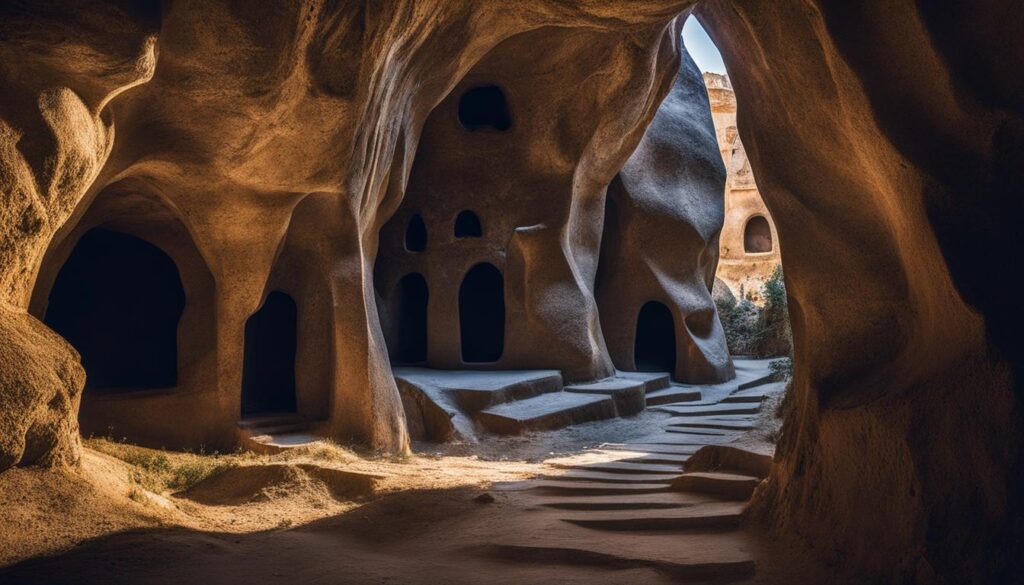
Explore the intricate tunnels, living spaces, and fascinating architecture of these hidden gems, and gain a unique understanding of the people who once inhabited them. Discover the secrets that lie within and marvel at their engineering feats.
Among the lesser-known underground cities in Cappadocia are Özkonak, Mazi, and Tatlarin. Özkonak is an enigmatic underground city with unique features that offer insight into the daily lives of its former occupants. Mazi is an off-the-beaten-path gem that boasts an intricate network of tunnels and passageways. Tatlarin is another remarkable underground city that is shrouded in mystery and whispers stories of ancient times.
| Underground City | Details |
|---|---|
| Özkonak | An enigmatic underground city with unique features |
| Mazi | An off-the-beaten-path gem with intricate tunnels and passageways. |
| Tatlarin | A remarkable underground city shrouded in mystery |
The hidden underground cities in Cappadocia are a testament to the region’s rich history and remarkable engineering feats. Plan your visit to explore these hidden marvels and gain a unique understanding of the people who once called them home.
Exploring Cappadocia’s Underground Architecture
The underground cities of Cappadocia are not only remarkable for their historical significance and the unique lifestyle of their inhabitants but also for their exceptional architecture. These complex subterranean structures were ingeniously designed to provide inhabitants with a comfortable and practical living space.
The architecture of the underground cities is characterized by the use of natural materials such as volcanic rocks and clay, which were carved and shaped to create the intricate network of tunnels, rooms, and passages. The use of these materials not only made the underground cities sturdy and long-lasting but also ensured thermal insulation, keeping the underground spaces at a constant temperature throughout the year.
One of the most fascinating features of Cappadocia’s underground architecture is the ventilation system. The ingenious engineering techniques used to create intricate ventilation networks allowed fresh air to circulate deep underground, enabling inhabitants to breathe and stay healthy.
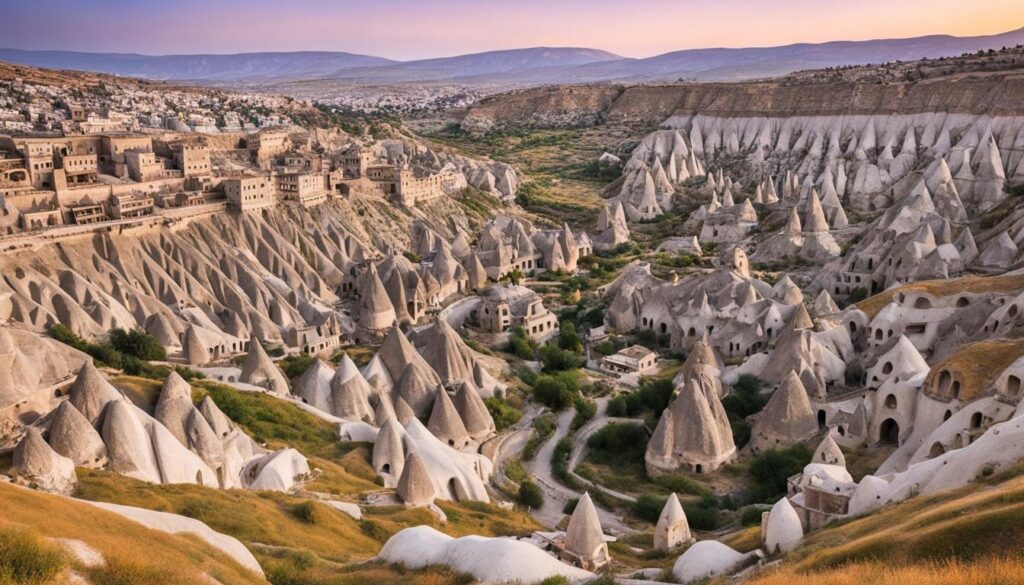
The underground cities feature various chambers designed for specific purposes such as storage, winemaking, and livestock breeding. The stable condition of the underground cities made it possible to cultivate crops underground, providing for the basic needs of the inhabitants.
The underground architecture of Cappadocia’s cities is an engineering marvel, a testament to the creativity and intelligence of the people who built them. As you explore these remarkable subterranean structures, you’ll gain insight into the history and culture of Cappadocia and marvel at the architectural wonders of the past.
The Underground Life: Daily Activities and Survival Strategies
Explore the daily life and survival strategies of the people who once inhabited the fascinating underground cities of Cappadocia. Living conditions were challenging, with limited access to natural light and fresh air. However, the ingenuity and resourcefulness of the inhabitants allowed them to thrive in their subterranean habitats.
Tasks, such as cooking and cleaning, were carried out in designated areas, and ventilation shafts were constructed to ensure optimal air circulation. Additionally, animals such as sheep and goats were kept in the underground cities, providing not only a source of food but also warmth during the harsh winters.
The social dynamics of underground life were unique, with families and extended family networks occupying clusters of rooms. Communal spaces, such as churches and agora, functioned as gathering places for important events and socializing.
| Survival Strategies | Daily Activities |
|---|---|
| Water sources: Locating and accessing water sources was crucial for survival. Wells were dug, and underground rivers were redirected into the cities. | Cooking and food storage: Cooking took place in designated areas to prevent fires, while food was stored in cellars to preserve it for longer periods. |
| Early warning systems: Intruders could be heard and detected early through the use of strategic building design, including narrow passages and traps. | Social gatherings: Communal activities, such as dances and religious ceremonies, were held in designated areas. |
| Defensive mechanisms: Secure doors, hidden tunnels, and traps provided protection against hostile outsiders. | Education: Children received education from family members or specialist teachers, with some cities even having dedicated schools. |
The creativity and ingenuity of the people who once lived in Cappadocia’s underground cities is remarkable, and exploring their daily lives provides invaluable insight into their unique cultural heritage.
The Historical Significance of Cappadocia’s Underground Cities
Discover the historical significance of Cappadocia’s underground cities and their role in shaping Turkish history. These ancient subterranean settlements were carved into soft volcanic rock and used as hiding places by early Christians escaping persecution. Over time, they evolved to become bustling underground cities complete with living quarters, stables, churches, and wineries.
The unique underground architecture of these cities is a testament to the ingenuity and creativity of their inhabitants, who developed ingenious methods to provide ventilation, fresh water, and food storage in the underground environment. They also served as defensive fortifications, providing shelter and security against invading armies.
Today, these underground cities are an important cultural and historical asset for Turkey, drawing visitors from all over the world who are eager to explore the fascinating history and architecture of this unique region.
The Defensive Capabilities of Cappadocia’s Underground Cities
One of the most notable features of Cappadocia’s underground cities is their incredible defensive capabilities. The complex system of tunnels and chambers allowed inhabitants to stage effective ambushes against enemy invaders, while the narrow passageways made it difficult for large armies to navigate the underground terrain.
The underground cities were also equipped with a range of defensive features, including rock-cut doors, rolling stone disks, and ventilation shafts that could be blocked off in case of attack. The ingenious engineering and creative problem-solving demonstrated by the builders of these underground cities are a testament to their resourcefulness and resilience.
Exploring Cappadocia’s Underground Cities: Practical Information
Congratulations on deciding to visit Cappadocia’s mesmerizing underground cities! To make the most of your trip, here are some practical tips for exploring these unique wonders:
- Research the different underground cities beforehand to decide which ones you want to visit. While Derinkuyu and Kaymakli are the most famous, the lesser-known Özkonak, Mazi, and Tatlarin underground cities are worth exploring as well.
- Wear comfortable shoes with good traction since the ground may be uneven and slippery in some areas.
- Bring a flashlight or headlamp to navigate the dimly lit tunnels and rooms. Alternatively, you can rent one from the entrance.
- Respect the historical and cultural significance of these underground cities by avoiding touching the walls or any artifacts within them.
- Some underground cities require a ticket and have specific opening hours, so check beforehand to avoid disappointment. The entry fee for most underground cities is around 30-35 Turkish Lira (approximately $4-5 USD).
- If you’re prone to claustrophobia, be prepared for the narrow passageways and low ceilings in some areas. Some underground cities may also have steep stairs or deep wells, so exercise caution and abide by safety regulations.
By following these tips, you’ll be able to explore Cappadocia’s underground cities safely and comfortably. Have a wonderful time!
Other Hidden Gems of Cappadocia
While the underground cities of Cappadocia are undoubtedly the region’s main draw, there are plenty of other off-the-beaten-path attractions waiting to be discovered.
Rock-cut churches
One such attraction is the ancient rock-cut churches scattered throughout the area. Featuring intricate frescoes and unique architectural details, these churches offer a fascinating glimpse into the region’s rich cultural heritage.
Hot air balloon rides
For a truly unforgettable experience, take to the skies in a hot air balloon and marvel at the breathtaking landscapes of Cappadocia.
Jeep safaris
If you prefer your adventures on the ground, consider a jeep safari through the region’s rugged terrain. You’ll have the chance to explore hidden valleys, ancient villages, and stunning vistas along the way.
Wine tasting
Cappadocia is also known for its burgeoning wine industry, with vineyards dating back thousands of years. Take a tour of a local winery and indulge in some of the region’s finest wines.
From hidden rock-cut churches to adrenaline-pumping adventures, Cappadocia is full of surprises. Don’t miss out on these other hidden gems in this fascinating region.
Conclusion
You have embarked on a fascinating journey through the hidden underground cities of Cappadocia, unearthed the secrets of its unique subterranean wonders, and gained insight into the historical significance of these architectural marvels. From the enigmatic Özkonak to the lesser-known Tatlarin, you have discovered a world of extraordinary underground complexes, each with its own story to tell.
As you reflect on your journey, remember that Cappadocia has so much more to offer beyond its underground cities. From ancient rock-cut churches to breathtaking landscapes, explore the lesser-known wonders of this fascinating region. Plan your visit with essential practical information and make the most of your exploration of this one-of-a-kind destination.
Thank you for joining us on this adventure through Cappadocia. We hope it has inspired you to uncover hidden gems, embrace new experiences, and appreciate the beauty of this world.