Your Guide to the Top Historical Sights in Córdoba, Spain
Planning a trip to Córdoba, Spain? You might wonder about the top historical spots to see. This city is a treasure trove of history, with influences from Romans, Muslims, and Christians. You’ll find amazing sights like the Mezquita and the Alcázar de los Reyes Cristianos.
But what makes these places so special? And how can you enjoy your visit to the fullest?
Córdoba’s history is alive in its landmarks, like the Roman Bridge and the Jewish Quarter. Exploring the city, you’ll see how different cultures have shaped its past. It’s a place that history lovers and travelers will find captivating.
With four UNESCO World Heritage Sites, including its historic center and the Festival of the Patios, Córdoba is rich in history and culture. It offers a unique experience for those interested in historical landmarks and attractions in Córdoba, Spain.
The Rich Historical Legacy of Córdoba: A Journey Through Time
Córdoba, Spain, has a history spanning over 2,000 years. On a Córdoba Spain history tour, you’ll see the city’s rich culture and history. You’ll visit famous sites like the Mezquita, making it perfect for history buffs.
The city has four UNESCO designations. The Mezquita-Catedral de Córdoba is a highlight, with its 850 columns and Moorish design. Córdoba’s history shows a mix of Roman, Islamic, and Christian styles.

Don’t miss the Alcázar de los Reyes Cristianos and the Roman Bridge. The city’s historic centre is also a UNESCO site. It includes the Córdoba Synagogue, known for its unique Mudéjar décor.
Exploring Córdoba lets you dive into its history and culture. It’s a great place for a history tour. With sites like the Mezquita and Alcázar de los Reyes Cristianos, it’s an experience you won’t forget.
The Mezquita: Córdoba’s Architectural Marvel
When you visit Córdoba, Spain, don’t miss the Mezquita. It’s a stunning example of the city’s rich history. The mosque combines Islamic and Christian designs, showing the city’s cultural mix.
The Mezquita started in the 8th century. Over time, it grew and changed, adding new features. Today, it’s known for its beautiful arches and detailed designs.
The Mezquita’s courtyard, the Patio de los Naranjos, is a highlight. It was once used for rituals before prayer. The red and white arches symbolize the endless nature of Allah.
Millions visit the Mezquita every year. It’s a top attraction in Córdoba, showing off the city’s history and beauty.
Some interesting facts about the Mezquita include:
- Construction began in 786 CE and continued for nearly 200 years
- The mosque can hold up to 40,000 worshippers, making it the largest mosque in the world at the time of its construction
- The courtyard features a mix of Islamic and Christian architectural elements
- The cost of entry to the Mezquita is 13 euros, with recommendations to book tickets in advance
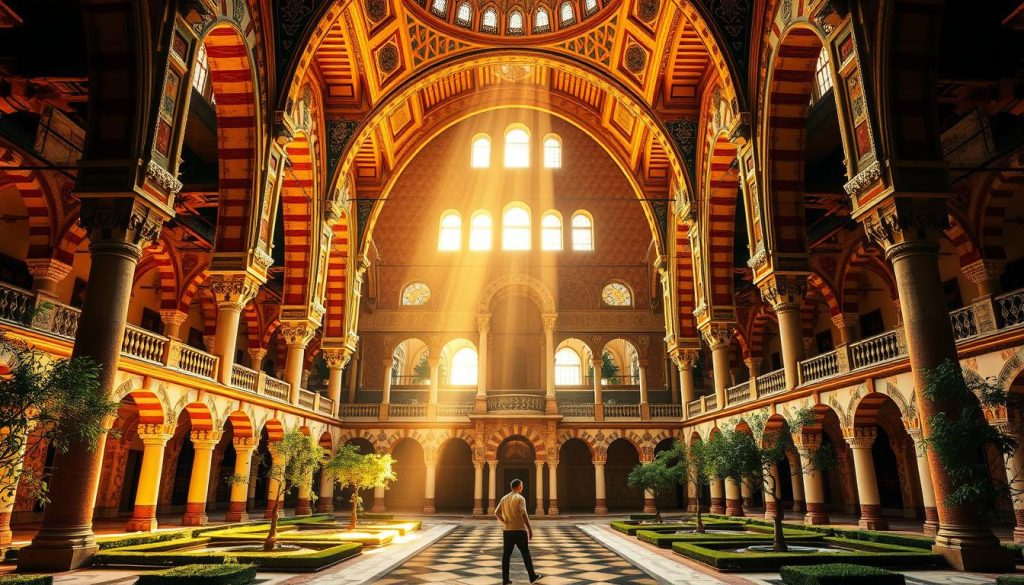
The Mezquita showcases Córdoba’s rich culture. UNESCO named it a World Heritage Site in 1984. Visiting the Mezquita lets you dive into the city’s history and architecture.
What Are the Top Historical Sites to See in Córdoba, Spain?
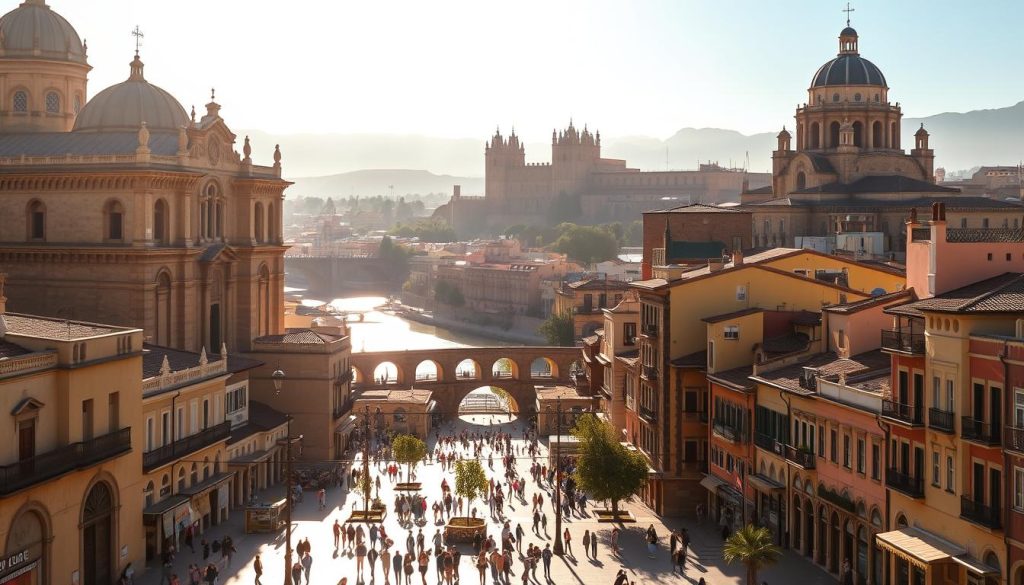
Córdoba, in southern Spain, is full of historical sites. It shows the mix of Roman, Islamic, and Christian cultures. You’ll find many must-see sites in Córdoba, Spain, that highlight the city’s rich history.
Some key sites include the Mezquita, the Alcázar de los Reyes Cristianos, and the Roman Bridge. These places show Córdoba’s complex past and its role in Western history. Exploring the city’s streets and landmarks will amaze you.
- Ancient Roman Ruins, such as the Roman Temple and Roman Mausoleums
- Medieval Christian Monuments, such as the Chapel of San Bartolomé and the Monastery of San Jerónimo de Valparaíso
- Islamic Architectural Treasures, such as the Mezquita and the Minaret of San Juan
These sites prove Córdoba’s rich history and its role in Western civilization. Its mix of cultures and landmarks makes it a key place for history, architecture, and culture lovers.
| Historical Site | Period | Significance |
|---|---|---|
| Roman Temple | 1st century A.D. | One of the few remaining Roman temples in Spain |
| Mezquita | 8th-18th century | A unique blend of Islamic and Christian architectural styles |
| Alcázar de los Reyes Cristianos | 13th century | A medieval fortress and palace complex |
Córdoba offers a lot for everyone. Its history, architecture, and culture are fascinating. It’s a top spot in southern Spain for history and architecture fans, and its sites are a big part of its tourism.
Exploring the Jewish Quarter (Judería)
As you walk through the Jewish Quarter, you’ll find a charming area. It’s filled with historical landmarks in Córdoba, Spain. This area is known for its beautiful patios and historic sites like the ancient synagogue.
The Jewish Quarter, or La Judería, is a key spot for history lovers. It’s rich in history, dating back to the Middle Ages. This quarter was a major cultural and religious hub for centuries.
Some top sights in the Jewish Quarter include:
- The ancient synagogue, one of only three original synagogues remaining in Spain
- Historic Jewish streets and picturesque patios, perfect for getting lost in the charm of the quarter
- Casa Sefarad, a restored 14th-century house showcasing the lifestyle of Spanish Jews before their expulsion
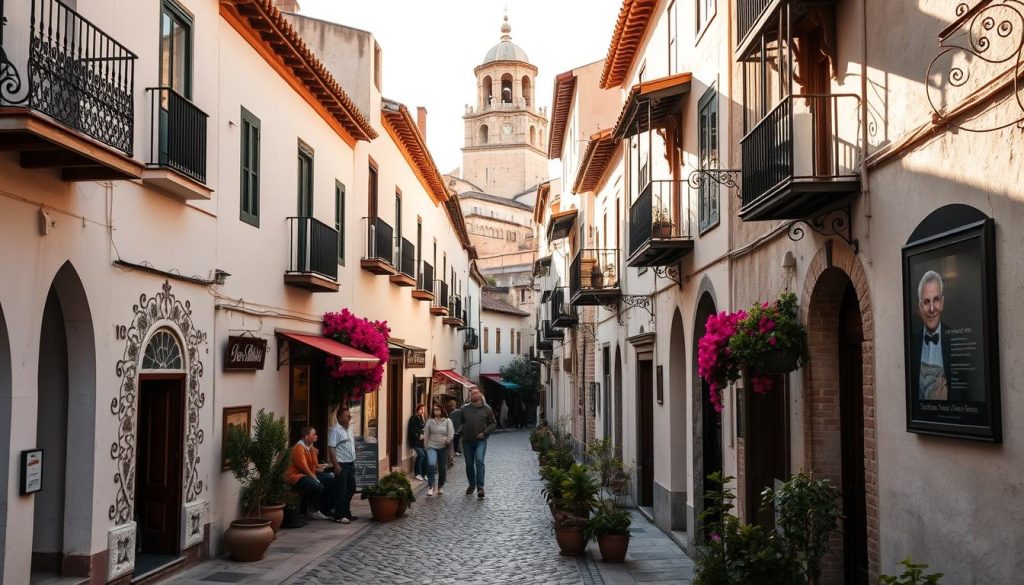
Exploring the Jewish Quarter lets you dive into the city’s Jewish heritage. You’ll see the unique culture of this historic area. With its narrow streets, beautiful patios, and historic sites, the Jewish Quarter is a must-see. It’s perfect for those interested in historical landmarks in Córdoba, Spain and the best historical attractions in Córdoba.
The Alcázar de los Reyes Cristianos
When you start your Córdoba Spain history tour, don’t miss the Alcázar de los Reyes Cristianos. This historic palace and fortress shows the city’s rich culture. It combines Islamic and Christian styles.
The palace’s story goes back to the 14th century. It has been a key spot for culture and history for centuries.
Walking through, you’ll see beautiful arches, domes, and decorations. These show the mix of Islamic and Christian designs. The Alcázar has been a royal home, a cultural hub, and even the Inquisition’s base. 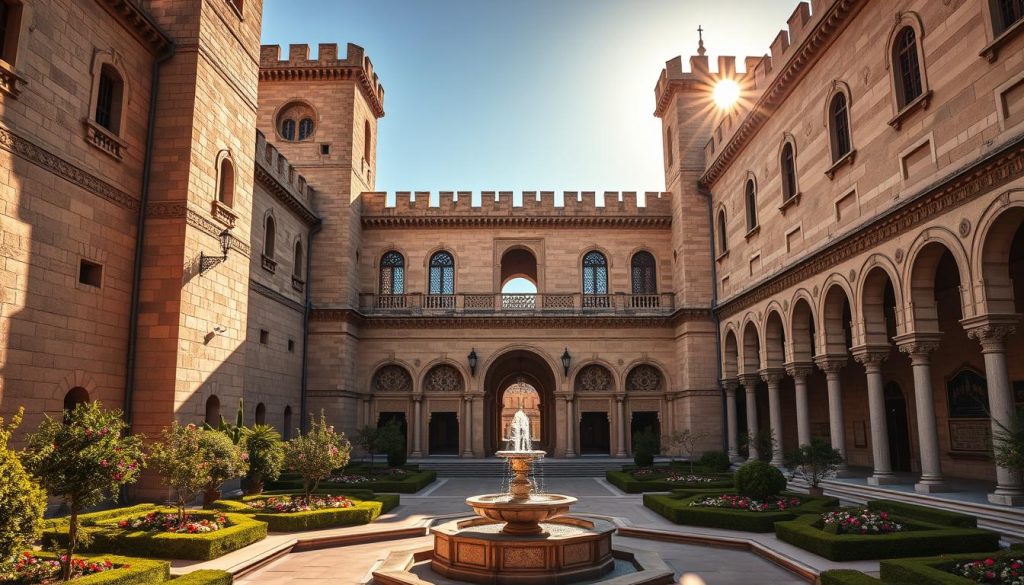
Look out for the Roman sarcophagus from the early 3rd Century. And don’t miss the Arabic-style baths with vaulted ceilings. The Hall of the Mosaics is also a must-see, with Roman mosaics found under the Corredera.
As you walk the gardens, you’ll see the castle’s grandeur and the lovely views around it.
To visit, book your tickets online or at the monument, bus station, or Visitors Center of Cordoba. There’s also a 24h Totem in front of the castle. With its history, architecture, and gardens, the Alcázar de los Reyes Cristianos is a top spot on your Córdoba Spain history tour.
| Feature | Description |
|---|---|
| Roman Sarcophagus | Dates back to the early 3rd Century |
| Arabic-style Baths | Features vaulted ceilings and three rooms |
| Hall of the Mosaics | Features Roman mosaics discovered beneath the Corredera |
Roman Bridge and Torre de la Calahorra
Exploring Córdoba’s top historical spots, you’ll find the Roman Bridge. It’s a symbol of the city’s deep history. The bridge combines Roman and Islamic styles, making it a key cultural spot for centuries.
Visiting the Roman Bridge, you’ll discover its role in history. It was a major route and a hub for culture and learning. Nearby, Torre de la Calahorra offers amazing views of the city and river. Walking here, you’ll feel Córdoba’s historic charm, making your visit unforgettable.
The Roman Bridge and Torre de la Calahorra show Córdoba’s mix of cultures. Whether you love history, architecture, or culture, Córdoba has it all. It’s a top spot for those interested in historical tourism.
Some key features of the Roman Bridge and Torre de la Calahorra include:
- Historic architecture with Roman and Islamic influences
- Stunning views of the city and the river
- Rich history and cultural significance
- Opportunities to learn about Córdoba’s past and its importance in Córdoba Spain historical tourism
When planning your Córdoba visit, don’t miss the Roman Bridge and Torre de la Calahorra. They are highlights of the city’s rich history and culture.
Medina Azahara: The Forgotten City
As you explore Córdoba, Spain, you’ll find Medina Azahara. It’s an ancient site just outside the city. This place has been a key cultural and historical spot for centuries. It gives a peek into the region’s rich history.
Medina Azahara started building in 936 AD and took 25 years to finish. Over 10,000 workers were involved. The palace-city had double walls and over 4,000 marble and jasper columns. The Aljama mosque was built first in 941 AD, showing the city’s architectural and cultural heritage.
Some key facts about Medina Azahara include:
- Construction began in 936 AD and took over 25 years to complete
- More than 10,000 men were involved in the construction process
- The city was enclosed by double walls for security
- Over 4,000 columns were made from white, pink, and green marble and jasper
- The Aljama mosque was one of the first buildings completed in 941 AD
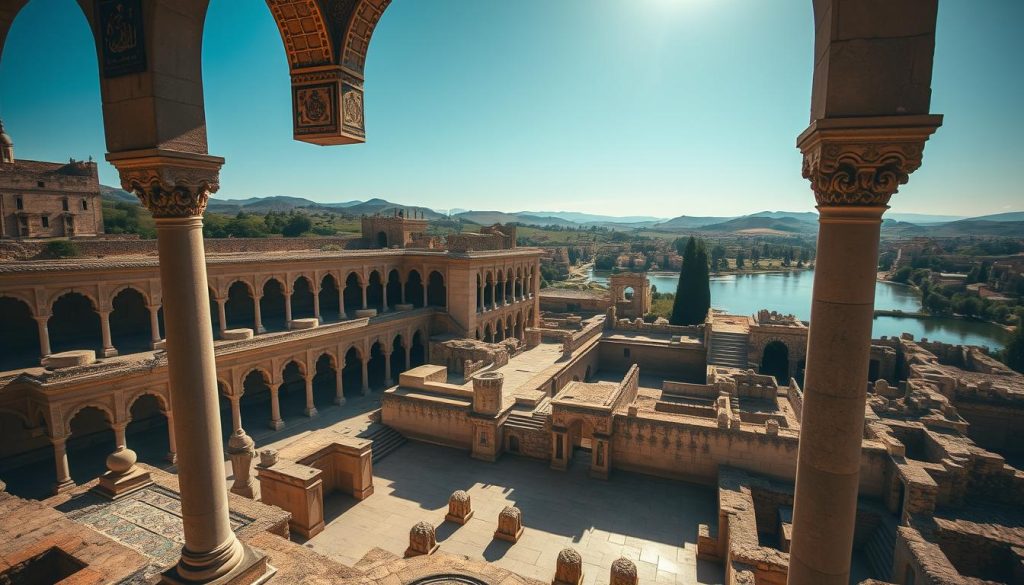
Today, Medina Azahara is up for UNESCO World Heritage Site status. Visitors can see its ruins, like palaces, mosques, and gardens. It’s a must-see for anyone exploring Córdoba’s history, offering a unique and unforgettable experience.
Palaces and Patios of Córdoba
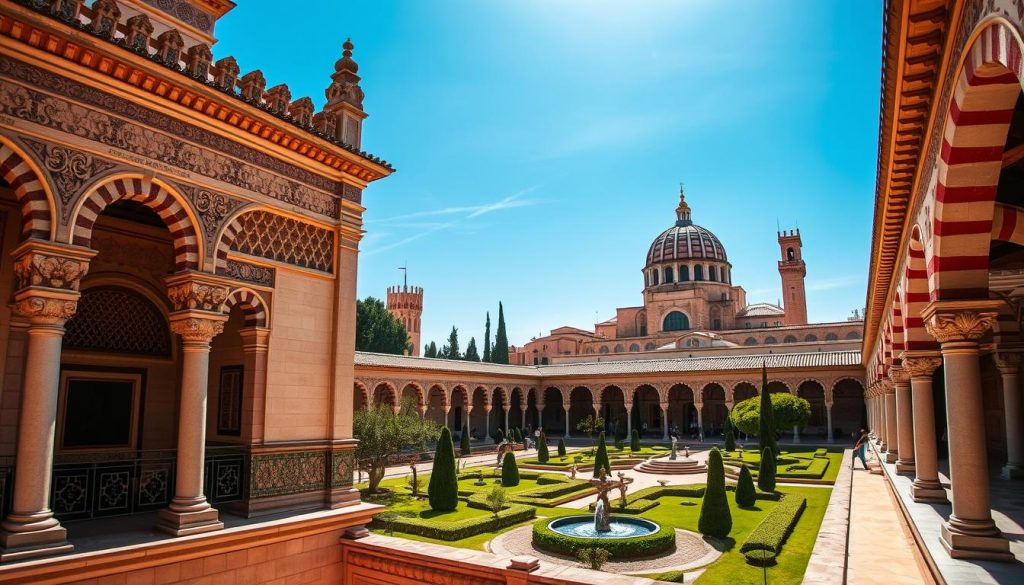
Exploring Córdoba, Spain, reveals its charming palaces and patios. The Viana Palace is a highlight, blending Islamic and Christian styles. It boasts intricate arches, domes, and ornate decorations. This palace is a key historical attraction, showing Córdoba’s rich cultural heritage.
The palaces and patios of Córdoba welcome visitors all year. The Festival of the Patios in May is a major event. It lets you see private courtyards, showcasing traditional architecture and beautiful gardens.
Exploring the Viana Palace
The Viana Palace has twelve courtyards and one formal garden. It’s a unique spot to visit. The last Marchioness of Viana, Sophia of Lancaster, kept its original 14th-century features.
Walking through the palace, you’ll see its detailed architecture and decorations. It’s a top site in Córdoba, Spain. The palace’s history, as a royal residence and cultural center, is fascinating.
Traditional Courtyards and the Festival of the Patios
The traditional courtyards of Córdoba are a big part of its culture. The Festival of the Patios celebrates these spaces. It happens in May, offering a chance to see the city’s history and culture.
Córdoba is rich in history and tradition. Its beautiful patios and stunning architecture make it a must-see. The Festival of the Patios is a highlight, showcasing the city’s heritage.
| Palace/Courtyard | Features | Opening Times |
|---|---|---|
| Viana Palace | 12 courtyards, 1 formal garden | Monday – Sunday, 10am – 7pm |
| Traditional Courtyards | Private cobblestone courtyards | Varies, check with individual owners |
Best Times to Visit Historical Sites
When planning your trip to Córdoba, Spain, think about the best times to see the historical sites. The city is lovely from spring to fall, with warm and sunny weather. This makes it perfect for wandering through the narrow streets and seeing the beautiful patios and landmarks.
In Córdoba, you’ll find a lot of history and culture. Places like the Mezquita, the Alcázar de los Reyes Cristianos, and the Roman Bridge are must-sees. To avoid the crowds, visit these spots early in the morning or late in the afternoon.
Some of the top historical sites to visit in Córdoba include:
- The Mezquita, a stunning example of Islamic architecture
- The Alcázar de los Reyes Cristianos, a fortress with beautiful gardens
- The Roman Bridge, a historic bridge with stunning views of the city
These sites show Córdoba’s importance in Spain’s history. Visiting them will help you understand the city’s history and culture better. With its mix of Islamic, Christian, and Roman influences, Córdoba is unforgettable.
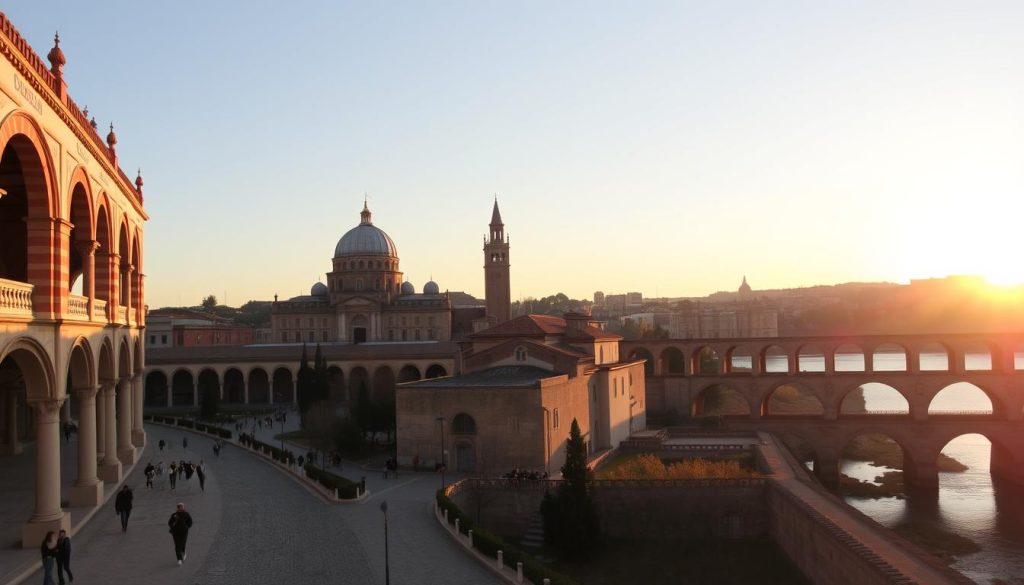
By planning your visit to these sites, you’ll see the best of Córdoba. You’ll gain a deeper appreciation for the city’s history and culture.
Planning Your Historical Tour
Getting ready to see the historical sites in Córdoba, Spain? It’s key to plan ahead. With so many attractions, you’ll want to see everything. Buy tickets for places like the Mezquita Cathedral, the Alcázar de los Reyes Cristianos, and the Roman Bridge.
Decide if you want a guided or self-guided tour. Guided tours give you deep insights, while self-guided tours let you explore freely. For example, the Córdoba Ecuestre performances start at €16. The San Basilio Patios Tours happen at 12 PM and 5 PM.
Here are some ticket prices to help you plan:
- Mezquita Cathedral: €11 for adults, €6 for kids aged 10-14, free for kids under 10
- Alcázar de los Reyes Cristianos: €5 for adults, €2.50 for seniors and students, free for kids under 13
- Roman Bridge: free to visit, but a ticket to the Torre de la Calahorra costs €4.50
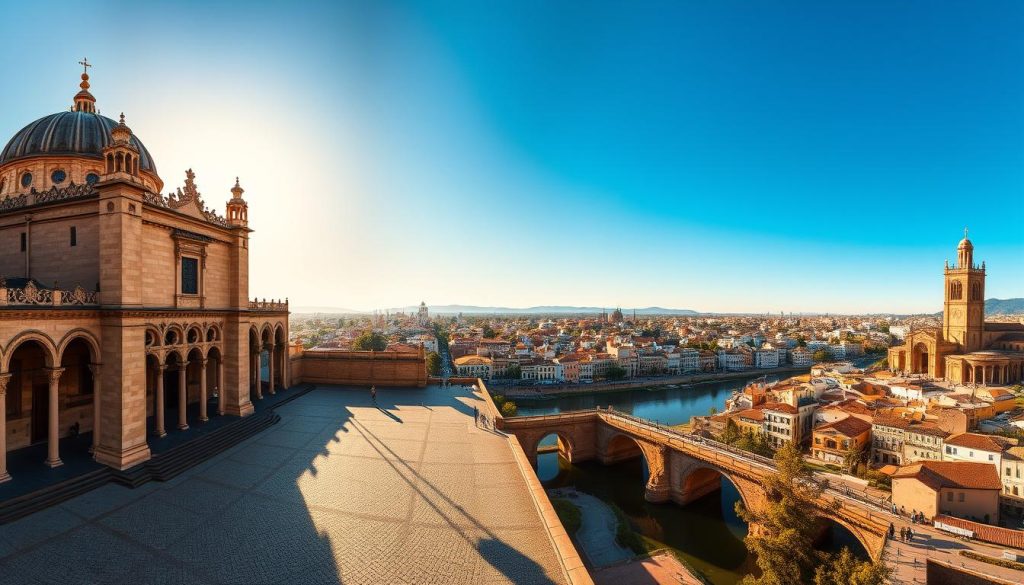
With some planning, your tour of Córdoba will be unforgettable. You’ll see the city’s top historical spots and learn about its culture.
Photography Tips for Historical Landmarks
Exploring Córdoba’s famous historical sites is a treat. You’ll want to capture their beauty. Photography helps you keep memories alive and share them with others. The Mezquita, Alcázar de los Reyes Cristianos, and Roman Bridge look best in the soft, warm light of early morning or late afternoon.
Look for interesting angles and compositions. Respect the sites and their surroundings by not touching or damaging them. The Palacio de Viana and Sinagoga offer unique photo opportunities with their architecture.
- Using a polarizing filter to reduce glare and enhance colors
- Experimenting with different angles and perspectives
- Taking photos during the golden hour, when the light is soft and warm
By following these tips, you’ll capture Córdoba’s historical landmarks. You’ll create lasting memories of your visit to these top historical places in Córdoba.
Conclusion: Making the Most of Your Historical Journey in Córdoba
As you finish exploring Córdoba’s historical sites, think about all you’ve learned. You’ve seen the Mosque-Cathedral, a UNESCO World Heritage site, and the ancient Roman ruins. You’ve also explored the charming Jewish Quarter.
Whether you spent 1-2 hours at the Mosque-Cathedral or climbed the Mezquita Bell Tower, you now appreciate Córdoba’s history more. This city’s cultural mix is truly fascinating.
Córdoba has four UNESCO World Heritage sites in its historic center. This means you can dive deep into the city’s culture. When you return, spend time at the historical sites in Córdoba, Spain. Explore exploring Córdoba’s historical sites at your own pace.
Don’t miss the Alcázar de los Reyes Cristianos and Medina Azahara. Each place tells a part of Córdoba’s story. By embracing its heritage, you’ll truly understand this Andalusian treasure.