Your Guide to Experiencing Fiji’s Culture in Suva
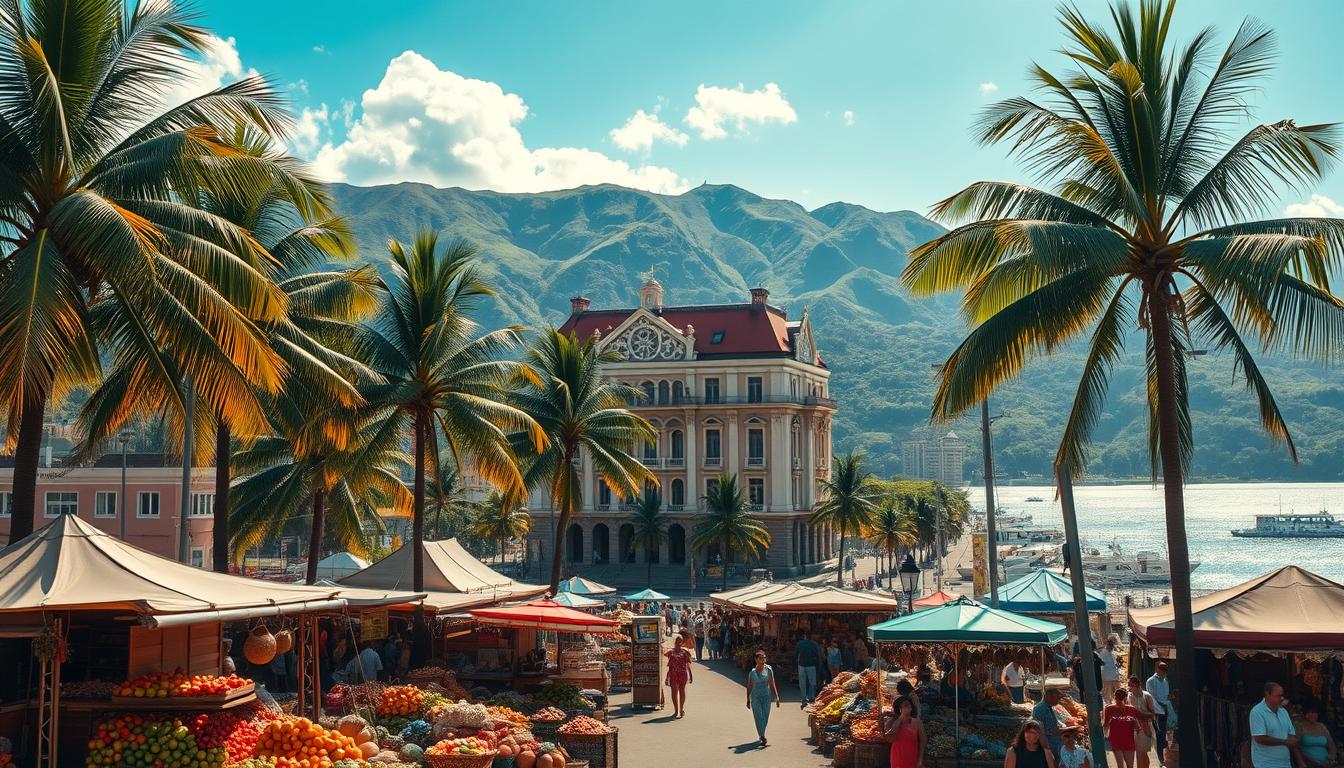
Are you ready to dive into a vibrant cultural scene? Suva, Fiji’s capital, is a mix of old and new. It’s a city on Viti Levu’s south-eastern coast, full of history, museums, markets, and nightlife.
In Suva, you’ll find a rich cultural world. It shows the city’s history and spirit. You can see traditional villages, colonial buildings, and more. You can explore local markets, visit historical museums, or just enjoy the lively vibe.
Discovering Suva: Fiji’s Cultural Capital
Suva is at the heart of the Pacific, showing Fiji’s culture. It’s a place where old traditions meet new ways, making it special.
The Historical Significance of Suva
Suva started as a small village and grew into a big city. It became a city in 1952. Now, it’s Fiji’s center for culture and government, showing its rich history in its buildings and ways of life.
Overview of Suva’s Cultural Landscape
Suva’s culture is a mix of many things. It shows the city’s diverse background. This mix comes from its Fijian, Indo-Fijian, and colonial pasts.
Indigenous Fijian, Indo-Fijian, and Colonial Influences
The Fijian culture is at Suva’s core, with old traditions still alive. Indo-Fijian culture, from the British’s laborers, adds to the city’s flavor. You can see this in food, festivals, and community life. Colonial buildings and rules also shaped Suva, making it unique.
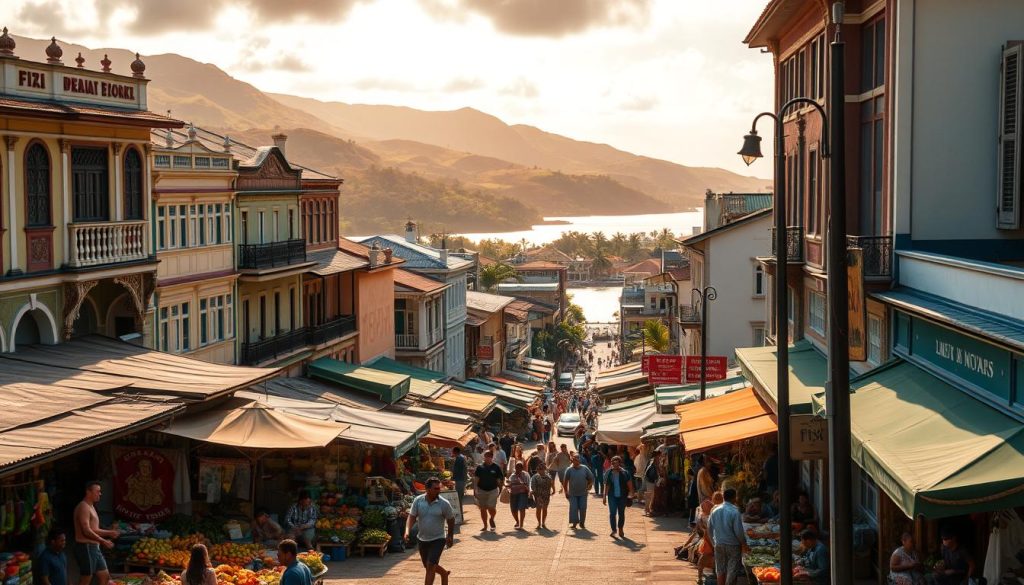
Exploring Suva, you’ll find a city deeply connected to its past but full of life. It offers a rich cultural immersion that shows Fiji’s true spirit.
How to Experience the Culture of Fiji in Suva?
To dive into Fijian culture, you must do more than just visit Suva. You need a well-thought-out plan. Look for the city’s key cultural events and activities to truly get the feel of it.
Planning Your Cultural Itinerary
Start by visiting Suva’s museums and attending a traditional Fijian cultural activity like a Kava ceremony. Don’t forget to explore the local markets. These steps will help you understand Fijian customs and traditions better.
- Research local festivals and events happening during your visit.
- Include visits to historical sites and cultural landmarks.
- Engage with locals through community visits or cultural tours.
Best Times to Visit for Cultural Immersion
The best time to dive into Suva’s culture is during the dry season. This season, from May to October, is filled with cultural festivals. It’s the perfect time to see Fijian cultural activities up close.
Weather Considerations and Festival Seasons
The dry season in Suva, from May to October, is great for cultural tourism. It’s when the city hosts festivals like the Hibiscus Festival. This festival highlights Fijian music, dance, and crafts.
| Season | Weather | Cultural Events |
|---|---|---|
| Dry Season (May-Oct) | Warm, dry | Hibiscus Festival, cultural performances |
| Wet Season (Nov-Apr) | Hot, humid | Some cultural events, but fewer outdoor activities |
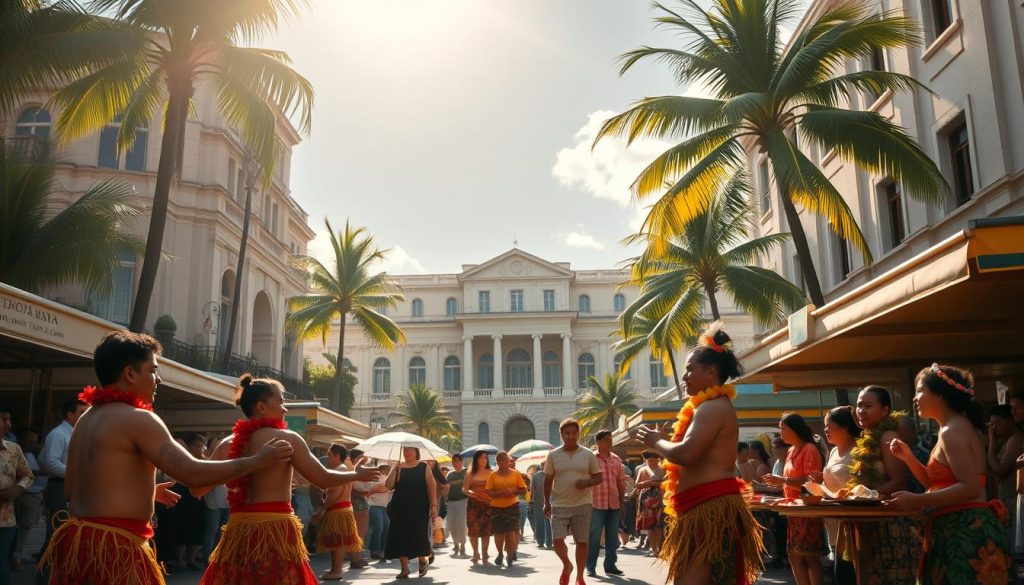
By visiting during the dry season and adding cultural activities to your plan, you’ll have a rich experience in Suva.
Exploring Suva’s Colonial Heritage and Architecture
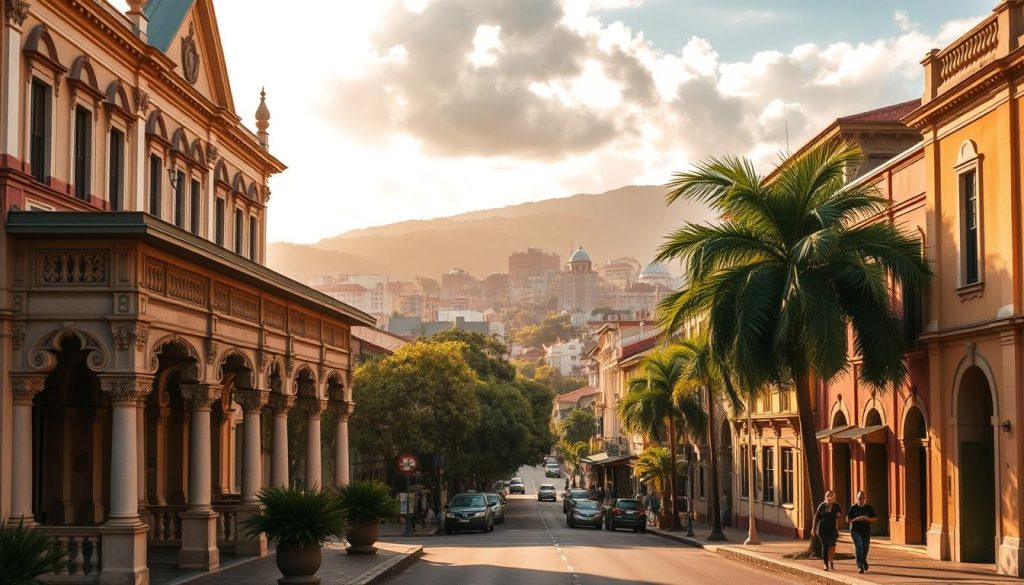
Suva’s buildings mix old and new styles, showing the city’s rich history and culture. Walking around, you’ll see many historic buildings. They tell the story of Fiji’s past.
The Presidential Palace and Government Buildings
The Presidential Palace and nearby government buildings show Suva’s colonial past. Their grand design has been key in Fiji’s history. They are now important sights in the city.
Thurston Gardens and Fiji Museum
Thurston Gardens is a peaceful spot in the city’s heart. Next to it is the Fiji Museum. It has artifacts that tell Fiji’s story and culture.
Sacred Heart Cathedral and Other Colonial Structures
The Sacred Heart Cathedral is a key example of Suva’s old buildings. Along with other colonial structures, it makes Suva’s culture special. Don’t miss it on your Suva cultural tours.
Visiting these sites, you’ll learn more about Suva’s colonial history. It’s a great way to see Suva’s best spots. These landmarks will surely make a strong impression.
Traditional Fijian Villages and Community Visits
Visiting traditional villages around Suva lets you dive into authentic Fijian culture. It’s a chance to learn about Fijian customs and connect with the local community.
One of the highlights is taking part in a traditional Kava ceremony.
Participating in a Traditional Kava Ceremony
The Kava ceremony, or Yaqona, is key in Fijian culture. It shows respect, friendship, and unity. In the ceremony, everyone sits in a circle and shares Kava from a communal bowl. The Kava tradition is rich and deep.
The Significance and Protocol of Yaqona (Kava)
Knowing the Kava ceremony’s protocol is important. You should clap once before getting your Kava cup. Then, drink it all in one go and clap three times to thank.
It’s vital to know village etiquette when visiting.
Village Etiquette and Cultural Protocols
Dressing modestly shows respect when visiting a village. Be ready to join in local customs and ceremonies. Paying attention to your surroundings and following your hosts will make your visit enjoyable and respectful.
Several village tours around Suva let you experience Fijian culture.
Recommended Village Tours Around Suva
Tours like the Colo-I-Suva or Navala village tours are great. They include traditional dancing, Kava ceremonies, and insights into Fijian life.
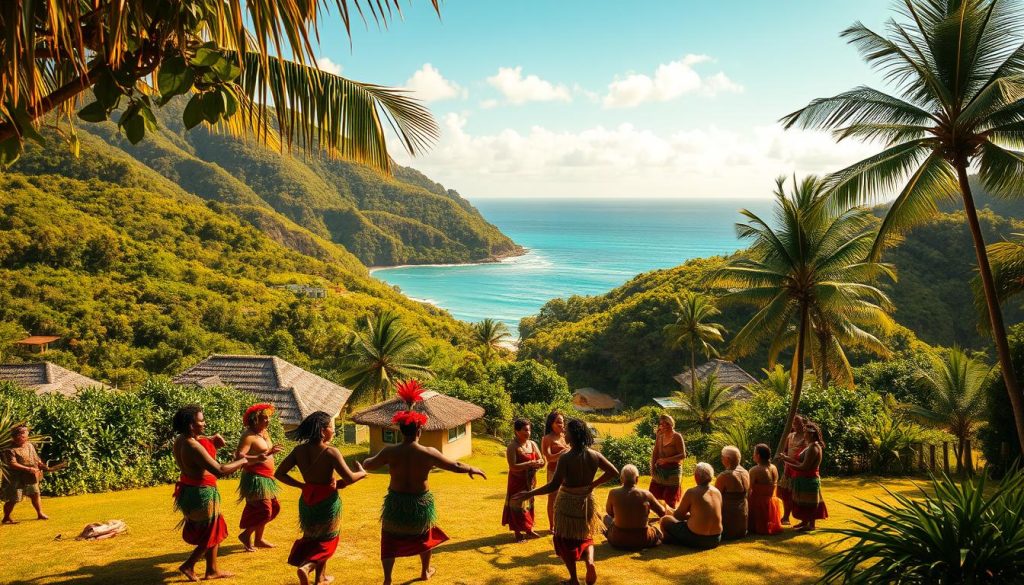
Visiting traditional Fijian villages deepens your understanding of Fijian culture. It also helps the local economy. It’s a win-win experience that builds respect and understanding between cultures.
Fijian Culinary Experiences in Suva
Discover the heart of Fijian culture through its food in Suva. The city’s culinary scene is vibrant. It shows a mix of old and new flavors, reflecting Fiji’s rich heritage.
Must-Try Traditional Fijian Dishes
Fijian food is fresh and unique. You should try these dishes:
- Kokoda: A raw fish salad in coconut milk and lime juice.
- Lovo: Food cooked slowly in an underground oven.
- Palusami: A dish made with coconut cream in banana leaves.
Kokoda, Lovo, and Other Local Specialties
These dishes are tasty and show Fijian traditions. Kokoda is great for Suva’s warm weather.
Suva Municipal Market: A Feast for the Senses
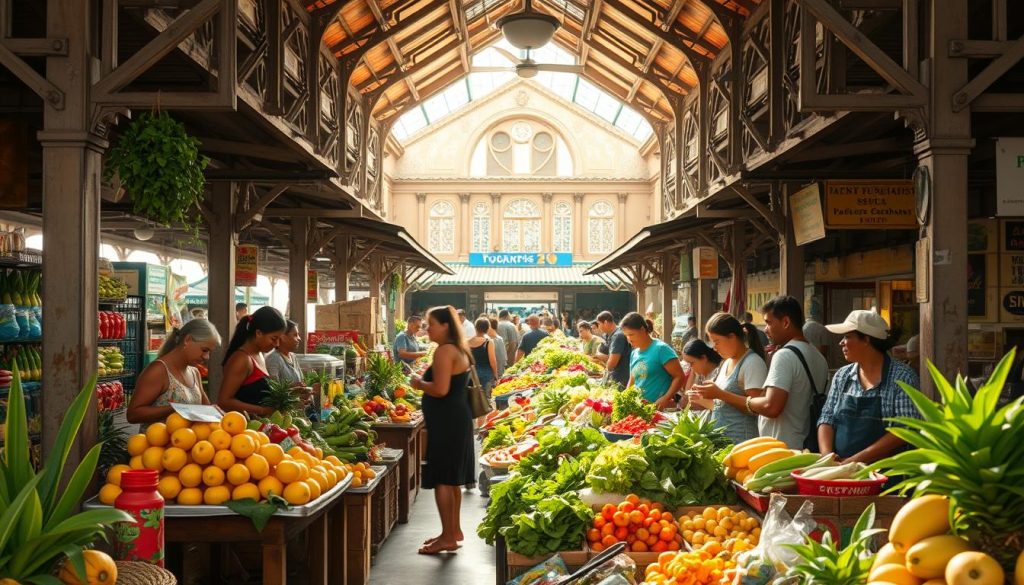
The Suva Municipal Market is lively. It’s where you can try local food and see fresh produce. It’s a sensory experience that highlights Fijian cuisine.
Cooking Classes and Food Tours
Take a cooking class or food tour to learn more about Fijian food. You’ll learn how to cook traditional dishes and enjoy what you make.
Some top options in Suva are:
- Cooking classes on traditional Fijian recipes.
- Food tours that visit local spots and markets.
Exploring Suva’s food scene will help you appreciate Fijian culture more.
Arts, Crafts, and Traditional Performances
In Suva, you’ll find a wealth of Fijian arts. From the captivating Meke dance to beautiful handicrafts, the city’s culture is rich. It offers many chances to dive into Fiji’s traditions.
Meke Dance and Music Performances
Meke is a traditional Fijian art that mixes dance, music, and stories. You can see it at local events or cultural centers. Its energy and rhythm will amaze you and deepen your understanding of Fijian culture.
Handicraft Markets and Souvenir Shopping
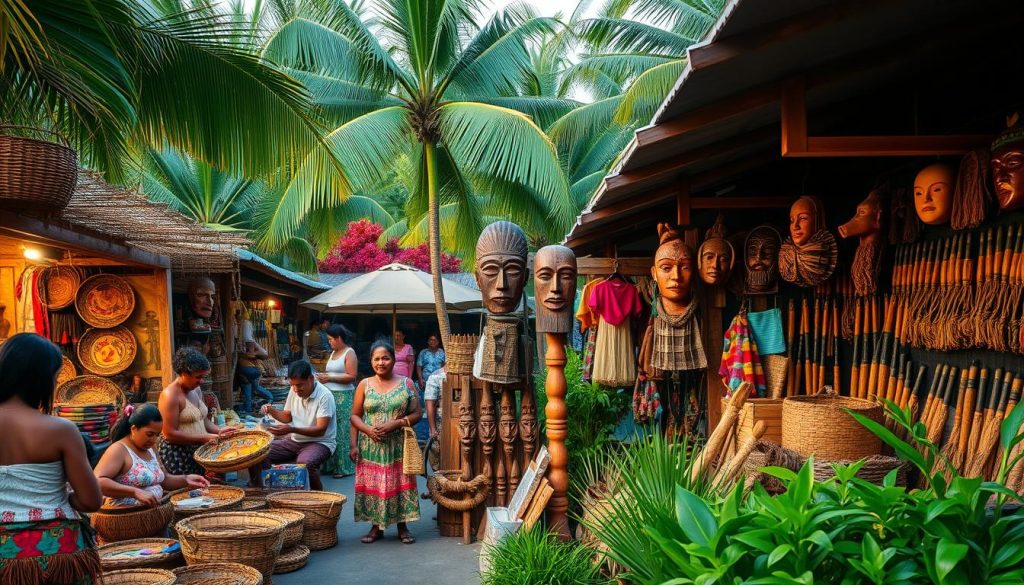
Suva’s markets are famous for authentic Fijian crafts. You’ll find everything from woven baskets to carved wood. Shopping here lets you bring home unique souvenirs that show Fiji’s culture.
Authentic Tapa Cloth, Masi, and Tanoa
Traditional Fijian crafts like Tapa cloth, Masi, and Tanoa are significant. Tapa cloth is from paper mulberry bark, often decorated. Masi is used in ceremonies, and Tanoa serves Kava. These items are beautiful and carry deep cultural meaning.
Contemporary Fijian Art Galleries
Suva also has a vibrant contemporary art scene. Local galleries display Fijian artists’ work, offering a new view on culture. Here, you can see pieces that mix old and new styles.
Cultural Festivals and Events in Suva
Suva’s cultural calendar is packed with exciting festivals and events. These celebrations offer a peek into Fijian traditions and customs. They are a great way to experience local culture, meet new people, and make lasting memories.
Hibiscus Festival: Suva’s Premier Cultural Event
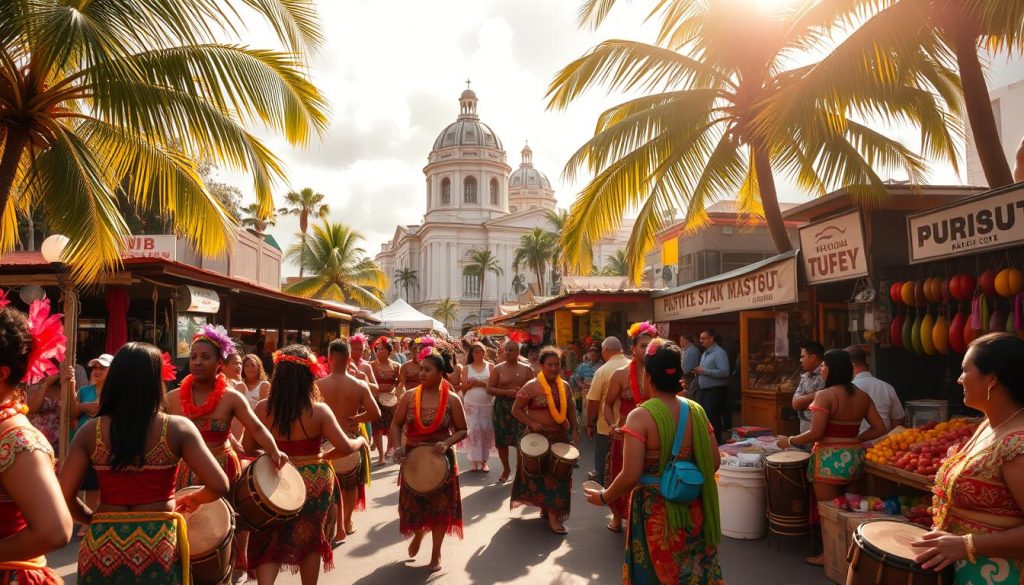
The Hibiscus Festival is a highlight in Suva, showcasing the city’s rich cultural heritage. It features music, dance, and food. This festival usually happens in August and includes:
- Traditional Fijian dance performances
- Local cuisine stalls
- Handicraft exhibitions
Diwali and Other Multicultural Celebrations
Suva celebrates its cultural diversity through various events, including Diwali. During Diwali, the city lights up with colorful lights. You can enjoy traditional Indian food and festivities.
Other multicultural celebrations include the Chinese New Year and the Prophet Mohammed’s birthday. These events highlight the city’s harmonious blend of cultures.
Fiji Day Celebrations and National Heritage Activities
Fiji Day, on October 10th, marks the country’s independence. The event features parades, traditional ceremonies, and cultural performances. It offers a unique look into Fijian history and heritage.
Visitors can join in national heritage activities. These include traditional Fijian village visits and cultural workshops. They help deepen your understanding of the local culture.
| Event | Date | Description |
|---|---|---|
| Hibiscus Festival | August | A celebration of Fijian culture through music, dance, and food |
| Diwali | Variable (based on Hindu calendar) | A festival of lights celebrating the triumph of light over darkness |
| Fiji Day | October 10th | A commemoration of Fiji’s independence with parades and cultural performances |
Connecting with Locals: Language and Customs
Immerse yourself in Suva’s vibrant culture to connect with locals. Knowing the local customs and language makes your interactions more meaningful. It also creates lasting memories.
Basic Fijian Phrases for Travelers
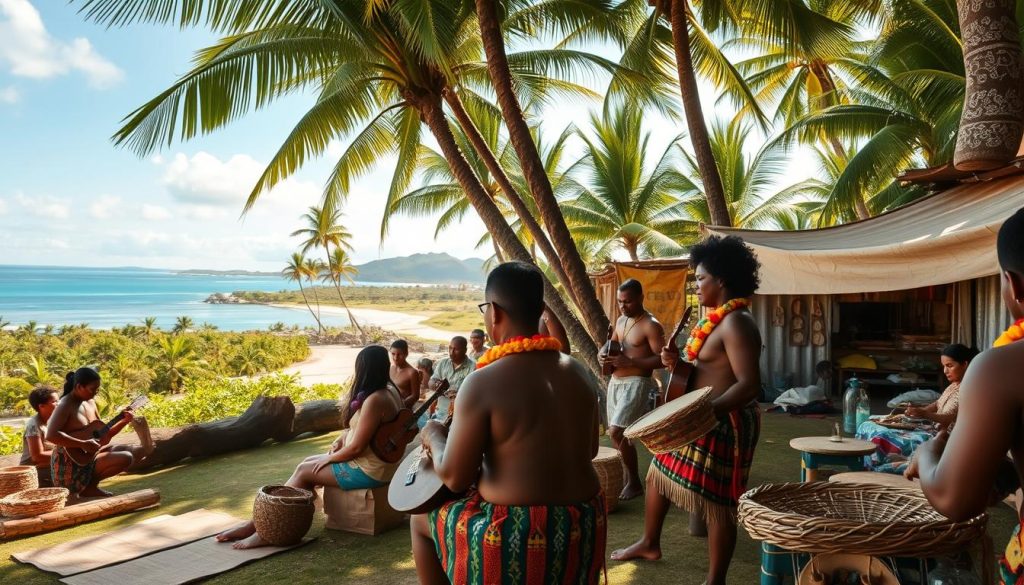
Learning basic Fijian phrases can make your trip more enjoyable. Simple greetings like “Bula” (hello) and “Vinaka” (thank you) are appreciated. Here are some essential phrases to get you started:
- Bula: Hello
- Vinaka: Thank you
- Kerekere: Please
- Moce: Goodbye
Understanding the Concept of “Fiji Time”
“Fiji Time” means the local attitude towards time is more relaxed. Being flexible and patient is key when interacting with locals or attending cultural events. Embracing this concept can help you enjoy a more relaxed and authentic experience in Suva.
Respectful Cultural Interactions and Photography Etiquette
When interacting with locals, it’s essential to be respectful of their customs and traditions. Always ask for permission before taking someone’s photo, during cultural ceremonies or in villages. Being mindful of your surroundings and dressing modestly can also help you blend in and show respect for the local culture.
By taking the time to learn about and respect Fijian customs, you can have a more enriching experience in Suva. This not only enhances your trip but also contributes to a positive cultural exchange between you and the locals.
Conclusion: Embracing the Spirit of Fiji in Suva
Exploring Suva reveals a unique cultural experience that shows Fiji’s spirit. You’ll see its colonial past, traditional villages, and cultural festivals. By visiting places like the Presidential Palace and Thurston Gardens, you’ll learn about Fijian culture.
Engaging with the local community and learning Fijian phrases lets you embrace Fiji’s spirit. Attending the Hibiscus Festival or visiting a traditional village will make a lasting impression. Suva’s cultural experiences are unforgettable.
Immersing yourself in Suva’s culture creates lasting memories and deepens your appreciation for Fiji. Suva’s cultural immersion is an experience that will inspire you long after you leave. It will make you appreciate the local culture and people more.