Your Guide to Authentic Tunisian Cuisine in Tunis
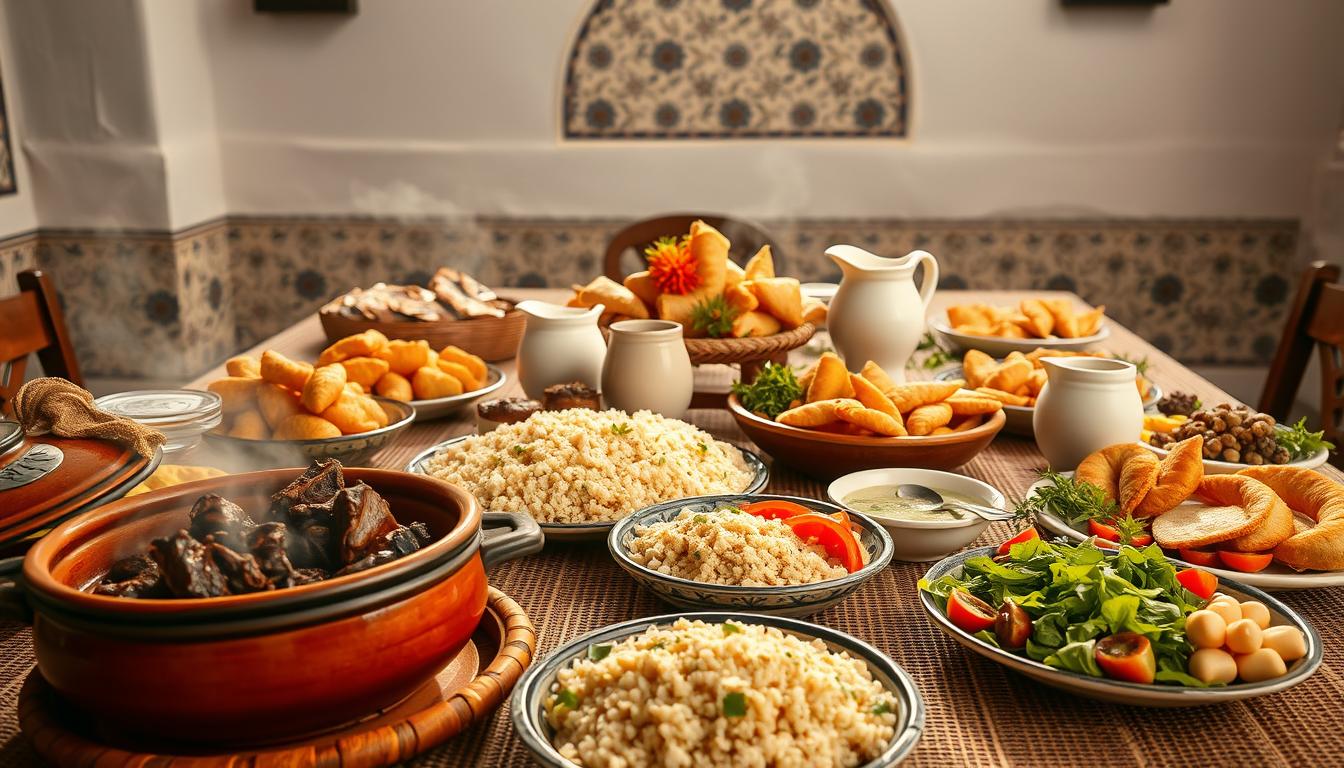
Ever wondered what makes Tunisian cuisine special? It’s a mix of rich history and Mediterranean flavors. In Tunis, you’ll find a world of real culinary treasures.
Our Tunisian food guide will show you the best places to eat. You’ll try best traditional dishes and taste the variety of Tunisian food. Whether you love food or just want to try something new, this guide is your ticket to Tunis’s authentic flavors.
The Rich Heritage of Tunisian Cuisine
The flavors of Tunisia tell a story of cultural fusion. This is thanks to its history as a melting pot of different civilizations. Tunisian cuisine is a unique blend of Mediterranean diets, shaped by various cultural exchanges over the centuries.
Historical Influences on Tunisian Food
Tunisian cuisine has been shaped by its strategic location. Various cultures have influenced its rich heritage. The country’s history as a crossroads of trade routes has infused its cuisine with elements from Arab, Italian, French, and other Mediterranean cultures.
This blend is evident in the use of diverse ingredients and cooking techniques.
Arab influences are seen in the use of spices and ingredients like cumin and coriander. French and Italian impacts are reflected in the preparation methods and the love for fresh produce.
Key Ingredients in Traditional Tunisian Cooking
Traditional Tunisian cooking relies heavily on fresh ingredients. Olive oil is a staple, used liberally in cooking. Harissa adds a distinctive flavor and heat to many dishes.
Fresh vegetables, fruits, and herbs are also fundamental to Tunisian cuisine.
The emphasis on fresh, locally sourced ingredients ensures that Tunisian dishes are not only flavorful. They also reflect the country’s agricultural bounty.
What Are the Best Places to Eat Traditional Tunisian Food in Tunis?
Tunis, the capital of Tunisia, is a culinary gem waiting to be explored. The city’s culinary scene is a rich tapestry of flavors. It’s influenced by its Mediterranean location and historical heritage.
Overview of Tunis’s Culinary Scene
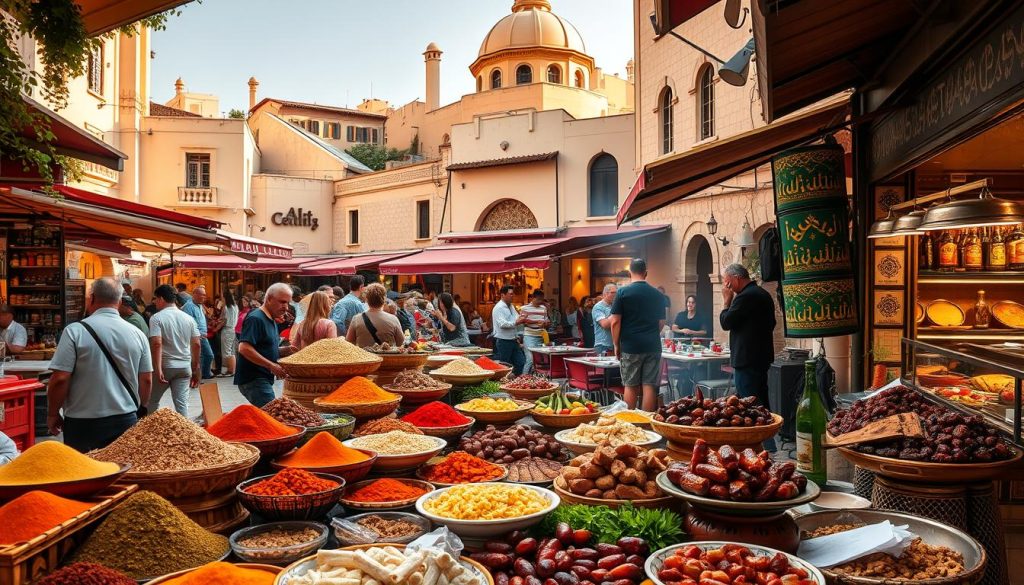
Tunis offers a diverse range of dining experiences. You can find everything from street food stalls to upscale restaurants. The city’s cuisine is known for fresh ingredients like olives, tomatoes, and spices.
Neighborhoods Known for Authentic Food
Neighborhoods like the Medina and La Marsa are known for their authentic Tunisian eateries. These areas offer a range of traditional dishes. You can try harissa-spiced meats and fresh seafood.
Top-Rated Local Restaurants
Some top-rated local restaurants in Tunis serve traditional Tunisian cuisine with a modern twist. These restaurants offer a unique dining experience. They blend flavors and techniques in a special way.
Price Ranges and What to Expect
The price range for dining in Tunis varies. You can find affordable street food or high-end restaurants. On average, a meal at a local restaurant costs between 20-50 Tunisian Dinar (approximately $7-$17 USD).
| Restaurant Type | Price Range (TND) | Price Range (USD) |
|---|---|---|
| Street Food | 5-10 | $2-$4 |
| Mid-range Restaurant | 20-50 | $7-$17 |
| Upscale Restaurant | 100-200 | $35-$70 |
When dining in Tunis, you can expect a warm welcome. You’ll find a variety of traditional Tunisian dishes. Be sure to try some local specialties like couscous or shakshuka at one of the many Tunisian restaurants throughout the city.
Must-Try Traditional Tunisian Dishes
Exploring Tunis’s culinary scene reveals a world of traditional dishes. Tunisian food is a mix of Mediterranean tastes, shaped by the country’s location and cultural exchanges.
Iconic Main Courses
Tunisian main dishes are famous for their bold flavors and scents. Couscous and tajine stand out among them.
Couscous Variations
Couscous is a key dish in Tunis, made from semolina flour. It’s often served with vegetables, meat, and sauce. Each couscous dish has its own taste.
Tajine and Brik
Tajine is a slow-cooked stew with meat, veggies, and dried fruits. Brik is a pastry filled with tuna, capers, and harissa. Both are must-try dishes in Tunis.
Popular Street Foods
Street food in Tunis is a big part of the local cuisine. It offers a quick and tasty way to try local flavors.
Lablabi and Fricassé
Lablabi is a hearty chickpea soup. Fricassé is a sandwich with tuna, olives, and harissa. These street foods are delicious and affordable.
Traditional Desserts and Sweets
Tunisian desserts are sweet and rich. Bambalouni and Makroudh are two popular ones.
Bambalouni and Makroudh
Bambalouni is a sweet pastry, often enjoyed with coffee or tea. Makroudh is a date-filled pastry made with semolina flour and honey. Both are sweet treats.
| Dish | Description | Main Ingredients |
|---|---|---|
| Couscous | Traditional North African dish made from semolina flour | Semolina flour, vegetables, meat |
| Tajine | Slow-cooked stew made with meat, vegetables, and dried fruits | Meat, vegetables, dried fruits |
| Brik | Savory pastry filled with tuna, capers, and harissa | Tuna, capers, harissa, pastry |
The Medina’s Hidden Culinary Gems
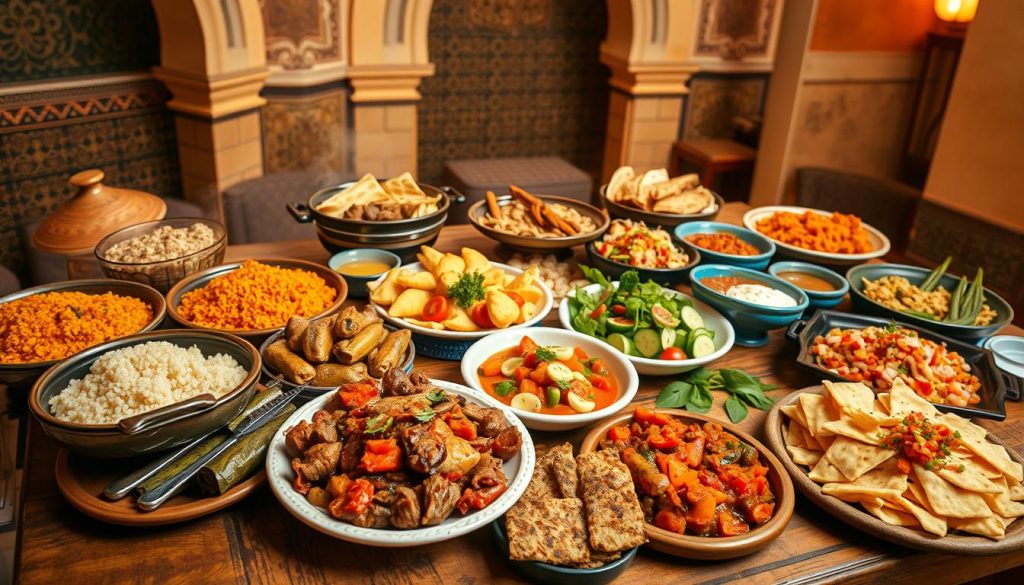
As you explore the ancient streets of Tunis’s Medina, you’ll find a treasure trove of culinary delights. These spots have been pleasing both locals and visitors for many years. The Medina is filled with historic restaurants and family-run places that serve traditional Tunisian food.
Historic Restaurants in the Old City
The Medina is home to several historic restaurants that are must-visits. Two standout places are:
El Walima and Dar El Jeld
El Walima is famous for its traditional Tunisian dishes. Dar El Jeld offers a unique dining experience in a historic setting. Both have been serving authentic Tunisian cuisine for generations.
Family-Run Establishments with Generations of Recipes
Family-run eateries are a big part of the Medina’s food scene. These places have been passed down through generations, keeping recipes and cooking methods the same. You’ll find traditional dishes made with love, using fresh, local ingredients.
| Establishment | Specialty | Price Range |
|---|---|---|
| El Walima | Traditional Tunisian dishes | $10-$20 |
| Dar El Jeld | Historic setting, local cuisine | $15-$30 |
| Family-run Eatery | Homemade Tunisian recipes | $5-$15 |

Upscale Dining Experiences in Tunis
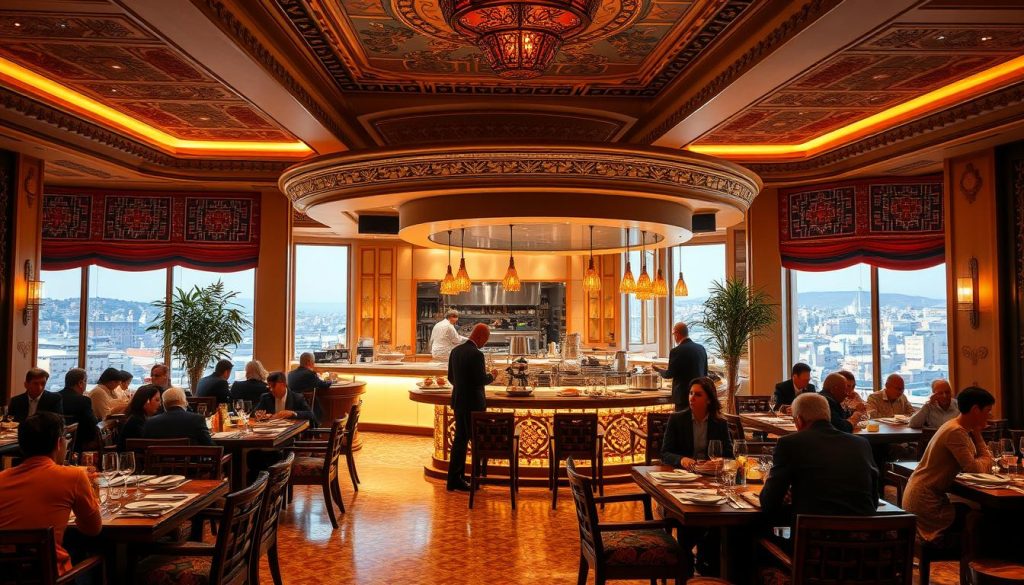
Upscale dining in Tunis mixes rich culinary heritage with modern elegance. The city’s dining scene is sophisticated. Here, traditional Tunisian cuisine meets high-end restaurants.
Fine Dining Restaurants Serving Traditional Cuisine
Tunis has many fine dining spots that offer a luxurious food experience. Places like Le Baroque and Dar Belhadj are famous for their elegant settings and top-notch food.
Le Baroque and Dar Belhadj
Le Baroque is known for its stylish decor and creative twists on Tunisian dishes. Dar Belhadj offers a special dining experience, mixing old flavors with new presentation. Both are top choices for those wanting to try the best of Tunisian food.
Modern Interpretations of Classic Tunisian Dishes
Tunis’s upscale restaurants do more than just keep traditional recipes. They also innovate and update Tunisian cuisine for today’s tastes. Chefs use fresh, local ingredients to make dishes that are both unique and delicious.
Dining at these places means getting great service, beautiful presentation, and a deep dive into Tunisian food traditions. Whether you’re after a romantic dinner or a place for a special event, Tunis’s fine dining has it all.
Street Food Adventures in Tunis
As you explore Tunis, you’ll find a world of flavors at street food stalls. The smell of grilled meats and spices draws you in. It’s a chance to try local favorites.
Best Streets and Areas for Food Stalls
Tunis’s streets are filled with food stalls. But some spots are more famous than others. The Medina, around the Great Mosque and souks, is a hotspot. Avenue Habib Bourguiba is also great for trying different dishes.
Must-Try Street Food Specialties
In Tunis, there are street foods you can’t miss. Brik is a fried pastry with egg, tuna, and capers. Mloukhiya is a spinach stew. Don’t forget to try grilled merguez sausages, which are spicy and tasty.
| Street Food | Description | Price Range |
|---|---|---|
| Brik | Fried pastry filled with egg, tuna, and capers | $2-$5 |
| Mloukhiya | Hearty stew made with a type of spinach | $3-$6 |
| Merguez | Grilled sausages flavored with spices | $4-$7 |
Food Safety Tips for Street Dining
Street food in Tunis is mostly safe. But, be careful. Choose busy stalls with lots of customers. Stick to cooked, hot foods and avoid raw meat. Always drink bottled or filtered water.
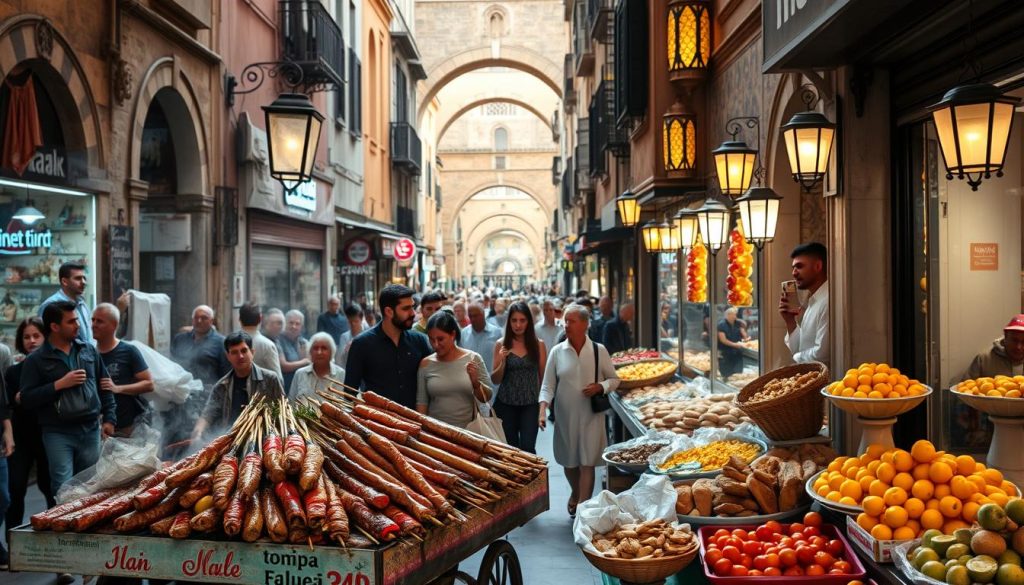
The Rich Heritage of Tunisian Cuisine
Tunisia’s food is a mix of Mediterranean tastes, shaped by its history and cultural exchanges. Its location has made it a place where many cuisines meet, like Italian, French, and Arab.
Historical Influences on Tunisian Food
Tunisian food has been influenced by many cultures. The Carthaginians, Romans, and Arabs have all played a part. The Ottoman Empire also left its mark, with spices and cooking methods.
The French and Italians in Tunisia brought new ingredients and ways to cook. This mix has created a unique Tunisian food identity.
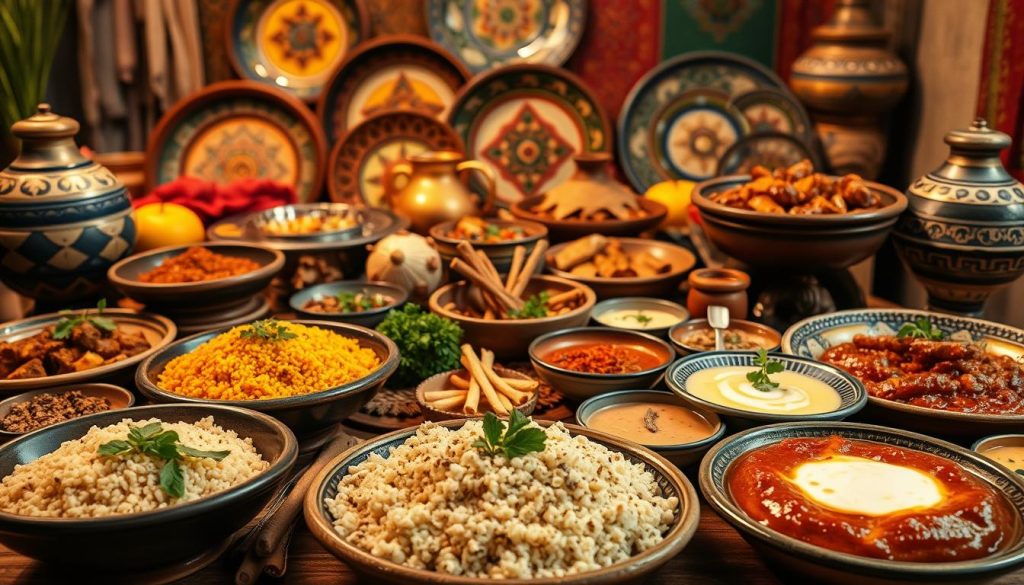
Key Ingredients in Traditional Tunisian Cooking
Traditional Tunisian cooking uses fresh produce, olive oil, and spices. Harissa, a chili paste, adds heat and flavor to dishes.
Lamb, chicken, and seafood are common in stews and tagines. Tomatoes, peppers, and eggplants are used a lot. Garlic, onions, and coriander add depth to dishes.
| Ingredient | Common Use |
|---|---|
| Olive Oil | Cooking, dressings |
| Harissa | Adding heat to dishes |
| Lamb | Stews, tagines |
| Fresh Produce | Salads, stews, couscous |
Learning about Tunisian cuisine’s history and ingredients helps us appreciate its complexity. Exploring Tunisian food opens a world of flavors that show the country’s rich cultural heritage.
What Are the Best Places to Eat Traditional Tunisian Food in Tunis?
If you’re searching for authentic Tunisian food, Tunis is your go-to spot. It boasts a lively food scene. You’ll find everything from old-school eateries to trendy spots serving up classic dishes.
Overview of Tunis’s Culinary Scene
Tunis’s food scene mirrors its rich history, blending Mediterranean, Arab, and French flavors. Here, you can savor local favorites like couscous, harissa, and brik at traditional Tunisian restaurants.
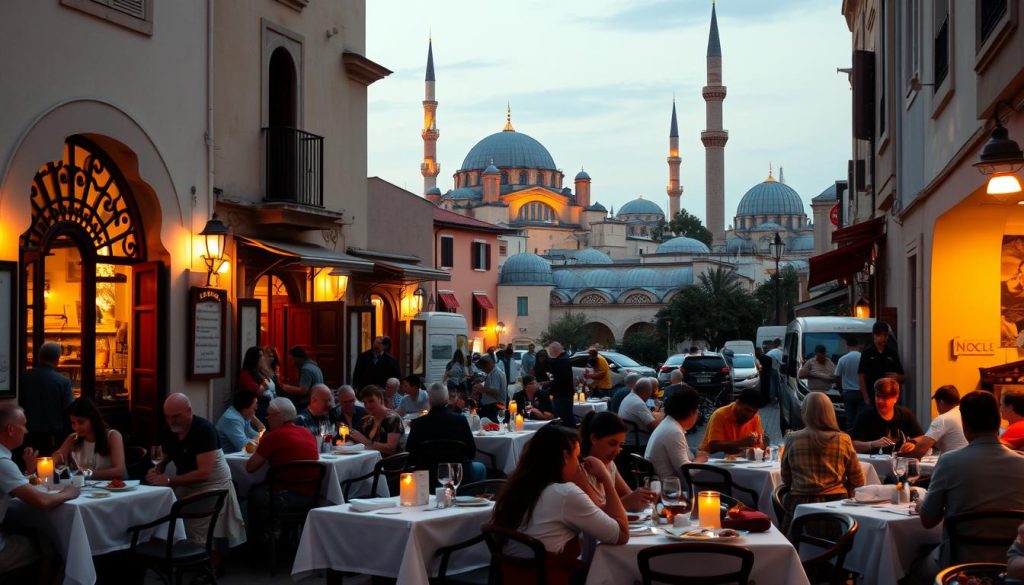
Neighborhoods Known for Authentic Food
Some areas in Tunis are famous for their genuine Tunisian dishes. The Medina, or old city, is a gem. Its narrow streets are filled with traditional eateries and food stalls. La Marsa is also known for its authentic restaurants.
Top-Rated Local Restaurants
Here are some top-rated local restaurants in Tunis:
| Restaurant Name | Location | Specialties |
|---|---|---|
| Restaurant Al-Fatih | Medina | Couscous, Harissa |
| Le Petit Sousse | La Marsa | Brik, Salade Méchouia |
| Café des Délices | Avenue Habib Bourguiba | Mlawi, Shakshuka |
Price Ranges and What to Expect
Dining in Tunis can fit any budget, with local spots offering meals for 10-20 TND. Upscale places might cost more but offer a fresh twist on traditional dishes.
Expect a wide range of dishes, from salads to desserts. Don’t miss out on couscous with meat or makroud, a must-try Tunisian dessert.
Must-Try Traditional Tunisian Dishes
Exploring Tunis means trying its traditional dishes. These are full of flavor and rich in history. Tunisian food mixes Mediterranean tastes with local ingredients and cooking methods.
Iconic Main Courses
Tunisian main dishes are known for their bold flavors and big portions. You’ll find couscous and savory pastries like tajine and brik everywhere.
Couscous Variations
Couscous is a big deal in Tunisian food. It’s often served with veggies, meat, and sauce. You can try different couscous dishes, like Couscous with Fish or Couscous with Meat and Vegetables.
Tajine and Brik
Tajine is a Tunisian dish, not Moroccan. It’s made with thin pastry, meat, and onions. Brik is a deep-fried pastry filled with tuna, egg, and capers.
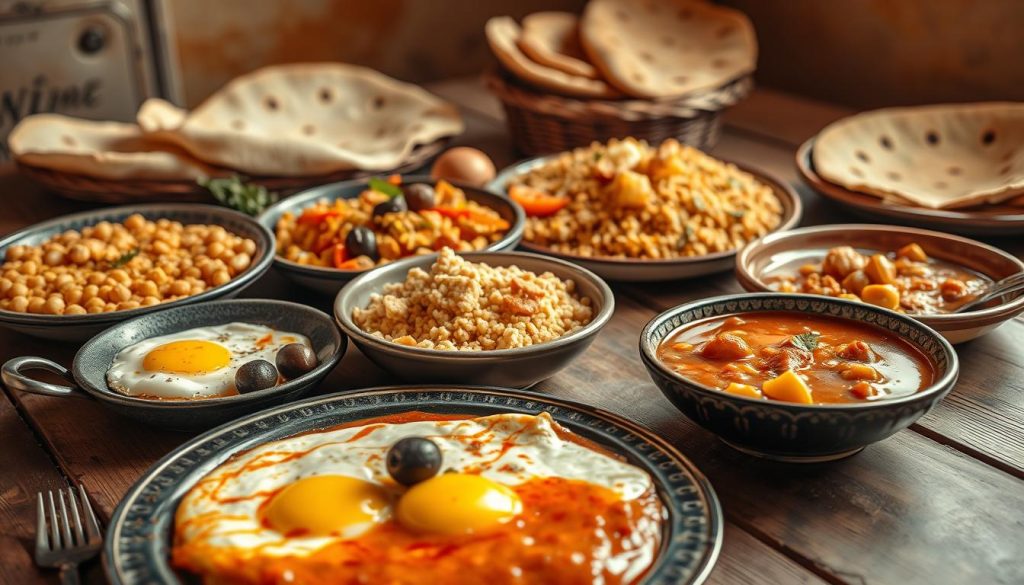
Popular Street Foods
Street food in Tunis is a must-try. Lablabi and fricassé are two favorites.
Lablabi and Fricassé
Lablabi is a chickpea soup, served with olive oil and cumin. Fricassé is a tuna, egg, and harissa-filled sandwich, perfect for a snack.
Traditional Desserts and Sweets
Tunisian desserts are sweet and indulgent. Bambalouni and makroudh are two top choices.
Bambalouni and Makroudh
Bambalouni are sweet doughnuts, great with coffee or tea. Makroudh is a date-filled pastry, coated in honey for a sweet treat.
| Dish | Description | Main Ingredients |
|---|---|---|
| Couscous | A traditional North African dish made of semolina flour. | Semolina flour, vegetables, meat or fish |
| Tajine | A layered pastry dish filled with meat and onions. | Pastry, meat, onions |
| Brik | A deep-fried pastry filled with tuna, egg, and capers. | Tuna, egg, capers, pastry |
| Lablabi | A hearty chickpea soup. | Chickpeas, olive oil, cumin |
| Fricassé | A deep-fried sandwich filled with tuna, egg, and harissa. | Tuna, egg, harissa, bread |
Trying these traditional Tunisian dishes helps you understand the country’s culinary heritage. It shows why Tunisian food is so unique.
The Medina’s Hidden Culinary Gems
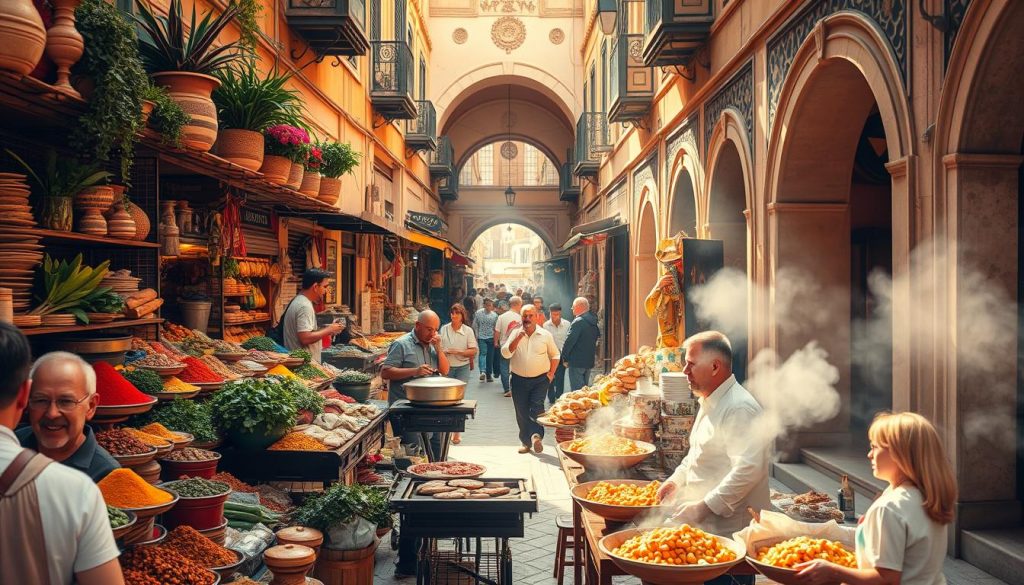
As you explore the ancient streets of the Medina, you’ll find a treasure trove of flavors. The Medina in Tunis is a culinary paradise. It combines traditional Tunisian dishes with a rich cultural heritage.
Historic Restaurants in the Old City
The Medina boasts many historic restaurants. They have been serving traditional Tunisian food for generations. These places offer a unique dining experience, with ambiance and recipes that show the history of Tunis.
El Walima and Dar El Jeld
El Walima and Dar El Jeld are two famous historic restaurants in the Medina. El Walima is known for its traditional Tunisian dishes. Dar El Jeld, on the other hand, offers local flavors in a beautifully restored palace. A diner once said, “Dar El Jeld is a culinary journey through Tunisian history.”
Family-Run Establishments with Generations of Recipes
Many family-run places in the Medina have perfected their recipes for generations. These restaurants give you a true taste of Tunisian cuisine. They use secret family recipes that have been passed down through the years.
Dining in these family-run places feels like being part of the family. You’ll get warm hospitality and a welcoming atmosphere. A local once shared, “In Tunisia, food is not just about sustenance; it’s about sharing love and culture.”
Upscale Dining Experiences in Tunis
Tunis has a fancy dining scene. It mixes traditional Tunisian food with modern style. As you look around the city, you’ll find many fancy restaurants. They promise a memorable meal.
Fine Dining Restaurants Serving Traditional Cuisine
In Tunis, you can find top-notch restaurants. They serve traditional Tunisian food with a special touch. These places are known for their fancy atmosphere and great service.
Le Baroque and Dar Belhadj
Le Baroque and Dar Belhadj stand out. Le Baroque is famous for its fancy decor and new takes on old Tunisian dishes. Dar Belhadj, though, offers a cozy vibe. It focuses on traditional recipes with a modern twist.
- Le Baroque: Offers a contemporary twist on traditional Tunisian cuisine in an elegant setting.
- Dar Belhadj: Provides an intimate dining experience with a focus on authentic Tunisian flavors.
Modern Interpretations of Classic Tunisian Dishes
Tunis’s fancy dining also includes new takes on old dishes. Chefs here mix traditional tastes with new cooking methods. This creates unique meals.
At these fancy places, you’ll get top service and care. They aim to show off the best of Tunisian food. Whether you want something old or new, Tunis has it all.
Street Food Adventures in Tunis
As you explore Tunis, you’ll find a lively street food scene. It reflects the city’s diverse culture, blending Mediterranean, Arab, and French flavors.
Best Streets and Areas for Food Stalls
Tunis is famous for its markets and street food stalls. You’ll find them in the Medina and around major landmarks. Some top streets for street food are:
- Avenue Habib Bourguiba, known for its vibrant atmosphere and variety of food stalls.
- The Medina, where you can find traditional Tunisian dishes like mlawi and brik.
- Markets near the Zaytuna Mosque, offering a range of local specialties.
Must-Try Street Food Specialties
There are several must-try dishes in Tunisian street food. Some of the top ones include:
- Brik: A deep-fried pastry filled with egg, tuna, and capers.
- Mlawi: A layered pancake that can be savory or sweet.
- Grilled meats: Skewers of marinated meat, often served with a side of spices and bread.
Food Safety Tips for Street Dining
While Tunisian street food is generally safe, it’s wise to take precautions. Here are some tips:
- Choose stalls that are busy and have a high turnover of food.
- Opt for cooked foods that are served hot.
- Avoid raw or undercooked foods, such as meats and seafood.
- Make sure the vendor handles food hygienically.
By following these guidelines, you can enjoy Tunis’s street food safely. The city’s street food scene is a unique and memorable experience for visitors.
Coastal Restaurants for Seafood Lovers
If you love seafood, you’ll adore La Goulette’s coastal restaurants. This charming town is known for its fresh seafood dishes. You can enjoy traditional Tunisian cuisine with the best catches.
La Goulette’s Famous Fish Restaurants
La Goulette boasts many famous seafood spots. Restaurant Le Golfe and Chez Slah are top picks for seafood lovers.
Restaurant Le Golfe and Chez Slah
Restaurant Le Golfe is known for its grilled fish and seafood stews. Chez Slah is a local favorite for seafood, including their famous fish couscous. Both places offer a cozy atmosphere, great for family dinners or nights out.
“The seafood in La Goulette is incredibly fresh, and the chefs know just how to prepare it to bring out the flavors.” – A local food critic
Traditional Seafood Preparations in Tunisian Cuisine
Tunisian cuisine is rich in seafood traditions. It combines Mediterranean flavors and spices. Popular dishes include grilled fish, seafood stews, and fish tajine.
At La Goulette’s seafood restaurants, you’ll find these traditional dishes. They use the freshest ingredients. Whether you want something light or a hearty stew, there’s something for every seafood fan.
Traditional Tunisian Beverages
Exploring Tunisian cuisine reveals the importance of traditional drinks. These beverages enhance the flavors of Tunisian dishes and are deeply rooted in the country’s culture.
Mint Tea and Coffee Culture
Mint tea is a key part of Tunisian culture, showing hospitality to guests. The art of making mint tea involves carefully mixing tea leaves and fresh mint. Coffee is also cherished, enjoyed in cafes and homes.
The coffee culture in Tunisia is lively. Cafes are social spots where people meet to chat and enjoy their coffee.
Boukha and Other Local Spirits
Boukha is a traditional Tunisian spirit, made from distilled figs. It’s often enjoyed as a digestif after meals. Other spirits, like Thibarine, are also popular. Thibarine is made from dates and herbs, offering a unique taste.
These spirits are a big part of Tunisian culinary traditions. They’re often served during special occasions.
Refreshing Non-Alcoholic Options
Tunisia has many non-alcoholic drinks to choose from. Fresh fruit juices, like orange and pomegranate, are favorites. Drinks like salep, a sweet, milky beverage, are also popular.
These drinks are great for hot days, offering a cool break from the sun.
Tunisian beverages, both traditional and modern, are key to the country’s culinary identity. They make every meal special and memorable.
Culinary Experiences Beyond Restaurants
To truly taste Tunisia, look beyond restaurants. Explore markets, classes, and tours. Tunis’s food scene is vibrant and diverse, offering a deep dive into local culture.
Food Markets and Souks
The city’s souks are a culinary paradise. Here, you’ll find local produce, spices, and specialty foods. These markets are cultural hubs, offering sights, smells, and tastes of Tunisia.
Must-visit markets include:
- The souks in the Medina, where you can find everything from fresh olives to handmade pastries.
- The Central Market, known for its wide selection of spices, herbs, and other local ingredients.
Cooking Classes in Tunis
For a hands-on experience, take a cooking class in Tunis. Local chefs share their knowledge and techniques. You’ll learn to make traditional dishes with local ingredients.
Some popular cooking class options include:
- Classes that focus on traditional Tunisian dishes, such as couscous and harissa.
- Workshops that teach you how to make local pastries and desserts.
Guided Food Tours
Guided food tours are a great way to explore Tunis’s culinary scene. These tours visit various eateries, markets, and food stalls. You’ll taste a wide range of dishes and drinks.
| Tour Type | Description | Duration |
|---|---|---|
| Street Food Tour | Explore the city’s street food scene, sampling popular dishes and snacks. | 3 hours |
| Market Tour | Visit local markets and souks to discover fresh produce, spices, and specialty foods. | 4 hours |
| Culinary Walking Tour | Take a guided walk through the city’s culinary hotspots, tasting a variety of local dishes. | 5 hours |
These culinary experiences will deepen your appreciation for Tunisian cuisine. Whether shopping at markets, cooking traditional dishes, or going on a guided tour, your adventure in Tunis will be unforgettable.
Dietary Considerations and Dining Etiquette
Exploring Tunisian cuisine means knowing about food options and table manners. Tunisian food, a mix of Mediterranean and African, has many dishes for different diets.
Vegetarian and Vegan Options in Tunisian Cuisine
Tunisian food is great for vegetarians and vegans. There are many dishes without animal products or easy to make vegan. Some top picks include:
- Chakchouka: A tasty vegetable stew with tomatoes, peppers, and spices.
- Brik: A pastry that can be filled with veggies or cheese, perfect for vegetarians.
- Lablabi: A warm chickpea soup that’s both comforting and healthy.
Vegans can modify many traditional dishes. Just tell the server or chef about your diet to get your meal right.
Navigating Food Allergies
While Tunisian food is varied, food allergies need careful handling. Common allergens like nuts, gluten, and shellfish are in some dishes. If you have an allergy, tell the restaurant staff. They usually can make special dishes for you.
Here are some tips for dealing with food allergies in Tunisia:
- Learn basic phrases in Arabic or French to talk about your allergy.
- Bring a card with your allergy info in the local language.
- Choose restaurants known for serving international diets.
Cultural Customs at the Tunisian Table
Dining in Tunisia is about family and friends. It’s a time to show respect and hospitality through certain customs.
Some customs to know include:
- Eat with your right hand, as the left is seen as unclean in North Africa.
- Wait for the host to start eating before you do.
- Thank the host for the meal, showing you appreciate their effort.
Understanding these customs can make your dining experience better. It helps you connect more with the people you’re eating with.
Conclusion: Embracing the Flavors of Tunisia
Exploring Tunis’s culinary scene reveals a world of flavors. Tunisian cuisine is a mix of Mediterranean, Arab, and European tastes. It offers a unique dining experience.
Try dishes like shakshuka and mechoui for a taste of Tunisia. Don’t miss the sweet pastries and refreshing mint tea. The Medina’s hidden spots, upscale restaurants, and street food are all worth trying.
Tunisian cuisine is perfect for food lovers and those seeking new tastes. Its bold flavors and aromatic spices make for unforgettable meals. Embark on a culinary adventure in Tunisia and explore its best dishes.