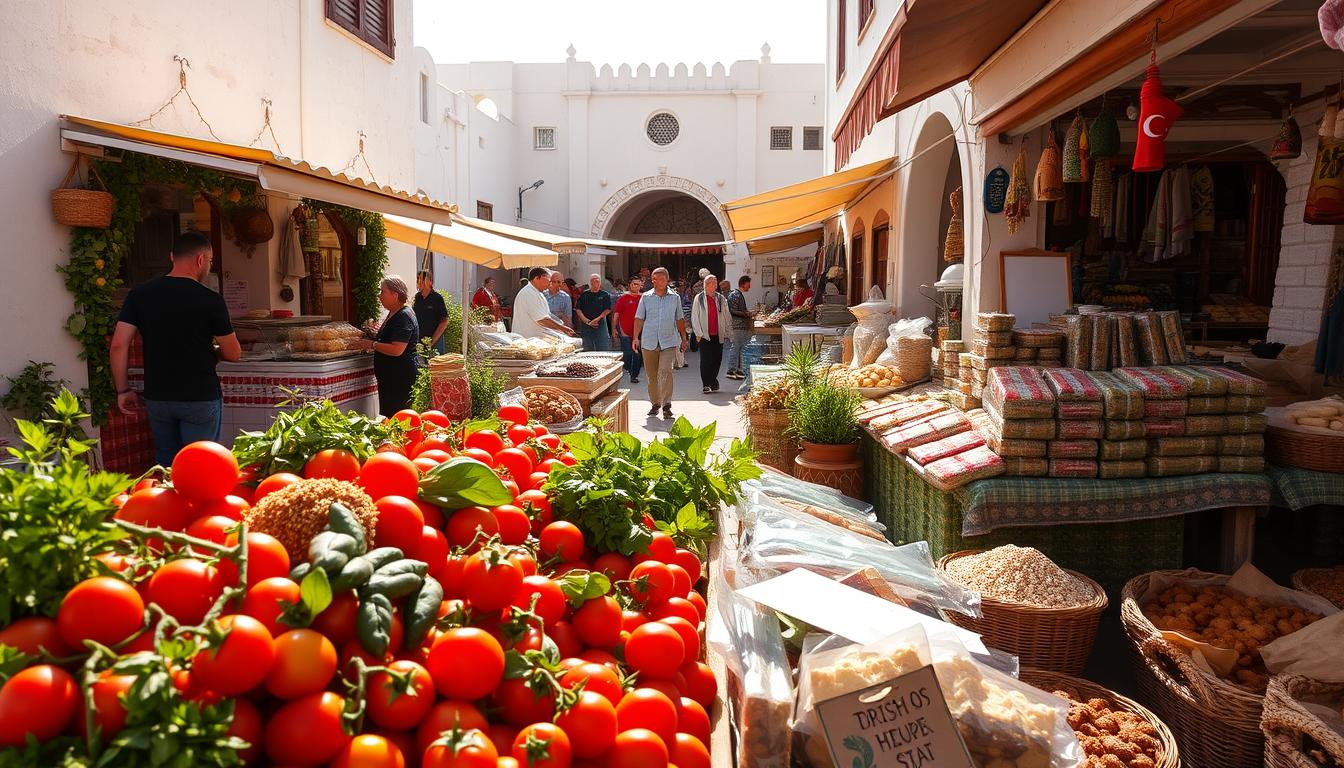
Your Guide to Authentic Djerba Cuisine & Markets
Ever wondered what makes a place unforgettable for food lovers? Djerba Island in Tunisia is a hidden gem for those seeking an authentic Mediterranean experience.
Djerba Island is where rich history and vibrant culture meet, creating a unique food scene. Here, you can try the island’s Djerba cuisine, known for fresh seafood, aromatic spices, and traditional cooking.
Exploring Djerba’s traditional markets is an adventure. You’ll be surrounded by the sights, sounds, and smells of local foods. Are you ready to discover the secrets of this enchanting island and its culinary treasures?
The Culinary Heritage of Djerba Island
When you arrive on Djerba Island, you’re greeted by a rich culinary heritage. This heritage shows the island’s history and cultural diversity. Djerba’s location in the Mediterranean has made it a meeting point for many cultures.
Historical Influences on Djerban Cuisine
Djerba’s food reflects its diverse history. The island has churches, mosques, and synagogues, showing its cultural richness. This diversity is seen in the ingredients and cooking methods used.
For example, couscous and spices show the Arab and Berber roots. Olive oil and seafood highlight its Mediterranean side.
The Unique Flavor Profile of Djerban Food
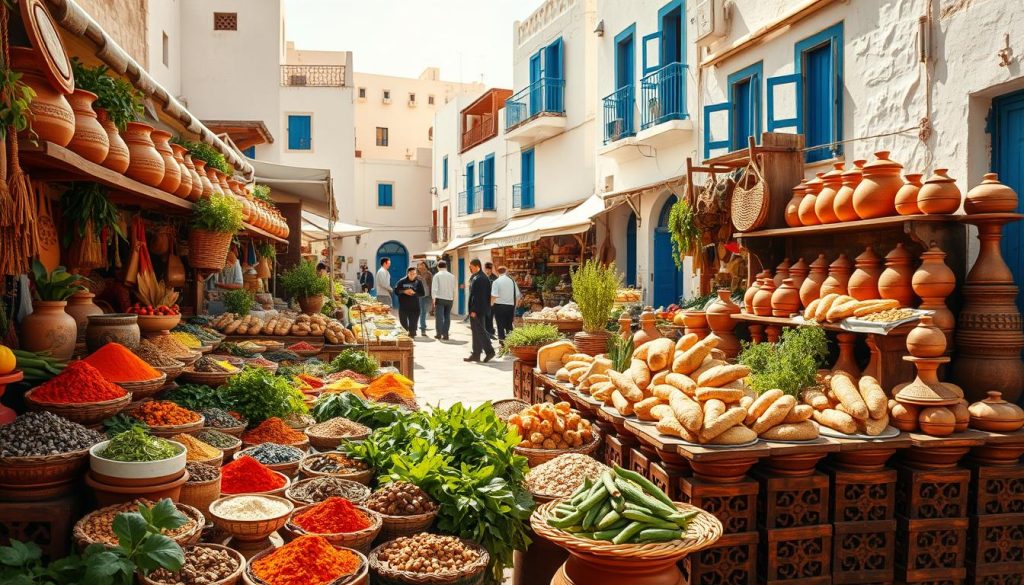
Djerban food is known for its local ingredients and spice blends. Harissa, a chili paste, is a key flavor in many dishes. The mix of fresh seafood, local produce, and spices makes Djerban food special.
The island is also famous for its sweets like makroudh and baklava. These are made with dates and nuts, adding to the island’s culinary charm.
| Ingredient | Origin | Use in Djerban Cuisine |
|---|---|---|
| Couscous | North Africa | Traditional main course |
| Harissa | North Africa | Staple condiment |
| Olive Oil | Mediterranean | Cooking and dressings |
Essential Djerban Dishes You Must Try
Djerba is famous for its unique food traditions. You’ll find dishes that are a must-try for visitors. The island’s food is a mix of flavors from its culture. You’ll enjoy everything from main courses to desserts.
Traditional Main Courses: Couscous and Brik
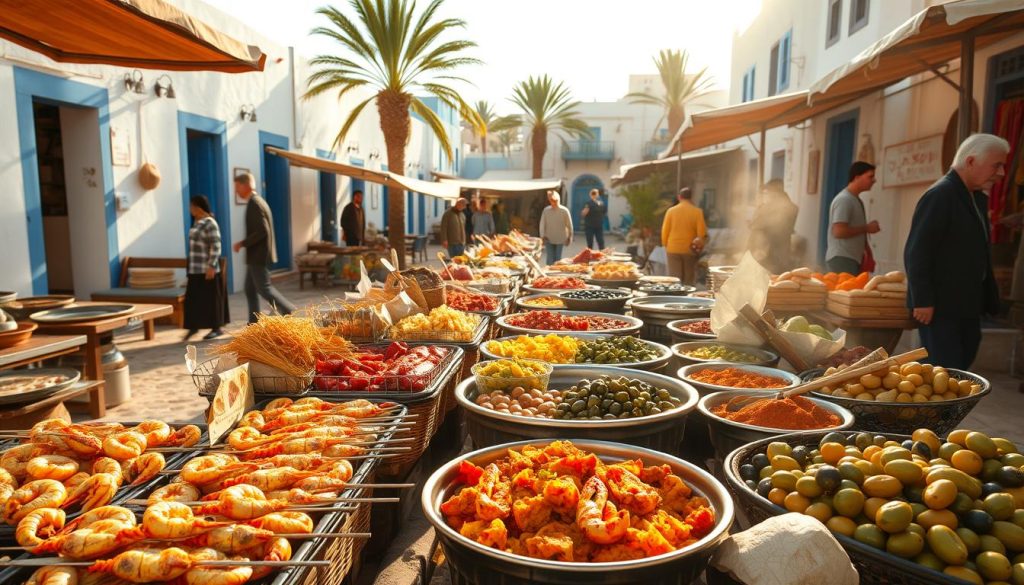
Couscous and brik are key dishes in Djerba. Couscous is a North African favorite, served with veggies, meat, and sauce. In Djerba, it’s made with local ingredients.
Brik is a crispy pastry filled with tuna, onions, and capers. It’s great as an appetizer or snack. Brik Ishak is famous for its brik, a must-try for food lovers.
Local Seafood Specialties
Djerba’s seafood is a big part of its cuisine. Try fresh fish, calamari, and octopus, grilled or in sauces. Local eateries offer the best seafood, cooked with Djerban flavors.
Sweet Treats and Desserts: Makroudh and Baklava
Don’t miss out on Djerba’s sweets. Makroudh is a pastry with dates and nuts, honey-coated. Baklava is layers of nuts and honey, a sweet treat. Mamie Fatima is a great place to try these desserts.
Exploring Djerba means trying its food. Visit markets and restaurants for a taste of the island’s cuisine. From main courses to desserts, Djerba’s food will make your visit unforgettable.
Where to Find Authentic Djerba Food and Local Markets?
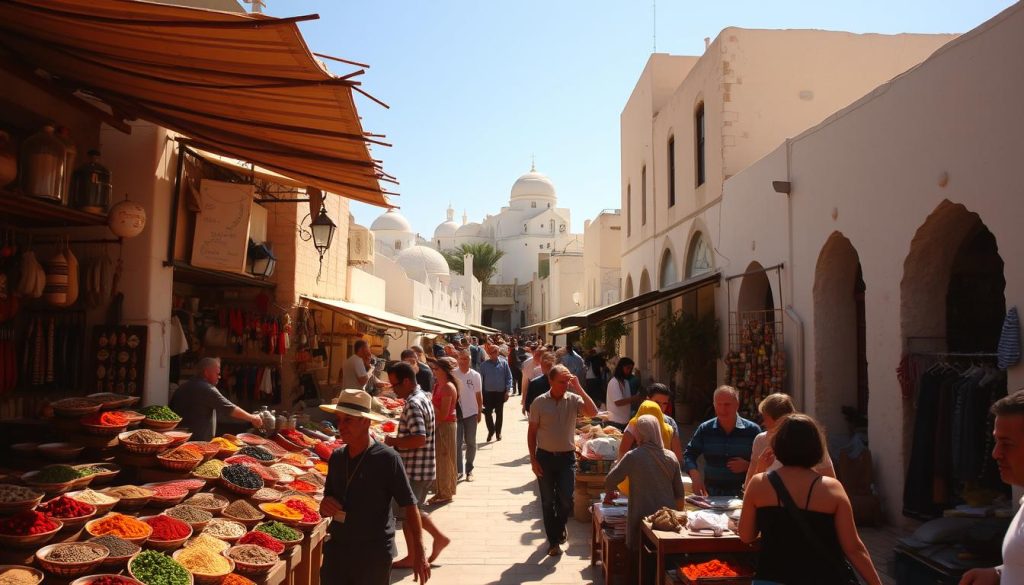
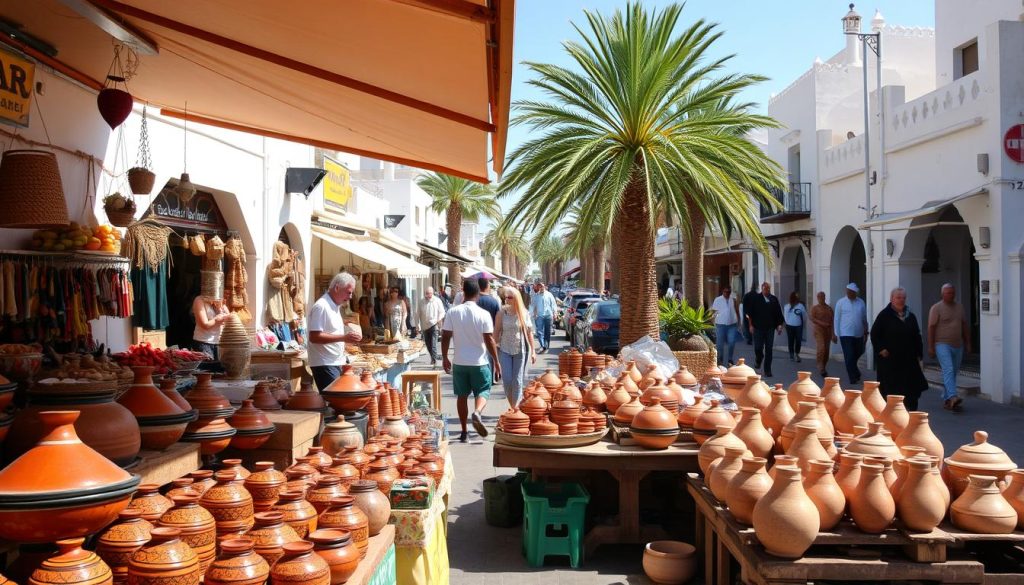
Exploring Djerba’s local markets is like a journey through its true flavors. The island’s markets are lively places where you can find lots of local goods and treats. From fresh veggies to traditional spices, these markets give you a taste of Djerban life.
Houmt Souk Market: The Heart of Djerban Commerce
Houmt Souk Market is the biggest and most lively market in Djerba. It’s in the capital town of Djerba. Here, you can find everything from local crafts to fresh seafood. It’s a perfect spot to try real Djerban dishes like Brik and Couscous.
“The market in Houmt Souk is a treasure trove of local flavors and products,” says a local chef. “It’s where I source many of the ingredients for my traditional dishes.”
Midoun Market: A Local Experience
Midoun Market is more relaxed than Houmt Souk. It’s a great spot to see local life and try island specialties. You’ll find vendors selling fresh fruits, olives, and sweets like Makroudh. The vendors here are friendly and love to share about local products.
Hidden Neighborhood Markets Worth Discovering
Djerba also has many hidden neighborhood markets. These smaller markets give you a peek into local life. You can find unique, authentic products here. Exploring these markets is a great way to see Djerba’s true charm.
In conclusion, Djerba’s markets are a must-see for anyone wanting to taste the island’s real cuisine. Whether you’re looking to buy local goods or just enjoy the vibe, Djerba’s markets will make a lasting impression.
The Best Restaurants for Traditional Djerban Cuisine
Djerba is a food lover’s dream, with many places to try its traditional dishes. You can find spots for all tastes and preferences.
Family-Owned Establishments
Family-run restaurants are common in Djerba. They offer a cozy feel and tasty, homemade food. Dar Dhiafa is famous for its traditional cooking and friendly service. Here, you can try couscous and brik in a homey setting.
Upscale Dining with Authentic Flavors
If you want a fancy meal, Djerba has upscale spots with local flavors. Restaurant De L’île is a great choice. It has a fancy vibe and creative takes on Djerban dishes.
Beachside Eateries Serving Fresh Catches
Don’t miss out on Djerba’s fresh seafood. Places like La Voile Bleue serve dishes with the day’s catch. Enjoy grilled fish and other seafood while taking in the sea views.
| Restaurant Name | Type | Specialties |
|---|---|---|
| Dar Dhiafa | Family-Owned | Couscous, Brik, Traditional Djerban dishes |
| Restaurant De L’île | Upscale Dining | Modern twists on traditional Djerban cuisine |
| La Voile Bleue | Beachside Eatery | Fresh seafood, Grilled fish |
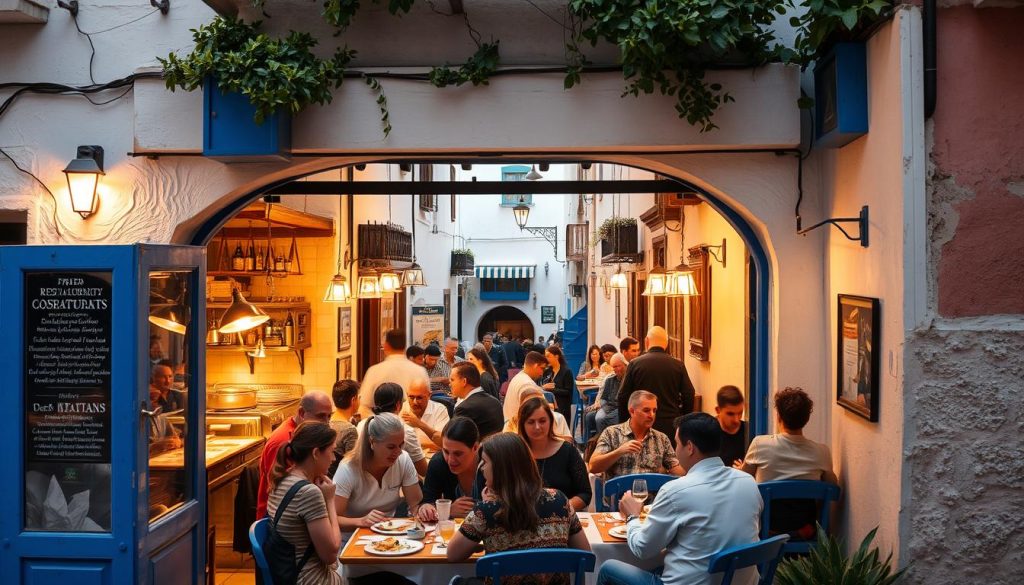
Djerba has options for every meal, from casual to fancy. Make sure to check out these top spots for the best Djerban food.
Street Food Adventures in Djerba
As you explore Djerba’s lively streets, the smell of street food invites you to discover the island’s flavors. Street food is a big part of Djerba’s food culture. It offers many traditional dishes that are both tasty and true to the island.
Must-Try Street Food Vendors and Locations
Djerba has many street food vendors, each with its own special taste. You can find them in busy markets and places tourists love. Don’t miss the markets in Houmt Souk and Midoun for local treats.
| Location | Popular Dish | Price Range |
|---|---|---|
| Houmt Souk Market | Lablabi | $5-$10 |
| Midoun Market | Bambalouni | $3-$8 |
Popular Street Food Dishes: Lablabi and Bambalouni
Lablabi and bambalouni are top picks in Djerba. Lablabi is a rich chickpea soup. Bambalouni are sweet doughnuts perfect for a snack. These dishes show off the island’s food traditions.
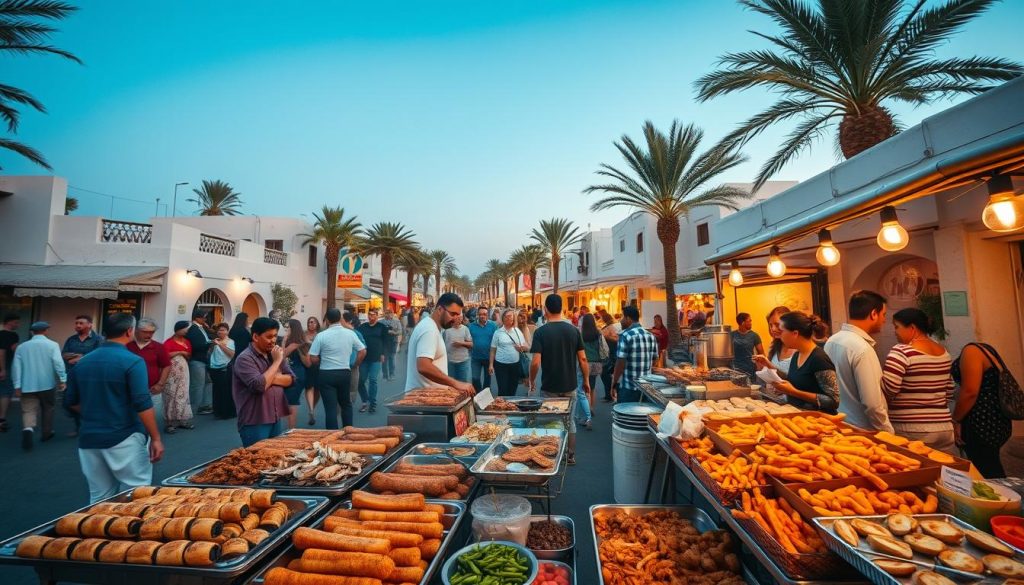
Trying Djerba’s street food is a must. It’s a journey of flavors that will make your visit unforgettable.
Essential Ingredients and Spices of Djerban Cuisine
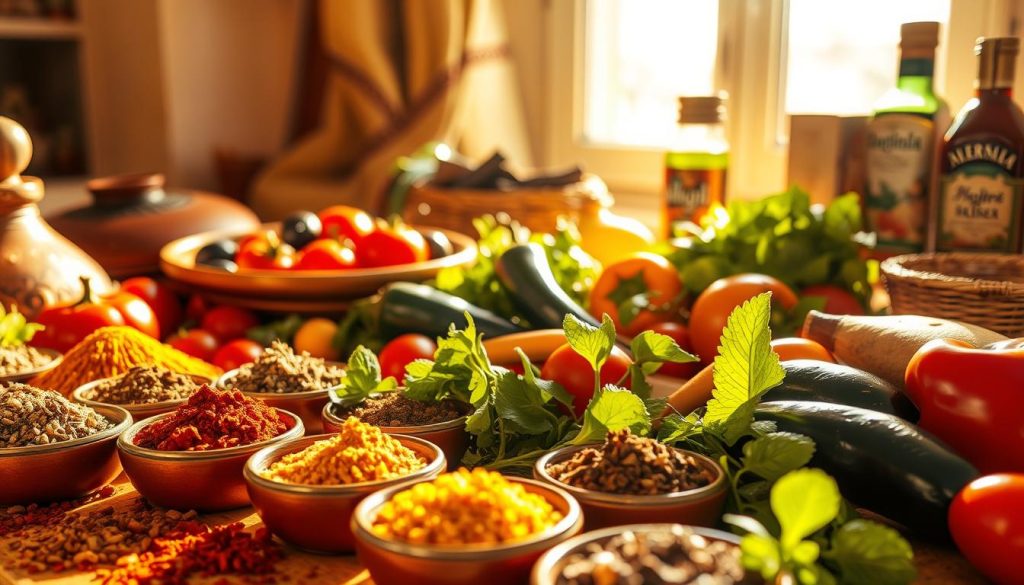
To truly experience Djerban cuisine, one must understand its fundamental ingredients and spices. The unique flavor of Djerban dishes comes from local ingredients and spices. Harissa, a chili pepper paste, is a staple that adds a distinctive flavor to many dishes.
Harissa and Traditional Spice Blends
Harissa and traditional spice blends are key to Djerban cuisine’s flavor. Ras el hanout, which means “head of the shop,” is a spice blend with over 30 ingredients. These include cinnamon, cumin, coriander, and turmeric. They are used in dishes like couscous, stews, and tagines.
Olive Oil and Local Produce
Olive oil is essential in Djerban cuisine, used in cooking and as a finishing oil. The island’s mild climate and rich soil are perfect for growing fruits and vegetables. This includes olives, tomatoes, and peppers. Fresh, locally sourced produce makes Djerban dishes vibrant and full of flavor.
Where to Purchase Authentic Ingredients
Visitors to Djerba can find authentic ingredients at local markets. The Houmt Souk Market and Midoun Market offer a wide range of products. You can buy fresh produce, spices, and olive oil. Shopping at these markets lets you take a piece of Djerba home, so you can recreate its flavors in your kitchen.
As
“The art of cooking is not just about mixing ingredients, it’s about understanding the essence of each component and how they come together to create something truly special.”
This quote captures the essence of Djerban cuisine. It highlights the importance of selecting and preparing ingredients with tradition and culture in mind.
Navigating Djerba’s Markets Like a Local
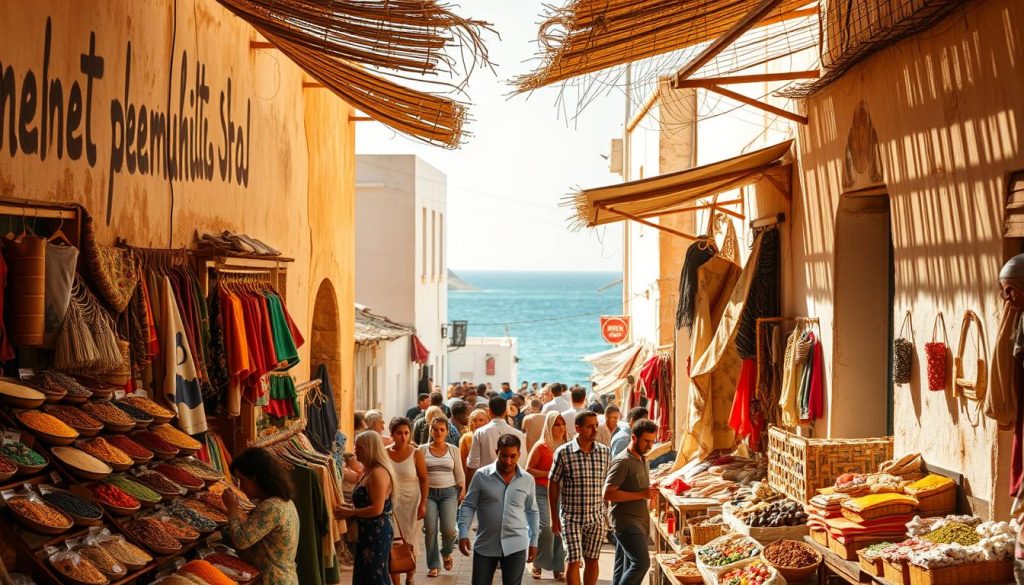
Exploring Djerba’s markets is a sensory adventure. It needs some insider knowledge to navigate well. As you wander through the vibrant stalls and crowded alleys, knowing the local customs and practices can make your experience better.
Market Etiquette and Bargaining Tips
When shopping at Djerba’s markets, being respectful and courteous is key. Say hello or “as-salamu alaykum” (peace be upon you) to vendors. Bargaining is common here; start with a lower price than you want to pay, and be ready to negotiate. It’s not just about the price; it’s about building a good relationship with the seller.
Tips for Successful Bargaining:
- Research prices beforehand to make informed offers.
- Be respectful and polite; avoid being aggressive.
- Be willing to walk away if the price isn’t right.
Best Days and Times to Visit Different Markets
The best time to visit Djerba’s markets varies by location and day. Mornings are best, as markets are fresher and less crowded. Try to avoid peak tourist season, as prices go up then.
| Market | Best Day | Best Time |
|---|---|---|
| Houmt Souk Market | Monday | Morning |
| Midoun Market | Wednesday | Afternoon |
What to Look for in Quality Products
When buying local products, look for freshness, quality, and authenticity. For spices and herbs, check for vibrant colors and strong smells. For handicrafts, look at the craftsmanship and materials. Ask vendors about the origin and production of their goods.
“The art of negotiation is a dance, not a fight. It’s about finding a mutually beneficial agreement.”
Immersive Food Experiences in Djerba
Exploring Djerba’s culinary scene offers a chance to dive into local culture. These experiences enrich your understanding of Djerban cuisine. They also leave you with unforgettable memories of your trip.
Cooking Classes with Local Chefs
Take a cooking class with a local chef to uncover Djerban dish secrets. You’ll first visit a local market to pick fresh ingredients. Then, you’ll cook under the expert guidance of a chef. It’s a fantastic way to learn about local food and cooking skills.
Food Tours and Culinary Excursions
Go on a food tour or culinary excursion to taste Djerban specialties. These tours visit local eateries, markets, and family restaurants. You’ll try dishes like couscous, brik, and makroudh, learning about their cultural importance.
Farm Visits and Traditional Bread Making
See how Djerban ingredients are sourced on a farm visit. Many farms offer bread-making workshops. This hands-on experience shows the agricultural heart of Djerban cuisine.
| Experience | Description | Duration |
|---|---|---|
| Cooking Class | Learn to prepare traditional Djerban dishes with a local chef | 4 hours |
| Food Tour | Sample various Djerban specialties at local eateries and markets | 5 hours |
| Farm Visit | Explore local farms and learn traditional bread-making techniques | 3 hours |
Conclusion: Embracing the Flavors of Djerba
Exploring Djerba’s culinary scene reveals a world of flavors. These flavors show the island’s rich culture. From the spices to the seafood, Djerba’s food tells its story.
Visiting local markets is key to tasting authentic Djerba food. You’ll see vibrant produce, scented spices, and traditional dishes. Try couscous and brik, and talk to the vendors. They love to share their love for Djerban food.
Getting to know Djerba’s flavors lets you see its unique culture. Whether it’s street food, family restaurants, or markets, you’ll enjoy a real taste of the island. This experience will give you memories of Djerba that last forever.