Your Guide on How to Get Around Thailand with Ease
Thailand is a fascinating and beautiful country that has a lot to offer travelers. With so much to see and do, you’ll want to make the most of your time by knowing how to get around Thailand efficiently. In this comprehensive guide, we’ll explore the various transportation options available in Thailand and provide you with tips on how to navigate the country with ease.
Whether you prefer traveling by air, train, bus, taxi, tuk-tuk, motorbike, or ferry, we’ve got you covered. We’ll also provide you with information on the different public transportation options available and how to use them.
With our Thai transportation tips, you’ll learn how to get around Thailand safely, comfortably, and cost-effectively. From navigating the bustling city of Bangkok to exploring the stunning islands and coastal areas, our guide will help you make the most of your travels in Thailand.
So, if you’re wondering how to get around Thailand, look no further. Let’s dive in and discover the best transportation options for your next adventure!
Getting Around Bangkok: The Gateway to Thailand
As the capital city of Thailand, Bangkok serves as the primary gateway for travelers visiting the country. With a population of over 8 million people, navigating the city can be overwhelming, but don’t worry, we’ve got you covered. Here’s a breakdown of the different Thai transportation options available to get around Bangkok with ease.
Public Transportation in Bangkok
One of the most affordable and convenient ways to get around Bangkok is by using the public transportation system. Bangkok offers a variety of public transportation options including buses, trains, and the famous tuk-tuks. The following are some of the popular options:
- BTS Skytrain: This elevated train system operates along two lines and covers most of the city’s major areas, making it a popular choice for locals and tourists alike.
- MRT Subway: Running from north to south of the city, the subway is another great option for getting around Bangkok.
- Buses: Bangkok’s bus system is extensive, and fares are very affordable, making it a popular choice for locals and budget-conscious travelers.
- Tuk-Tuks: These iconic three-wheeled vehicles are a fun way to get around Bangkok, especially for shorter distances. However, be aware that tuk-tuk fares are often negotiable so be sure to agree on a price before getting in.
Taxis and Ride-Hailing Services
Taxis and ride-hailing services like Grab and Uber are widely available in Bangkok, providing a convenient way to get around the city. Taxis are metered, and fares are affordable, but be aware of scams and insist on the use of the meter. Ride-hailing services offer upfront pricing and can be quicker than hailing a taxi on the street.
Exploring Bangkok by Motorcycle
If you’re feeling adventurous, renting a motorcycle can be a fun way to explore Bangkok. Keep in mind that traffic can be chaotic, and motorcycle accidents are common, so be sure to wear a helmet and exercise caution.
Final Tips for Getting Around Bangkok
Here are a few final tips to keep in mind when traveling around Bangkok:
- Be aware of scams and avoid unlicensed taxis and tuk-tuks.
- Carry small bills and exact change for public transportation and taxis.
- Get a map and carry a copy of your hotel’s address in Thai to show drivers if needed.
With these Thai transportation options, you’ll be able to navigate Bangkok with ease, making the most of your time in this vibrant and exciting city.
Exploring Thailand by Train: An Adventure on the Tracks
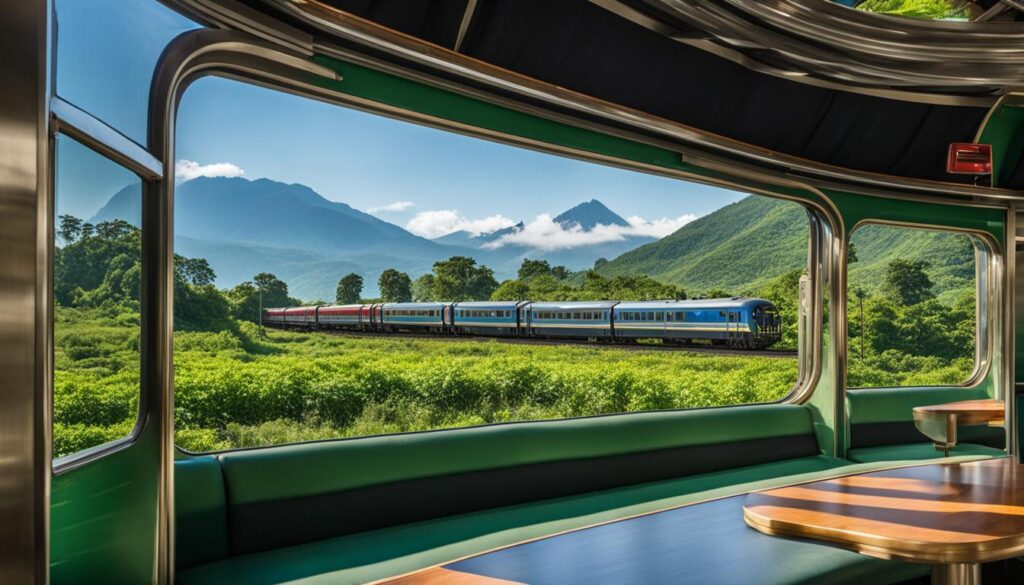
Thailand’s railway network is an excellent way to explore the country, providing a unique perspective on the beautiful scenery and local communities. Train travel in Thailand is relatively affordable, comfortable, and safe, making it an attractive option for budget-conscious travelers.
There are two main train lines in Thailand: the Northern Line and the Southern Line. The Northern Line runs from Bangkok to Chiang Mai, while the Southern Line runs from Bangkok to Surat Thani and connects to the ferry ports for Koh Samui, Koh Phangan, and Koh Tao.
When traveling by train in Thailand, you can choose between several classes: third class, second class, first class, and sleeper. Third class is the cheapest option but can be crowded and uncomfortable, while sleeper class provides comfortable overnight accommodations for longer journeys.
| Class | Description |
|---|---|
| Third Class | The cheapest option, with wooden seats and no air conditioning. Can be crowded and uncomfortable. |
| Second Class | More comfortable than third class, with padded seats and air conditioning. Available on both day and night trains. |
| First Class | The most comfortable option, with wider reclining seats and more privacy. Available on some night trains and intercity trains. |
| Sleeper | Provides comfortable overnight accommodations, with a bed and privacy curtain. Available on night trains. |
Booking train tickets in advance is recommended, especially during peak travel seasons and holidays. You can purchase tickets online, through a travel agent, or at the train station.
Here are some tips to make the most of your train travel experience in Thailand:
- Bring warm clothing if traveling on overnight trains, as the air conditioning can be cold.
- Be prepared for delays, as trains in Thailand may not always run on schedule.
- Bring snacks and drinks, as food options on trains may be limited.
- Keep your valuables with you at all times and lock your cabin if traveling in sleeper class.
- Take advantage of the stunning scenery and local communities by purchasing a window seat and chatting with other passengers.
Overall, traveling by train in Thailand is a unique and memorable experience that should not be missed. Consider adding it to your itinerary for an adventure on the tracks.
Getting Around Thailand by Bus: A Convenient Option
Thailand’s extensive bus network is a popular mode of transportation for locals and tourists alike. It is convenient, affordable, and offers a great way to explore different regions of the country. In this section, we’ll discuss the different types of buses, popular routes, and how to navigate the bus system in Thailand.
Types of Buses
There are several types of buses in Thailand, ranging from basic local buses to luxury coaches. The most common types of buses include:
- Local buses – These are basic, no-frills buses that stop frequently and are often crowded. They are a cheap option for short distances.
- Express buses – These buses travel longer distances and make fewer stops, making them faster than local buses. They are air-conditioned and comfortable, with reclining seats.
- VIP buses – These are the most comfortable and luxurious buses available in Thailand, featuring spacious seats, air conditioning, and sometimes even personal TV screens. They are a great option for long-distance travel.
Popular Bus Routes
There are many bus routes in Thailand, connecting different cities and regions of the country. Some of the most popular routes include:
| Route | Approximate Travel Time |
|---|---|
| Bangkok to Chiang Mai | 10-12 hours |
| Bangkok to Phuket | 12-14 hours |
| Chiang Mai to Pai | 3-4 hours |
Navigating the Bus System
The bus system in Thailand can be overwhelming for first-time visitors, but with a bit of preparation, it can be a convenient and affordable way to travel. Here are some tips to help you navigate the bus system:
- Buy your ticket in advance – You can buy bus tickets at the station or online. It’s best to buy your ticket in advance to ensure a seat, especially for long-distance journeys.
- Arrive early – Buses in Thailand leave on time, so make sure to arrive at the station early to avoid missing your bus.
- Bring a sweater – Buses in Thailand can be cold due to the air conditioning, so bring a sweater or jacket to stay warm.
- Be mindful of your belongings – Keep your belongings close to you and be aware of your surroundings, especially on crowded buses.
With these tips in mind, you can confidently explore Thailand by bus, taking in the stunning scenery and unique experiences along the way.
Taking to the Skies: Air Travel in Thailand.
When it comes to covering long distances quickly, air travel is one of the best options in Thailand. With the country’s extensive network of airports and domestic airlines, you can easily fly to almost any destination within Thailand.
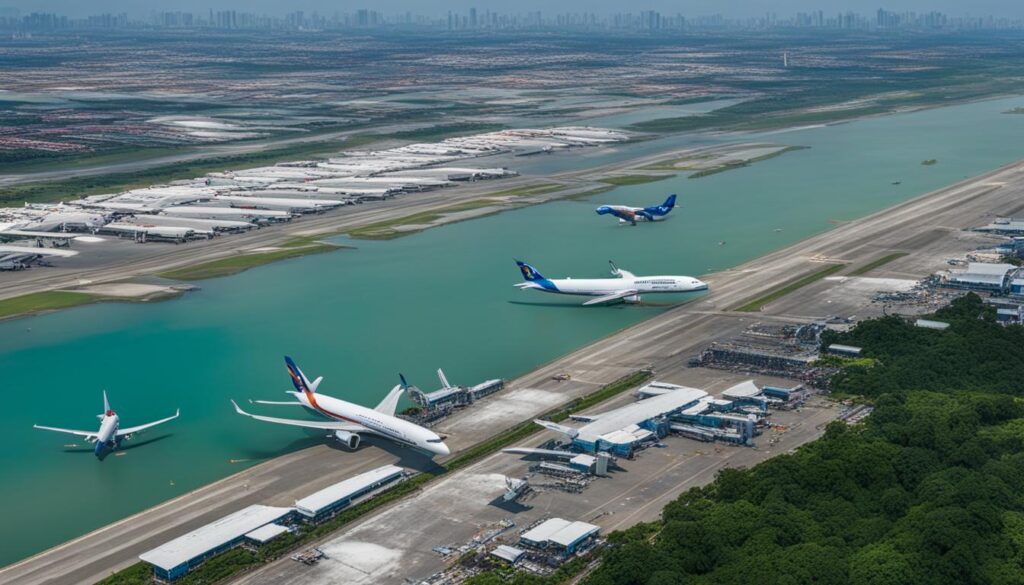
Thailand has several major airports, including Suvarnabhumi Airport in Bangkok, Phuket International Airport, and Chiang Mai International Airport. These airports offer a range of international and domestic flights, making it convenient for travelers to get around the country.
There are several domestic airlines in Thailand, including Thai Airways, Bangkok Airways, and Nok Air. These airlines offer affordable fares, making air travel an accessible option for many travelers.
When booking flights in Thailand, it’s essential to do your research and book in advance to find the best deals. Keep in mind that prices can vary depending on the time of year, so it’s always a good idea to plan ahead.
If you’re traveling on a budget, consider booking a flight with a low-cost airline. These airlines often offer basic amenities and charge for extras like checked baggage and in-flight meals, but they can save you a significant amount of money.
Overall, air travel is a convenient and efficient way to get around Thailand, particularly if you’re looking to cover long distances. With a bit of planning and research, you can find affordable flights and make the most of your time in this beautiful country.
Exploring Islands and Coastal Areas: Ferries and Boats
If you’re looking to explore Thailand’s stunning islands and coastal areas, ferries and boats are a great option. You’ll enjoy scenic ocean views and the opportunity to visit isolated beaches and hidden coves that can’t be reached by land.
There are various ferry routes and boat tours available in Thailand, so you can choose the one that suits your travel preferences and budget. Some major ferry destinations include:
| Destination | Departure Point | Approximate Travel Time |
|---|---|---|
| Phuket | Phuket Rassada Pier | 2-3 hours |
| Koh Samui | Samui Na Thon Pier | 1.5-3 hours |
| Koh Phi Phi | Phi Phi Tonsai Pier | 2-3 hours |
When booking a ferry or boat tour, make sure to check the departure times and prices in advance. Some tours may include additional activities like snorkeling or kayaking, so keep that in mind when planning your itinerary.
Tips for Island Hopping
Here are some tips for a smooth island-hopping experience:
- Travel light: Ferries and boats may have limited space, so pack only what you need for the day.
- Check the weather forecast: Inclement weather can disrupt ferry and boat schedules, so make sure to check the forecast before you travel.
- Bring cash: Some tickets may need to be bought in person and some islands may not have ATMs, so be sure to have enough cash on hand for your transportation and expenses.
- Be respectful: Thailand’s islands and coastal areas are home to many marine species and natural resources, so make sure to dispose of trash responsibly and follow any designated guidelines or regulations.
By following these guidelines and taking advantage of the various ferry and boat options, you’ll be able to explore Thailand’s stunning islands and coastal areas with ease.
Navigating Thailand’s Cities: Taxis, Tuk-Tuks, and Motorbikes
Thailand’s major cities, such as Bangkok and Chiang Mai, offer different modes of transportation. Taxis, tuk-tuks, and motorbikes are popular options that can take you almost anywhere. Here are some things to keep in mind when using these modes of transport.
Taxis
Taxis in Thailand are metered, which means you pay for the distance traveled. However, not all drivers are willing to use the meter, especially during peak hours or when traffic is heavy. In this case, it’s best to negotiate a price before getting in the taxi to avoid overcharging. If you’re heading to the airport, some taxis have a fixed rate. You can ask your hotel to arrange a taxi or use a ride-hailing app like Grab.
It’s important to note that some drivers may try to take a longer route to increase the fare, so pay attention to the route and use a GPS if necessary. Additionally, be wary of touts posing as taxi drivers who may offer you a ride at a much higher price.
Tuk-Tuks
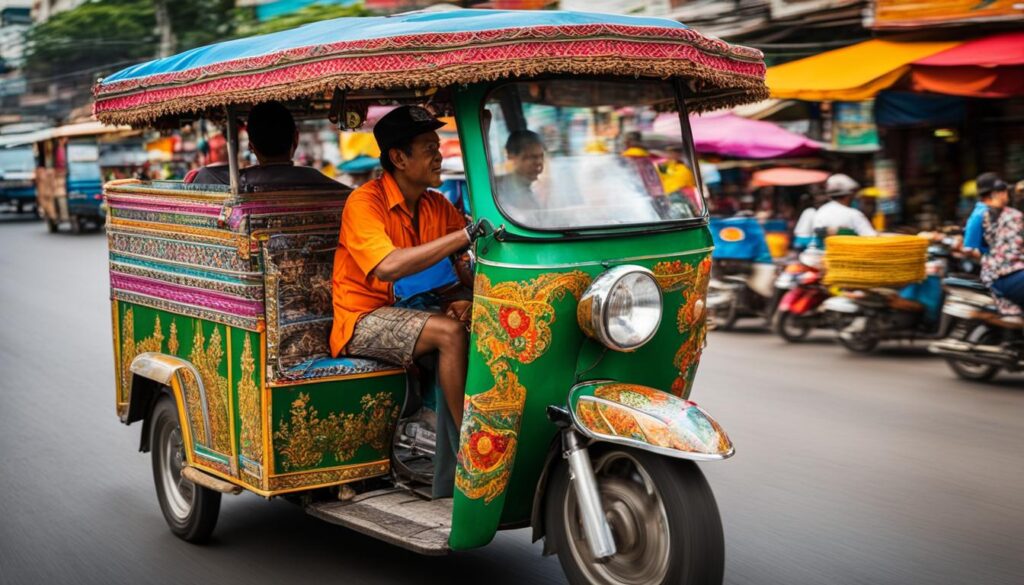
Tuk-tuks are three-wheeled vehicles that are a popular mode of transportation in Thailand’s cities. They are ideal for short distances and can weave through traffic easily. However, tuk-tuks are not metered, so you need to negotiate a price before getting in. This means that tuk-tuks can be more expensive than taxis, especially for longer distances. If you’re not confident in your bargaining skills, it’s best to opt for a taxi or use a ride-hailing app.
Motorbikes
Motorbikes are a common sight in Thailand, and they’re a popular mode of transportation in cities. You can rent a motorbike for a day or longer, and the rental rates are affordable. However, using a motorbike in Thailand can be dangerous, especially if you’re not used to the chaotic traffic. It’s important to wear a helmet and have a valid driver’s license to avoid legal issues. Be sure to check the bike thoroughly before renting it and take photos of any existing damage to avoid being charged extra.
Tip: If you’re traveling alone, a motorbike taxi might be a more convenient option for short distances. These drivers are recognizable by their brightly colored vests and helmets, and they can be hailed on the street.
When using any mode of transportation in Thailand, it’s important to keep your belongings safe and secure. Keep your bags close to you, and be wary of pickpockets and bag snatchers, especially in crowded areas.
Thailand’s cities offer a range of transportation options to suit any budget or preference. Whether you choose a taxi, tuk-tuk, or motorbike, be sure to negotiate a fair price and stay safe on the roads.
Getting Off the Beaten Path: Rental Cars and Motorcycles
If you’re looking for ultimate freedom and flexibility while exploring Thailand, renting a car or motorcycle can be an excellent option. With your own wheels, you can follow your own schedule and travel to off-the-beaten-path destinations that are harder to reach with public transportation.
Renting a Car or Motorcycle in Thailand
There are various car and motorcycle rental companies in Thailand, from international brands to local businesses. It’s important to choose a reputable company to ensure that you get a safe and well-maintained vehicle. You’ll need a valid driver’s license from your home country or an international driver’s license to rent a car or motorcycle in Thailand. Keep in mind that driving in Thailand can be chaotic, and road safety is a concern. It’s important to always wear a helmet when riding a motorcycle and drive defensively.
Driving Regulations in Thailand
Thailand follows left-hand traffic rules, so if you’re used to driving on the right-hand side of the road, it can take some getting used to. Speed limits in Thailand vary depending on the location and type of road. In built-up areas, the speed limit is usually around 60 km/h, while on highways, it’s 90 km/h. However, it’s not uncommon for drivers in Thailand to exceed these limits, so it’s important to drive defensively and be aware of your surroundings.
Tips for a Smooth Experience
Before renting a car or motorcycle, inspect the vehicle thoroughly for any damage and take photos to document its condition. Make sure that the rental agreement is clear about any insurance coverage and responsibilities in case of accidents or damage. Plan your route carefully and make sure to have a good GPS system or map. Thailand’s countryside is stunning, but can also be remote and less developed than urban areas. Be prepared for occasional language barriers and lack of amenities on the road.
Renting a car or motorcycle in Thailand can be a thrilling way to explore the country’s hidden gems and less touristy areas. However, it’s important to have a basic understanding of driving regulations, road safety, and rental agreements beforehand. With the right precautions and planning, you can have a safe and rewarding adventure.
Navigating the Thai Waterways: River Taxis and Longtail Boats
When visiting Thailand, exploring the country’s waterways is a must-do experience. The rivers and canals provide a unique perspective of the bustling cities and rural landscapes. The most common modes of water transportation are river taxis and longtail boats, each with its advantages and limitations.
River Taxis
Also known as “water buses,” river taxis are a cheap and convenient way to get around Bangkok. The Chao Phraya River Express Boat service operates on the Chao Phraya River, with stops at essential tourist attractions such as Wat Phra Kaew, Wat Arun, and the Grand Palace.
There are different types of boats, including express and local boats. Express boats are faster and make fewer stops, while local boats stop at every pier along the route. Prices range from 10-50 baht, depending on the distance and type of boat.
Longtail Boats
If you’re looking for a more adventurous experience, taking a longtail boat is an excellent option. These boats are long, narrow vessels powered by an automobile engine attached to a propeller, making them a great way to explore Thailand’s smaller waterways.
Longtail boats are often used for island-hopping trips, such as those to the Phi Phi Islands. Prices can vary greatly, so it’s essential to negotiate with the boat driver beforehand. You can also book tours that include a longtail boat ride with a guide.

Overall, traveling by river taxis or longtail boats is an exciting way to experience Thailand’s waterways. The stunning views and refreshing breeze will make your trip memorable. However, it’s essential to practice water safety and wear a life jacket when necessary.
Public Transportation Tips for Traveling in Thailand
Traveling by public transportation in Thailand is a convenient and affordable way to explore the country. Here are some useful tips to help you navigate public transportation like a pro:
1. Get a Map
Before you start your journey, it’s a good idea to get a map of the public transportation system in the city you are visiting. Most cities in Thailand have a well-developed public transportation system, and having a map on hand will help you understand the routes and connections.
2. Use a Transit App
Using a transit app like Google Maps or Moovit can help you plan your route and estimate travel times. These apps are also helpful for monitoring the progress of your journey and alerting you to any delays or changes to your route.
3. Choose Your Mode of Transportation Wisely
Thailand offers a variety of public transportation options, including buses, trains, and taxis. Depending on your destination and budget, some modes of transport may be more suitable than others. Buses are the most affordable option, while taxis and trains are more comfortable and convenient for longer journeys.
4. Avoid Peak Times
If possible, try to avoid traveling during peak times, as public transportation can get crowded and uncomfortable. Rush hours are typically between 7:00-9:00 a.m. and 4:00-7:00 p.m. on weekdays.
5. Be Prepared for the Weather
Thailand’s weather can be unpredictable, so be sure to check the forecast before you head out. If you’re traveling during the rainy season, pack a raincoat or umbrella to stay dry.
6. Follow Customs and Etiquette
Thailand has its own customs and etiquette when it comes to public transportation. For example, it’s customary to remove your shoes before entering a taxi or tuk-tuk. Be sure to observe these customs and show respect to local customs and traditions.
7. Keep Your Belongings Safe
Thailand is generally a safe country, but it’s always important to keep your belongings safe when using public transportation. Keep your bags and valuables close to you, and be aware of your surroundings.
By following these tips, you can make your journeys on Thailand’s public transportation system safe and enjoyable. Happy travels!
Conclusion
With this comprehensive guide, you now have a good understanding of the various transportation options available in Thailand. You know how to get around Thailand with ease, whether you prefer trains, buses, airplanes, or boats.
When exploring Thailand’s cities, taxis, tuk-tuks, and motorbikes are an option. But for more flexibility and independence, you can rent a car or motorcycle.
When planning your trip to Thailand, consider using public transportation to save money. And now that you know the insider tips, you’ll have a safe and comfortable journey.
Remember to be respectful of local customs and etiquette, especially when using public transportation. Plan ahead, keep your valuables safe, and be prepared for the unexpected.
Overall, Thailand offers a fascinating and diverse range of travel options. From bustling cities to serene beaches, there is something for everyone. Use these transportation tips to make the most of your trip and discover the beauty of Thailand.