Winter Drive to Lake Tahoe: Road Safety Tips
Are you planning a winter drive to Lake Tahoe? The snowy landscapes and picturesque views await you. But before you embark on this breathtaking journey, there are crucial road safety tips you need to know. From navigating treacherous road conditions to ensuring a stress-free trip, we’ve got you covered. So, how can you make sure your drive to Lake Tahoe in winter is as safe and enjoyable as possible?
In this section, we will provide you with essential road safety tips that will help you navigate the winter roads and reach your destination with confidence. Discover how to prepare your vehicle, understand the weather conditions, check road closures, and drive safely in winter conditions. Get ready to embark on a memorable journey to Lake Tahoe, where adventure awaits at every turn.
Understanding Lake Tahoe’s Winter Weather
Before embarking on your winter drive to Lake Tahoe, it’s important to understand the unique weather conditions you may encounter. Located in the Sierra Nevada mountain range, Lake Tahoe experiences cold winters with heavy snowfall and fluctuating temperatures. Being prepared for these weather patterns is essential to ensure a safe and enjoyable journey.
Snowfall: Lake Tahoe is known for its legendary snowfall, with an average annual accumulation of over 300 inches. The snow begins to fall in November and continues into April, creating a winter wonderland that attracts skiers, snowboarders, and winter enthusiasts from around the world. However, heavy snowfall can also lead to challenging road conditions, such as icy surfaces and reduced visibility.
Temperature Fluctuations: During the winter months, temperatures at Lake Tahoe can vary significantly. It’s not uncommon to experience freezing temperatures, especially during the coldest months of December and January. However, temperatures can also rise above freezing during the day, leading to melting snow and potential icy patches. It’s essential to monitor the weather forecast and be prepared for sudden changes in temperature.
“Lake Tahoe’s winter weather can be both beautiful and unpredictable. It’s crucial to plan ahead, monitor the conditions, and be prepared for any weather-related challenges that may arise during your trip.” – Local Resident
To help you visualize the typical winter weather patterns at Lake Tahoe, take a look at the chart below:
| Month | Snowfall (in inches) | Average Low Temperature (°F) | Average High Temperature (°F) |
|---|---|---|---|
| November | 17 | 28 | 50 |
| December | 55 | 23 | 43 |
| January | 69 | 20 | 41 |
| February | 48 | 23 | 44 |
| March | 38 | 25 | 47 |
| April | 20 | 30 | 54 |
As you can see from the chart, December and January typically experience the highest snowfall with lower temperatures, while April sees less snow and slightly warmer temperatures. These variations in snowfall and temperature should be taken into account when planning your winter drive to Lake Tahoe.
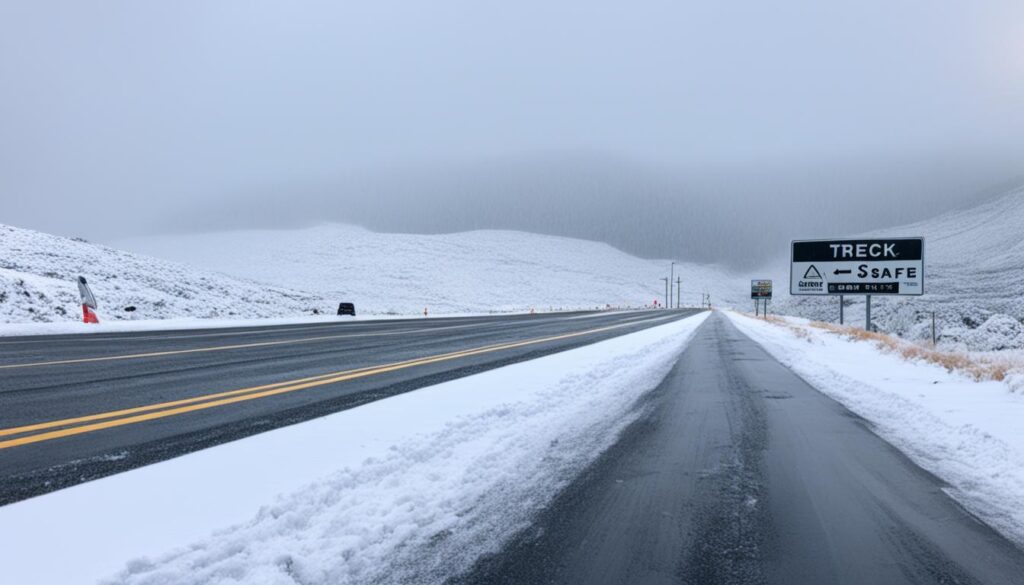
To further illustrate the winter weather conditions at Lake Tahoe, here is an image capturing the breathtaking snowy landscape:

By familiarizing yourself with Lake Tahoe’s winter weather patterns, you’ll be better prepared to handle the potential challenges while enjoying the pristine beauty of this remarkable destination.
Checking Road Conditions and Closures
When planning your winter drive to Lake Tahoe, it’s crucial to stay informed about the current road conditions and closures in the area. This will help you avoid any unexpected surprises and ensure a smooth and safe journey. Here are some tips on where to find reliable information and how to plan your route accordingly:
1. Check official websites and local news:
Start by visiting the official websites of the local transportation departments or agencies responsible for maintaining the roads in the Lake Tahoe region. These websites often provide real-time updates on road conditions, closures, and any ongoing maintenance activities. Additionally, local news sources may also provide valuable information regarding road closures or accidents.
2. Use mobile apps and online resources:
Take advantage of mobile apps and online resources that offer up-to-date road condition reports. Many navigation apps, such as Google Maps or Waze, provide information on traffic flow, accidents, and road closures. There are also dedicated websites that aggregate data from various sources to provide comprehensive road condition reports for specific areas.
3. Call the hotline:
In some cases, local transportation departments or travel agencies may have dedicated hotlines that you can call to inquire about road conditions and closures. These hotlines are staffed by knowledgeable professionals who can provide you with the most accurate and current information.
4. Check social media:
Social media platforms can be a valuable source of real-time updates on road conditions and closures. Many transportation agencies and local news organizations have active social media accounts where they share the latest information. Follow these accounts to stay informed and receive notifications as soon as any road closures or hazardous conditions are reported.
By staying informed about road conditions and closures, you can plan your route accordingly and make any necessary adjustments to ensure a safe and enjoyable winter drive to Lake Tahoe. Remember to check for updates regularly, as road conditions can change rapidly in winter weather. Now, let’s take a look at some real-time road condition data for the Lake Tahoe area:
| Highway | Road Conditions |
|---|---|
| Highway 89 | Snow-covered |
| Interstate 80 | Plowed and icy patches |
| Highway 267 | Snow-packed |
| Highway 50 | Clear |
Note: These road conditions are subject to change. It’s always recommended to check for the latest updates before traveling.
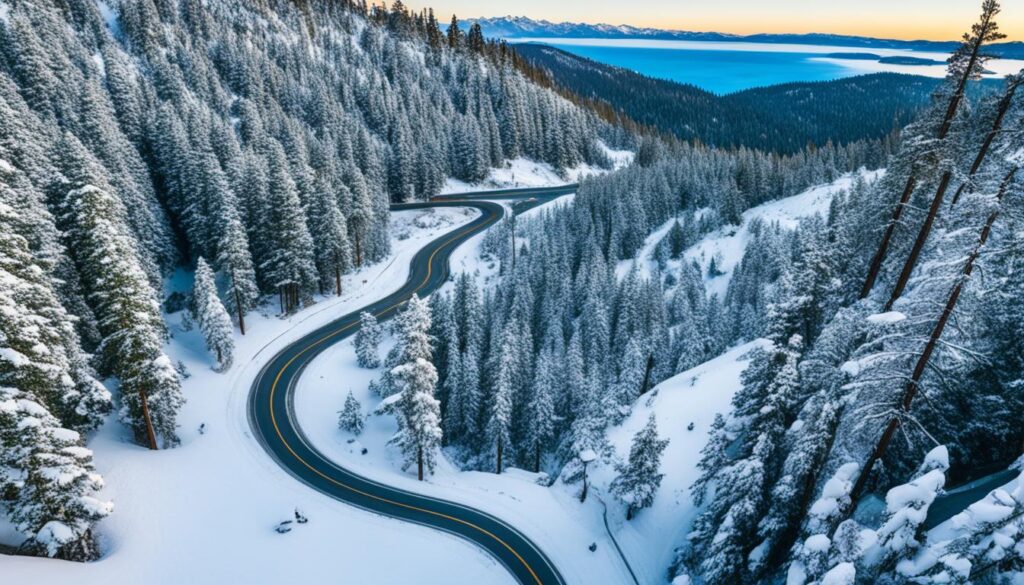
As you can see from the table above and the image, road conditions in the Lake Tahoe area during winter can vary. It’s important to carefully plan your journey, taking into account the current conditions and closures. By staying informed and prepared, you can ensure a safe and enjoyable trip to this beautiful destination.
Winter Driving Essentials
When it comes to winter driving, being prepared is paramount for a safe journey. The harsh weather conditions can present various challenges on the road, but with the right essentials in your car, you can navigate through any winter obstacle with confidence.
Snow Chains
One of the essential items for winter driving is a set of snow chains. These chains provide traction to your tires and help improve your vehicle’s grip on icy or snowy roads. Before embarking on your trip to Lake Tahoe, make sure to check the local regulations regarding the use of snow chains, as there may be specific areas where they are required.
Ice Scrapers
Another must-have item for winter driving is an ice scraper. Ice can accumulate on your windshield and windows, impairing your visibility. An ice scraper will allow you to quickly and effectively remove ice buildup, ensuring clear visibility throughout your journey.
Emergency Kit
In addition to snow chains and ice scrapers, it’s crucial to have a well-stocked emergency kit in your car. This kit should include items such as:
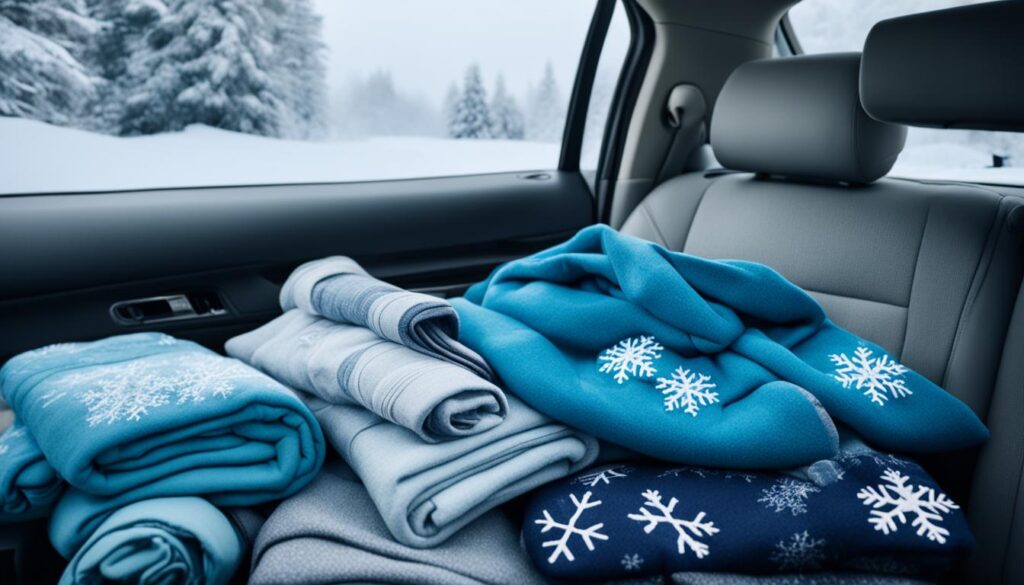
- Blankets or sleeping bags for warmth
- Flashlights and extra batteries
- Non-perishable food and water
- Basic tools, such as a wrench and a screwdriver
- A first aid kit
Having an emergency kit on hand will provide you with essential supplies in case of an unexpected breakdown or delay.
Remember, the table below summarizes the essential items you should have in your car for winter driving:
| Winter Driving Essentials |
|---|
| Snow Chains |
| Ice Scrapers |
| Emergency Kit |
By ensuring you have these winter driving essentials, you’ll be well-prepared to tackle the challenging road conditions and enjoy a safe journey to Lake Tahoe.
Best Vehicle Maintenance Tips for Winter
Proper vehicle maintenance is crucial for ensuring your safety and optimal performance while driving in winter conditions. The cold temperatures, snow, and ice can put added stress on your vehicle’s components, making maintenance even more important during the winter months. Here are some essential vehicle maintenance tips to keep your car in top shape for winter driving:
Tires
Tip 1: Inspect your tires regularly for any signs of wear and tear. Replace them if the tread depth is below the recommended minimum level for winter driving.
Tip 2: Consider switching to winter tires, which are designed to provide better traction and handling in snowy and icy conditions.
Tip 3: Check the tire pressure frequently and ensure it matches the manufacturer’s recommendations for cold weather. Cold temperatures can cause the tire pressure to drop, affecting your vehicle’s handling and fuel efficiency.
Brakes
Tip 1: Have your brakes inspected by a professional to ensure they are in good working condition. Faulty brakes can significantly increase stopping distances, making them particularly dangerous in winter driving conditions.
Tip 2: Replace worn brake pads to maintain optimal braking performance. Winter driving may require frequent and sudden braking, so having good brake pads is essential.
Battery
Tip 1: Have your battery tested to ensure it has enough cranking power for cold starts. Cold weather can reduce the battery’s capacity, making it more susceptible to failure.
Tip 2: Clean the battery terminals and cables to prevent corrosion, which can impede the flow of electricity and lead to starting issues.
Fluids
Tip 1: Check the levels and condition of your engine oil, coolant, and windshield washer fluid. Cold temperatures can cause fluids to thicken and become less effective, so ensure they are at the proper levels and replace them if necessary.
Tip 2: Use winter-grade washer fluid with antifreeze properties to prevent it from freezing on the windshield, impairing visibility.
Other Important Components
Tip 1: Inspect your wiper blades and replace them if they are worn or damaged. Clear visibility is crucial for safe winter driving.
Tip 2: Make sure your heater and defroster are working properly to keep the interior of your car warm and maintain a clear view of the road.
By following these vehicle maintenance tips, you can reduce the risk of breakdowns, improve your vehicle’s performance, and ensure a safer winter driving experience. Remember to always adapt your driving to the road conditions and stay vigilant while on the road.

| Vehicle Maintenance Tips for Winter | Description |
|---|---|
| Tires | Inspect tread depth and consider winter tires |
| Brakes | Regular inspection and replace worn brake pads |
| Battery | Test battery and clean terminals |
| Fluids | Check levels and use winter-grade washer fluid |
| Other Important Components | Inspect wiper blades, heater, and defroster |
Safe Driving Techniques for Winter Conditions
Driving in winter conditions, particularly on snow or ice, requires a unique set of skills and precautions. To ensure a safe journey on Lake Tahoe’s winter roads, it’s essential to employ safe driving techniques that take into account the challenging environment. By following these tips, you’ll be better equipped to handle the winter conditions and navigate the roads with confidence.
Maintain a Safe Distance
One of the most important safe driving techniques in winter conditions is to maintain a safe distance from the vehicle in front of you. This extra space helps to account for reduced traction and increase your ability to react to unexpected situations. It is recommended to keep a following distance of at least three times the normal distance.
Braking Techniques
Braking on snow or ice requires a gentle and gradual approach to avoid skidding. To brake safely, apply the brakes slowly and evenly, rather than slamming them abruptly. If your vehicle has an anti-lock braking system (ABS), maintain steady pressure on the pedal while allowing the system to modulate the braking force.
Handling Skidding Situations
In the event of a skid, it’s crucial to remain calm and take appropriate action. If you experience a front-wheel skid, ease off the accelerator and steer gently in the direction you want to go, without making any sudden movements. In the case of a rear-wheel skid, turn the steering wheel in the direction of the skid to regain control and avoid overcorrecting.
“Safe driving techniques are vital for navigating Lake Tahoe’s winter roads. By maintaining a safe distance, using proper braking techniques, and knowing how to handle skidding situations, you can significantly reduce the risk of accidents and ensure a safer journey.”
Now that you’re aware of these safe driving techniques, you can approach Lake Tahoe’s winter roads with confidence. Remember to stay informed about current road conditions, plan your route in advance, and always prioritize safety. By employing these techniques, you can enjoy the beauty of Lake Tahoe while keeping yourself and others safe on the road.
| Safe Driving Techniques for Winter Conditions | Benefits |
|---|---|
| Maintain a safe distance from the vehicle in front | Reduces the risk of collisions and allows for better reaction time |
| Use gentle and gradual braking techniques | Prevents skidding and loss of control |
| Handle skidding situations calmly and appropriately | Regains control of the vehicle and prevents accidents |
Tips for Driving Uphill and Downhill
Driving in Lake Tahoe’s mountainous terrain can present unique challenges, particularly when navigating steep inclines and descents. To ensure a safe and smooth journey, it’s essential to be equipped with the right techniques and knowledge. Here are some valuable tips to help you drive uphill and downhill with confidence:
- Control your speed: When driving uphill, it’s crucial to maintain a steady speed that allows you to maintain traction and keep control of your vehicle. Avoid accelerating too forcefully, as it can cause your wheels to slip and lose traction. On the other hand, when descending, be cautious not to gather excessive speed. Utilize engine braking and apply your brakes gently to maintain a safe speed.
- Select the appropriate gear: For driving uphill, choose a lower gear that provides enough engine power to conquer the incline without straining your vehicle. This will help prevent stalling and maintain control. When going downhill, a lower gear will also aid in engine braking and prevent your brakes from overheating.
- Braking techniques: When driving uphill, avoid excessive use of your brakes as it can cause them to overheat. Instead, rely on engine braking and downshifting to control your speed. When going downhill, apply steady pressure to your brakes, pulsing them if necessary, to maintain a safe descent speed.
- Watch out for other vehicles: Keep an eye out for other vehicles and be aware of their presence when driving uphill or downhill. Maintain a safe distance and avoid tailgating, as sudden stops or slowdowns may be required.
By following these tips, you’ll be better prepared to handle the challenges of driving uphill and downhill in Lake Tahoe’s mountainous terrain. Remember to stay focused, keep a calm demeanor, and always prioritize safety.
| Tips for Driving Uphill | Tips for Driving Downhill |
|---|---|
| Avoid accelerating forcefully to maintain traction. | Control speed by utilizing engine braking and applying brakes gently. |
| Choose a lower gear to prevent stalling. | Select a lower gear for engine braking and brake temperature control. |
| Minimize brake usage to prevent overheating. | Apply steady pressure to brakes; pulse if necessary. |
| Keep a safe distance from other vehicles. | Watch out for other vehicles and maintain a safe distance. |
Preparing for Emergencies and Potential Delays
Even with the best preparation, unexpected situations can arise during your winter drive to Lake Tahoe. It’s essential to be prepared for emergencies such as getting stuck or experiencing mechanical issues. Additionally, planning for potential delays can help you manage your time effectively and reduce stress on the road.
Dealing with Emergencies
Knowing how to handle emergencies is crucial for your safety and the safety of others. Keep these tips in mind:
- Carry essential emergency supplies, including a first aid kit, flashlight, extra blankets, and non-perishable snacks.
- If you get stuck in the snow, try to stay calm and assess the situation. Use your shovel and traction aids like sand or cat litter to gain traction.
- If your car breaks down, move it off the road as far as possible and turn on your hazard lights. If it’s safe to do so, place flares or reflective triangles behind your vehicle to alert other drivers.
- Call for assistance if needed. Keep emergency contact numbers handy and ensure your phone is fully charged before starting your journey.
Planning for Potential Delays
Winter weather conditions and traffic can sometimes cause delays during your drive to Lake Tahoe. Here are some tips to help you plan ahead:
- Check weather and traffic updates regularly before and during your trip. Use reputable sources such as local news websites or apps.
- Consider alternative routes if possible. Sometimes taking a less-traveled but safer route can help you avoid heavy traffic or road closures.
- Allow extra travel time in your itinerary to account for potential delays. It’s better to arrive slightly early than to rush and compromise safety.
- Stay patient and calm if you encounter delays. Avoid aggressive driving behaviors and maintain a safe distance from other vehicles.
By being prepared for emergencies and potential delays, you can ensure a smoother and safer winter drive to Lake Tahoe. Now that you have a plan in place, let’s move on to the next section, where we’ll provide valuable tips for staying safe on the road for both drivers and passengers.
Staying Safe on the Road: Tips for Drivers and Passengers
Safety should always be your top priority when on the road, whether you’re the driver or a passenger. By following these road safety tips, you can help ensure a secure and enjoyable journey. Remember, road safety is a shared responsibility that requires everyone’s commitment.
Buckle Up for Safety
Buckling up is one of the simplest yet most effective ways to protect yourself in the event of a collision. Make sure you and all passengers wear your seatbelts correctly at all times. Ensure that children are properly secured in child safety seats or booster seats, depending on their age and size.
Avoid Distractions
Distracted driving is a significant risk factor for accidents on the road. Keep your focus on the task of driving by avoiding distractions such as texting, talking on the phone, eating, or fiddling with electronic devices. If you need to use your phone or GPS, pull over to a safe location.
Communicate Openly
Establish open communication with all occupants of the vehicle to ensure everyone is aware of the road conditions and any potential hazards. Encourage passengers to speak up if they notice anything unsafe or if they have any concerns. As the driver, it’s also essential to communicate important information to your passengers, such as upcoming turns or changes in the road ahead.
“Safety isn’t expensive, it’s priceless.” – Unknown
Observe Speed Limits
Adhering to speed limits is crucial for maintaining control of your vehicle and preventing accidents. Adjust your speed based on road conditions, such as ice, snow, or rain. Remember, slower speeds are often necessary in winter driving conditions.
Maintain a Safe Distance
Keeping a safe following distance can help you avoid rear-end collisions and give you enough time to react to sudden changes on the road. The general rule of thumb is to maintain at least a three-second gap between your vehicle and the one ahead. Increase this distance in poor weather conditions or when road surfaces are slippery.
Stay Alert and Well-Rested
Driving while tired or fatigued can impair your reaction time and judgment. Get a good night’s sleep before embarking on a long drive, and take regular breaks to rest and stretch. If you notice signs of fatigue, such as yawning or difficulty focusing, pull over in a safe location and rest before continuing your journey.
Plan Your Routes and Stops
Prioritize route planning and include regular stops in your travel itinerary. Familiarize yourself with the route you’ll be taking and any potential road closures or construction. Plan rest stops to stretch your legs, use the restroom, and refuel. Taking breaks during long drives can help combat fatigue and keep you alert.
Be Prepared for Emergencies
Prepare for unexpected situations by having essential emergency items in your vehicle. Some items to include are a flashlight, jumper cables, a spare tire, a first aid kit, and emergency contact numbers. It’s also a good idea to have a roadside assistance service’s contact information readily available.
| Road Safety Tips | Description |
|---|---|
| 1. Buckle Up | Always wear your seatbelt and ensure all passengers are properly restrained. |
| 2. Avoid Distractions | Keep your focus on the road by avoiding distractions such as using your phone or eating. |
| 3. Communicate Openly | Establish open communication with all occupants of the vehicle to ensure everyone’s safety. |
| 4. Observe Speed Limits | Adhere to speed limits to maintain control of your vehicle and prevent accidents. |
| 5. Maintain a Safe Distance | Keep a safe following distance to avoid collisions and allow for reaction time. |
| 6. Stay Alert and Well-Rested | Drive when you are alert and well-rested to avoid impairment and fatigue. |
| 7. Plan Your Routes and Stops | Prioritize route planning and include regular stops for rest and refreshment. |
| 8. Be Prepared for Emergencies | Carry essential emergency items and have roadside assistance contact information on hand. |
Conclusion
In summary, driving to Lake Tahoe in winter can be a beautiful and enjoyable experience when approached with the right knowledge and precautions. By understanding the winter weather, checking road conditions, and following our road safety tips, you can ensure a safe and memorable journey to this breathtaking destination.