Why Is Islamabad Known as a Modern City?
Islamabad, Pakistan’s capital, is a symbol of modern urban design. It showcases advanced planning, infrastructure, and sustainability. Let’s explore why Islamabad is considered a modern marvel.
Islamabad’s urban layout is a masterpiece of modernism. Its strategic design caters to both residents and visitors. The city’s well-organized grid system enhances efficiency and livability.
The city features separate zones for residential, commercial, and administrative areas. This functional segregation contributes to Islamabad’s reputation as a forward-thinking metropolis.
Islamabad’s Urban Planning: A Masterpiece of Modernism
Islamabad, Pakistan’s capital, is known for its well-planned urban design. It shows the nation’s dedication to modernism and efficient city layout. The city’s planning blends function and beauty, impressing both locals and tourists.
Planned Development and Zoning
Islamabad’s design focuses on creating an organized, efficient layout. The city was built from scratch with a clear vision. It aims to be a model city for Pakistan’s government and politics.
The planning includes a zoning system that divides the city into different areas. This ensures smooth activities and a good life for residents.
Grid System and Functional Segregation
Islamabad’s layout is based on a carefully designed grid system. This grid makes the city easy to navigate. It also separates areas for homes, businesses, and government offices.
This zoning ensures each part of the city serves its purpose. It adds to Islamabad’s efficiency and livability.
The mix of planning, zoning, and grid system creates a well-structured city. Islamabad blends various aspects of modern urban living seamlessly. Its design sets a high standard for urban growth in the region.
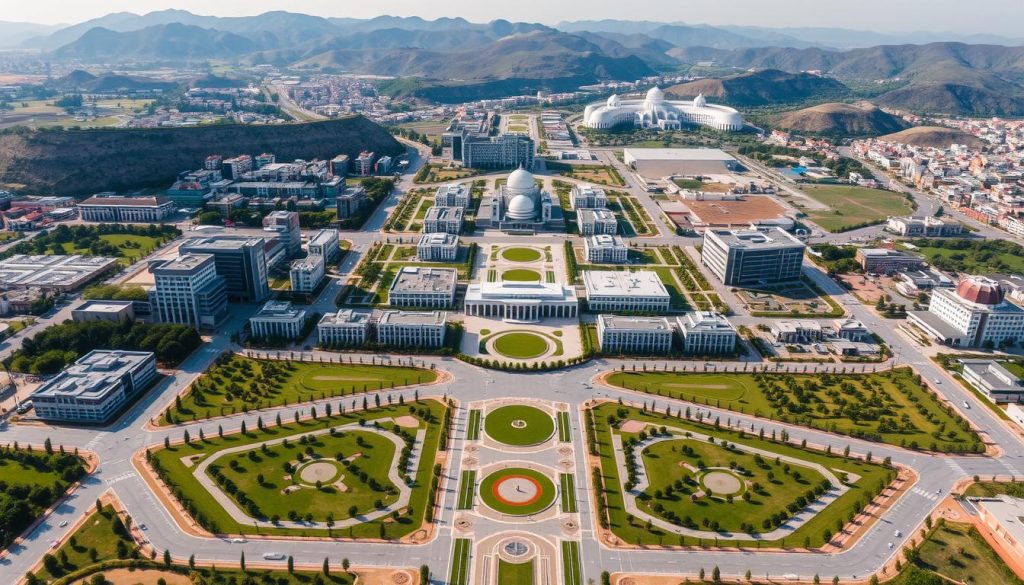
“Islamabad’s urban planning is a masterpiece of modernism, showcasing the country’s vision for a well-organized and efficient capital city.”
Why is Islamabad known as a modern city?
Islamabad, Pakistan’s capital, blends urban planning, infrastructure, architecture, and cultural diversity. Its comprehensive development approach has transformed it into a modern, livable city. The vibrant metropolis showcases 21st-century urban design and functionality.
The city’s infrastructure highlights its modern commitment. A meticulously planned grid system separates residential, commercial, and administrative zones efficiently. An advanced transportation network, including a metro system, ensures smooth mobility throughout Islamabad.
Islamabad’s architecture merges traditional and contemporary styles beautifully. The Faisal Mosque and Pakistan Monument are architectural gems. They celebrate Pakistan’s cultural heritage while embracing modern design elements.
The city’s cultural diversity adds to its modern status. Vibrant communities represent Pakistan’s rich tapestry of ethnicities and religions. Festivals, cultural events, and diverse dining options create an inclusive urban atmosphere.
As Pakistan’s administrative capital, Islamabad solidifies its modern identity. It houses the federal government, foreign embassies, and important national institutions. This reinforces its role as a hub of governance and international collaboration.
Islamabad’s modern reputation stems from strategic urban development. Its advanced infrastructure, architectural brilliance, and cultural diversity shine. The city exemplifies a 21st-century metropolis that blends innovation with tradition.
| Key Factors Contributing to Islamabad’s Modern Status | Description |
|---|---|
| Comprehensive Urban Planning | Meticulously planned grid system and functional zoning for efficient urban layout |
| Advanced Infrastructure | Reliable transportation network, utilities, and communication systems |
| Architectural Brilliance | Harmonious fusion of traditional and modern design elements in iconic structures |
| Cultural Diversity | Vibrant communities representing Pakistan’s rich ethnic and religious tapestry |
| Administrative Significance | Serving as the seat of the federal government and a hub of international collaboration |
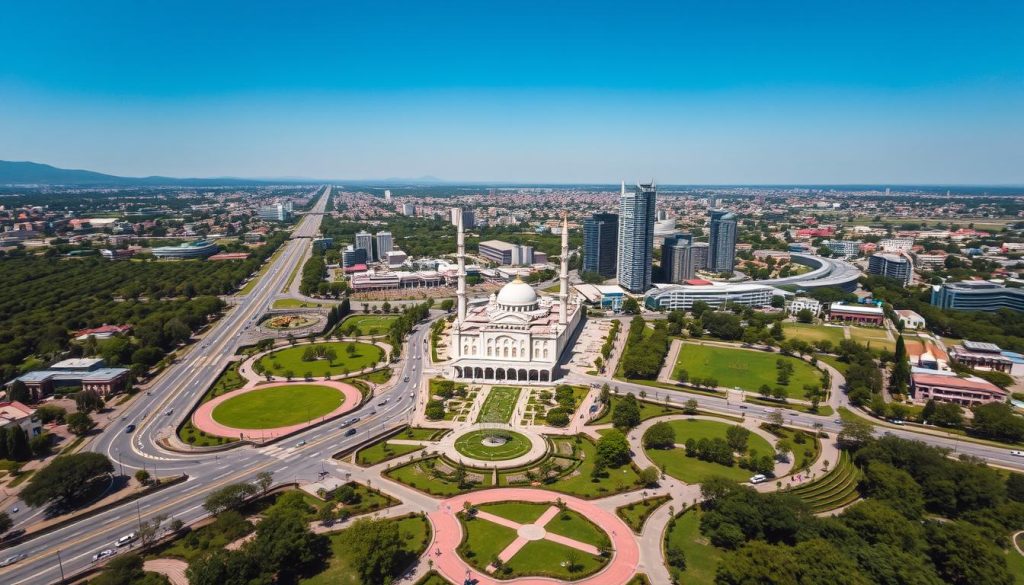
“Islamabad’s transformation into a modern, livable city is a testament to the country’s vision and commitment to urban development.”
Infrastructure Marvels: A City Built for Efficiency
Islamabad, Pakistan’s capital, is known for its well-designed infrastructure. The city’s systems work together to create a smooth experience. Its transport, utilities, and communication networks are engineered for efficiency.
Advanced Transportation Network
Islamabad’s transport system is a modern engineering feat. The city has a great public transit system with a new metro and reliable buses. This makes it easy for people to get around.
The roads are well-kept and have good traffic systems. This ensures safe and smooth travel for everyone.
- Extensive metro system with multiple lines and stations
- Reliable bus network covering major areas of the city
- Well-designed and well-kept roads with effective traffic control measures
Reliable Utilities and Communication Systems
Islamabad has a solid utilities system. It gives steady power, water, and gas to homes and businesses. The city’s communication network is just as good.
It has modern telecom infrastructure for seamless connectivity. This helps everyone stay connected easily.
- Uninterrupted power supply from the national grid
- Efficient water distribution and wastewater management
- Advanced fiber-optic and wireless communication networks
Islamabad’s infrastructure shows its commitment to efficiency and connectivity. The transport, utilities, and communication systems work well together. This creates a modern, livable, and sustainable urban space.
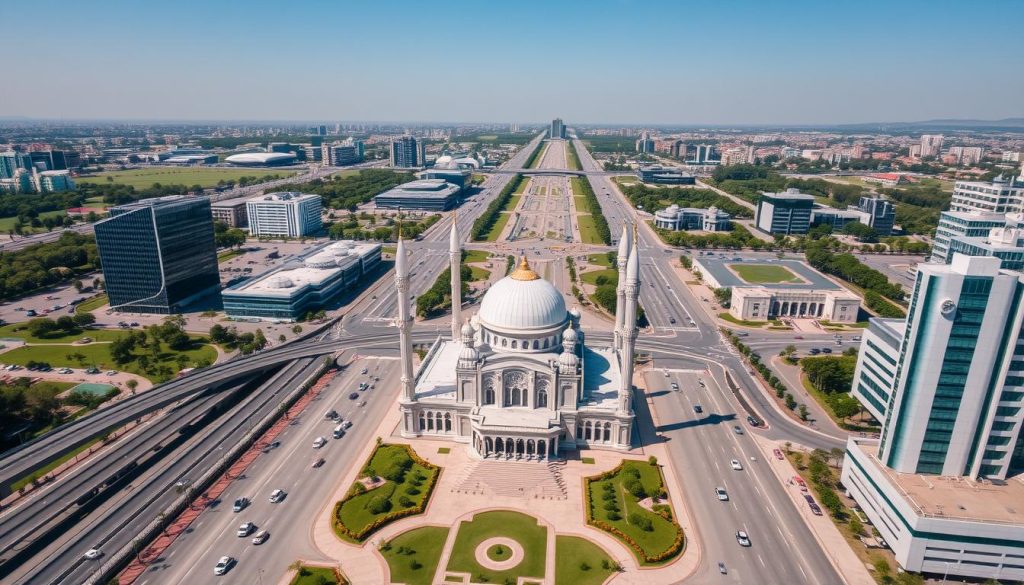
“Islamabad’s infrastructure is designed to cater to the needs of its residents and businesses, making it a true model of modern city planning.”
Architectural Wonders: Blending Tradition with Modernity
Islamabad’s architecture blends traditional Pakistani influences with modern design. The city’s iconic buildings showcase a unique style. They mix local culture with modern looks, creating a stunning landscape.
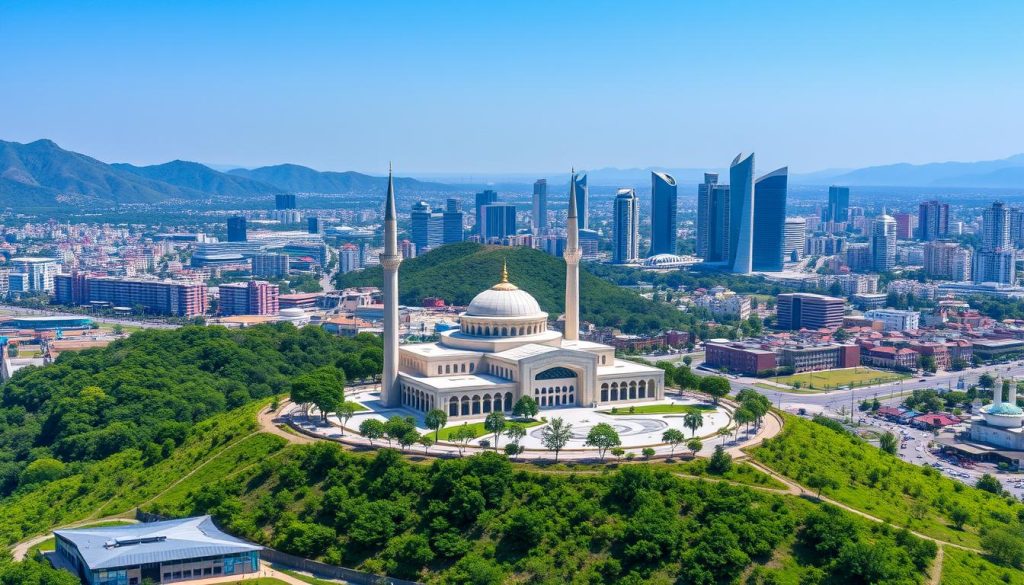
The Faisal Mosque is one of Islamabad’s architectural marvels. It combines Islamic and modern styles beautifully. The mosque has a tall minaret and a large prayer hall.
The Presidency is another gem in Islamabad. It’s the official home of Pakistan’s President. The building mixes classical Islamic features with modern design.
| Building | Architectural Style | Highlights |
|---|---|---|
| Faisal Mosque | Blend of Islamic and modern | Towering minaret, large prayer hall |
| Presidency | Classical Islamic with modernist elements | Domes, arched entrances, regal presence |
Islamabad’s buildings show how the city values its past and present. The mix of old and new styles makes Islamabad special. Visitors and locals love the city’s unique look.
Green Oasis: Islamabad’s Commitment to Sustainability
Islamabad, Pakistan’s capital, shines as a beacon of environmental sustainability. The city’s lush parks and eco-friendly initiatives showcase its dedication to natural beauty. Islamabad’s green lifestyle sets an admirable example for urban centers worldwide.
Lush Parks and Recreational Areas
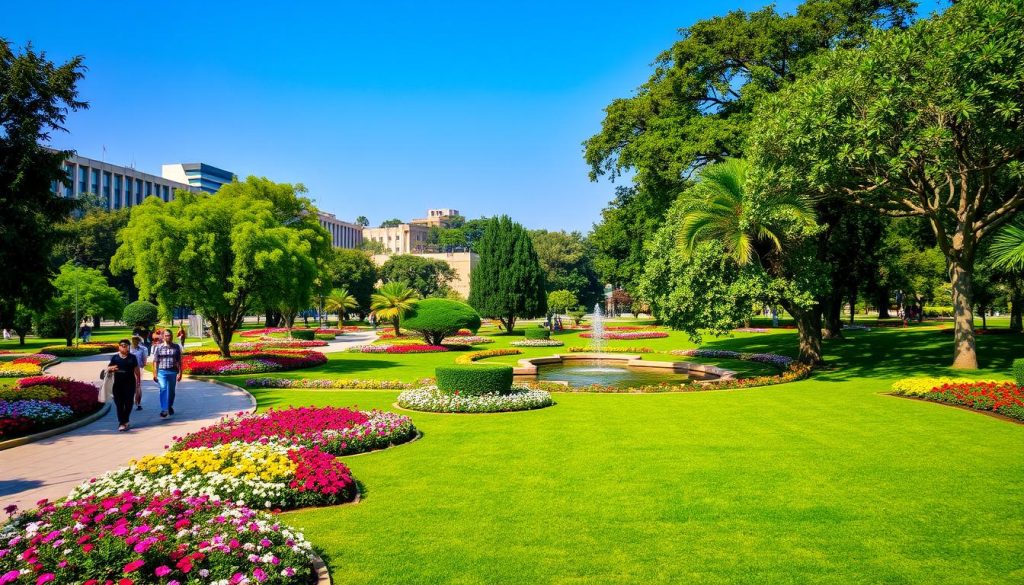
Islamabad’s green spaces offer a peaceful retreat from city life. The city’s parks burst with vibrant flora, meticulously maintained for residents and visitors. These verdant oases serve as hubs for outdoor activities and leisurely enjoyment.
Fatima Jinnah Park spans 759 acres, featuring gardens, trails, and recreational facilities. Shakarparian Hills provide panoramic views of the city and surrounding mountains. Saidpur Village has transformed into a charming cultural and recreational hub.
Eco-Friendly Initiatives and Policies
Islamabad’s sustainability efforts go beyond its stunning green spaces. The city has implemented eco-friendly initiatives to reduce its carbon footprint. These policies promote environmental stewardship among residents and businesses.
A comprehensive recycling program encourages residents to sort waste, minimizing landfill usage. Islamabad has invested in renewable energy sources like solar and wind power. The city’s urban development plans prioritize green spaces and efficient public transportation.
Islamabad’s commitment to sustainability has earned it recognition as a modern, eco-conscious city. It serves as an inspiration for urban centers globally, showcasing the benefits of green living.
Cultural Melting Pot: Embracing Diversity
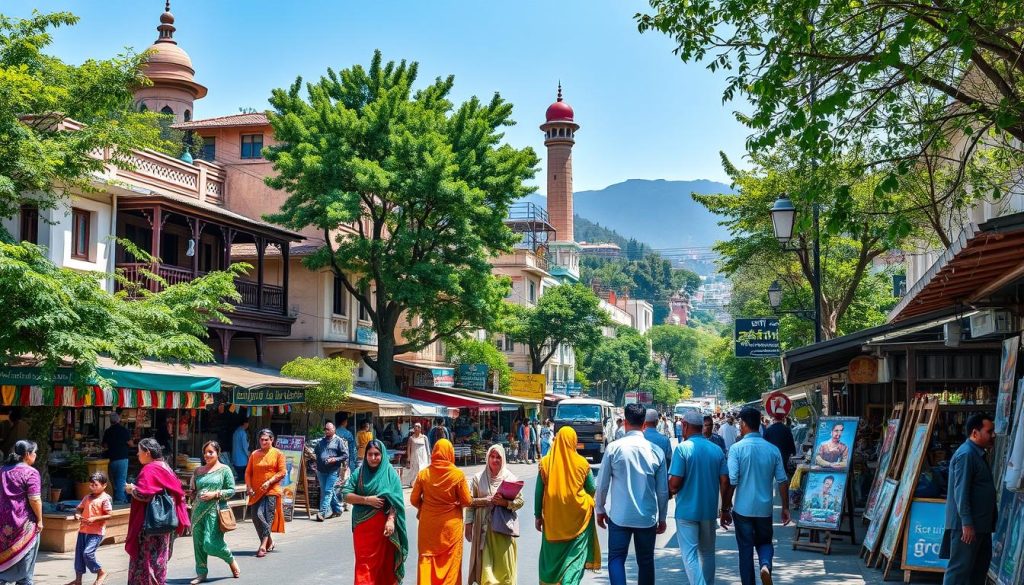
Islamabad is a vibrant cultural tapestry. It’s home to diverse communities and traditions. The city celebrates its diversity through festivals showcasing Pakistan’s rich heritage.
Multicultural Communities and Festivals
Islamabad’s multicultural communities honor their unique identities and shared values. The city hosts various festivals highlighting its residents’ diversity. These events create unity and belonging in Islamabad.
Basant celebrations commemorate spring’s arrival. Eid festivities bring families and friends together. These events showcase the city’s commitment to inclusivity.
The annual Lok Mela is a vibrant celebration in Islamabad. It showcases traditional arts, crafts, and performances from Pakistan’s regions. Visitors experience the country’s rich cultural heritage firsthand.
- Basant celebrations: Welcoming the arrival of spring
- Eid festivities: Bringing communities together
- Lok Mela: Celebrating Pakistan’s cultural diversity
Islamabad’s multicultural identity shows its commitment to harmony. The city thrives while celebrating its cultural heritage. It sets an example for modern cities worldwide.
“Islamabad’s cultural festivals are a true reflection of the city’s embrace of diversity. They bring people together, celebrating our shared humanity and the richness of our varied traditions.”
Administrative Hub: The Heart of Pakistan’s Governance
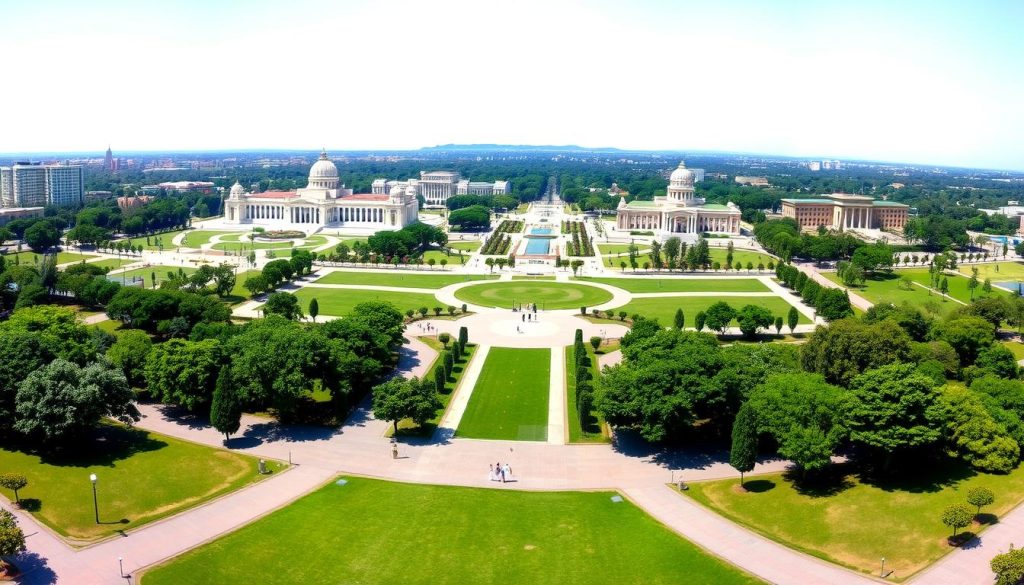
Islamabad, Pakistan’s capital, is the nation’s administrative center. It houses federal institutions like Parliament, Presidential Palace, and government ministries. This setup makes Islamabad crucial for decision-making and policy implementation.
The city’s role as the administrative capital is vital. Top government offices debate and craft critical policies here. This concentration ensures efficient coordination and streamlined governance.
Islamabad’s significance as Pakistan’s governance nerve center is clear. Important decisions shaping the country’s future are made here. The city oversees national-level programs and initiatives.
| Key Federal Institutions in Islamabad | Significance |
|---|---|
| Parliament of Pakistan | The legislative branch of the government, responsible for enacting laws and policies |
| Presidential Palace | The official residence and office of the President of Pakistan, the head of state |
| Ministry of Foreign Affairs | Responsible for conducting Pakistan’s foreign policy and diplomatic relations |
| Ministry of Finance | Oversees the country’s financial management and economic policies |
Islamabad’s role is key to Pakistan’s governance and policy implementation. The city’s concentration of institutions ensures efficient decision-making. It also allows for seamless coordination of national initiatives.
Continuous Growth and Development
Islamabad, Pakistan’s modern capital, constantly evolves to meet its residents’ changing needs. The city undertakes new projects to improve infrastructure and public services. Strategic planning ensures Islamabad keeps pace with Pakistan’s 21st-century aspirations.
Ongoing Projects and Future Plans
Islamabad’s growth is evident in its many ongoing projects. The city is dedicated to providing world-class infrastructure and services. This includes expanding the public transportation network and upgrading vital utilities and communication systems.
- Construction of the new Islamabad International Airport, set to become one of the largest and most advanced airports in the region.
- Expansion of the Islamabad Metro Bus System, connecting the city’s various neighborhoods and reducing traffic congestion.
- Development of the Islamabad Smart City project, integrating cutting-edge technologies to enhance urban efficiency and sustainability.
- Renovation and expansion of the city’s green spaces and recreational areas, including the iconic Monal Park and F-9 Park.
Islamabad has ambitious plans for the future. These include implementing green energy solutions and expanding cultural and educational facilities. The city also aims to strengthen its role as Pakistan’s administrative hub.
“Islamabad is a city that seamlessly blends tradition and modernity, always striving to provide its residents with the best possible living experience.”
Islamabad remains committed to growth and development. It sets the standard for urban planning and governance in Pakistan. The city is a shining example of a modern, efficient, and sustainable urban center.

Conclusion: Islamabad’s Enduring Legacy as a Modern Marvel
Islamabad’s transformation into a modern metropolis showcases its urban planning and advanced infrastructure. The city’s architectural excellence, environmental care, and cultural diversity make it a 21st-century urban center. Both residents and visitors are captivated by Islamabad’s unique charm.
The city’s grid system and functional zoning create an efficient, livable environment. Its advanced transportation network enhances accessibility and connectivity. Islamabad’s commitment to sustainability has made it a green oasis in Pakistan.
Architectural wonders in Islamabad blend traditional and modern elements seamlessly. The city’s cultural diversity fosters inclusivity and harmony among communities. As Pakistan’s administrative hub, Islamabad continues to be a symbol of progress and modernity.