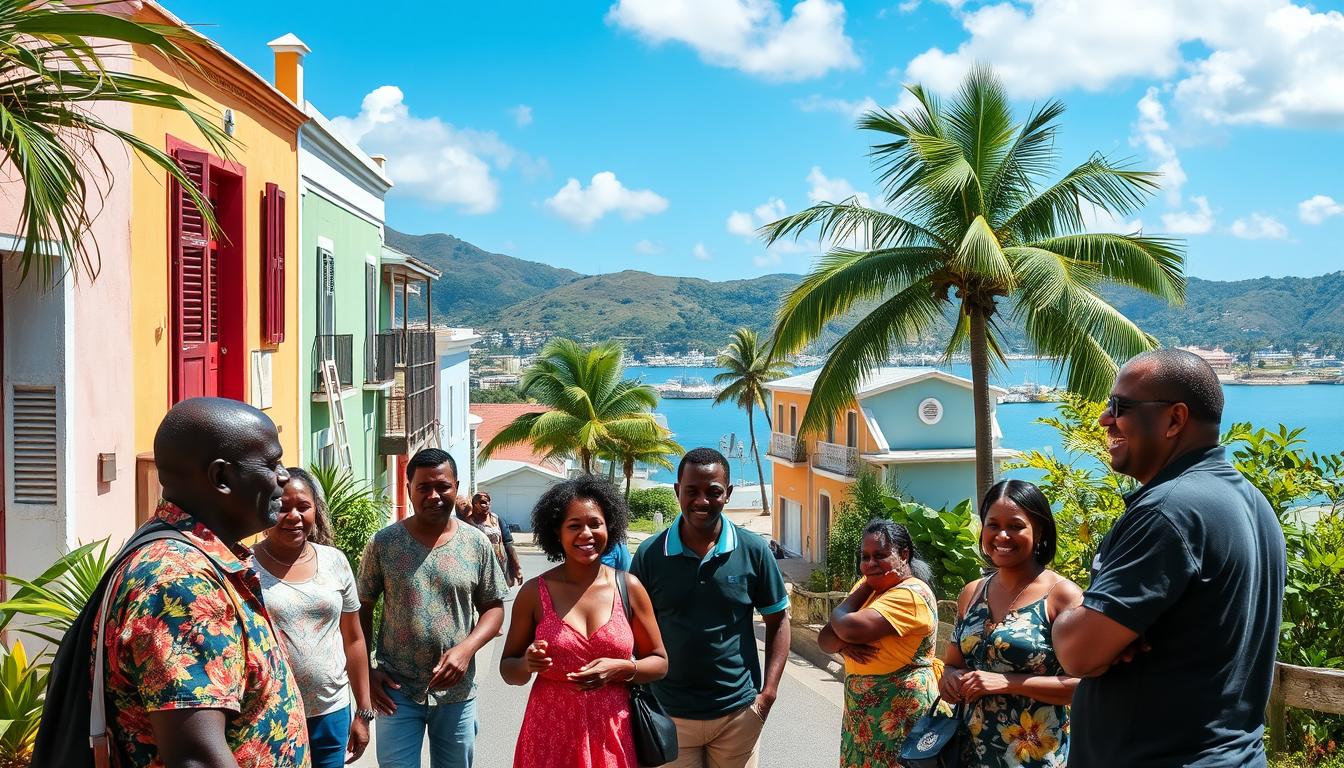
What Language Do They Speak in St. George’s, Grenada?
Planning a trip to St. George’s, Grenada? You might wonder what language they speak there. With 33,734 people, St. George’s is a top spot in the Caribbean. Knowing the local language is key to enjoying your visit.
The language in St. George’s is a mix of cultures. Grenada’s language is unique too.
English is Grenada’s official language. So, you’ll hear it a lot in St. George’s. But, there’s also Grenadian Creole English. It’s a big part of Grenadian culture.
So, what language do they speak in St. George’s, Grenada? Let’s dive into the world of St. George’s and Grenada languages.
The Official Language of St. George’s, Grenada
When you visit St. George’s, Grenada, you’ll see English is the official language in Grenada. It’s used in government, education, and administration. The St. George’s dialect is a mix of English and other languages. This shows the island’s culture and identity.
English is the main language in government, schools, and business in Grenada. You’ll see it in official documents, signs, and communications. It’s also key for work or business in St. George’s.
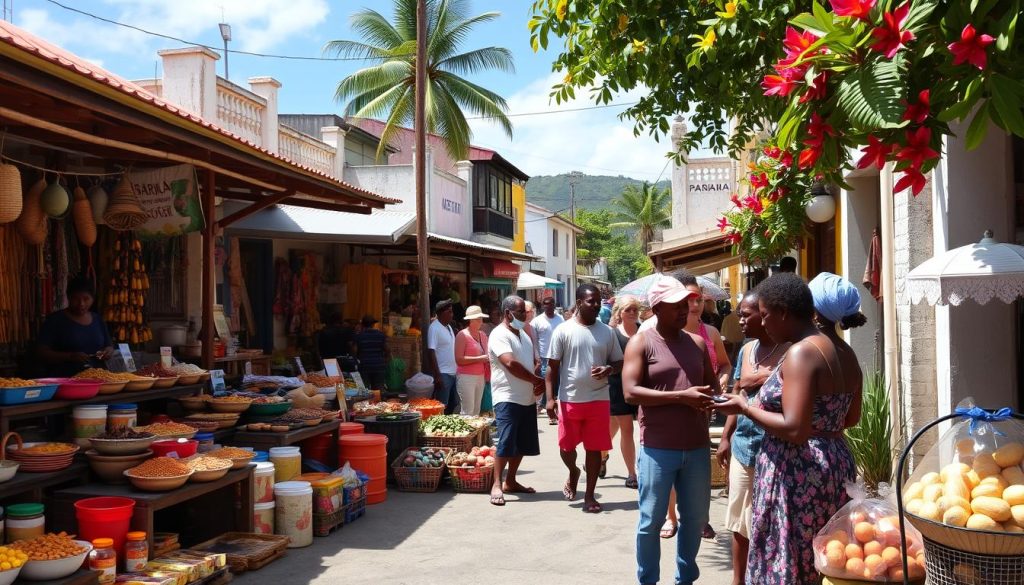
English as the Primary Language
English is the official language in Grenada and is used in all parts of life. It has led to a unique St. George’s dialect. This dialect is a mix of English and other languages.
The Grenadian language is a big part of the island’s culture. It’s used in everyday conversations.
Government and Administrative Language Use
The government of Grenada uses English for all communications. Schools and universities also use English. This has made English the main language in St. George’s.
Understanding Grenadian Creole English
Grenadian Creole English is a unique blend of English, African, and indigenous languages. It’s a key part of Grenada’s culture. In St. George’s, you’ll hear this language a lot, showing the city’s rich history and culture.
The Grenadian language has a fascinating history. It picked up words from French, thanks to the island’s colonial past. For example, “frog” is called krapo, from French crapaud. African languages also shaped the Grenadian language, like the word boli from Wolof.
Some key features of Grenadian Creole English include:
- Simplification of consonant clusters, such as the transformation of ‘friend’ to ‘fren’
- Conflation of sounds, where the ‘t’ and ‘th’ sounds merge
- Pronunciation of velar stops ‘k’ and ‘g’ with a palatalized ‘a’ sound, as seen in the words ‘carry’ (pronounced ‘cyarry’) and ‘garden’ (‘gyarden’)
Visitors might find the St. George’s language and Grenada language hard to grasp. But learning about them is key to understanding the island’s culture. It helps you connect with the locals better.
| Language Feature | Description |
|---|---|
| Vocabulary | Blend of English, African, and indigenous languages |
| Phonology | Simplification of consonant clusters, conflation of sounds |
| Pronunciation | Palatalized ‘a’ sound with velar stops ‘k’ and ‘g’ |
Historical Influences on St. George’s Language Development
When we look at what language do they speak in St. George’s, Grenada, we see a mix of historical influences. The St. George’s dialect is a unique blend of languages. This reflects the island’s complex history.
The French colonial era left a mark on the language. Many French words and phrases are still used in Grenadian Creole English today. This is clear in the locals’ accent and vocabulary, making them stand out from other English speakers.
French Colonial Impact
The French influence is seen in the many French loanwords in the St. George’s dialect. This has created a unique linguistic landscape. English is the official language, but French and African languages also play a big role.
British Language Legacy
The British also left their mark, making English the official language. This has resulted in a dialect that is a mix of English, French, and African languages. It’s a fascinating example of language development.

African Language Influences
African languages have also shaped the language. Many African words and phrases are used in Grenadian Creole English. This shows the island’s history of slavery and the role of African languages in the St. George’s dialect.
In conclusion, the historical influences on St. George’s language development have created a unique and fascinating linguistic landscape. Understanding these influences helps us appreciate the complexity and richness of the St. George’s dialect. It shows us what language do they speak in St. George’s, Grenada.
What Language Do They Speak in St. George’s, Grenada Today?
When you visit St. George’s, Grenada, you might wonder what language people speak. The official language in Grenada is English, used in formal places, government, and schools. But, the Grenadian language is a mix of English, African, and French, showing the island’s rich culture.
In daily talks, you’ll hear both standard English and Grenadian Creole English. This creole is key in music, books, and casual meetings. It makes the city even more special and unique.

- English is the main language for the 37,057 people living there.
- Grenadian language combines English, African, and French.
- Grenadian Creole English is common in casual talks.
When you meet locals, you’ll see English is a big part of their lives. But, the Grenadian language brings a special touch to the city’s culture. Whether you’re at historic Fort George or relaxing on Grand Anse Beach, you’ll get to see and hear the local language and culture.
| Language | Percentage of Population |
|---|---|
| English | 90% |
| Grenadian Creole English | 70% |
| Other languages | 10% |
Common Local Dialects and Expressions
When you visit St. George’s, you’ll notice the St. George’s dialect and local sayings. The Grenada language mixes English, French, and African tongues. Knowing the local talk can make your trip better and help you bond with the locals.
The St. George’s language has its own way of speaking and words. You’ll hear “hello” (said as “hah-lo”), “goodbye” (as “gud-bye”), and “thank you” (as “tan-kyou”). You might also hear “wah gwaan” (what’s going on) or “irie” (good).
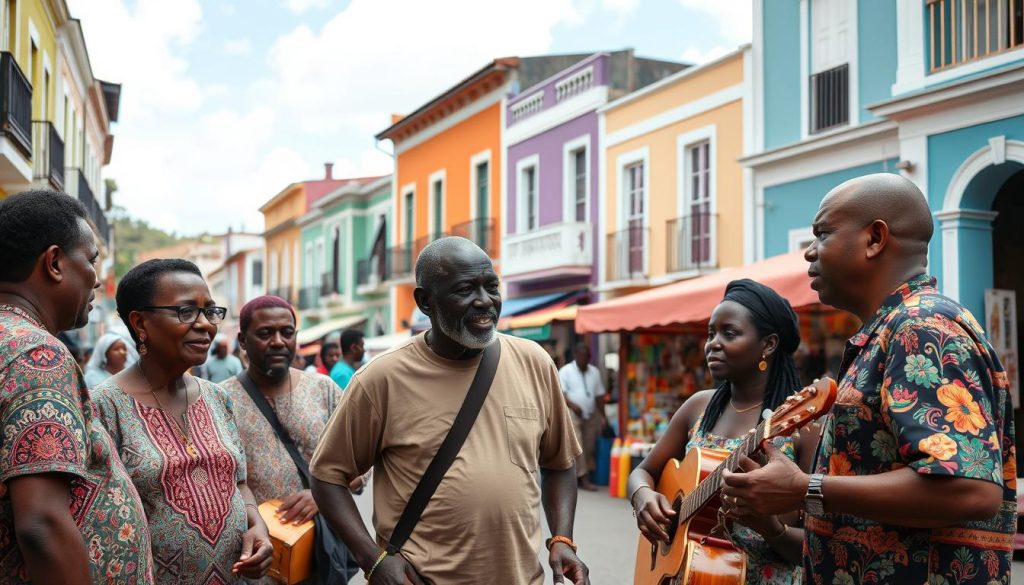
Learning basic phrases and sayings can help you get the local dialect. Here are a few examples:
- “Hello, how are you?” – “Hah-lo, how yuh do?”
- “Thank you” – “Tan-kyou”
- “Goodbye” – “Gud-bye”
Using the local dialect shows respect for St. George’s culture and people. Whether talking to locals or just listening, the St. George’s dialect is key to the island’s spirit.
Language in Business and Commerce
In St. George’s, Grenada, knowing the business language is key. The official language in Grenada is English. It’s used everywhere in business, from documents to meetings.
English is the main language for business in St. George’s. But, St. George’s language also has its own twist. Locals often use Grenadian Creole English in places like markets and street vendors.
Here are some important facts about business language in St. George’s:
- English is the official language in all government documents and official communications.
- Grenadian Creole English is widely used in informal business settings, such as markets and street vendors.
- The literacy rate in Grenada is approximately 95%, making it an attractive location for businesses.
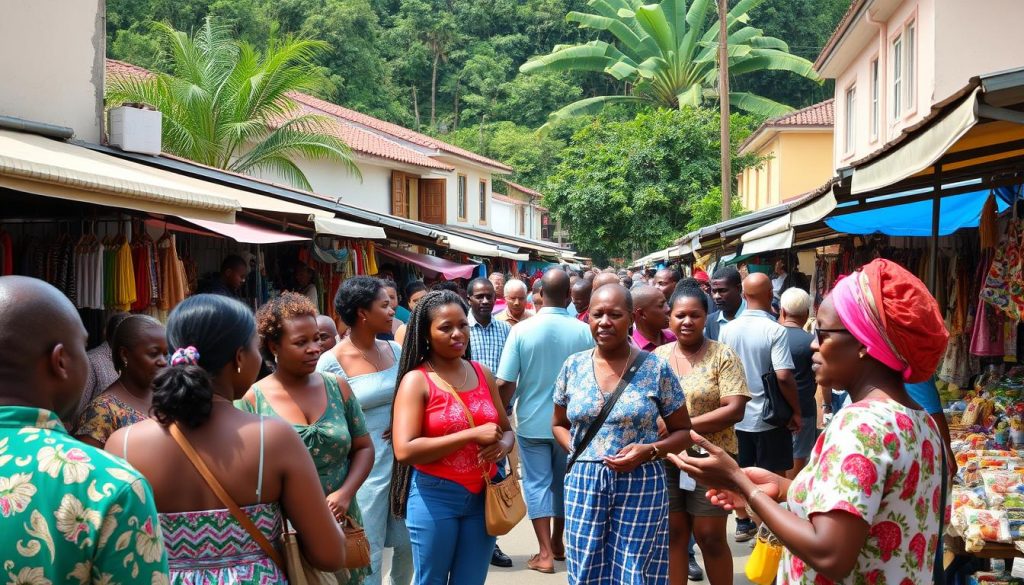
Knowing the business language in St. George’s is vital for success. By understanding the official language in Grenada and St. George’s language, you can move through the local business scene with ease.
| Language | Usage |
|---|---|
| English | Official language, government documents, business meetings |
| Grenadian Creole English | Informal settings, markets, street vendors |
Cultural Impact on Language Usage
Language in St. George’s, Grenada, is deeply rooted in the island’s culture and traditions. The St. George’s dialect is a mix of languages, showing the island’s rich history and cultural diversity. The Grenadian language is key to the island’s identity, shaped by local culture.
During festivals and celebrations, the way people talk shows the cultural impact. For instance, at the Grenada Carnival, the St. George’s language is filled with joy and pride. The local dialect is crucial, bringing people together and creating a sense of community.
Some key aspects of the cultural impact on language usage in St. George’s include:
- The use of proverbs and sayings to convey cultural values and traditions
- The importance of storytelling in passing down cultural heritage and language
- The influence of music and arts on language usage and cultural expression

The St. George’s language is a vital part of the island’s cultural landscape. Its usage is shaped by local culture and traditions. Understanding this cultural impact helps us appreciate the unique St. George’s dialect and its role in the island’s identity.
Tips for Communicating in St. George’s
When you visit St. George’s, Grenada, knowing the local language and culture makes your trip better. You might ask, what language do they speak in St. George’s, Grenada? The main language is English, but you’ll also hear a unique creole dialect. Learning basic phrases like “hello” and “thank you” in the local language is key.
Exploring the island, you’ll see how important St. George’s language is to the community. To show respect, use formal titles and address elders with respect. This way, you’ll connect better with the locals and have a more real experience.
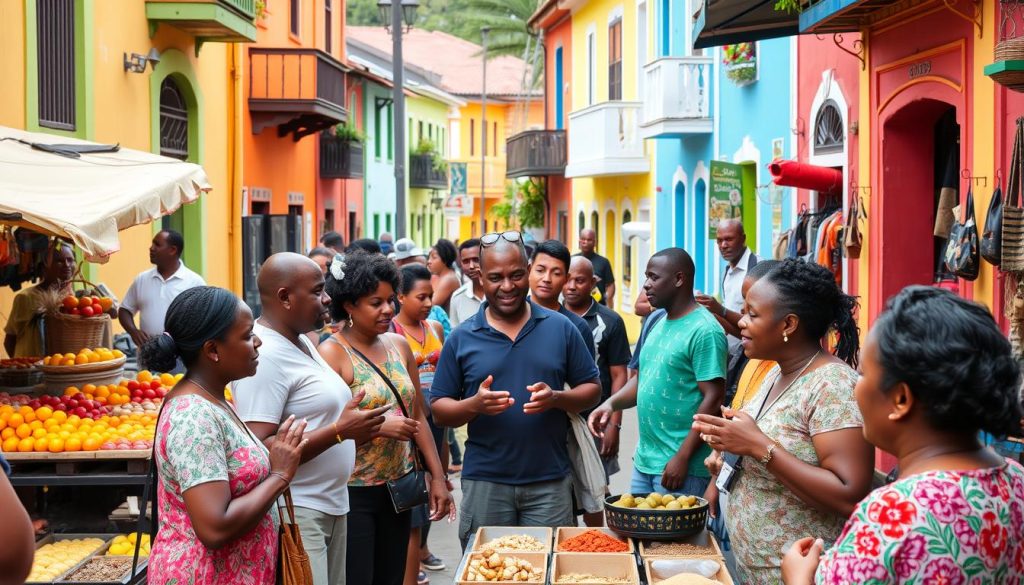
Essential Phrases for Visitors
- Learn basic phrases like “hello” (hello), “thank you” (thank you), and “goodbye” (goodbye)
- Use formal titles like “Mr.” or “Ms.” when addressing locals
- Respectfully address elders with titles like “sir” or “ma’am”
Cultural Language Etiquette
Knowing the cultural context of St. George’s language helps you in daily interactions. For example, be respectful when talking to locals and avoid slang. By embracing the local language and culture, your visit to St. George’s, Grenada, will be more fun and meaningful.
Modern Language Trends in St. George’s
In St. George’s, you’ll find that English is the official language in Grenada. It’s spoken by most of the 124,610 people. But, the Grenadian language also has its own special touch. It’s shaped by African, French, and British cultures.
Technology plays a big role in teaching languages in St. George’s. Schools and institutions use online platforms and social media. This makes learning English and Grenadian Creole English easier for everyone.
Some important facts about language trends in St. George’s are:
- English is the main language in government, schools, and business.
- The Grenadian language mixes African, French, and British influences.
- Technology helps a lot with language learning.
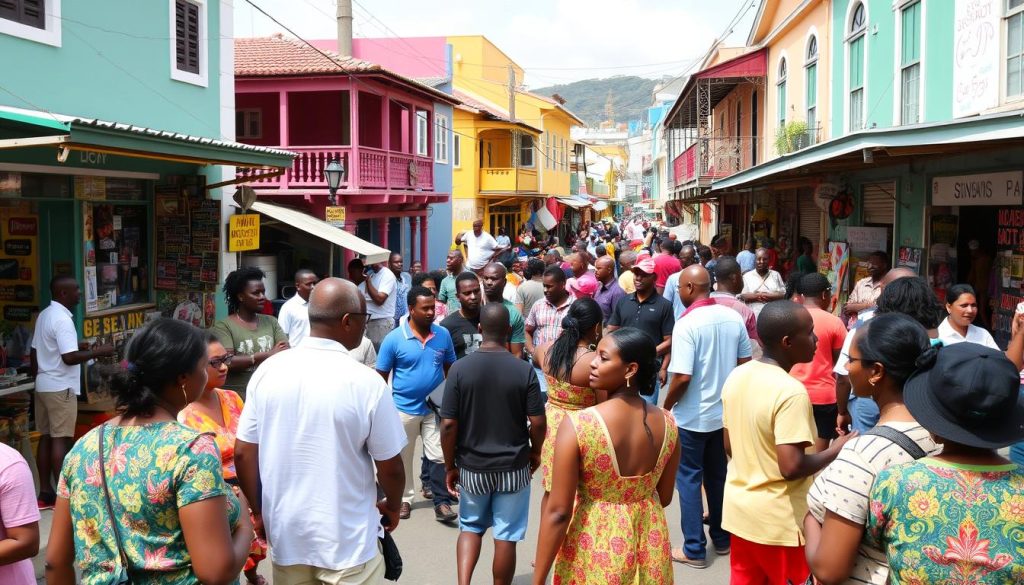
In summary, St. George’s language trends show the city’s rich cultural mix and its move towards the digital world. Knowing these trends helps you understand the official language in Grenada and the Grenadian language better.
| Language | Percentage of Population |
|---|---|
| English | 91% |
| Grenadian Creole English | 6% |
| Other languages | 3% |
Conclusion
Exploring St. George’s, Grenada, reveals a city where English, Creole, and history blend. English is the official language, but Grenadian Creole English is a big part of the culture. Understanding this unique language helps you connect with the locals.
The language in St. George’s shows the island’s rich heritage. It mixes British, French, and African traditions. Walking the streets, you’ll hear Grenadian Creole and English in government and schools. Learning local phrases and customs improves your communication and experience.
Visiting St. George’s is more enjoyable when you speak the local language. Whether at markets, festivals, or scenic spots, knowing the language enhances your visit. So, learn some phrases, listen for local dialects, and talk to the people. This way, you’ll fully appreciate St. George’s unique culture.