Wahiba Sands Dress Code and Cultural Norms Guide
What if your clothes could keep you cool and also help you understand Oman’s culture? In Wahiba Sands, knowing the dress code and cultural norms is key to a great trip. The dress code here shows respect for local traditions and the harsh desert climate. Are you ready to follow these guidelines and connect with the locals?
When you travel through this beautiful desert, it’s important to know how to dress. This guide will show you what to wear to respect Omani traditions. It will also make sure you stay comfortable in the hot weather.
Understanding the Wahiba Sands
The Wahiba Sands, also known as the Wahiba Desert, is a stunning part of Oman’s desert. It’s about 150 miles south of Muscat. This area has beautiful dunes in deep gold and red shades. It covers over 10,000 square kilometers.
Wahiba Sands is more than just sand. It’s a home for local Bedouin tribes. They keep their traditions and cultural practices alive.
Traveling through the desert here is unique. The views change with the sun, creating a constantly shifting scene. The Omani people’s warm welcome adds to the experience. You get to enjoy adventure and learn about their culture.
In winter, from October to April, the weather is mild. Temperatures range from 20°C to 30°C. This is the best time to explore. Summer is very hot, with temperatures over 40°C. So, it’s best to go out early or late in the day.
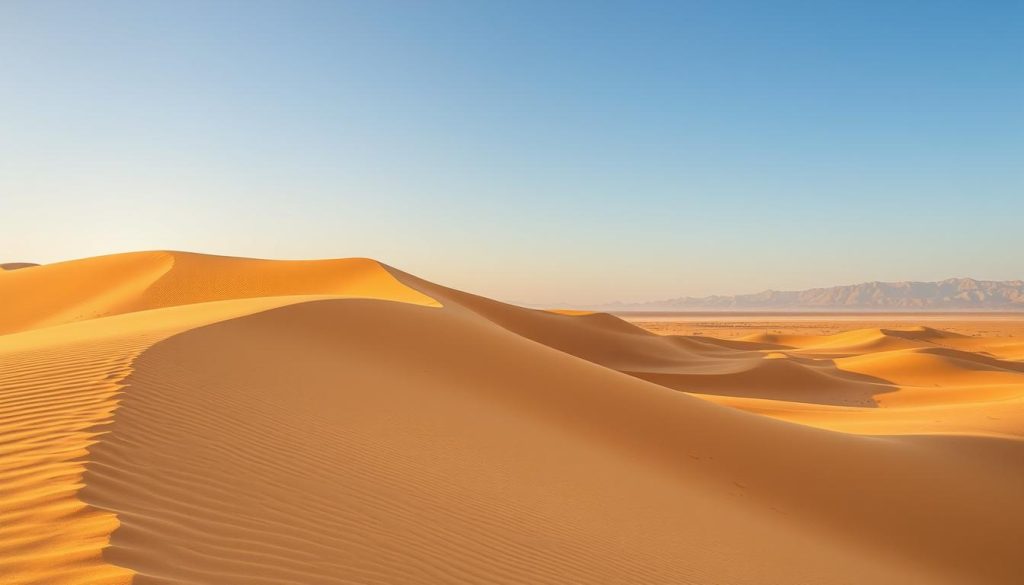
The Wahiba Sands is a great place to see Oman’s desert life. It shows the strong spirit of its people.
The Importance of Dress Code in Oman
The Oman dress code is very important in the country’s culture. Visitors need to know that Oman values modesty a lot. This means both men and women should dress modestly to show respect for the local traditions.
In cities, you might see different styles. But in places like the Wahiba Sands, traditional clothes are more common. Here, it’s best to wear layered, conservative outfits. Knowing this helps you connect with locals in a respectful way, avoiding any awkward moments.
Wearing the right clothes shows you respect Oman’s culture. It makes your visit smoother and more meaningful. It’s key for those who want to see Oman’s stunning landscapes and rich history.
| Gender | Recommended Attire |
|---|---|
| Men | Long trousers and shirts with sleeves; avoid revealing clothing. |
| Women | Long skirts or trousers and tops with sleeves; cover shoulders and avoid low-cut necklines. |
Are there any cultural or dress code considerations in Wahiba Sands?
Traveling to Wahiba Sands means knowing its cultural rules, like dress codes. It’s key to respect local customs to get along well with the Omani people. Oman is more open than some neighbors, but still, dress modestly.
Overview of Cultural Sensitivity
Understanding Wahiba Sands cultural norms means knowing about local modesty. Visitors should wear clothes that cover arms, legs, and neck. Loose clothes are best for comfort and fitting in.
By following these rules, you create a friendly space for everyone. It helps you connect better with the locals.
Historical Context of Dress Norms
Oman’s history shows its strong traditions in dress. The country has a mix of Omanis and people from other places. Yet, Oman keeps its dress ways.
Knowing the history of dress in Oman helps you see its importance in Wahiba Sands. Traditional clothes show Omanis’ pride and heritage.
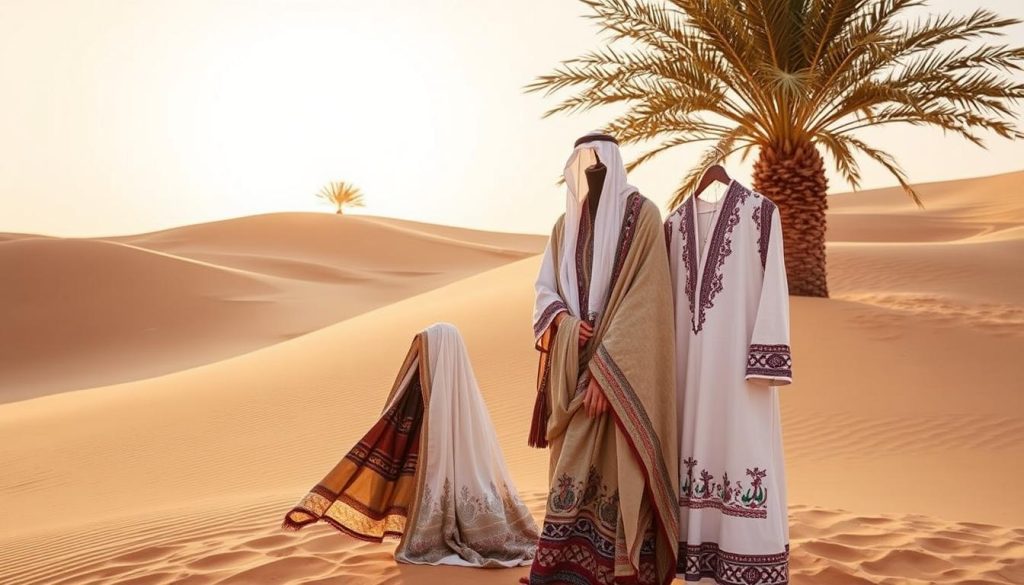
Traditional Clothing of Omani Men
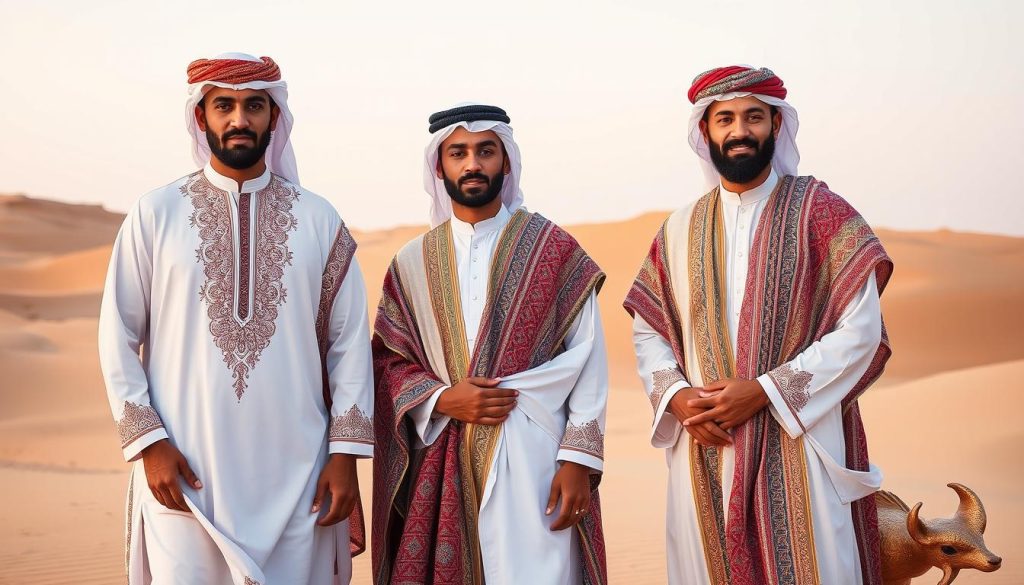
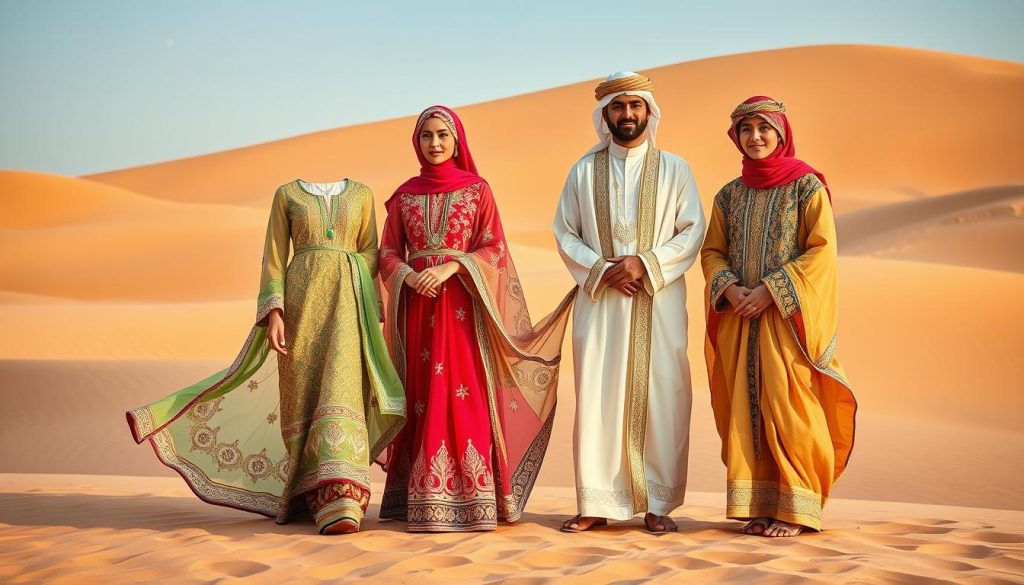
The dishdasha is a key part of Omani men’s clothing. It’s an ankle-length robe that shows the culture and identity of Omani men. It’s usually white but can also be brown or black, depending on the event or personal taste.
The Dishdasha: A National Symbol
The dishdasha is more than just clothing; it’s a symbol of pride and tradition. Omani men wear it for prayers, family events, and national celebrations. Its simple yet elegant design makes it timeless, fitting for both daily wear and special occasions.
Accessories and Their Significance
Accessories are crucial to complete an outfit and carry deeper meanings. Here are some common ones:
- Khanjar: A ceremonial dagger that shows cultural heritage and manhood).
- Muzzar: A traditionally woven turban that adds sophistication and respect.
- Agals: The cord that holds the headscarf in place, symbolizing authority and responsibility.
These elements make Omani men’s clothing more than just stylish. They tell a story of culture and identity, linking the past to the present. Understanding the dishdasha and its accessories helps us appreciate Omani heritage and identity more deeply.
Traditional Clothing of Omani Women
Exploring Omani women’s traditional clothing reveals the country’s rich culture. Their clothes are more than fashion; they carry deep cultural and modesty values. This section looks at key items like the sirwal, abaya, and hijab in Oman. It shows how these clothes reflect the Omani people’s cultural and religious beliefs.
The National Dress: Sirwal and Lihaf
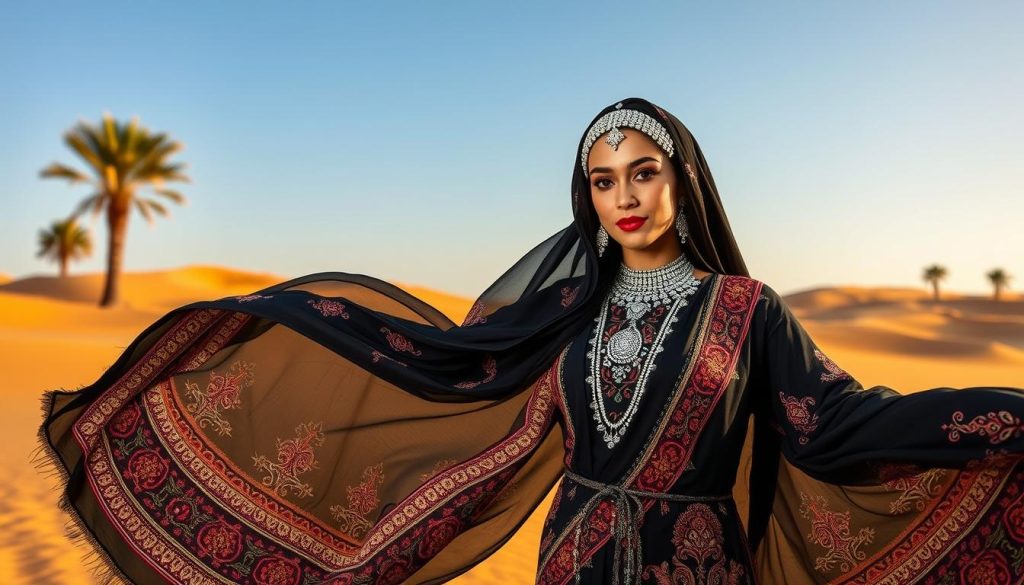
Omani women often wear the sirwal, a dress over trousers, with a lihaf, a traditional headdress. These outfits are known for their bright colors and detailed embroidery. They show the variety across different areas. The sirwal is both practical and a symbol of heritage and identity for Omani women, combining comfort with tradition.
Abaya and Hijab in Public Spaces
The abaya is a key part of Omani women’s clothing, known for its long design, usually black but now in many styles and colors. Many women wear the abaya with a hijab, a headscarf, to keep modest in public. While some wear the niqab, the hijab is more common. Dressing modestly is crucial in Oman, reflecting the country’s mostly Ibadi Muslim population’s values.
Clothing Recommendations for Visitors
Visiting Wahiba Sands is an amazing adventure. But, it’s important to know what to wear for comfort and respect. The desert’s heat is intense, so picking the right clothes is key.
Essential Attire for the Heat
For a great visit, choose lightweight, breathable clothes. Wear loose, covering clothes to protect from the sun and stay cool. Here are some must-haves:
- Long trousers or maxi skirts
- Loose-fitting tunics
- Lightweight, long-sleeved shirts
- Wide-brimmed hats for sun protection
- Light scarves to cover your neck and shoulders
Modesty Guidelines for Tourists
Respecting local customs is crucial. What you wear in Wahiba Sands shows respect. Dress modestly to fit in and enjoy your trip. Here’s what to keep in mind:
- Choose clothing that covers arms and legs.
- Avoid shorts and tight-fitting clothing in public areas.
- Accessorize with light scarves for added coverage and style.
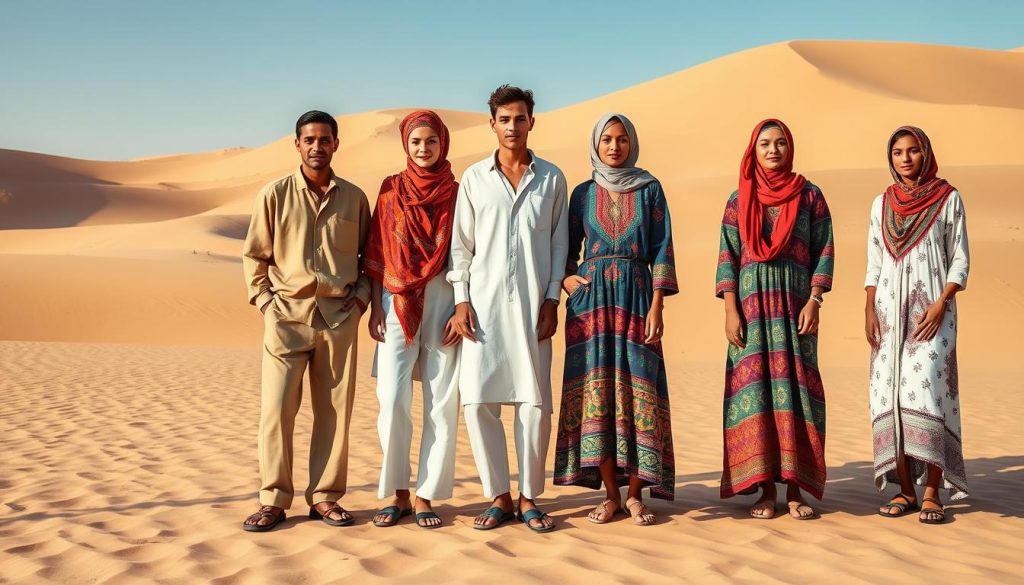
By dressing right, you can fully appreciate Wahiba Sands and its culture.
Footwear Tips for Wahiba Sands
Exploring Wahiba Sands needs the right shoes. They must be comfortable and safe for the sandy terrain. Think about the desert’s unique conditions and local preferences when choosing.
Choosing the Right Shoes for the Terrain
For an unforgettable adventure, keep these tips in mind:
- Comfort is key: Pick shoes that fit well and offer good cushioning and support.
- Good traction: Wear closed shoes, like hiking boots, for balance on uneven ground.
- Breathability: Choose shoes that let air in to keep your feet cool in the heat.
Slippers and Sandals: A Local Preference
Oman has many traditional footwear options. Sandals are popular for their comfort and ease. Here are some choices:
- Khussa: These flat shoes are a favorite in Oman for both men and women. They’re great for city walks and sandy areas.
- Sandals: They’re light and easy to wear, perfect for casual walks.
- Quick removal: If you’re visiting religious sites, sandals make it easy to follow local customs.
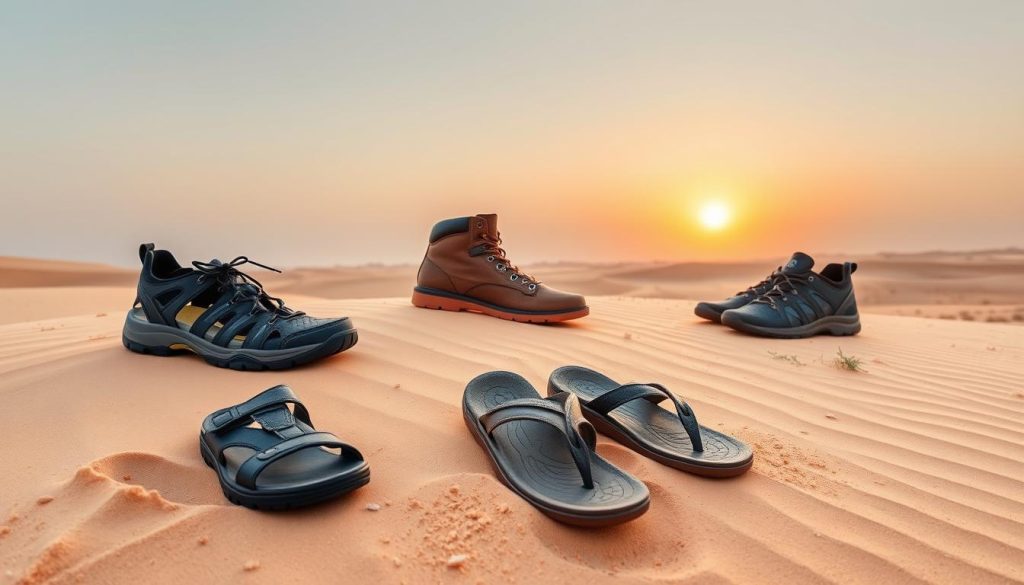
| Footwear Type | Pros | Cons |
|---|---|---|
| Hiking Boots | Excellent support and traction | Can be heavy and bulky |
| Khussa | Traditional style, comfortable | Less protection on rugged surfaces |
| Sandals | Lightweight and breathable | Limited support for long walks |
By following these tips, you can enjoy your adventure in Wahiba Sands. Choose the right shoes to respect local customs and stay comfortable. The right footwear will make your experience in Oman’s beautiful region even better.
Swimming Attire in Public and Private Areas
Enjoying Oman’s beautiful beaches and wadis means knowing what swimwear is okay. Swimwear rules change depending on where you are. Public beaches and private resorts have their own rules to respect local culture.
What’s Appropriate for Beaches and Wadis
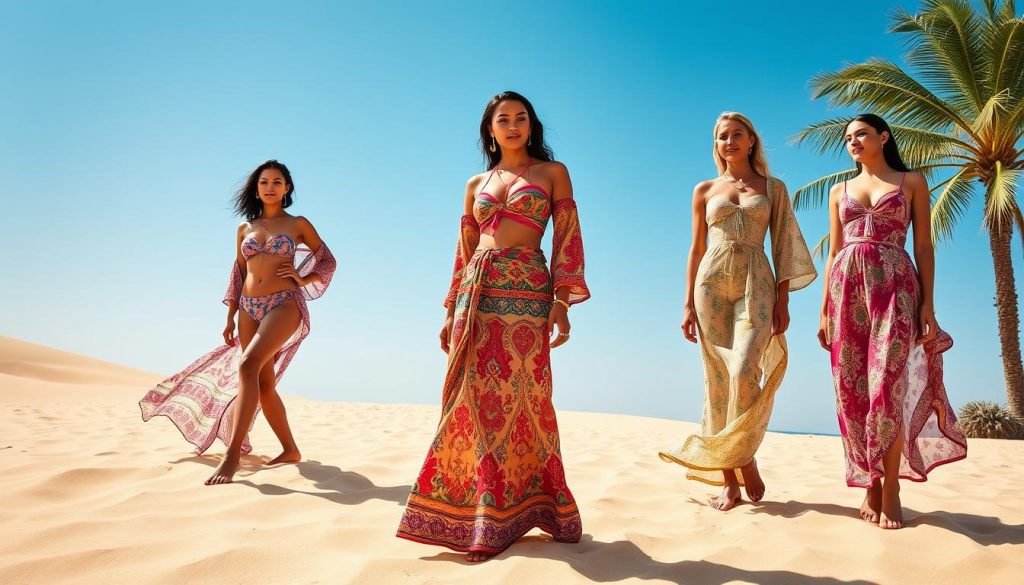
At public spots, being modest is key. Women should wear swimsuits that cover their shoulders and knees. Bikinis and revealing suits are not okay here. Men should wear swim shorts or trousers that cover their legs.
Local Expectations for Swimwear
In private resorts, swimwear is more relaxed. But, it’s nice to wear a cover-up in shared areas. Remembering these swimwear rules shows respect for Oman’s culture.
| Setting | Women’s Swimwear | Men’s Swimwear |
|---|---|---|
| Public Beaches/Wadis | Modest swimsuit covering shoulders and knees | Swim shorts or trousers |
| Private Resorts | Bikini acceptable; cover-up recommended outside pool area | Swim shorts typically acceptable |
Common Mistakes Tourists Make
Traveling to Oman means understanding its culture. Many visitors make mistakes that can cause trouble. They might disrespect local customs or wear the wrong clothes.
Disrespecting Cultural Norms
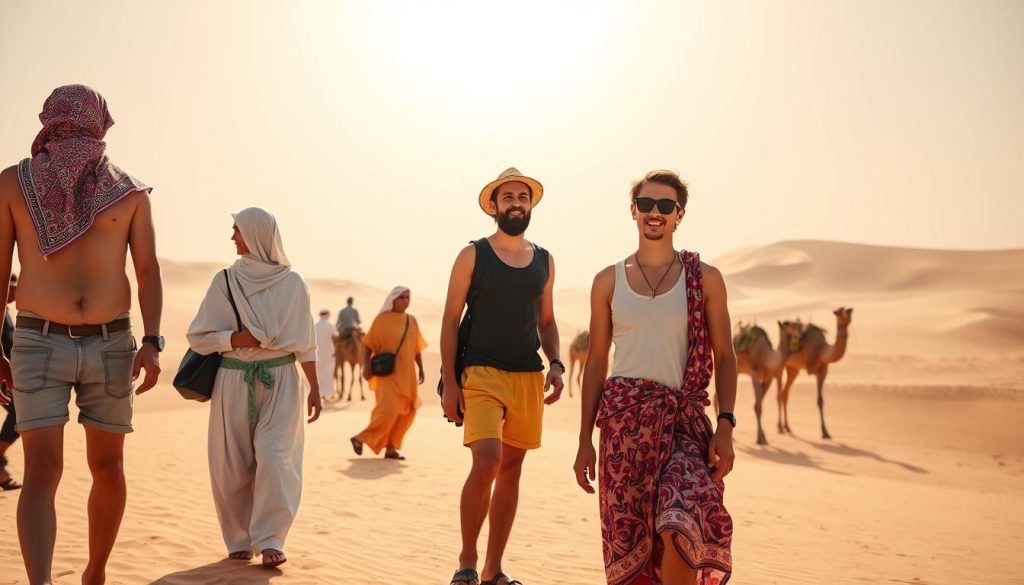
One big mistake is not knowing the local dress code. Some think Oman is very open and wear revealing clothes. But, this can really upset people.
It’s important to wear modest clothes. Talking to locals can help you learn what’s right. This way, you can enjoy your trip more.
Overdressing vs. Underdressing
Choosing the right clothes is hard. Some people dress too fancy for casual places or too casual for formal ones. This can attract too much attention or show disrespect.
It’s key to find a balance. Knowing what locals expect helps you dress right. This way, you can avoid making mistakes.
| Mistake Type | Description | Tips to Avoid |
|---|---|---|
| Disrespecting Cultural Norms | Choosing revealing clothing that may offend locals | Research local dress codes before traveling |
| Overdressing | Wearing formal attire in casual settings | Opt for smart casual outfits to blend in |
| Underdressing | Wearing overly casual clothing in formal settings | Check event and venue dress codes |
Dressing Tips for Special Occasions
Attending special occasions in Oman means looking your best while respecting local traditions. Knowing the local dress code is key. Dressing tips for Wahiba Sands focus on modesty and cultural respect.
Attire for Cultural Events and Festivals
Cultural events in Oman let you dive into rich traditions. For these, wear formal clothes. Men, choose long, loose-fitting garments like a dishdasha to show respect.
Women, wear traditional long dresses or abayas with fancy designs. This shows respect and appreciation for the culture.
Visiting Religious Sites: Dress Code Requirements
At religious sites, following the dress code is crucial. Women, wear clothes that cover shoulders and knees, and a headscarf in mosques. Men, avoid shorts and wear shirts that cover arms.
How to Respect Local Customs
Understanding local customs is key to a great experience in Oman. Showing respect to residents creates a positive atmosphere. Simple gestures like greeting people and showing interest in their traditions can make a big difference.
Interacting with Locals Respectfully
When you’re in Oman, remember to interact with locals in a respectful way. A smile and a polite hello can make a big impact. Omani culture values kindness and hospitality, so it’s important to show appreciation for their traditions.
- Use common greetings such as “As-salamu alaykum” when meeting locals.
- Acknowledge their customs with interest and respect.
- Be mindful of personal space and physical contact, specially in mixed-gender interactions.
The Role of Humor and Open Communication
Humor can help break the ice, but be careful with sensitive topics. It’s important to know the mood and context before sharing jokes. Open communication shows you respect their culture, leading to deeper conversations.
- Listen actively and engage in discussions about their daily life and traditions.
- Avoid contentious topics like politics and religion unless invited to share thoughts.
- Be open to learning; ask questions sincerely to demonstrate your interest in Omani culture.
Conclusion
Knowing the dress code and cultural rules is key for a great visit to Oman’s Wahiba Sands. By respecting local customs, you show respect and make your trip better. It’s a chance to dive into a rich culture and feel the Omani hospitality.
The beauty of Wahiba Sands is matched by its cultural practices. You’ll see traditional clothes and learn about proper etiquette. Being prepared lets you fully enjoy the desert’s beauty and history.
When you travel, embracing local ways helps you connect more deeply with Oman’s culture. With knowledge of Wahiba Sands’ customs, you’re set to explore. You’ll discover Oman’s heart while being respectful and making memories that last.