Unique Stays: Accommodation Beyond Hotels in India
India offers traveler accommodation far beyond the standard hotel room. From Rajasthan palace conversions and Kerala river houseboats to Himalayan eco-lodges and heritage guesthouses, the country’s alternative stays let you connect with local culture in ways that chain hotels simply cannot match. This guide covers the best unique accommodation categories across India, with verified properties, real price ranges, and practical booking advice.
Boutique hotels in India
India’s boutique hotel scene combines architectural heritage with intimate service that large chains rarely deliver. The Leela Palace Udaipur sits on the banks of Lake Pichola in Rajasthan and operates 80 rooms inside a palace modeled after the City Palace, with rates from $400 per night as of 2026. The Park Kolkata, located on Park Street in West Bengal, is a design-forward property with 150 rooms that has anchored the city’s boutique scene since 1967, with rooms from $120 per night as of 2026. For Delhi, The Imperial on Janpath blends 1930s colonial architecture with Mughal garden elements across 235 rooms, starting at $250 per night as of 2026.
| Hotel | Location | Style | Price per night (2026) |
|---|---|---|---|
| The Leela Palace Udaipur | Udaipur, Rajasthan | Palace / Lake views | From $400 |
| The Park Kolkata | Kolkata, West Bengal | Design / Contemporary | From $120 |
| The Imperial New Delhi | New Delhi | Colonial / Heritage | From $250 |
Heritage palace hotels and converted forts
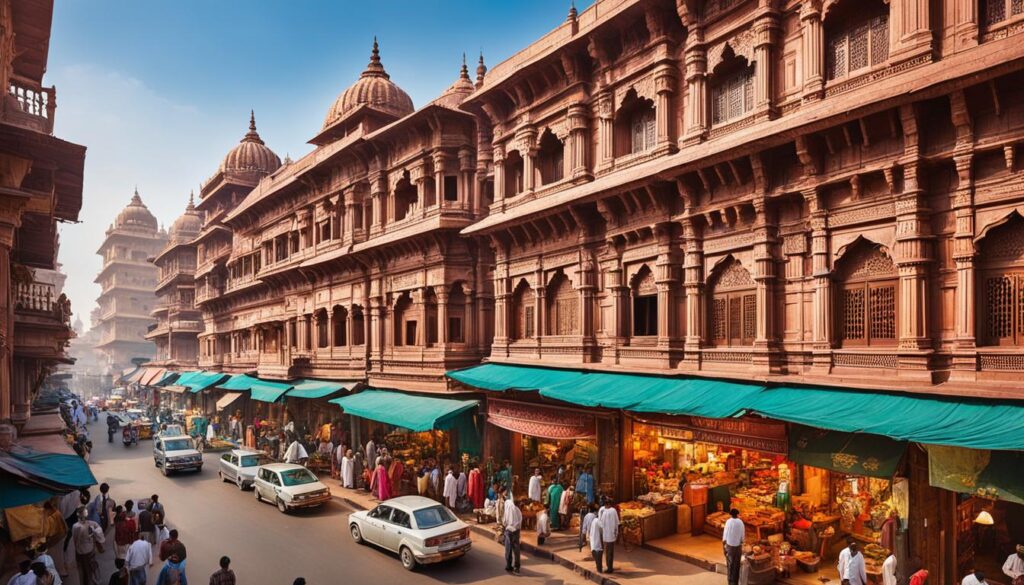
India’s heritage hotel category is unique in the world — former maharaja residences and military forts converted into guest accommodations while retaining original architecture. Neemrana Fort-Palace in Alwar, Rajasthan dates to 1464 and now operates as a 73-room heritage resort perched on a hillside, with rooms from $100 per night as of 2026. Samode Palace in Jaipur is a 475-year-old Rajput palace that houses 43 rooms and three pools, with rates from $200 per night as of 2026. Taj Lake Palace in Udaipur sits on a four-acre island in Lake Pichola and is consistently rated among Asia’s top heritage hotels, with rates from $450 per night as of 2026.
| Property | Location | Age / History | Price per night (2026) |
|---|---|---|---|
| Neemrana Fort-Palace | Alwar, Rajasthan | Built 1464, 73 rooms | From $100 |
| Samode Palace | Jaipur, Rajasthan | 475 years old, 43 rooms | From $200 |
| Taj Lake Palace | Udaipur, Rajasthan | 18th-century island palace | From $450 |
Kerala houseboat stays
Kerala’s traditional kettuvallam houseboats are one of India’s most distinctive accommodation options. These hand-built rice boats, converted for overnight travel, navigate the backwaters of Alleppey (Alappuzha) and Kumarakom, offering private sleeping quarters, an onboard kitchen, and open-air sun decks. A standard one-bedroom houseboat on the Alleppey backwaters runs $120 to $200 per night as of 2026, with premium air-conditioned vessels reaching $350 per night. Most charters include breakfast and dinner prepared by the onboard cook. Peak season is October through March; booking at least 60 days in advance is advisable for travel during this window.
Eco-lodges and sustainable stays
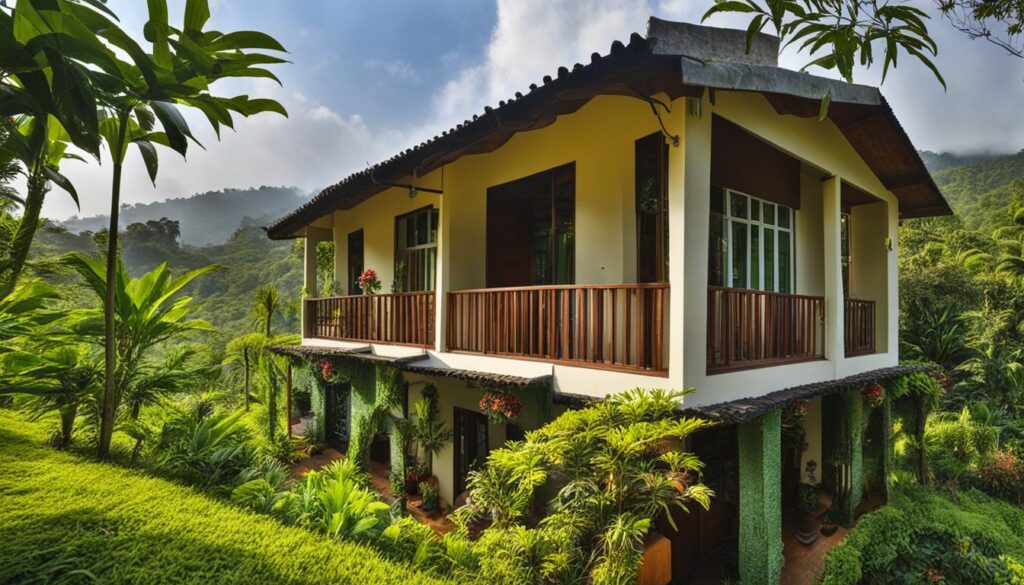
India’s eco-lodge sector has grown significantly over the past decade, particularly in forested and coastal states. Spice Village by CGH Earth in Thekkady, Kerala is a 52-cottage forest resort built from natural materials, set on the edge of Periyar Wildlife Sanctuary, with rates from $200 per night as of 2026. Evolve Back Coorg (formerly Orange County) in Karnataka places 29 estate villas across a private coffee and spice plantation, starting at $350 per night as of 2026. Both properties use rainwater harvesting, solar heating, and source ingredients from on-site gardens.
| Property | Location | Eco feature | Price per night (2026) |
|---|---|---|---|
| Spice Village by CGH Earth | Thekkady, Kerala | Natural materials, wildlife sanctuary | From $200 |
| Evolve Back Coorg | Coorg, Karnataka | Coffee plantation, solar-powered | From $350 |
| Hampi’s Boulders | Hampi, Karnataka | Boulder landscape, zero-discharge | From $250 |

Treehouse and offbeat accommodations
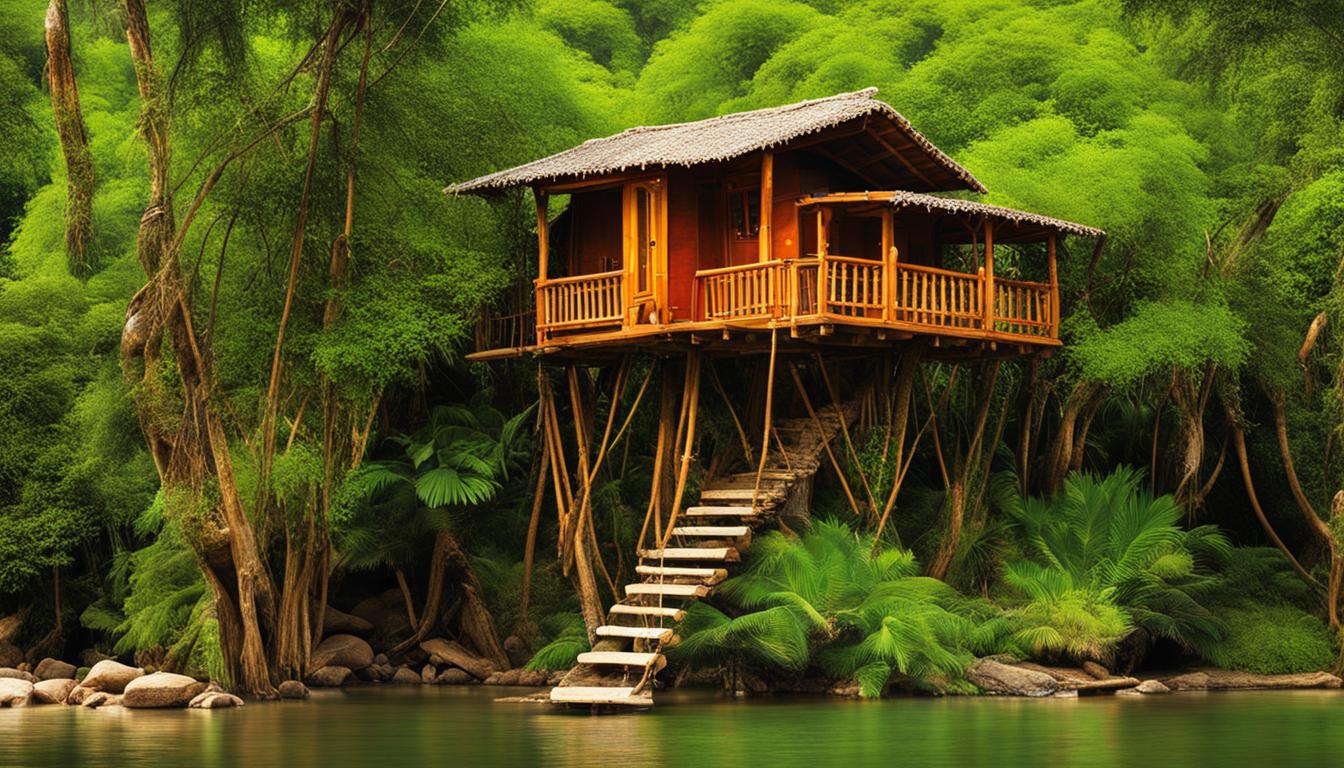
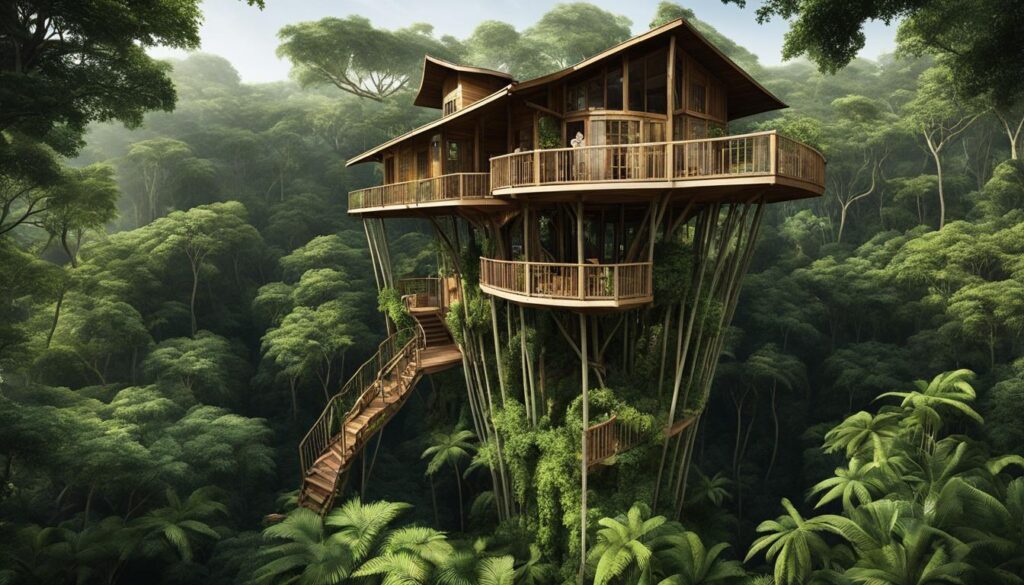
India’s treehouse resorts occupy a distinct niche between adventure travel and luxury accommodation. Tree House Hideaway in Bandhavgarh, Madhya Pradesh offers six elevated rooms inside a sal forest near a tiger reserve, with rates from $250 per night as of 2026. The Machan Resort in Lonavala, Maharashtra places 35 elevated rooms between 25 and 45 feet above the forest floor, with rates from $180 per night as of 2026. Both properties are fully staffed and include meals.
Guesthouses and home stays
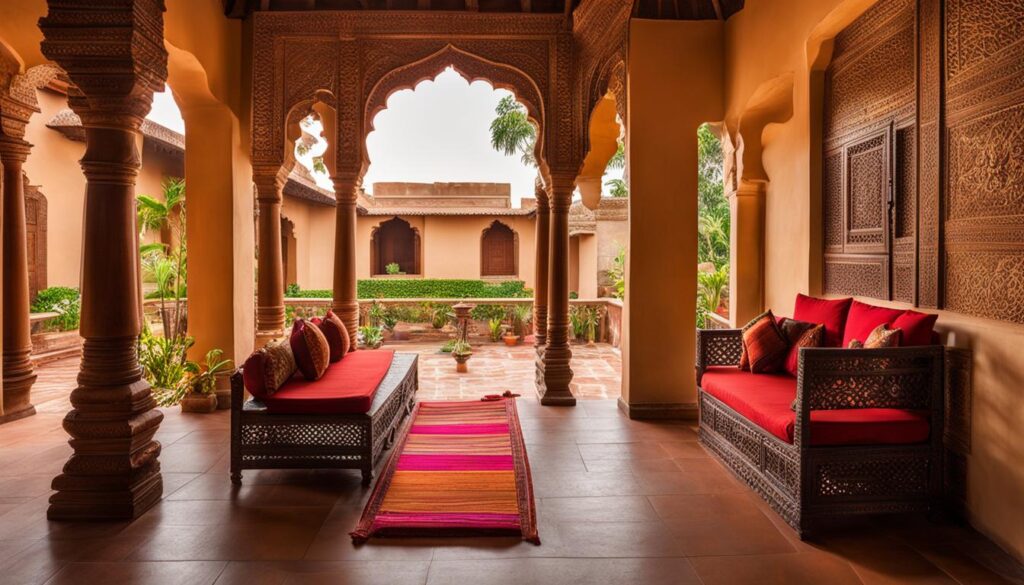
Budget-conscious travelers and those seeking genuine local contact favor India’s guesthouse and home stay network. Family-run guesthouses in cities like Varanasi, Jaipur, and Rishikesh typically charge $15 to $40 per night as of 2026 and include access to home-cooked meals and local knowledge that no guidebook can replicate. Zostel, India’s largest backpacker hostel chain, operates dorms from $6 per night and private rooms from $20 per night at 80+ locations nationwide as of 2026. Airbnb and Booking.com both list verified home stays throughout India, including farm stays in Himachal Pradesh and fishing-village homes in coastal Kerala.
Glamping sites in India
Luxury tent camps have become popular across Rajasthan’s deserts, the Himalayan foothills, and Ranthambore’s jungle buffer zones. SUJÁN Jawai in Rajasthan places 10 tented suites on a rocky ridge in leopard territory, with rates from $900 per night as of 2026 including all meals and safari drives. More accessible glamping camps in Pushkar and Jaisalmer run $80 to $200 per night as of 2026, typically including dinner and a cultural performance.
Where to stay: top picks by traveler type
Matching your accommodation type to your travel style makes a significant difference in India. Below are five verified recommendations across budgets.
| Traveler type | Property | Location | Price per night (2026) |
|---|---|---|---|
| Luxury / romance | Taj Lake Palace | Udaipur, Rajasthan | From $450 |
| Heritage / history | Neemrana Fort-Palace | Alwar, Rajasthan | From $100 |
| Nature / eco | Spice Village by CGH Earth | Thekkady, Kerala | From $200 |
| Adventure | Tree House Hideaway | Bandhavgarh, MP | From $250 |
| Budget / culture | Zostel network | 80+ locations | From $6 (dorm) / $20 (private) |
Safety tips for alternative accommodations in India
Alternative stays carry different risk profiles than branded hotels. Research the property on TripAdvisor and Google Maps before booking, looking specifically for recent reviews from solo travelers or the demographic closest to yours. Confirm that the property has a functioning lock on the room door and a fire exit route. Share your accommodation address with someone at home before checking in. Use only metered taxis, Ola, or Uber for local transport rather than unmarked vehicles arranged by third parties. For remote properties such as jungle camps or treehouse resorts, verify that the booking includes a phone number you can reach after arrival.
FAQ: unique stays in India
What is the most unique place to stay in India?
Taj Lake Palace in Udaipur — a white marble 18th-century palace on a four-acre island in Lake Pichola — is widely considered India’s most iconic unique stay. Kerala backwater houseboats and Rajasthan fort hotels are close alternatives depending on your interest in nature versus history.
How much does a Kerala houseboat cost per night?
A standard one-bedroom houseboat on the Alleppey backwaters costs $120 to $200 per night as of 2026, including meals prepared by an onboard cook. Premium air-conditioned vessels with two bedrooms reach $300 to $350 per night. Prices drop 20 to 30 percent during the monsoon off-season (June through September).
Are heritage palace hotels in India worth the price?
For travelers interested in India’s Rajput and Mughal history, yes. Properties like Samode Palace and Neemrana Fort-Palace offer an architectural and historical experience unavailable elsewhere. Budget-tier palace hotels like Neemrana (from $100/night) provide similar atmosphere at a fraction of the cost of five-star options.
What is glamping in India like?
India’s glamping ranges from basic desert tents with shared bathrooms in Pushkar ($80/night) to ultra-luxury tented suites with private plunge pools in Ranthambore and Jawai. High-end camps include all meals, safari drives, and cultural activities. The best season for glamping in Rajasthan and jungle camps is October through March when temperatures are comfortable.
Which states have the best eco-lodges in India?
Kerala and Karnataka lead India’s eco-lodge sector. Kerala’s Thekkady and Kumarakom regions host several certified properties adjacent to wildlife sanctuaries, while Karnataka’s Coorg and Hampi areas offer plantation and boulder-landscape stays. Uttarakhand in the Himalayan foothills is a growing third option for high-altitude eco-stays.
Is it safe to book a guesthouse in India as a solo traveler?
Yes, provided you book through established platforms such as Booking.com or Airbnb, read recent reviews, and confirm the property has a physical address and verifiable contact number. Well-traveled guesthouse hubs like Varanasi’s Godaulia area, Rishikesh’s Lakshman Jhula, and Goa’s Anjuna beach are well-established and safe for solo travelers of all genders.
What platforms are best for booking unique stays in India?
Airbnb covers home stays and private villas. Booking.com lists heritage hotels and guesthouses with verified reviews. Expedia and MakeMyTrip are useful for boutique hotels. For curated luxury and heritage properties, direct booking through the hotel website often provides the best rate and access to package inclusions not available on third-party platforms.