5 Days in Auckland: The Complete Itinerary for First-Time Visitors 2026
Five days in Auckland gives you enough time to cover the city’s best neighbourhoods, take two major island day trips, and reach the most iconic attractions in the surrounding North Island, including Hobbiton and the Waitomo Glowworm Caves. The key to planning this trip well is grouping geographically: put city-centre sights together on day one, island ferries on days two and four, and reserve day three for the Matamata and Waitomo loop, which runs south and west of the city. Day five stays local, anchored by the Auckland War Memorial Museum and the green spaces around Auckland Domain. This itinerary works for first-time visitors arriving from the USA or elsewhere, and all prices below are in New Zealand Dollars (NZD) as of 2026.
Day 1: Auckland city centre and Sky Tower
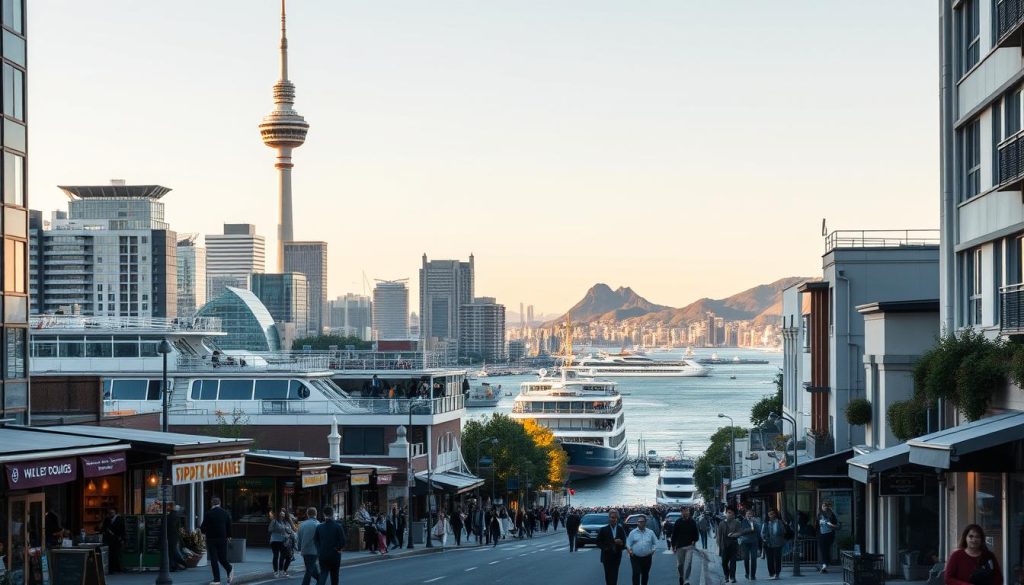
Your first day is built around the city centre, giving you time to find your feet, understand Auckland’s layout, and tick off the skyline’s most recognisable landmark before exploring on foot.
Sky Tower observation deck
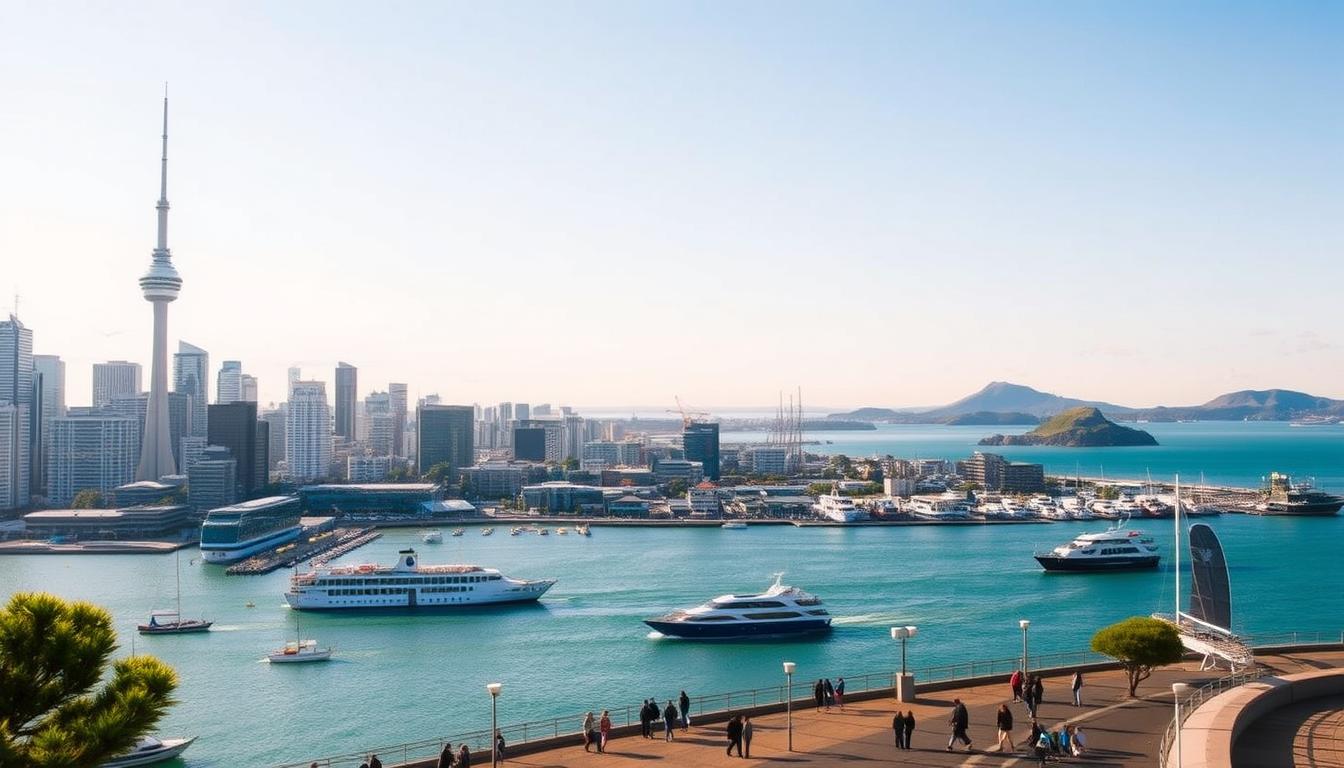
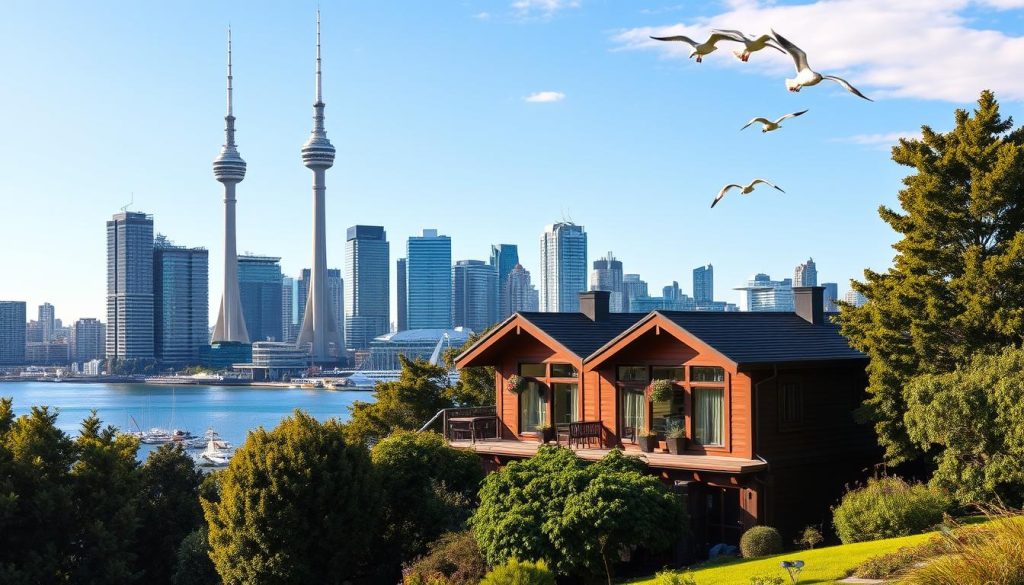
Sky Tower stands 328 metres tall in the heart of the CBD and is New Zealand’s tallest man-made structure. Adult admission to the observation deck is approximately NZD $36, and the visit takes around 45 to 60 minutes. The 360-degree views stretch across the Waitemata Harbour, the Hauraki Gulf, and on clear days, all the way to the Waitakere Ranges. It is worth visiting early in the morning or at dusk when the light on the harbour is at its best.
Auckland Art Gallery Toi o Tamaki
Auckland Art Gallery sits on the corner of Wellesley and Kitchener Streets, a short walk from Sky Tower. General admission to the permanent collection is free, and the building itself, a blend of French chateau and modern extension, is worth seeing. Budget 60 to 90 minutes to explore the New Zealand and Pacific collections. Ticketed special exhibitions carry a separate charge.
Wynyard Quarter and the waterfront
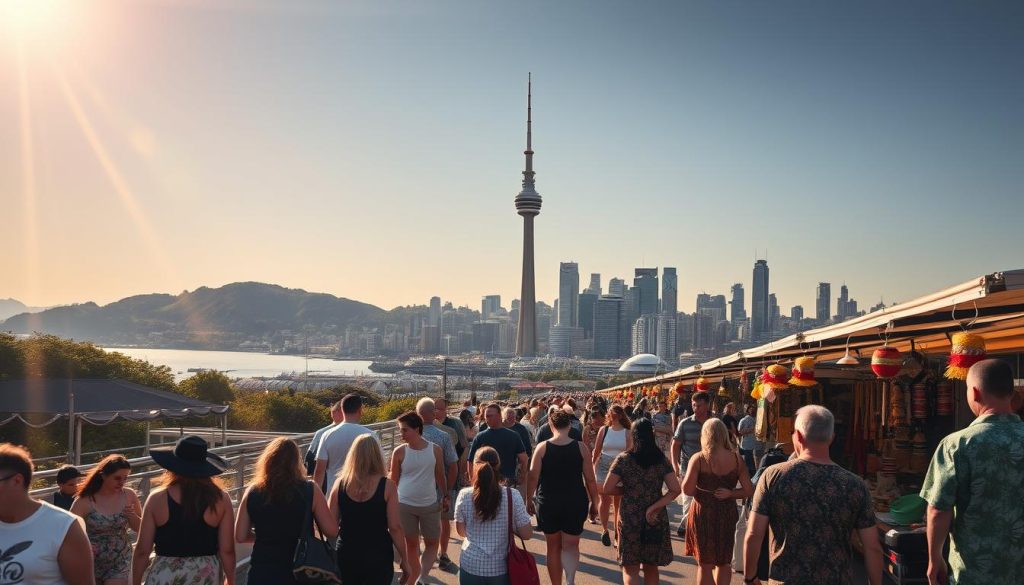
Walking south from the gallery brings you to the Viaduct Harbour and Wynyard Quarter, Auckland’s redeveloped waterfront precinct. This is a good spot for lunch, with a range of cafes and restaurants along the water’s edge. In the afternoon, walk along the Quay Street waterfront to Britomart, Auckland’s compact transport and retail hub. The evening is well spent in Ponsonby, about 20 minutes by taxi from the CBD, where you will find some of the city’s best restaurants.
Mount Eden at dusk
If energy allows, catch a rideshare to Mount Eden (Maungawhau) before sunset. Auckland’s highest volcanic cone sits at 196 metres and offers an unobstructed panoramic view of the city and both harbour coastlines. Entry to the summit is free. The walk from the car park to the rim takes about 10 minutes. Private vehicles are restricted from the summit road; use the shuttle service or arrive on foot from the suburb below.
Day 2: Waiheke Island day trip
Waiheke Island is 17.7 kilometres from downtown Auckland and consistently rated one of the world’s best island escapes by Lonely Planet. The ferry crossing takes approximately 40 minutes, making it the most accessible major day trip from the city. Plan to spend a full day on the island.
Getting to Waiheke
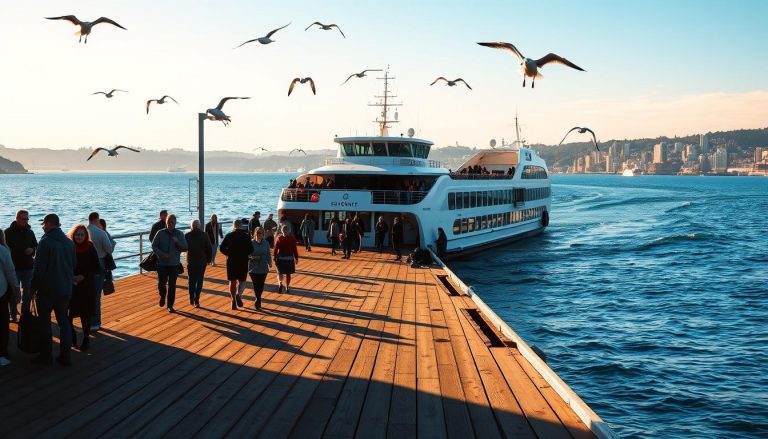
Fullers360 ferries depart from Piers 11 and 12 at the Downtown Ferry Terminal on Quay Street. Ferries run from 6:00 am through to midnight, with up to 22 services on peak days. The walk-up adult return fare is NZD $62 as of 2026; the off-peak return (departing Auckland from 1 pm) is NZD $46.50. Booking online in advance through the Fullers360 app is recommended, particularly on weekends. The ferry docks at Matiatia Wharf on the western end of Waiheke.
Wineries and wine tasting
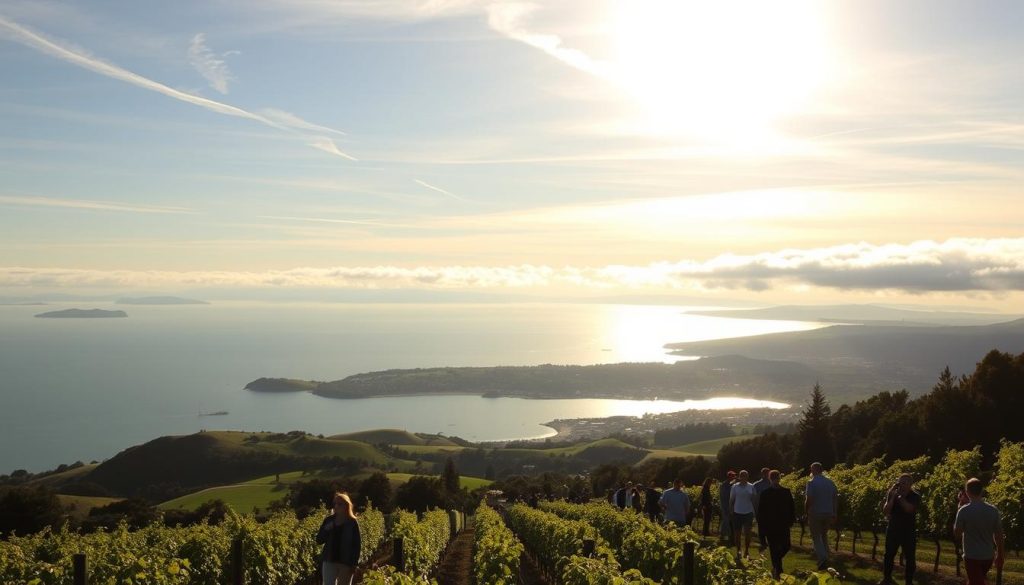
Waiheke is home to more than 30 wineries, many of them producing internationally awarded red wines in the island’s warm, dry microclimate. Stonyridge, Mudbrick Vineyard, Te Motu, and Cable Bay are among the best known, all accessible from Matiatia by the Western Explorer Hop-On Hop-Off bus (NZD $99 adult including ferry, or purchased separately for the bus only once on the island). Cellar door tastings at most vineyards run from around NZD $10 to $25 per person. Mudbrick and Te Whau Vineyard both have restaurants with panoramic Gulf views and are worth booking ahead for lunch.
Beaches on Waiheke
Oneroa Beach is the closest to Matiatia Wharf, about 15 minutes by bus, and is ideal for a mid-afternoon swim. Onetangi Beach, on the island’s north coast, is a longer white-sand stretch with beach bars and is popular later in the day. Both beaches are free to access.
Getting around Waiheke
The Western Explorer Hop-On Hop-Off bus meets each arriving ferry and stops at 15 points around the western half of the island, including vineyards, beaches, and Oneroa Village. A full day bus pass (ferry not included) covers unlimited travel. E-bike hire is also available from operators near Matiatia Wharf for those who want to explore the island’s coastal tracks independently.
Day 3: Hobbiton and Waitomo Caves day trip
This is the longest day of the itinerary. Hobbiton Movie Set is located near Matamata, roughly 2.5 hours south of Auckland by car, and Waitomo is a further 45 minutes southwest of Matamata. The route forms a rough loop: drive south to Hobbiton, continue to Waitomo, then return to Auckland via State Highway 1. Leave Auckland no later than 7:30 am to make a morning Hobbiton tour and still reach Waitomo with time for an afternoon cave visit.
Hobbiton Movie Set tour
Hobbiton Movie Set is located at 501 Buckland Road, Hinuera, Matamata. The Signature Tour, the standard daily experience, runs for 2.5 hours and covers the 12-acre property, including the Hobbit Holes, the Party Tree, and the Green Dragon Inn, where a complimentary Hobbit Southfarthing drink is included. Adult tickets are NZD $130, youth (11-17) NZD $65, and children under 10 are free. Bookings are essential and should be made well in advance, particularly from November to March. The movie set is open every day except Christmas Day. Both The Hobbit and The Lord of the Rings trilogies were filmed here, so the experience appeals equally to casual visitors and dedicated fans.
Waitomo Glowworm Caves
Waitomo Glowworm Caves are approximately 45 minutes southwest of Matamata. The standard Glowworm Cave tour runs for 45 minutes and includes a guided walk through limestone formations and a silent boat ride through the Glowworm Grotto, where thousands of Arachnocampa luminosa glowworms illuminate the cave ceiling. Adult tickets are NZD $81, children NZD $37, and a family pass (2 adults, 2 children) is NZD $207. Pre-booking is essential. The caves are open daily from 9:00 am to 5:00 pm. For those wanting a longer experience, the Ruakuri Cave tour (1.5 hours, NZD $90 adult) or the Black Labyrinth black-water rafting adventure (3 hours, priced separately) can be added on. The drive back to Auckland from Waitomo takes approximately 2 hours via State Highway 1.
If you prefer not to drive, several Auckland-based tour operators run combined Hobbiton and Waitomo day trips with coach transport from the city. These are a practical alternative but add significant time due to group stop schedules.
Day 4: Auckland waterfront and Rangitoto Island
After the long day-three drive, day four returns to the water. Rangitoto Island is Auckland’s most recognisable natural landmark, a symmetrical volcanic cone visible from almost every harbour vantage point in the city. A Fullers360 ferry takes you there in 25 minutes from Pier 13 at the Downtown Ferry Terminal.
Ferry to Rangitoto Island
Adult return ferry tickets to Rangitoto cost NZD $60 as of 2026; child return (ages 5-15) is NZD $27. Bookings are essential and tickets are time-specific: same-day walk-on travel is not available. Weekday morning departures run at 9:30 am (via Devonport); weekend sailings add a 10:30 am service. Rangitoto is a pest-free sanctuary managed by the Department of Conservation, so all visitors must have bags and footwear inspected for pests before boarding. No animals are permitted on the island.
The Rangitoto summit walk
The Rangitoto Summit Track runs 2.3 kilometres from the wharf to the 260-metre summit, climbing through unique lava fields and native pohutukawa forest. Allow 2 to 3 hours return including time at the top. The track is suitable for most fitness levels, though the volcanic lava rock surface is uneven in places. Sturdy closed-toe shoes are required. There are no cafes or shops on the island, so bring water and snacks. From the summit, the view across the Hauraki Gulf, the city, and the surrounding islands is among the best in New Zealand.
Lava caves and Motutapu
On the way back from the summit, a short detour leads to the Rangitoto lava caves, tunnels formed by ancient lava flows and draped with pohutukawa roots. They add around 20 minutes to the return walk and are accessible to most visitors. A causeway also connects Rangitoto to Motutapu Island for those wanting a longer multi-hour coastal walk, though careful attention to the return ferry timetable is needed if you cross over.
Mission Bay afternoon
After returning to the city by ferry, spend the late afternoon at Mission Bay, one of Auckland’s most popular waterfront suburbs. It sits about 6 kilometres east of the CBD and has a pleasant beachfront promenade, a historic 1920s fountain, cafes, and restaurants facing the harbour. Mission Bay Beach is free and suitable for swimming in warmer months.

Day 5: Auckland War Memorial Museum, Domain, and city farewell
Your final day stays close to the city, starting with Auckland’s most significant museum and winding through the historic green spaces and neighbourhoods that surround it.
Auckland War Memorial Museum
Auckland War Memorial Museum (Te Papa Whare Taonga o Tamaki Makaurau) sits inside Auckland Domain, the city’s oldest park, housed in a neoclassical building that has overlooked the city since 1929. New Zealand residents and Auckland ratepayers enter free on proof of address; international visitors pay General Admission (check the museum website for current rates, as some galleries including the Marae Ateatanga Maori Court are temporarily closed in 2026 with a discounted admission in effect). Allow 2 to 3 hours for the permanent collection, which spans Maori and Pacific taonga (treasures), natural history, and New Zealand’s military history. The Maori Cultural Experience, a 45-minute live performance featuring waiata (songs) and haka, runs twice daily and is ticketed separately.
Auckland Domain
Auckland Domain is 75 hectares of parkland surrounding the museum, and entry is free. The park sits on the slopes of an ancient volcanic cone and contains the Winter Gardens, two glasshouses open daily with tropical and temperate plant collections. It is a good place to walk off the museum visit and rest before any afternoon activity. The domain is about 2 kilometres from the city centre and easily reached by bus or rideshare.
Parnell and Newmarket
Parnell Village is a 10-minute walk from the museum and is one of Auckland’s oldest and most characterful suburbs, with heritage villas, art galleries, boutique stores, and good cafes. Newmarket, adjacent to Parnell, is Auckland’s main fashion and retail strip. Both are good options for a final afternoon of browsing, shopping, and eating before an evening flight or transfer to the airport.
Auckland top attractions comparison table
| Attraction | Price (NZD, as of 2026) | Time needed | Location | Best day |
|---|---|---|---|---|
| Sky Tower | ~$36 adult | 45-60 min | Auckland CBD | Day 1 |
| Auckland Art Gallery | Free (permanent collection) | 60-90 min | Auckland CBD | Day 1 |
| Mount Eden summit | Free | 30-45 min | 5km from CBD | Day 1 |
| Waiheke Island (ferry return) | $62 adult walk-up / $46.50 off-peak | Full day | 40 min by ferry | Day 2 |
| Hobbiton Movie Set (Signature Tour) | $130 adult | 2.5 hrs | Matamata (~2.5 hr drive) | Day 3 |
| Waitomo Glowworm Caves | $81 adult | 45 min | Waitomo (~3 hr drive) | Day 3 |
| Rangitoto Island (ferry return) | $60 adult | 3-4 hrs on island | 25 min by ferry | Day 4 |
| Auckland War Memorial Museum | International visitors: paid admission (check current rate); NZ residents: free | 2-3 hrs | Auckland Domain | Day 5 |
| Auckland Domain (Winter Gardens) | Free | 45-60 min | 1.5km from Parnell | Day 5 |
Where to stay in Auckland
Auckland’s best hotels are concentrated in three areas: the CBD and Viaduct Harbour for convenience; Britomart for walkability to the ferry terminal; and Ponsonby for a more residential, neighbourhood feel. The following verified properties represent a range of price points as of 2026.
SkyCity Hotel Auckland
SkyCity Hotel is connected to the Sky Tower complex in the heart of the CBD, making it one of the most centrally located options in the city. Nightly rates vary by season, typically ranging from around NZD $200 to $380 per night for a standard room. Its location is excellent for walking to Britomart, the ferry terminal, and major city-centre sights.
Cordis Auckland
Cordis is a five-star property on Symonds Street, about 10 minutes on foot from the CBD. It is one of Auckland’s larger luxury hotels with extensive amenities including a pool, spa, and multiple dining options. Nightly rates for a standard room typically run from around NZD $300 to $500 depending on the season and room type.
Hotel Grand Windsor
Hotel Grand Windsor is a heritage boutique property on Wyndham Street in the CBD, occupying a 1920s listed building. It offers a more intimate experience than the larger hotels and is well regarded for its character and service. Standard rooms typically start from around NZD $250 to $400 per night.
QT Auckland
QT Auckland is a design-focused hotel in the Viaduct Harbour area, known for its distinctive interiors and restaurant. It is within easy walking distance of the ferry terminal and Wynyard Quarter. Nightly rates for a standard room typically range from around NZD $220 to $420.
Budget options
Travelodge Hotel Auckland Wynyard Quarter is a reliable mid-range option near the waterfront with standard rooms typically from NZD $130 to $200 per night. Several well-reviewed hostels with private rooms operate in the CBD and Ponsonby for travellers seeking lower-cost accommodation.
Getting around Auckland
Auckland is a spread-out city and a car or combination of ferries, buses, and rideshares is needed to navigate it efficiently during a five-day stay.
AT Hop card
The AT Hop card is Auckland’s reloadable public transit card, accepted on Auckland Transport buses, trains, and inner harbour ferries operated by Auckland Transport (note: Fullers360 ferries to Waiheke and Rangitoto use separate ticketing). The card can be purchased and loaded at most convenience stores, supermarkets, and AT customer service centres. Using an AT Hop card gives a discount of roughly 25 percent compared to cash fares on eligible services.
Ferries
Fullers360 operates ferry services to Waiheke Island (40 minutes, from Piers 11 and 12), Rangitoto Island (25 minutes, from Pier 13), and Devonport (12 minutes, from Pier 1). Ferry tickets for Waiheke and Rangitoto are booked directly through Fullers360 online or via the Fullers360 app and are not covered by the AT Hop card. Devonport ferry tickets can be paid with AT Hop.
Rental car
A rental car is strongly recommended for day three (Hobbiton and Waitomo), as public transport to Matamata and Waitomo is not practical for a day trip. All major international rental companies operate at Auckland Airport and in the CBD. New Zealand drives on the left. Roads between Auckland, Matamata, and Waitomo are straightforward highway driving, though rural single-lane sections require care. Petrol prices in New Zealand as of 2026 are significantly higher than in the USA, so factor this into day-trip costs.
Rideshare and taxis
Uber and local equivalent Ola operate throughout Auckland and are the most convenient option for short city trips, getting to Mission Bay, Ponsonby, or Mount Eden from the CBD. Licensed taxis are also widely available.
Frequently asked questions about visiting Auckland
Is 5 days enough for Auckland?
Five days is enough time to cover Auckland’s main city sights, take two island day trips (Waiheke and Rangitoto), and make a long but manageable day trip south to Hobbiton and the Waitomo Caves. You will not exhaust everything the city has to offer in five days, but you will leave with a strong sense of what Auckland and the surrounding North Island countryside look like. If time allows, a sixth day for the Bay of Islands or Rotorua geothermal attractions would round out the trip further, but five days is a solid, workable itinerary for a first visit.
How do I get from the USA to Auckland?
Auckland International Airport (AKL) receives non-stop flights from Los Angeles (LAX) on Air New Zealand and United Airlines, typically running around 12 to 13 hours. Non-stop service also operates from San Francisco (SFO) and Houston (IAH) on Air New Zealand and United, respectively. From the East Coast, most itineraries connect through Los Angeles, San Francisco, or a Pacific hub. Total travel time from the US East Coast including connections is typically 20 to 24 hours. New Zealand requires US citizens to hold a valid passport and an NZeTA (New Zealand Electronic Travel Authority), a simple online application, before departure.
What is the best time of year to visit Auckland?
Auckland’s warmest and sunniest months are December through March, which corresponds to the Southern Hemisphere summer. This is peak tourist season, with the highest accommodation prices and the busiest ferry and attraction queues. March to May (autumn) offers mild temperatures, fewer crowds, and slightly lower prices, and is generally considered the best balance of weather and value. June through August is winter in New Zealand; Auckland winters are mild compared to most of the Northern Hemisphere, with average temperatures around 10 to 14 degrees Celsius, but rainfall increases and daylight hours are shorter.
Do I need a rental car in Auckland?
Not for the city itself, where ferries, buses, and rideshare apps handle most travel efficiently. A rental car is, however, necessary for day three of this itinerary, as getting to Hobbiton near Matamata and then to Waitomo Caves is not practical by public transport within a day. If you plan to skip the Hobbiton and Waitomo day trip and stay closer to Auckland, a car is optional. New Zealand drives on the left-hand side of the road.
How much money do I need for 5 days in Auckland?
A mid-range budget for five days in Auckland, assuming one person sharing accommodation, would be roughly NZD $1,800 to $2,500, covering accommodation at NZD $150 to $250 per night, the major paid attractions in this itinerary (Sky Tower, Hobbiton, Waitomo Caves, Waiheke ferry, Rangitoto ferry), meals at mid-range restaurants, and local transport. Hobbiton at NZD $130 and Waitomo at NZD $81 are the single largest attraction costs. Budget travellers staying in hostel private rooms and cooking occasionally could get through five days for closer to NZD $1,200 to $1,500. Prices are in New Zealand Dollars; as of mid-2026, the NZD is worth approximately 0.60 to 0.62 USD, though exchange rates vary.
Is Auckland safe for tourists?
Auckland is generally considered a safe destination for international tourists. The city centre, waterfront, and popular tourist areas including Ponsonby, Parnell, Britomart, and the Viaduct are safe to walk around during the day and evening. As with most large cities, normal precautions apply after dark in unfamiliar areas. New Zealand has a low violent crime rate by international standards, though petty theft from vehicles in car parks can occur, so avoid leaving valuables visible in rental cars, particularly at trailheads on Rangitoto or in Waitomo.
Can you do Hobbiton as a day trip from Auckland?
Yes. Hobbiton Movie Set at Hinuera near Matamata is approximately 2.5 hours south of Auckland by car via State Highway 1 and State Highway 27. This itinerary pairs the Hobbiton Signature Tour in the morning with the Waitomo Glowworm Caves in the afternoon, returning to Auckland in the evening. The drive is entirely on sealed roads with no significant navigational difficulty. Leaving Auckland by 7:30 am allows a 10:00 am or 11:00 am Hobbiton tour and arrival at Waitomo by mid-afternoon. Pre-booking both attractions online is essential, as walk-up availability is limited, particularly in peak summer months. Guided coach tours from Auckland combining both sites are also available if you prefer not to drive.