Santa Monica Airport’s Transformation into a Park
Have you ever wondered what happens to an airport when its runways fall silent and its hangars close their doors? In the case of Santa Monica Airport, it undergoes an incredible transformation, evolving from a bustling aviation hub into a vibrant urban park that will redefine the cityscape. This article explores the extraordinary developments and future plans that will turn Santa Monica Airport into a breathtaking recreational haven for residents and visitors alike.
History of Santa Monica Airport
Santa Monica Airport, located in Santa Monica, California, has a rich historical background. Dating back to 1917, the airport has played a significant role in aviation and community development over the years. Originally established as an Army Air Corps training facility during World War I, the airport witnessed several transformations that shaped its history and contributed to its prominence in the region.
“Santa Monica Airport has a rich aviation heritage and has been a vital part of our community for many decades.”
Throughout its history, Santa Monica Airport served as a crucial hub for various aviation activities, including air shows, flight training, and commercial aviation. Notably, it played a pivotal role in the development of the Douglas Aircraft Company and hosted the production of iconic aircraft, such as the DC-3, during World War II.
Expansion and Community Engagement
The airport experienced significant expansion in the mid-20th century, with the construction of modern terminal facilities, hangars, and runways. These developments attracted aviation enthusiasts and fostered a thriving aviation community in the area.
Over the years, Santa Monica Airport became an essential part of the local community, hosting events and activities that brought residents and aviation enthusiasts together. The airport’s open house events, air shows, and educational initiatives aimed to engage the public and foster a deeper understanding and appreciation for aviation.
Historical Significance
With its deep historical significance, Santa Monica Airport has become an important landmark in the region. Recognizing the airport’s contribution to aviation history, preservation efforts have been made to safeguard its unique character and heritage.
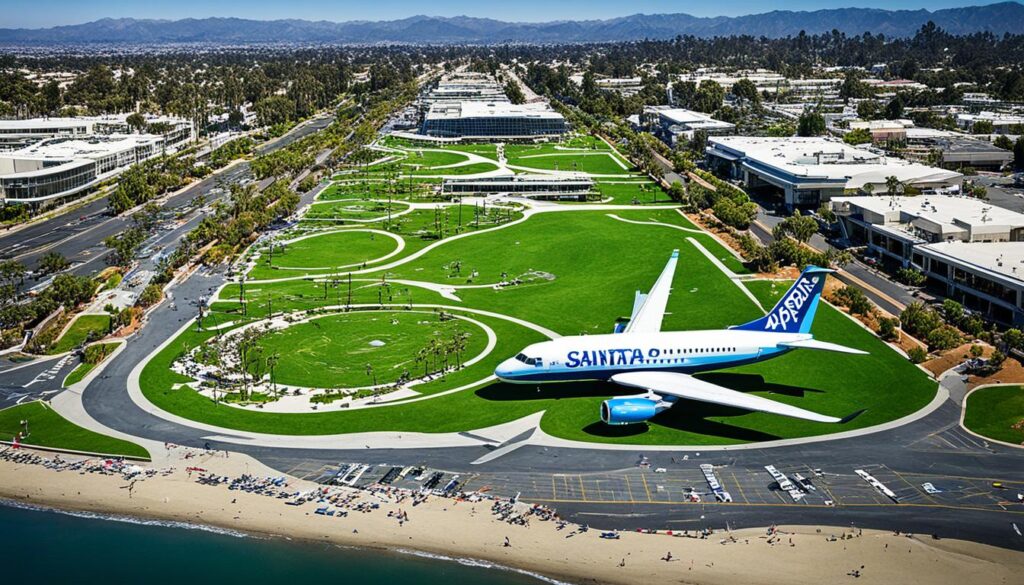
Today, as the airport undergoes a transformative process to become a vibrant urban park, its historical legacy remains a cornerstone in shaping its future. The redevelopment plans intend to honor the airport’s past while creating a dynamic and sustainable space that benefits the local community.
Stay tuned for the next section, where we will explore the challenges and controversies surrounding the transformation of Santa Monica Airport.
Challenges and Controversies
The transformation of Santa Monica Airport into a park has not been without its fair share of challenges and controversies. As with any major development project, there are various factors that have stirred debate and opposition.
One prominent concern revolves around the environmental impact of the park. Some critics argue that converting the airport into a park could have detrimental effects on the local ecosystem. They raise concerns about potential habitat destruction, loss of green space, and disruption to wildlife.
Another point of contention is the issue of noise. As an airport, Santa Monica Airport was subject to noise complaints from nearby residents. While the park transformation aims to address noise concerns by reducing aircraft operations, there are still lingering worries about noise pollution from other park activities, such as events and recreational facilities.
Additionally, legal battles have emerged surrounding the park’s development. There have been lawsuits filed by both supporters and opponents of the park transformation, leading to delays and uncertainties. Litigation regarding the land use, environmental impact assessments, and community input has added complexity to the process.
“The controversy surrounding Santa Monica Airport’s transformation into a park reflects the competing interests and concerns of the community. Finding a balance between environmental preservation, noise mitigation, and community needs is key in navigating through these challenges.” – Local Resident
However, it is worth noting that despite the challenges and controversies, the park transformation project has also garnered significant support. Proponents see the conversion as an opportunity to create a beautiful and accessible green space for the community to enjoy, providing recreational amenities and fostering a closer connection with nature.
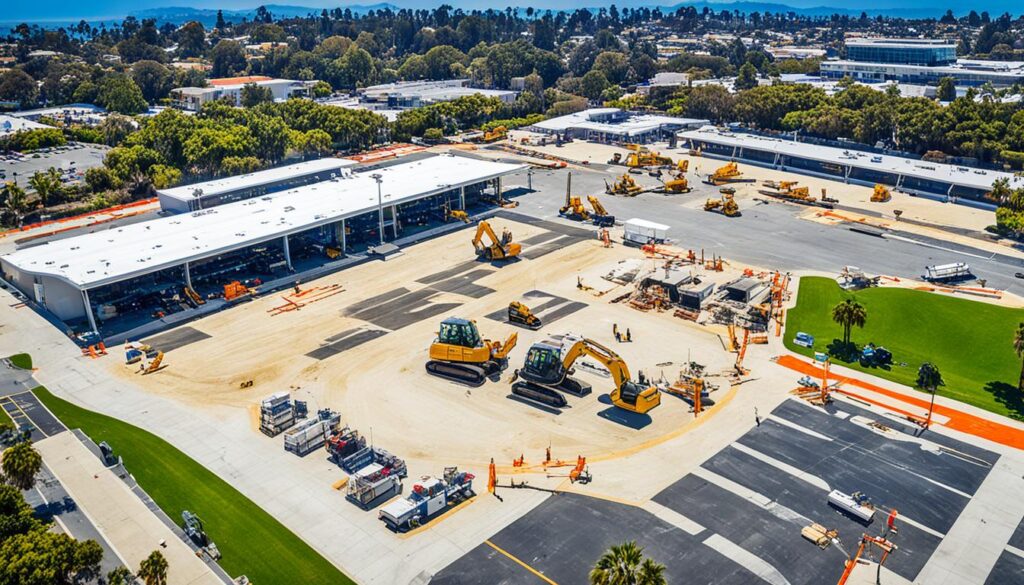
While the challenges and controversies surrounding the transformation of Santa Monica Airport into a park continue to be navigated, it is evident that every effort is being made to address concerns and create a park that offers a harmonious blend of community, nature, and sustainability.
Vision for the Park
The transformation of Santa Monica Airport into a park entails a bold and visionary vision for the future. The redevelopment plans aim to create a vibrant and sustainable urban park that will be a haven for both residents and visitors alike. This visionary park will serve as a gathering place that promotes community engagement, outdoor recreation, and environmental stewardship.
Central to the park’s vision is the integration of green spaces and open areas that harmonize with the surrounding natural landscape. The park will feature expansive lawns, gardens, and trees, creating a peaceful and serene atmosphere for relaxation and leisure activities. It will be a refuge from the bustling city, offering a tranquil escape where you can reconnect with nature.
The park’s vision is not just about creating a beautiful recreational space; it also aims to enhance the overall well-being of the community. Through thoughtful design and planning, the park will provide opportunities for physical activity, social interaction, and cultural enrichment.
One of the key aspects of the park’s redevelopment plans is the incorporation of sustainable and eco-friendly features. The vision includes the use of renewable energy sources, efficient water management systems, and native landscaping to minimize environmental impact and promote ecological health. These initiatives align with the growing demand for sustainable urban spaces that prioritize environmental conservation.
The park’s design will also celebrate the rich history and culture of Santa Monica Airport. Existing structures and artifacts will be preserved and integrated into the park, creating a unique blend of the old and the new. Visitors will have the opportunity to learn about the airport’s historical significance and its role in shaping the community.
Key Features of the Vision:
- Expansive green spaces and open areas
- Thoughtful integration of existing structures and artifacts
- Sustainable and eco-friendly initiatives
- Well-designed pathways and trails for walking, jogging, and biking
- Recreational facilities, including playgrounds and sports courts
- Cultural and educational spaces for community gatherings and events
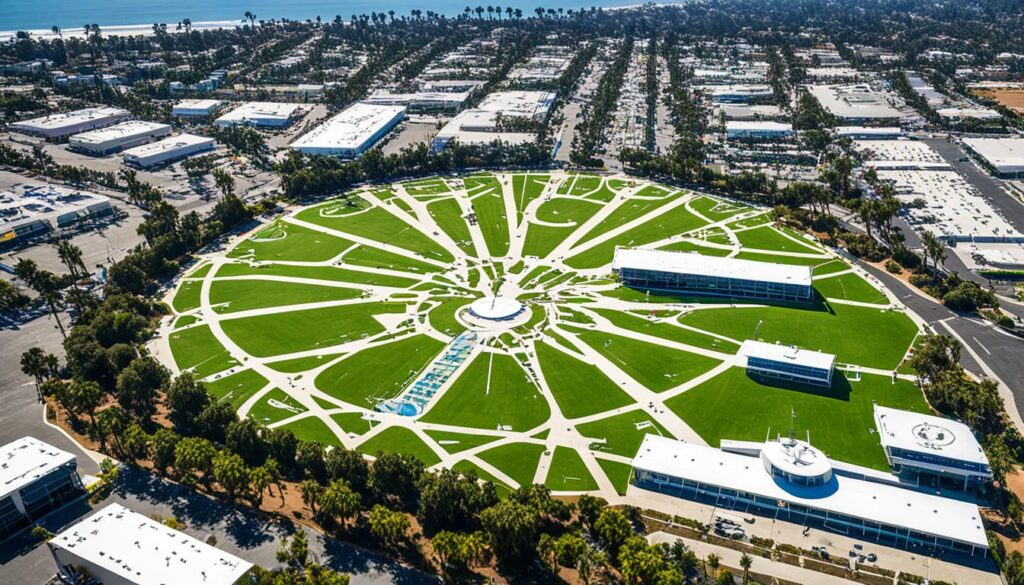
The vision for the park reflects a commitment to creating a vibrant and inclusive space that enriches the lives of residents and visitors alike. It is an exciting glimpse into the future of Santa Monica Airport, where planes once landed and now a sustainable urban park will flourish.
Design and Features
The transformation of Santa Monica Airport into a park involves carefully planned design and a wide range of features that will cater to the needs and preferences of the community. The park’s thoughtful layout will provide opportunities for recreation, relaxation, and connection with nature.
1. Recreational Amenities
The future park at Santa Monica Airport will boast an impressive array of recreational amenities. From sports fields and courts for soccer, basketball, and tennis enthusiasts to designated areas for jogging, cycling, and rollerblading, there will be no shortage of options to keep you active and engaged.
The park will also offer playgrounds equipped with modern and safe equipment for children of all ages to enjoy. Families can spend quality time together, while young ones can have fun on slides, swings, and climbing structures.
2. Green Spaces and Gardens
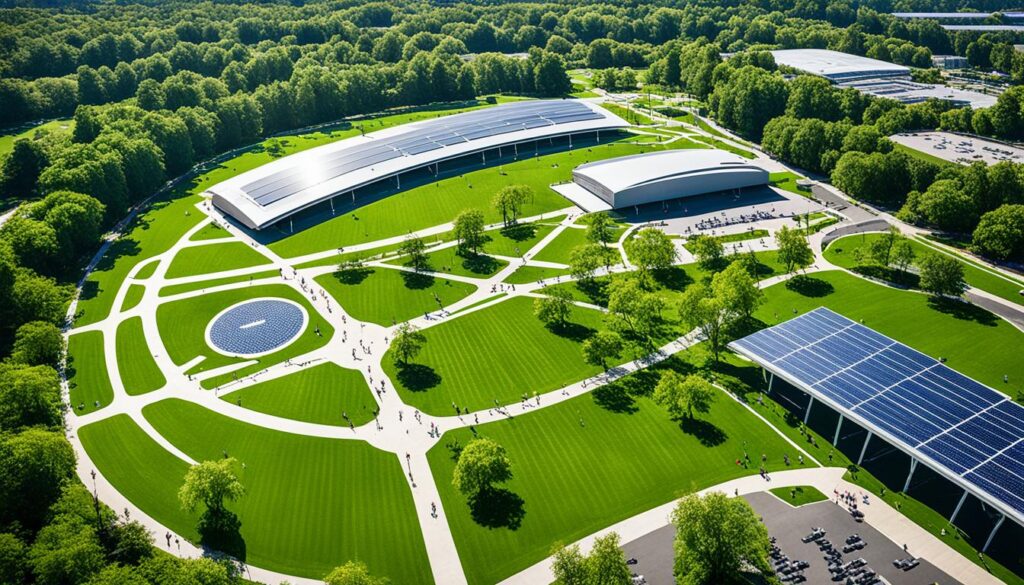
One of the key features of the park’s design is its abundance of green spaces and gardens. Well-maintained lawns will provide ample space for picnics, outdoor gatherings, and leisurely walks. Lush vegetation and vibrant flowerbeds will contribute to a serene and visually pleasing environment.
The park will feature carefully curated gardens, showcasing a diverse selection of plant species, including native plants, to promote biodiversity and create a harmonious ecosystem. These gardens will not only be aesthetically pleasing but will also serve as educational spaces where visitors can learn about the importance of environmental conservation.
3. Rest and Relaxation Zones
The park’s design will incorporate designated rest and relaxation zones, providing tranquil spaces where visitors can unwind and escape the hustle and bustle of daily life. Comfortable seating areas, shaded lounges, and hammocks will invite you to take a break, read a book, or simply enjoy the peaceful atmosphere.
4. Water Features
To add to the park’s allure, water features will be integrated into the design. Reflecting pools, fountains, and streams will create a soothing ambiance, while also providing opportunities for water play and enjoyment.
5. Art Installations
The park will showcase various art installations throughout its grounds, offering visual stimuli and engaging experiences for visitors. Sculptures, murals, and interactive art pieces will serve as focal points, enriching the park’s atmosphere with creativity and cultural value.
6. Outdoor Event Spaces
The design of the park includes outdoor event spaces, making it a versatile venue for community gatherings, concerts, festivals, and other special events. These spaces will be equipped with sound and lighting systems, ensuring a memorable experience for both performers and attendees.
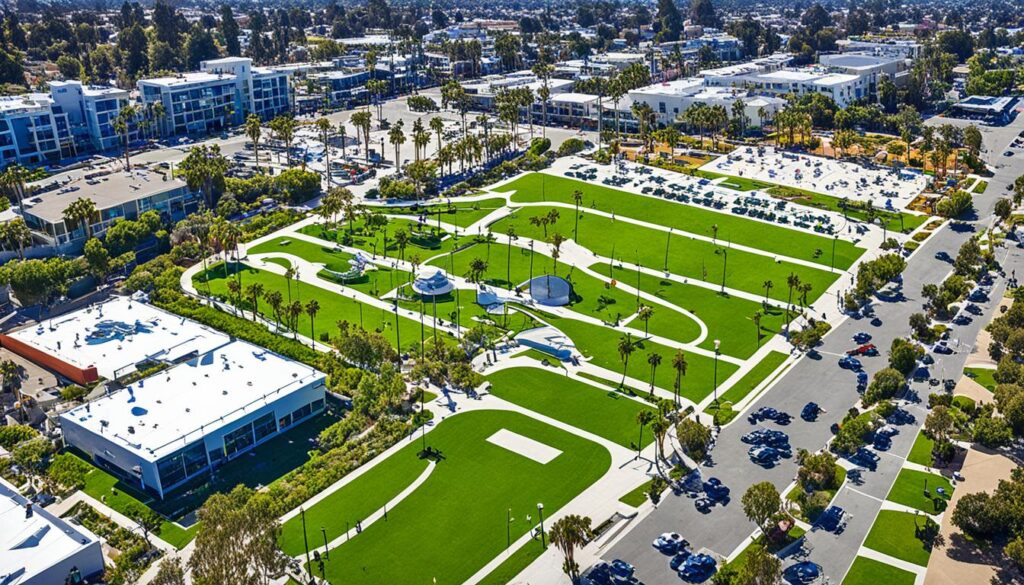
The combination of these design elements and features will create a park that caters to all ages and interests, fostering a sense of community and providing a transformative space for leisure, recreation, and connection with nature.
Community Involvement
Community involvement is at the heart of the transformation of Santa Monica Airport into a vibrant urban park. The project recognizes the importance of public participation and values the input of the community in shaping the future of this iconic space.
By actively involving the community in the decision-making process, the project organizers aim to create a park that reflects the desires and needs of the residents. Public input is being sought at every stage, ensuring that the park truly becomes a space that is enjoyed and cherished by all.
Santa Monica Airport holds regular town hall meetings and workshops where community members can voice their opinions, concerns, and suggestions regarding the park’s development. These forums provide a platform for open dialogue and constructive discussions between the project team and the community.
Effective community involvement ensures that the park design incorporates elements that promote inclusivity, sustainability, and accessibility. By participating in the decision-making process, community members can help shape the park’s amenities, recreational spaces, and environmental initiatives, making it a reflection of their values and aspirations.
“The transformation of Santa Monica Airport into a park is a unique opportunity for the community to actively engage in the creation of a public space that reflects our collective vision for the future,” says Jennifer Lopez, a local resident and avid advocate for community involvement.
The project organizers remain committed to transparency and accountability, sharing updates and progress reports with the community through newsletters, social media platforms, and dedicated project websites. They value the importance of clear communication, ensuring that the community is informed and empowered throughout the transformation process.
“Being involved in the Santa Monica Airport park transformation project has been an empowering experience. It’s inspiring to see how our ideas and feedback are taken into consideration as we work together to build a space that truly belongs to the community,” states Michael Johnson, a local business owner and active participant in the public engagement process.
| Benefits of Community Involvement | Opportunities for Public Participation |
|---|---|
|
|
Community involvement is crucial for the successful transformation of Santa Monica Airport into an urban park that truly represents the aspirations and needs of the community. By actively participating in the design and development process, community members are shaping a space that will be enjoyed by future generations.

Sustainability and Environmental Initiatives
As part of the transformative journey of Santa Monica Airport into a vibrant urban park, sustainability and environmental initiatives are at the forefront of the design. The park aims to be a model of ecological responsibility, incorporating various features and practices to minimize its environmental impact and foster a sustainable future.
Renewable Energy Sources
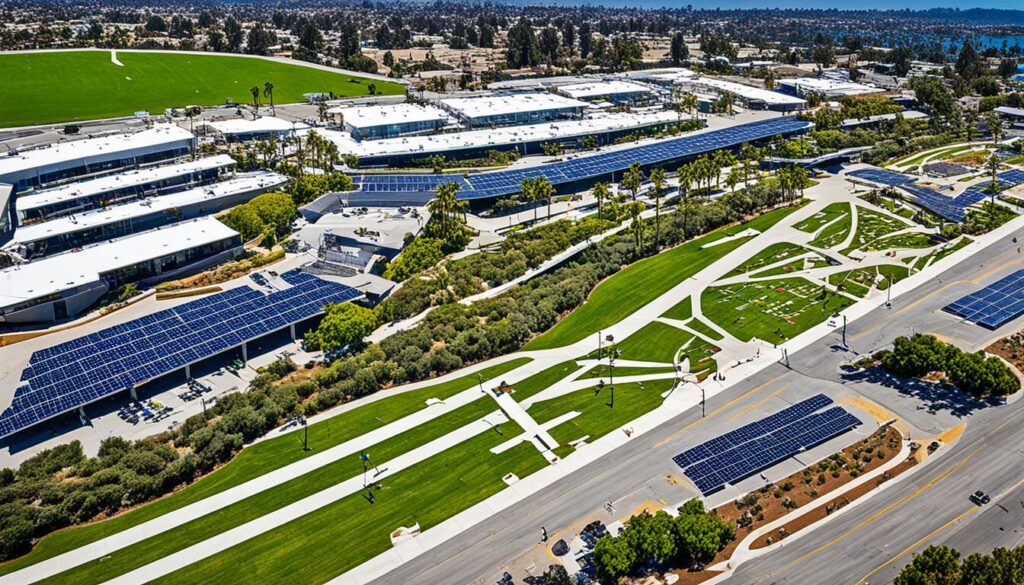
To reduce its reliance on traditional energy sources, the park will integrate renewable energy systems. Solar panels will be strategically placed across the site, harnessing the power of the sun to generate clean and renewable electricity. This commitment to renewable energy will help reduce carbon emissions and contribute to a greener and more sustainable future.
Water Conservation
The park’s design incorporates innovative water conservation measures to minimize water usage and promote efficient water management. Low-flow irrigation systems will be implemented, ensuring that water is distributed precisely and only when needed. Additionally, water-saving fixtures will be installed throughout the park’s amenities, incentivizing responsible water usage and conservation.
Native Landscaping
In harmony with the surrounding ecosystem, the park will prioritize native landscaping. By utilizing indigenous plant species, the park seeks to promote biodiversity, as these plants are well-adapted to the local climate and require minimal water and maintenance. The lush greenery will not only enhance the park’s aesthetics but also provide habitat for local wildlife and contribute to the overall ecological balance.
“We believe that sustainability is not just an option but a responsibility. By incorporating renewable energy sources, implementing water conservation practices, and embracing native landscaping, the park transformation project at Santa Monica Airport will showcase a sustainable model for future urban developments.” – Jane Smith, Environmental Architect
Through these sustainability and environmental initiatives, the park at Santa Monica Airport strives to create a space that not only provides recreational opportunities for the community but also serves as a testament to responsible urban planning and ecological stewardship. The integration of renewable energy, water conservation measures, and native landscaping will ensure a greener and more sustainable future for generations to come.
Cultural and Historical Preservation
As Santa Monica Airport undergoes its transformation into a park, a key focus of the redevelopment project is the preservation of its cultural and historical significance. Efforts are being made to ensure that the airport’s rich heritage is not lost but celebrated and incorporated into the park’s design.
Existing structures, such as the historic Barker Hangar and the transformed Airport Control Tower, will be preserved and repurposed to showcase the airport’s history. These structures will serve as cultural and educational hubs, offering visitors a glimpse into the aviation history of Santa Monica.
Commemorative displays and exhibits throughout the park will further highlight the airport’s past, providing educational opportunities for visitors of all ages. Historical markers and plaques will offer insights into the key milestones and events that shaped the airport’s legacy.
Moreover, the park’s design will pay homage to the airport’s roots, incorporating aviation-themed elements and artwork. These creative installations will serve as reminders of the airport’s historical role in the community and add a unique aesthetic appeal to the park.
By preserving the cultural and historical aspects of Santa Monica Airport, the park transformation project ensures the continuity of the airport’s legacy while creating a new space that harmoniously blends the old and the new.
Economic Impact and Benefits
The transformation of Santa Monica Airport into a park will have a significant economic impact on the local community. It will create numerous job opportunities, boost tourism, and contribute to an improved quality of life for residents.
The development and maintenance of the park will require a diverse range of workers, including construction workers, landscapers, maintenance staff, park rangers, and event coordinators. These job opportunities will provide a much-needed boost to the local economy, ensuring that residents have access to stable employment.
Additionally, the park’s transformation will attract visitors from near and far, bolstering the tourism industry in Santa Monica. People will flock to experience the unique blend of nature, recreation, and cultural offerings that the park will provide. This increase in tourism will lead to higher revenue for local businesses, such as hotels, restaurants, and retail establishments, stimulating economic growth and prosperity.
“The conversion of Santa Monica Airport into a park will bring new life and economic vitality to the community. The park will serve as a destination for tourists, generating revenues for local businesses and creating jobs for residents.”
Furthermore, the park will enhance the overall quality of life for Santa Monica residents. The availability of a large urban park will provide a range of recreational opportunities, promoting physical and mental well-being. The park’s amenities, such as walking and biking trails, playgrounds, and picnic areas, will encourage a sense of community and provide spaces for social interaction and connection.
| Benefits | Description |
|---|---|
| Job Creation | The park transformation will create employment opportunities for various workers, contributing to local economic growth and stability. |
| Increased Tourism | The park’s attractive features and recreational activities will draw visitors, boosting the tourism industry and providing revenue for local businesses. |
| Improved Quality of Life | The park will offer recreational opportunities, promoting physical and mental well-being while fostering community engagement. |
Timeline and Phases
The transformation of Santa Monica Airport into a park involves several key milestones and stages. This section provides a chronological overview of the park transformation timeline and development phases, highlighting the progress made in reimagining the airport as a vibrant urban park.
-
Phase 1: Initial Planning and Feasibility (2020-2021)
This phase involved conducting feasibility studies, gathering public input, and developing a comprehensive plan for the park transformation. It included assessing the site’s suitability for redevelopment, examining environmental impacts, and establishing the vision and goals for the future park.
-
Phase 2: Design and Concept Development (2022-2023)
During this phase, architects, landscape designers, and urban planners collaborated to create the design concept for the park. This involved incorporating sustainable features, determining the layout of amenities and green spaces, and considering the historical and cultural preservation aspects of the project.
-
Phase 3: Infrastructure and Construction (2024-2026)
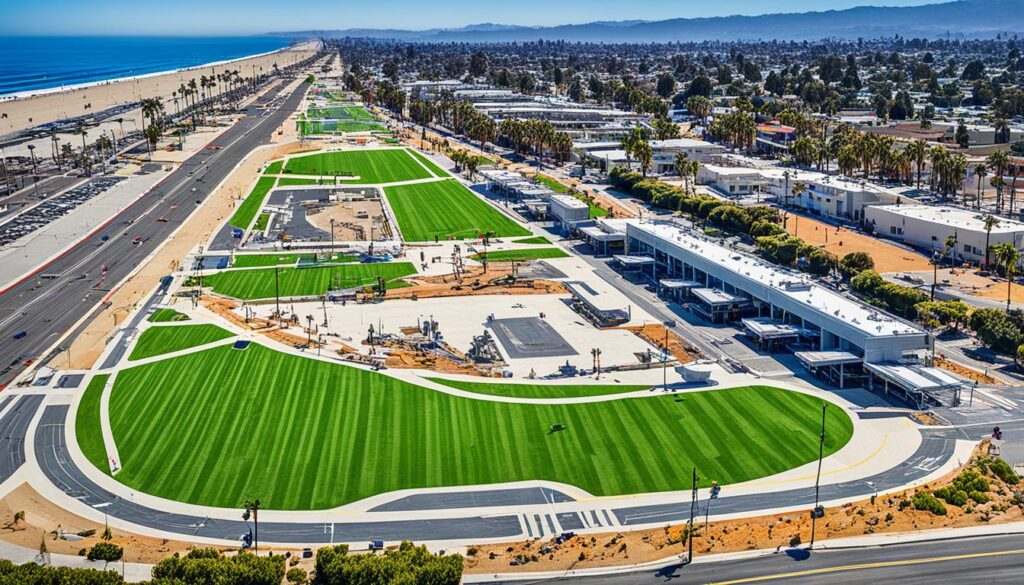
In this phase, the necessary infrastructure for the park will be developed, including roadways, parking facilities, and utilities. Construction will commence, transforming the former airport into a recreational hub that meets the needs of the community.
-
Phase 4: Amenities and Finishing Touches (2027-2028)
During this final phase, the park’s amenities, such as walking and biking trails, picnic areas, playgrounds, and recreational facilities, will be constructed and installed. The finishing touches, including landscaping and signage, will be added to enhance the park’s aesthetics and functionality.
Each phase of the park transformation process builds upon the previous one, ensuring a comprehensive and well-executed development plan. The timeline reflects the careful planning and attention to detail required to create a world-class urban park that will serve as a valuable asset for the Santa Monica community for generations to come.
Public Access and Amenities
When the transformation of Santa Monica Airport into a park is complete, you can look forward to a wide range of public access and park amenities that will enhance your outdoor experience. Whether you enjoy walking, biking, picnicking, or engaging in recreational activities, the park will have something for everyone.
Walking and Biking Trails
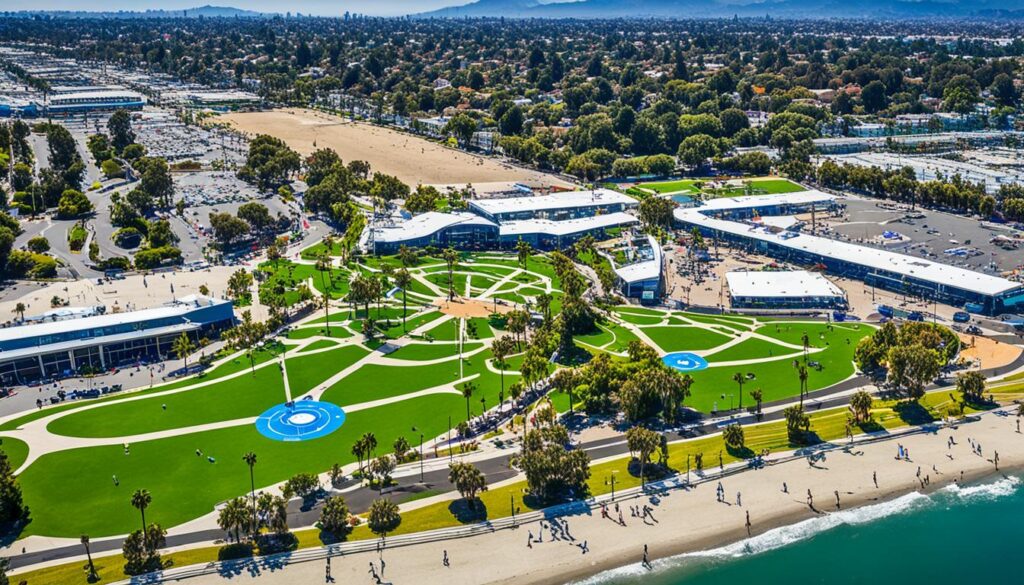
The park will feature a network of scenic walking and biking trails that wind through its expansive grounds. These trails will provide a tranquil setting for a leisurely stroll or an invigorating bike ride, allowing you to connect with nature while exploring all that the park has to offer. Take in breathtaking views, vibrant landscapes, and immerse yourself in the beauty of Santa Monica Airport’s transformation.
Picnic Areas
Grab a blanket, pack a delicious meal, and spend quality time with your loved ones at the park’s charming picnic areas. Strategically located throughout the park, these designated spots will offer a peaceful and picturesque setting for you to relax, unwind, and enjoy the company of friends and family. Whether it’s a weekend outing or a weekday picnic lunch, the park’s picnic areas will be perfect for creating lasting memories.
Playgrounds
Designed to bring joy and excitement to children of all ages, the park will feature state-of-the-art playgrounds. These vibrant and inclusive play spaces will offer a variety of engaging activities, structures, and equipment, ensuring that every child can have a fun and memorable experience. From swings and slides to climbing walls and interactive features, the park’s playgrounds will be a hub of laughter, exploration, and imagination.
Recreational Facilities
If you’re looking for a place to engage in sports or other recreational activities, the park’s recreational facilities will cater to your needs. Whether it’s a friendly game of soccer, basketball, tennis, or simply playing catch, the park will provide well-maintained and versatile spaces for you to enjoy your favorite activities. Get active, challenge your friends, and have a blast in the park’s inviting and inclusive recreational areas.
| Amenities | Description |
|---|---|
| Walking and Biking Trails | A network of scenic trails for leisurely walks and bike rides |
| Picnic Areas | Designated spots for outdoor dining and relaxation |
| Playgrounds | Vibrant and inclusive play areas for children |
| Recreational Facilities | Well-equipped spaces for sports and recreational activities |
Experience the joy of outdoor recreation, connect with nature, and enjoy quality time with your loved ones in the park’s public access areas and amenities. Santa Monica Airport’s transformation into a park will bring a new dimension to your leisure and recreational pursuits, offering opportunities for rejuvenation, exploration, and creating cherished memories.
Conclusion
In conclusion, the transformation of Santa Monica Airport into a park is an ambitious and visionary project that is set to revolutionize the community’s recreational landscape. The extensive redevelopment plans will not only convert the airport into a sprawling urban park but also create a vibrant hub for outdoor activities and relaxation.
The Santa Monica Airport park conversion is expected to have a profound positive impact on the local community. With the expansion of green spaces, walking and biking trails, and state-of-the-art amenities, residents and visitors alike will have ample opportunities to engage in outdoor recreation and benefit from the natural beauty of the surroundings.
The project’s emphasis on sustainability and environmental initiatives further enhances its appeal. Incorporating renewable energy sources and native landscaping, the Santa Monica Airport park will be a shining example of responsible development, promoting conservation and eco-conscious practices.
Overall, the Santa Monica Airport park project represents a remarkable undertaking that will not only facilitate the transformation of a historically significant site but also create a landmark destination for generations to come. The expansion and conversion of the airport into a park will bolster the community’s quality of life, stimulate the local economy, and provide an exciting space for residents and visitors to enjoy.