Rurrenabaque’s Rainforest Riches: A Jungle Adventure
Imagine stepping into a world teeming with life, where every turn is a discovery. Here, you can connect with nature and help protect it too.
Your journey starts in Rurrenabaque, Bolivia, a gateway to Amazon Rainforest Tours and Adventure Travel in Bolivia. This beautiful town lies deep in the Amazon basin. It leads to the wild beauty of Madidi National Park. You can get there by a thrilling plane ride from La Paz or a long 18-hour bus trip across the Andes.
The experience in Rurrenabaque Adventure is truly one-of-a-kind. You can enjoy peaceful river cruises and exciting jungle treks. This town offers a mix of culture and adventures that let you meet amazing wildlife. Picture yourself seeing animals like capybaras, caimans, and pink river dolphins in one visit.
If you love eco-friendly travel or crave adventure, you must visit Rurrenabaque. By exploring this pristine place, you enjoy a great adventure and help save a vital eco-area. So, are you ready to discover the Amazon’s hidden jewels?
Introduction to Rurrenabaque
Rurrenabaque is a unique gateway to the Bolivian Amazon, offering adventure and peace. It’s located on Bolivia’s northern edge, making it a key entry to Madidi National Park’s lush landscapes. Here, travelers find a vibrant ecosystem bursting with life.
Location and Accessibility
Rurrenabaque is easy to reach with a scenic flight from La Paz. The flight is short, around thirty minutes, and costs about £80. For adventure seekers, a bus journey is available. While it takes up to twenty-six hours, it showcases Bolivia’s stunning landscapes. Rurrenabaque is a major hub for Amazon adventures.
Best Time to Visit
The best time for Rurrenabaque tours is from May to October, in the dry season. Travelers will find paths easier to navigate and see more wildlife. The area draws around thirty thousand visitors each year, making it a favorite among nature lovers. During these months, the weather is perfect for exploring either the jungle or the pampas.
Madidi National Park: A Biodiversity Hotspot
Madidi National Park is a unique place in the Bolivian Amazon basin. Covering 7,320 square miles, it was created in 1995 for conservation. The park is home to an amazing variety of species, making it very special.
Flora and Fauna
In Madidi, over 20,000 plant species and 120,000 insect species flourish in its forests. The park also shelters 272 mammal species. Here, you might see jaguars, pumas, and even spectacled bears.
Its waters are home to pink river dolphins and caimans, and even the great anaconda. This shows the rich biodiversity of the Amazon in the park.
For bird lovers, Madidi is a paradise with 1,254 bird species. That’s about 14% of the world’s total. From macaws to toucans and hummingbirds, the birdlife adds color to Bolivia’s wildlife.
Conservation Efforts
Madidi is protected through careful conservation work. Efforts focus on keeping its biodiversity safe. The park works with local communities and organizations to fight illegal activities and manage tourism.
The park is home to 46 indigenous communities, some remote and untouched. Conservation includes working with these communities. They help use sustainable practices and protect their homes.
Projects that monitor species, reforest, and educate on Madidi’s value are key. This work is crucial for the park’s future and the preservation of its biodiversity.
| Category | Statistics |
|---|---|
| Plant Species | 20,000+ |
| Mammal Species | 272 |
| Bird Species | 1,254 |
| Reptile Species | 204 |
| Fish Species | 496 |
| Amphibian Species | 213 |
| Insect Species | 120,000+ |
| Butterfly Species | 1,000+ |
Eco-Tourism in Rurrenabaque
Rurrenabaque is a hidden gem at the southern edge of the Amazon rainforest in Bolivia, famous for eco-tourism. It is recognized for Sustainable Travel practices. Eco-lodges like Mashaquipe Eco Tours and Madidi Jungle Lodge focus on caring for the environment and helping the community.

Eco-Lodges and Sustainable Practices
Eco-lodges in Rurrenabaque are key for Bolivia’s Eco-Tourism. Places like San Miguel del Bala Ecolodge have greatly improved sustainability. With marketing support from Solimar in 2011, the lodge saw a 57% jump in sales. This led to 826 more workdays for 62 local families involved in tour activities.
Organizations such as Mashaquipe Eco Tours offer sustainable travel services in Madidi National Park and the Pampas of Yacuma since 2004. Their eco cabins, built from local materials, allow guests to connect closely with local wildlife and plants.
Community-Based Tourism
In Rurrenabaque, community-based tourism lets visitors meet indigenous communities, offering both economic and cultural benefits. Indigenous Tacana families own Mashaquipe Eco Tours. They’ve created tourism programs that lower environmental impact and increase enjoyment. Taking part in these programs helps the local economy and helps travelers learn about local traditions and lifestyles.
Solimar has also boosted business growth, entrepreneurship, and service quality in tourism. This aids both tourists and local residents. Their focus on equal chances for indigenous men and women improves social and economic inclusion.
Pampas Tours: An Alternative Adventure
Pampas Tours are an exciting alternative to the usual jungle trek. They let visitors explore the river systems and huge grasslands near Rurrenabaque. You will see wildlife like capybaras, anacondas, and caimans up close. While cruising the Beni River, you’ll learn about the aquatic ecosystems and their role in supporting local life.

Wildlife Encounters
Pampas Tours are known for their wildlife sightings. In just three days, you might see pink river dolphins, alligators, caimans, anacondas, turtles, and capybaras. The area is full of piranhas and monkeys, perfect for wildlife safaris. Bird lovers will enjoy the unique birds that live only in the Bolivian Amazon.
Experiencing the River Systems
The river systems near Rurrenabaque offer a unique adventure. On Pampas Tours, you’ll go on Bolivian River Cruises. You’ll glide through calm waters surrounded by greenery. These cruises let you see how ecosystems work, from small insects to big anacondas. They also give you a chance to fish for piranhas, making for a thrilling time in the Bolivian Amazon.
| Tour Type | Duration | Common Sightings |
|---|---|---|
| Pampas Tours | 3 Days | Anacondas, Capybaras, Caimans |
| Jungle Tours | 3 Days | Monkeys, Wild Pigs, Tarantulas |
| Combo Tours | 5 Days (3 Pampas + 2 Jungle) | Wide Range of Fauna and Flora |
Choosing the Right Adventure Package
Adventure seekers heading to Rurrenabaque can pick from different tour packages. Each package offers unique experiences to match your adventure level and comfort. It’s essential to choose an Adventure Travel Package that meets your needs for the best trip.
Full Survival vs. Semi-Survival Camping
If you love raw nature encounters, Jungle Survival Tours are perfect. Full survival tours push you to find food and build shelters for a deep jungle experience. Semi-survival camps offer a softer start with basics like mosquito nets and tarps. Both let you connect with nature and learn survival skills.
Standard Tours and Amenities
For a relaxed adventure, Bolivia Camping Trips have standard tours. They include comfortable places to stay and guided tours. You’ll get medical help, transfers, and English-speaking guides to make your jungle trip better. These tours promise unforgettable experiences with expert guides who know the jungle well.
To decide, check out this comparison of Adventure Travel Packages:
| Package Type | Key Features | Amenities | Price |
|---|---|---|---|
| Full Survival | Foraging for food, shelter construction | None | $533 |
| Semi-Survival | Basic provisions (nets, tarps) | Emergency support | $381 |
| Standard Tour | Comfortable accommodations, guided excursions | Medical assistance, transfers, guides | $533 |
No matter which package you pick, your adventure in Rurrenabaque will be thrilling and memorable.
Exploring the Local Culture
Rurrenabaque is 266 miles northeast of La Paz. It gives a unique look into Bolivian Indigenous Culture. You see vibrant traditions and old customs, showing true Rurrenabaque life.
Indigenous Guides and Their Insights
To dive into Bolivian culture, take Cultural Tours with native guides. These guides know a lot. They help visitors understand the local lifestyle.
You learn about traditional hunting, medicinal plants, and important rituals. These tours highlight how people and nature live together in Madidi National Park. This park has nearly 900 bird species and about 150 types of mammals.
Local Villages and Traditions
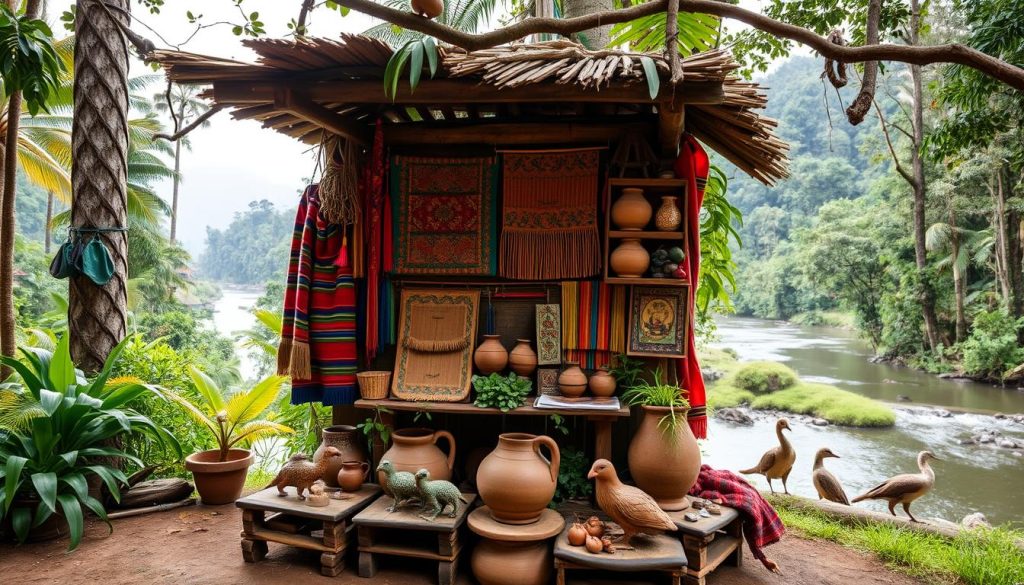
Visiting remote villages around Rurrenabaque is eye-opening. Over 40 indigenous tribes live here. You can try weaving, pottery making, and farming.
Many villages are in Madidi National Park, covering 18,958 square kilometers. Joining locals in their routines connects you deeply with Rurrenabaque life. This enriches your cultural knowledge.
These Cultural Tours in Rurrenabaque show nature and tradition together. They make your Bolivian trip unforgettable.
Wildlife of the Bolivian Amazon
The Bolivian Amazon, which you can enter through Rurrenabaque, is a must-see for nature lovers. It’s known for its wide variety of living creatures. Here, you can watch many Amazon Rainforest Animals right in their own home.
Spotting Anacondas and Caimans
The Bolivian Amazon is an exciting place, offering close-up encounters with amazing animals. In the Pampas area, you can see anacondas and caimans. These reptiles are often found sunning themselves on riverbanks or hiding in the water. Seeing them in real life brings a mix of joy and amazement to the adventure.
Bird Watching and Mammal Sightings
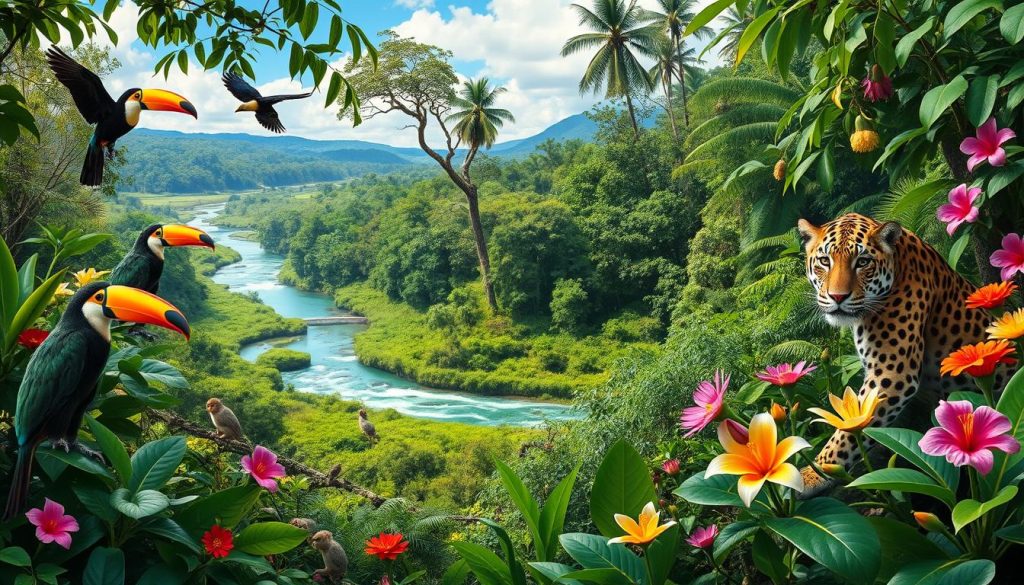
If you love birds, the Bolivian Amazon is a dream. It has lots of bird kinds, including the bright macaws and the hard-to-find toucans. Bird watchers have great chances to see these special birds in their tours. The Bolivian Amazon also has big animals like tapirs and sometimes even pumas. Spotting them makes for an unforgettable wildlife watching experience.
| Activity | Average Cost | Duration |
|---|---|---|
| Amazon Wildlife Tours | $175 USD | 2 to 3 Days |
| Bird Watching in Bolivia | $100 USD | 1 Day |
| Anaconda and Caiman Spotting | $75 USD | Half-Day |
Starting an Amazon Wildlife Tour in Rurrenabaque is an adventure and a peaceful break in nature’s special place. Remember to pack essentials like cash, bug spray, and waterproof boots for a smooth and fun trip.
The Art of Jungle Survival
Learning Jungle Survival Skills is crucial for those exploring Rurrenabaque’s rainforest. Whether guided by experts or local wisdom, these skills prepare you for emergencies. They also let you dive deeply into the Amazon’s life.
Building Shelters and Finding Food
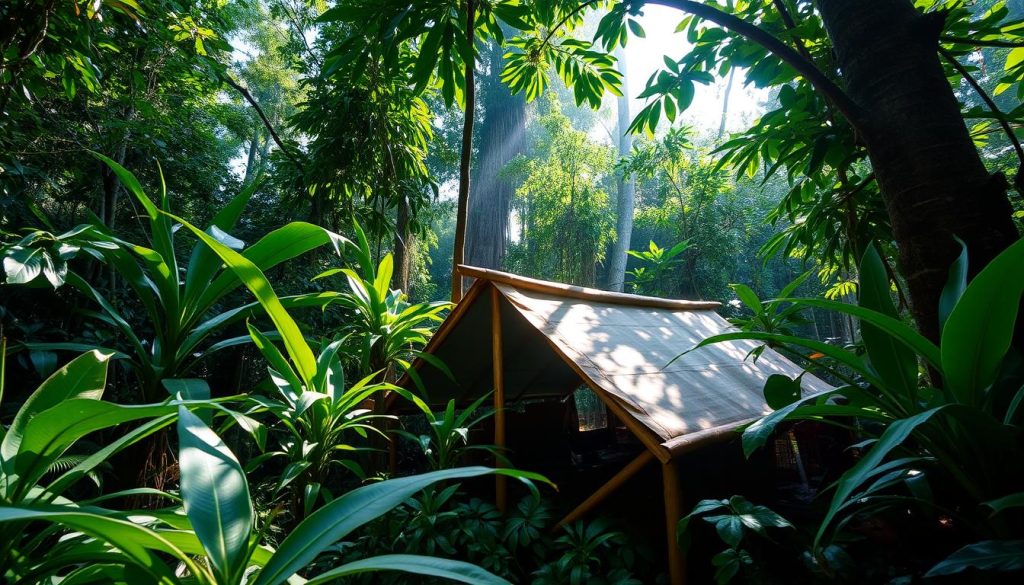
Creating a shelter is key to surviving in the jungle. Madidi National Park is home to over 12,000 plant species. You can use palm leaves and bamboo to build a strong shelter. Survival experts show how to make shelters that weather storms well.
Figuring out how to find food is also vital. You can eat many plants, fruits, and insects in the Amazon. Learning about these foods boosts your survival skills.
Using Natural Remedies
The rainforest is full of natural healing options. Indigenous tribes have used plants for healing for hundreds of years. These plants can treat everything from fevers to bug bites. Knowing about these remedies helps you survive and respect Rurrenabaque’s ecosystem.
Practicing these survival techniques makes your trip richer. It builds a strong bond with nature. Take in the wisdom of the locals and experts to improve your jungle expedition.
Thrills and Chills: Swimming with Pink Dolphins
Swimming with dolphins in Rurrenabaque is a unique wildlife experience. Especially with the pink river dolphins of the Bolivian Amazon. Imagine jumping into warm river water and being greeted by friendly, pink dolphins.
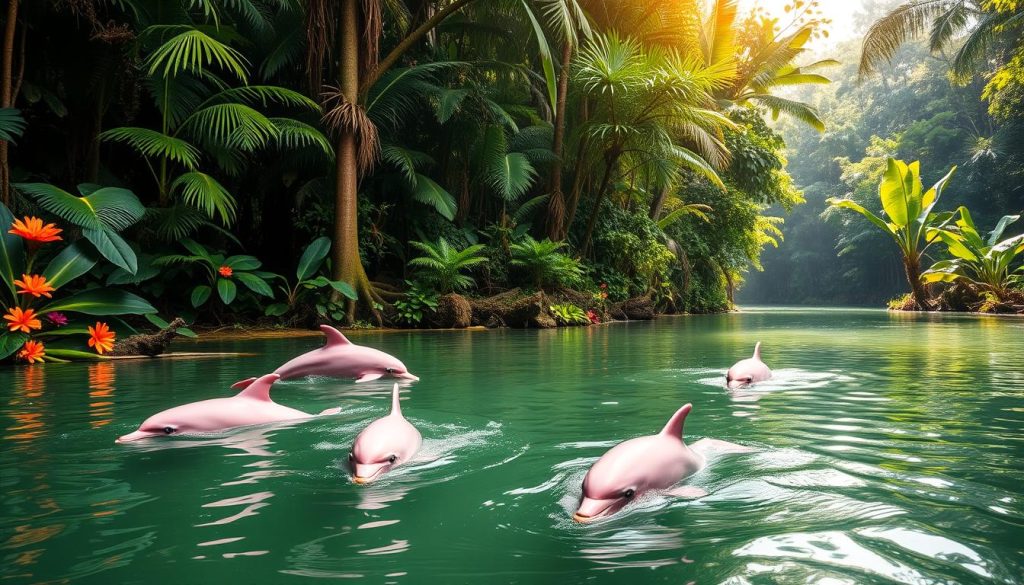
The pink river dolphins love to play, creating a magical dance of curiosity and joy with swimmers. This lets you see how they behave naturally and shows why we must protect their home. It’s thrilling and teaches us to cherish the Amazon’s wildlife.
Local guides teach how to interact with the dolphins responsibly. They emphasize protecting the dolphins’ home. Their dedication to conservation helps keep this experience for future visitors, preserving these precious wildlife moments.
To enjoy the unique wildlife experience even more, visit when the conditions are best. Warm waters and clear visibility will make your time with the pink river dolphins unforgettable. For those who love wildlife or seek adventure, Rurrenabaque offers a connection with nature that is both deep and exciting.
| Fact | Detail |
|---|---|
| Distance Covered on Road Trip | 3000km |
| Duration of Road Trip | One month |
| Average Night Cost on Campground | £10 per person |
| Average Cost for 2-Course Meal | £20 per person |
| Maximum Daily Driving Duration | 3 hours |
| Main Industries | Wildlife Cruises, Whale Watching, Scenic Flights |
Challenges and Precautions
Going on a jungle trip to Rurrenabaque needs you to think about some challenges and safety steps. This is to ensure your journey is both safe and full of adventure. We’ll give you vital safety tips for traveling in Bolivia and for your jungle adventure.
Health and Safety Tips
- Vaccinations: Make sure you’ve got all the needed vaccinations, like Yellow Fever and Typhoid, before going to Bolivia. A visit to a travel clinic will tell you about any extra shots you might need for the Amazon region.
- Insect Repellent: Pick strong insect repellents with DEET to keep mosquito bites away. Mosquitoes can carry diseases like malaria and dengue fever. They are most active at dawn and dusk.
- Medical Kit: Bring a packed medical kit. It should have important medications, antiseptics, bandages, and any personal prescriptions. Talk to a healthcare provider to make sure you have everything for the trip.
- Water and Food Safety: Always drink bottled or purified water. Avoid ice in your drinks. Eat meals that are well-cooked and from places you can trust to stay away from foodborne diseases.
Dealing with Weather and Insects
In Bolivia’s Amazon, you’ll find a tropical climate that can change quickly and affect your plans. Here are tips to handle these environmental challenges:
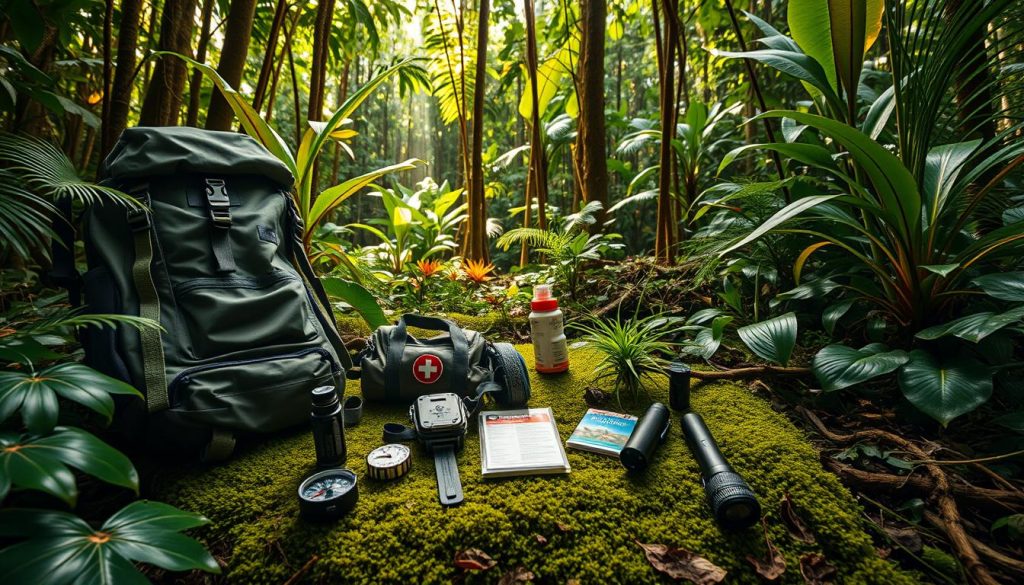
- Weather Preparedness: Bring clothes that are right for the weather, including light rain gear, waterproof boots, and clothes that dry quickly. Remember, the wet season goes from November to March.
- Insect Protection: Besides repellent, wear long sleeves and pants with permethrin for more protection. Sleeping under mosquito nets can also help avoid bites.
| Challenge | Precaution |
|---|---|
| Sudden weather changes | Carry rain gear and waterproof clothing |
| Insect bites | Use strong insect repellent and wear long sleeves |
| Health risks | Keep vaccinations up-to-date and pack a medical kit |
| Food and water safety | Drink bottled water and eat well-cooked meals |
Following these safety tips and knowing the health guidelines for Bolivia helps you have a safer and unforgettable jungle adventure. Good planning and being careful are key to dealing with the challenges of this beautiful area.
Rurrenabaque, Bolivia: Gateway to Amazon Adventures
Rurrenabaque is known as the Gateway to the Amazon. It’s a lively town perfect for those wanting to explore the Bolivian rainforest. This place is your go-to for starting jungle tours. You can head to places like Madidi National Park from here, a well-kept wild area.
Staying in Rurrenabaque is easy, thanks to many lodging choices. Prices for a night’s stay range from 35 to 150 bolivianos. This often includes breakfast and free Wi-Fi. Travelers can fly or take a bus from La Paz to get here. Flights cost around US$90 one way, and buses are cheaper at 90 bolivianos. However, bus travel has its risks, especially when it’s rainy.
In Rurrenabaque, you can pick from different tours. A favored option is the 3-day Amazon trip that costs about 1300 bolivianos. For a deeper dive into the jungle, consider the Madidi Jungle Ecolodge’s 7-day adventure. This place is supported by local tribes and offers the chance to see the rainforest’s beauty up close. Expect a 3-hour boat journey to get there and enjoy activities like exploring and spotting wildlife.
| Expense | Cost (Bolivianos) | Details |
|---|---|---|
| Lodging | 35-150 | Includes breakfast and free Wi-Fi |
| Amazon Tour (3 days/2 nights) | 1300 | Comprehensive tour package |
| Flight (La Paz to Rurrenabaque) | Approx. 630 | US$90 each way |
| Shuttle (Airport to town) | 10 | Convenient transfer option |
| Bus (La Paz to Rurrenabaque) | 90 | Cost-effective but seasonal risks |
Rurrenabaque is more than just a place. It’s an adventure hub waiting to be explored in Bolivia. It offers a bridge between the wild Amazon and curated tourist experiences. Here, you can find wildlife, indulge in the culture, and feel the thrill of the jungle.
Conclusion
In Rurrenabaque, you gather not just memories but also an appreciation for nature and human balance. It’s at the Beni River’s edge and opens the door to the Bolivian Amazon and Madidi National Park. This makes it a must-see in any Bolivia travel plan.
Rurrenabaque stands out for eco-tourism, offering adventure and learning. You can enjoy wildlife on Pampas tours or join in tourism that helps the community. Projects like bio-sand water filters in Tres Hermanos show the power of sustainable practices.
Bolivia’s recent environmental issues, like big forest fires, show we must act to conserve. The Amazon faces more fires and deforestation, showing how we impact it. Yet, your trip to Rurrenabaque can inspire better choices. By selecting eco-friendly tours and supporting locals, you help protect the Amazon.