Packing for Boracay: Essential Travel Checklist
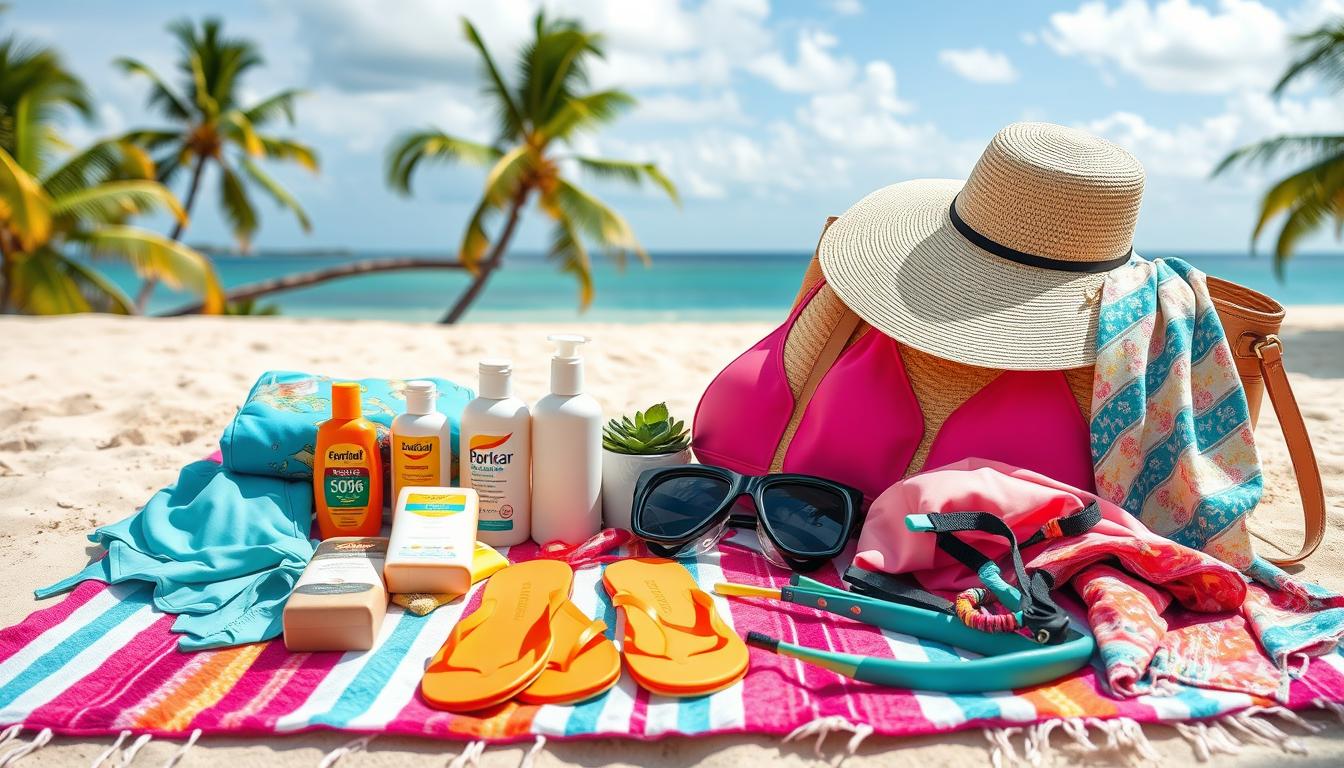
Packing for Boracay requires a mix of beach essentials, eco-conscious choices, and practical logistics items. Boracay has banned single-use plastics island-wide since its 2018 environmental rehabilitation, so a reusable water bottle and reef-safe sunscreen are not optional additions. This checklist covers everything you need for a week or more on the island across Station 1, 2, and 3.
What to bring: Boracay packing essentials
Pack light and functional. The walk between stations along White Beach covers about 4 kilometers, and most activities involve sand, saltwater, or both. Overpacking means more to carry between hotels, onto the overnight ferry, or through Caticlan or Kalibo airport.
Eco-friendly water bottle
Boracay’s plastic ban means single-use plastic bags and bottles are not available on the island. A reusable water tumbler is required for most activities. Filtered water refills are available at most hotels and convenience stores. A 750ml to 1-liter insulated bottle handles a full day of beach activity and keeps drinks cold in the tropical heat.
Comfortable walking shoes or flip-flops
A reliable pair of flip-flops handles most of Boracay’s beach-side walking, dining, and nightlife. Pack one pair of closed-toe sandals or light sneakers for inland activities, riding an e-bike to Puka Shell Beach on the north coast, or hiking to the viewpoint above Station 1. Station 3’s paved streets require footwear beyond bare feet.
Protective gear for island activities
Sun protection is the most frequently underestimated packing category for Boracay. Equatorial UV index readings regularly hit 11 or higher during midday hours, and prolonged exposure on White Beach without protection leads to severe burns even for regularly tanned skin.
Sunglasses
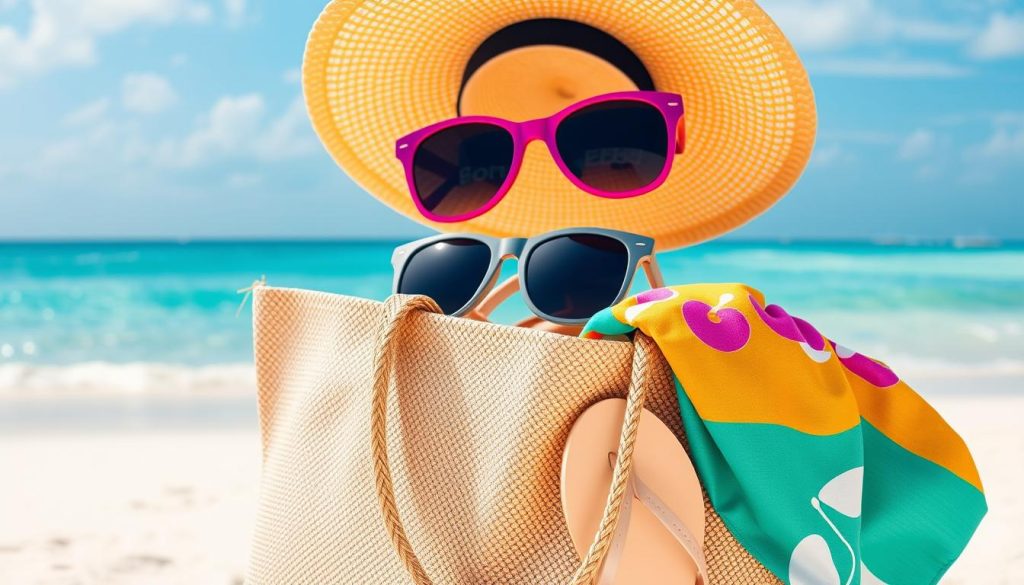
Polarized lenses are worth the investment for Boracay, where the glare off white sand and shallow turquoise water is intense throughout the day. A floating strap is useful for watersports and parasailing. Bamboo-frame or sustainable-material sunglasses are widely available in D’Mall (Station 2) at local prices.
Sun protection: sunscreen and hats
Use reef-safe sunscreen with SPF 30 or higher. Formulas free of oxybenzone and octinoxate protect the surrounding coral reef ecosystems, and chemical-filter sunscreens are increasingly restricted in protected marine areas throughout the Philippines. A wide-brimmed hat shields your face, neck, and shoulders for longer sessions on the beach or at outdoor restaurants on the beachfront walk.
| Protective item | What to look for | Why it matters in Boracay |
|---|---|---|
| Sunglasses | Polarized lenses, floating strap | Glare from white sand and shallow water |
| Sunscreen | SPF 30+, reef-safe (no oxybenzone) | High UV, coral reef protection |
| Hat | Wide brim, packable or crushable | Extended outdoor exposure, outdoor dining |

Beach and resort wear
Boracay’s daytime dress code is relaxed. Swimwear is appropriate on the beach and in beach-adjacent restaurants and bars. Slightly more covered clothing is expected inside restaurants away from the beachfront strip and in local markets. Pack for a mix of both.
For a one-week trip, two or three sets of swimwear dry fast in Boracay’s heat and humidity. Light cotton or linen cover-ups, a sarong, and one or two casual evening outfits handle most scenarios. Leave the formal wear at home. Kimonos and lightweight dresses are sold throughout D’Mall for ₱200 to ₱600 if you need more.
Pack for the Philippines‘ laundry culture. Most hotels in Boracay offer next-day laundry service for approximately ₱80 to ₱150 per kilogram, which makes it practical to pack half the clothes you’d otherwise bring on a longer trip. See a comprehensive packing strategy in this travel guide.
Camera and waterproof phone case
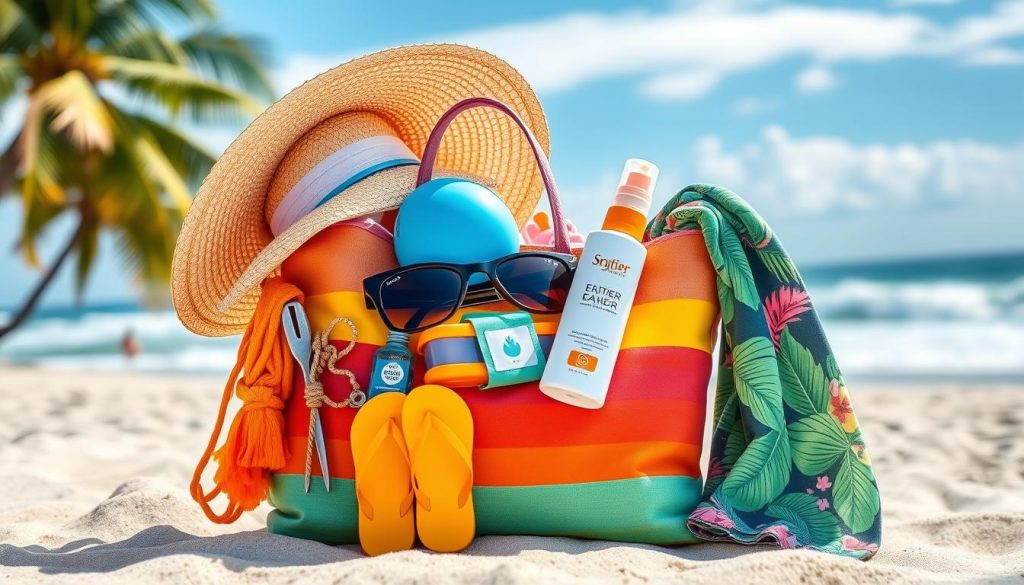
Boracay’s visual appeal makes photography central to the trip. A quality waterproof phone case handles most underwater photography at snorkeling depth. GoPro-style action cameras are popular for island-hopping tours and helmet diving, activities available through operators along the beach from Station 1 to Station 3. Pack extra memory cards and at least one spare battery if shooting with a dedicated camera, since beach heat accelerates battery drain. A lightweight tripod fits in most day bags and is useful for sunset shots from the beach.
Portable power bank
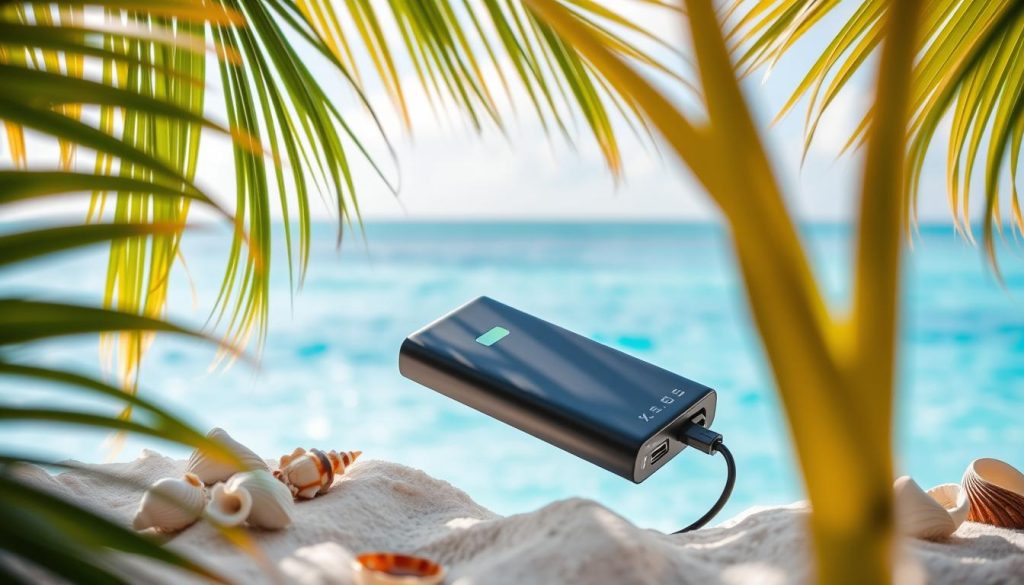
Power cuts and brownouts occur occasionally in Boracay, particularly during peak season. A power bank of 10,000 mAh or more handles two to three full phone charges and is especially useful during island-hopping day trips or long sessions on the beach away from power outlets. Choose a model with at least two USB ports and fast-charging support.
| Power bank spec | Recommended |
|---|---|
| Capacity | 10,000 mAh or higher |
| Ports | 2 USB ports minimum |
| Fast charging | Yes (18W or higher) |
| Weight | Under 250g for comfortable beach carry |
Travel bags for Boracay
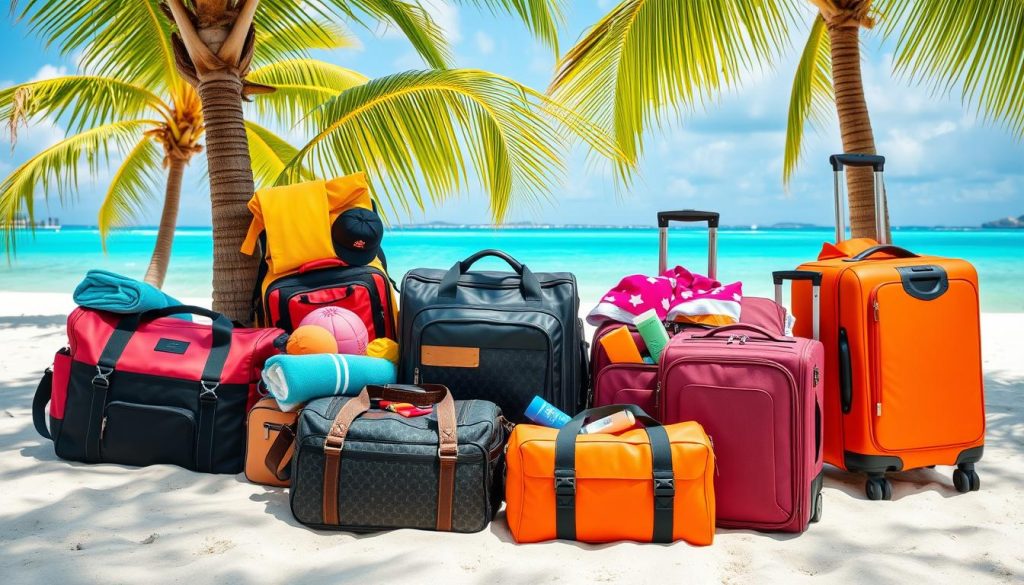
A medium-sized duffle bag or rolling carry-on suits most Boracay trips. Many visitors fly into Caticlan airport (MPH) on a small prop aircraft with strict baggage limits (typically 10 to 15 kg checked, 7 kg carry-on), so weight management matters. A separate dry bag or waterproof beach tote carries your daily essentials between the hotel and beach, protecting electronics, documents, and cash from sea spray during bangka boat trips.
| Bag type | Best use | Key feature to look for |
|---|---|---|
| Duffle bag / rolling carry-on | Main luggage | Lightweight for prop plane limits |
| Dry bag (10L) | Island hopping, bangka boat trips | Roll-top waterproof seal |
| Mesh or net beach tote | Daily beach carry | Sand falls through, dries fast |
Boracay packing list summary
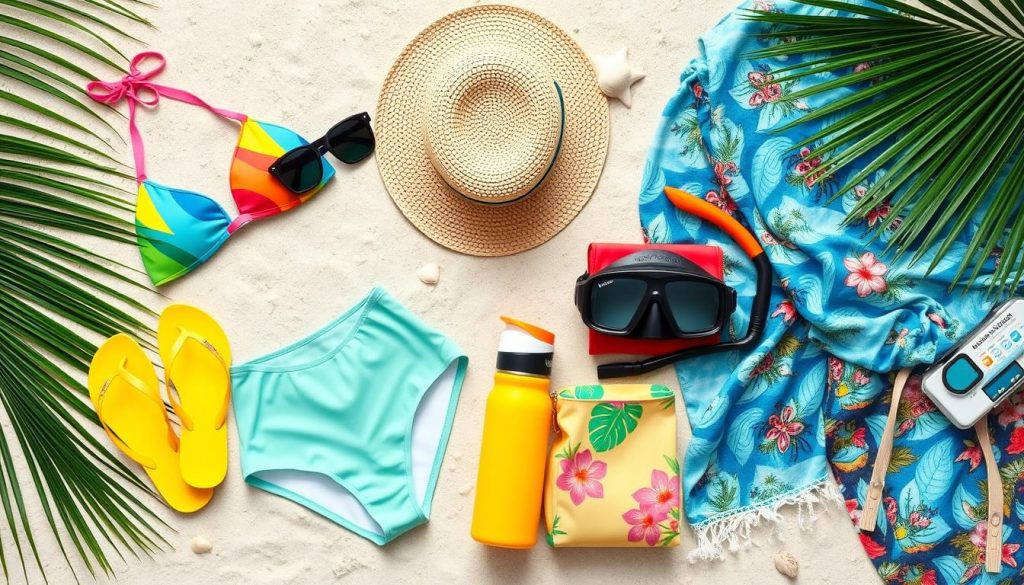
Core items for a Boracay trip: reusable water bottle (required), flip-flops and one pair of closed-toe shoes, reef-safe sunscreen (SPF 30+), sunglasses with floating strap, 2 to 3 sets of swimwear, light cover-ups and casual clothing, waterproof phone case or action camera, portable power bank (10,000+ mAh), dry bag for beach days, cash in Philippine Pesos (₱), travel documents and passport, and a basic first aid kit.
Health and wellness items
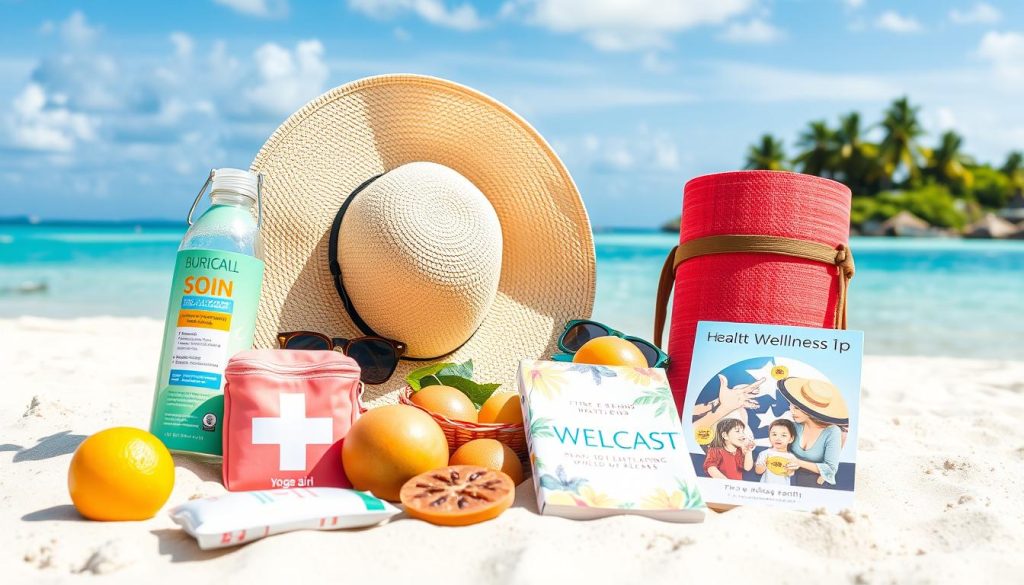
A basic first aid kit handles most minor incidents on the island. Boracay has a hospital (Governor Celestino Gallares Memorial Hospital in Tagbilaran is the closest major facility, but the island has a small clinic at Governor Celestino Gallares hospital in the municipality). Pack adhesive bandages, antiseptic wipes, antibiotic ointment, pain relievers (ibuprofen or acetaminophen), antacids, anti-diarrheal tablets, antihistamines for insect bites, and tweezers for sea urchin spines. Motion sickness medication is useful if taking bangka boats in choppy conditions between islands.
Mosquito repellent with DEET is essential, particularly for evening activities and interior jungle hikes. Dengue fever is present in the Philippines year-round, and the island’s mangrove areas and standing water near Station 3 can harbor mosquitoes in rainy months (June through September). Carry your prescription medications in original labeled containers in your carry-on, not checked baggage.
Travel documents and cash
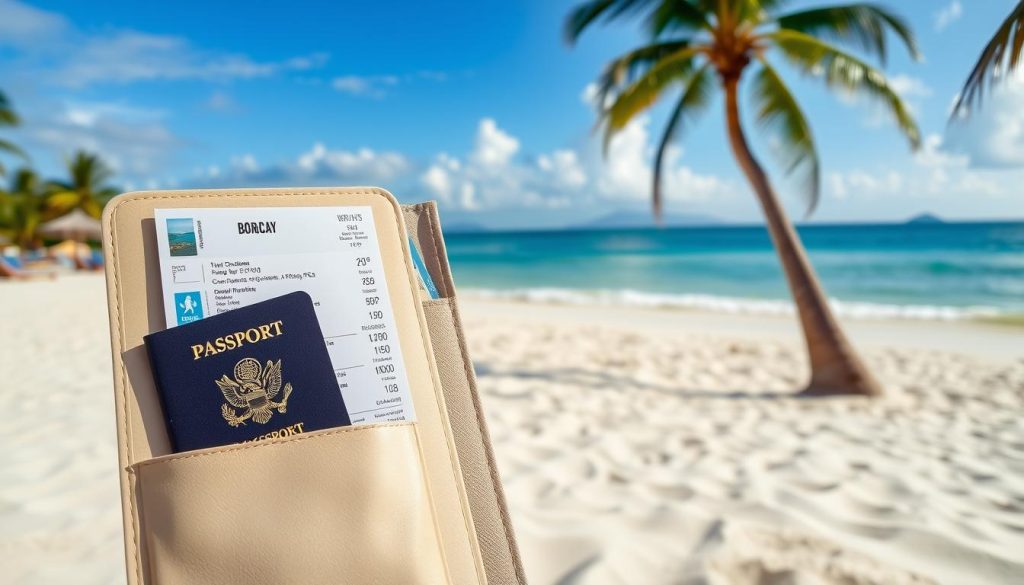
Boracay operates heavily on cash. While major hotels and restaurants accept credit cards, most beach vendors, local restaurants, tricycle drivers, and market stalls deal in Philippine Pesos only. ATMs are concentrated in D’Mall (Station 2) and at BDO and Metrobank branches on the main road. Withdrawal limits typically run ₱10,000 to ₱20,000 per transaction. Carry your passport for hotel check-in, domestic flights, and any official activities. Keep a photocopy separate from the original.
| Document / item | Notes for Boracay |
|---|---|
| Passport | Required for hotel check-in and domestic flights |
| Philippine Pesos (₱) | Essential; most vendors cash-only |
| Credit card | Accepted at major hotels and restaurants, not local stalls |
| Travel insurance card | Medical care cost on island can be high without coverage |
Shopping and souvenirs in Boracay
D’Mall in Station 2 is Boracay’s main commercial hub, an open-air market running parallel to the beach with souvenir shops, restaurants, convenience stores, and boutiques. Puka shell jewelry, which takes its name from the island’s northern Puka Shell Beach, is the most traditional Boracay souvenir and sells from ₱200 to ₱500 for necklaces and bracelets. Bamboo products including fans, bags, and decorative items represent the island’s artisan craft tradition and range from ₱150 to ₱800.
D’Talipapa, a wet market near Bulabog Beach on the island’s windward side, is the best place for fresh seafood and cheaper local goods. Stall prices are roughly 40 to 60 percent less than D’Mall for the same items, but bargaining is expected. Pack a small tote or net bag specifically for market shopping. D’Talipapa is also the starting point for kitesurfing lessons and rentals on Bulabog Beach, which is considered one of the best kitesurfing spots in Asia with consistent northeast winds from November through April.
Hydration and food packing tips
Dehydration sets in faster than most visitors expect in Boracay’s humidity. Drink at least 2 to 3 liters of water on any beach day, more if participating in water sports. Electrolyte sachets or tablets are a compact addition to your first aid kit, particularly for full-day island-hopping trips where food access is limited. Most hotels provide filtered water refills for free or for ₱10 to ₱20 per bottle.
Frequently asked questions about packing for Boracay
Is Boracay a plastic-free island?
Boracay has banned single-use plastics island-wide since its rehabilitation closure and reopening in 2018. Plastic bags, styrofoam containers, and single-use plastic bottles are prohibited from most commercial establishments. Visitors should bring a reusable water bottle and shopping bag. Reef-safe sunscreen (free of oxybenzone and octinoxate) is also strongly encouraged to protect the surrounding marine environment, which includes coral reef systems used in diving and snorkeling tours.
What currency does Boracay use, and are there ATMs?
Boracay operates in Philippine Pesos (₱). ATMs from BDO, Metrobank, and BPI are located in D’Mall (Station 2) and along the main road running parallel to White Beach. Most local restaurants, tricycle drivers, and market stalls accept cash only. Credit cards (Visa, Mastercard) are accepted at major hotels, dive shops, and larger restaurants. Withdrawal limits per transaction typically run ₱10,000 to ₱20,000. Carry enough cash for a full day before heading to the beach, as returning to an ATM can eat into beach time.
How do I get to Boracay from Manila or other Philippine cities?
The most common route is flying from Manila (MNL) to Caticlan (MPH) airport, a 50-minute flight on Cebu Pacific, Philippine Airlines, or AirAsia, followed by a 15-minute bangka boat ride from Caticlan jetty to Boracay’s boat station. Alternatively, fly into Kalibo (KLO) airport (90 minutes from Boracay by road and ferry, typically ₱300 to ₱450 for the shuttle), which often has cheaper fares but adds travel time. From Caticlan to Boracay, the boat fare and terminal fees total approximately ₱150 to ₱200 per person as of 2026.
What should I wear in Boracay?
Boracay is casual. Swimwear is appropriate along the beach and in beachfront restaurants and bars. Light cotton or linen clothing works for evenings along the strip. Filipino cultural norms apply away from the beachfront area, so a light cover-up or casual top is appropriate when entering local markets, stores, or non-beach restaurants. Religious sites (if visiting nearby municipalities) require covered shoulders and knees. The island’s climate averages 27 to 32°C year-round.
What are the best souvenirs to buy in Boracay?
Puka shell jewelry is the most traditional Boracay souvenir, selling for ₱200 to ₱500 at D’Mall and D’Talipapa market. Bamboo crafts (fans, bags, decorative items) range from ₱150 to ₱800 depending on size and detail. D’Talipapa wet market near Bulabog Beach has lower prices than D’Mall for the same items. Handpainted silk scarves and local woven products from Aklan province are also available in D’Mall boutiques. Bargaining is expected at market stalls but not in fixed-price shops.
When is the best time to visit Boracay?
November through May is Boracay’s dry season, with calmer seas and clear skies ideal for White Beach activities. December through February is peak season with the highest hotel rates and most visitors. June through October is the habagat (southwest monsoon) season, which brings rougher seas on the west-facing White Beach side but excellent wind conditions for kitesurfing on Bulabog Beach. Hotel rates drop 20 to 40 percent during habagat months, and the beach is less crowded, though some water activities are affected by conditions.