Navigating Toronto: Public Transportation Guide
Are you ready to uncover the secrets of Toronto’s public transportation system? Whether you’re a local looking to explore hidden gems or a tourist ready to immerse yourself in the city’s vibrant culture, understanding Toronto’s transit options is the key to unlocking a seamless and convenient journey.
From the bustling subway lines to the iconic streetcars and extensive bus network, Toronto offers a plethora of choices to navigate the city. But which option is best for your specific needs? And how can you make the most of Toronto’s public transportation system?
In this comprehensive guide, we’ll take you on a virtual tour of Toronto’s public transit, unveiling everything you need to know about getting around this cosmopolitan metropolis. From the efficient Toronto Transit Commission (TTC) to alternative transportation options and valuable trip planning tips, we’ve got you covered.
So, are you ready to dive into the exciting world of public transportation in Toronto? Let’s get started!
Toronto Transit Commission (TTC)
In Toronto, the main public transportation provider is the Toronto Transit Commission, also known as TTC. With an extensive network of buses, streetcars, and subways, TTC ensures that you can easily and efficiently navigate the city. Whether you are a local or a visitor, TTC offers various routes and options for getting around Toronto.
Let’s explore the different modes of transport operated by TTC:
TTC Buses
TTC buses cover a wide range of routes, connecting different neighborhoods and major areas of Toronto. Whether you’re traveling to work, school, or exploring the city’s attractions, the bus network offers a convenient way to get around. Check out the TTC website for detailed bus schedules and route maps.
TTC Streetcars
Toronto’s streetcar system is an iconic feature of the city’s public transportation. With streetcars running across various routes, they provide a unique and picturesque way to explore Toronto’s vibrant neighborhoods. Hop on a streetcar and enjoy the ride while taking in the sights and sounds of the city.
TTC Subways
The TTC subway system is the backbone of Toronto’s public transportation network. With multiple subway lines crisscrossing the city, it offers a fast and efficient way to travel longer distances. Whether you’re commuting to work or traveling to popular attractions, the subway is a reliable option for getting around Toronto.
Being one of the busiest subway systems in North America, the TTC subway network ensures that you can reach your destination quickly while avoiding traffic congestion on the surface.
| Subway Line | Route | Stations |
|---|---|---|
| Line 1: Yonge-University | Major North-South Route | 38 |
| Line 2: Bloor-Danforth | Major East-West Route | 31 |
| Line 3: Scarborough | Connects Eastern Suburbs | 6 |
| Line 4: Sheppard | Connects Suburban Areas | 5 |
Keep in mind that the TTC subway system operates from about 6:00 AM until 1:30 AM, with extended hours on weekends and during special events. Be sure to check the schedules and plan your journey accordingly.
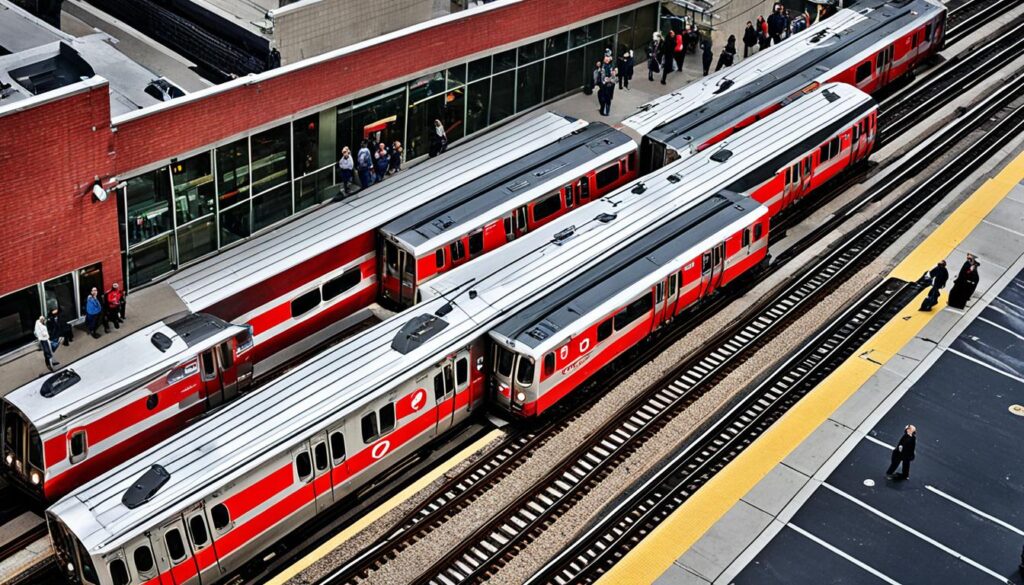
“Using the TTC subway system, I can easily travel across Toronto without worrying about traffic or parking. It’s a convenient and cost-effective way to get around the city.” – Jessica, Toronto resident
With TTC’s comprehensive network of buses, streetcars, and subways, you have the flexibility to choose the mode of transport that best suits your needs. Whether you’re commuting during rush hour or exploring Toronto’s attractions, TTC routes provide convenient options for traveling across the city.
Toronto Subway System
Toronto’s subway system is a key component of the city’s public transportation network, providing a fast and efficient way to travel around Toronto. Whether you’re a local commuter or a visitor exploring the city, the Toronto subway offers a convenient and reliable mode of transportation.
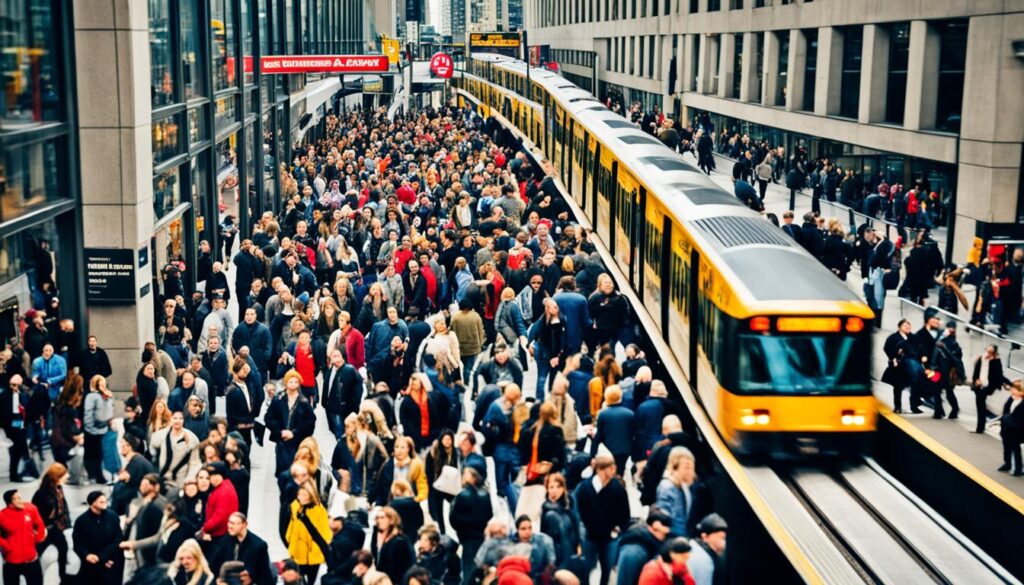
The Toronto subway system consists of four primary subway lines: Line 1 (Yonge-University), Line 2 (Bloor-Danforth), Line 3 (Scarborough), and Line 4 (Sheppard). Each line connects various neighborhoods and landmarks, allowing you to easily reach your destination.
When navigating the subway system, it’s important to familiarize yourself with the major stations and interchange points. These stations serve as hubs for transferring between different lines, making it convenient to switch routes if needed.
Subway Lines and Stations
Here are some key details about each subway line and their major stations:
Line 1 (Yonge-University): The Yonge-University Line is the longest subway line in Toronto, connecting the northern part of the city to downtown. It runs from Finch Station in the north to Vaughan Metropolitan Centre in the northwest and Union Station in the south. Major stations along this line include St. George, Bloor-Yonge, and Union Station.
Line 2 (Bloor-Danforth): The Bloor-Danforth Line spans east and west across Toronto, running from Kipling Station in the west to Kennedy Station in the east. It passes through popular neighborhoods such as Yorkville, Greektown, and The Annex. Major stations along this line include Spadina, Bathurst, and Broadview.
Line 3 (Scarborough): The Scarborough Line is an elevated rapid transit line that serves the eastern part of Toronto. It runs from Kennedy Station to McCowan Station, going through Scarborough Town Centre. Major stations along this line include Lawrence East, Midland, and Scarborough Centre.
Line 4 (Sheppard): The Sheppard Line is a shorter subway line that connects Sheppard-Yonge Station to Don Mills Station. It serves the North York area and includes stations such as Bayview, Bessarion, and Don Mills.
For a complete list of subway stations, their locations, and the lines they serve, you can refer to the official Toronto Transit Commission website.
Now that you’re familiar with the subway lines and stations, let’s explore some useful tips for navigating the Toronto subway system.
Toronto Bus Network
If you prefer traveling above ground, the Toronto bus network is a convenient option. With an extensive network of routes, the Toronto Transit Commission (TTC) bus system provides easy access to various neighborhoods and destinations throughout the city.
Whether you’re heading to work, exploring popular attractions, or simply getting around town, the TTC bus network offers a reliable and affordable way to travel. With an extensive fleet of buses and frequent service, you can expect minimal wait times and convenient connections to other TTC routes.
Here are some key features of the Toronto bus network:
- Wide coverage: The TTC bus network covers almost every corner of Toronto, ensuring that you can reach your desired destination with ease.
- Diverse routes: From busy downtown streets to residential neighborhoods, the TTC bus network offers a wide range of routes that cater to various travel needs.
- Accessible options: TTC buses are equipped with features to enhance accessibility for individuals with disabilities, including ramps, priority seating, and audible announcements.
- Flexible fares: The TTC offers a convenient fare system that allows you to pay with cash, tokens, or a PRESTO card. Remember to have the exact fare when paying with cash or tokens, as drivers cannot provide change.
- Real-time information: Stay updated with the location and estimated arrival time of buses using the TTC’s Nextbus service or various transit apps available for smartphones.
If you’re new to the city or unfamiliar with the bus routes, don’t worry. The TTC provides route maps and schedules at major transit hubs, subway stations, and on their official website. You can also use the TTC Trip Planner to map out your journey and find the most efficient route to your destination.
Whether you’re commuting to work or exploring the vibrant neighborhoods of Toronto, the TTC bus network offers an efficient and accessible way to get around the city. Plan your journey, hop on a bus, and explore all that Toronto has to offer.
“The TTC bus network is a vital part of Toronto’s public transportation system, providing residents and visitors with a convenient way to travel throughout the city.”
| Key Features of the Toronto Bus Network |
|---|
| Wide coverage |
| Diverse routes |
| Accessible options |
| Flexible fares |
| Real-time information |
Streetcars in Toronto
Toronto’s iconic streetcar system is a unique way to explore the city’s bustling neighborhoods. These historic and charming modes of transportation offer a memorable experience for both locals and tourists.
With a network of streetcar routes covering various parts of the city, you can easily hop on and off to discover popular attractions, cultural hotspots, and hidden gems. The streetcars provide a convenient and scenic way to navigate Toronto’s vibrant streets.
Streetcar Routes and Stops
The Toronto streetcar system consists of numerous routes, each serving different areas of the city. Here are some of the major streetcar routes you can take to explore Toronto:
- 501 Queen: This route travels across the city’s lively Queen Street, passing by popular neighborhoods like Kensington Market, Chinatown, and Leslieville.
- 504 King: The King Streetcar takes you through the heart of downtown Toronto, offering convenient access to the financial district, entertainment venues, and shopping destinations.
- 510 Spadina: This route connects the trendy neighborhoods of Spadina Avenue, offering access to attractions such as the Toronto Islands, CN Tower, and the Entertainment District.
- 505 Dundas: The Dundas Streetcar takes you through diverse neighborhoods like Little Portugal, the Art Gallery of Ontario, and the University of Toronto area.
These are just a few examples, and there are many more streetcar routes available. To find specific routes and stops, you can refer to the official TTC website or use mobile apps that provide real-time streetcar information.
Streetcars in Toronto typically run from early morning until late at night, offering frequent service. You’ll find designated streetcar stops equipped with shelters, making it easy to wait for a convenient ride.
Using Streetcars in Toronto
Using streetcars in Toronto is straightforward and user-friendly. Here are some tips to make your streetcar journey hassle-free:
- Boarding: When a streetcar approaches, you can get on through any door. Tickets or passes can be purchased onboard, or you can use a PRESTO card for seamless payment.
- Fare Payment: Ensure you have the correct fare or your transit pass ready when boarding. If paying in cash, exact change is appreciated.
- Getting Off: If you’re approaching your desired stop, press the stop request button or pull the cord located along the windows to signal the driver.
- Accessibility: Toronto’s streetcars are designed to be accessible for individuals with disabilities. They offer low-floor boarding, priority seating, and visual and audio announcements.
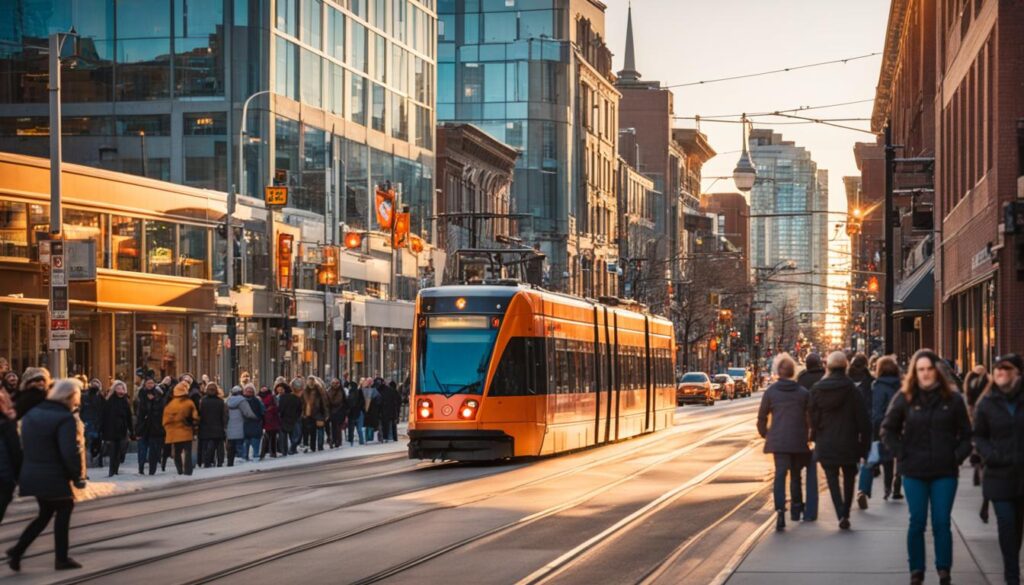
By utilizing Toronto’s streetcar system, you can enjoy a leisurely ride while taking in the sights and sounds of the city. Whether you’re heading to a popular attraction, dining at a local restaurant, or exploring charming neighborhoods, streetcars offer a fantastic way to navigate Toronto with ease.
Continue reading to discover the accessibility features and fare systems provided by Toronto’s public transportation system.
Accessibility and Fare Systems
When it comes to public transportation in Toronto, accessibility is a top priority. The Toronto Transit Commission (TTC) ensures that their services are designed to be inclusive and accommodating for individuals with disabilities. Whether you have mobility challenges or require special assistance, TTC has implemented various accessibility features and services to make your journey hassle-free.
Accessibility Features
TTC has taken significant steps to improve accessibility throughout their transit system. Here are some of the accessibility features you can expect:
- Ramp-equipped buses and streetcars to assist passengers with mobility devices
- Elevators and escalators in subway stations for easy access to platforms
- Accessible fare gates and ticket vending machines
- Priority seating for individuals with disabilities
- Audio and visual announcements on vehicles and in stations
These features ensure that everyone can navigate Toronto’s public transportation system comfortably and independently.
Fare Systems
When using Toronto’s public transportation, it’s essential to understand the fare systems in place to avoid any confusion or inconvenience. TTC offers multiple fare payment options, making it convenient for passengers.
The most popular fare payment method is the Presto card, an electronic fare payment system that allows you to pay for your rides by tapping your card on fare readers. With a Presto card, you can enjoy discounted fares and easily load funds online or at customer service locations.
If you prefer a one-time payment, you can purchase tokens or use exact change when boarding buses or streetcars. Keep in mind that tokens are not refundable and must be used within the specified time frame.
TTC also offers various passes, including daily, weekly, and monthly passes, which provide unlimited travel within a specific period. These passes can be purchased at subway stations, authorized retailers, or online.
It’s worth noting that children under the age of 12 ride for free on TTC vehicles when accompanied by a fare-paying adult.
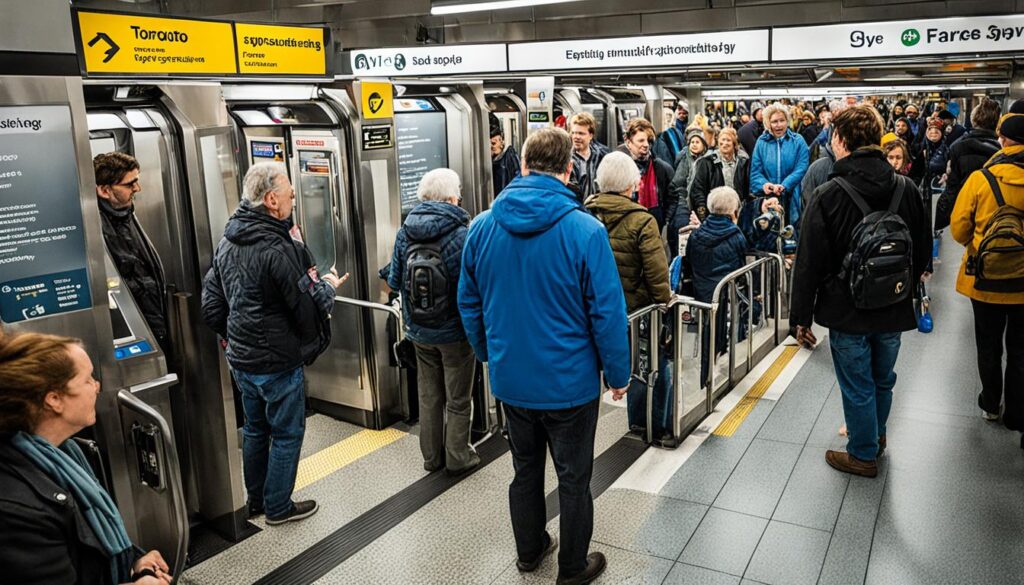
With the accessibility features and fare systems in place, Toronto’s public transportation system ensures that everyone can travel conveniently and affordably. Whether you’re exploring the city’s vibrant neighborhoods or commuting to work, TTC has you covered.
Planning Your Trip
When visiting Toronto, it’s essential to have a well-organized plan to make the most of your time in the city. Effective trip planning involves understanding the various transit options available and mapping out your routes in advance. By doing so, you can navigate the city efficiently and save time during your exploration.
To help you plan your journey, here are some useful tips:
- Research the Transit Options: Familiarize yourself with Toronto’s public transportation system, including the TTC routes, subway lines, buses, and streetcars. Understanding the different modes of transportation will enable you to choose the most convenient and efficient options for getting around.
- Use Digital Resources: Take advantage of digital resources such as transit apps and online maps to plan your routes and stay updated with real-time transportation information. These tools can provide valuable insights into schedules, delays, and the best routes to reach your destinations.
- Create an Itinerary: Make a list of the various attractions, neighborhoods, and landmarks you want to visit in Toronto. Group them based on their proximity to each other and plan your daily itineraries accordingly. This way, you can minimize travel time and maximize your time exploring the city.
- Consider Rush Hour: Keep in mind that Toronto experiences peak commuting hours in the mornings and evenings. If possible, plan your visits to popular attractions outside of these peak hours to avoid crowded transit and potential delays.
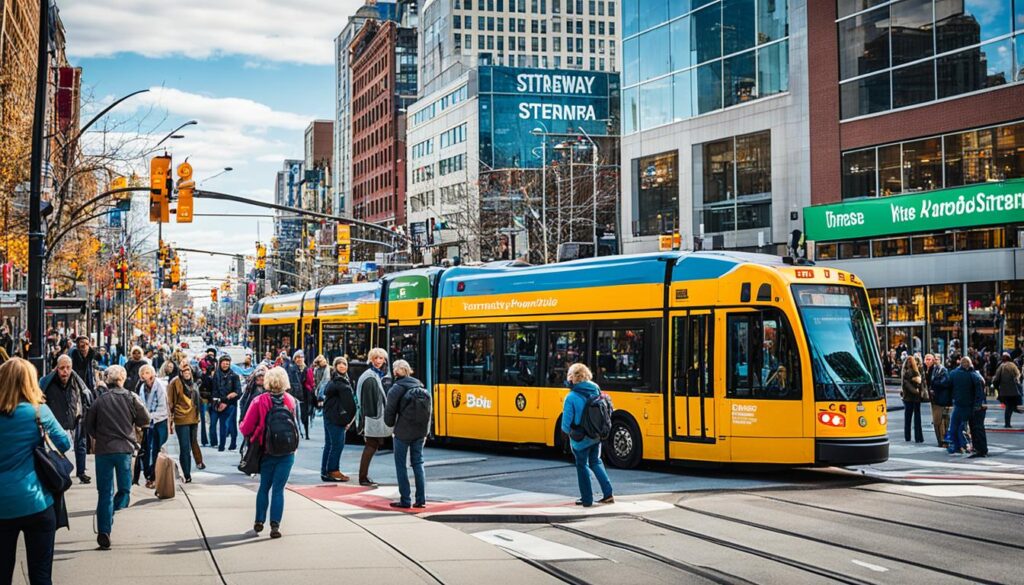
By following these tips, you can ensure a smooth and enjoyable trip in Toronto. Planning ahead will not only save you time and effort but also help you make the most of your visit to this vibrant city.
Alternative Transportation Options
While public transportation is an excellent way to get around Toronto, the city also offers alternative transportation options. Whether you prefer a more active approach or want the convenience of a taxi or ride-sharing service, Toronto has you covered. Here are some alternatives to consider:
Bike-Sharing Programs
If you enjoy the fresh air and want to explore the city at your own pace, Toronto’s bike-sharing programs are a great option. Companies like Bike Share Toronto provide a network of bicycles conveniently located throughout the city. Simply rent a bike, pedal your way through Toronto’s bike-friendly streets, and return it to a docking station when you’re done. It’s a fun and eco-friendly way to experience Toronto’s sights.
Taxis
For a more traditional mode of transportation, taxis are readily available in Toronto. You can easily hail a cab from the street or find a designated taxi stand. Taxis offer the convenience of door-to-door service and are a great option for shorter trips or when you have more luggage to carry. It’s important to note that taxi fares in Toronto are regulated and metered, providing pricing transparency and ensuring a fair ride.
Ride-Sharing Services
Ride-sharing services like Uber and Lyft are also popular in Toronto. These app-based platforms allow you to request a ride with just a few taps on your smartphone. With ride-sharing, you can choose from a variety of vehicle options and have the fare calculated upfront, giving you peace of mind. It’s a convenient and cost-effective way to navigate Toronto, especially during peak travel times or when public transportation isn’t as accessible.
Explore Toronto’s streets on a bike-sharing program, hop in a taxi for a quick ride, or request a ride from a ride-sharing service. These alternative transportation options provide flexibility and convenience to complement your transit experience in Toronto.

| Transportation Option | Key Features |
|---|---|
| Bike-Sharing Programs | Convenient bike rentals throughout the city |
| Taxis | Door-to-door service with regulated fares |
| Ride-Sharing Services | App-based transportation with upfront pricing |
Conclusion
In conclusion, Toronto’s public transportation system offers a comprehensive and efficient way to navigate the city. With various options like the Toronto Transit Commission (TTC) subway, bus, and streetcars, getting around Toronto has never been easier. Whether you’re a local or a tourist, using this guide will ensure you can seamlessly explore all that Toronto has to offer.
By taking advantage of the extensive TTC network, you’ll have access to major areas and attractions across the city. The subway system provides a quick and convenient way to travel underground, while buses and streetcars offer above-ground options, allowing you to experience Toronto’s neighborhoods and landmarks.
For travelers with accessibility needs, TTC has implemented features to make public transportation accessible to all. Moreover, with the availability of digital resources and real-time transportation updates, planning your trip and staying informed has become easier than ever.
Whether you choose to rely solely on Toronto’s public transportation or opt for alternative options like bike-sharing programs or ride-sharing services, you can be confident that Toronto’s transit system will make your journey convenient and hassle-free. So, start planning your trip, hop on the next subway train or bus, and enjoy exploring all that Toronto has to offer!