Navigating NYC: Your Public Transport Guide
How do you get around in New York City using public transport? Are you ready to uncover the best NYC subway tips and master navigating public transportation in the city that never sleeps?
Whether you’re a tourist exploring the Big Apple for the first time or a seasoned New Yorker looking for efficient ways to travel, this comprehensive guide is here to help. From subway secrets to bus routes, we’ve got you covered with all the information you need to make the most of your visit.
Understanding the NYC Subway System
The NYC subway is the most popular mode of public transport in the city. It serves millions of residents and tourists daily, providing a convenient and efficient way to travel throughout New York City. In this section, we’ll guide you through the basics of using the subway system, ensuring you can navigate it efficiently and make the most of your time in the city.
Understanding the Subway Lines
The NYC subway system consists of numbered and lettered lines, each designated by a different color. It’s important to familiarize yourself with these lines to plan your route effectively. Here are some key subway lines and their destinations:
| Line | Color | Destinations |
|---|---|---|
| 1 | Red | Van Cortlandt Park, South Ferry |
| 2 | Red | Pelham Bay Park, Flatbush Avenue-Brooklyn College |
| A | Blue | Inwood-207th Street, Far Rockaway |
| C | Blue | 168th Street, Euclid Avenue |
| D | Orange | Norwood-205th Street, Coney Island-Stillwell Avenue |
These are just a few examples of the subway lines available. Familiarize yourself with the routes that align with your desired destinations to streamline your travel experience.
Finding Subway Entrances
Subway entrances are scattered throughout the city, often marked by a green round station sign. To locate a subway entrance near you, keep an eye out for these signs, which signal the presence of a station. Additionally, you can refer to maps available on subway platforms or use digital navigation apps to guide you to the nearest entrance.
Purchasing MetroCards
To access the subway, you will need a MetroCard. These are available for purchase at subway station vending machines or at ticket booths. MetroCards can be loaded with various fare options like single rides or unlimited passes valid for a certain number of days. Make sure to have your MetroCard ready before entering the subway system.
Pro Tip: Consider purchasing a weekly or monthly MetroCard if you plan to use the subway frequently. It can save you money in the long run.
Now that you have a basic understanding of the NYC subway system, it’s time to explore the city with ease. In the next section, we’ll discuss mastering bus routes and schedules as an alternative mode of public transportation in New York City.

Mastering Bus Routes and Schedules
While the subway is the backbone of the NYC transportation system, buses also play a crucial role in getting around the city. Whether you prefer the historic double-decker buses or the sleek modern ones, understanding the bus routes and schedules is essential for efficiently navigating public transportation in NYC.
Reading Bus Maps and Finding Stops
Bus routes in New York City can be complex, but once you grasp the basics, it becomes much easier to plan your journey. The Metropolitan Transportation Authority (MTA) provides detailed bus maps that show all the stops and route variations.
When reading a bus map, it’s important to locate your current location and destination to determine the most suitable bus route. Look for major streets, landmarks, and intersections to identify the nearest bus stops.

When at a bus stop, you’ll find signs indicating the routes that stop there, along with a schedule displaying the approximate arrival times of buses. Make sure to check the schedule for your desired route, as buses may vary in frequency depending on the day of the week and time of day.
Pro Tip: The official MTA website and smartphone apps offer real-time bus tracking, allowing you to check the location and estimated arrival time of buses. This information can help you plan your journey more accurately and avoid unnecessary wait times.
Making Transfers Between Subway and Bus Lines
The seamless integration of the subway and bus systems in NYC makes it easy to switch between the two modes of transportation. To transfer between subway and bus lines, follow these steps:
- Exit the subway station and look for nearby bus stops.
- Check the nearby bus stop for signs indicating the routes available.
- Make sure to have a valid MetroCard or exact change ready to pay the bus fare.
- Board the appropriate bus and insert your MetroCard or pay with cash.
- Inform the bus driver if you need assistance with your stop.
Remember that transfers between subway and bus lines are free as long as you use the same MetroCard within two hours of the initial fare payment.
Sample Bus Routes and Fares
| Bus Route | Popular Stops | Fare |
|---|---|---|
| M15 | South Ferry, Union Square, Harlem | $2.75 with MetroCard $3.00 with coins |
| B48 | Greenpoint, Williamsburg, Bushwick | $2.75 with MetroCard $3.00 with coins |
| M42 | United Nations, Grand Central, Times Square | $2.75 with MetroCard $3.00 with coins |
Note: Bus fares are subject to change, so it’s always best to check the official MTA website for the most up-to-date information.
By mastering the bus routes, schedules, and transfers, you can unlock a whole new world of public transport options in New York City. Buses offer convenient access to different neighborhoods, attractions, and amenities throughout NYC, making them an excellent choice for exploring the city.
Exploring Other Public Transport Options
Besides the subway and buses, NYC offers additional public transport options that can enhance your travel experience. Take advantage of these alternative modes of transport to explore the city from unique perspectives. Let’s delve into the details of these options, including their routes, fares, and important information.
Ferries
If you’re looking for a scenic way to travel in New York City, ferries are an excellent choice. They provide breathtaking views of the city’s iconic skyline and give you the opportunity to enjoy a leisurely ride on the water. Here are some of the popular ferry services:
| Ferry Service | Routes | Fares |
|---|---|---|
| Staten Island Ferry | Manhattan to Staten Island | Free for all passengers |
| East River Ferry | Various routes along the East River | Varies based on destination |
| NYC Ferry | Multiple routes connecting different boroughs | Starting at $2.75 per ride |
These ferry services offer a unique way to travel between boroughs and enjoy panoramic views of the city’s landmarks.
Roosevelt Island Tramway
If you’re looking for an unconventional way to travel, don’t miss the Roosevelt Island Tramway. This aerial tramway connects Manhattan and Roosevelt Island, providing stunning views of the East River and the cityscape. Here are some key details:
The Roosevelt Island Tramway is a must-try experience while visiting New York City. As you soar above the city, you’ll witness breathtaking views that are bound to leave you in awe. Don’t forget to bring your camera to capture memorable moments.
Now that you’re aware of these additional public transport options, you can add more variety to your New York City adventures. Whether you choose to enjoy a peaceful ferry ride or take the tramway for an exciting aerial journey, these alternatives will surely enhance your travel experience in the city.
Planning Your Journey
Before you embark on your adventure in New York City, it’s crucial to plan your journey effectively to make the most of your time and budget. In this section, we will provide you with valuable tips and resources to ensure smooth navigation throughout the city.
Utilize Online Tools and Apps
To simplify the process of planning your route, there are several online tools and apps available that can provide real-time information on NYC transportation. These resources allow you to access schedules, maps, and service updates, ensuring you stay informed throughout your journey. Some popular applications include:
- Google Maps: This widely-used app offers accurate directions and multiple transit options, including subway, bus, and walking routes. It also provides estimated travel times, making it easy to plan your day.
- MTA’s Official App: Developed by the Metropolitan Transportation Authority (MTA), this app provides real-time service updates, customized alerts, and a trip planner, all tailored specifically for New York City’s public transport system.
- Citymapper: Known for its user-friendly interface, Citymapper is an excellent app for navigating public transportation in NYC. It offers comprehensive route options, disruptions alerts, and even includes bike-sharing and scooter options.
Check for Service Changes
Due to ongoing maintenance, weather conditions, or special events, NYC’s public transport system occasionally experiences service changes. Before you head out, be sure to stay updated on any disruptions or delays. Here are some resources to help you keep track:
- MTA website: The official website of the MTA provides valuable information regarding service changes, planned maintenance, and updates on delays or disruptions.
- Subway and bus stations: Transit stations typically display service change notices or announcements. Take a moment to check for any relevant information before entering the system.
- Social media accounts: Follow MTA’s official social media accounts like Twitter to receive real-time updates on service changes, delays, or any other relevant information impacting your journey.
Estimate Travel Times
While planning your itinerary, it’s essential to have an estimate of the time it takes to travel between destinations. Factors such as rush hour, station transfers, and possible delays can impact your journey times. Here are a few tips to help you plan accordingly:
- Allow for extra time during peak hours: New York City can get crowded during rush hour, especially on major subway lines. Plan to travel outside peak hours or allow for extra time when traveling during these periods.
- Consider express vs. local services: Some subway lines have express trains that skip certain stations, reducing travel times. Familiarize yourself with the express and local train options to optimize your travel.
Pro Tip: When estimating travel times, it’s wise to add a buffer of at least 10-15 minutes to account for any unexpected delays or detours.
Now that you have the tools and knowledge to plan your journey effectively, you can explore New York City’s vibrant neighborhoods and iconic landmarks with ease. The next section will guide you through navigating popular tourist areas using NYC’s public transport system.

Navigating Popular Tourist Areas
New York City is renowned for its iconic tourist destinations, and getting around these well-known areas can be an exciting adventure. To explore these popular sites on a budget, utilizing the NYC subway system is a smart choice. With our helpful NYC subway tips, you’ll navigate the city efficiently while saving both time and money.
Times Square
First on your list of must-visit places is Times Square, the vibrant hub of Broadway shows, bright billboards, and bustling crowds. To reach this iconic spot, take the subway to Times Square-42nd Street Station. From here, you’ll emerge right in the heart of the action, surrounded by dazzling lights and famous landmarks. Embrace the energy of Times Square as you explore the shops, restaurants, and iconic theaters that define this thrilling district.

Central Park
A peaceful oasis amidst the urban jungle, Central Park offers a serene retreat for both locals and visitors alike. To reach Central Park, you can take the subway to one of the many stations surrounding the park’s perimeter, such as 59th Street-Columbus Circle or 72nd Street. As you enjoy a leisurely stroll through the park’s winding pathways, be sure to visit popular attractions like the Bethesda Terrace, Strawberry Fields, and the Central Park Zoo.
Statue of Liberty
No visit to New York City is complete without seeing the majestic Statue of Liberty up close. To reach the Statue of Liberty, you’ll need to take multiple modes of transportation. Start by taking the subway to the South Ferry Terminal, then transfer to the Staten Island Ferry, which offers free rides and stunning views of the Statue of Liberty and the Manhattan skyline. Once on Staten Island, you can take a short walk to the Staten Island Ferry Terminal and catch the ferry back to Manhattan. This way, you’ll get to experience the grandeur of Lady Liberty without breaking the bank.
Exploring these popular tourist areas using the NYC subway system allows you to save money on transportation while immersing yourself in the vibrant energy of New York City. Follow our NYC subway tips to make navigating the city seamless, efficient, and budget-friendly.
Tips for Efficient and Safe Travel
Traveling in a busy city like NYC can sometimes be overwhelming. To help you navigate the NYC subway efficiently and safely, we’ve compiled a list of essential tips:
Avoid Peak Hours
During rush hour, the subway can get extremely crowded, making it more difficult to find a seat and causing delays. To avoid the crowds, try to plan your trips outside of the busiest times, typically between 7:30 am and 9:30 am and between 4:30 pm and 6:30 pm on weekdays.
Plan Your Route in Advance
Before heading out, use online tools or mobile apps to plan your subway route. This will help you find the most efficient way to reach your destination, minimize transfers, and avoid unnecessary delays. Apps like Citymapper and Google Maps provide real-time information on train schedules, service changes, and alternate routes.
Pay Attention to Station Announcements
While riding the subway, pay close attention to the station announcements. They provide important information about upcoming stops, transfers, and any service changes. Listening carefully will ensure that you don’t miss your stop or end up on the wrong train.
Stay Alert and Be Aware of Your Surroundings
In any busy city, it’s important to stay alert and aware of your surroundings. Keep an eye on your belongings, especially in crowded areas and on packed trains. It’s also a good idea to avoid engaging in loud or unnecessary conversations that might draw unwanted attention.
Use Express Trains for Longer Journeys
If you’re traveling longer distances within the city, consider taking an express train. Express trains skip some stations, allowing you to reach your destination faster. Consult the subway map or use online resources to identify express train routes.
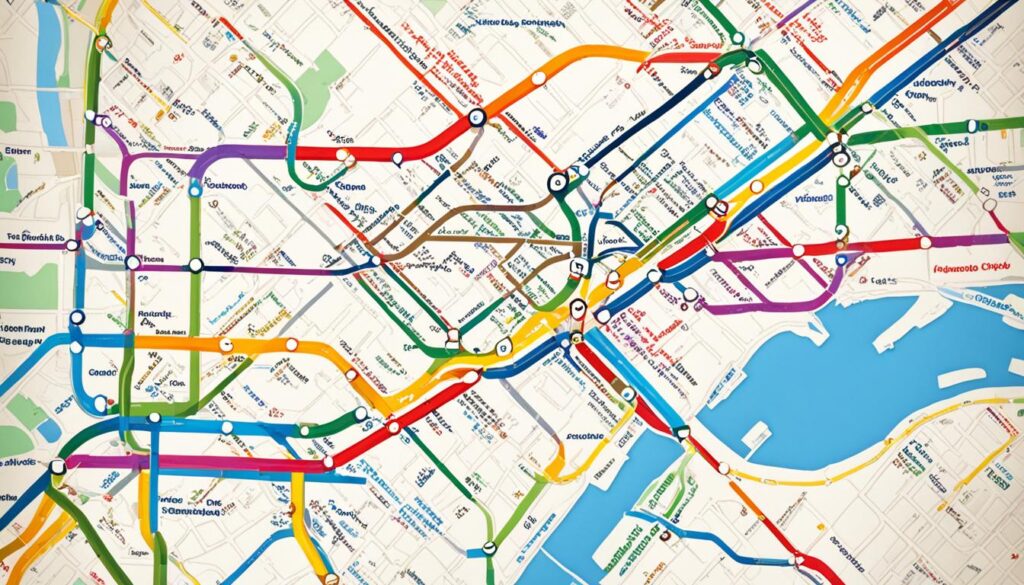
Following these NYC subway tips will help you make the most of your time in the city, ensuring efficient and safe travel on the subway. Now, let’s explore other important aspects of navigating New York City’s public transport system in the upcoming sections.
Understanding Fare Options and Discounts
To make the most of your public transport experience in New York City, it’s essential to understand the fare options and discounts available to you. By choosing the right fare option and taking advantage of discounts, you can save money while traveling around the city using public transit.
MetroCards: Your Ticket to Convenience
When it comes to public transport options in New York City, the MetroCard is your key to seamless travel. There are two types of MetroCards available:
- Pay-Per-Ride MetroCard: This card allows you to add funds and pay for each subway or bus trip individually. It offers a 5% bonus when you add $5.50 or more to your card, giving you additional value for your money.
- Unlimited Ride MetroCard: With this card, you can enjoy unlimited subway and bus rides within a specified time period. Options include 7-day and 30-day unlimited passes, which can be a cost-effective choice if you plan to use public transport frequently during your stay.
By choosing a MetroCard option that suits your travel needs, you can ensure convenient and affordable transportation throughout your time in NYC.
Discounts for Seniors and Students
If you’re a senior aged 65 or older, or a student with a valid ID, you can enjoy discounted fares on NYC’s public transport system:
Senior Citizen MetroCard: Seniors can apply for a Senior Citizen MetroCard, which provides half-fare rides on subways and buses. This discount is available for both regular and express buses.
Student MetroCard: Students in New York City can benefit from discounted fares by getting a Student MetroCard. This card provides reduced fares for trips to and from school, making it easier for students to travel to their educational institutions.
Don’t forget to bring your ID when applying for these discounted fare options to ensure eligibility.
Additional Discounts and Special Offers
In addition to fare options for general users, NYC’s public transport system offers additional discounts and special offers:
- Express Bus Plus: If you frequently use express buses, the Express Bus Plus MetroCard allows you to pay a reduced fare compared to paying in cash. This card provides convenience and savings for express bus travelers.
- Reduced Fare AutoGate MetroCard: For customers with disabilities, the Reduced Fare AutoGate MetroCard provides convenient access to the subway system. This card enables easy entry through the AutoGate, allowing for a smoother and more accessible travel experience.
By taking advantage of these fare options and discounts, you can maximize your savings while traveling around NYC using public transit.
| Fare Option | Benefit |
|---|---|
| Pay-Per-Ride MetroCard | Flexible payment for individual trips, with a 5% bonus for adding $5.50 or more |
| Unlimited Ride MetroCard | Unlimited subway and bus rides within a specified time period (7-day or 30-day options) |
| Senior Citizen MetroCard | Half-fare rides for seniors aged 65 or older |
| Student MetroCard | Reduced fares for students with a valid ID |
| Express Bus Plus MetroCard | Reduced fare for frequent express bus travelers |
| Reduced Fare AutoGate MetroCard | Convenient access to the subway system for customers with disabilities |
Conclusion
In conclusion, mastering NYC’s public transport system is crucial for efficiently exploring the city and managing your budget. By following the tips and information provided in this guide, you will become well-equipped to navigate the subway, buses, and other transport options in New York City.
With its extensive subway network and bus routes, NYC offers convenient and affordable transportation options for both residents and visitors. Whether you’re traveling to popular tourist areas like Times Square or Central Park, or venturing off the beaten path, understanding how to use public transport will save you time and money.
By planning your journey in advance using online tools and official resources, you can easily navigate the different routes and check for any service changes. Additionally, familiarizing yourself with fare options and discounts will help you make informed choices and potentially save money on your travels.
Remember to prioritize efficient and safe travel by avoiding peak hours, staying alert, and being mindful of your belongings. By following these tips and utilizing the various resources available, you can confidently explore New York City using public transport, making the most of your time in the Big Apple.