Navigating Baltimore: Your Public Transportation Guide
Ever thought about exploring Baltimore’s hidden spots with its public transport? It’s key to know how to move around the city to enjoy it fully. This guide will show you how to use buses and the metro to get around easily. You’ll learn to dodge parking and traffic, making your trip smoother.
Exploring Baltimore becomes fun when you know the easy ways to get around. This guide is for locals and visitors alike. It will help you see the city with confidence and ease.
Understanding Baltimore’s Public Transportation System
Baltimore’s public transport is key for getting people around the city. It helps both locals and visitors get where they need to go. The Maryland Transit Administration (MTA) manages this system, connecting different parts of the city.
The MTA runs a big network for daily travel. Buses cover areas not reached by rail, making sure everyone can get around. The light rail and metro lines help with longer trips, making it easy to move through Baltimore.
New projects are making Baltimore’s transport better. They focus on improving infrastructure and technology. This means more people might use public transport, which is better for the environment.
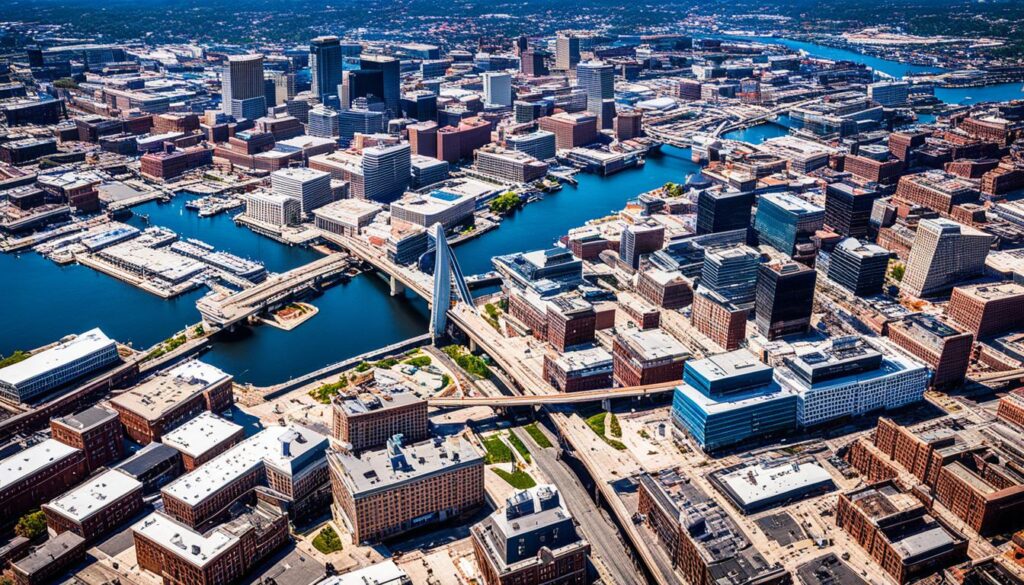
Baltimore’s transport system is getting better to fit today’s needs. It’s still a key way to reach the city’s attractions and services.
Types of Public Transport Available in Baltimore
Baltimore has many public transport options for its people and visitors. Knowing about these options can make traveling around the city better. It makes your trip more enjoyable.
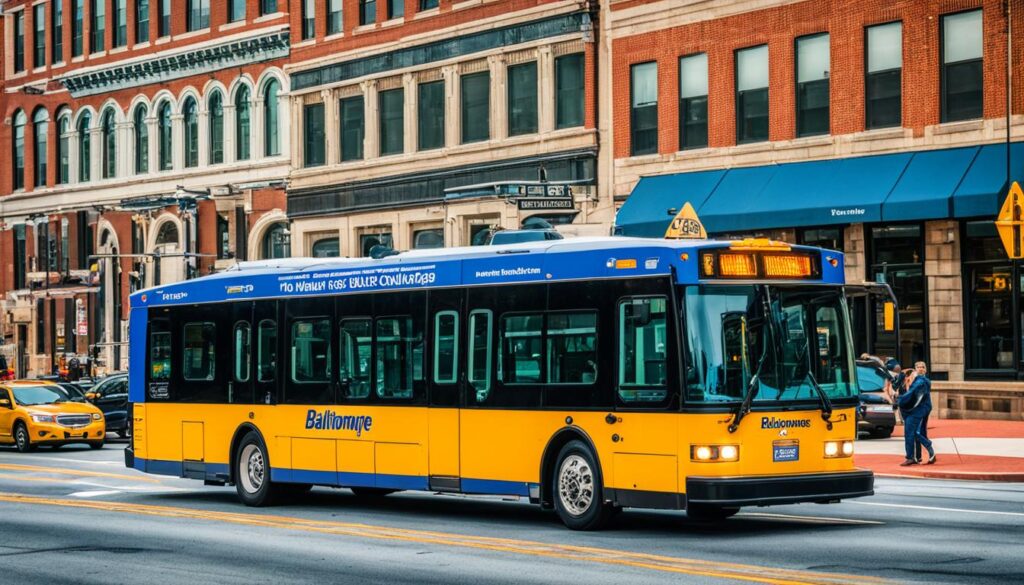
The bus system is a key part of Baltimore’s transport. It has many routes all over the city. Buses go to both homes and work areas, making them great for short trips. They also have features for easy access, so everyone can use them.
The light rail is another big part of Baltimore’s transport. It links important places like downtown, the airport, and attractions. It runs often and helps you avoid traffic, making your trip faster.
The metro is a fast way to get around under the city. It goes to many key areas and is known for being reliable. Like other transport, the metro has features for people with disabilities.
Ferries are not as common but offer a special way to see Baltimore from the water. They take you to places like Fells Point and the Inner Harbor. You get to see beautiful views while you travel.
To sum up, Baltimore has different public transport options for everyone. Knowing about these options makes planning your trips easier and more efficient.
| Type of Transport | Accessibility Features | Coverage Area |
|---|---|---|
| Buses | Low-floor buses, ramps | Citywide routes to neighborhoods |
| Light Rail | Accessible vehicles, priority seating | Downtown and airport connections |
| Metro | Elevators, designated seating | Central and suburban routes |
| Ferries | Boarding assistance available | Waterway connections between key locations |
Your Guide to Baltimore Bus Routes
Navigating Baltimore buses is key for both locals and visitors. The city’s bus system links neighborhoods, business areas, and schools. Knowing the Baltimore bus routes makes public transport better.
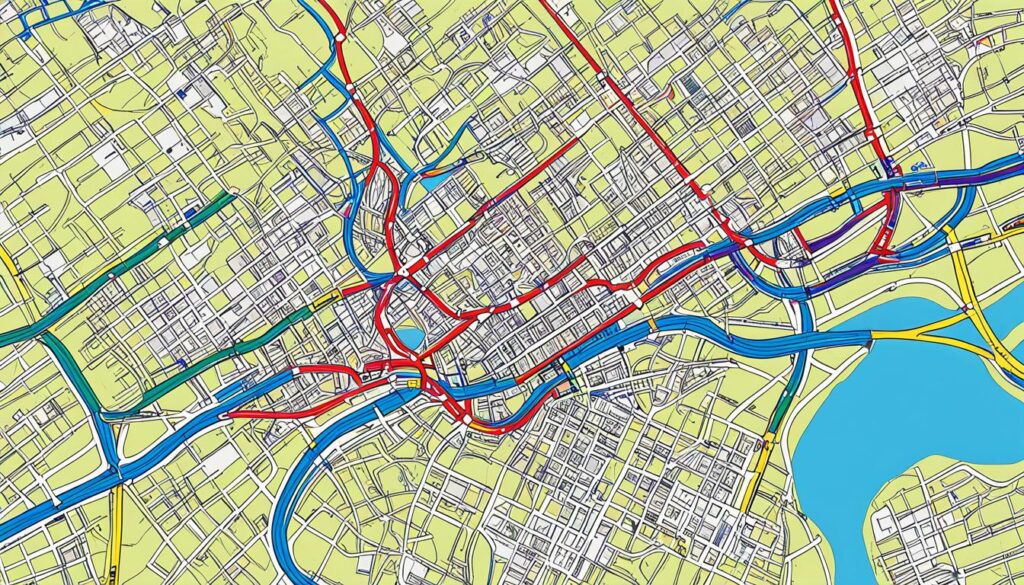
Major bus lines cover important spots in Baltimore. Here’s a look at some main routes:
| Bus Line | Start Point | End Point | Key Stops |
|---|---|---|---|
| #10 | North Avenue | North Point Blvd | Lock Raven, Towson |
| #15 | Bayview | McElderry St | Andrews Ave, Patterson Park |
| #20 | Reisterstown Rd | Catonsville | New Town, Rolling Road |
Reading bus schedules is crucial for a smooth trip. Here’s how to understand the times:
- Look for peak and non-peak schedules to dodge crowded buses.
- Check for any special service alerts that might change your route.
- Use apps or the MTA website for the latest updates.
With this info, you can easily navigate Baltimore buses. This makes traveling around the city simpler.
Baltimore Metro System: An Overview
The Baltimore metro system is key to the city’s public transport. It lets you move around Baltimore easily, making it great for both locals and visitors. Once you get how it works, it’s easy to use.
The Light RailLink is a big part of the metro system. It goes to many places in the city, like the Baltimore Arena and the Horseshoe Casino. The Metro SubwayLink also connects to important spots, such as Johns Hopkins Hospital and downtown Baltimore. These lines make traveling easier by avoiding traffic.
Buying metro tickets is easy with different options. You can use a CharmCard, which you can reload at kiosks. Or, you can buy tickets at ticket vending machines at most stations. These options make getting on the metro quick and hassle-free.
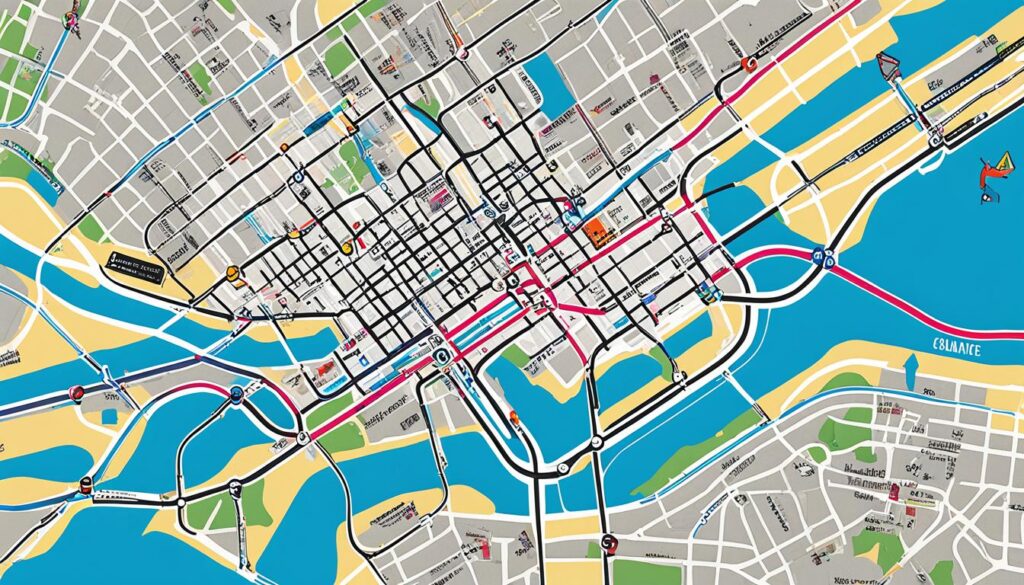
Knowing about the different lines and how to buy tickets makes using the Baltimore metro better. With this knowledge, you can enjoy all that the city has to offer.
How Do I Get Around Baltimore Using Public Transportation?
Using public transportation in Baltimore is easy and convenient. It lets you see the city without worrying about parking or traffic. Start by planning your trips ahead. Use transit planning tools for the latest info on schedules and routes.
When moving around, you can switch between buses, light rail, and the metro. Pick the best way to get where you’re going based on your destination and how much time you have. For real-time help, try apps like Transit and Google Maps. They show schedules and let you track your ride, saving you time.
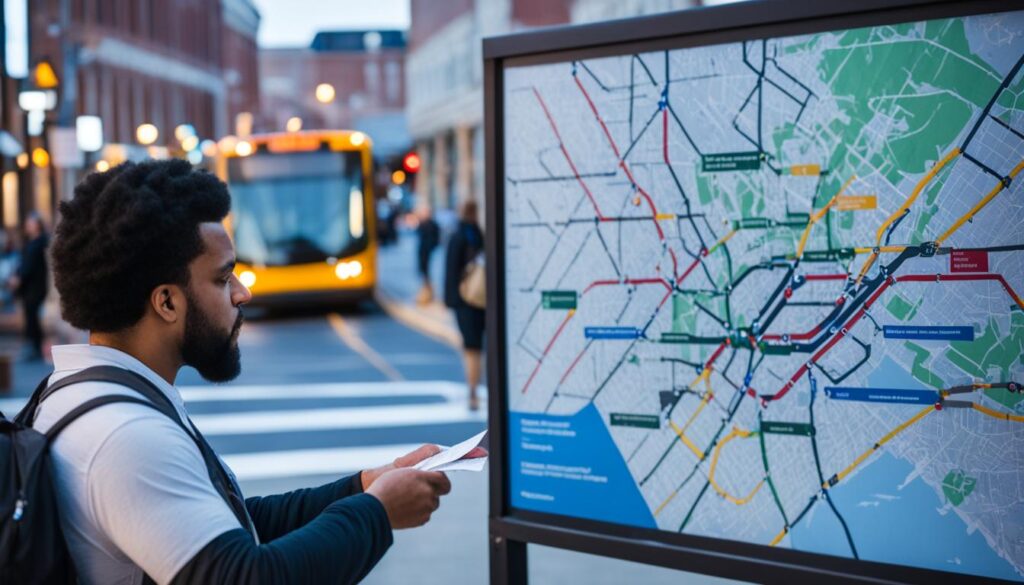
Using these tools will make your trip better. Always check for any delays or changes that might affect your trip. By using public transport, you can fully enjoy Baltimore’s lively areas and cultural spots.
Getting Around Baltimore Without a Car
Exploring Baltimore is fun, thanks to its great public transport. You can easily move around without a car. This lets you see vibrant areas and famous spots without hassle.
There are many Baltimore public transportation alternatives like buses, the light rail, and subways. Each one takes you to different parts of the city. This makes getting to places you want to visit easy.
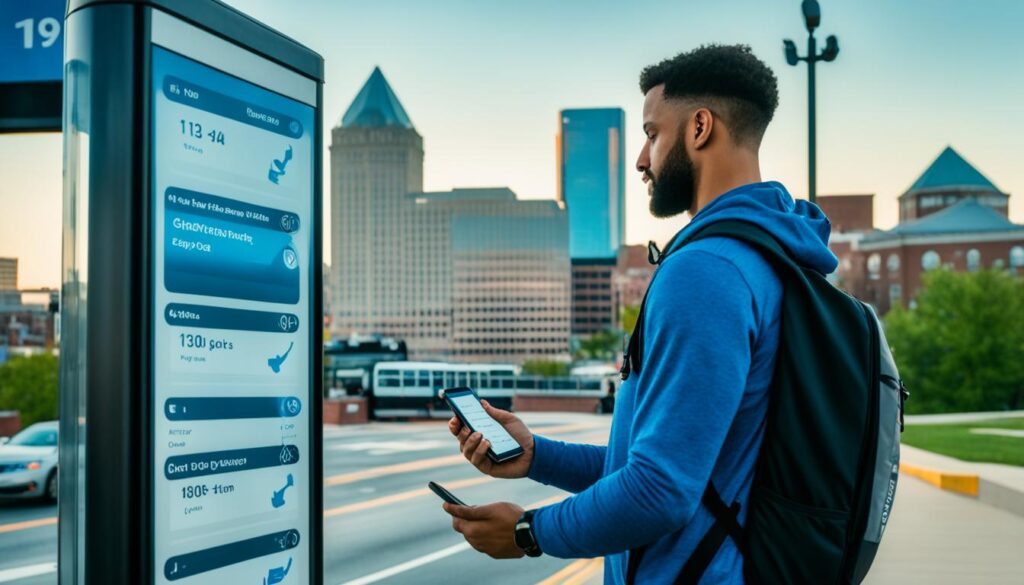
- The Inner Harbor: A bustling waterfront area filled with shops, restaurants, and cultural attractions.
- Fells Point: Known for its historic charm and vibrant nightlife, this neighborhood is just a bus ride away.
- Fort McHenry: A historical landmark that is accessible via the light rail, giving you a glimpse into Baltimore’s rich history.
These places are easy to get to with public transport. It’s a great way to see the city without a car. Using public transit also helps the environment and lets you see things like a local.
| Destination | Transportation Used | Approximate Travel Time |
|---|---|---|
| Inner Harbor | Light Rail, Bus | 15-25 minutes |
| Fells Point | Bus | 10-20 minutes |
| Fort McHenry | Light Rail | 20-30 minutes |
Using these Baltimore public transport options makes traveling around the city easy and fun. It shows that you don’t need a car to have great adventures in Baltimore.
Tips for Using Baltimore’s Public Transit Effectively
Improving your use of Baltimore’s public transit makes your trips smoother and more fun. Here are some key tips to help you get around with ease.
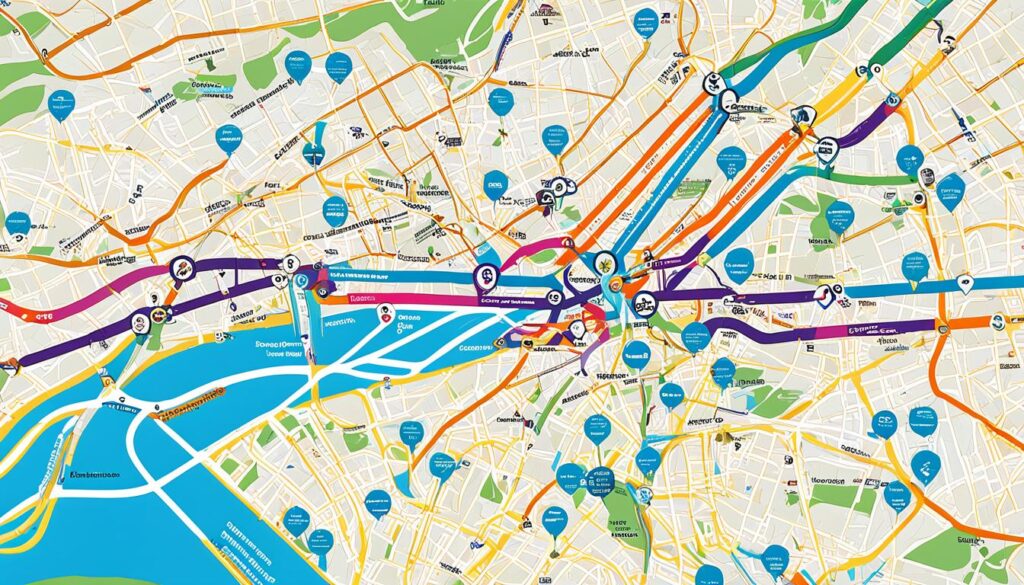
Staying safe on public transit is crucial. Always keep an eye on your surroundings when waiting for a bus or train. Keep your valuables secure and try not to show them off. If something feels off, trust your gut and move to a safer spot. These steps will boost your safety while traveling.
Mobile apps can make a big difference. They offer real-time updates, schedules, and maps for buses and trains. Apps like ‘Transit’ and ‘Citymapper’ help plan your trips better. They’re essential for using public transit well, giving you all the info you need for your journey.
| App Name | Features | Availability |
|---|---|---|
| Transit | Real-time vehicle locations, trip planning | iOS, Android |
| Citymapper | Route options, live arrival times | iOS, Android |
| Google Maps | Integrated transit directions, estimated travel time | Web, iOS, Android |
Using these Baltimore public transportation tips and tech can make your experience great. Get to know the resources available and apply these tips to enhance your travels in Baltimore.
Fare Information and Payment Methods
Knowing how to pay for Baltimore’s public transit is key to getting around the city easily. There are different fares for adults, seniors, and students. Each fare type is made to help everyone get on board.
The CharmCard is a great way to pay if you use public transit a lot. It lets you put money on it and use it on many transit services. Using a CharmCard means you can get on the bus faster and keep track of your money online.
Here’s a breakdown of the different fare categories available:
| Fare Type | Cost | Notes |
|---|---|---|
| Adult Fare | $2.00 | Standard fare for riders aged 19-64. |
| Senior Fare | $1.00 | Available for riders 65 and older. |
| Student Fare | $1.50 | Discount rates for students with valid ID. |
| Day Pass | $4.00 | Unlimited rides for one day. |
| Weekly Pass | $20.00 | Unlimited rides for seven consecutive days. |
When it comes to paying for public transit, you can use cash on buses. But, using the CharmCard is easier. Mobile payment options are also becoming more popular, giving passengers even more choices.
Challenges and Solutions in Public Transit
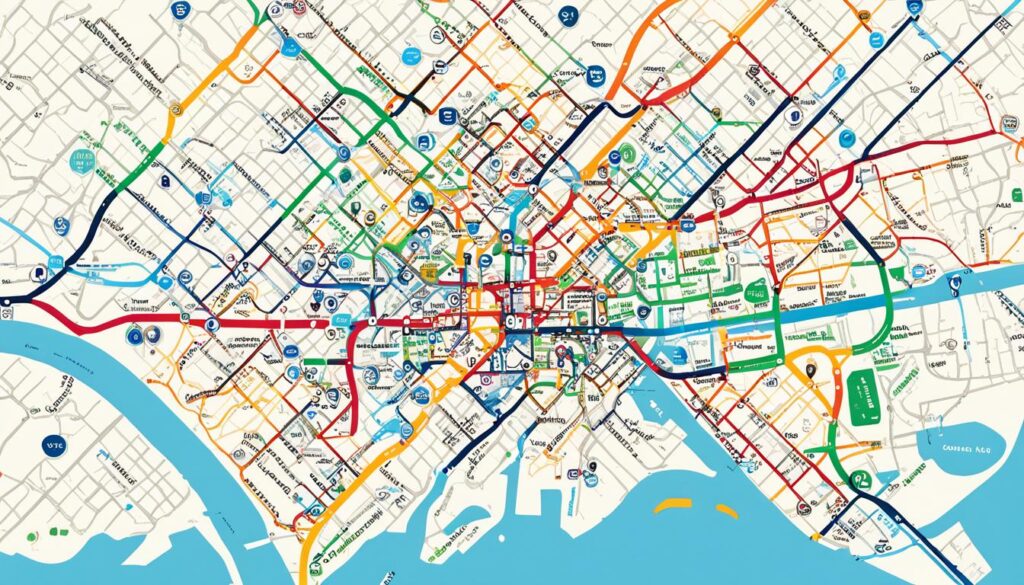
Baltimore faces many public transit problems that make daily commutes tough. Riders often deal with overcrowding, delays, and changes in routes. To fix these Baltimore public transit challenges, we need a plan that involves everyone: transit authorities, community groups, and the public.
To ease overcrowding, the Maryland Transit Administration (MTA) is boosting service during busy times. This makes rides more comfortable and cuts down on waiting. Real-time tracking apps also help by reducing delays and keeping riders informed, which is great for you.
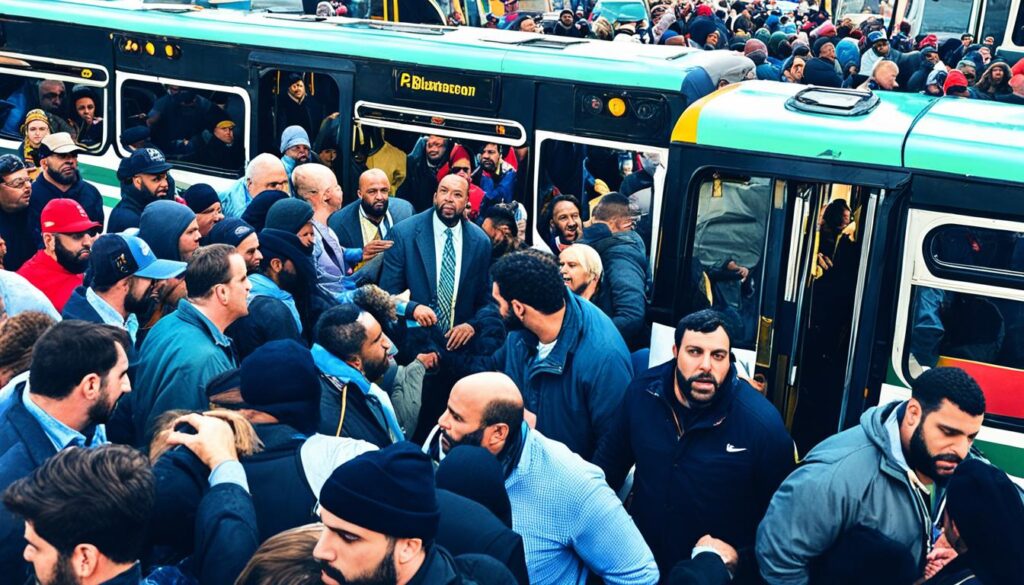
Community groups are key in finding solutions for public transportation issues. They listen to what riders say and work with the MTA to make changes. By sharing feedback, we make sure the MTA knows what needs work, leading to better public transport. For example, regular meetings let riders speak up about their issues.
Improving Baltimore’s public transit is an ongoing task. Here’s a table that lists some challenges and how we can tackle them:
| Challenges | Solutions |
|---|---|
| Overcrowding on buses | Increase service frequency during peak hours |
| Long wait times for service updates | Develop real-time tracking applications |
| Lack of rider feedback communication | Host regular community meetings for direct interaction |
| Service delays | Implement route optimization strategies |
| Underfunded transportation projects | Advocate for increased funding through community support |
By listening to the community and using smart strategies, we can beat Baltimore public transit challenges. Your input is key to making our transport system better for everyone.
Conclusion
Navigating Baltimore’s public transport is a great way to get around the city. This guide has shown you the best ways to use buses and the metro to reach important places. Whether you’re going to work, visiting friends, or checking out new neighborhoods, these options are reliable and save money.
Using Baltimore’s transit system lets you save money and experience the local culture. You’ll meet different people and see beautiful views of the city. With ongoing improvements, getting around Baltimore will be even better in the future.
Choosing public transport is smart and lets you see Baltimore’s true spirit. So, plan your trip, hop on, and enjoy the ride. Your adventure in this historic city is just beginning!