Lumbini for All: Worth Visiting for Non-Buddhists?
Ever thought if a place with a strong faith could also attract those from other backgrounds? Lumbini, known as the birthplace of Siddhartha Gautama, is a key spot in Buddhist culture. Yet, it also welcomes non-Buddhist travelers with its special attractions. As a UNESCO World Heritage Site, Lumbini offers a rich history, a peaceful atmosphere, and diverse architecture.
This raises a question: is Lumbini worth visiting for non-Buddhist travelers? In this article, you’ll find Lumbini travel tips. You’ll also see how this magical site can touch the hearts of everyone who visits.
Introduction to Lumbini
Lumbini is in the Rupandehi district of Nepal. It’s a key pilgrimage site for many. It’s famous as the birthplace of Buddha, attracting both religious and cultural tourists. Your visit will mix tranquility and spirituality in a unique way.
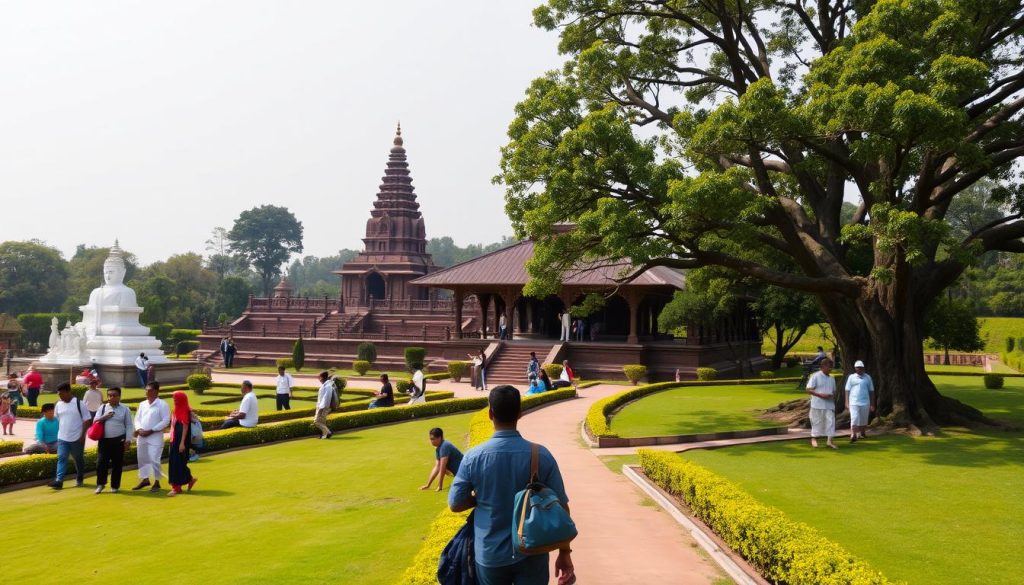
The area is about 4.8 km long and 1.3 km wide. It’s a mix of natural beauty and ancient history. You’ll see beautiful gardens, old monuments, and buildings from around the world. The Lumbini overview highlights its historical importance, perfect for those seeking enlightenment and adventure.
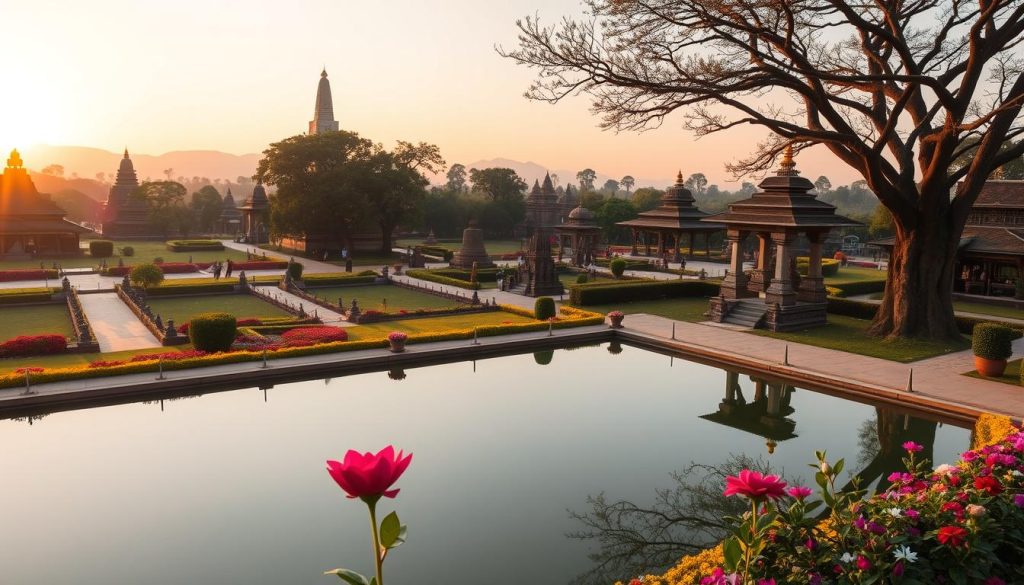
Learning about Introduction to Lumbini is more than just its religious side. People come here for the spiritual vibe and to see the diverse cultures and histories. Walking in the sacred garden or looking at stupas, each moment in Lumbini is a journey into the past and a chance to find deeper meaning.
The Historical Significance of Lumbini
Lumbini is a key site in Lumbini history, known globally for its importance. It is where Siddhartha Gautama, later known as Buddha, was born. This happened in the 6th century BC, starting Buddhism.
The Ashoka Pillar, built in 249 BC by Emperor Ashoka, is a major historical landmark. It proves the events around Buddha’s birth.
In the 19th century, Lumbini was rediscovered, sparking a new interest in its history. This led to it being named a UNESCO World Heritage Site in 1997. This honor shows Lumbini’s cultural and historical value.
It also marks it as a major pilgrimage site for millions. UNESCO’s recognition invites people from everywhere to see its rich heritage.
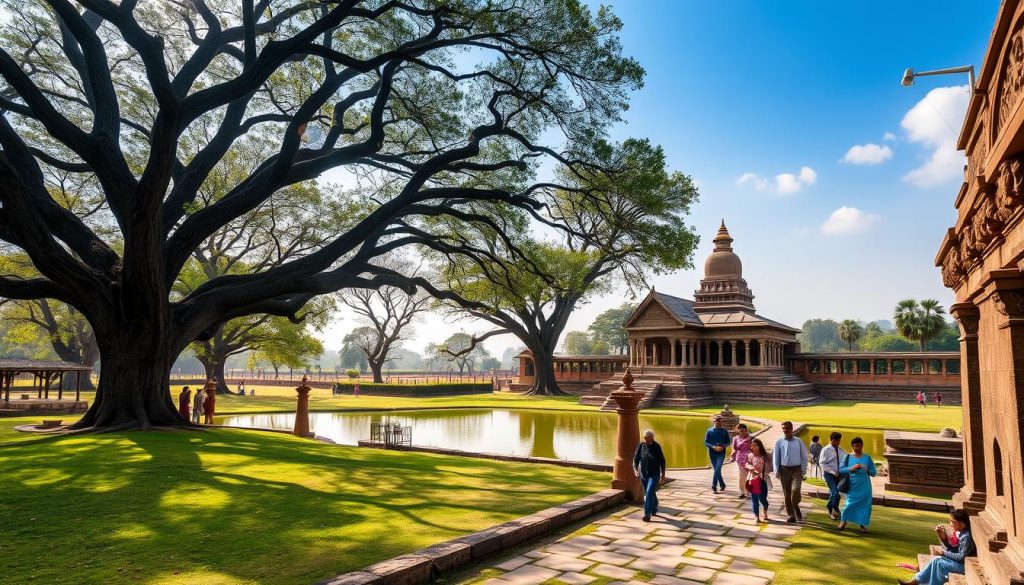
Why Visit Lumbini: Unique Experiences Await
Lumbini is a treasure trove for those looking for unique experiences. It’s not just a pilgrimage site but a window into humanity’s cultural and spiritual past. Being a UNESCO World Heritage Site, it stands out on the world map.
UNESCO World Heritage Status
Lumbini’s UNESCO status shows its huge impact on world history and culture. It’s where Lord Buddha was born, drawing scholars, pilgrims, and tourists. You can see the Sacred Garden, where Buddha was born, in all its serenity.
Efforts to keep this heritage alive mean future generations can also enjoy its rich history.
Cultural Diversity in Architecture
Lumbini’s temples and monasteries show off cultural diversity. Each one has its own architectural style, showing how different cultures see Buddhism. You’ll see everything from traditional Nepalese designs to modern styles.
These buildings tell their own stories, adding to the site’s charm. They make your visit to this UNESCO site unforgettable.
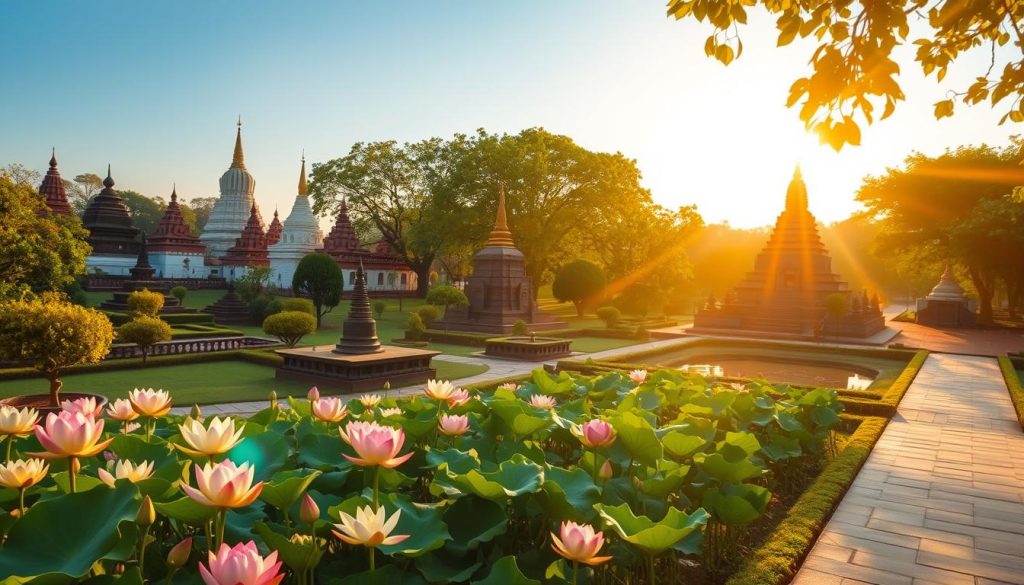
The mix of cultures in Lumbini makes your visit special. It shows the value of global understanding and respect for Buddha’s teachings.
Maya Devi Temple: The Heart of Lumbini
The Maya Devi Temple is a key spot in Lumbini, known as Buddha’s birthplace. It attracts many who want to see its history and spiritual feel. At its center is a stone marking Buddha’s birth spot, making the significance of Maya Devi Temple even greater.
Next to the temple is an old Holy Pool. It’s where Queen Maya Devi bathed before Buddha was born. The pool and the temple’s history add to its spiritual and cultural value.
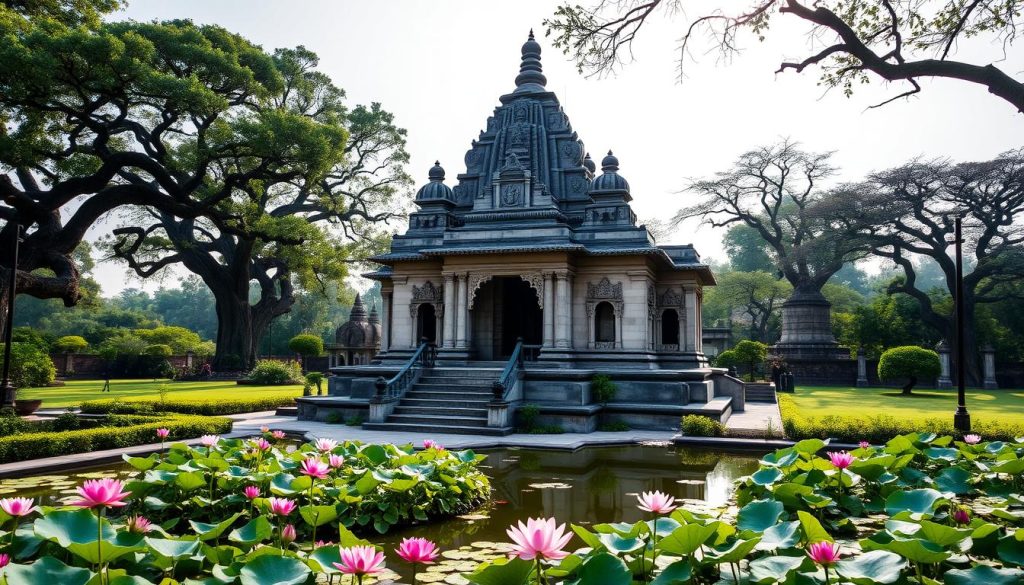
The significance of Maya Devi Temple goes beyond being a tourist spot. It represents a search for understanding and a connection with history. The temple is a peaceful place for reflection and is a key spot to visit in Lumbini.
| Key Features | Description |
|---|---|
| Marker Stone | Denotes the location of Buddha’s birth |
| Holy Pool | Site where Queen Maya Devi is said to have bathed |
| Inscriptions | Dating back to the third century BCE, showcasing historical relevance |
| Spiritual Ambiance | Provides a serene atmosphere for contemplation |
Visiting the Maya Devi Temple deepens your Lumbini experience. It connects you to a remarkable past that influences its present. Whether you’re looking for spiritual insight or historical knowledge, this temple is a crucial part of Lumbini’s identity, attracting pilgrims worldwide.
Lumbini Attractions for Non-Buddhists
Visiting Lumbini is a rich experience filled with culture and history. It offers many sites that appeal to everyone, not just Buddhists. These places highlight the beauty and history of this sacred place.
Exploring the Sacred Garden
The Sacred Garden in Lumbini is a peaceful spot for relaxation and thought. Walking through its green spaces, you find calm. The garden is filled with:
- Picturesque pathways with colorful prayer flags
- Beautiful plants showing nature’s splendor
- Quiet places for deep thinking
Must-See Monuments and Stupas
Lumbini is home to amazing monuments that tell stories of peace and spirituality. These sites draw people from all walks of life. Some key attractions include:
| Monument | Description | Significance |
|---|---|---|
| Ashoka Pillar | A stone pillar built by Emperor Ashoka | Marks the birthplace of Buddha |
| Eternal Peace Flame | An eternal flame representing peace | A symbol of hope and harmony for all |
| International Monastic Zone | A zone exhibiting stupas from various countries | Demonstrates global Buddhist cultural expressions |
The Spiritual Atmosphere of Lumbini
Lumbini’s calm environment invites you to reflect and explore your spirituality. The spiritual vibe is strong from the start, encouraging you to immerse in the peaceful setting. For those looking to escape daily stress, Lumbini offers meditation spots for all levels.
Many feel a deep sense of peace and connection with Lumbini’s spiritual history. Even those not Buddhist can find deep moments of reflection here. It’s a perfect spot for anyone wanting to grow personally.
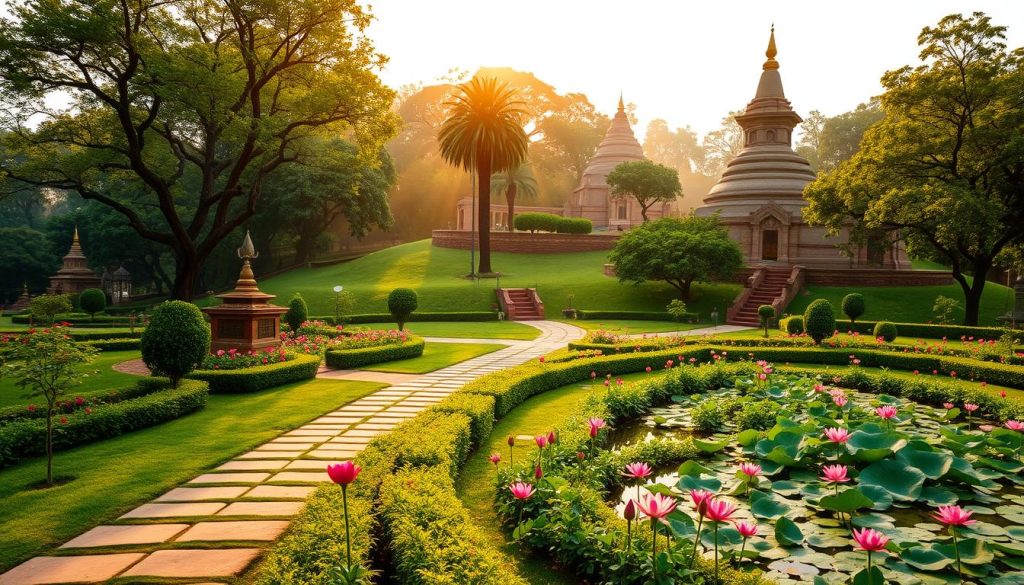
Walking around, you’ll see people from all walks of life meditating and practicing mindfulness. This welcoming atmosphere creates a rich mix of experiences. Everyone leaves feeling calm and fulfilled.
| Activity | Description | Target Audience |
|---|---|---|
| Meditation Workshops | Guided sessions focusing on mindfulness and tranquility. | All levels, including beginners. |
| Quiet Reflection Zones | Designated areas for personal meditation and relaxation. | Anyone seeking solitude. |
| Spiritual Retreats | In-depth programs exploring mindfulness and spiritual practices. | Individuals interested in deepening their spiritual journey. |
| Group Meditations | Community-driven meditation sessions fostering collective energy. | Those looking for shared experiences. |
Is Lumbini Worth Visiting for Non-Buddhist Travelers?
Visiting Lumbini can give you deep insights into culture and spirituality, no matter your faith. This site connects the past with the present, offering enlightening experiences. For non-Buddhists, Lumbini’s rich history, diverse architecture, and peaceful setting make it a must-see.
Personal Reflections and Insights
A trip to Lumbini invites deep reflection on your Lumbini visit. You might find a new sense of purpose. The site’s elements echo basic human values, encouraging reflection on your beliefs.
Many travelers share insights into Lumbini experiences. They say their views on spirituality and culture expand. The mix of calm landscapes and history offers a unique, growth-inducing experience.
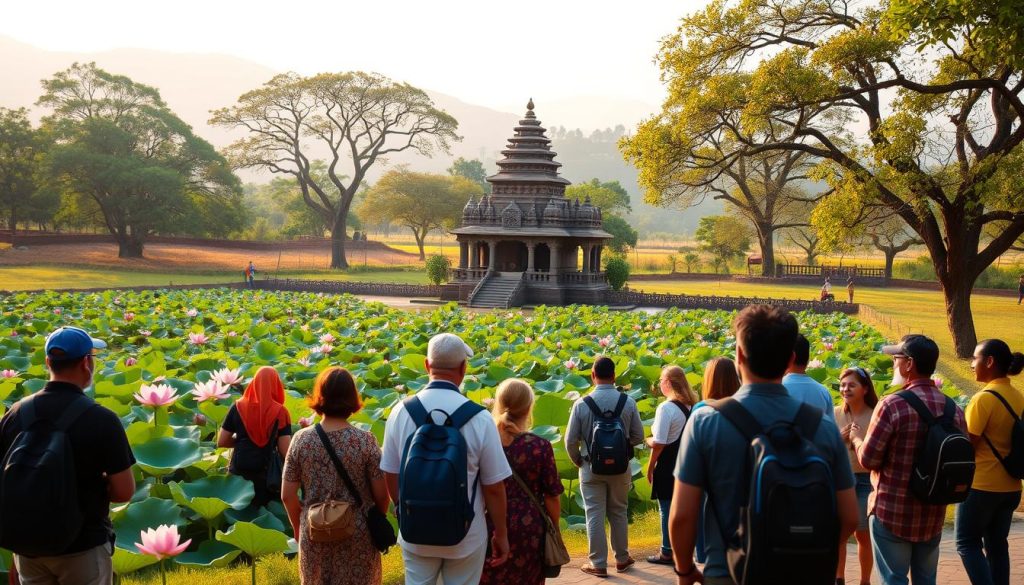
Exploring Lumbini means entering a welcoming space for all. It’s a chance to broaden your horizons and appreciate different views. This makes Lumbini a great spot for anyone looking to enrich their travels, even if you’re not Buddhist.
Lumbini Travel Tips for Non-Buddhists
Planning your trip to Lumbini? Think about the best time to see its beauty. Spring (March to May) and winter (October to February) are the best seasons. You’ll enjoy mild weather, making it easy to explore.
Best Time to Visit
Visit Lumbini when the weather is mild. Spring brings colorful blooms, and winter is cool for exploring. Knowing the best time helps you plan your trip and enjoy all it offers.
How to Get There
Getting to Lumbini is easy. The closest airport is Gautam Buddha Airport, just 22 kilometers away. You can take daily buses or taxis. Knowing how to get there saves time, so you can dive into the culture.