Kathmandu Public Transport Reliability – Know Before You Go
Ever thought about the reliability of public transport in Kathmandu? Is it a risk for both locals and visitors?
Kathmandu’s public transport is a key part of life, moving through the city’s busy streets. But, it’s important to know its ups and downs. This article dives deep into the Kathmandu transport system. We’ll look at its reliability, how well it works, and what daily users say. Ready to learn about Kathmandu’s public transport before you go?
Introduction to Kathmandu’s Public Transport System
Kathmandu’s public transport system offers many ways to get around the city. You can use buses, microbuses, tempos, and taxis. These options help meet the needs of the city’s growing population.
However, the system faces challenges like safety, accessibility, and efficiency issues. The World Bank is helping to improve these areas. Their goal is to make commuting better and reflect the city’s modern aspirations.

Overview of Kathmandu’s Transportation Network
Kathmandu has a wide range of transportation options for everyone. Whether you commute daily or travel occasionally, there’s something for you. Knowing about these options will make getting around the city easier.
Types of Transport Available
The city’s transport system includes big public buses, microbuses, tempos, and taxis. Each one is designed for different needs and people:
- Public Buses: These are the cheapest way to travel, carrying lots of people. They cover many parts of the city.
- Microbuses: A bit pricier than buses, microbuses are faster because they stop less often.
- Tempos: These three-wheeled vehicles are great for short trips. They’re a quick and easy way to get around.
- Taxis: Taxis are easy to find and offer comfort and flexibility. They’re perfect for those who want a hassle-free ride.
Major Routes and Destinations
Key routes in Kathmandu link important places like Baluwatar, Pulchowk, and Thamel. These paths are used by many for work and fun. However, the lack of a fixed schedule can cause long waits and crowded rides. This makes traveling around the city a bit tough.
Understanding Kathmandu Bus Services
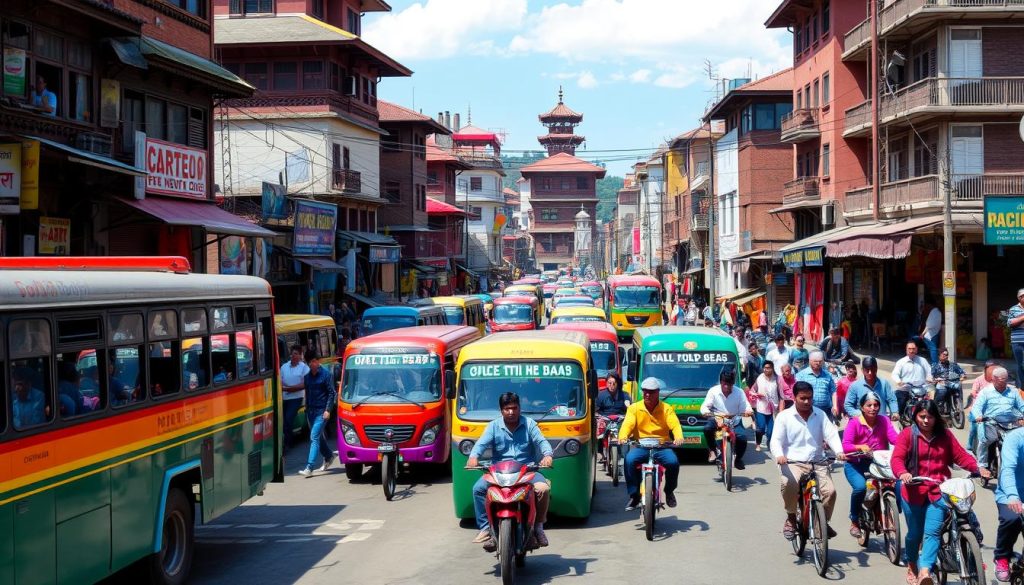
The Kathmandu bus service is key to the city’s public transport. It helps both locals and tourists get around. The service includes Shaja buses run by the government and private buses with numbers.
Shaja buses follow a set schedule, aiming for regular service. But, irregularities often cause delays. Knowing when buses will arrive is crucial for city travel.
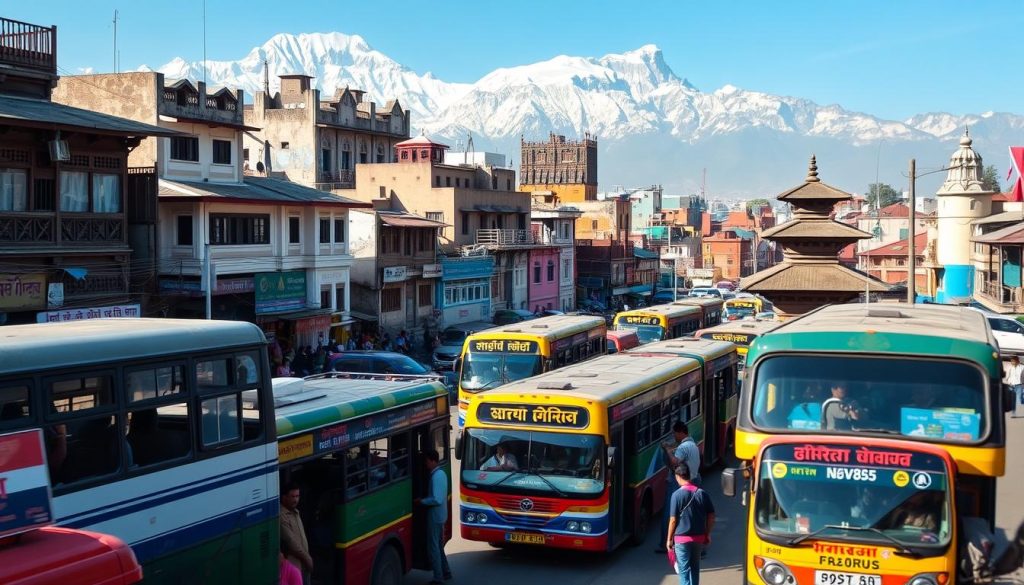
Private buses, however, offer more flexibility in routes. They let passengers reach different places easily. But, this flexibility can lead to overcrowding, making trips uncomfortable and unsafe.
The Kathmandu public transport reliability depends on a mix of Shaja buses and private services. Knowing about these can make your travel in Kathmandu better.
Microbuses and Tempos: An Alternative Option
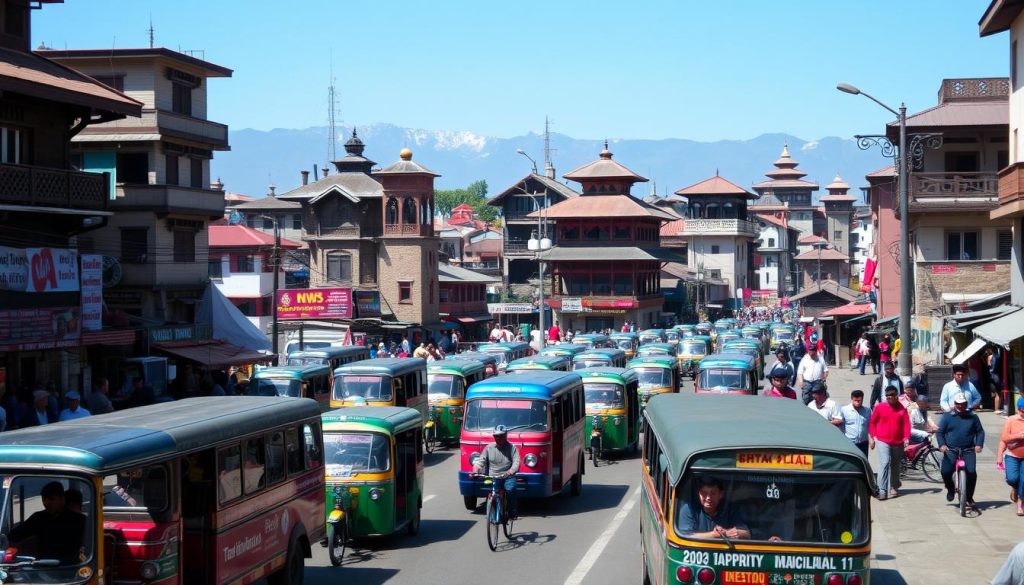
Kathmandu has many ways to get around, like microbuses and tempos. They are good alternatives to regular buses. They are efficient but can be crowded. Knowing how they work can make your trip better.
How Microbuses Operate
Microbuses run on set routes in Kathmandu. They are faster than regular buses. But, they are very crowded, making them lively.
Even though they are tight, they cover important areas well.
Tempo Services Explained
Tempos are three-wheeled vehicles that go around Kathmandu. They are cheap, so locals like them. You can get on and off at stops, but it’s not very comfy.
Both microbuses and tempos are key in Kathmandu’s transport system. They show how the city moves.
| Transport Type | Capacity | Fare | Comfort Level |
|---|---|---|---|
| Microbus | 10-20 passengers | Low | Moderate |
| Tempo | 5-10 passengers | Very Low | Low |
Is the Public Transport System Reliable in Kathmandu?
Many people use Kathmandu’s public transport every day. But, they often face many challenges. Knowing these issues can help you use the system better.
Common Issues Experienced by Commuters
There are several problems that riders deal with. The main issues are:
- Inconsistent Schedules: People are unsure when buses or microbuses will arrive.
- Long Wait Times: Waiting for a long time between vehicles is frustrating, especially when it’s busy.
- Overcrowding: Vehicles are often full, making rides uncomfortable for everyone.
- Driving Practices: Some drivers drive recklessly, which is a safety concern.
Impact of Overcrowding
Overcrowding makes public transport in Kathmandu less reliable. Passengers are often squished into vehicles, affecting comfort and safety. This can cause:
- Increased Stress: Being in tight spaces is uncomfortable for riders.
- Potential Safety Hazards: Vehicles that are too full can have accidents or sudden stops.
- Delayed Travel Times: It takes longer to get on and off, slowing down travel.
Challenges to Public Transport Reliability in Kathmandu
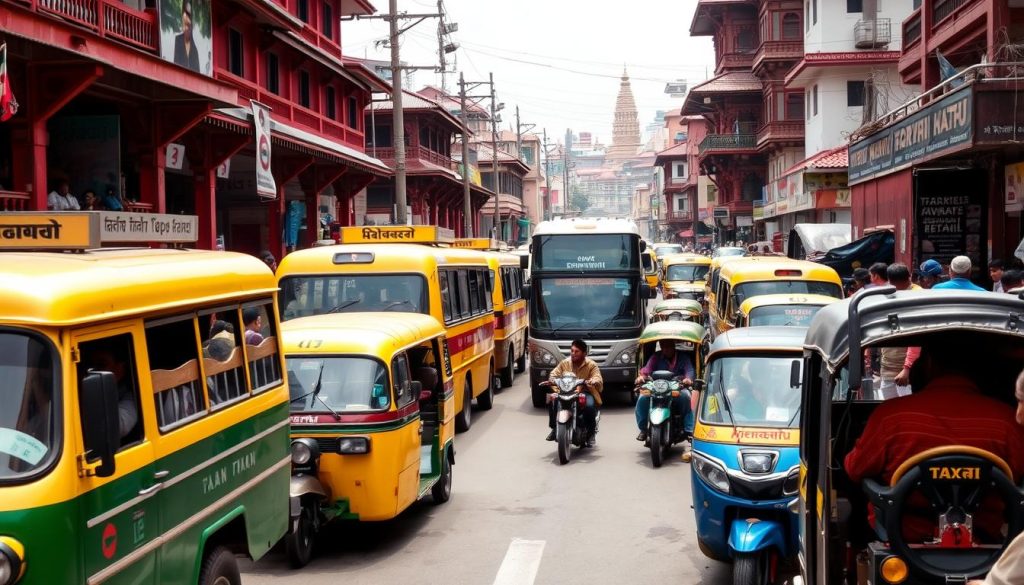
The public transport in Kathmandu has many challenges. These issues are important for both commuters and city planners. Here are some key problems that make public transport less reliable.
Lack of Schedule and Irregular Timings
One big problem is the lack of fixed schedules. Most transport services don’t follow a regular timetable. This makes it hard for people to plan their trips.
They often have to wait a long time or miss appointments. This is because the service is not consistent.
Safety Concerns for Commuters
Safety is a big worry in Kathmandu’s transport system. Buses and microbuses are often very crowded. This is dangerous for everyone on board.
There are also reports of drivers driving recklessly. This makes many people scared to use public transport.
Environmental Impacts of Public Transport
The public transport system also harms the environment. More vehicles mean worse air quality in Kathmandu. This pollution is bad for people’s health.
It also makes the city a less pleasant place to live. We need a better, greener way to get around.
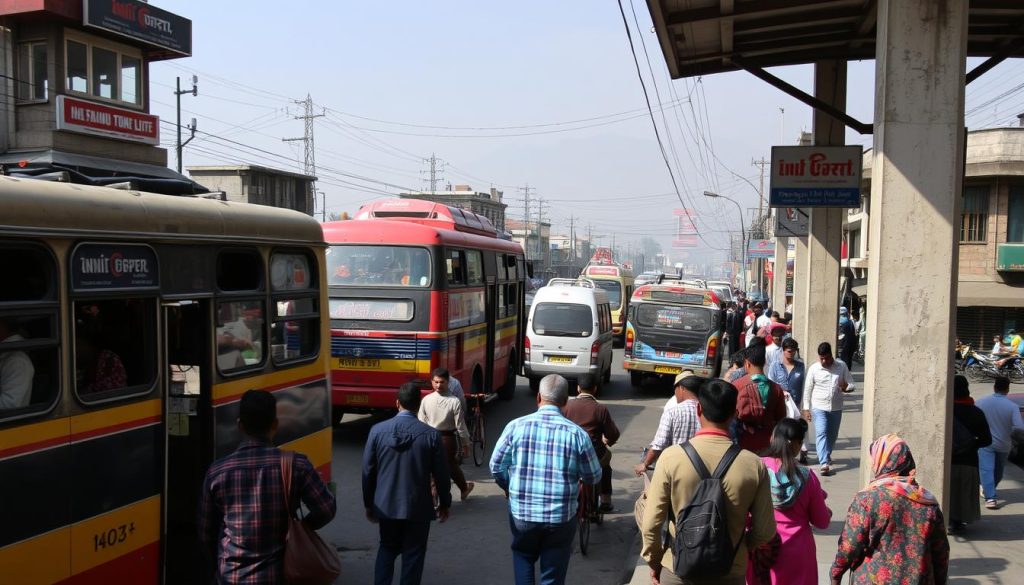
Current Efforts to Improve Transport Reliability
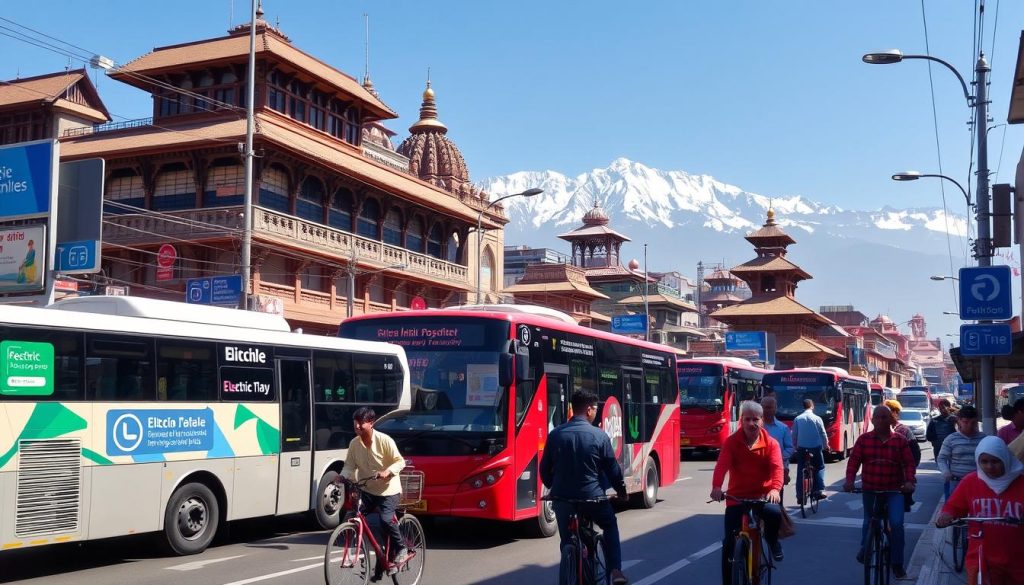
The Nepalese government is focusing on making Kathmandu’s public transport better. They aim to create a safer and more reliable system. They are working on several strategies to improve safety and service quality.
Government Initiatives and Policies
The government has introduced several policies to boost the transport system. These include:
- Investment in road development and maintenance.
- Implementation of public transport regulations to improve service standards.
- Collaboration with international organizations for funding and expertise.
These efforts aim to solve current problems and improve urban transport.
Introduction of Women-Only Buses
The introduction of women-only buses is a big step towards safety. These buses offer:
- A secure environment for female commuters.
- A way to encourage more women to use public transport.
- An inclusive approach that reflects societal changes.
These measures show the government’s commitment to better public transport in Kathmandu.
| Initiative | Description | Impact |
|---|---|---|
| Road Development | Investment in pothole repairs and new road designs. | Improved travel times and reduced congestion. |
| Public Transport Regulations | Establishment of service standards for buses and microbuses. | Increased reliability and safety for commuters. |
| Women-Only Buses | Exclusive bus services for women to enhance safety. | Higher participation of women in public transport. |
Public Transport Costs: Affordability and Value
Public transport in Kathmandu is key for daily life. Knowing the bus fare helps you use it better. Fares are from 5 to 30 rupees, making it affordable for many. Yet, many passengers worry about the service quality, especially reliability.
Even though fares are low, the value of service is questioned.
Bus Fare Structure in Kathmandu
Kathmandu’s bus fares vary based on distance, bus type, and time of day. Here’s a table showing typical fares by bus type:
| Bus Type | Fare (in Rupees) | Routes Served |
|---|---|---|
| Standard Bus | 5 – 15 | Short routes within the city |
| Microbus | 10 – 20 | Medium-distance routes |
| Passenger Bus | 20 – 30 | Long routes connecting suburbs |
Discounts for Students and the Elderly
Discounts for students and seniors make public transport more affordable. These discounts help make travel easier for these groups. Some buses offer half-price fares for them, making city travel more accessible.
User Experiences and Testimonials
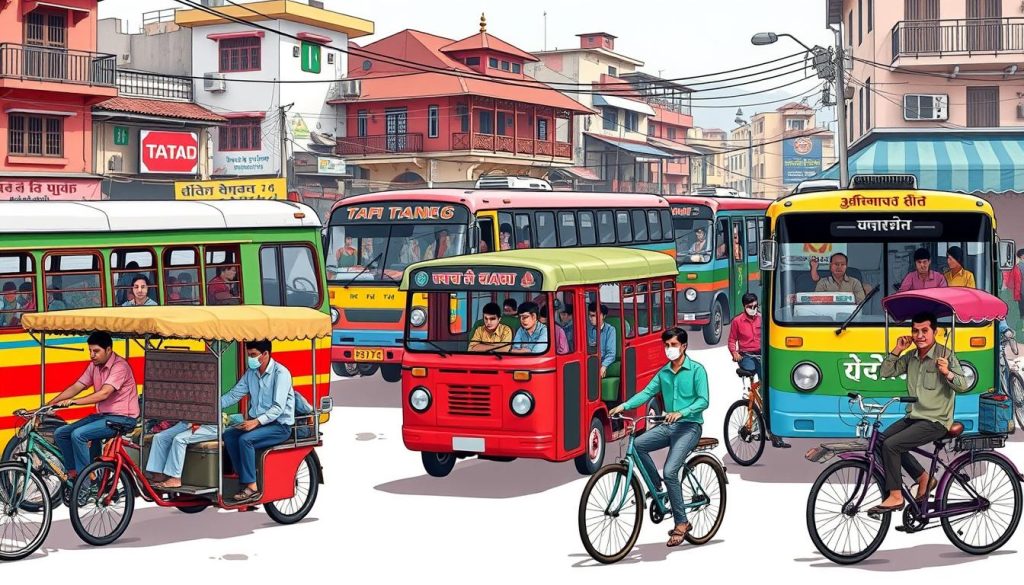
Exploring the user experiences in Kathmandu’s public transport gives us a clearer view of its reliability. Many people share their thoughts, showing both the good and bad sides. Some are happy with the low prices and the variety of transport options. Yet, others talk about safety issues and poor service.
Commuter Stories and Feedback
Commuter feedback ranges from positive to negative. People share stories about different aspects:
- Low Fares: Many like the affordable prices, making daily travel easy on the wallet.
- Youth Commuters: Younger riders often praise the easy access to microbuses and tempos for quick trips.
- Safety Concerns: However, many feel unsafe, especially during busy times.
- Service Reliability: Others complain about unpredictable schedules that mess up their plans.
What bothers people the most is the lack of safety improvements and crowded buses. They wish for better Kathmandu public transport reliability for a safer and more enjoyable ride.
Future Initiatives for Kathmandu’s Public Transport
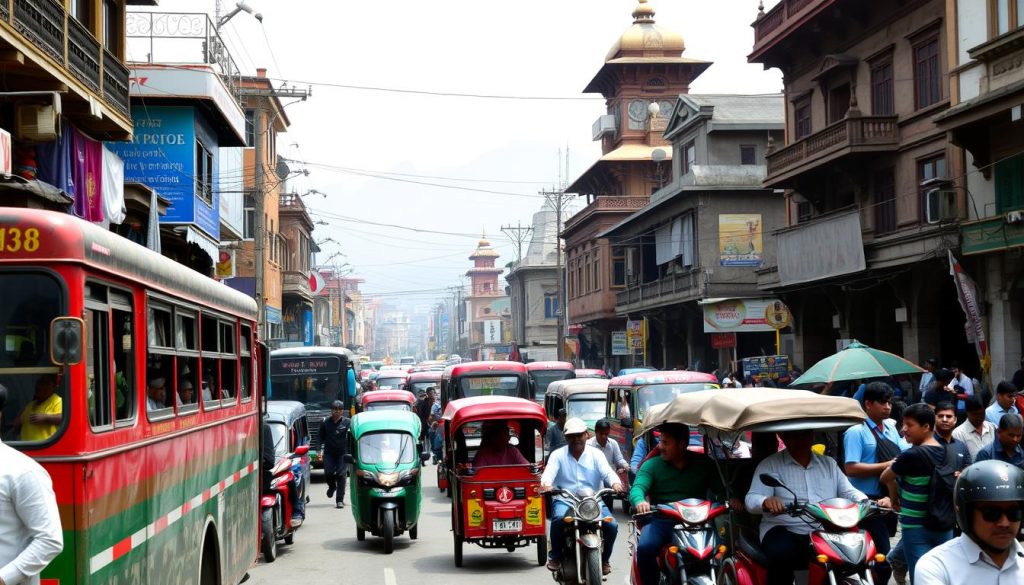
Kathmandu’s public transport is set to change for the better. New plans will focus on solving current problems. They will use urban planning that meets community needs and expert advice.
Good planning is key to making public transport better. It will help make travel easier and more reliable for everyone.
Potential Urban Planning Solutions
Improving Kathmandu’s transport system is crucial. Here are some important steps:
- Formalization of bus routes: Clear routes will make travel smoother.
- Reliable schedules: Timely buses will make users happier.
- Multi-modal transport integration: Using different transport options will connect the city better.
Community Engagement in Transport Reform
Getting the community involved is essential. Their input helps create solutions that meet local needs. Here’s how:
- Surveys and feedback sessions: Hearing from commuters helps find what needs fixing.
- Partnerships with local organizations: Working with community groups makes policies better.
- Educational campaigns: Teaching people about transport options gets them involved.
Conclusion
Exploring Kathmandu’s public transport shows both challenges and efforts to improve. Issues like overcrowding, irregular schedules, and safety are being tackled. This is thanks to government plans and community help.
Improving transport is key for daily life and the city’s growth. By focusing on safety, reliability, and easy access, the system can better serve everyone. New projects aim to make commuting in Kathmandu better.
Getting to know the transport system helps you move around the city better. As changes happen, your experiences can help shape the future of public transport in Kathmandu. This will lead to a smoother commute for all.