Kaohsiung Etiquette Guide: Customs to Observe
When visiting a new city, it’s essential to understand and respect the local customs and etiquette. Kaohsiung, in southern Taiwan, is known for its vibrant culture and traditions that visitors must observe. This article will provide you with an overview of the cultural etiquette and customs you should observe when visiting Kaohsiung. By understanding and respecting these customs, you can have a more respectful and enriching experience in this captivating city.
From appropriate greetings to dining etiquette, dress code, and visiting temples, we’ll cover all the essential practices and rituals. Learning about the cultural norms involved in transportation, festivals, and celebrations is equally important. You will also discover the taboos and sensitivities to avoid while traveling in Kaohsiung.
Join us as we embark on a journey of cultural understanding and immersion in Kaohsiung, focusing on each aspect of the city’s customs and traditions you must observe when visiting.
Greetings and Politeness
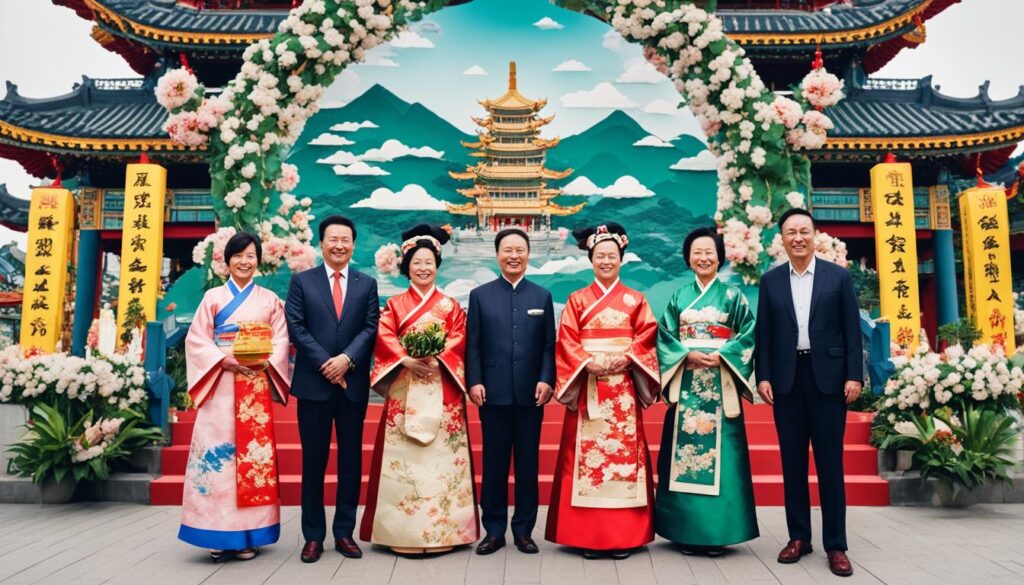
Showing respect is an integral part of Kaohsiung’s cultural etiquette. When greeting someone, bow slightly and use honorific titles and formal language. Addressing someone with their title (such as “Doctor” or “Teacher”) is considered polite and respectful. In general, older people are held in high regard, so always show deference to them. Be sure to avoid physical contact, such as hugging or handshaking, unless the other person initiates it.
Small talk is a common way to establish rapport, but always maintain a polite and respectful tone. Topics like family, interests, and travel are often good icebreakers, but be sure to avoid sensitive subjects like politics or religion.
The following table summarizes some of the key Kaohsiung etiquette tips related to greetings and politeness:
| Etiquette | Description |
|---|---|
| Bow slightly | When greeting someone, bow slightly as a sign of respect. |
| Use honorific titles | Address someone with their title (such as “Doctor” or “Teacher”) to show respect. |
| Avoid physical contact | Be cautious with physical contact, such as hugging or handshaking, unless initiated by the other person. |
| Show deference to older people | In general, older people are held in high regard, so always show deference to them. |
| Small talk | Small talk is a common way to establish rapport, but maintain a polite and respectful tone. |
Observing customs in Kaohsiung related to greetings and politeness can help you make a positive impression and show respect to locals during your stay.
Communication and Language
Communication in Kaohsiung involves more than just language. Body language and personal space also play an essential role in effectively conveying messages. For instance, physical contact during communication, such as touching the arm of the person you’re talking to, is considered inappropriate and may cause discomfort or offense to the other person. Furthermore, Kaohsiung residents tend to value privacy and often maintain some distance during conversations.
When it comes to language, Mandarin Chinese is the official language in Kaohsiung. While English is widely spoken, it is always advisable to carry a basic understanding of Mandarin, especially when using public transport or ordering food in local restaurants. Basic phrases like “Ni hao” (hello) and “Xie xie” (thank you) go a long way in establishing rapport and connecting with locals.
Additionally, it’s important to note that the meaning of certain words or gestures may differ in Kaohsiung. For instance, nodding your head vertically may not always indicate agreement, as it may mean that you understand what the other person is saying. Similarly, pointing with one’s finger is often considered rude and may be perceived as accusatory.
Tip: When communicating with locals, be respectful, attentive, and aware of their nonverbal cues to ensure effective communication and mutual respect.
Key Phrases in Mandarin Chinese

| English | Mandarin Chinese | Pronunciation |
|---|---|---|
| Hello | Ni hao | Knee how |
| Goodbye | Zai jian | Zai jee-ehn |
| Thank you | Xie xie | Sheh sheh |
| Excuse me | Dui bu qi | Dway boo chee |
| Yes | Shi | Shur |
| No | Bu shi | Boo shur |
Note: While Mandarin is the official language in Kaohsiung, communities of Hakka, Minnan, and indigenous languages are also present, adding to the linguistic diversity of the area.
Dining Etiquette
When visiting Kaohsiung, exploring the customs and traditions surrounding dining is crucial to understand and respect cultural norms. Local cuisine is a must-try, and dining etiquettes are an essential part of the experience. Here are some dining etiquettes to keep in mind:
Table Manners
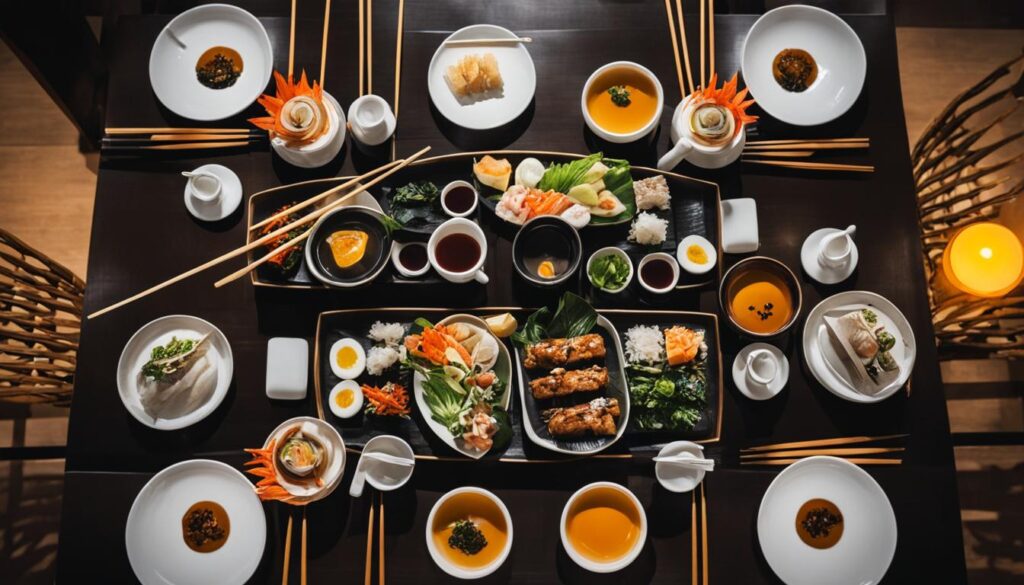
Table manners are essential when dining in Kaohsiung. Always wait for the host or the most senior person to start eating before taking a bite. It is also customary to say “itadakimasu” before eating. When eating hot soup, scoop it away from you instead of towards yourself to avoid making a mess. Additionally, slurping noodles is acceptable and even seen as a compliment to the chef.
Chopstick Etiquette
Chopsticks are a crucial aspect of dining etiquette in Kaohsiung. When not using chopsticks, place them on top of the bowl or on a chopstick rest. Refrain from sticking chopsticks into the food, as this is associated with funerary rituals. When sharing food, only use the end of your chopsticks that have not touched your mouth. Lastly, never pass food directly from one pair of chopsticks to another, as this is connected with funerary rituals as well.
Customs During Mealtime
During mealtime, it is customary to show appreciation for the food by complimenting the host or chef. It is also a good practice to try every dish served, as this shows respect for the host’s hard work and effort. Refrain from discussing sensitive topics such as politics, religion, and money, as these conversations can be viewed as impolite during mealtime.
Gift Giving and Receiving
Gift-giving is an essential part of Kaohsiung customs and traditions. When visiting a local family or attending a wedding or celebration, it is polite to bring a gift. However, before selecting a present, it’s important to consider the proper gift etiquette in Kaohsiung.
When choosing a gift, you should always keep in mind the recipient’s age, gender, and relationship with you. Depending on the situation, popular gift choices include tea, fruit, or souvenirs like keychains or postcards. Avoid giving items like clocks, handkerchiefs, or umbrellas, as they have negative connotations in Taiwanese culture.
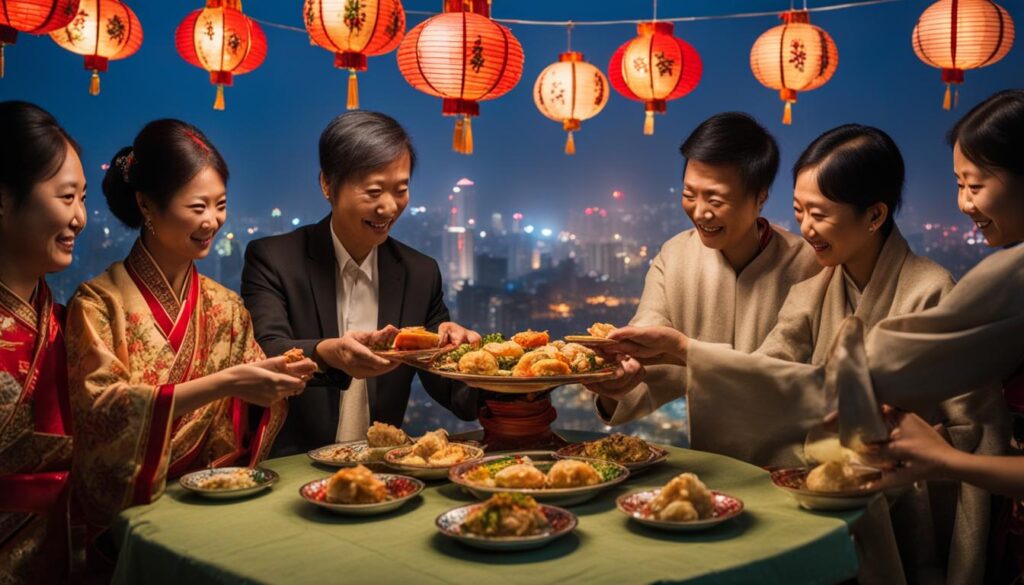
When presenting a gift, it’s customary to wrap it in brightly-colored paper and use both hands to offer it to the recipient. The recipient will typically refuse the gift a few times before accepting it, so be prepared to persist gently but respectfully.
When receiving a gift, it’s essential to express gratitude. Thank the giver in person and consider sending a thank-you note or small gift in return. Failure to express appreciation can cause offense in Kaohsiung cultural practices.
Pro Tip: If you are unsure what to give as a gift, consult with a local friend or guide who can advise you on appropriate choices.
Dress Code and Appearance
When visiting Kaohsiung, it’s important to be aware of the dress code expectations in different settings. Dressing appropriately shows respect for the local customs and traditions. In Kaohsiung, conservative dressing is the norm, and modest clothing is preferred. Avoid wearing revealing clothing or articles with offensive messages.
When visiting temples or other sacred places, refrain from wearing shorts, sleeveless tops, or revealing clothing. It’s also customary to remove shoes before entering, so it’s best to wear slip-on shoes or shoes with straps that can be easily removed.
For business settings, dress codes tend to be formal, with suits and ties for men and conservative dresses or suits for women. In more casual settings, such as restaurants or cafes, smart casual clothing is acceptable.
Remember that personal appearance is also important in Kaohsiung. Ensure that your hair is well-groomed and neat, and avoid excessive makeup or strong perfumes. These small details can make a big difference in showing respect for the local culture.
Dress Code in Different Settings
| Setting | Dress Code |
|---|---|
| Sacred Places (Temples, Shrines) | Modest, conservative clothing. Remove shoes before entering |
| Business Meetings | Formal attire (suits and ties for men, formal dresses or suits for women) |
| Casual Settings (Restaurants, Cafes) | Smart casual attire |
In short, dressing appropriately is a sign of respect for Kaohsiung’s cultural norms. By following the dress code expectations in different settings, you can ensure that you are representing yourself well and making a positive impression.
Visiting Temples and Sacred Places
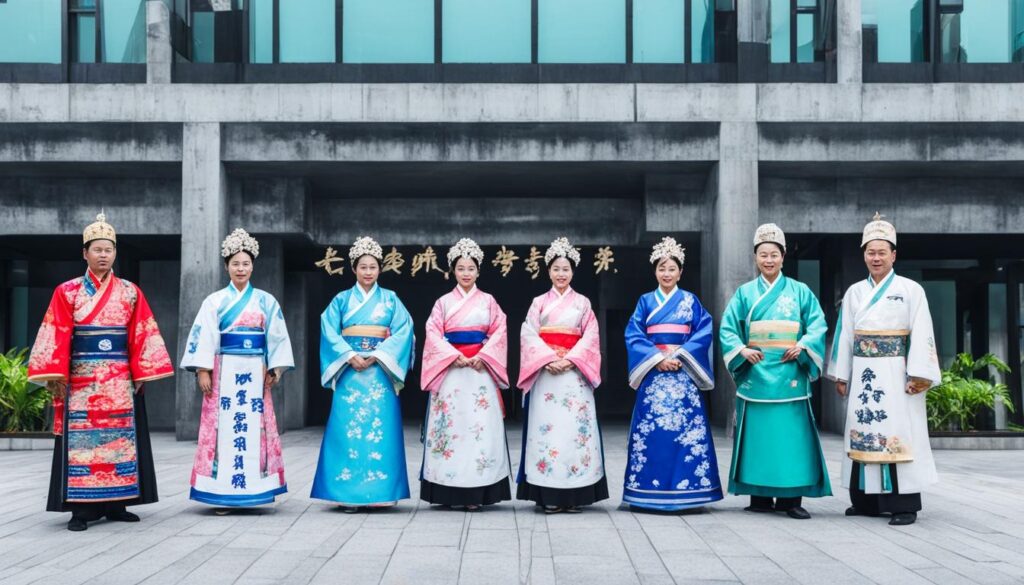
When visiting temples and sacred places in Kaohsiung, it’s essential to observe the cultural etiquette and customs to show respect for the local traditions. Dress code requirements are particularly important to follow, with visitors generally expected to dress modestly in long pants or skirts and covering their shoulders.
It’s also essential to conduct yourself appropriately when in a temple, showing reverence and avoiding loud noises or disruptive behavior. You may also need to remove your shoes before entering some temples or specific areas, so be sure to watch for signs and follow the lead of local visitors.
When participating in rituals or practices, it’s important to remain quiet and observe the actions of those around you to avoid any unintentionally disrespectful behavior. Some temples may also require specific offerings or donations, so be prepared to respectfully participate in these customs.
“Visiting temples can be a fascinating and enriching experience, but it’s vital to observe the cultural customs and show respect to the local traditions.”
Public Behavior and Respect for Elders
When in Kaohsiung, it’s essential to understand the importance of public behavior and how it is directly linked to showing respect for elders. Respect for elders is a crucial aspect of Kaohsiung cultural customs, and you should observe these customs when interacting with older individuals.
In public spaces, it’s essential to maintain proper decorum by keeping your voice down and refraining from loud or inappropriate behavior. When taking public transportation, observe the customs surrounding queueing, offering seats to the elderly and physically challenged, and other passengers on buses and trains. Failure to follow these customs may be perceived as disrespectful by locals.
Lastly, always demonstrate respect for older individuals in Kaohsiung by giving them the proper salutation or addressing them using their appropriate title. Using ‘Lao’ as a prefix before their first name is a common sign of respect in Kaohsiung cultural practices. By doing so, you show respect for the local customs and traditions and demonstrate your appreciation for the rich cultural heritage of this vibrant city.
Festivals and Celebrations
Immerse yourself in the vibrant and culturally rich festivities of Kaohsiung. From traditional religious festivals to modern events, each celebration has its unique customs and traditions that are worth experiencing.
Cultural Tip: It is customary to bow and say a prayer when entering a temple or shrine during religious festivals.
The Dragon Boat Festival
The Dragon Boat Festival, held on the fifth day of the fifth month on the lunar calendar, is one of the most significant and energetic celebrations in Kaohsiung. During the event, dragon boat races take place in various parts of the city. Watch the fierce competition while enjoying traditional rice dumplings called Zongzi.
The Mid-Autumn Festival
The Mid-Autumn Festival is celebrated on the fifteenth day of the eighth lunar month and is also known as the Moon Festival. It is a time for families to gather and enjoy mooncakes, a sweet pastry filled with lotus paste or red bean paste. Stroll through the illuminated streets of Kaohsiung, admiring the beautiful lanterns in various colors and shapes.
The Lantern Festival
The Lantern Festival marks the end of the Chinese New Year celebration and is held on the fifteenth day of the first lunar month. Observe thousands of colorful lanterns lining the streets and join in the celebrations as dragon dance performances take place throughout the city.
Cultural Insight: Red symbolizes good fortune and joy in Chinese culture, so it is customary to see plenty of red decorations and lanterns during festivals and celebrations in Kaohsiung.
Taboos and Cultural Sensitivities
When visiting Kaohsiung, it’s important to be conscious of the local cultural practices to ensure you don’t accidentally offend anyone. Some taboos and sensitivities to keep in mind include:
Avoid Losing Face
In Taiwan, it’s important to avoid causing someone to lose face, which means not causing public embarrassment or humiliation. Avoid openly criticizing someone, raising your voice, or making a scene in public.
Avoid Direct Negative Feedback
In Kaohsiung, people may avoid giving direct negative feedback to avoid causing discomfort. Instead, they may offer indirect negative feedback that requires careful interpretation. Be aware of this practice, and don’t assume that the lack of negative feedback means you’ve done well.
Respect Personal Space
Personal space is important in Taiwan, so avoid getting too close to others unless the situation calls for it. When possible, keep a polite distance, and take care not to touch someone without permission.
Be Mindful of Social Hierarchy
Social hierarchy exists in Taiwan, and it’s important to show respect to those in higher positions. Use titles (such as “boss” or “teacher”) appropriately, and avoid addressing someone by their first name if they hold a higher position than you.
Avoid Talking About Politics
Politics can be a sensitive topic in Taiwan. Avoid discussing sensitive or divisive political topics, especially if you’re not fully knowledgeable about the issue.
By keeping these cultural sensitivities in mind, you can show respect for the local customs and traditions during your visit to Kaohsiung.
Transportation Etiquette
When using public transportation in Kaohsiung, it is essential to understand and respect the local customs. Whether you are taking the subway, bus, or taxi, following proper etiquette can make your journey smoother and more enjoyable.
Queuing
In Kaohsiung, people value order and respect queues. When waiting in line for public transportation, always join the end of the line and wait for your turn. Do not try to cut in line or block others from entering the vehicle before it is their turn.
Giving Up Seats
In Kaohsiung, it is common practice to give up your seat to those who need it more, such as the elderly, pregnant women, or individuals with disabilities. If you see someone in need, offer your seat to them to show respect and kindness.
Respect for Fellow Passengers
Show respect for your fellow passengers by keeping the noise level low and avoiding loud conversations or music. Keep your bags and belongings close to you to avoid blocking the aisle or taking up unnecessary space. As a general rule, be mindful of those around you and treat them with kindness and consideration.
By following these simple transportation etiquette rules, you can ensure a smoother journey while respecting the local customs.
Conclusion
Congratulations on learning about the essential cultural etiquette and customs to observe when visiting Kaohsiung! By respecting and understanding these customs, you can have a more enriching and respectful experience in this vibrant city. Remember to greet others politely, be aware of communication nuances, observe proper dining etiquette, and respect taboos and cultural sensitivities. Additionally, dressing appropriately, showing respect for elders, and following transportation etiquette are all important aspects of observing Kaohsiung cultural customs. By immersing yourself in the local customs and traditions, you can enhance your journey and build positive connections with the local people.
Always keep in mind that cultural etiquette is an essential aspect of traveling and helps to show respect for the local culture. We hope this guide has provided you with valuable insights and Kaohsiung etiquette tips to follow when visiting this captivating city. Have a wonderful journey exploring the beautiful culture of Kaohsiung!