Is it respectful to visit Hiroshima Peace Memorial Park?
If you’re planning a visit to Hiroshima, you may be wondering about the appropriate way to approach the city’s tragic history. Hiroshima Peace Memorial Park is a crucial destination for any visitor to the city, but it’s essential to approach it with respect and understanding.
As an atomic bomb memorial and a commemoration of the lives lost during World War II, Hiroshima Peace Memorial Park holds significant historical significance. In this section, we will explore the importance of visiting the park with respect and sensitivity, acknowledging the solemnity of the site and its role in remembering Hiroshima’s past.
Before we delve deeper into the park’s significance, let’s take a moment to consider the importance of a respectful visit.
While viewing the park’s many memorials and exhibits, it’s important to keep in mind the gravity of what occurred in Hiroshima in 1945. By approaching the park with a deep understanding and appreciation for the significance of its history, you can ensure that your visit is respectful and meaningful.
Understanding Hiroshima’s History
Before you visit the Hiroshima Peace Memorial Park, it’s essential to understand the historical significance of the city and the impact of the atomic bomb during World War II. The bombing of Hiroshima on August 6, 1945, resulted in widespread destruction, claiming the lives of over 100,000 people and leaving many more injured.
The World War II aftermath saw Hiroshima struggling to cope with the devastating consequences of the bomb. Buildings and infrastructure were destroyed, and people suffered from the effects of radiation exposure. It was a challenging period for the city.
Today, the Hiroshima bombing serves as a reminder of the horrors of war and the importance of promoting peace. Hiroshima Peace Memorial Park is an historic landmark that commemorates the lives lost in the bombing and serves as a powerful symbol of hope for a peaceful future.
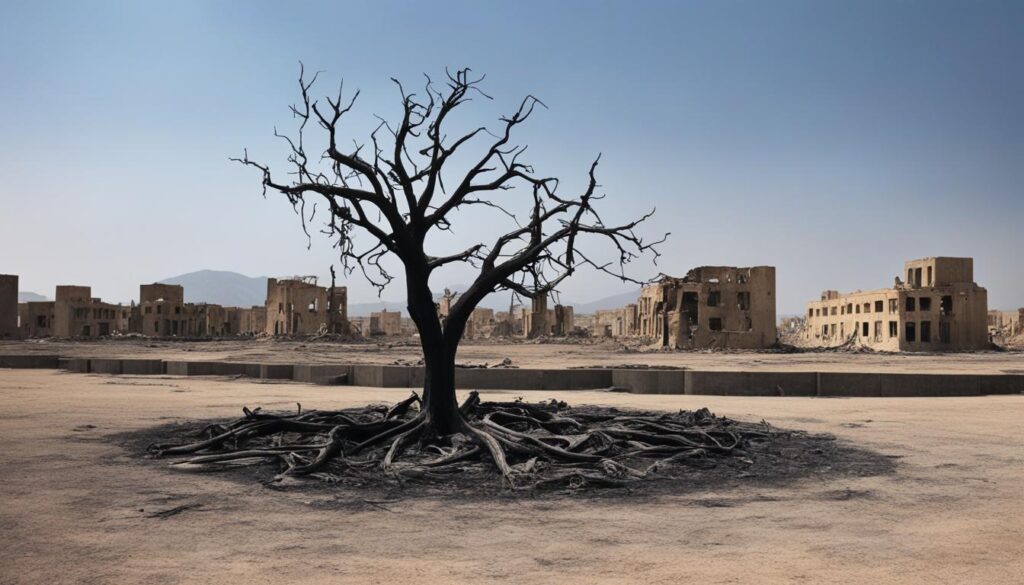
Embracing Peace and Reconciliation
Visiting Hiroshima Peace Memorial Park is an opportunity to pay respects to the victims of the atomic bombing and embrace the hope for a peaceful future. The park’s historical significance and promotion of peace and reconciliation make it a poignant destination for people from across the globe. By exploring the park and learning about Hiroshima’s history, you can contribute to a global understanding of the consequences of war and the need for peace.
The park’s timeless quest for peace is encapsulated in the Hiroshima Peace Declaration, issued annually by the city’s mayor on August 6th, the anniversary of the bombing. The declaration addresses contemporary global issues, including nuclear proliferation and education for peace, and reinforces the importance of working towards a world free of nuclear weapons.
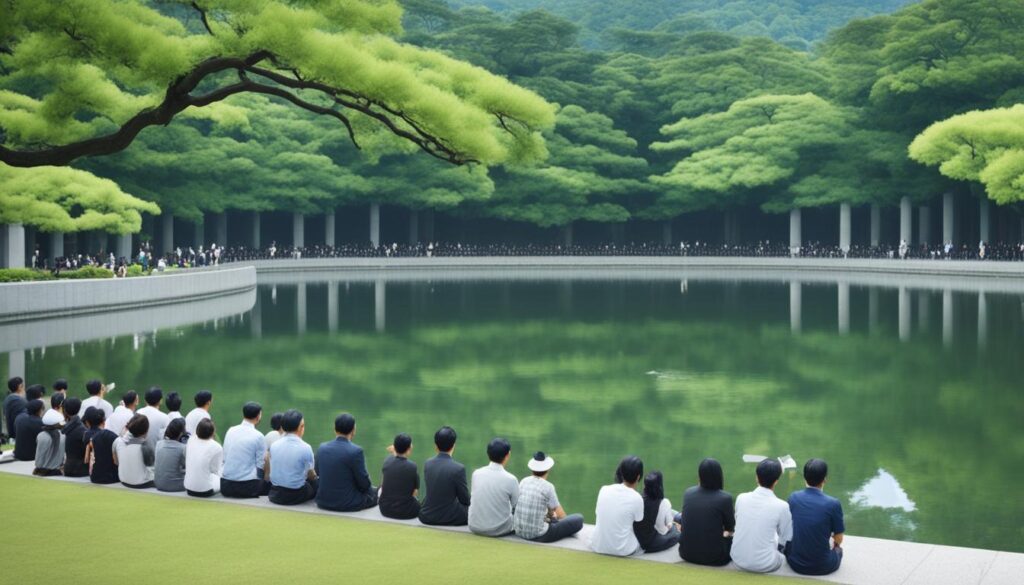
“We must aspire to the ideal of peace trodden by the hibakusha, who, even when they suffered the most painful burns, asked for water for others and never gave up hope but clung to life. It is the duty of us living to convey their experiences accurately to posterity and never forget them. It is also our responsibility to work tenaciously to abolish nuclear weapons and achieve lasting world peace.”
In addition to the Hiroshima Peace Declaration, the park features many symbols of peace and reconciliation, including the Flame of Peace, a perpetual flame that will only be extinguished when all nuclear weapons are removed from the world. You can also find the Bell of Peace, which is rung daily, and the Crane and Turtle Garden, which celebrates the resilience of these creatures despite their exposure to radiation.
By visiting Hiroshima Peace Memorial Park, you have an opportunity to be part of a global movement towards peace and reconciliation. The park’s historical significance and ongoing mission make it a worthy destination for anyone seeking to pay respects to the victims of the bombing and contribute to a peaceful future.
The Importance of Memorial Etiquette
Visiting Hiroshima Peace Memorial Park is an opportunity to pay your respects to those who lost their lives during the atomic bombing. To show respect and honor the victims, it is crucial to observe proper memorial park etiquette.
Firstly, it is important to dress appropriately for the solemn atmosphere. Avoid exposing too much skin or wearing revealing clothing. Secondly, be mindful of the park’s rules and regulations, such as not smoking or eating in certain areas. Thirdly, refrain from taking photographs or videos of anything that may be considered disrespectful or insensitive.
“Remembering the past with respect and gratitude is key to promoting a peaceful future.”
When paying your respects at specific memorials, such as at the Cenotaph for the A-Bomb Victims or the Children’s Peace Monument, follow the designated paths and refrain from touching any items or materials. If you wish to leave flowers or other offerings, please do so in designated areas.
Ultimately, by observing proper memorial park etiquette, you can contribute to the respectful and thoughtful atmosphere of Hiroshima Peace Memorial Park. Remember, this is a place for reflection and remembrance, and it is important to approach it with the utmost respect and reverence.
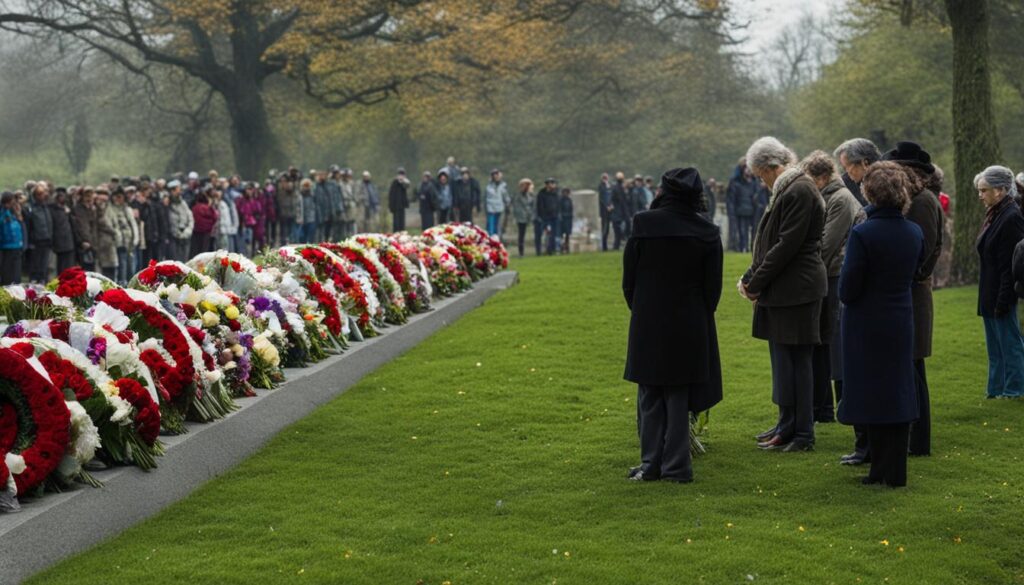
The Atomic Bomb Dome: A Symbol of Resilience
One of the most striking landmarks within Hiroshima Peace Memorial Park is the Atomic Bomb Dome. This awe-inspiring structure stands as a haunting reminder of the devastation caused by the atomic bomb.
The dome, also known as the Genbaku Dome, was one of the few buildings in the area to withstand the bomb’s impact. It was left standing as a symbol of hope and resilience, testament to the city’s determination to rise from the ashes and rebuild.
Approaching the Atomic Bomb Dome with respect and reverence is of the utmost importance. As you stand before this solemn structure, take a moment to reflect on the lives lost and the strength of the human spirit in the face of adversity.
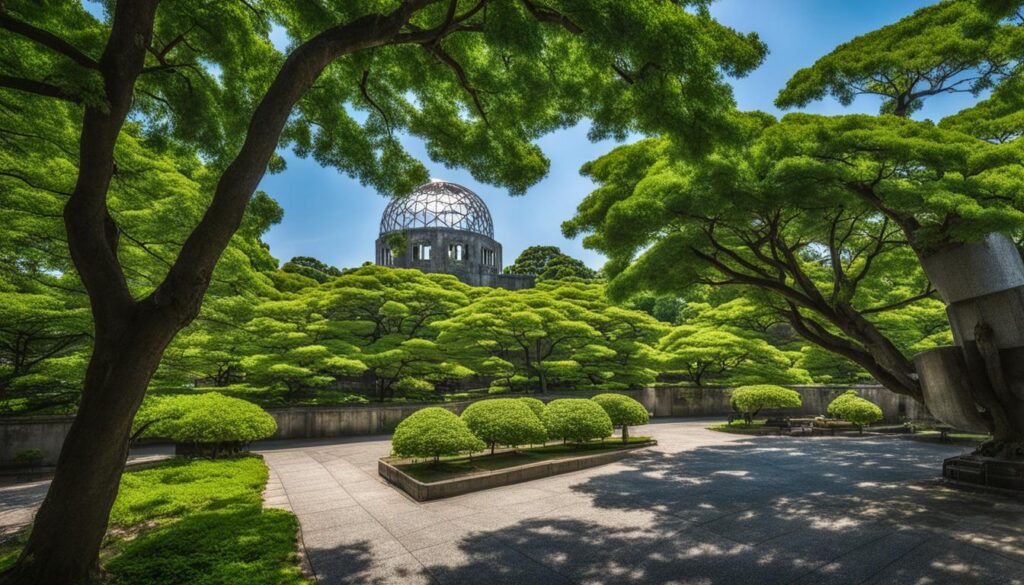
Visitors are not allowed inside the Atomic Bomb Dome, but you can view it from every angle and take in its haunting beauty.
Reflecting at the Cenotaph for the A-Bomb Victims
Located centrally within Hiroshima Peace Memorial Park, the Cenotaph for the A-Bomb Victims serves as a poignant reminder of the devastating effects of the atomic bomb. Among the park’s most significant features, the cenotaph stands as a symbol of remembrance and hope for a peaceful future.
Reflecting at the cenotaph allows you to pay your respects to the thousands of lives lost in the bombing. The cenotaph’s inscription includes an apology for the tragedy, making it a unique feature of the park that symbolizes not only the victims but also a commitment to peace.
As you approach the cenotaph, it’s crucial to maintain a respectful demeanor. Take time to read the inscription and reflect on its meaning. Visitors often leave paper cranes near the cenotaph, a tribute to the young girl who was the inspiration behind the Children’s Peace Monument.
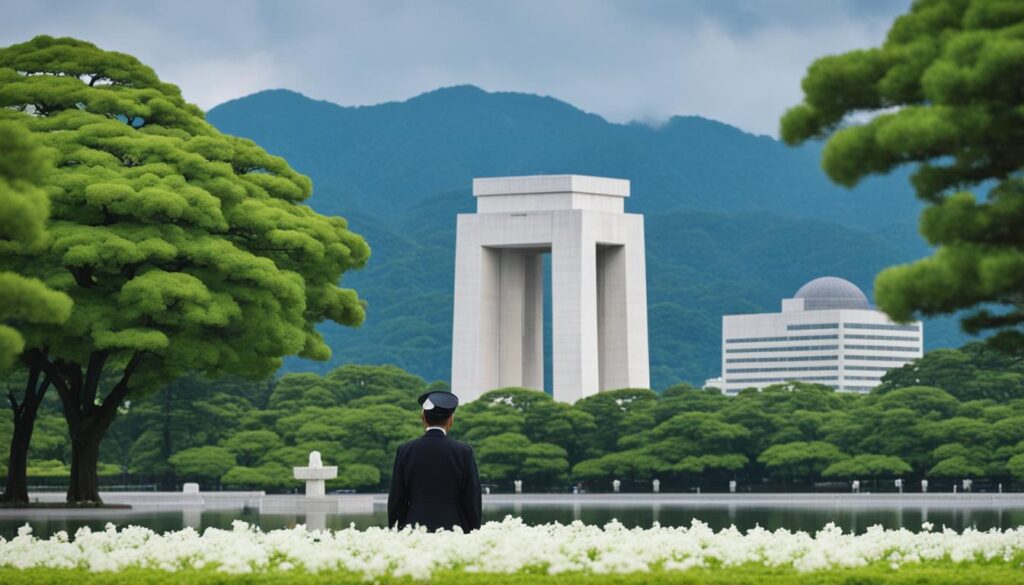
If you feel moved to leave a tribute, be mindful of the appropriate way to do so, as there are established places to leave offerings. Following paying your respects, take the opportunity to quietly reflect within the serene surroundings of Hiroshima Peace Memorial Park.
The Peace Memorial Museum: A Journey Through History
Visiting the Hiroshima Peace Memorial Park is not complete without a trip to the Peace Memorial Museum. Here, you can gain a comprehensive understanding of the city’s history and the aftermath of the devastating atomic bomb. The museum features a significant collection of items that belonged to the victims and survivors of the bombing, sharing their stories and experiences.
The museum’s exhibits are thoughtfully curated and offer a sobering reminder of the real impact of war. From personal items recovered from the blast site to detailed photographs and videos that showcase the aftermath, this museum presents a journey through history that is both educational and emotionally significant.
When approaching the museum, it is essential to remain respectful and mindful of its sensitive subject matter. Visitors are encouraged to take their time and allow themselves to immerse in the exhibits fully. Take in the poignant displays and pay your respects to the individuals whose lives were affected by the bombing.
The Peace Memorial Museum is a powerful testament to the resilience of the people of Hiroshima. It underlines the importance of continuing to promote peace and reconciliation, not just in this city but globally.
The Children’s Peace Monument: Honoring the Innocent
The Children’s Peace Monument in Hiroshima Peace Memorial Park stands as a poignant reminder of the devastating impact of the atomic bomb on innocent lives. The monument is a tribute to Sadako Sasaki, a young girl who suffered radiation exposure from the bombing and later died from leukemia. Her story captivates visitors of all ages and underscores the importance of peace and reconciliation.
To pay respects at the Children’s Peace Monument, visitors often leave origami cranes – a symbol of hope and healing – at the base of the statue. It’s a meaningful and touching gesture that carries significance for those affected by the bombing and those advocating for peace today. Take a moment to reflect and appreciate the symbolism of this moving memorial.
“This is our cry. This is our prayer. For building peace in this world.”
Sadako Sasaki
Remembrance in the Memorial Hall
As you continue your visit to Hiroshima Peace Memorial Park, the Memorial Hall serves as a peaceful space for quiet reflection and remembrance.
This solemn hall is dedicated to the memory of the atomic bomb victims and includes a collection of their portraits. The portraits are displayed on the walls, creating a visual representation of the countless lives lost. It is a moving and poignant experience, and you can pay your respects by leaving a message of hope at the space provided.
In addition to paying your respects, you can learn about the daily lives of those who perished and the events leading up to the bombing through displays and exhibits. Personal items are also on display, providing a glimpse into the lost lives and culture of the time.
Whether you have a connection to the events or simply wish to honor the past, the Memorial Hall is a profound reminder of the impact of war and the importance of peace. Take your time and reflect on the solemnity of the space.
Tip: As with all areas of the park, it is essential to show respect by refraining from taking photos and keeping noise levels low.
“The Memorial Hall is a moving tribute to the lives lost and a reminder of the importance of peace.”
Promoting Peace through Hiroshima’s International Conference Center
Hiroshima’s International Conference Center has become a vital platform for promoting global peace and reconciliation. Through various conferences and symposiums, the center fosters discussions surrounding the lessons learned from Hiroshima’s history and how they can be applied to create a more peaceful world.
The center’s conferences cover a range of topics, including nuclear disarmament, arms control, and international security. Additionally, the annual Hiroshima and Peace Conference, held in August, serves as a unique platform for experts and peace advocates from around the world to address pressing issues in today’s world.
The center’s location near Hiroshima Peace Memorial Park has made it an integral part of promoting peace and reconciliation efforts. In conjunction with the park, the center offers visitors the opportunity to attend lectures and talks that delve into the historical significance of Hiroshima and the importance of peace.
The center’s role in promoting peace aligns with the message of Hiroshima Peace Memorial Park and the city’s ongoing efforts to create a more peaceful world. By participating in the center’s events, attendees can gain insight into the importance of peace and reconciliation while connecting with like-minded individuals from around the world.
Commemorative Events and Activities
When planning your visit to Hiroshima Peace Memorial Park, consider attending one of the many commemorative events and activities that the park hosts throughout the year. These events provide unique opportunities to engage with Hiroshima’s history, gain a deeper understanding of the park’s historical significance, and pay your respects to those who lost their lives.
Peace Memorial Ceremony
The most significant commemorative event in Hiroshima Peace Memorial Park is the annual Peace Memorial Ceremony, held every August 6th, the anniversary of the bombing. The ceremony invites guests to offer prayers for peace and lay wreaths at the Cenotaph for the A-Bomb Victims.
Origami Crane Folding
Origami cranes have become a powerful symbol of peace as a result of the story of Sadako Sasaki, a young girl who died from radiation sickness after the bombing. She famously folded 1,000 cranes with the hope of making a wish for world peace. Origami crane folding is a popular activity in Hiroshima Peace Memorial Park, allowing visitors to pay tribute to Sadako’s legacy and participate in a peaceful practice.
Guided Tours
For a deeper understanding of Hiroshima’s history and the significance of the park, consider joining a guided tour. These tours provide valuable context for the park’s various memorials and exhibits while also offering opportunities to reflect and pay respects.
Harmony with Nature Walk
Hiroshima Peace Memorial Park is not only a place of remembrance but also a beautiful space for appreciating nature. The Harmony with Nature Walk, held in the spring and fall, explores the park’s beautiful gardens and peaceful scenery while promoting the importance of living in harmony with our natural environment.
Attending commemorative events and activities in Hiroshima Peace Memorial Park is a unique and meaningful way to honor the past and contribute to the ongoing mission of promoting peace and reconciliation. Don’t miss out on these opportunities during your visit.
Conclusion
Visiting Hiroshima Peace Memorial Park is a meaningful way to pay tribute to the past and embrace the hope for a peaceful future. By approaching the park with respect, understanding, and a desire to learn, you can contribute to the ongoing mission of peace and reconciliation. Remember to familiarize yourself with Hiroshima’s history, observe proper memorial etiquette, and reflect on the significance of each monument. The park’s features, including the Atomic Bomb Dome, Children’s Peace Monument, and Memorial Hall, offer powerful reminders of the consequences of war and the importance of promoting peace.
As you plan your visit, consider participating in one of the many commemorative events and activities hosted at the park throughout the year. These events offer unique opportunities to connect with local communities, learn more about the city’s history, and promote a global understanding of the significance of Hiroshima Peace Memorial Park.
By visiting Hiroshima Peace Memorial Park, you can join the millions of individuals who have paid their respects to the victims of the atomic bomb and embraced the mission of peace and reconciliation. We encourage you to take the time to reflect on the park’s historical significance and the role each of us can play in promoting a more peaceful world.