Is Hungary a Safe Country to Travel To? Safety Guide
If you’re considering traveling to Hungary, one of the first questions you may ask is, “Is Hungary a safe country to travel to?” The answer is yes, but like any other country, travelers should be aware of safety measures to ensure a stress-free trip. To help you prepare for your journey, this safety guide offers tips and resources to keep you safe while traveling in Hungary.
In this guide, you’ll find Hungary safety tips and a travel safety guide that covers everything from understanding Hungary’s safety situation to navigating public transportation. Whether you plan to explore the countryside or the city of Budapest, our guide will provide valuable safety measures in Hungary, so that you can have an unforgettable trip without worrying about your safety.
Safety Measures in Hungary
While Hungary is a relatively safe country to visit, it is always important to take precautions to ensure your safety and security. Here are some general safety tips and measures you can take while traveling in Hungary:
- Be aware of your surroundings and stay alert to anything unusual or suspicious.
- Avoid displaying valuables in public, such as expensive jewelry or electronics, which may attract thieves.
- Keep your belongings close to you at all times, especially in crowded areas such as tourist attractions and public transportation.
- Use ATMs in safe locations, such as banks or shopping malls, and be wary of anyone attempting to distract you while you withdraw money.
- Secure your accommodation by locking doors and windows and using the hotel safe to store your valuables.
It is also important to be aware of any specific safety concerns in Hungary, such as pickpocketing and scams targeted at tourists. The following table outlines some of the most common scams to be aware of:
| Scam | Description | Precautions to take |
|---|---|---|
| Money exchange scam | Approached by a stranger offering to exchange your money for a better rate, but ends up giving you counterfeit bills. | Only use official currency exchange offices or banks to exchange money. |
| Distraction ATM theft | Approached by strangers while using an ATM, who will distract you while another person steals your cash. | Be cautious when using ATMs, and be wary of anyone attempting to distract you while you withdraw money. |
| Overpriced taxi | Taxis overcharging tourists for rides, or taking a longer route to increase the fare. | Only use licensed taxis with working meters, which can be found at taxi stands or ordered through reputable companies. |
By taking these safety measures and being aware of potential scams, you can enjoy a safe and comfortable trip to Hungary.
Understanding Hungary’s Safety Situation
Before embarking on your trip to Hungary, it’s important to understand the country’s safety situation. While Hungary is generally a safe country to travel to, it’s always best to take precautions to ensure a safe and enjoyable trip.
According to the latest travel advisory by the U.S. Department of State, Hungary has a low rate of violent crime. However, like any other country, theft and pickpocketing can occur, particularly in crowded areas, public transport, and tourist hotspots. To avoid becoming a victim of these crimes, it’s essential to take care of your belongings and be aware of your surroundings.
It’s also worth noting that Hungary has a moderately high crime rate in comparison to other European countries, particularly when it comes to property crime. The crime rate in Hungary has been on a downward trend in recent years, but it’s always best to stay vigilant and take the necessary safety measures.

If you’re concerned about safety while traveling in Hungary, it’s always a good idea to research your destination before you leave. You can also speak to locals, fellow travelers, and your accommodation provider for advice on safe areas to visit, and areas to avoid.
Overall, with some basic safety precautions, Hungary is a safe country for travelers to visit, and you can enjoy your trip without any undue concerns. Remember to always be aware of your surroundings and take care of your belongings, and you’re sure to have a great time in this beautiful country.
Safety Tips for Budapest
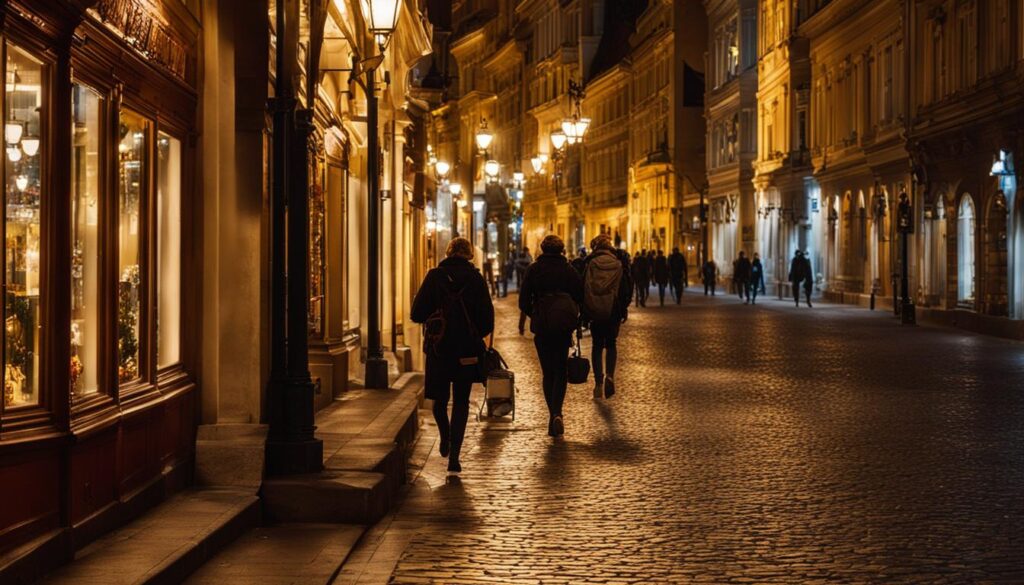
Budapest, the capital of Hungary, is a beautiful city with plenty of attractions to explore. However, like any big city, it’s important to take certain precautions to ensure your safety during your visit. Here are some safety tips to keep in mind:
1. Stick to Safe Tourist Destinations
Stick to well-known tourist areas like Castle Hill, Andrassy Avenue, and Heroes’ Square, especially after dark. Avoid poorly lit areas and alleyways, especially if you’re alone.
2. Be Wary of Pickpockets
Pickpocketing is a common occurrence in Budapest, especially in crowded tourist areas. Keep your belongings close and avoid carrying large amounts of cash or wearing expensive jewelry.
3. Use Licensed Taxis
If you plan to use a taxi, make sure it’s a licensed one. Avoid unmarked taxis and always agree on a price before getting in. You can also use apps like Bolt or Uber to order a taxi.
4. Stay Alert on Public Transportation
Be alert on public transportation, especially during rush hour when it’s more crowded. Keep your valuables close to you and be wary of strangers.
5. Respect Local Customs and Laws
Be aware and respectful of local customs and laws. Hungary has strict laws regarding drugs and public drinking, so it’s important to be aware of these regulations.
Remember, with a little caution and some common sense, you can ensure a safe and enjoyable visit to Budapest.
Safety Tips for Traveling in the Hungarian Countryside

If you’re planning a trip to the Hungarian countryside, it’s important to keep in mind these safety tips to ensure a pleasant and secure experience:
- Research your destination before departure, studying the local customs, traditions, and cultures, which could help avoid unwanted attention and any misunderstandings.
- Never hike or explore rural areas alone, and always inform authorized personnel (such as hotel front desk or local authorities) of your travel itinerary.
- Carry a map, compass, or a GPS tracking device, and always be aware of your surroundings and have an emergency plan prepared in case of any unexpected incidents.
- Dress appropriately for the weather and terrain, including sturdy shoes and a hat to shield you from the sun. It is also recommended to carry a first-aid kit and extra water for longer hikes or outdoor activities.
By following these measures, you can enhance your travel experience and enjoy the tranquil beauty of the Hungarian countryside without compromising your safety.
Public Transportation Safety in Hungary
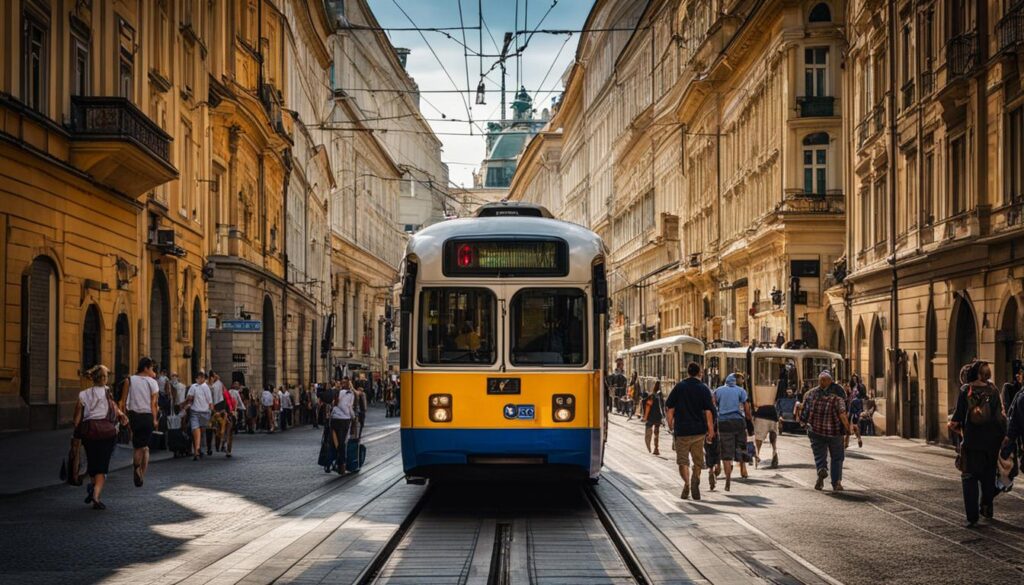
Using public transportation is a convenient and affordable way to travel in Hungary, but it’s important to keep safety in mind. Here are some tips to help you stay safe while using taxis, trains, and buses:
- Always use official taxis and avoid unmarked or unofficial cabs. Look for reputable taxi companies and make sure the taxi’s license and fare chart are visible.
- Be cautious when using night trains or traveling overnight on a train. Keep your valuables secure and be aware of your surroundings, especially in common areas like the dining car or sleeping compartments.
- On buses, watch for pickpockets and keep your belongings close to you at all times. Avoid using your phone or other electronics in crowded areas or near open windows.
- Be aware of your surroundings and trust your instincts. If something feels wrong, trust your gut and prioritize your safety.
Additionally, it’s important to be aware of the crime rate in Hungary and take precautions accordingly. According to the US Department of State, the crime rate in Hungary is generally low, but incidents of theft and pickpocketing do occur, especially in crowded areas and public transportation.
In case of an emergency or if you need assistance while using public transportation, save the emergency numbers in your phone or have them written down:
| Emergency Service | Phone Number |
|---|---|
| Police | 107 |
| Ambulance | 104 |
| Fire Department | 105 |
By following these safety tips and being aware of the crime rate in Hungary, you can have a safe and enjoyable experience while using public transportation in the country.
Health and Medical Considerations in Hungary
When traveling to Hungary, it is important to take into account the country’s health and medical facilities. While generally safe, the following are some tips to help ensure that your visit is as comfortable and stress-free as possible:
Healthcare Facilities
Hungary has a good healthcare system with well-equipped hospitals and medical centers. The European Health Insurance Card (EHIC) is valid in Hungary, allowing European Union citizens to access medical care at reduced costs. Non-EU citizens are advised to purchase comprehensive insurance coverage before traveling to Hungary.
Vaccinations
It is recommended that travelers to Hungary are up-to-date on routine vaccinations such as measles, mumps, rubella, and polio. In addition, some travelers may require vaccinations for diseases such as hepatitis A and B, typhoid, and rabies. Consult with your healthcare provider before traveling to ensure that you are adequately vaccinated.
Food and Water Safety
Tap water is generally safe to drink in Hungary, but bottled water is widely available and recommended, especially in rural areas. Food safety and hygiene are generally good in Hungary, but it is still advisable to exercise caution when eating street food or in local markets.
Emergency Medical Care
In case of a medical emergency, dial 112 for an ambulance or go directly to the nearest hospital emergency room. The U.S. Embassy in Hungary maintains a list of English-speaking doctors and hospitals.
By taking these health and medical considerations into account, you can help ensure that your trip to Hungary is safe and enjoyable. Remember to pack any necessary medications and to take all necessary precautions to stay healthy. Enjoy your travels!
Emergency Contacts and Resources in Hungary
Knowing the emergency contacts and resources available to you while traveling in Hungary can help ensure your safety and peace of mind during your trip. In case of an emergency, dial 112 for immediate assistance from the Hungarian emergency services.
For medical emergencies, you can also call the following hospitals and clinics:
| Hospital/Clinic Name | Contact Information |
|---|---|
| Szent István Kórház | +36 1 325 1600 |
| Saint John’s Hospital and North Buda Medical Centre | +36 1 580 0440 |
| Budapest Medical Service | +36 30 711 0088 |
If you require assistance from your embassy or consulate in Hungary, you can find their contact information below:
| Embassy/Consulate | Contact Information |
|---|---|
| Embassy of the United States of America, Budapest | +36-(1) 475-4400 |
| Embassy of Canada to Hungary, Slovenia and Bosnia & Herzegovina | +36 1 392 3360 |
| Embassy of the United Kingdom, Budapest | +36 1 266 2888 |
For additional resources and information on staying safe in Hungary, you can consult the Hungary Travel Safety Guide provided by the United States Department of State. It includes information on crime, health, and other important considerations for travelers visiting Hungary.

Common Scams and Tourist Traps in Hungary
While Hungary is generally a safe country, there are a few scams and tourist traps that you should be aware of during your travels. By taking a few simple precautions and staying vigilant, you can reduce the risk of falling victim to these common crimes.
Money Exchange Scams
One of the most common scams in Hungary is related to money exchange. Some exchange offices or individuals may try to trick tourists into accepting unfavorable exchange rates or may charge hidden fees. To avoid this, it’s important to only use reputable exchange offices, such as those located in airports or banks. Also, be sure to confirm the exchange rate and fees before handing over your money.
Fake Tickets
Another common tourist trap in Hungary is the sale of fake attraction tickets. Scammers may sell tickets to events or attractions that do not actually exist, or they may sell counterfeit tickets to real events. To avoid falling victim to this scam, make sure to purchase tickets only from authorized vendors or official websites.
The Fake Petition Scam
This scam usually targets lone tourists in tourist hotspots. It starts with someone approaching the tourist with a petition, request to sign, or a chance to buy a wristband or trinket to help a charity or cause. Once the “tourist” has penned a signature, the fraudster demands a donation. When confronted, the fraudster tends to become aggressive, making collecting restitution or even alerting the authorities almost impossible. Always be wary when signing anything and only give to established, verifiable charities.
The Distraction Scam
The distraction scam involves the use of a distraction to steal from tourists, often in crowded areas or on public transportation. For example, a thief may distract a traveler by spilling something on them, while an accomplice steals their valuables. To avoid this, always keep your belongings close and stay alert in crowded areas or on public transportation.
By staying informed and using common sense, you can enjoy all that Hungary has to offer and stay safe during your travels.
Conclusion
Overall, Hungary is a safe country to travel to, but it is always important to take proper safety measures. As we have discussed in this Hungary travel safety guide, staying safe in Hungary involves being aware of the crime rate, general safety tips, and precautions you should take while exploring different regions.
When visiting Budapest, it is important to stay in safe areas and avoid common tourist traps and scams. Similarly, when traveling in the Hungarian countryside, be cautious while hiking or exploring rural areas. Additionally, familiarize yourself with public transportation safety measures, including information on taxis, trains, and buses.
It is also essential to consider health and medical considerations while in Hungary, such as the availability of healthcare facilities and necessary vaccinations. In case of any emergency, it’s always good to have the contact details for local authorities and embassies available.
We hope this Hungary travel safety guide has provided you with valuable insights and practical tips for staying safe during your trip. Enjoy your travels in Hungary, and don’t forget to take the necessary safety measures!