Ideal Paro Trekking Season: Best Time of Year
Ever wondered why some trekking seasons in Paro feel like stepping into a postcard? Others leave you battling muddy trails and unpredictable weather. Knowing the best time to visit Paro for trekking is key for an unforgettable adventure in Bhutan’s stunning landscapes.
Paro, at 7,201 feet, offers diverse trekking experiences. Each season brings its own weather and highlights. You’ll find the best months for trekking in Paro by exploring these seasons. This article will guide you through the ideal months and what to expect all year.
Introduction to Paro Trekking
Paro is a stunning place that draws in trekking fans and nature lovers. It’s famous for its amazing views, old monasteries, and rich culture. There are many trails in Paro for all skill levels, making it great for both new and experienced hikers.
Knowing about Paro’s geography can make your trip better. The area has tough mountains, green valleys, and special plants. The best time to go trekking in Paro depends on the season. Spring and autumn are the best times, with nice weather and clear skies.
The Tiger’s Nest monastery is a top trekking spot, sitting high on a cliff. This trek is both challenging and culturally significant. Climbing up about 900 meters, you see incredible views of the valley. It takes about four hours to walk there, allowing you to enjoy the calm at a steady pace.
Getting ready is key for a safe and fun trek. As you start your adventure, think about your gear, getting used to the altitude, and your fitness. Paying attention to these details can greatly enhance your experience of Paro’s culture and nature.
Why the Right Season Matters for Trekking in Paro
Choosing the right season is key for a great trek in Paro. Knowing the weather in Paro for hiking helps you prepare and pick the best trails. The weather changes with the seasons, affecting how clear the views are and how safe it is to trek.
Spring starts with temperatures around 8°C (46°F) in early March and warms up to 20°C (68°F) by late May. It’s a great time for photos and exploring because of the colorful plants. But, summer brings heavy rains and high humidity from June to August. The Paro trekking weather forecast warns of landslides and slippery trails during this time.
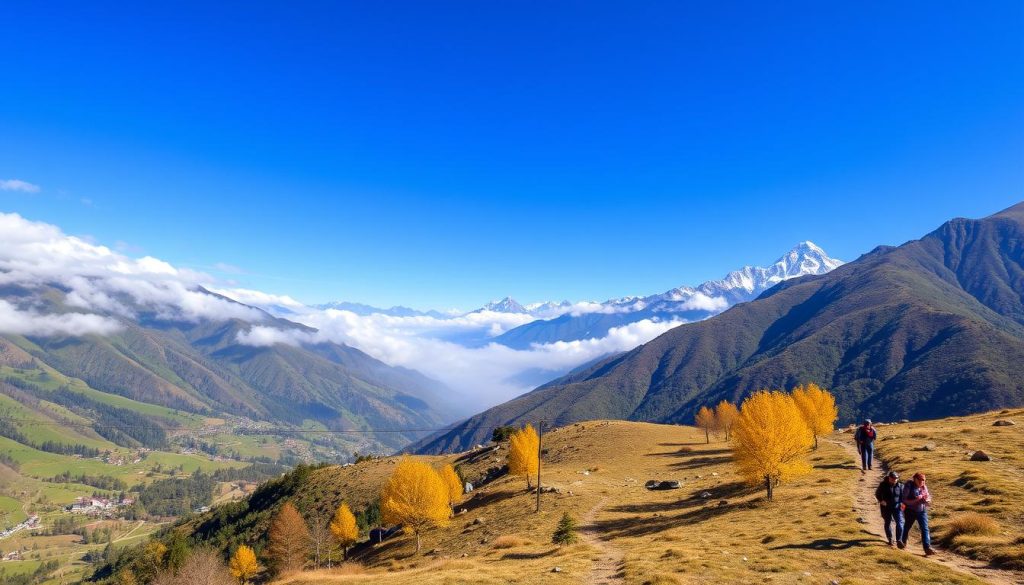
Autumn, from September to November, is the best time for trekking in Paro. The skies are clear, and the temperatures are cool. You can see beautiful landscapes and local festivals. Winter, from December to February, is colder, with highs from 9°C (48°F) to 15°C (59°F) and lows below freezing. Despite the cold, the valleys are warm and perfect for exploring culture.
Knowing about the seasons helps you plan a trek that fits your preferences. The right season can make your trek unforgettable, showing off Paro’s beauty.
Best Time of Year to Visit Paro for Comfortable Trekking?
Choosing the right season is key for a great trekking trip. The best time to visit Paro for trekking is in spring and autumn. These seasons offer the best views and weather.
Overview of Seasonal Conditions
Spring is from March to May, with beautiful flowers like rhododendrons. Autumn is from September to November, with clear skies and nice weather. These times are perfect for trekking, with great views and weather.
The monsoon season, from June to August, is rainy and tough for trekking. Winter, from December to February, is cold with snow in the mountains.
Weather and Its Impact on Trekking
Weather is very important for trekking in Paro. In spring, the weather is mild and dry, making hikes enjoyable. Autumn has clear skies and cool temperatures, offering amazing views of the Himalayas.
Knowing the weather helps plan your trip. This way, you can have a safer and more fun trek.

| Season | Best Months | Conditions | Activities |
|---|---|---|---|
| Spring | March – May | Mild temperatures, blooming flora | Trekking, bird watching |
| Summer | June – August | Heavy rainfall, potential road disruptions | Wildflower spotting, cultural festivals |
| Autumn | September – November | Clear skies, comfortable temperatures | Trekking, cultural festivals |
| winter | December – February | Cold weather, snow-capped mountains | Low-altitude treks, cultural experiences |
Spring Trekking Season: March to May
The spring season from March to May is a magical time for trekking in Paro. The landscapes turn into vibrant displays of natural beauty. It’s a great time for outdoor enthusiasts.
Floral Marvels and Scenic Beauty
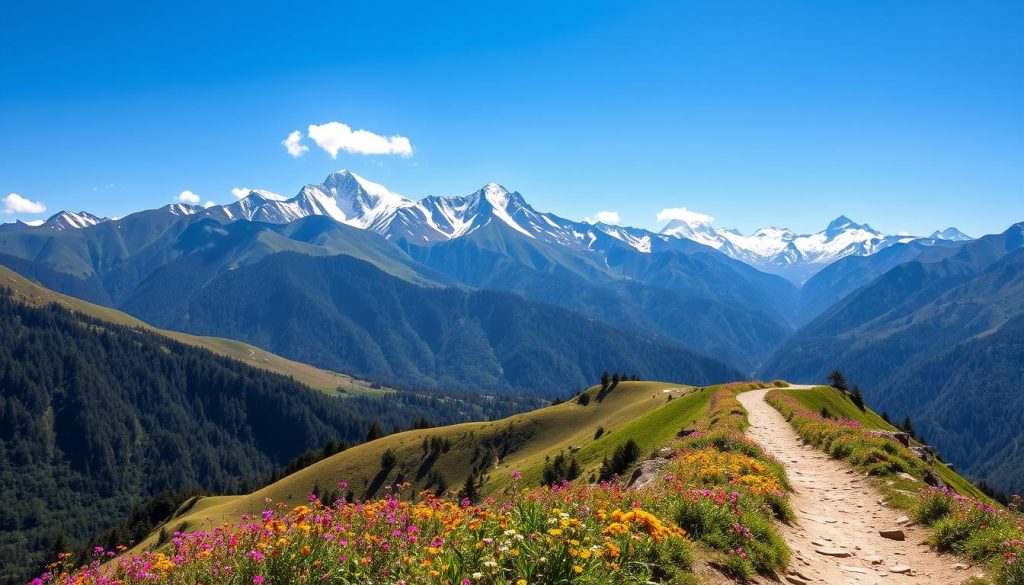
As you trek through Paro, you’ll see stunning flowers like rhododendrons and magnolias. These flowers make the trek even more beautiful, perfect for photos. Spring brings a lively atmosphere with nature’s sights and sounds.
The Best Treks to Experience During Spring
The Druk Path Trek is a highlight, lasting four days between Paro and Thimphu. It’s filled with cultural landmarks and stunning views. The Chomolhari Base Camp Trek, lasting seven days, offers breathtaking landscapes and a chance to explore Bhutanese culture.
Spring Weather Patterns and What to Expect
Spring temperatures range from 3°C at night to 25°C during the day. This mild weather makes trekking comfortable. Trails are dry and stable, ensuring safety. You might see wildlife, making the season even more special.
Autumn Trekking Season: September to November
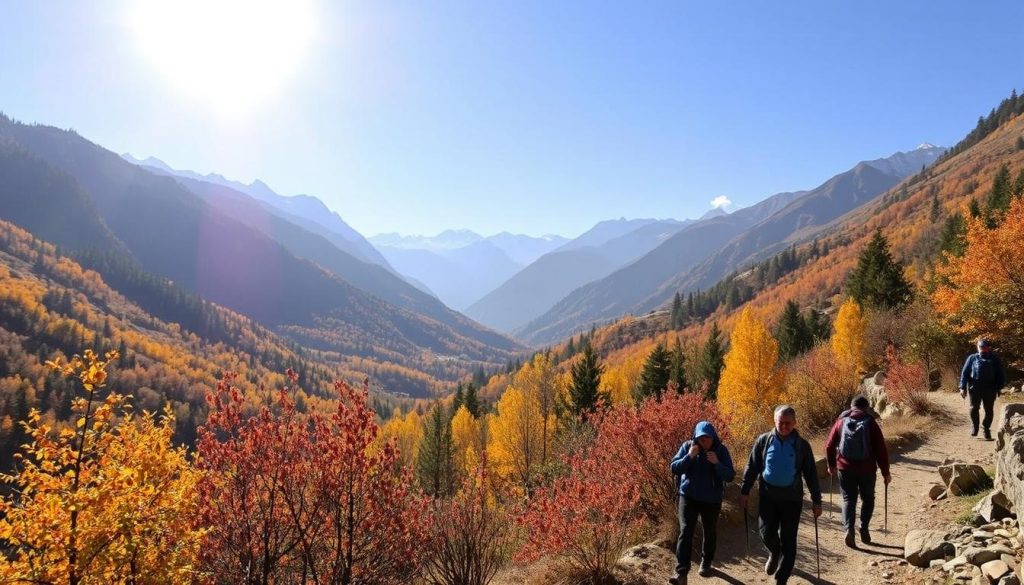
The autumn trekking season in Paro, from September to November, is truly special. It’s known for clear blue skies and cool Himalayan winds. This makes it perfect for high-altitude adventures. The weather forecast shows stable conditions, making it the best time to trek.
Clear Skies and Scenic Views
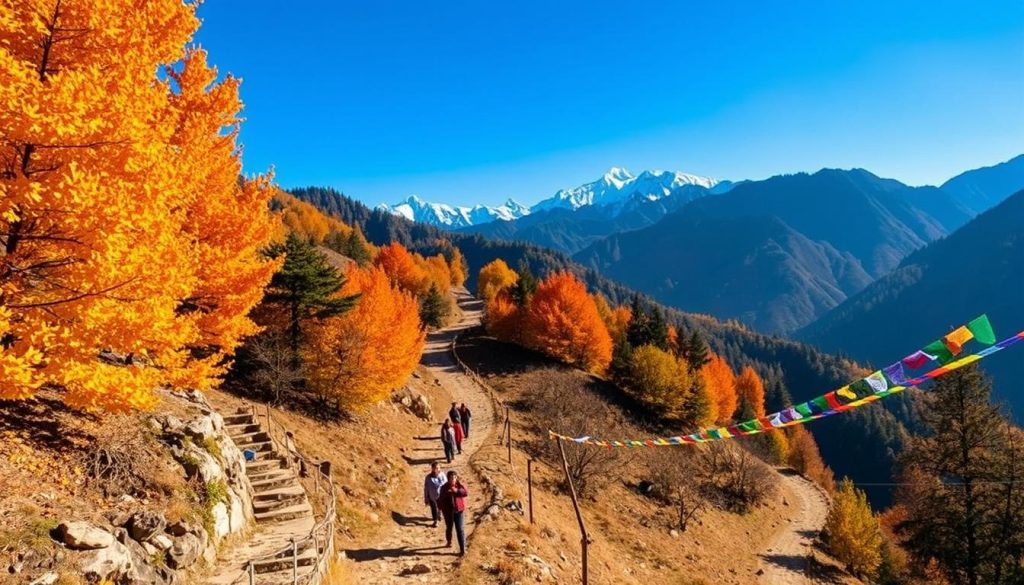
In autumn, Paro’s temperatures range from 11.7°C to 1.5°C by November. You’ll see the Himalayas in all their glory, without the clouds of the monsoon. The air is crisp, making your trek even more refreshing. The clear skies are great for photos, showing off Bhutan’s stunning landscapes.
Popular Treks During Autumn Season
- Jumolhari Trek: This trek takes you to the base of Mount Jumolhari and offers dramatic views of the snow-capped peaks.
- Laya Gasa Trek: Known for its cultural richness and scenic beauty, this trek features traditional villages and stunning landscapes.
- Druk Path Trek: This classic trek connects Paro and Thimphu, renowned for its high altitude and serene lakes.
Cultural Festivals to Experience in Autumn
Autumn is more than trekking; it’s a chance to dive into Bhutan’s culture. The Paro Tsechu festival, held during this time, is a highlight. It showcases traditional performances and lets you see local customs up close. Joining these festivals adds depth to your trek, letting you experience Bhutan’s heritage and natural beauty.
Winter Trekking Conditions: December to February
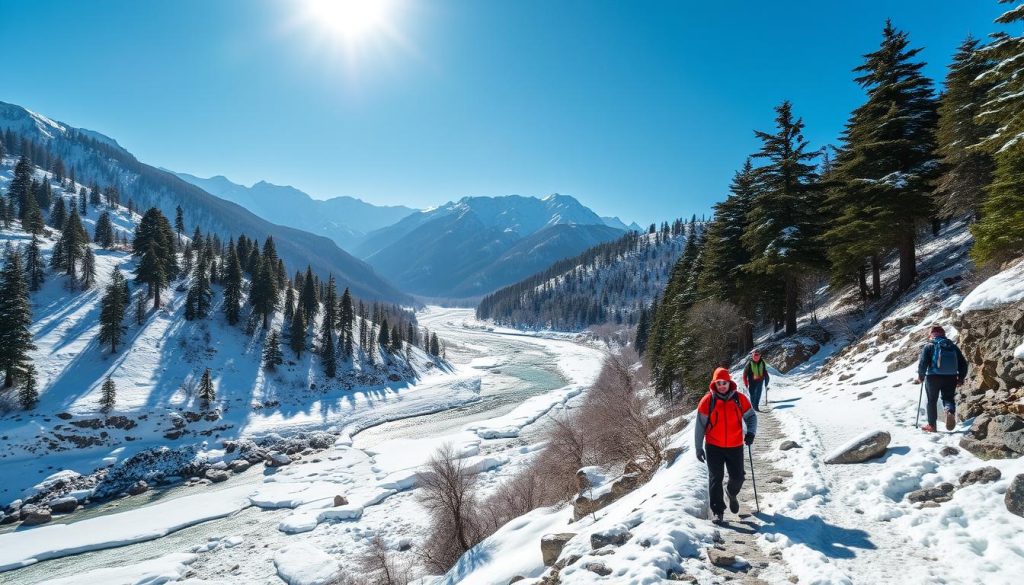
The winter months in Paro, from December to February, bring special Paro trekking conditions. The area is less crowded, but the cold is a challenge. Temperatures can drop to -17°C in the mountains, making some trails hard to reach.
Challenges of Winter Trekking in Paro
Winter trekking in Paro has its hurdles. Trekkers face:
- Cold temperatures, often below freezing at night.
- Snow and ice on paths, making them tough.
- Strong winds that can make hikes uncomfortable.
Yet, the winter landscape is beautiful and peaceful. Low-altitude treks are still open, offering a chance to enjoy the calm.
Low-altitude Treks Suitable for Winter
In winter, you can choose from various low-altitude treks. The Druk Path Trek is a favorite, with its stunning views and moderate conditions. Other good options include:
- Short hikes around Thimphu and Punakha, great for day trips.
- Easy trails that show off the area’s wildlife and plants.
- Photography tours to capture the Himalayas in winter.
Monsoon Season: June to August
The monsoon season in Bhutan runs from June to August. It brings heavy rain and high humidity. These conditions make high-altitude treks unsafe and less fun. The weather in Paro for hiking can make trails muddy and slippery, so it’s important to prepare well.
Weather Challenges During Monsoon
During the monsoon months, you might face these weather challenges:
- Heavy Rainfall: Rain can erode trails and reduce visibility.
- Increased Humidity: Higher humidity can make trekking uncomfortable.
- Muddy Conditions: Trails become slippery, raising the risk of falls.
- Frequent Landslides: Heavy rains can cause landslides, blocking paths and making areas unsafe.
Opportunities for Short Sightseeing Tours
Despite the monsoon’s challenges, there are still ways to explore. Here are some activities to consider:
- Lower-altitude Treks: Try treks at lower elevations for safer conditions.
- Short Sightseeing Tours: Visit cultural sites in towns like Paro and Thimphu without the need for long treks.
- Experience Festivals: Some cultural events and festivals happen during this season, offering lively local experiences.
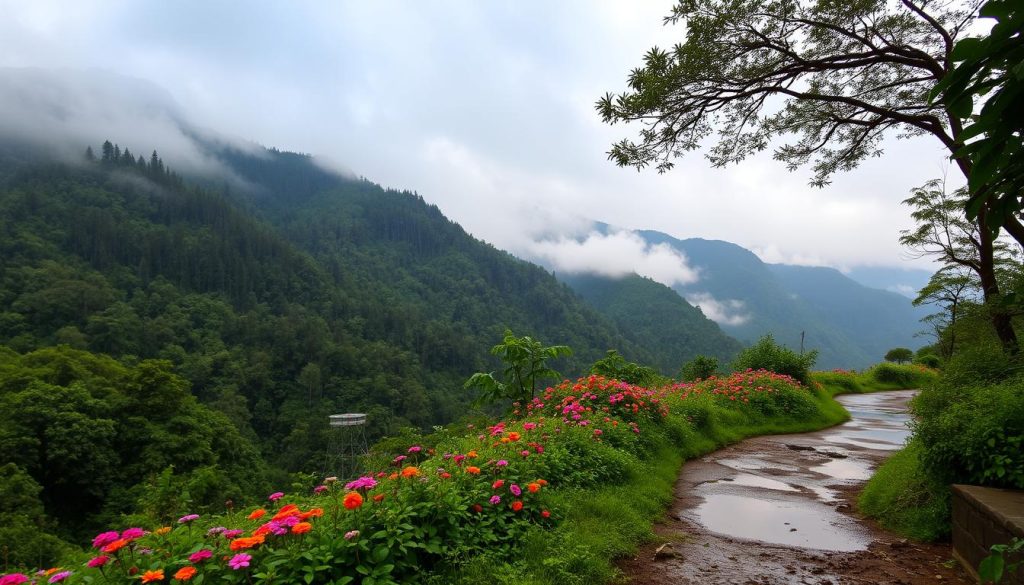
While the monsoon season in Paro may not be the best for serious trekkers, it’s great for sightseers and beginners. It lets you see Bhutan’s beauty and culture in a unique way. With the right planning and precautions, your trip can be rewarding and fun.
Selecting the Best Trekking Route in Different Seasons
Choosing the right trekking route in Paro is key to a great adventure. The elevation of the trail greatly affects the trekking conditions. High-altitude trails are best in spring and autumn for their comfort and views. Lower-altitude treks are better in winter and the monsoon, offering unique exploration opportunities.
Elevation and Its Role in Trekking Conditions
The Jomolhari Trek and the Dagala Thousand Lakes Trek offer stunning views and rich culture. They are best in spring and autumn when the weather is stable. The Merak Sakteng Trek, a 16-day journey, showcases wildlife and culture, ideal for autumn.
Choosing Routes Based on Seasonal Weather Patterns
Knowing the Paro trekking weather forecast helps in choosing the right route. Here’s a table to guide you in picking routes based on the season:
| Trek Name | Duration | Difficulty Level | Best Season | Highlights |
|---|---|---|---|---|
| Druk Path Trek | 8 days | Easy | Spring, Autumn | Alpine pastures, high-altitude lakes |
| Jomolhari Trek | 11 days | Moderate | Spring, Autumn | View of Mt. Jumolhari, cultural experiences |
| Merak Sakteng Trek | 16 days | Moderate | Spring, Autumn | Culture, wildlife sanctuaries |
| Laya Gasa Trek | 17 days | Moderately challenging | Spring, Autumn | Laya village, hot springs |
| Dagala Thousand Lakes Trek | 8 days | Moderate | Spring, Autumn | Numerous lakes, breathtaking views |
Preparation Tips for Each Trekking Season
When trekking in Paro, knowing the weather is key. The right gear and safety steps make your trip better. It’s important to pick clothes and equipment that fit the weather.
Gear Recommendations by Season
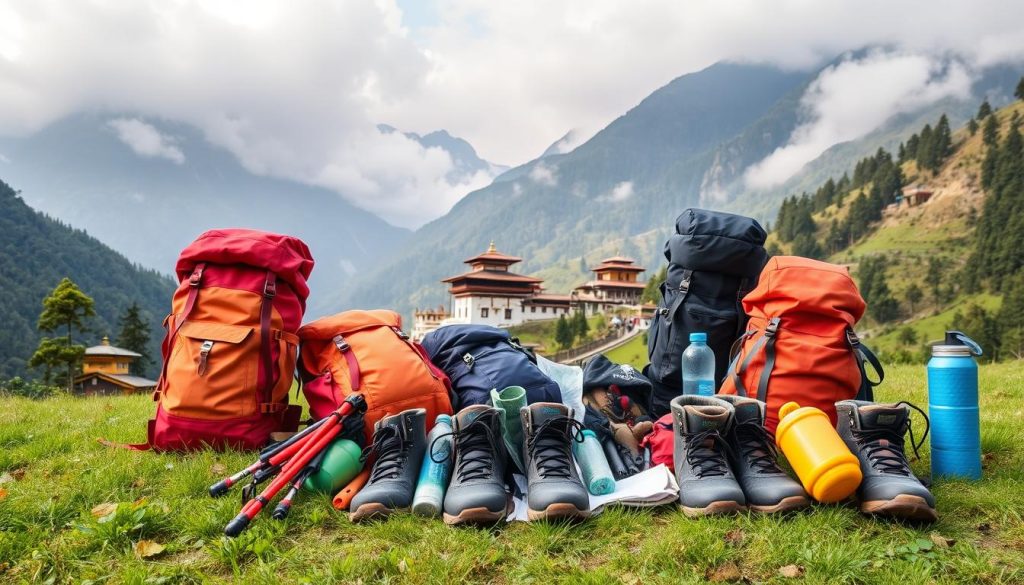
Choosing the right gear is crucial for comfort. Here’s what you need for each season:
- Spring (March to May): Wear lightweight clothes, breathable pants, and waterproof shoes. Bring a light jacket for cool nights.
- Autumn (September to November): Choose layered clothes. A warm jacket and windproof gear are good for chilly winds.
- Winter (December to February): Use insulated thermal clothes, waterproof layers, and warm boots to stay dry and warm.
- Monsoon (June to August): Quick-drying clothes, waterproof jackets, and gaiters help with wet trails and rain.
Health and Safety Considerations
Staying healthy and safe is essential. Here are important tips:
- Watch out for altitude sickness, more common at high altitudes. Acclimatize and know the signs.
- Get in shape before trekking. Running, cycling, and strength training help.
- Carry a first aid kit with band-aids, antiseptics, and altitude sickness meds.
- Check the weather forecast to plan your trek wisely.
By focusing on health and preparation, you’ll enjoy Paro’s beauty and culture more. You’ll also reduce the risks of trekking.
| Season | Gear Recommendations | Health Tips |
|---|---|---|
| Spring | Lightweight clothing, breathable pants, waterproof footwear. | Acclimatize, stay hydrated. |
| Autumn | Layered clothing, warmer jackets, windproof gear. | Monitor weather, prepare for cold winds. |
| Winter | Thermal wear, insulated outer layers, winter boots. | Exercise beforehand to build endurance. |
| Monsoon | Quick-drying clothing, waterproof jackets. | Watch for slippery paths, adjust plans according to weather. |
Wildlife and Nature During Trekking Seasons
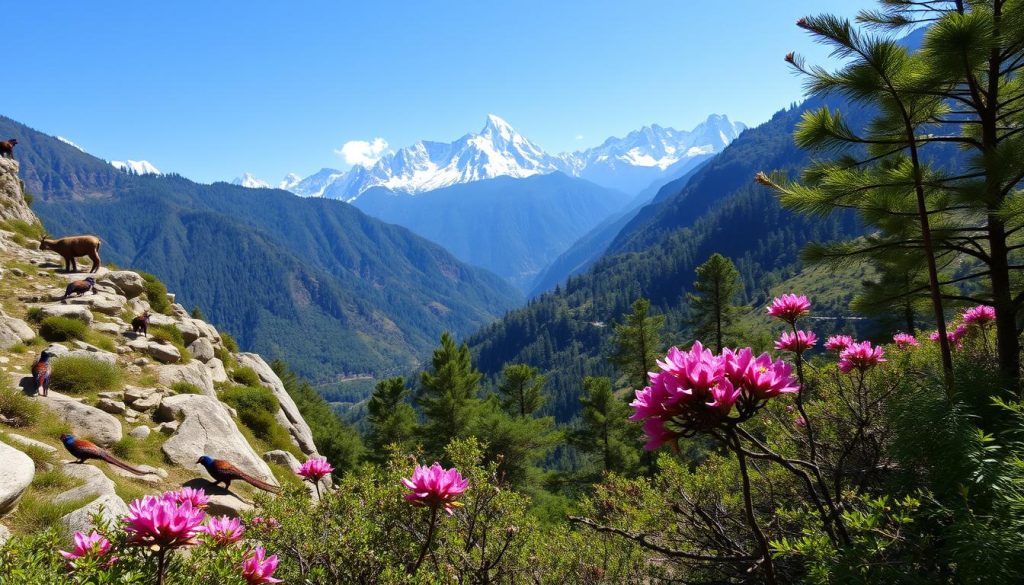
Trekking in Bhutan, during the Paro hiking season, is a chance to see amazing plants and animals. Each season shows off different wildlife and beauty, making your trek special. You might see colorful wildflowers in spring or majestic black-necked cranes in winter. Knowing what to expect makes your adventure even better.
Flora and Fauna to Watch For
As you walk the trails, you’ll see nature’s beauty change with the seasons. Here are some amazing plants and animals you might see:
- Spring (March to May): See alpine wildflowers blooming and green plants everywhere.
- Summer (June to August): The rainy season is tough for trekking but great for seeing wildflowers.
- Autumn (September to November): Watch black-necked cranes in the Phobjikha Valley and enjoy the fall colors.
- Winter (December to February): See the beauty of snow-covered landscapes and find hidden wildlife.
Interacting with Local Wildlife Responsibly
It’s important to interact with wildlife in Paro responsibly. Watching animals from far away keeps everyone safe. Here are some tips:
- Keep your distance to avoid stressing or disturbing wildlife.
- Don’t feed animals, as it can mess with their natural ways.
- Stay on the trails to avoid harming their homes.
- Follow all signs and rules from local trekking groups.
Being careful during the Paro hiking season makes your trip better and helps protect Bhutan’s wildlife. By following these tips, you help keep the amazing animals of Paro trekking safe for others to see in the future.
Experiencing Bhutanese Culture on Your Trek
When you start your trek in Paro, diving into the local culture is key. Bhutan’s trekking culture is lively, filled with traditions, festivals, and community ties. Trekking is not just a physical challenge but also a way to learn about Paro’s rich culture.
Cultural Immersion Through Festivals
During trekking seasons, Paro’s festivals show off Bhutan’s traditional life. The famous Paro Tsechu in spring features amazing masked dances and colorful costumes. This event draws locals and travelers alike, filling the air with the spirit of Bhutanese culture.
By joining these festivals, trekkers see how important spirituality and community are in Bhutan.
Engaging with Local Communities During Treks
Talking to local communities on your trek gives you a peek into their daily lives and traditions. You might visit small villages, meet villagers, and taste home-cooked meals that show off Bhutan’s food. Being respectful and open is crucial for building real connections.
Through these interactions, you’ll understand the importance of sustainable living in Bhutan and help keep their culture alive.
| Aspect | Description |
|---|---|
| Festival Participation | Witness traditional rituals and dances during trekking seasons. |
| Community Engagement | Interact with locals and learn about their way of life. |
| Culinary Experience | Enjoy local dishes prepared by villagers. |
| Support Sustainable Tourism | Contribute to local economies while preserving culture. |
Exploring Bhutan through its trekking paths uncovers a land full of culture and traditions. Take these chances to really get to know the Bhutanese way of life.
Conclusion
Knowing when to visit Paro for trekking is key to a great adventure. The area’s beauty and culture change with the seasons. Spring and autumn are the best times for good weather and stunning views.
These seasons also match up with local festivals. This lets you dive deep into Bhutan’s lively culture. Trekking to Tiger’s Nest Monastery is a highlight, with its beautiful Himalayan views.
Planning for the seasons can make your trek even better. It ensures you see Paro’s amazing nature and rich history. Whether you prefer spring’s colors or autumn’s coolness, your trip will be memorable.