Guide: How to Use the Spanish Public Transportation System?
Are you planning a trip to Spain and wondering how to get around? Look no further than the Spanish public transportation system! By taking advantage of buses, metros, trains, taxis, bicycles, ferries, and boats, you can explore this beautiful country with ease and at an affordable cost.
In this comprehensive guide, we will provide you with all the information you need to navigate the Spanish public transportation system like a local. Discover how to use various modes of transportation, understand ticketing systems, and make the most of your travels throughout Spain.
Whether you’re planning to explore bustling cities, tranquil towns, or scenic landscapes, the Spanish transportation system has got you covered. So pack your bags, grab your tickets, and get ready for a hassle-free and enjoyable journey through Spain!
With this guide, you will learn:
- The overall structure of the Spanish public transportation system
- How to use buses, metros, trains, taxis, bicycles, ferries, and boats
- Practical tips and suggestions to enhance your travel experience
- Cultural etiquette and safety considerations to keep in mind while using public transportation in Spain
So, let’s get started on how to use the Spanish public transportation system!
Understanding the Spanish Public Transportation System
Before diving into the specifics, it’s important to understand the overall structure and options available in the Spanish public transportation system. Spain has a comprehensive and efficient transportation system that includes buses, metros, trains, taxis, ferries, and even bicycles for rent.
The Spanish transportation system is well connected, making it easy to travel between cities and regions. It’s also relatively affordable, with most transportation options costing less than in other European countries.
As a visitor, understanding the various modes of transportation and their networks will help you plan your journeys efficiently, saving time and money. Below is an overview of some of the most common forms of public transportation in Spain:
Buses
Buses are a popular and cost-effective way to travel within Spain, especially in smaller towns and villages where other transportation options may not be available. Bus networks are extensive and generally reliable, making them a great option for day trips or longer journeys.
Most bus routes operate on a fixed schedule and have designated stops, so make sure to plan your journey in advance and arrive at the bus stop on time. You can purchase tickets at the bus station or directly from the driver. It’s also important to note that many cities offer tourist bus passes, which may offer discounts or unlimited travel for a certain period of time.
Metros
The metro system is one of the most efficient ways to get around major cities in Spain, including Madrid, Barcelona, and Valencia. Metro networks are extensive and well-connected, making it easy to reach popular tourist attractions and neighborhoods.
When using the metro, it’s important to understand the different lines and their destinations to ensure you get on the right train. Most metro lines operate from early in the morning until late at night, with more frequent trains during peak hours. You can purchase tickets at the station or through vending machines, and it’s important to have a valid ticket before entering the platform.
Trains
Spain has an extensive train network that connects cities within the country and even extends to other European countries. The high-speed AVE trains offer a comfortable and convenient way to travel between major cities, while slower trains may be a better option for shorter journeys or exploring smaller towns and villages.
It’s important to book train tickets in advance, especially during peak travel times, to ensure availability and avoid long queues at the station. Renfe is the primary train operator in Spain, and you can purchase tickets online or at train stations.
Taxis
Taxis offer convenience and flexibility, especially for shorter journeys or when traveling with a group. Taxis in Spain are generally safe and reliable, with most drivers using meters to calculate fares.
When hailing a taxi, look for licensed taxis that display a roof sign with the word “taxi” and their license number. It’s also a good idea to ask for an estimated fare before getting in the taxi to avoid any surprises later. Finally, make sure to have smaller bills or change on hand to pay the driver.
Bicycles
Cycling is a fantastic way to explore Spain’s cities and countryside, especially during the warmer months. Many cities offer bike rental services, and there are a number of bike-friendly routes that provide scenic views and a unique perspective on Spanish culture and history.
Before renting a bike, make sure to wear a helmet and follow local traffic rules and regulations. It’s also important to keep your bike securely locked when not in use and to be aware of potential theft in busy tourist areas or train stations.
Using Buses in Spain
When it comes to navigating public transportation in Spain, buses can be a convenient and cost-effective option, allowing you to travel between cities and even smaller towns. Here are some Spain public transportation tips for using buses:
Understanding Bus Schedules
Bus schedules vary depending on the region and the particular route, so it’s important to research and plan ahead. Most cities have multiple bus stations, each serving different destinations. You can usually find bus schedules and routes on the website of the local transportation company or on platforms like Google Maps.
When searching for bus schedules, pay attention to the departure and arrival times, as well as the duration of the journey. Keep in mind that some routes may have limited service on weekends or holidays.
Purchasing Bus Tickets
You can purchase bus tickets at the station or online in advance. Buying tickets online can be a convenient option, especially for popular routes or during peak travel seasons. If you choose to buy tickets in person, make sure to arrive early to avoid long lines and ensure availability.
Additionally, some bus companies offer discounts on return tickets or for purchasing tickets in bulk.
Making Connections
If you need to travel to a smaller town or village not directly served by the buses, you may need to make connections to reach your final destination. Pay attention to connecting bus schedules and try to schedule a reasonable amount of time between buses to allow for any delays or unexpected changes.
When making connections, it’s important to keep track of your belongings and stay aware of your surroundings. Always follow Spain public transportation tips for safety while traveling.

Navigating the Spanish Metro System
The metro system in Spain is an efficient and popular way of getting around major cities like Madrid and Barcelona. Whether you’re a tourist or a local, learning how to navigate the metro can save you time and money.
When using the metro in Spain, it’s important to understand the different lines and their corresponding routes. Metro maps are available at every station and online, so be sure to study them before your journey.
To purchase tickets, you can use the machines at the station, which offer instructions in various languages, or buy them from the ticket office. If you plan on using the metro frequently, consider purchasing a rechargeable metro card, which can save you money in the long run.
| Ticket Type | Price |
|---|---|
| Single Ticket | €1.50-€2.00 |
| 10-trip Card | €12.20 |
| Monthly Card | €54.60-€124.50 |
Once you have your ticket, make sure to validate it at the machines before entering the metro area. Failure to do so can result in a fine.
When boarding the metro, pay attention to the signs and announcements that indicate the direction of the train and which station is next. Most lines operate from 6 am to 1:30 am, with extended service on weekends and holidays.
During peak hours, the metro can be crowded, so be prepared to stand and hold onto the handrails. Keep your valuables close to you and beware of pickpockets.
Overall, using the metro in Spain can be a convenient and affordable way to navigate major cities. By following these tips and familiarizing yourself with the metro system, you can travel like a local and make the most of your time in Spain.
Riding Trains in Spain
Spain has an extensive train network that offers a fast, efficient, and cost-effective way of getting around. Whether you’re traveling between cities or exploring the stunning countryside, there are a host of train services available to suit your needs.
There are three main types of trains in Spain:
- AVE (Alta Velocidad Española) – high-speed trains that connect major cities and offer the fastest travel times, with speeds of up to 310 km/h.
- Regional trains – slower trains that connect smaller towns and cities and offer a more scenic journey.
- Media Distancia trains – medium-distance trains that operate between cities and towns that are further apart than regional train routes, but shorter than AVE lines.
Booking train tickets in Spain is easy and can be done online, at train stations, or through travel agencies. It is advisable to book your tickets in advance, especially during peak travel times, to ensure availability and avoid long queues at the station.
When traveling by train in Spain, be sure to arrive at the station at least 30 minutes before your train departure time, especially if you need to collect your tickets or have luggage to check-in. Also, remember to validate your ticket before boarding the train using one of the yellow machines located on the platform.
For longer journeys, AVE trains offer different classes of service, including first class and second class. First-class offers more spacious seating and complimentary snacks, while second class offers standard seating. Regional and Media Distancia trains usually offer only one class of service, but still provide comfortable seating and air conditioning.
Spain’s train system is well-connected, with trains departing regularly and frequently between major cities. Train travel is also a great way to explore Spain’s diverse landscapes, from the rolling hills of Andalusia to the rugged coastline of the north. So sit back, relax, and take in the breathtaking views of Spain from the comfort of a train carriage.
Using Taxis in Spain
When using public transportation in Spain, taxis offer a convenient and flexible option, especially for shorter journeys or when traveling with a group. Taxis are easily accessible all over Spanish cities and are distinguishable by their cream-colored vehicles with a green light on the roof.
Spain’s taxi fares are regulated and vary by time of day, distance, and number of passengers. To avoid overcharges, ensure that the taxi meter is running and ask for a printed receipt at the end of the ride. It’s customary to tip taxi drivers in Spain, but it’s not mandatory.
When hailing a cab, look for a taxi stand, which can be found at major transportation hubs, tourist areas, and busy streets. You can also flag down a taxi on the street, but it’s important to do so at a safe and designated spot.
It’s important to note that some taxi drivers may not speak English, so it’s helpful to have your destination written down or shown on a map or phone screen. Also, it’s courteous to greet the taxi driver and say “gracias” (thank you) at the end of the ride.
Taxi Services and Mobile Applications
In addition to traditional taxi services, several ride-hailing mobile applications are available in Spain, such as Uber and Cabify. These services allow you to book and pay for rides through a smartphone app, providing a convenient and cash-free option.
It’s important to note that Uber and Cabify have faced legal challenges in Spain, and their availability may vary by city and region. Make sure to check the availability and legality of these services before using them.
Spain Public Transportation Tips for Taking Taxis
- Always ensure that the taxi meter is running during your ride.
- Ask for a printed receipt at the end of your ride.
- Look for a taxi stand or designated spot when hailing a cab on the street.
- Be prepared to communicate your destination in Spanish or through a map or phone screen.
Exploring Spain by Bicycle
Exploring Spain by bicycle is an eco-friendly and fun way to discover the country’s cities and countryside. Whether you prefer a leisurely ride or something more challenging, Spain has plenty of bike-friendly routes to suit every level of experience.
Many Spanish cities have dedicated cycling paths, allowing you to easily navigate around town while taking in the sights. You can also rent a bike from one of the numerous bike rental services found in major cities or at the stations of public transportation.
If you’re a seasoned cyclist looking for a challenge, Spain has many scenic routes for longer bike trips. The country’s diverse landscapes make for a varied and memorable cycling experience, from the rolling hills of Andalusia to the breathtaking Pyrenees mountains.
Regulations and Safety Tips
Before setting off on your bike ride, be sure to familiarize yourself with Spain’s cycling regulations. In general, cyclists must ride in designated bike lanes or on the right-hand side of the road, and they must wear helmets. It’s also important to obey traffic signals and signs to ensure safe cycling.
Spain’s warm climate and sunshine make it an excellent destination for cycling, but it’s important to take precautions to avoid sunburn and dehydration. Be sure to wear sunscreen, bring plenty of water, and take breaks as needed.
Bike-Friendly Cities
| City | Description |
|---|---|
| Barcelona | With dedicated bike lanes and a bike-sharing program, Barcelona is a great city for cycling. The city’s beachfront promenade offers stunning coastal views. |
| Madrid | The Spanish capital has over 400 kilometers of bike lanes and a growing network of bike rental stations. The city’s Retiro Park is a popular destination for cyclists. |
| Seville | Seville is known for its flat terrain, making it a great city for cycling. The city’s bike paths connect many of its major attractions, such as the Alcazar and the Cathedral. |
Whether you’re a seasoned cyclist or a leisurely rider, exploring Spain by bicycle is sure to be a memorable experience. So hop on your bike, enjoy the sunshine, and discover the beauty of Spain’s cities and countryside!

Using Ferries and Boats in Spain
If you’re looking to explore Spain’s stunning coastal areas or reach islands such as Ibiza or Menorca, ferries and boats are an excellent option. The Spanish transportation system offers a range of routes and services that can take you to these destinations.
You can book tickets for ferries and boats online or at the designated ticket offices. It’s advisable to book in advance, especially during peak season, as these services can get busy. You can also check the schedules and prices of different ferry operators online.
When boarding a ferry or boat, make sure to arrive at the dock at least 30 minutes before departure. This will give you enough time to board and find a comfortable spot on the vessel.
Types of Ferries and Boats in Spain
There are different types of ferries and boats that operate in Spain, including:
| Type of Boat | Description |
|---|---|
| Ferry | A large vessel that carries passengers, vehicles, and cargo |
| Fast Ferry | A high-speed ferry that provides a quicker journey than a regular ferry |
| Catamaran | A twin-hulled boat that is more stable and faster than a regular ferry |
| Cruise Ship | A large luxury vessel that offers extended trips to different destinations |
Depending on your destination, you may have the choice of different types of boats. Fast ferries and catamarans are ideal for shorter journeys, while regular ferries and cruise ships are more suitable for longer trips. Take some time to research the different options available to you to find the best fit for your needs and budget.
Exploring Spain’s Coastal Areas by Boat
Spain’s coastal areas are some of the most beautiful in the world, and exploring them by boat is an unforgettable experience. Here are some of the top coastal areas to visit:
- The Costa del Sol: This famous stretch of coast in southern Spain is known for its warm weather and stunning beaches.
- The Balearic Islands: This archipelago in the western Mediterranean Sea includes popular destinations such as Ibiza, Menorca, and Mallorca.
- The Canary Islands: This group of islands off the coast of Africa offers a unique blend of Spanish and African culture, as well as breathtaking landscapes.
- The Basque Country: This region in northern Spain is known for its rugged coastline, world-class surfing, and delicious cuisine.
Whether you’re looking to relax on the beach, indulge in watersports, or sample delicious seafood, Spain’s coastal areas have something for everyone.
When planning your travels in Spain, don’t overlook the option of using ferries and boats to explore the country’s stunning coastal areas. With a little bit of planning, you can enjoy a comfortable and scenic journey to some of the most beautiful destinations in the world.
Accessible Transportation Options in Spain
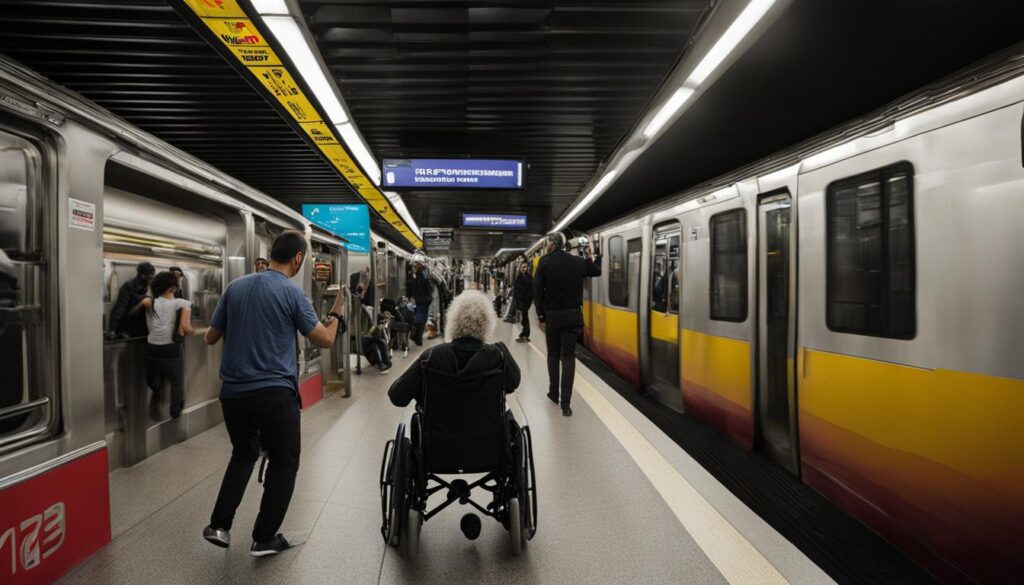
If you have a disability, you can still enjoy the convenience of public transportation in Spain. The Spanish transportation system is committed to providing accessible options for everyone, ensuring that individuals with reduced mobility or other disabilities can travel comfortably and safely.
Here are some of the accessible transportation options available in Spain:
| Transportation Mode | Accessibility Features |
|---|---|
| Buses | Low-floor buses, wheelchair ramps, priority seating for individuals with disabilities |
| Metro | Lifts and elevators, tactile paving, priority seating for individuals with disabilities |
| Trains | Wheelchair-accessible carriages, ramps, audiovisual information systems, priority seating for individuals with disabilities |
| Taxis | Adapted vehicles with ramps or lifts, trained drivers to assist individuals with disabilities, priority seating for individuals with disabilities |
If you require assistance while using public transportation in Spain, it’s recommended to request it in advance. You can contact the transportation company or the local tourist office to arrange assistance.
It’s essential to note that the accessibility options may vary depending on the mode of transportation, and not all stations and stops may be fully accessible. Check with the transportation company before you travel to ensure that your needs are met.
By providing various accessible transportation options, the Spanish transportation system ensures that everyone can experience the beauty and culture of Spain, regardless of their physical abilities.
Tips for Using the Spanish Public Transportation System
Using public transport in Spain is an excellent way to explore the country and immerse yourself in the local culture. However, it’s essential to prepare and plan your trips carefully to ensure a smooth and stress-free experience. Here are some tips to help you navigate the Spanish public transportation system:
1. Plan ahead for your trips.
Research your destination and the available transportation options in advance. Check schedules, routes, and ticket prices to avoid confusion and save time.
2. Purchase a reloadable transportation card.
Buying a rechargeable transportation card such as the Ten+ card or Barcelona Card can save you time and money on public transport. These cards let you use different modes of transportation without having to buy individual tickets for each trip.
3. Avoid traveling during peak hours.
Peak hours on public transportation in Spain are usually from 8 am to 9:30 am and from 6 pm to 8 pm. Try to plan your trips outside of these times to avoid crowds and long lines.
4. Validate your ticket.
Make sure to validate your ticket before boarding public transportation, especially if you are using a paper ticket. Validation machines are usually located at the entrance to the platforms or buses. Failure to validate your ticket can result in a fine.
5. Be mindful of your belongings.
When using public transportation in Spain, keep your belongings close to you and be aware of your surroundings. Pickpocketing is common in crowded areas, particularly on crowded buses and trains.
6. Know your route.
Study your route and check the map to ensure you’re getting on the right bus, metro, or train. It’s also helpful to know the name of the final stop to avoid missing your destination.
7. Don’t be afraid to ask for help.
If you’re unsure about something, don’t hesitate to ask for assistance from the station staff, your fellow passengers or download helpful transportation apps. Many locals are happy to help, and apps can assist with real-time schedules and directions.
8. Stay hydrated and bring snacks.
It’s always a good idea to bring water, snacks, or something to read on longer journeys. This will keep you comfortable and refreshed, especially during hot summer months.
9. Be patient and flexible.
Using public transportation in Spain can take some patience and flexibility. Delays and disruptions can occur, so prepare for unexpected changes to your plans, especially if you’re traveling during peak times or holidays.
Tips for Using the Spanish Public Transportation System
Using public transportation in Spain can be a convenient and cost-effective way to get around, but it’s important to keep a few things in mind to ensure a smooth and stress-free experience. Here are some tips to help you navigate the Spanish transportation system:
Plan Ahead
Before you set out on your journey, make sure to do some research on the different modes of transportation available, their schedules, and routes. This will help you plan your trips more efficiently and avoid any confusion or delays. You can find information on bus and metro schedules on their respective websites, while train schedules can be found on the Renfe website.
Buy Tickets in Advance
In most cases, it’s best to buy your tickets in advance, especially if you’re traveling during peak hours or on popular routes. This will help you avoid long lines and ensure that you have a seat on your preferred mode of transportation. You can purchase tickets online or at ticket machines located at bus and metro stations.
Validate Your Tickets
When using public transportation in Spain, it’s important to validate your tickets before boarding. Failure to do so can result in a fine. To validate your ticket, simply insert it into the machines located near the entrance of buses and metros. If you’re unsure of how to validate your ticket, ask the driver or a station attendant for assistance.
Be Mindful of Pickpockets
Unfortunately, pickpocketing can be a problem on public transportation in Spain, especially in crowded areas. To avoid becoming a victim, keep your belongings close to you, preferably in a purse or bag that can be worn across your body. Be wary of anyone who approaches you or tries to distract you, and report any suspicious activity to the authorities.
Learn the Etiquette
When using public transportation in Spain, it’s important to be mindful of cultural etiquette. For example, it’s considered polite to give up your seat to elderly or disabled passengers, and to keep your voice down to avoid disturbing other passengers. Additionally, it’s important to respect the personal space of others and avoid blocking the aisles with your luggage or belongings.
Stay Safe
Finally, it’s important to stay safe when using public transportation in Spain. Avoid traveling alone at night, especially in unfamiliar areas, and always be aware of your surroundings. If you’re traveling with a group, stick together and keep an eye out for each other. If you feel uncomfortable or unsafe at any point during your journey, don’t hesitate to reach out to the authorities for assistance.
By following these tips, you can make the most of your travels throughout Spain while using public transportation with ease and confidence.
Conclusion
Congratulations, you have now gained a comprehensive understanding of the Spanish public transportation system. With this newfound knowledge, you can confidently use public transportation to explore Spain’s diverse cities, towns, and countryside.
By understanding the different modes of transportation, ticketing systems, and cultural considerations, you can make the most of your travels while saving time and money. Whether you’re riding the bus, taking the metro, or exploring Spain by bicycle, public transportation in Spain is a convenient and eco-friendly way to get around.
Remember to keep these tips in mind:
Plan your journeys in advance
By researching routes, schedules, and transportation options beforehand, you can streamline your travels and avoid any unexpected dilemmas. Be sure to also factor in additional time for ticket purchases and transfers.
Be aware of peak hours
Metro stations and buses can become overcrowded during peak hours, so plan accordingly to avoid long waits and uncomfortable rides. Rush hour in Spain typically falls between 8:00-9:00 am and 6:00-8:00 pm.
Validate your ticket
Make sure to validate your ticket before boarding buses or metros, as failure to do so can result in fines or penalties. Ticket validation machines can be found on the bus or metro platforms, and on the trains themselves.
Keep your belongings secure
Be aware of pickpockets and keep your belongings close to you at all times. Avoid displaying valuables or leaving bags unattended on the bus or metro.
By following these tips and using the Spanish public transportation system, you can gain a unique and enriching travel experience that will stay with you for years to come.
Thank you for choosing Spain as your travel destination and for making the most of its great public transportation system.