Exploring Raleigh: Walkable City or Car Necessary?
Have you wondered if you can walk around Raleigh or need a car? Raleigh is growing fast. It’s important to know how to get around, for locals and visitors. The city has many busy areas and is working on better spaces for walking. This makes asking if Raleigh is walkable very important.
In this article, we’ll look at what makes a city easy to walk in. We’ll use studies and surveys to see if walking in Raleigh is easy or if driving is better. Let’s see how Raleigh is making it easier to get around without a car.
Introduction to Raleigh’s Transport Landscape
Raleigh is growing fast, and its ways to get around reflect this. The city has many transport options for everyone. It has a good public transportation system and is focusing more on making it easy to walk around. This makes the city easier to access for all.
The heart of Raleigh’s transport is its bus service. It connects important places across the city. GoRaleigh bus service is very reliable, making it a great option for those who don’t drive. The city is also pushing for greener options. This shows how people view public transport as a vital part of daily life.
Raleigh is also working on making its streets more walker-friendly. The city is adding more parks, sidewalks, and paths. These improvements help local shops and bring people together.
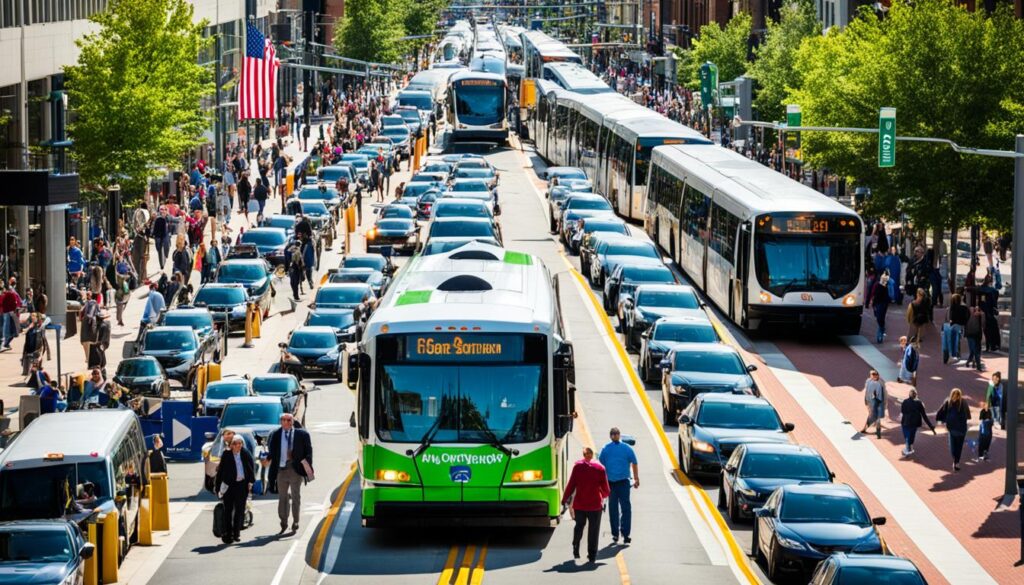
Different kinds of transport and city planning efforts make getting around Raleigh better. Knowing what’s available helps with easier access and convenience. It’s important for both locals and tourists to understand these options.
| Transportation Option | Description | Advantages |
|---|---|---|
| GoRaleigh Bus Service | City-operated bus network connecting key areas | Cost-effective, wide coverage |
| Walking | Pedestrian-friendly routes in various neighborhoods | Healthy, environmentally friendly |
| Bicycles | Biking infrastructure supports cycling as a transport option | Efficient for short trips, promotes fitness |
Is Raleigh Walkable or Do I Need a Car?
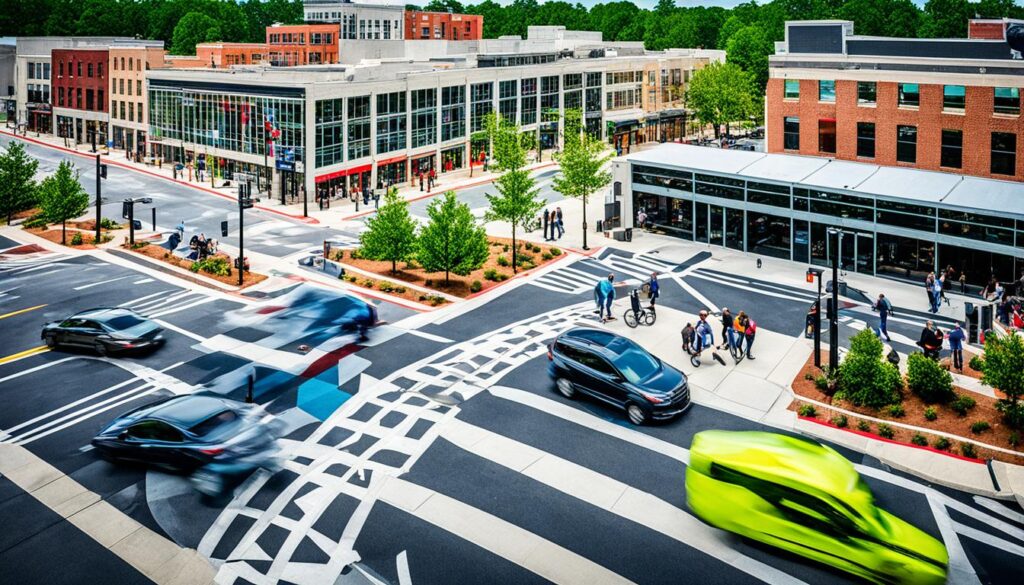
Many want to know if they can get around Raleigh by foot or if they need a car. Understanding how pedestrian-friendly Raleigh is involves looking at certain numbers. Things like how closely packed people are, if neighborhoods have places to live, work, and play combined, and the state of paths for people to walk all matter.
Understanding Walkability Metrics
How walkable an area is can be seen in a few key measurements. Here are some:
- Population Density: More people in an area usually means it’s easier to walk, as more shops and services are around.
- Mixed-Use Development: When homes and businesses are close, everything is easier to walk to.
- Pedestrian Infrastructure: Good sidewalks, crosswalks, and signals make walking safer and more enjoyable.
Factors Influencing Walkability in Urban Areas
The city’s layout and design greatly impact how walkable Raleigh is. Having sidewalks, public spots, and access to daily needs are key. Here are a few things that help:
- Sidewalk Availability: Continuous, easy-to-use sidewalks are a must for safe walking.
- Public Spaces: Spaces like parks and squares help make areas more friendly for walkers.
- Accessibility to Amenities: It’s best when you can easily walk to get groceries, eat out, or use other services.
Urban planners and research can shed light on these important areas. In short, looking into Raleigh’s walkability will show if walking is enough for your needs or if driving is necessary.
Overview of Raleigh’s Neighborhoods
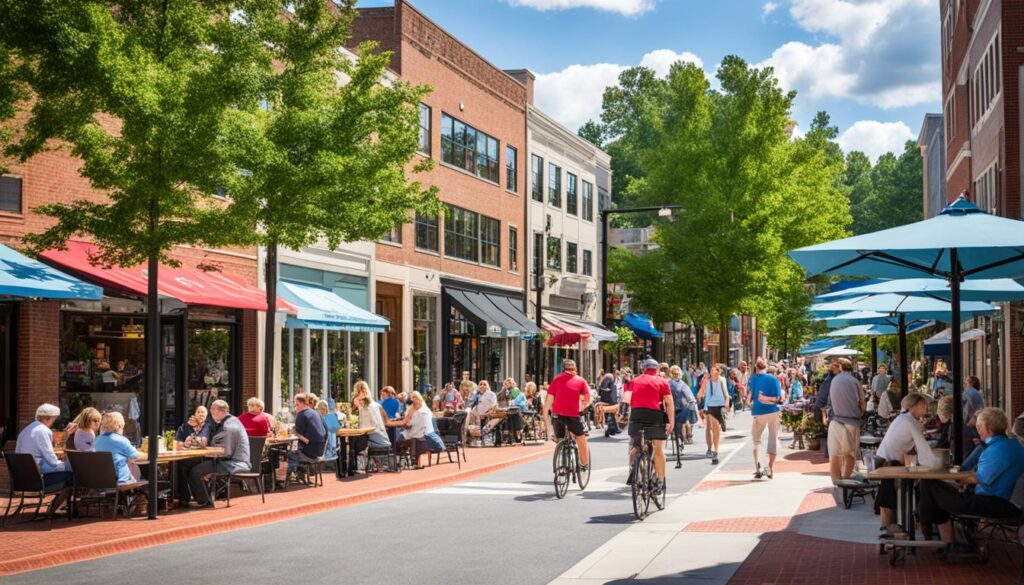
Raleigh has a mix of neighborhoods, each with its own charm for walkers. You’ll find everything from buzzing city spots to quiet, tree-lined streets. These areas have earned praise for their beauty and easy access.
Popular Neighborhoods for Walking
Top walking spots include areas busy with shops, eateries, and parks. They offer lovely sights and useful features to enhance your walk:
- Downtown Raleigh: A lively center with cultural spots, tasty food, and a dynamic feel.
- Five Points: This place is famous for its historical look and unique shops, making it welcoming for all.
- Glenwood South: Known for its nightlife and day attractions, it’s a hit with those who love to walk.
Hidden Gems in Raleigh’s Pedestrian-Friendly Areas
Raleigh doesn’t just have popular spots; it also has hidden gems great for walking:
- Historic Oakwood: A peaceful area with stunning homes and tree-covered streets for a relaxed walk.
- North Hills: With its mix of uses, this area offers paths and greenspaces perfect for walking.
- Boylan Heights: This cozy neighborhood offers a warm community feel and superb downtown views.
Public Transportation in Raleigh
In Raleigh, you have several public transportation options. Each option caters to different needs. Knowing these options will make traveling around Raleigh better.
Types of Public Transportation Available
Raleigh’s public transportation includes:
- GoRaleigh Buses: They are the core of the city’s public transit, covering much of Raleigh.
- GoTriangle Buses: These buses link Raleigh with the wider Triangle area, perfect for commuters.
- Future Light Rail Projects: There are plans for new light rail links. These will help people get around faster and connect key locations.
Pros and Cons of Using Public Transport in Raleigh
Public transport comes with its set of pros and cons:
| Advantages | Disadvantages |
|---|---|
|
|
Getting Around Raleigh: Options for Transportation
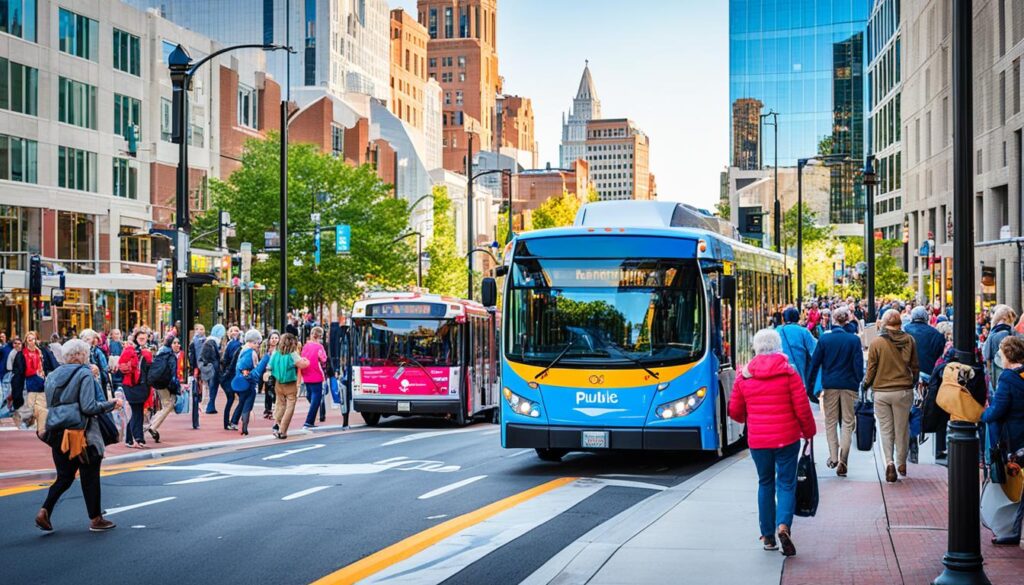
In Raleigh, you have many ways to get around the city. This makes it easy for both residents and visitors to find what works best for them. You can choose from buses, ride-sharing like Uber, or even biking.
Each option helps you navigate through Raleigh’s lively streets efficiently. The city focuses on improving these options regularly. This ensures everyone can move around the city smoothly.
Raleigh’s Bus Systems
GoRaleigh operates the local bus system. It’s a dependable way to travel around Raleigh. With over forty bus routes, it connects neighborhoods, shopping areas, and key sites.
The buses run on a fixed schedule. This makes it simple to plan your travel. Here’s what you need to know about the bus system:
- Accessibility: Buses and stops are set up for people with disabilities.
- Affordability: Bus fares are low, making it a budget-friendly choice for everyday use.
- Real-time tracking: You can see bus locations on your phone with an app.
Ride-Sharing Services and Bicycles
Uber and Lyft are big parts of getting around in Raleigh. These services let you book a ride when you need it. They’re perfect for going out at night or when your schedule isn’t fixed. Also, biking is becoming a favorite way to get around.
There are bike-sharing services and safe bike lanes. These make cycling a good choice for many people. Here are the details:
- Bike-sharing programs: With Spin and Lime, you can pick up a bike in many parts of the city.
- Bike lanes: Many roads have special lanes just for bikes. This makes cycling safer.
Raleigh’s transportation options are key to easy and efficient travel. They also support the city’s efforts to be more green.
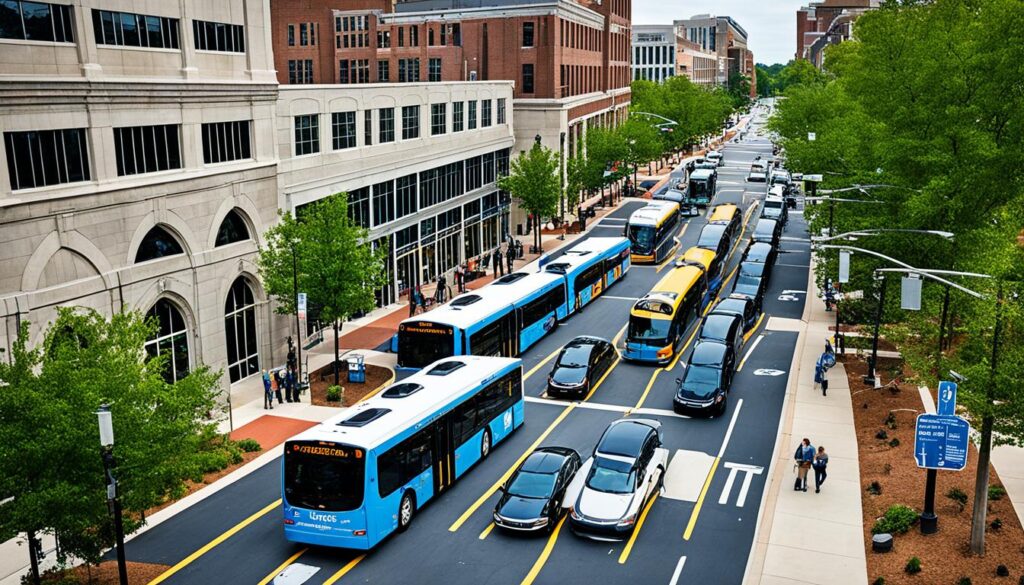
| Transportation Option | Pros | Cons |
|---|---|---|
| GoRaleigh Bus | Affordable, Extensive coverage, Accessible | Limited evening service, Wait times can be long |
| Uber/Lyft | On-demand service, Convenient for short trips | Cost can add up, Dependent on availability |
| Bicycles | Environmentally friendly, Health benefits | Weather-dependent, Requires physical fitness |
Raleigh Transportation Options for Tourists
Getting around Raleigh without a car lets you connect with the city on a deeper level. Learning about the transportation choices can make your visit better. The city has public transport and neighborhoods easy to walk around.
Best Ways to Navigate the City Without a Car
Walking and using public transport are top ways to see Raleigh. Riding the GoRaleigh buses gets you to many places. In walk-friendly areas, you’re never far from parks, places to eat, and shops.
- Plan your trip using bus schedules to use your time well.
- Transportation apps are great for bus times and routes.
- Staying near main transit spots makes things easier.
How to Plan Your Trip Using Public Transport
For your trip, download apps for Raleigh’s public transportation. They help you plan your days well. Look for areas that are easy to walk in, as this enhances your experience.
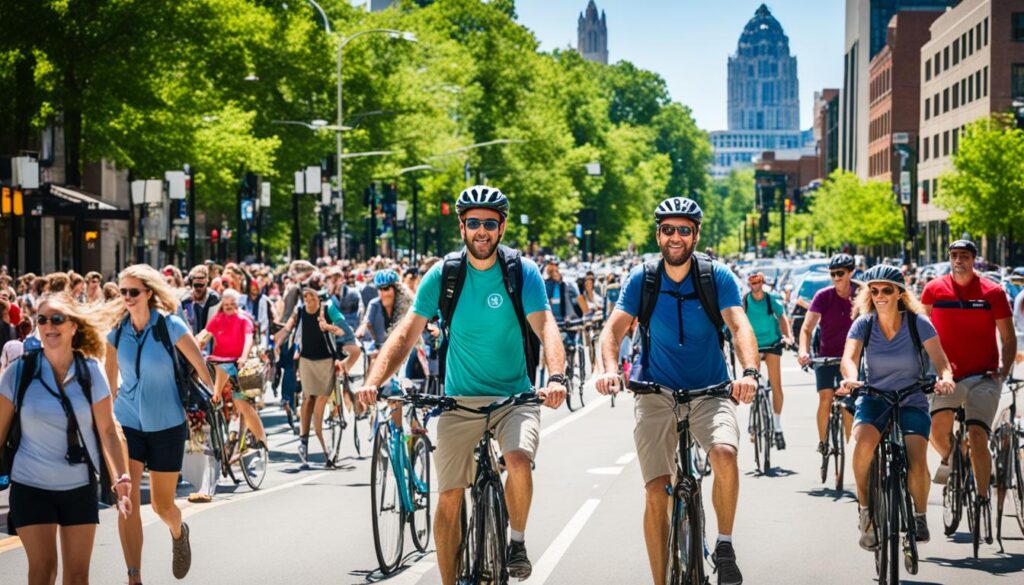
Make sure to check what’s happening near bus stops. This way, you can see Raleigh’s culture, breathe fresh air, and feel the city’s life. Walking and buses in Raleigh can make your visit unforgettable.
Challenges of Car-Free Living in Raleigh
Living without a car in Raleigh has its tough spots. The biggest issue for many is limited public transport coverage. Not all parts of the city are easy to get around using public transport. This makes it hard for people to travel in suburbs or areas with fewer people.
Feeling safe is another big worry. The city lacks enough safe paths for walking or biking. A lot of streets don’t have safe places to cross. Also, missing bike lanes make it harder for cyclists and walkers to feel secure.
How people see owning a car also adds to the challenge. Most think having a car is needed for daily life. So, those who decide against having one might feel left out or under pressure from the common view that cars are a must-have.
The following table breaks down some of the main hardships of choosing car-free living in Raleigh:
| Challenge | Description | Impact on Residents |
|---|---|---|
| Limited Public Transport | Inadequate coverage in specific neighborhoods | Struggles to commute or reach essential services |
| Safety Concerns | Lack of pedestrian-friendly infrastructure | Increased risk of accidents |
| Cultural Perception | Societal norms favor car ownership | Feelings of isolation or non-conformity |
Evaluating Walkability in Raleigh
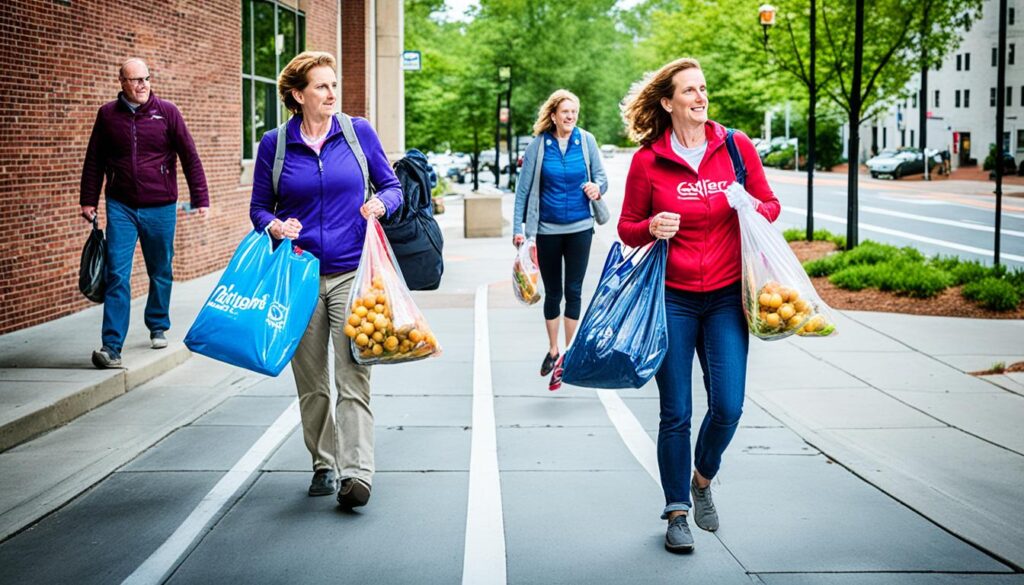
Looking into Raleigh’s walkability uses different tools and methods. It helps understand how easy it is to walk in the city. Things like how many people walk, the safety of crossing streets, and having sidewalks are key. Websites like walkscore.com and Pedestrian Level of Service scores are helpful. They show how friendly areas are for walking. Feedback from the community and planning meetings also spotlight walk-friendly zones and where to improve.
Tools to Measure Walkability
In Raleigh, many tools help measure how walk-friendly it is. Smart Growth America’s National Complete Streets Coalition presents models for checking access and connectivity. Also, geographic information systems (GIS) might be used to see how land use affects walking. These tools offer a clear view on making the city better for walking.
City Initiatives to Improve Walkability
Raleigh has made big moves to make walking better. They’re building new sidewalks and updating urban areas to make walking safer and easier. Public meetings let people share what they think about walking paths. These actions aim to widen walkable areas and make them safer and more lively for everyone. Raleigh wants to create a walk-friendly city for the good of all its people.