Exploring Mandalay’s Cultural Heritage – A Guide
Have you ever thought about how a city can mix traditions, history, and spirituality? In this guide, we’ll dive into Mandalay’s cultural richness. This city is Myanmar’s cultural heart, filled with traditions and history.
Places like the Mahamuni Pagoda with its famous Buddha statue show Mandalay’s beauty. You’ll also see the skill of local artisans in villages. Exploring Mandalay’s history is like traveling through time.
Mandalay is not just a place to visit; it’s an adventure. Its historical sites tell stories of the past. Spiritual monuments show deep devotion.
Every corner invites you to learn more about Mandalay’s unique identity. You’ll experience its lively traditions. Discover how Mandalay’s culture connects with your own heritage and identity.
Introduction to Mandalay’s Cultural Heritage
Mandalay, Myanmar’s second-largest city, is a lively hub for cultural exploration. It has over 1.2 million people, with a history, craftsmanship, and Buddhist legacy. Visitors will find many historical attractions that make Mandalay unique.
The city’s architecture is stunning, like the Mandalay Palace and Shwenandaw Kyaung monastery. These buildings show off Myanmar’s art, with wood carvings, gold, and lacquerwork.
Mandalay Hill is 230 meters high and offers amazing views. Climbing the 1,729 steps is a spiritual journey into the city’s heart.
The Kuthodaw Pagoda is a must-see, with 729 pitaka pagodas. It’s the world’s largest book and highlights the city’s Buddhist heritage.
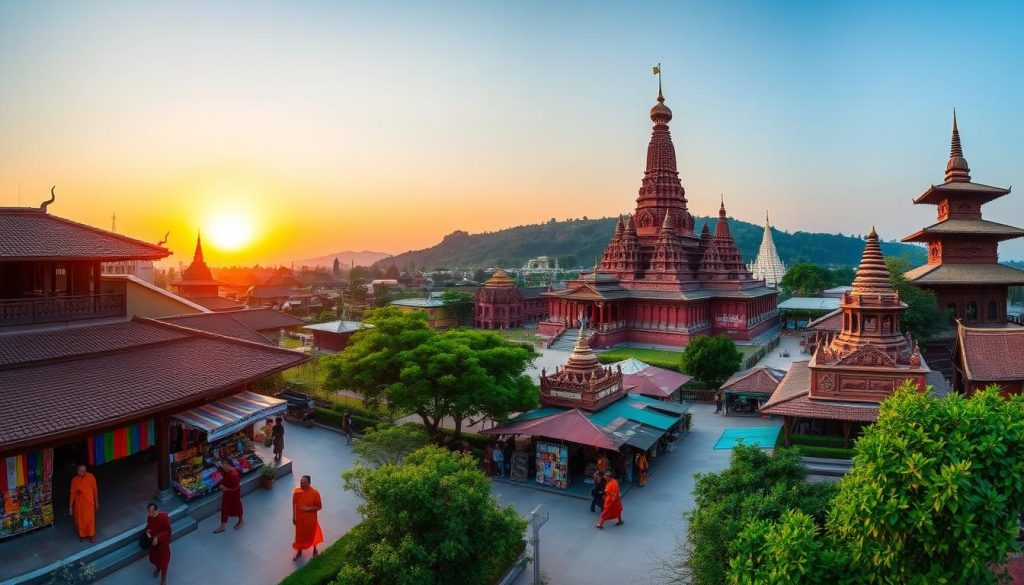
Mandalay’s culture also includes traditional music and dance. The hsaing waing ensemble and Burman dance add to the city’s cultural richness.
Mandalay is the most Burmese city in Myanmar. Exploring its culture gives visitors a deep understanding of this historical place.
Understanding Mandalay’s Historical Context
Mandalay is Myanmar’s second-largest city, filled with a rich history. It was once the last capital of the Burmese monarchy. Here, you can see the legacy of royal dynasties, Buddhist influence, and amazing architecture.
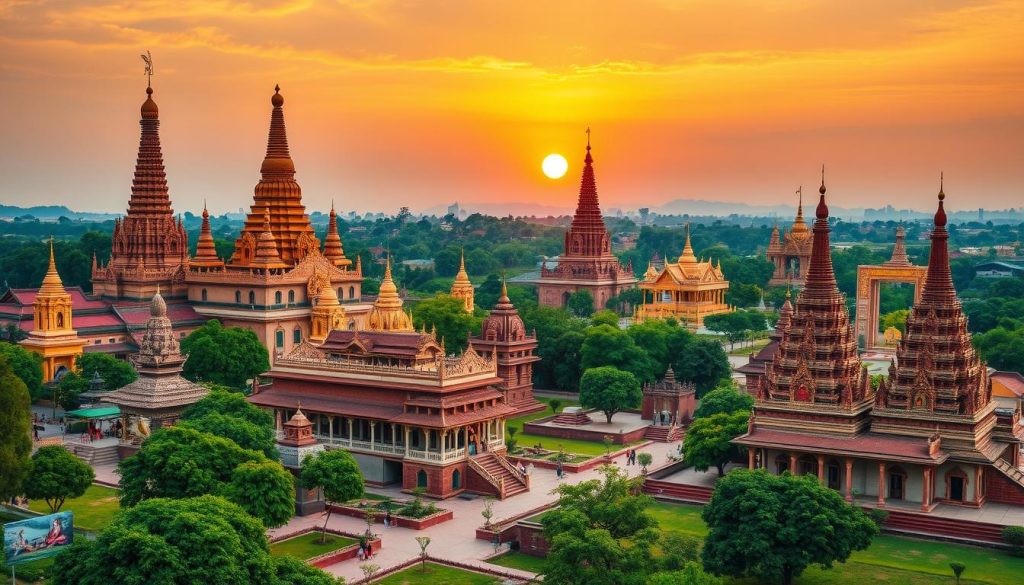
The Mahamuni Pagoda is key in Mandalay’s culture. It attracts many Buddhist pilgrims every year. Women must keep their distance from the Mahamuni Buddha statue, showing Indonesia’s cultural rules.
Kuthodaw Pagoda is called the ‘World’s Largest Book’. It has 729 marble slabs with the Buddhist canon. The main pagoda is 57 meters tall, showing the era’s grand architecture and faith.
The Palace Museum is inside the Royal Palace grounds. It has many historic, cultural, and religious items. Walking through, you see Mandalay’s past in the wood carvings and teak buildings, like the Shweinbin Monastery.
Mandalay’s history is also told through marionette puppetry, an ancient art. Though it’s facing challenges today, Mandalay’s culture still excites and inspires people.
The Significance of the Mahamuni Pagoda
The Mahamuni Pagoda is a key part of Mandalay’s spiritual heritage. It has a 13-foot-tall Buddha covered in gold leaf. Thousands visit each year, drawn by its beauty and spiritual significance.
Visitors feel the energy of the faithful who come to worship. The pagoda is more than a building; it’s a living part of Mandalay. Interacting with the crowd helps you understand Mandalay’s traditions better.
Getting to the Mahamuni Pagoda is easy with many transport options. Parking costs about 500 MMK. Buses cost between 300 to 500 MMK. Taxis are more comfortable, with prices from 2,000 to 5,000 MMK. Motorbike taxis are quicker, costing 1,000 to 3,000 MMK. Always agree on taxi fares first.
Signs along the way make finding the pagoda simple. Nearby attractions, like the clock tower, add to Mandalay’s cultural richness.
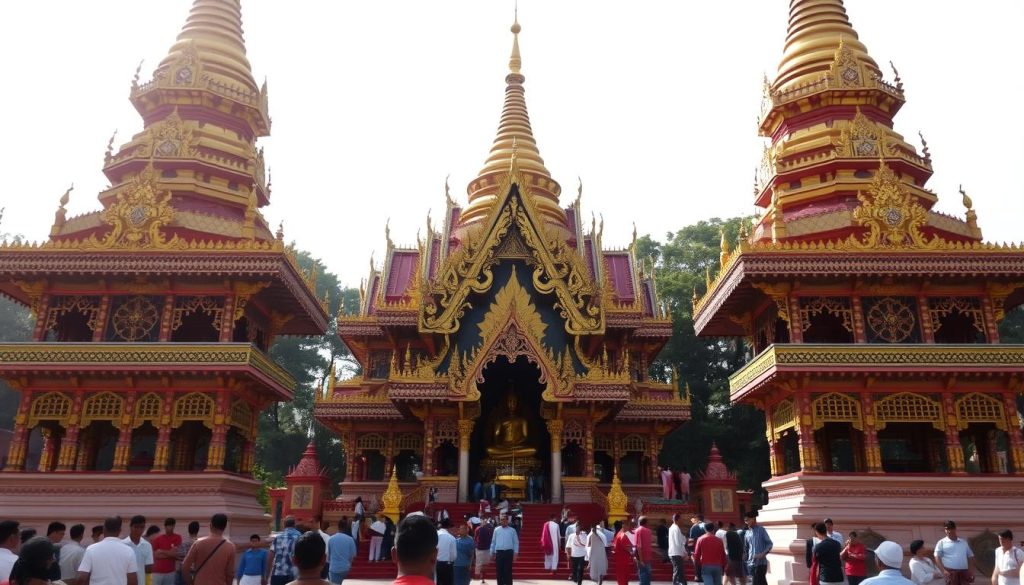
The Mahamuni Pagoda is more than a tourist spot. It captures Mandalay’s spirit, attracting many and offering a real cultural experience. Exploring this site gives you a deep look into Mandalay’s traditions and modern life.
| Transportation Type | Estimated Cost (MMK) |
|---|---|
| Parking | 500 |
| Public Bus | 300 – 500 |
| Taxi | 2,000 – 5,000 |
| Motorbike Taxi | 1,000 – 3,000 |
The World’s Largest Book: Kuthodaw Pagoda
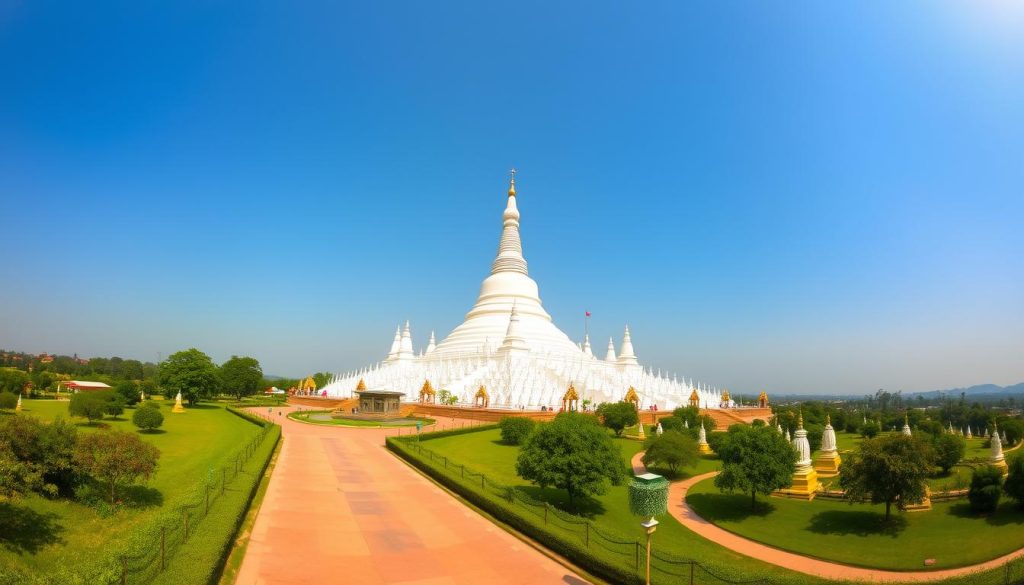
The Kuthodaw Pagoda is a famous landmark in Mandalay. It holds the world’s largest collection of Buddhist scriptures. The pagoda has 729 marble slabs, each with sacred texts. It’s a place for spiritual learning and cultural preservation.
Exploring the Buddhist Scriptures
At the Kuthodaw Pagoda, you’ll see detailed inscriptions on marble slabs. These include teachings from the Sutta Pitaka, Vinaya Pitaka, and Abhidhamma Pitaka. The complex covers 5.26 hectares and has a main entrance with sculptures of deities and animals.
UNESCO World Heritage Designation
In 2013, the Kuthodaw Pagoda was named a UNESCO World Heritage Site. This honor shows its importance in Mandalay’s heritage. Efforts to protect it ensure its teachings are available for future generations. A restoration committee was set up in 1892 to care for the pagoda.
| Attribute | Detail |
|---|---|
| Location | 274.2 meters from the foot of Mandalay Hill |
| Complex Area | 5.26 hectares |
| Total Shrines | 729 shrines with inscribed marble slabs |
| Construction Period | 1857 – 1865 (8 years) |
| Height | 188 feet (57 m) |
| Total Inscriptions | 729 marble slabs, Tipitaka inscribed |
| UNESCO Inscription | 2013 |
Mandalay’s Architectural Marvels
Mandalay is known for its stunning architecture that shows the city’s rich culture. The Shwenandaw Monastery and Mandalay Royal Palace are top examples of Mandalay’s royal heritage. These sites are not just beautiful but also carry stories from past generations.
Shwenandaw Monastery: Gilded Splendor
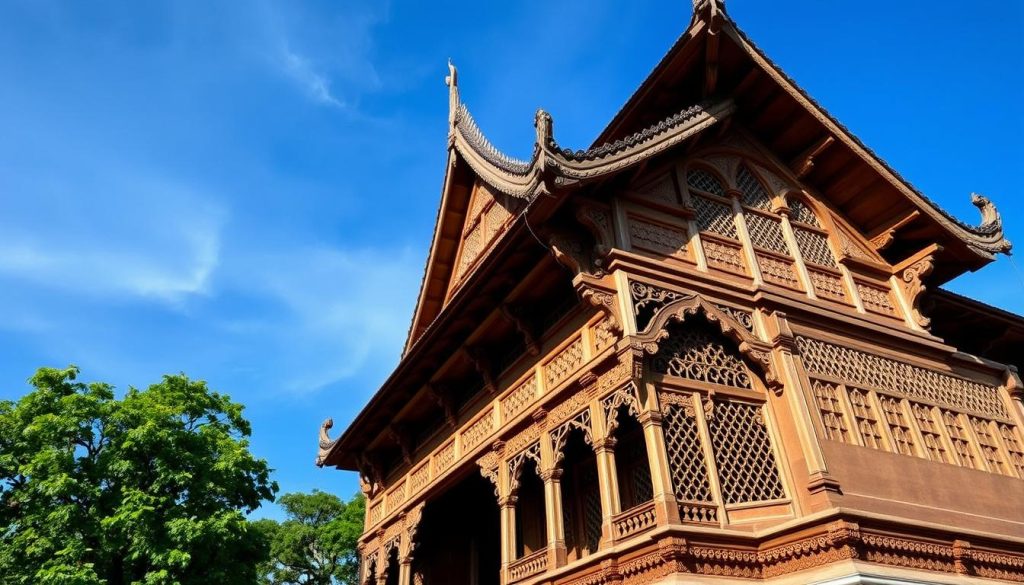
The Shwenandaw Monastery is a stunning example of Mandalay’s architecture. It’s covered in detailed wood carvings that show amazing craftsmanship. Once part of the royal palace, it now offers a peaceful place to reflect.
Walking through its halls, you feel connected to the past. The monastery’s gilded interior is truly breathtaking.
The Royal Palace: A Glimpse into Regal History
Visiting the Mandalay Royal Palace gives you a peek into Burma’s royal past. The palace, with its wooden structures, tells stories of kings and queens. Though much has been lost, the site still feels grand and historic.
Exploring the palace, you’ll see the lasting impact of its royal history. It’s a place where culture and history come alive.
| Feature | Shwenandaw Monastery | Mandalay Royal Palace |
|---|---|---|
| Architectural Style | Burmese Traditional | Burmese Traditional |
| Notable Elements | Intricate Wood Carvings, Gilded Interior | Timber Structures, Royal Artifacts |
| Historical Significance | Formerly Part of Royal Palace | Last Monarchical Seat of Power |
| Current Use | Religious and Cultural Site | Public Historical Attraction |
These architectural wonders are more than just sights. They are gateways to Mandalay’s culture and history, making your trip to Myanmar unforgettable.
How do I explore Mandalay’s cultural heritage?
An enriching Mandalay cultural heritage tour offers a deep dive into the city’s vibrant history and traditions. Start at iconic landmarks like the Mahamuni Pagoda, where a revered bronze statue awaits. It’s gilded by the prayers of countless devotees.
Next, visit Kuthodaw Pagoda, known as “the world’s largest book” due to its 700 alabaster slabs inscribed with Buddhist scriptures.
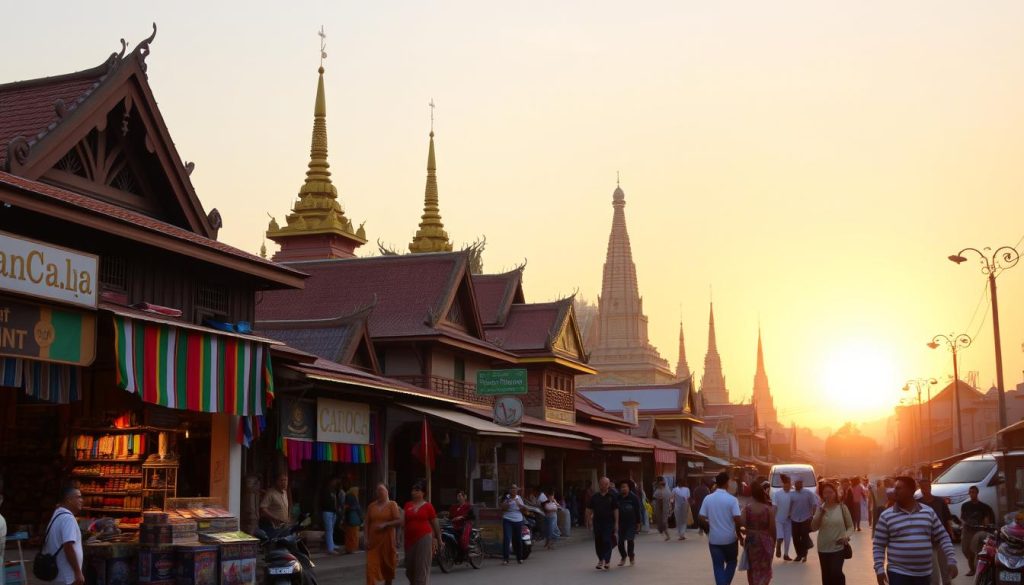
As you explore Mandalay, immerse yourself in cultural activities that reflect the community’s daily life. Handicraft workshops offer a glimpse into local artistry. Visit markets like the jade market, where artisans work on intricate pieces that highlight the city’s craftsmanship.
This direct interaction allows a fuller appreciation of local customs and traditions.
Guided tours, lasting around 10 hours, start at 8:30 am. Pick-up from conveniently located hotels maximizes your experience. With knowledgeable guides, you’ll gain insights into the significance of each site, making every moment informative and engaging.
Traveling with family, friends, or solo offers a chance to connect with Mandalay’s rich heritage in your own way. Vegetarian meal options are available, making dining a delightful experience for everyone involved during this cultural exploration.
| Detail | Information |
|---|---|
| Duration of Tour | 10 hours |
| Departure Time | 8:30 am |
| Tour End Time | 6:30 pm |
| Pick-Up Place | Hotel in Mandalay |
| Recommended For | Families, Friends, Couples, Seniors, Solo Travelers |
| Cancellation Policy | 90% refund up to 2 days in advance; no refund less than 2 days |
| Government Tax | 5% (non-refundable) |
| Inclusives | Hotel pickup/drop-off, English-speaking guide, 1 bottle of water, towel, air-conditioned coach |
| Key Stops | Mahamuni Pagoda, Kuthodaw Pagoda, Local Markets, Handicraft Workshops |
Local Artistry: Handicraft Villages and Tea Shops
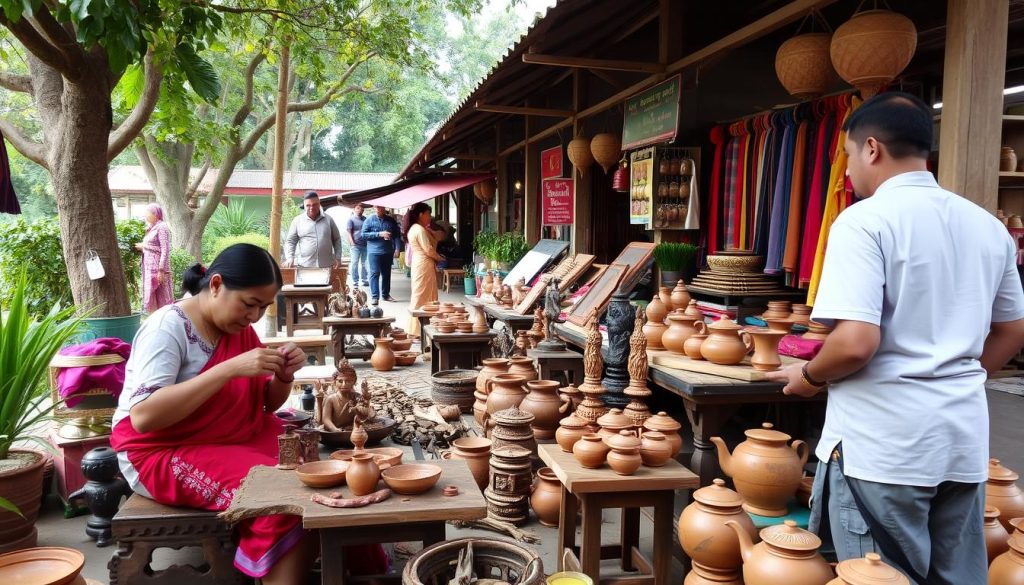
Exploring Mandalay’s cultural life is a unique adventure. You’ll find handicraft villages where artisans show off their skills in wood carving and silk weaving. These traditional crafts reveal the area’s rich artistic heritage.
Experiencing Traditional Craftsmanship
Artisan workshops offer a peek into the creativity and skill of local craftsmanship. You’ll meet artists who share their stories and techniques. This experience deepens your understanding of the cultural value behind each piece.
The Role of Local Markets in Cultural Life
Mandalay’s local markets are lively and reflect the daily lives of its people. The air is filled with vendor chatter and the smell of local foods. Watching the market scenes gives you a glimpse into the community’s values and routines.
| Market Feature | Description |
|---|---|
| Diverse Products | Fresh produce, traditional handicrafts, and textiles are available, showcasing local talent. |
| Cultural Events | Markets often host festivals and events, highlighting local traditions and community spirit. |
| Social Interactions | The marketplace acts as a gathering point for local residents, promoting community bonding. |
| Traditional Food Stalls | Sample local snacks and beverages, enhancing your cultural experiences. |
By taking part in these cultural experiences and visiting local markets, you truly connect with Mandalay. Your visit will be unforgettable.
Mandalay’s Culinary Heritage
Mandalay’s food scene is a colorful mix of different cultures and traditions. You can try many traditional dishes in Mandalay that use fresh ingredients and strong flavors.
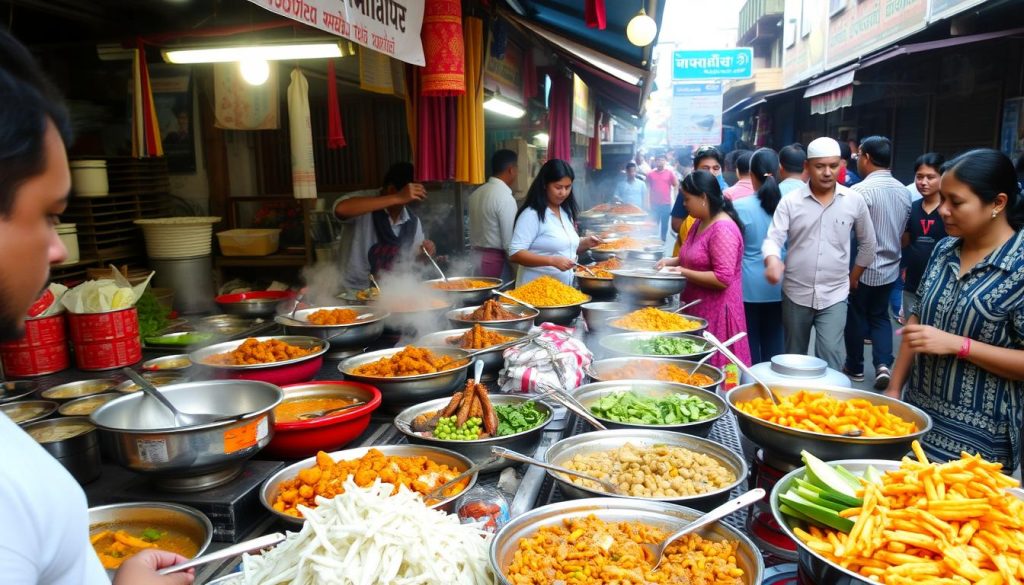
Trying local food is key to experiencing Mandalay fully. At busy tea shops, you can enjoy dishes like Mandalay Meeshay. It’s rice noodles with tasty pork and spices. Each dish tells a story of Mandalay’s history and tastes.
The city offers more than just tasty food; it invites you to join in on special culinary moments. Taking a cooking class lets you learn about Burmese cooking traditions. It’s a hands-on way to learn about local food culture.
Food lovers will love visiting places like Zegyo Market. It’s a feast for your senses with fresh produce, spices, and street food. With over 1.2 million people, Mandalay’s food scene is full of energy and creativity.
Exploring Mandalay’s Cultural Landmarks
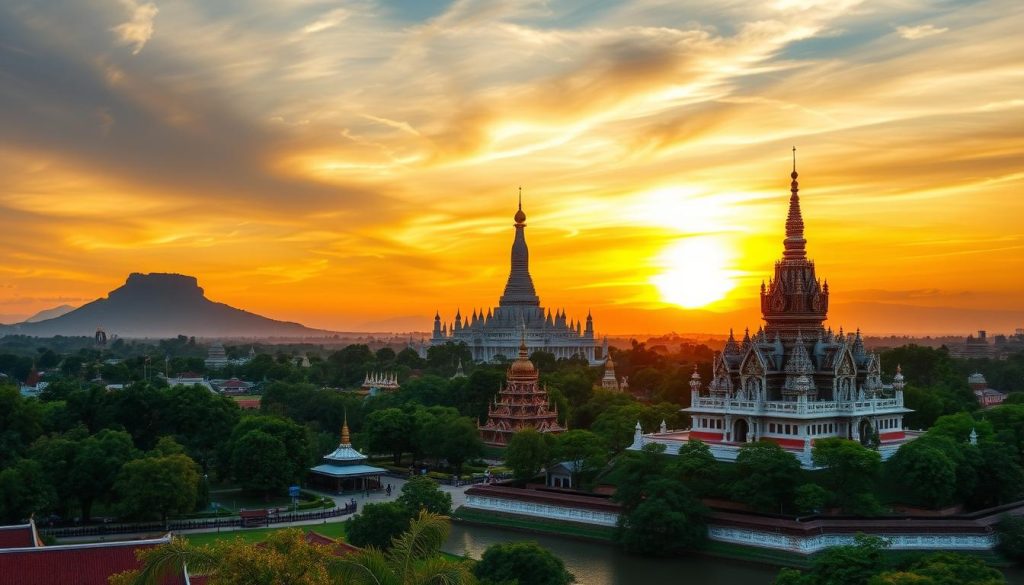
Mandalay is filled with cultural landmarks waiting to be explored. It’s known for its historic sites, showing off its rich heritage. While famous spots like the Mahamuni Pagoda and Kuthodaw Pagoda are popular, there are also hidden treasures to find.
Start at the U Bein Bridge in Amarapura. This bridge is over 1.2 kilometers long and made of teakwood. It’s the longest and oldest of its kind. Walking here or taking photos at sunset is truly beautiful.
Then, visit Mandalay Hill, which is 240 meters high. You can climb 1,729 steps or take an elevator to the top. From there, you’ll see amazing views of Mandalay.
The Sandamuni Pagoda is a must-see for its large iron Buddha image. It shows Myanmar’s strong Buddhist traditions. The Su Taung Pyae Pagoda, built in the 18th century, houses a strand of the Buddha’s hair. It’s a significant site to visit.
Also, check out Atumashi Monastery. It’s a beautiful building that once housed a statue with a big diamond. Its design shows Mandalay’s rich monastic history.
To make the most of your trip, here are some tips:
- Visit between November and February for the best weather.
- Go to local markets like the Zegyo Market and Jade Market for unique crafts and food.
- Experience local festivals like the Thingyan Water Festival in April and the Taung Byone Nat Festival in August.
Cultural Exploration Tips for Travelers
Exploring Mandalay’s rich culture offers unique experiences. These tips will help you make the most of your visit.
- Dress appropriately: Wear modest clothes at places like the Mahamuni Pagoda. Cover your shoulders and knees. Remove shoes before entering.
- Learn a few local phrases: Saying hello in Burmese can make your visit better. Simple phrases can make you feel welcome.
- Be respectful of customs: Always ask before taking photos. Knowing local etiquette is key when visiting Mandalay.
- Explore the local cuisine: Trying traditional dishes gives insight into Myanmar’s culture. Visit markets or local eateries to see local life.
- Use local transportation wisely: Rent a private car for comfort. Taxis are common, but agree on the fare first.
Plan your visit by the seasons. The dry season from November to February is best for sightseeing. March and April are hot, and the rainy season from May to October may change your plans.
Mandalay International Airport is now easier to reach. Buses or boats from Bagan offer scenic views but take time.
| Travel Mode | Duration | Cost |
|---|---|---|
| Flight from Bangkok | Approx. 1.5 hours | Varies |
| Bus from Yangon | 9-11 hours | Varies |
| Train travel | Approx. 10 hours | Varies |
| Boat from Bagan | Approx. 12 hours | $40 (speed boat) |
By following these tips, you can truly appreciate Mandalay’s heritage during your visit.
Preservation of Mandalay’s Cultural Heritage
Many groups work hard to keep Mandalay’s cultural heritage safe. They focus on restoring old landmarks. This way, future generations can enjoy Mandalay’s rich culture and history.
For example, the Royal Palace and Kuthodaw Paya have been fixed up. Kuthodaw Paya is special because it has the world’s largest book inside.
Efforts to keep Mandalay sustainable are key to saving these sites. Local people and groups work together to spread the word about these sites’ value. Visitors help by coming and spending money, which goes back into saving these places.
By joining tours, you learn more about these sites. You also help protect them for the future.
Groups from around the world and locally work together. They teach people why these sites are important. This makes everyone feel proud and responsible for keeping Mandalay’s history alive.
| Site | Preservation Efforts | Importance |
|---|---|---|
| Royal Palace | Reconstructed in the 1990s using archival evidence | Symbolizes Mandalay’s royal heritage |
| Kuthodaw Paya | Restoration of marble slabs and grounds | Houses the world’s largest book |
| Shwenandaw Kyaung | Conservation of unique teak architecture | Only remaining structure from the last Burmese king |
Conclusion
As you finish exploring Mandalay’s cultural heritage, you see how vibrant neighborhoods make the city special. Each area, like Chan Aye Thar Zan’s colonial charm and Pyigyidagon’s traditional architecture, lets you dive into local life. Your Mandalay travel guide helps you find these hidden treasures.
The city’s landmarks, such as the Mahamuni Pagoda and U-Bein Bridge, show Mandalay’s deep cultural roots. With its mix of ethnic groups and religions, Mandalay tells stories of the past and shows its lively today. Walking its streets and gardens connects you to the city’s sights and spirit.
Mandalay invites you to keep exploring its culture even after you leave. By experiencing these rich moments, you gain a deeper understanding of this amazing city. This understanding will inspire you to explore more of Myanmar’s culture in the future.