Explore Top Sites & Museums in Salalah Not to Miss
Ever wondered about Salalah’s hidden treasures? This city, known as the “Land of Frankincense,” is a mix of rich culture and ancient history. You’ll find places like the Sultan Qaboos Mosque and Al Baleed Archaeological Park, a UNESCO World Heritage Site.
Exploring Salalah, you’ll see its top museums and landmarks. Each tells a story of Omani culture. What historical sites and museums should you not miss in Salalah? Let’s explore this cultural gem together, uncovering its history, architecture, and natural beauty.
Introduction to Salalah’s Rich Cultural Heritage
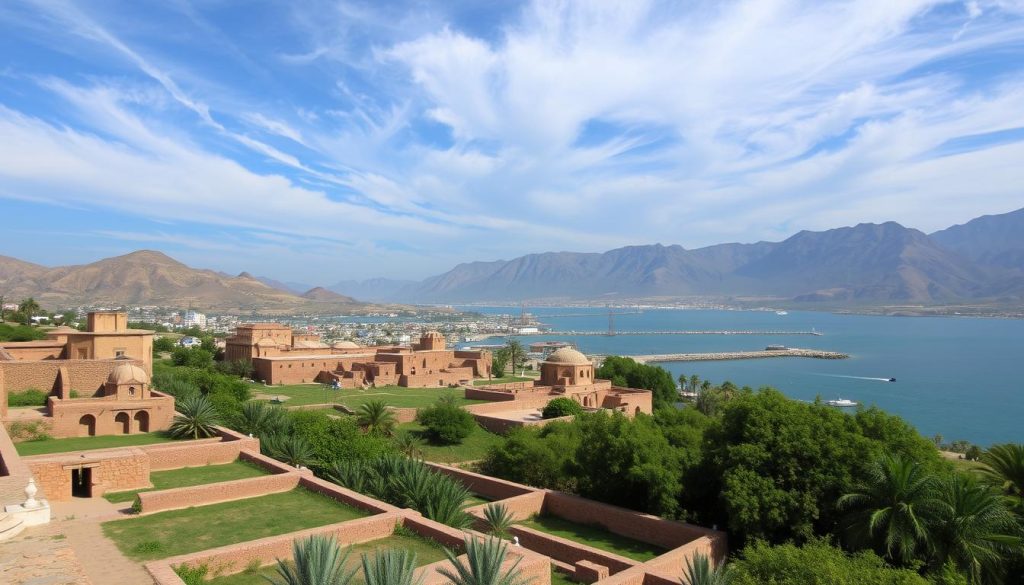
Exploring Salalah, you’ll find a city filled with history and culture. It’s known for its role in ancient trade routes, where frankincense was prized. You’ll see how Arab, African, and Indian cultures have shaped it.
The city’s architecture shows off these influences. It’s full of intricate designs and structures that tell its story. The local food, like Shuwa and Majboos, also reflects this cultural mix.
Salalah’s music and festivals add to its vibrant feel. They offer a chance to connect with local traditions. By diving into these experiences, you’ll understand the city’s history and customs.
The places to explore in Salalah show its past and present beauty. Efforts to preserve these landmarks mean future generations can learn from its heritage.
What historical sites and museums should I not miss in Salalah?
Salalah is filled with historical sites and museums that show its rich past. Each place gives a glimpse into ancient ways of life and governance. Knowing the importance of these sites makes your visit even more meaningful.
Importance of Historical Preservation
Keeping Salalah’s historical sites safe is key to its cultural identity. These sites are more than old ruins; they are part of the region’s heritage. As you see the best sites in Salalah, you’ll connect with ancient civilizations and their impact on today’s Oman.
Overview of Salalah’s Historical Timeline
Salalah’s story began around 2000 BC as a major trading port. The frankincense trade made it even more important, drawing merchants and travelers. This timeline includes cultural exchanges and the rise and fall of rulers, shaping the city’s character and today’s preservation efforts.
| Period | Description |
|---|---|
| 2000 BC | Established as a trading port |
| 0-300 AD | Growth of frankincense trade |
| 700-1000 AD | Influence of Islam and expansion of trade routes |
| 1500-1800 AD | Colonial interests and regional power shifts |
| 20th Century | Modern preservation efforts initiated |
Al Baleed Archaeological Park: A UNESCO World Heritage Site
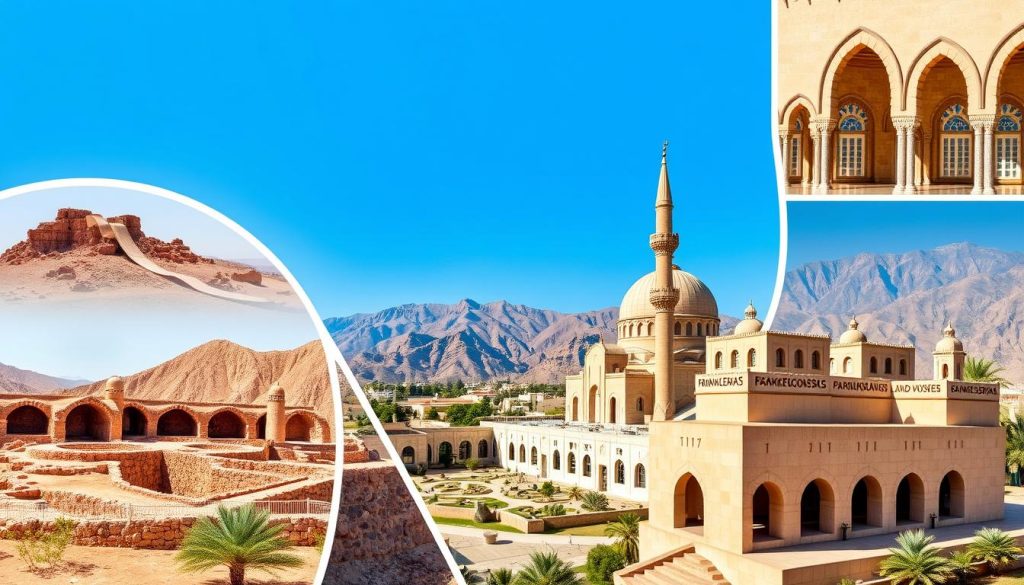
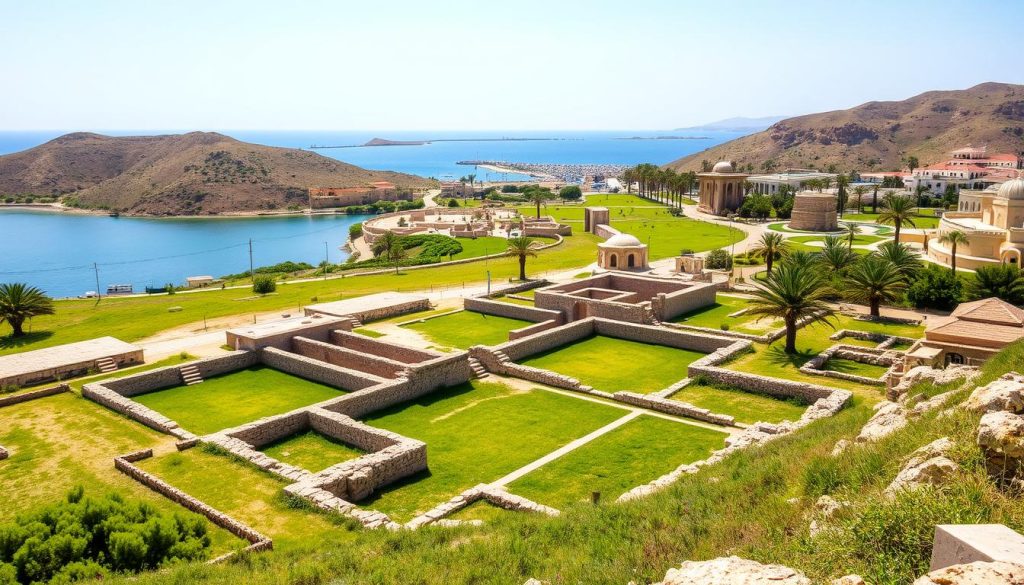
Al Baleed Archaeological Park is a key spot among Salalah historical places to explore. It’s a UNESCO World Heritage Site that shows Oman’s rich culture. It also tells the story of Zafar, a major port in the frankincense trade from the 12th to 16th centuries.
Description and Historical Significance
The park is about 7 kilometers from Salalah’s center. It has a scenic path for walking or biking. You’ll see ruins like a Grand Mosque and Al Baleed Fort.
These ruins show the ancient people’s skills and lives. You can learn more through guided tours and see nearby attractions.
Key Archaeological Findings
Al Baleed is known for its unique features, making it a top Salalah museum and landmark. The Museum of the Frankincense Land is a highlight, showcasing Dhofar’s history and archaeology.
The park’s ruins, like the city wall and mosques, show the area’s trade and religious past. The lagoon is also a beauty spot for bird-watchers.
Sultan Qaboos Mosque: Architectural Marvel
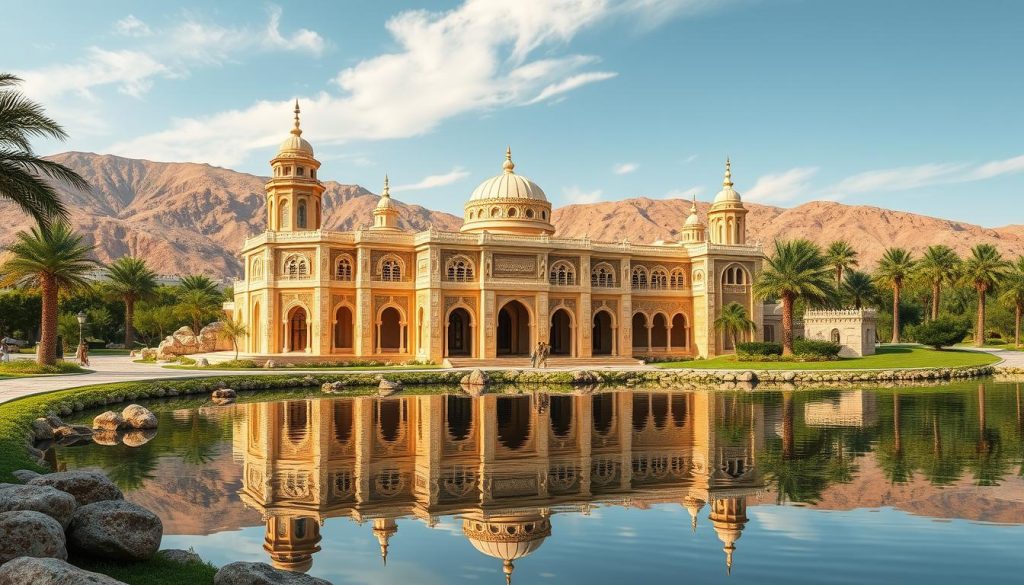
The Sultan Qaboos Mosque is a stunning example of modern Islamic architecture. It’s a key attraction in Salalah. This mosque is more than a place of worship. It showcases Oman’s rich culture and invites visitors to learn about its spiritual heritage.
Distinct Features of the Mosque
The Sultan Qaboos Mosque is one of the largest in the area. Its design and details are truly impressive. The prayer hall is a sight to behold, with a huge chandelier, beautiful Persian carpets, and intricate mosaics.
The mosque’s minarets stand tall, adding to its grandeur. The gardens around it are peaceful, perfect for reflection and prayer.
This mosque is a key historical site in Salalah. It’s a must-see for anyone visiting. When you explore Salalah’s museums, don’t miss this architectural wonder. It captures the essence of the region’s culture and history.
Frankincense Land Museum: A Dive into Tradition
The Frankincense Land Museum is a key part of Salalah’s history. It shows how frankincense has shaped the area’s past and economy. This museum is a must-see for anyone interested in Salalah’s cultural heritage.
Exhibits and Educational Insights
The museum has two main halls. The Maritime Hall showcases Omani boats from ancient to modern times. You’ll see models of boats like the Battil and Sambuq.
The History Hall is filled with artifacts from UNESCO sites like Al Baleed and Ubar. Here, you can see:
- Pottery and metalwork from ancient times.
- Models of famous mosques and tombs in Oman.
- Colorful manuscripts of the Holy Quran and other literary treasures.
- An original letter from Prophet Mohammed to the people of Oman in the 8th century.
Visiting the Frankincense Land Museum connects you to Salalah’s rich past. It’s open from 8 am to 2 pm and 4 pm to 8 pm, except weekends. This gives you plenty of time to explore its history.
| Exhibit Hall | Highlights |
|---|---|
| Maritime Hall | Models of Omani boats (Battil, Boom, Sambuq, Ghanjah) |
| History Hall | Artifacts from Al Baleed, Sumhuram, Ubar; historical manuscripts |
Taqah Castle: A Window to Omani History
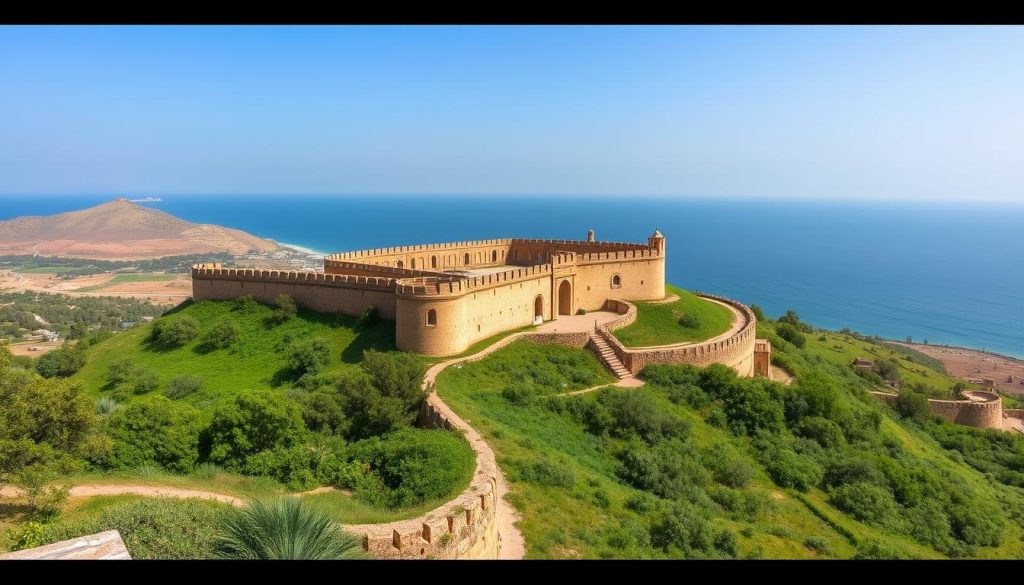
Taqah Castle is a key part of Oman’s rich history. Built in the 19th century, it was the home of Sheikh Ali bin Taman Al Ma’shani. It shows the beauty of traditional Omani architecture. It’s a top spot to learn about Salalah’s past and its leaders.
Architecture and Uses Throughout History
The castle’s design shows the building skills and materials of its era. It was both a home and a fort. Now, it’s a museum where you can see old furniture and crafts.
This change makes it a great place to see in Salalah. It helps keep the area’s history alive.
Visiting the Castle Today
Visiting Taqah Castle today is a special experience. You can take guided tours that talk about its role in Omani history. There are also workshops on crafts like pottery and frankincense harvesting.
There are historical reenactments too. They show what life was like in the past through clothes and activities.
Photographers will love the castle’s views. The blue skies of Salalah make a perfect backdrop. You can also try Omani food and learn about its traditions.
The best time to visit is from September to March. At Taqah Castle, you’ll find something to enjoy, learn, and be inspired by. It’s a must-see in Salalah.
Job’s Tomb: A Spiritual Journey
Job’s Tomb is in the Jabal Al Qara Mountains. It’s believed to be where the biblical Job is buried. This place is a calm spot for those looking for spiritual peace. It’s one of the key Salalah historical places to explore.
Getting to Job’s Tomb is a scenic trip. You’ll see beautiful views of the green landscape, more so in the Khareef season. The staff, like Abu Baker, welcomes you and shares interesting facts about the site.
Visiting Job’s Tomb makes you think about life and faith. The quote “Though He slay me, yet will I trust Him” shows deep faith. It’s a place where people find hope and redemption, making it a favorite among Salalah top museums and landmarks.
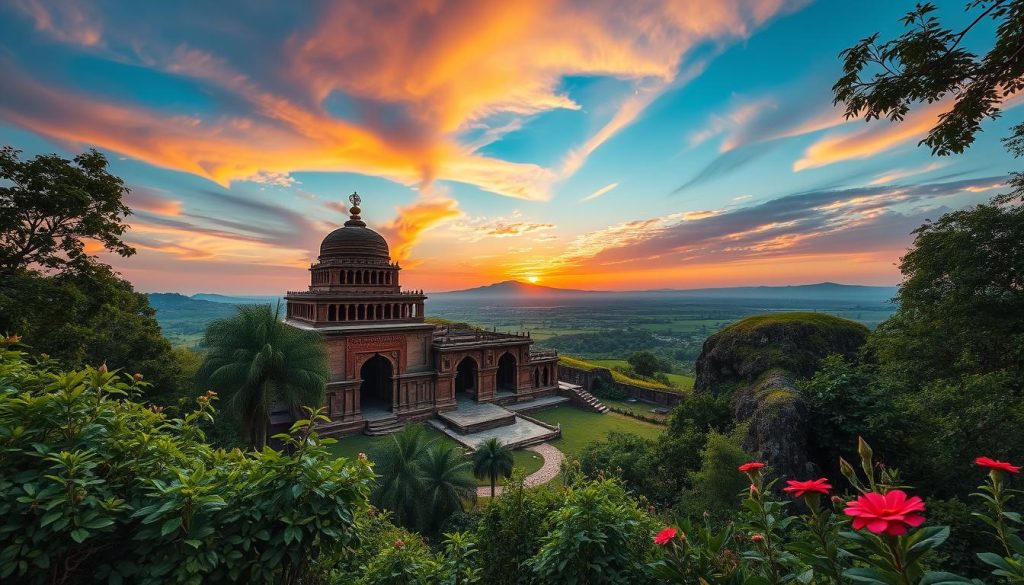
Visiting Job’s Tomb deepens your understanding of Omani culture. It also gives a peek into biblical history. Standing at this sacred site, you connect with centuries of spirituality, making your trip to Salalah unforgettable.
Al Husn Souq: A Blend of History and Commerce
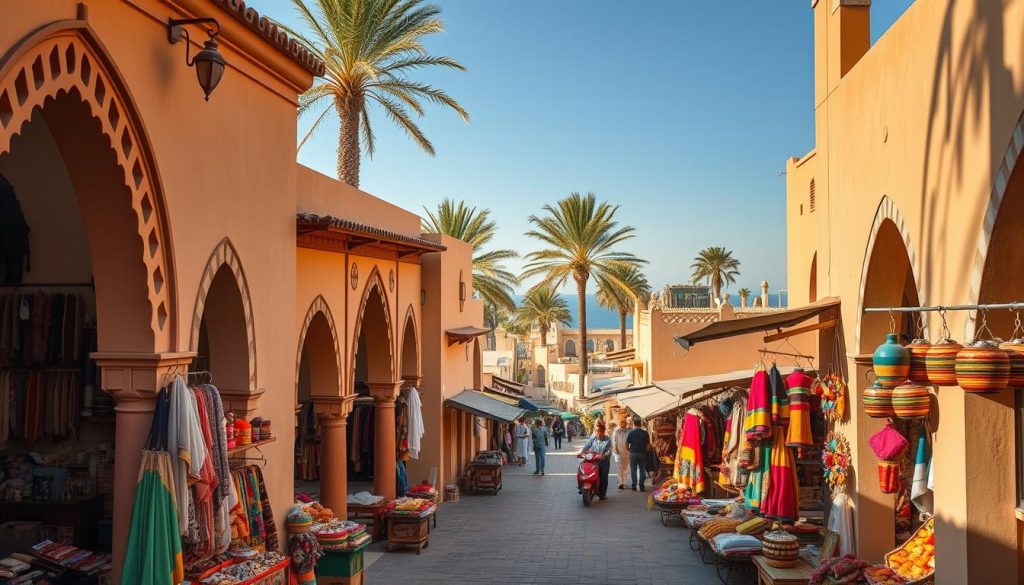
Al Husn Souq is in the lively Haffa District of Salalah City. It’s a top Salalah historical attractions guide. Visitors love it, giving it a perfect 10/10 rating. It’s close to Al Hosn Palace, adding to its historical value.
The market is full of life, more so in July and August. You can visit in the morning, evening, or night. Al Husn Souq has a wide variety of products, including:
- Traditional Omani clothing like Abaya, Disdasha, and Jalabia
- Souvenirs such as Kumma caps
- Renowned Dhofari Frankincenses, Bukhoor, Attar, and perfumes
Shopping here is affordable, with prices starting at 1 Omani rial. You’ll see local women selling unique items. These items show off Salalah’s rich culture.
After shopping, head to Al Haffa Beach. It has coconut palms and white sands, like a Caribbean beach in the Arabian Peninsula. For a better experience, consider Beautiful Salalah tours. Guides like Mr. Mohammed Almahdli are known for their knowledge and friendliness.
| Product Type | Description | Price Range (Omani Rial) |
|---|---|---|
| Traditional Clothing | Abaya, Disdasha, Sheela, Jalabia | 5 – 30 |
| Souvenirs | Kumma caps, handicrafts | 1 – 10 |
| Frankincense Products | Bukhoor, Attar, Oud perfumes | 1 – 25 |
| Burners & Accessories | Charcoals, aroma burners | 1 – 15 |
Visiting Al Husn Souq lets you dive into local culture. It’s a chance to meet friendly vendors and bring home a piece of Salalah’s history. Make sure to see this lively mix of commerce and heritage during your visit.
Sumhuram City: Ancient Trading Hub
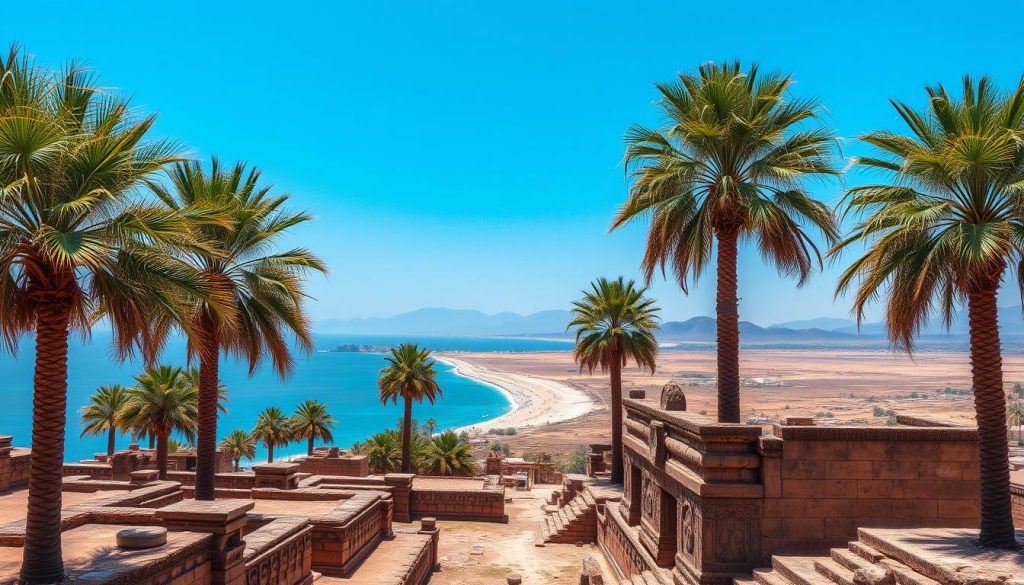
Sumhuram City is a key site in Salalah, showing us what life was like long ago. It was built around 100 BC and was a major hub for frankincense trade. Archaeologists have found stone buildings and artifacts, giving us a peek into the lives of its people.
Excavations and Historical Context
Excavations at Sumhuram City have uncovered a lot about ancient Salalah. The city had different areas for homes and a market by the harbor. This shows how advanced the people were.
Sumhuram played a big role in trade, including frankincense. This trade was important for both local and international commerce. It made Salalah a key player in regional trade.
Mughsail Beach and Natural Blowholes: Nature Meets History
Mughsail Beach is a top spot in Salalah, known for its beauty and history. It has a stunning coastline and natural wonders like blowholes. These blowholes shoot water high into the air, creating a breathtaking sight.
The beach’s history is just as fascinating. It was once a key spot for ancient trade routes. This makes it a special place to visit, blending nature with history.

The beach also has rocky caves to explore. Whether you love the sound of waves or the peaceful view, Mughsail Beach is perfect. It’s a place where you can think about the past while enjoying the present.
Ayn Razat Park: A Natural Retreat
Ayn Razat Park is a peaceful spot, 23 kilometers east of Salalah city. It’s not just for fun; it’s also a key water source for local farms. When you visit, enjoy the lovely gardens and the clear water, making it a top Salalah cultural landmark to see.
The park is great for walks and picnics with your family. It’s open all year, but hours change with the seasons. From June to September, it’s open daily from 2 PM to 6 PM. From September to June, it’s open on weekends from 9 AM to 6 PM, perfect for planning family outings.
Ayn Razat Park offers stunning views that mix nature’s beauty with cultural importance. This shows the value of caring for the environment and preserving our heritage. It’s a key part of any Salalah historical attractions guide for your visit.
Samhan Mountain Reserve: Environmental Diversity
The Samhan Mountain Reserve is a treasure trove of nature. It covers 4,500 square kilometers, perfect for those who love the outdoors. You’ll find many plants and animals, including rare species and birds that migrate.
This place is a gem where nature and history meet. It’s one of the best spots in Salalah to see both.
Flora and Fauna to Discover
Exploring the trails, you’ll see amazing views and different ecosystems. The area has many wadis, offering greenery in the desert. During the Khareef season, the rain makes everything green and vibrant.
The climate is warm, with an average temperature of 27 degrees Celsius. This makes exploring even more fun.
Samhan Mountain Reserve is home to many species. Here are some key facts about its ecological importance:
| Reserve Name | Area (Hectares) | Notable Features |
|---|---|---|
| Jabal Samhan Natural Reserve | 450,000 | Diverse ecosystems and endemic species |
| Khawr Salalah Reserve | 57 | Over 70 species of migratory and resident birds |
| Khor Rori Reserve | Unknown | Large variety of fish, birds, and plants |
| Khawr Awqad Reserve | 16 | Beloved spot for eco-friendly activities |
| Khawr Al Dahareez Reserve | Unknown | Safe environment for exploration and play |
By choosing sustainable tourism, you can enjoy nature while respecting local traditions. This way, Samhan Mountain Reserve becomes more than just a natural wonder. It’s also a part of Salalah’s rich cultural heritage.
Conclusion
Thinking about where to travel next? Salalah is a great choice, blending history, culture, and nature. It’s filled with attractions that showcase its rich heritage. You’ll find UNESCO sites like Al Baleed Archaeological Park and the Museum of the Frankincense Land.
The Sultan Qaboos Mosque is another must-see, with its stunning design. It’s a place where history meets beauty.
The best time to visit Salalah is during the monsoon season, from June to September. The weather is perfect, with temperatures around 20-25 degrees Celsius. This makes it great for exploring places like Mughsail Beach and Wadi Darbat.
Don’t miss the views from Taqah Castle. Salalah offers a unique experience, combining history with natural beauty. It’s a city that promises an unforgettable journey.
Your adventure in Salalah is waiting. Every corner has a new story to tell. If you want to explore history and nature together, Salalah is the place to be. Let its charm stay with you forever.