Explore Top Historical Sites in Malé to Visit
Ever wondered about the secrets hidden in Malé’s historical landmarks? Malé, the lively capital of the Maldives, is full of history. Exploring the best historical spots in Malé lets you see amazing architecture and dive into the rich culture of this island nation.
This article will show you the top historical sites to see. You’ll visit the famous Grand Friday Mosque, the old sultans’ home Muliaage, and the moving Tsunami Monument. With 20 incredible historical sites to check out, you’ll learn about Malé’s ancient traditions and its modern growth. So, what historical sites should you see in Malé? Let’s start this exciting journey!
Introduction to Malé’s Rich History
Malé, the capital of the Maldives, is a lively city filled with history. It has over 350,000 people, making it very crowded. The city has grown from a small fishing village to a bustling metropolis.
When you visit Malé, you’ll see a mix of old and new. You’ll see Islamic buildings, colonial styles, and how the culture has changed over time. It’s a city that shows how traditions and modern life can coexist.
Walking through Malé’s streets, you’ll hear stories of its past. The city is a key place for culture and business in the Maldives. Places like this help us understand the Maldives’ history, architecture, and people’s ways of life.
Malé is also a big tourist spot. It has everything you need for a great visit. You can explore history and enjoy the beautiful surroundings. Every part of Malé has its own story, waiting for you to discover.

What Historical Sites Should I Visit in Malé?
Exploring Malé reveals a wealth of historical sites. These sites offer a peek into the nation’s rich past. You’ll see how religion, governance, and art have intertwined.
Must-see landmarks like the Old Grand Friday Mosque and the President’s Residence, Muliaage, are key. They give us a deep look into the Maldives’ heritage. These sites draw tourists and locals alike, filled with stories that have shaped the islands.
Overview of Historical Significance
The Old Grand Friday Mosque is a standout among Maldives’ historical attractions. Built in 1656, it’s a UNESCO heritage site. Its architecture and cultural importance are unmatched.
The National Museum is another crucial site. It houses artifacts from Islamic and Pre-Islamic eras. It’s a treasure trove of the Maldives’ history.
Other sites, like the Fish Market, offer a glimpse into traditional practices. These experiences add depth to your visit.
Planning Your Visit for Optimal Experience
Planning is key to fully enjoying Malé’s historical sites. Spend enough time at each site to absorb its significance. Guided tours can enhance your understanding.
Check the visiting hours, like for the National Museum. It often has special exhibits. Also, explore the city’s streets and markets. This will give you a true feel of Malé’s history and daily life.
Old Friday Mosque: A Marvel of Islamic Architecture
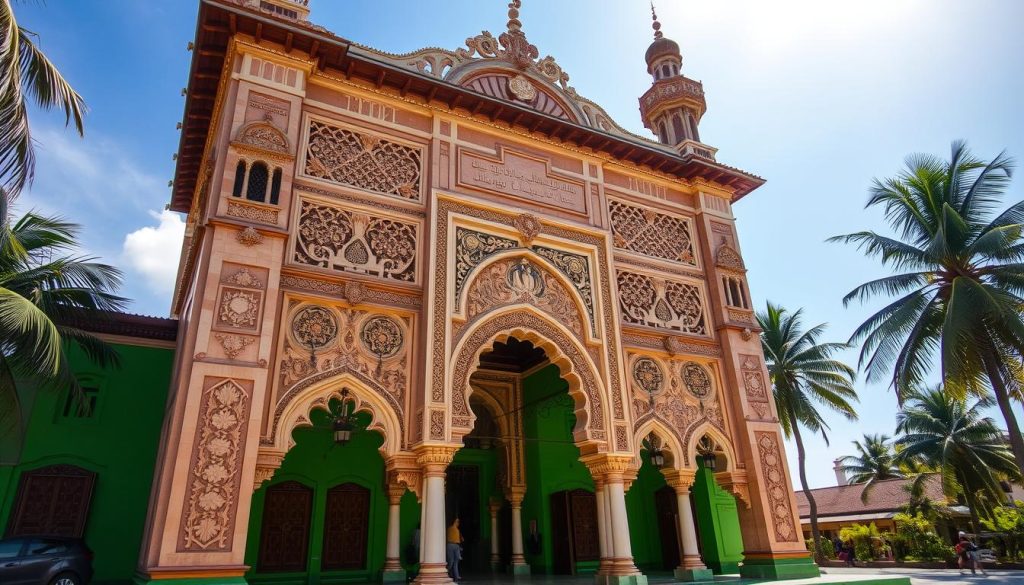
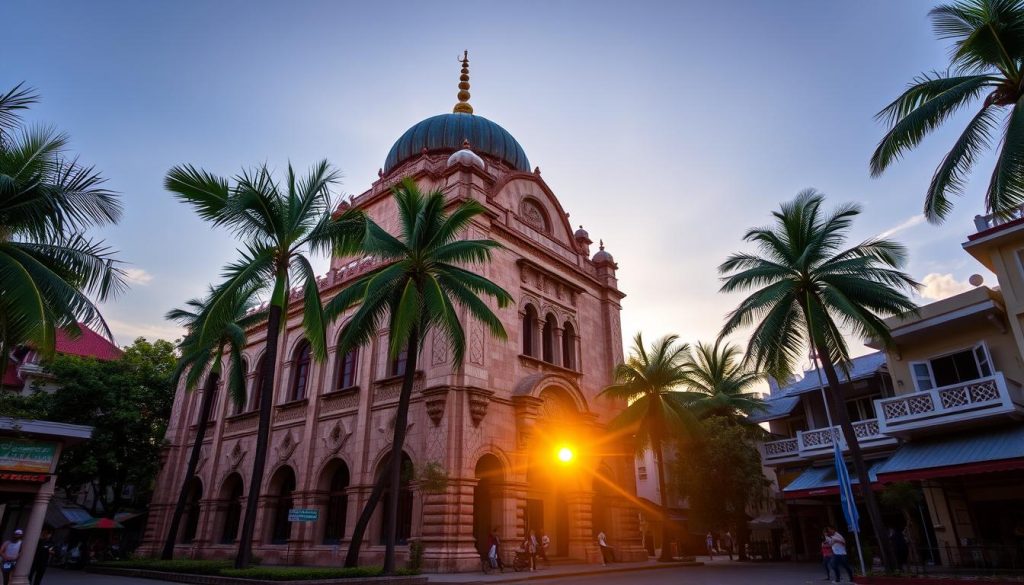
The Old Friday Mosque, known as Hukuru Miskiy, is a key historical site in Malé. Built in 1656, it shows the rich Islamic culture of the Maldives. It was built during Sultan Ibrahim Iskandar I’s rule and is now a major spot for worship and history.
History and Cultural Relevance
Hukuru Miskiy is more than a mosque; it’s a window into the Maldives’ past. It was built on an old temple site, marking a shift in the region’s religious practices. This mosque highlights Islam’s big impact on Maldivian life. Its recognition by UNESCO as a cultural treasure shows its importance.
Architectural Features and Highlights
The Old Friday Mosque is a sight to behold, with its coral stone and detailed carvings. Here are some key points:
- Coral Stone Structure: The coral boulders add beauty and strength to the mosque.
- Artistic Mastery: The mosque’s interior is filled with stunning Islamic art, woodcarvings, and lacquer work.
- Minarets and Dome: The tall minarets and the large dome show off traditional Islamic architecture.
- Historic Carvings: A 13th-century panel tells the story of Islam’s arrival in the Maldives.
When in Malé, make sure to visit the Old Friday Mosque. Its stunning design and rich history make it a highlight among Malé’s landmarks.
Muliaage: The President’s Official Residence
Muliaage is a key Malé tourism attraction that shows the Maldives’ rich heritage. It began construction on February 10, 1914, and took nearly five years to finish. This building has seen the growth of Maldivian governance.
Originally built for royalty, it became the presidential palace. This makes it a must-see landmark in Malé.
Historical Background of Muliaage
This colonial mansion has a long history. It was the home of Crown Prince Hassan Izzuddin from 1920 to 1934. Then, it became the Presidential Palace in 1953 under President Mohamed Amin Didi.
It was home to leaders like Ibrahim Nasir and Maumoon Abdul Gayyoom from 1968 to 1998. In 2009, President Mohamed Nasheed made it his official residence.
Notable visitors include Indian Prime Minister Rajiv Gandhi and Queen Elizabeth II. The interior once housed the Ministry of Home Affairs and the Prime Minister’s Office.
Exploring the Grounds and Interior
Visitors find beautiful gardens at Muliaage. These gardens offer a lovely backdrop for the presidential residence. The building’s architecture is stunning.
The interior is less accessible but shows regal decor and historical photos. These photos tell the story of Maldivian history.
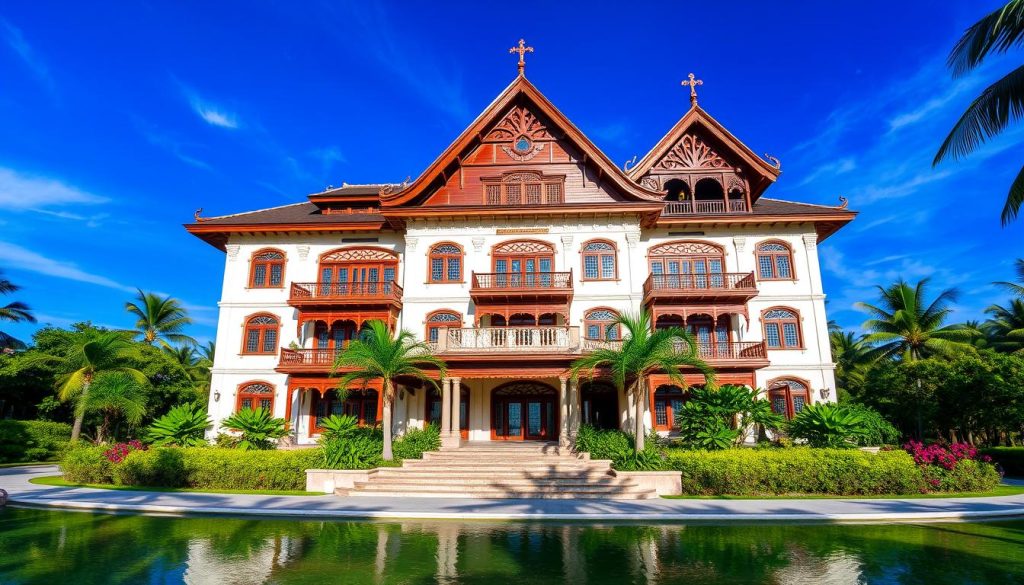
Muliaage is a top Malé tourism attraction. It offers a glimpse into the nation’s political and architectural history. It’s a key part of exploring Malé’s cultural richness.
Sultan Park: The Oasis of Tranquility
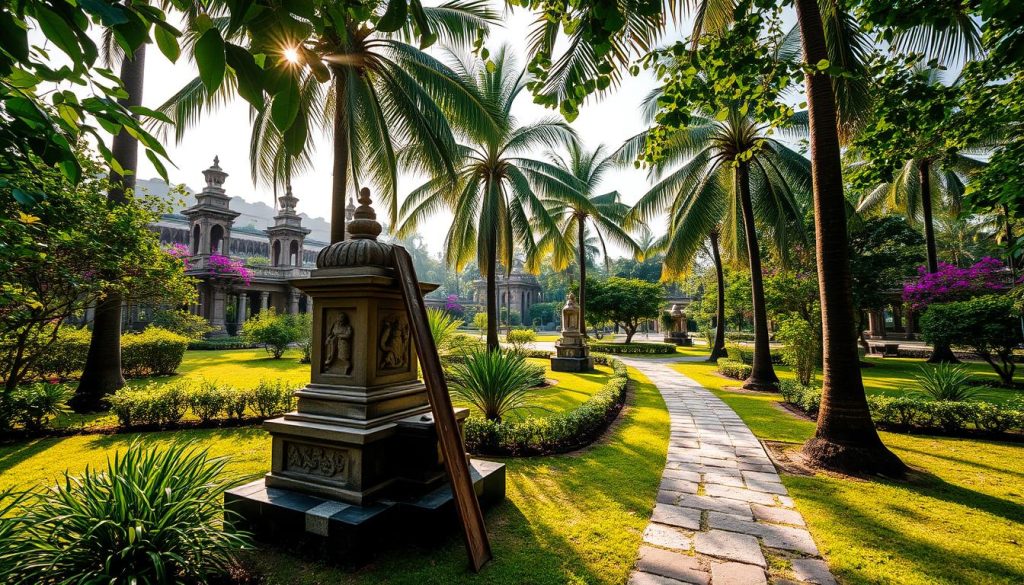
Sultan Park is a peaceful spot in Malé’s heart. It was once part of the Malé Royal Palace. Now, it’s a favorite public place. Its close location to the National Museum adds to its charm, mixing history with nature.
Transformation from Royal Gardens to Public Park
Now, Sultan Park is open to all, not just royalty. This change shows Malé’s dedication to keeping cultural sites open to everyone. You can walk through lush green spaces, enjoying the calm of the royal gardens.
What to Expect During Your Visit
At Sultan Park, you’ll find a refreshing atmosphere with tropical plants. There are lovely paths and ponds, perfect for picnics or quiet moments. Here’s what you should know:
- Duration: Exploring Sultan Park is quick, averaging around 30 minutes.
- Flora: Discover a rich variety of tropical plants that enhance the park’s appeal.
- Seating Areas: Enjoy designated spots for relaxation and socializing with family or friends.
- Location: Situated near several Malé sightseeing spots, making it perfect to include in your itinerary.
Sultan Park is a beautiful end to a day of exploring Malé. It connects you with the Maldives’ royal past. It also offers a peaceful break from your adventures.
National Museum: A Treasure Trove of Artifacts
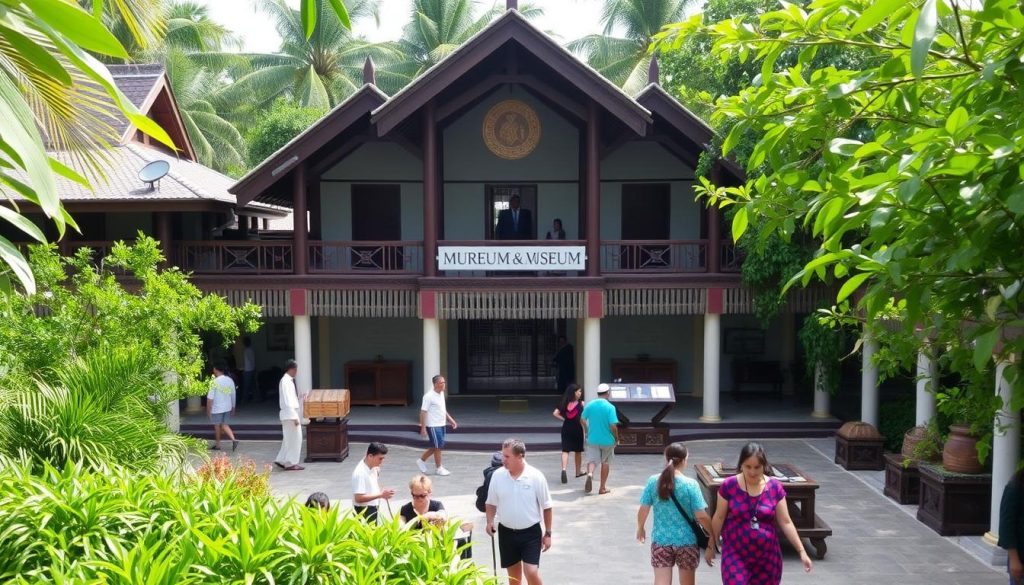
In the heart of Malé, the National Museum is a key spot for history lovers. It’s in a 17th-century building, showing off Maldivian history’s grandeur. The museum has both old artifacts and a modern section, thanks to a gift from China.
Exhibits That Showcase Maldives’ Cultural Heritage
Explore a wide range of exhibits that show Maldivian culture and history. You’ll see:
- Royal antiques like thrones and textiles from the sultanate era.
- Traditional costumes and crafts that show local artistry.
- Ancient weapons, giving insight into maritime heritage.
- Photography exhibitions that capture the islands’ natural beauty and culture.
- Cultural shows with traditional music and dance, showing local customs.
Each artifact has a description that explains its importance in understanding Maldives’ identity. You can also join guided tours that include nearby landmarks like Rasrani Bageecha and the Grand Friday Mosque. This makes planning your visit easy.
Special Artifacts and Their Historical Context
The museum does more than just show artifacts. It offers:
- Educational workshops for kids on Maldivian folklore and marine life.
- Documentary screenings on Maldivian history and environmental issues.
- Archaeological presentations on pre-Islamic artifacts and ancient trade routes.
- Craft demonstrations of traditional Maldivian craftsmanship like lacquer work.
Whether you’re into maritime history or cultural evolution, this museum is a must-see. It’s easy to get to by public transport. Visiting the National Museum will deepen your understanding of Maldives’ rich history.
Tsunami Monument: A Somber Tribute
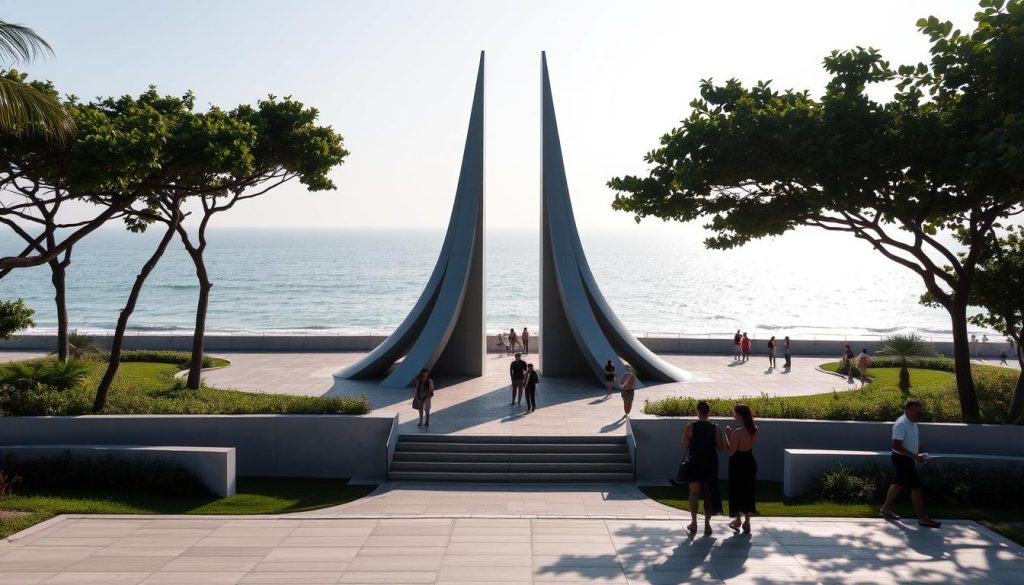
The Tsunami Monument is a moving tribute to the 2004 tsunami that hit the Maldives. It’s on the eastern side of Malé. This monument honors those who lost their lives and shows the strength of the Maldivian people.
It’s a key historical site in Malé. It connects visitors to the event’s emotional impact. It also celebrates the recovery and hope of the people.
Significance of the Tsunami Monument
This monument is a place for reflection and remembrance. It shows the dangers island nations face in natural disasters. People come here to pay their respects and learn about the tsunami’s tragic history.
The monument has art that shows the waves. It reminds us of nature’s power. It’s a must-see landmark in Malé.
Visiting Tips and Reflections
Take a moment to pause when you visit the Tsunami Monument. It’s peaceful in the evening when it’s lit up. Local guides can share stories and insights about the monument.
Visiting during the day or night is a somber yet enlightening experience. It’s a key part of exploring Malé’s history.
Malé’s Artificial Beaches: A Blend of History and Leisure
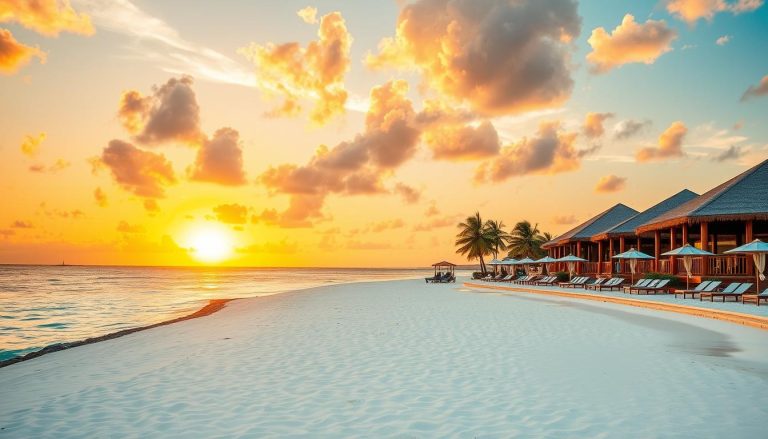
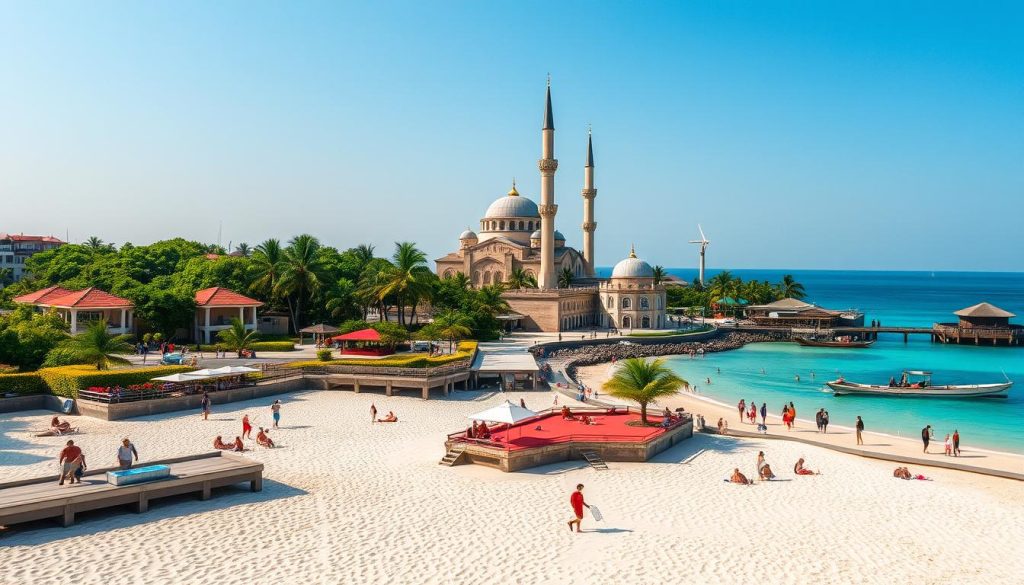
Malé’s artificial beaches are a special mix of fun and history. They add color to the city, giving people places to relax and enjoy the Maldives’ rich past. These beaches are among the top spots to see in Malé, attracting visitors to enjoy the sea in a unique setting.
How the Artificial Beaches Enhance Malé’s Landscape
The artificial beaches in Malé are more than just places to have fun. They show the city’s growth and development. They offer a break from the city’s hustle and bustle, making Malé a top destination for both tourists and locals.
Activities to Enjoy at the Beaches
Malé’s artificial beaches are perfect for relaxation. Here are some fun activities you can try:
- Swimming in the clear waters
- Sunbathing on sandy shores
- Dining at beachside cafes
- Participating in local events or cultural festivals
- Watching the breathtaking sunsets over the Indian Ocean
These activities offer fun and create lasting memories. After exploring Malé’s historical sites, the artificial beaches provide a refreshing break. They offer a contrast to the rich history that surrounds you.
Cultural Heritage Sites in Malé
Malé is rich in cultural heritage sites. These sites show the Maldives’ history and traditions. They are architectural wonders that tell the nation’s story.
What Defines a Cultural Heritage Site?
A cultural heritage site is marked by its history, architecture, and cultural stories. In Malé, these places mix stories of different cultures. They show how the Maldives has changed over time.
Key Sites to Add to Your Itinerary
Make sure to visit these important sites in Malé:
| Site Name | Significance | Features |
|---|---|---|
| Old Friday Mosque | Architectural marvel built in the 17th century | Intricate coral stone walls, grand golden dome |
| National Museum | Showcases Maldives’ rich maritime history | Diverse range of artifacts, housed in a Sultanate-era palace |
| Tsunami Monument | Somber tribute to the victims of the 2004 tsunami | Symbolizes resilience and commemorates national loss |
Exploring these historical sites in Malé will deepen your understanding of the nation. It will also give you a memorable cultural and historical experience.
Best Historical Places in Malé to Explore
Malé, the vibrant capital of the Maldives, is full of history and culture. Many visitors go to famous landmarks, but there are also hidden gems to explore. These sites share unique stories of local life and traditions, enriching your understanding of the Maldives.
Highlighting Lesser-known Landmarks
Several intriguing places in Malé offer a peek into the island nation’s rich past:
- Male Friday Mosque: Built in 1658, this mosque is known for its beautiful architecture and peaceful vibe.
- Kongannu Cemetery: This 900-year-old burial ground shows the cultural importance of death in local customs.
- Medhu Ziyaaraiy Shrine: Linked to the introduction of Islam in 1153 AD, this shrine is historically significant.
- Thoddoo Buddhist Temple: Found in 1950, this site features Buddhist artifacts, revealing a different era of the Maldives.
- Tomb of Muhammad Thakurufaanu: A tribute to a national hero, this site honors the figure who freed the country from Portuguese rule.
- Darumavanta Rasgefanu Mosque: One of the oldest mosques in the Maldives, known for its detailed designs.
- Kuruhinna Tharaagandu: An archaeological site believed to be a former Buddhist monastery, showing the Maldives’ religious history.
Tourist Recommendations for Historical Exploration
To get the most out of your visit to Malé’s historical sites, consider these tips:
- Join local guides who can share personal stories and insights about each site.
- Go on guided tours that focus on historical stories for a deeper connection to the landmarks.
- Visit sites on weekdays to avoid crowds, allowing for a more contemplative atmosphere as you explore the Maldives’ historical attractions.
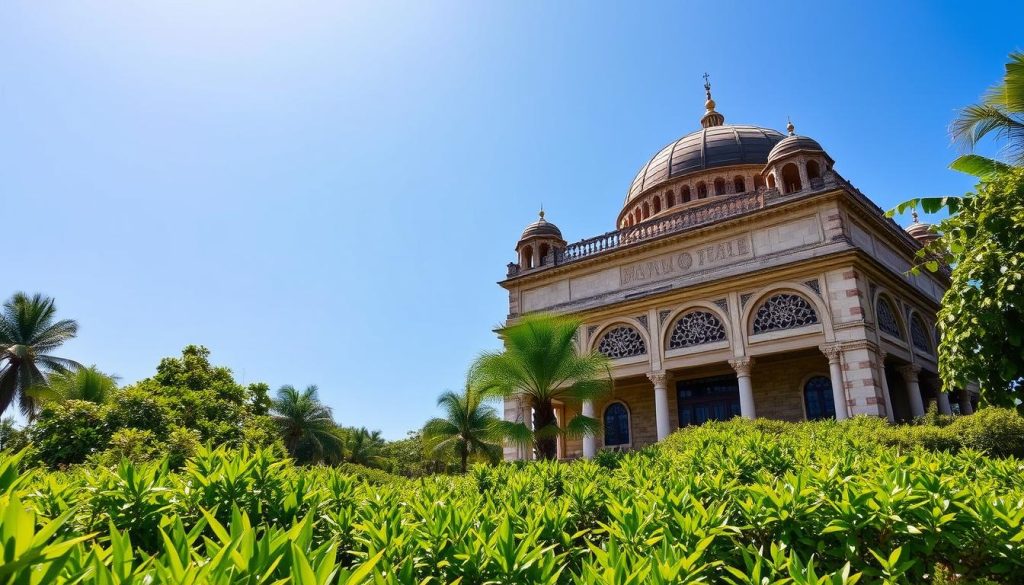
Malé Sightseeing Spots Beyond Historical Sites
Malé is more than just its old landmarks. The city buzzes with local markets, modern restaurants, and art galleries. These places show off Maldivian culture in a fresh way. They offer a different side of the city, beyond its ancient history.
Complementing Your Historical Tour with Other Attractions
Exploring Malé means more than just seeing old sites. Try cooking classes to learn about local food, which focuses on fish and veggies. Art galleries showcase modern Maldivian culture and support local artists.
Don’t miss out on community events. They celebrate Malé’s traditions and lively social scene.
Unique Local Experiences to Consider
For unforgettable moments, catch traditional dance shows or cultural events. They let you connect with Malé’s local life. Relax at the artificial beach to see stunning sunsets.
This mix of calm and culture makes your visit to Malé must-see landmarks even more special. It gives you a full picture of the capital city.
Tips for Visiting Historical Attractions in Malé
To enjoy Malé’s historical sites, plan your visit well. The best times and ways to get around can make a big difference. Early mornings or late afternoons are great for fewer crowds. Weekdays are quieter than weekends, perfect for deepening your connection to the city’s past.
Best Times to Visit for Avoiding Crowds
Choosing the right time is key for Malé’s cultural sites. The city can get very busy, even more so on weekends. Here are some tips:
- Visit between 7 AM and 9 AM for a peaceful start.
- 4 PM to 6 PM is ideal for sunset views.
- Weekdays are less crowded, offering a more personal experience.
Transportation Options and Accessibility
Getting around Malé is easy with many transport options. Most landmarks are close together, making walking a great choice. It lets you enjoy the city’s unique beauty.
Here are some easy ways to get around:
| Transport Type | Cost | Notes |
|---|---|---|
| Taxi | Varies based on distance | Readily available throughout the city. |
| Bicycle Rental | Approximately $3 per hour | A sustainable way to explore Malé at your leisure. |
| Walking | Free | Enjoy the sights and sounds of Malé up close. |
| Speedboat (to nearby islands) | About $30 to $40 per person | Fast travel to surrounding historical sites. |
By planning your visit and choosing the right transport, your trip to Malé’s landmarks will be unforgettable. Understanding your surroundings will make your visit even more meaningful.
Conclusion
Exploring Malé’s top historical sites lets you dive into the Maldives’ vibrant culture and rich history. Each site, like the Old Friday Mosque and Sultan Park, tells stories of resilience and beauty. The Maldives, with 26 atolls in the Indian Ocean, has a history that mixes ancient Buddhist and Islamic cultures since the 12th century.
Walking through the historical streets, you’ll see the importance of places like the Hukuru Miskiy mosque and Muliaage Palace. They show the lasting legacy of Maldivian rulers and the architectural skills of the past. You’ll also find ancient artifacts and monuments, showing the diverse cultural influences on the Maldives, like the Victory Monument.
By exploring these historical sites, you connect with Maldivian heritage and make memories that last. With UNESCO looking at sites like Kuruhinna Tharaagandu for World Heritage status, now is a great time to see the Maldives’ deep history. Start your journey and explore Malé’s top historical sites for an experience you’ll never forget.