Explore Top 10 Things to Do in the Plain of Jars
Have you ever thought about the ancient secrets of the Plain of Jars in Laos? This site, a UNESCO World Heritage Site since 2019, is full of over 2,100 huge stone jars. It attracts explorers worldwide. As you explore this fascinating area, you’ll find the Top 10 Things to Do in the Plain of Jars. These activities will deepen your journey and reveal the area’s rich history and culture.
Introduction to the Plain of Jars
The Plain of Jars is an amazing site located in Laos. It’s known for having thousands of stone jars across the Xiangkhoang Plateau. There are over 90 jar sites in the province. Each has up to 400 stone jars, adding mystery to the place’s history.
The jars are between 1 to 3 meters tall and made from rock. Studies think these jars were used in ancient funerals around 1240 to 660 BC. Also found were stone discs, likely used as grave markers, but not as common as the jars.
People have been intrigued by this site since the 1930s. French archaeologist Madeleine Colani thought the jars were used for burials. Digging in the area has found human bones and items from old burials near the jars.
The way the jars are placed tells us more about past life in the region. It seems these jars were part of Bronze Age burial ways. Interestingly, this area might also have been important for old trading and mining because of its minerals.
Nowadays, danger from unexploded bombs from the Vietnam War makes the site risky. Only a few jar sites are safe for visitors, like the famous Site 1. This makes the Plain of Jars a UNESCO site that attracts those into ancient secrets and cultural histories.
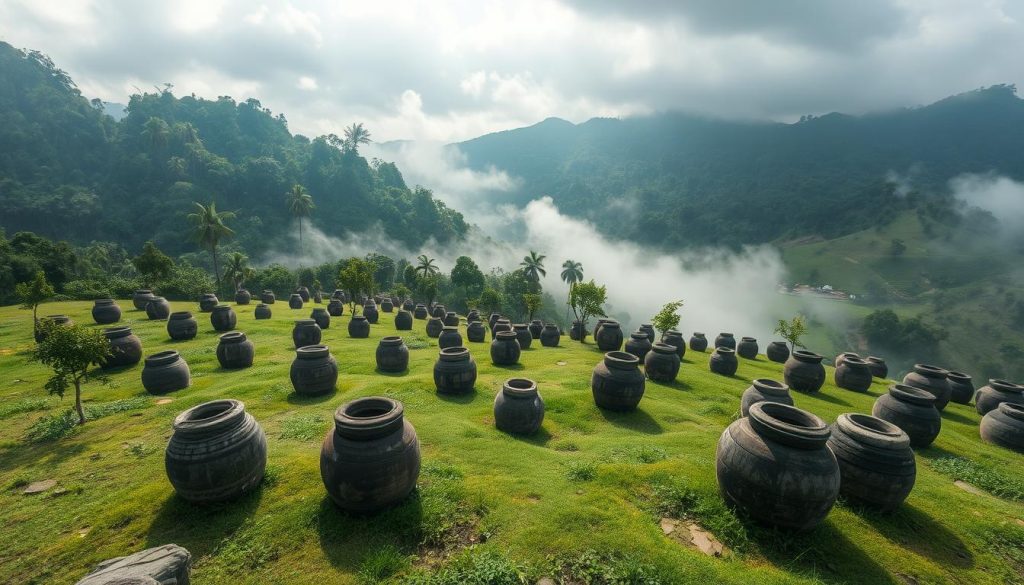
- Total identified jar sites: 90
- Range of jars’ height: 1 to 3 meters
- Dating of jar usage: 1240 to 660 BC
- Excavations revealing human remains: Yes
- Current accessible sites for visitors: 4
Top 10 Things to Do in the Plain of Jars
The Plain of Jars is an intriguing spot, full of history and archaeological importance. It became a UNESCO World Heritage Site in July 2019. This place attracts visitors with its ancient wonders. Out of nearly 100 jar sites, few are open to tourists due to safety issues. The stories behind these incredible stone jars are filled with mystery. This makes it a Plain of Jars must-see for anyone traveling to Laos.
Overview of the Plain of Jars’ UNESCO status
The Plain of Jars was honored by UNESCO for its deep cultural history. Around 2,000 jars from the Iron Age are found here, thought to be old funerary urns. These jars, some as tall as 3 meters and weighing tons, make the site fascinating. Here, visitors discover a place where every jar has its own tale. These tales give a glimpse into the lives of people from long ago.
Historical significance and mystery of the stone jars
The jars’ history is mixed with legends and scholarly guesses. Some stories say giants made them, but experts think they were part of burial rites. The region’s dangerous past, filled with unexploded bombs from the Vietnam War, means visitors must be careful. Exploring here is a mix of excitement and thought, attracting those who love history and mysteries. The unknown draws people to this Plain of Jars must-see location.

Visit the Iconic Plain of Jars Site 1
Site 1 of the Plain of Jars is an amazing place to start. It shows over 300 stone jars from the Iron Age. This makes it a top spot for Plain of Jars tours. Here, you get a close look at ancient urns and the land around them.
Explore the largest collection of stone jars
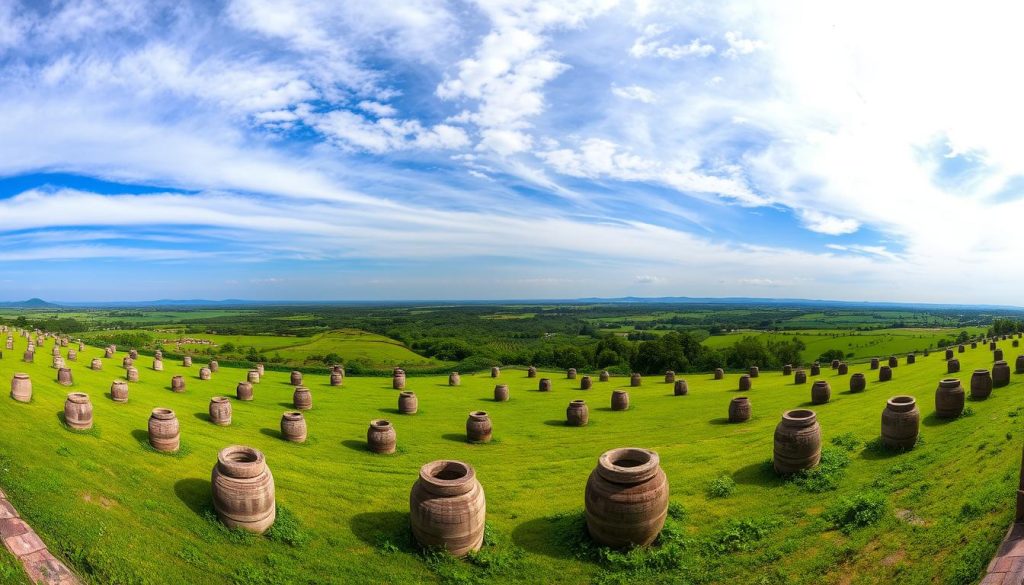
Site 1 has many jars, some as tall as three meters. These huge jars weigh a lot, making people wonder why they were made. Some think they were used for burials or to hold funeral drinks. As you walk around, you’ll think about these mysteries, too.
Enjoy the surrounding landscape and history
The site offers stunning views of hills and valleys. You’ll think about the sad history of wars in Laos, too. Laos has about 78 million unexploded bombs. These efforts to clean them up remind us of the area’s tough past. This mix of beauty and history makes your visit more meaningful.
Discover the MAG Visitor Information Centre
Make sure you visit the MAG Visitor Information Centre when you’re at the Plain of Jars. It teaches visitors about the unexploded ordnance (UXOs) in Laos, a result of the Vietnam War. Through interactive displays and documentaries, visitors learn how UXOs affect people’s lives.
This insight helps us understand the efforts to clean the area. It also shows how these efforts help communities move forward.
Learn about unexploded ordnances (UXOs) history
The history of UXOs in the Plain of Jars is shocking. Over 250 million bombs were dropped here from 1964 to 1973. This makes it one of the world’s most bombed places. Today, the land remains dangerous.
Since the war ended, over 25,000 people in Laos have been hurt or killed by these bombs. Learning about this history adds depth to your visit. It also makes you appreciate the site and the people’s strength more.
Support the Mines Advisory Group
By visiting the MAG Centre, you help ongoing relief efforts. Buying handmade souvenirs or donating supports the Mines Advisory Group. Their mission is to clear UXOs all over Laos.
This makes the future safer and helps local artists and communities. They are still feeling the war’s effects.
Experience Local Culture at Ban Mixay Textile Shop
A trip to Ban Mixay Textile Shop is a great chance to dive into Laos’ culture. This place showcases handwoven fabrics made by local artists using old methods. These items glow with beautiful colors and unique patterns.
Exploring this shop, you will see textiles that carry deep meanings.
The detailed work represents the community’s values and history. By talking to the weavers, you learn how they make these pieces. They use materials like silk and cotton from nearby farms.

When you visit the Ban Mixay Textile Shop, you do more than just see pretty fabrics. Buying these handcrafted goods supports the local makers. It’s a way to help the economy while enjoying unique local crafts.
| Aspect | Description |
|---|---|
| Location | Phonsavan, Laos |
| Products | Handwoven textiles (silk, cotton) |
| Cultural Significance | Reflects local heritage and symbolism |
| Artisan Interaction | Learn about weaving techniques and patterns |
| Visitor Engagement | Opportunities to purchase unique handmade souvenirs |
Visiting here is key for anyone wanting to connect with Laos’ soul. It’s perfect for those who love to see the culture behind beautiful crafts.
Take a Trek to Tham Piew Cave
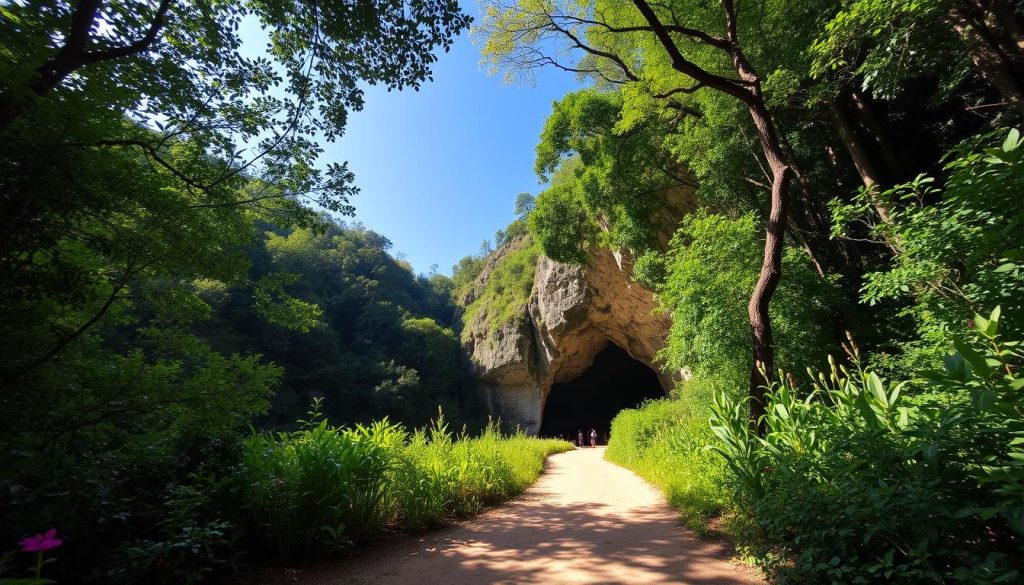
Heading to Tham Piew Cave, you dive into a deep history linked with the Plain of Jars actions. Located about 56 km from Phonsavan, this cave was crucial during the Vietnam War. It provided a safe haven for those fleeing the conflict. Sadly, it became a place of grief after a bombing killed many people sheltered inside.
On your path to Tham Piew Cave, take time to ponder its deep meaning. The site is a moving testament to the war’s effects on the area, yet it’s set in a stunning landscape. The breathtaking views form a sharp contrast to the somber history of the cave.
The walk to the cave also lets you bond with nature and enjoy the beauty around the Plain of Jars. It gives a chance to find peace amidst scenic beauty and the historical depth of Tham Piew Cave.
| Aspect | Details |
|---|---|
| Distance from Phonsavan | 56 km |
| Significance | Refuge during Vietnam War |
| Historical Event | Aerial attack resulting in loss of lives |
| Landscape | Breathtaking natural views |
| Best Visiting Time | Dry season (November to April) |
Visiting Tham Piew Cave adds a rich layer to your journey through the Plain of Jars. It invites you to ponder on stories of beauty and sorrow intertwined. Seize this chance to feel the deep echoes of history, all around you is the calmness of nature.
Enjoy the Vibrant Phonsavan Market
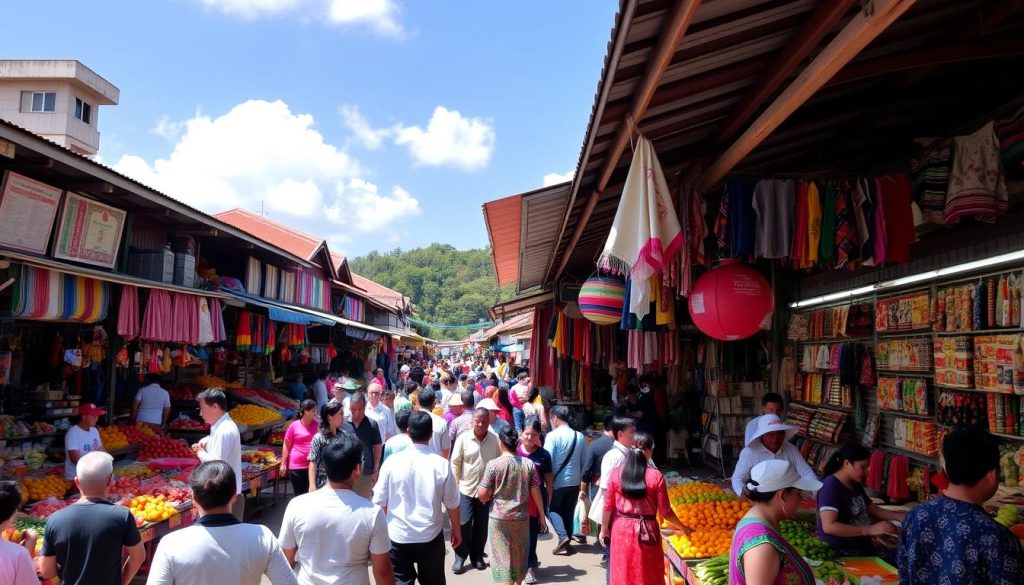
The Phonsavan Market is a great place for travelers to dive into local culture. It draws visitors who want to see what’s available. By talking to local sellers, you add a personal element to your visit. You can find everything from fresh food to beautiful fabrics and handmade things.
Interact with local vendors and artisans
When walking through Phonsavan Market, chat with the friendly vendors. They share knowledge about their crafts and traditions. You’ll meet craftsmen displaying impressive textiles and pottery. These interactions deepen your understanding of the culture and help the local economy.
Sample local delicacies and shop for souvenirs
Don’t skip trying local food at the market. Taste a mix of dishes that show off the local cuisine. You’ll enjoy everything from tasty street food to sweet treats. Besides eating, look for souvenirs like unique fabrics and crafts. They make great reminders of your time at the Plain of Jars.
Go for a Scenic Hot Air Balloon Ride
Consider a hot air balloon ride for a unique view of the Plain of Jars. This experience gives you a stunning view of stone jars across the plateau. You’ll enjoy the early morning peace as you go up.
Enjoying the sight, you’ll see green hills and valleys around this historical place. It’s like being in a painting, but real.
The journey is not just about great sights. It connects you to the history of the Plain of Jars. Stories from the Iron Age come alive here. Your guide will tell you about the jars’ mysterious beginnings and their purpose.
At dawn, the sun paints the land in gold. You’ll float with a feeling of freedom. This moment mixes adventure with learning about culture.

If you love history or adventure, this balloon ride is perfect. It’s a highlight in Xieng Khouang, Laos. You get to explore the secrets of ancient jars and enjoy the view.
Explore the Ruins of Muang Khoun Royal Stupa and Temple
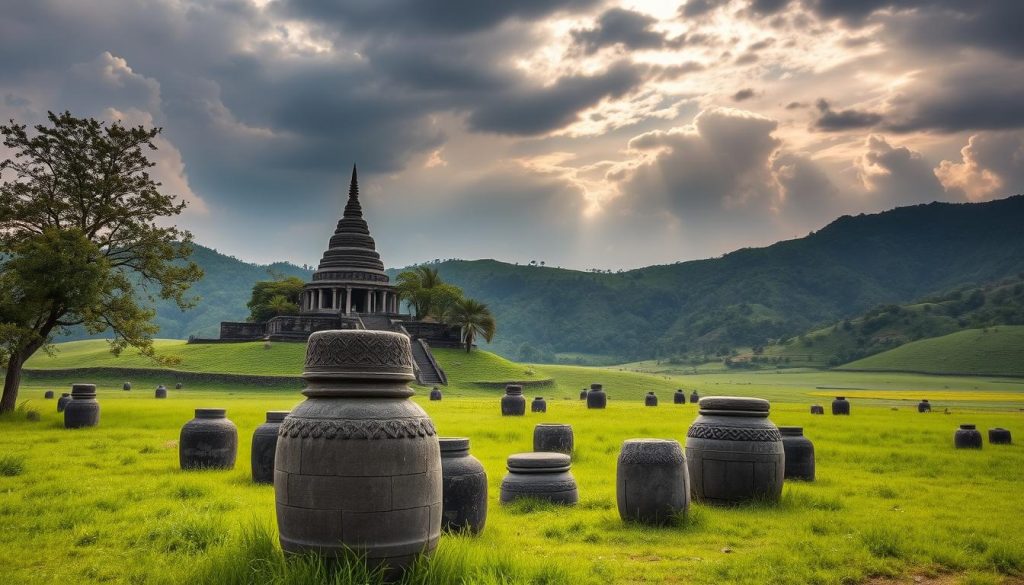
Visiting the ruins of Muang Khoun lets you see the rich history of a once thriving kingdom. The That Foun stupa and Wat Phia Wat temple showcase Laos’s colorful past. Muang Khoun brings the royal past to life. Walking among these old ruins, you feel the Laotian spirit overcoming tough times.
The stupa’s detailed designs draw you in to admire the work from long ago. A peaceful Buddha sits among brick columns, creating a space for quiet thought. Every stone has a tale, giving us glimpses into the lives and beliefs of those who walked here before us.
Seeing these Plain of Jars attractions is about more than impressive buildings. It’s about touching the depth of history, culture, and faith of an extraordinary place. The site is well-preserved, keeping its stories intact. Take your time to experience Muang Khoun—a place where history and today merge beautifully.
| Attraction | Description | Historical Significance |
|---|---|---|
| That Foun Stupa | A large stupa with striking architectural features | Serves as a symbol of Buddhist faith |
| Wat Phia Wat | An ancient temple with distinct brick architecture | Reflects the cultural richness of the Phuan Kingdom |
| Seated Buddha | A notable statue surrounded by brick columns | Illustrates religious beliefs and local artistry |
Conclusion
The Plain of Jars is an intriguing place for history buffs, mystery lovers, and those into cultural deep dives. This guide highlights the best activities that show off its archaeological wonders and beautiful scenery. With about 90 jar sites, only seven are safe to visit because of unexploded bombs. Site 1, or “Thong Hai Hin,” is home to over 300 jars. It’s a key spot for connecting with the area’s rich past.
Exploring the Plain of Jars is more than just seeing stunning views. It’s also about meeting local craftsmen and experiencing the area’s lively culture. The Phonsavan Market is a great place to dive into local life. The entrance fee to these historical sites is between 10,000 to 15,000 kip (roughly 0.48 – 0.72 USD) per person. This makes visiting both affordable and enriching.
Thinking about how to get around? From biking to flying in from Vientiane or Luang Prabang, there are many options to help you explore comfortably. The giant stone jars and their stories make the Plain of Jars a hidden gem. It’s a place full of treasures ready for you to discover and cherish.