Explore the Top 10 Things to Do in Santiago
Why is Santiago, Chile’s vibrant capital, often overlooked by travelers? It has a deep history, a lively culture, and stunning scenery. Yet, it doesn’t get as much attention as other places in South America.
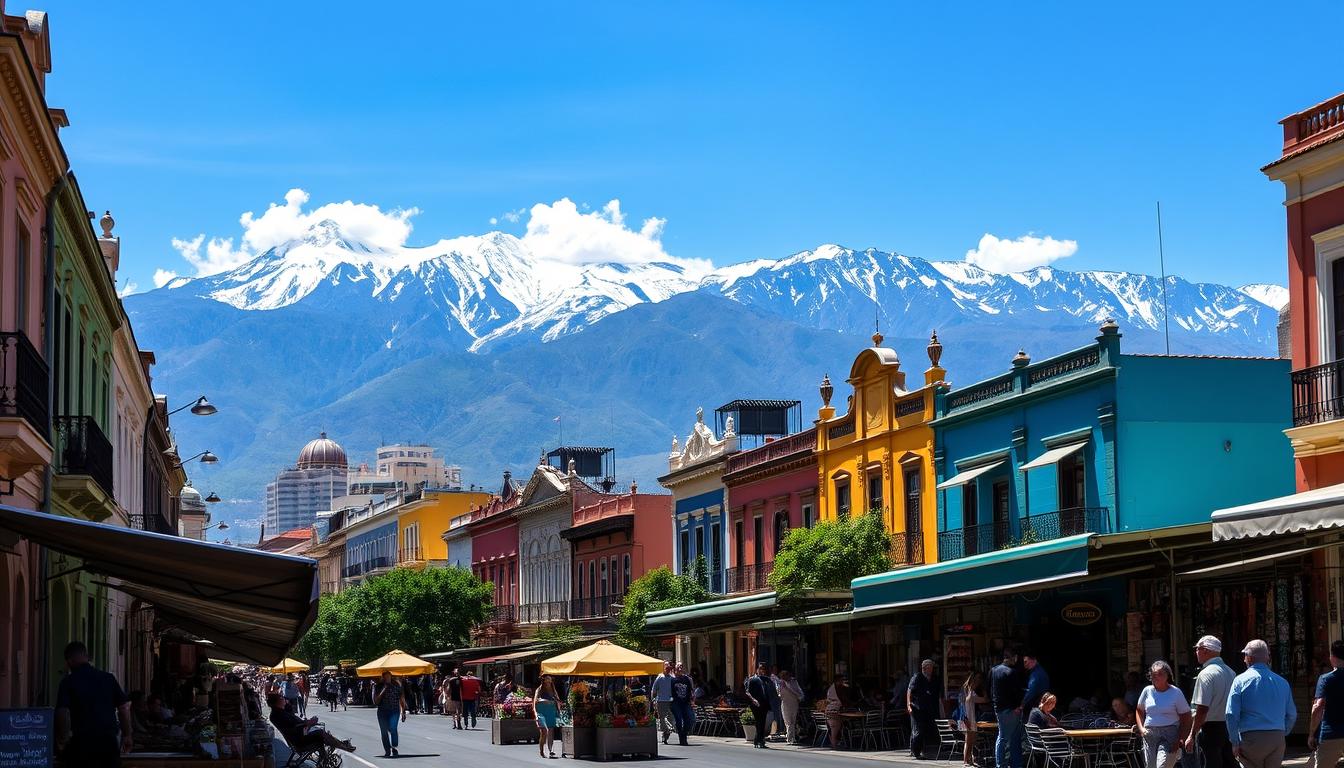
In Santiago, you’ll find lively spots like Plaza de Armas, the city’s heart since 1541. There’s also Santa Lucia Hill, offering great views. Whether you’re planning a short visit or a longer stay, there’s plenty for you to discover.
Santiago is Chile’s heart, home to over 5.5 million people. That’s more than a third of the country’s population. From just 40,000 people in the 1800s, it’s now a center of culture, business, and history.
To really experience Santiago, visit important places like the Museo de la Memoria y los Derechos Humanos. It tells about Chile’s history. Also, don’t miss the colorful street art in Bellavista and Barrio Brasil.
Santiago offers both peace and excitement. Enjoy quiet day trips to the Andes or nearby vineyards. Or explore the lively nightlife of Bellavista. Every turn in Santiago brings a new story and adventure.
Let’s explore the top 10 things to do in Santiago. This guide will give you great vacation ideas. It will show you why Santiago should be on your list for South America.
Introduction to Santiago: A Hidden Gem in South America
Santiago is the gateway to Chile’s natural wonders and a city with its unique character. It combines old-world charm with modern elegance. Founded in 1541, it is now Chile’s largest city and capital. Despite being less known than other South American places, Santiago is a treasure waiting to be explored.
Visiting Santiago offers special experiences. At Plaza de Armas, a historic square, you’ll find lively cultural activities. It’s known for its street performances.
For the adventure lovers, Cerro San Cristobal is a challenge worth taking. This hike is in Parque Metropolitano, about 2,800 feet tall. It usually takes 90 minutes to finish.
The Maipo Valley should be on your list when visiting Santiago. Just 50 kilometers away, it boasts over 7,000 acres of vineyards. Most are known for Cabernet Sauvignon, showcasing Chile’s wine tradition.
Art fans must see the Museo Chileno de Arte Precolombino. It’s among the top art museums in Latin America, located near Plaza de Armas. You can see the Chinchorro mummies there, older than Egypt’s mummies.
For amazing views without a tough hike, try Cerro Santa Lucia. Its views are similar to Cerro San Cristobal, but it has steep steps. Santiago is also known for the Gran Torre Costanera. It’s one of the tallest buildings in Latin America.
Santiago mixes old with new, evident in its two ancient churches: the Church of Paseo de Augustín and the Church of San Francisco. Dating back to the 1600s, they’ve withstood many earthquakes. This shows the city’s strength against nature’s forces.
Santiago appeals to those into culture, history, or nature. It offers a rich and fulfilling travel journey.
Discover the Vibrant Downtown Area
Downtown Santiago is alive with a special mix of Colonial and Modern Architecture. Just over an hour from the Pacific Ocean and surrounded by the Andes, it’s the heart of Santiago’s rich culture.
As you explore downtown, you’ll see landmarks like the Palacio de La Moneda and the Metropolitan Cathedral. Their mix of Colonial and Modern Architecture shows Santiago’s rich past and its growth today.
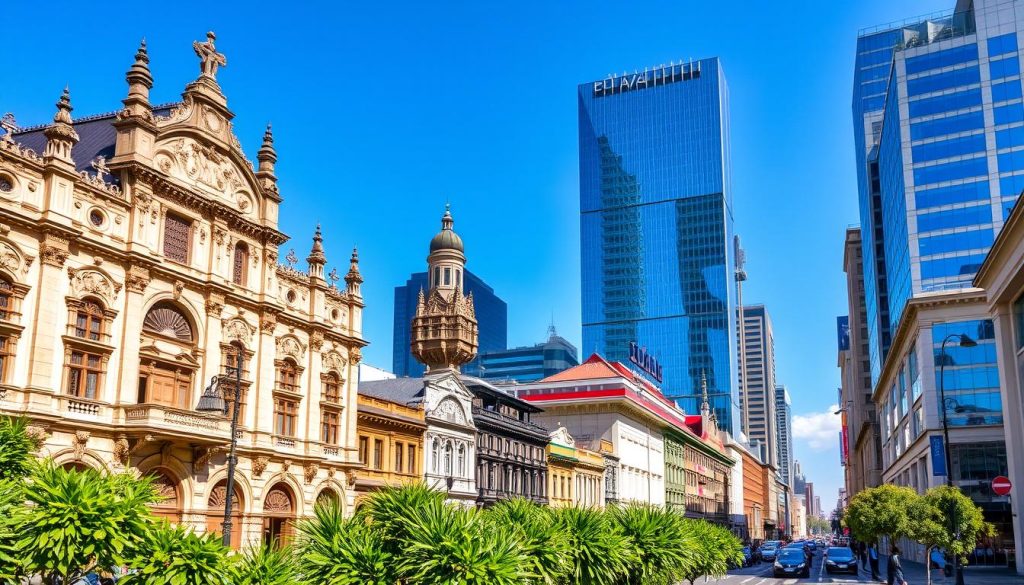
Paseo Ahumada and other pedestrian streets give a glimpse into Santiago’s living heartbeat. Filled with street artists and vendors, they’re great for finding local treasures. Also, La Vega Central market is a must-see for its fresh food and tastes of local cuisine.
Here are key places that show off Santiago’s special appeal:
| Landmark | Significance |
|---|---|
| Palacio de La Moneda | Historic and Architectural Marvel of Santiago |
| Metropolitan Cathedral | Blend of Colonial and Modern Architecture |
| Paseo Ahumada | Cultural Hub with Pedestrian Streets |
| La Vega Central | Culinary Diversity Represented in Local Markets |
Santiago’s downtown packs about 24 sites that are must-sees. As you roam Santiago, you’ll be treated to sights that not only please the eye. But also, you’ll delve into Chile’s deep-rooted traditions and its strides into the future.
Marvel at Beautiful Interiors
Exploring Santiago’s rich history and culture is an amazing journey. You’ll marvel at its beautifully preserved interior spaces. The Chilean National Library is a standout, with a vast collection showcasing the nation’s intellectual past. Positioned in Santiago’s core, this library is a treasure trove of historical texts and manuscripts. It’s a top spot for literature fans and researchers.
The National Museum of Fine Arts is another place you must see. Located near Parque Forestal, it has lots of Chilean and international art. This collection takes you on a journey from colonial times to now. Close by, the Museum of Contemporary Art offers a glimpse into modern and avant-garde art. It adds to your understanding of contemporary art’s changing world.
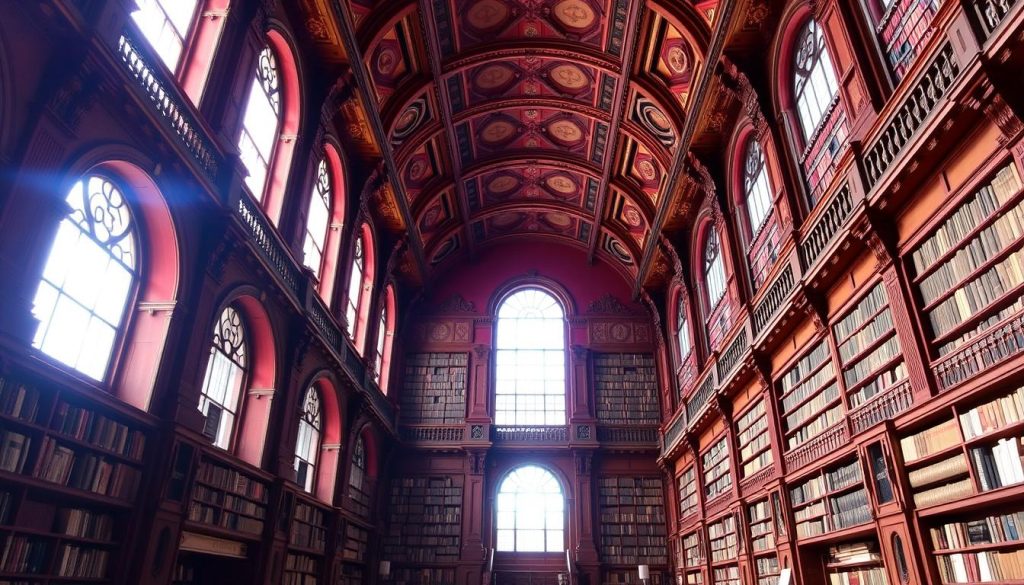
| Location | Main Attractions | Entry Cost |
|---|---|---|
| Chilean National Library | Historic texts, manuscripts, reading rooms | Free |
| National Museum of Fine Arts | Colonial to contemporary Chilean art | 2,000 CLP |
| Museum of Contemporary Art | Modern, avant-garde exhibitions | 2,000 CLP |
These sites are more than just a feast for the eyes. They offer deep insights into Santiago’s cultural scene. With literary gems at the Chilean National Library and amazing art at the National Museum of Fine Arts and the Museum of Contemporary Art, these places show the soul of Santiago. Add these captivating spots to your Santiago itinerary for a truly enriching experience.
Admire Views from Santa Lucia Hill
Santa Lucia Hill, at the center of Santiago, Chile, is breathtaking. It features lush gardens, historic sites, and views over the city. This hill has historical significance since 1541, pivotal in Santiago’s founding.
This spot was once a 15 million-year-old volcano. Now, Santa Lucia Hill showcases Santiago’s geological past and its history. Its terraces give scenic panoramas of the city, against the Andes Mountains backdrop. For tourism enthusiasts, it’s open from 9 AM to 7 PM daily, a peaceful break from the city’s hustle.
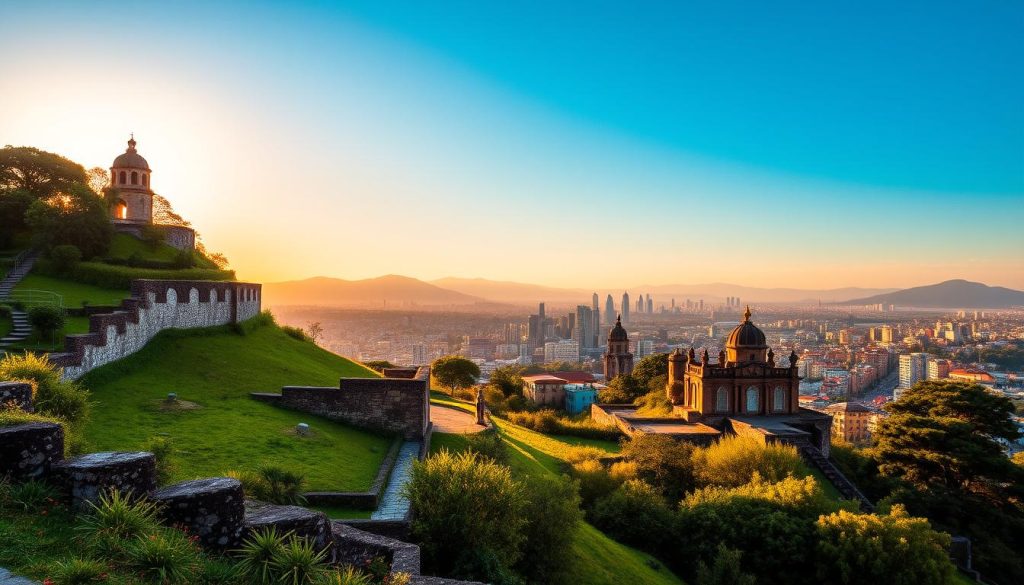
In about a 10-minute walk, reach the highest point for 360-degree Santiago views. It’s perfect for photographers and nature lovers alike. At noon daily, the canons fire, marking time in a historic tradition.
To better know Santa Lucia Hill, here are some key points:
| Feature | Description |
|---|---|
| Historical Significance | Founded in 1541, vital to the city’s history |
| Geological Formation | Remains of a 15 million-year-old volcano |
| Lookout Points | Offers 360-degree views of Santiago |
| Operating Hours | Open daily from 9 AM to 7 PM |
| Daily Attractions | Canons fired at noon every day |
Santa Lucia Hill is great for anyone interested in history, nature, or photography. It combines historical depth with beautiful views, making it a top site in Santiago.
Immerse Yourself in Santiago’s Street Art Scene
Santiago’s street art is more than just color on walls. It tells a story about life’s social and political aspects. Best Neighborhoods for Street Art include places like Bellavista and Brasil. Here, the art captures the city’s spirit. These areas show the cultural vibes of Santiago today.
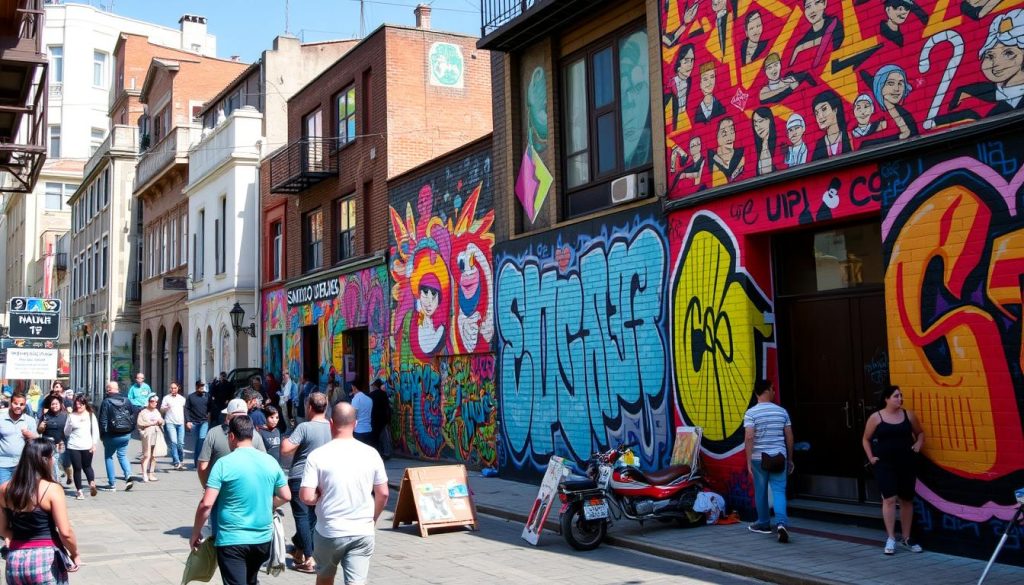
Barrio Bellavista is famous for its vivid street art. It’s also a cultural center. Many students, from one of Chile’s leading universities, add life to this area. The Pio Nonio bridge is decorated with couples’ locks, a sign of their endless love.
Walking through Barrio Bellavista reveals many art styles. From comic themes to powerful expressions, the variety is vast. Works by famed artists like INTI turn the city into an open-air gallery. His murals, often found on commercial sites, showcase a broad range of themes.
Santiago’s street art is significant, yet Valparaiso holds a larger collection.
In Santiago, Bellavista and Brasil stand out for their street art. These neighborhoods are covered in detailed murals and graffiti. Barrio Bellavista, in particular, showcases a blend of artistic influences, leaving no wall bare.
Don’t miss other Santiago attractions for art lovers:
- La Chascona – Pablo Neruda’s home, offering cultural events and exhibitions.
- Galería Metropolitana – Highlights contemporary work from new artists and promotes community involvement.
- Centro Cultural Matucana 100 – A space for both visual and performance arts.
- Parque de los Reyes – An open-air gallery filled with vibrant works by diverse artists.
Exploring Santiago’s street art is a dive into the city’s dynamic culture. These neighborhoods reflect Santiago’s rich and changing traditions.
Visit the Museo de la Memoria y los Derechos Humanos
At the Museo de la Memoria y los Derechos Humanos, the legacy of Chile’s past is unveiled. It reveals the struggles during Pinochet’s rule. Since its 2007 opening, it aims to keep alive the memory of those who suffered. It also celebrates the courage of human rights defenders.
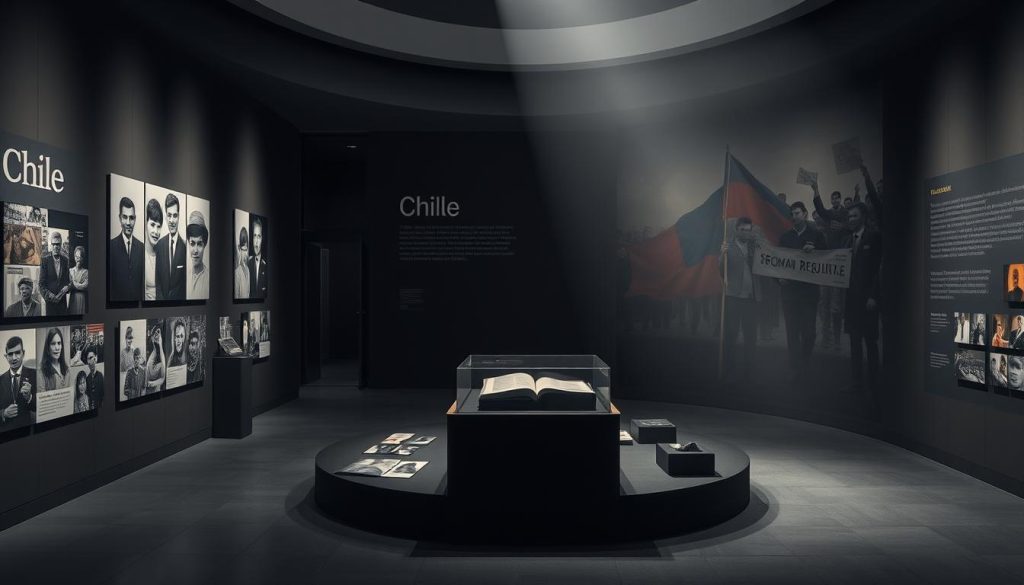
Since January 11, 2010, visitors have explored exhibits like Allende’s burnt typewriter. They’ve also seen a prison door and a torture device. These displays expose the era’s harsh reality. Detention sites like Chacabuco and Isla Dawson are also featured.
With panels in various languages, the museum sheds light on global human rights issues. Understanding Chile’s past is its key goal. It shares personal stories, like that of Michelle Bachelet’s father, to deepen the impact.
The museum welcomes guests from Tuesday to Sunday, 10:00 am to 4:30 pm. Located near Quinta Normal metro, it offers free entry. Highlights include a memorial with plastic candles, booths for visitor stories, and free movies on Tuesdays. These elements ensure a memorable visit.
The Museo de la Memoria y los Derechos Humanos enlightens all. It’s vital for learning about Santiago’s history and understanding Chile’s recent history.
Explore the Famous Mercado Central for Local Cuisine
When you step into Santiago’s Mercado Central, you embark on a tasty journey. This market, opened on September 15, 1872, showcases Chile’s rich food scene. Its design comes from the architect Fermín Vivaceta with an iron structure made in England.
The central dome, designed by French architect Gustave Eiffel, is stunning. It adds historic charm to the market.
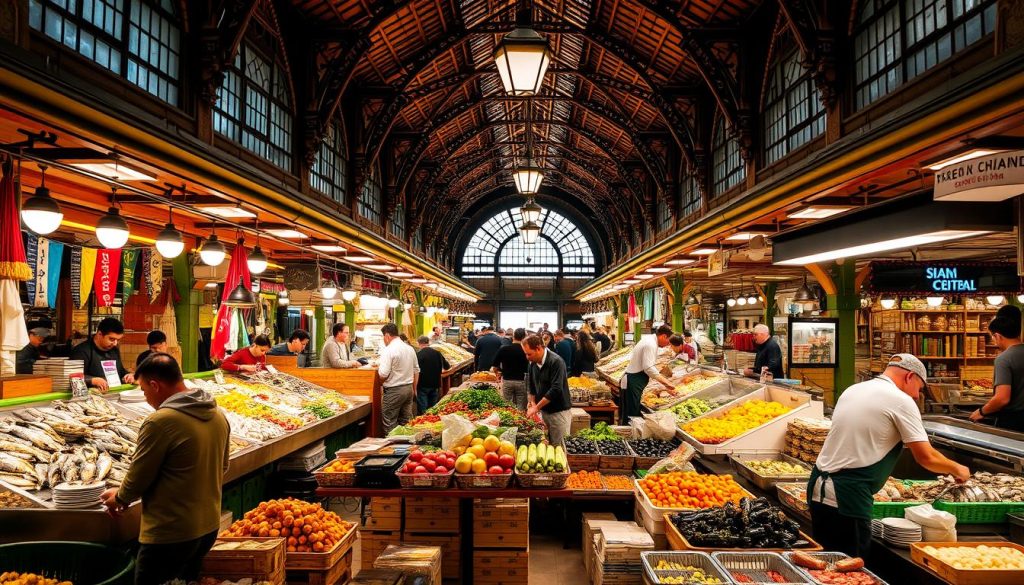
In 1984, the government of Chile named Mercado Central a National Monument. National Geographic also recognized it as one of the top markets globally in 2012. The market opens every day from 6:00 AM to 5:00 PM. The best time to visit is between 9:00 AM and 11:00 AM if you’re looking for fresh seafood.
At Mercado Central, you’ll find many tasty offerings. It’s well-known for its seafood, like ceviche and congrio frito. You can also find handicrafts, local foods, and souvenirs here. Donde Augusto, a famous restaurant, serves authentic Chilean dishes.
| Aspect | Details |
|---|---|
| Opening Date | September 15, 1872 |
| Architect | Fermín Vivaceta (Design), Gustave Eiffel (Central Dome) |
| Operating Hours | 6:00 AM – 5:00 PM |
| Peak Visiting Time | 9:00 AM – 11:00 AM |
| Location | Intersection of San Pablo and Puente streets |
| Accessibility | Wheelchair-friendly |
| Nearest Metro Station | Puente Cal y Canto (Line 2, Yellow Line) |
| Currency | Chilean Peso (CLP) |
Guided tours offer a deep dive into the market’s story and food. The layout is flat, making it easy to explore for everyone.
The Mercado Central is more than a food spot; it’s a cultural treasure. It’s a key place to experience Santiago’s culinary wealth and traditions. This market is perfect for food lovers and curious visitors alike.
Experience Santiago’s Nightlife in Bellavista
The Bellavista area shines as Santiago’s nightlife hub, with its array of Top Bars and Clubs. Since the 1970s, it has been the city’s bohemian spot. This is thanks to its vibrant culture and exciting nightlife.
Walk down Pio Nono Street to find many bars, clubs, and eateries. This street buzzes with activity. Performers on the street add to Santiago’s vibrant scene. There’s live music too, showing off the area’s rich culture.
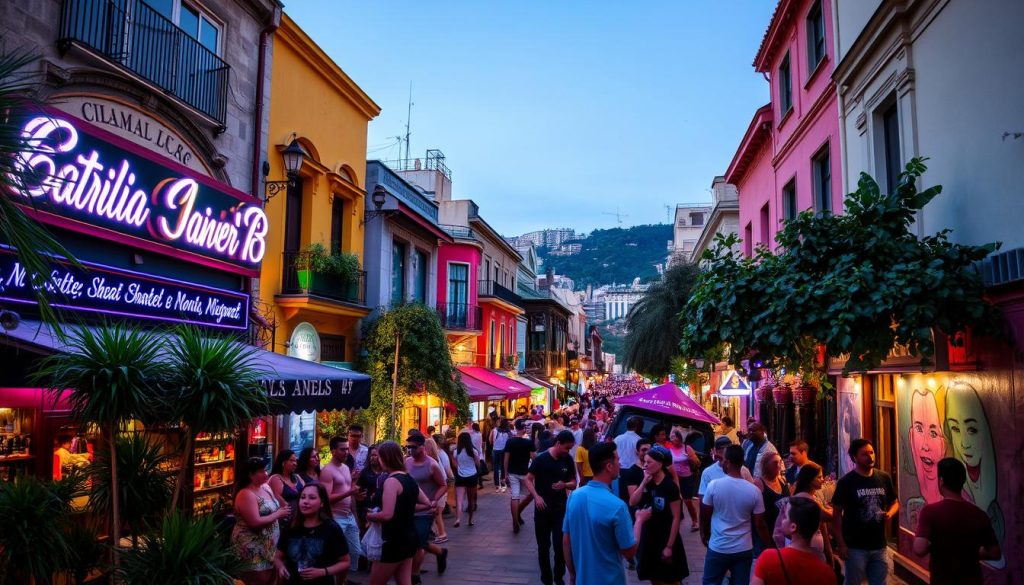
Popular among both locals and tourists is Patio Bellavista. It opened in 2006 for great bar hopping. It has a mix of new and old bars for every taste. Patio Bellavista is known for its enjoyable nights out.
La Piojera offers a true Chilean experience. It’s famous for its chorrillanas and the tradition of leaving notes on the ceiling. This bar captures the essence of Santiago’s nightlife, standing out in Bellavista.
For electronic music fans, Club Fauna is the top spot. It features famous DJs and a popular dress code. La Feria also stands out for live shows, making Santiago an electronic music center.
Nightlife here usually starts after midnight. Clubs get busy around 2 AM to 4 AM. So, planning is key. Metro fares are affordable, making your night adventures easy.
In summary, Bellavista’s nightlife blends history, culture, and modern fun. From Top Bars and Clubs to live music, Bellavista ensures an unforgettable night in Santiago.
Top 10 Things to Do in Santiago
Santiago is full of history, culture, and beauty. To make your visit great, here are the top 10 things to do in Santiago.
- Visit the Central Market for local food and seafood. It’s open Sunday to Thursday and longer on Fridays and Saturdays. A must for food lovers.
- See the views from San Cristobal Hill. It’s 860 meters high within Parque Metropolitano, which is huge and has trails and viewpoints.
- Explore Plaza de Armas, made in 1541. It’s important for religious and political events in Santiago.
- Go to Museo de la Memoria y los Derechos Humanos for an art history tour. It has a self-guided audio tour in six languages.
- Walk around Santa Lucia Hill, which is 70 meters high. It has great views, beautiful gardens, and was updated by Mayor Mackenna in the 19th century.
- Enjoy La Chascona, one of Pablo Neruda’s houses. It’s in the lively Barrio Bellavista.
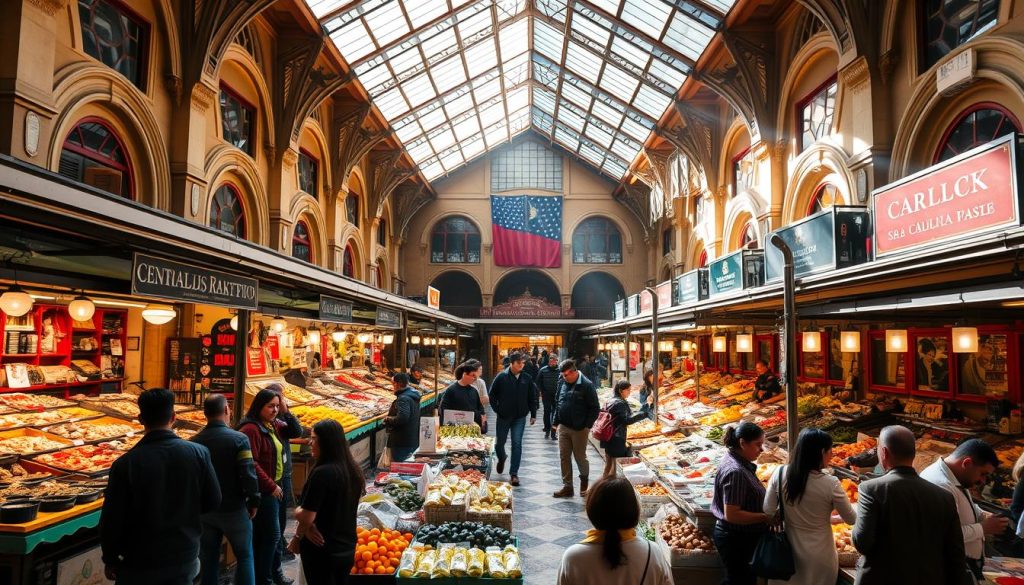
- Discover Barrio Italia, a trendy area with cafes, artisan shops, and street art.
- Visit Centro Cultural Gabriela Mistral (GAM) for artistic spirit. They offer free guided tours of contemporary exhibitions but you need to reserve.
- Take a free tour from Santiago’s Tourism Office. It includes many important churches in the historic center.
- Admire the views from Sky Costanera. It’s nearly 1,000 feet tall and offers 360-degree views of the city.
This list helps you see Santiago’s best, from the Central Market to historical Plaza de Armas and the views from San Cristobal Hill.
Take a Day Trip to Valparaiso and Viña del Mar
If you’re looking for something special outside Santiago, think about a trip to Valparaiso and Viña del Mar. These places show off Chile’s unique coastal culture. They’re very different from Santiago.
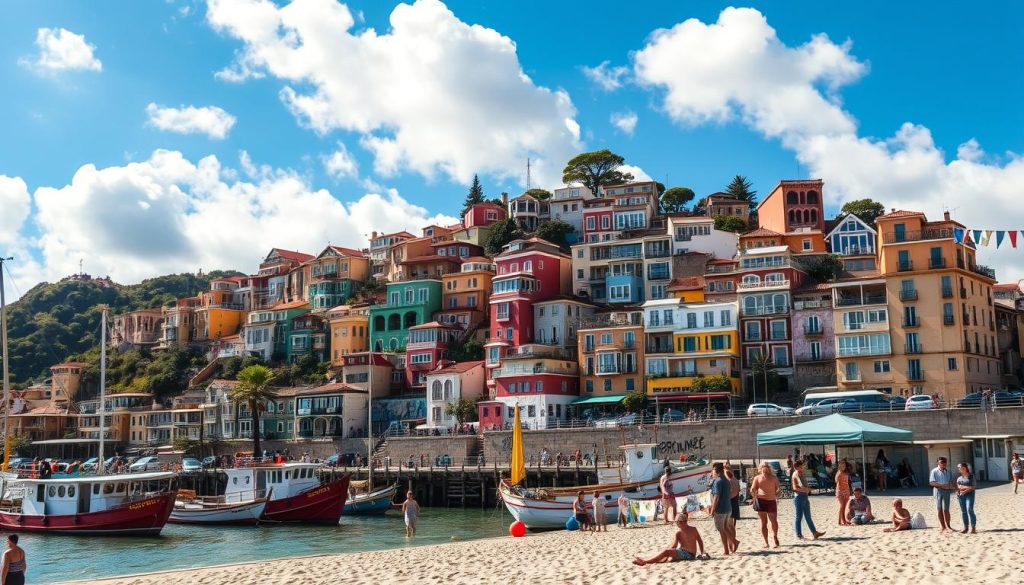
Valparaiso, recognized by UNESCO since 2013, is known for its colorful houses and street art. It draws artists and tourists from everywhere. The city has a deep history shown in its old buildings and 16 working funiculars.
A bus to Valparaiso from Santiago is affordable and leaves often. It costs about 5,800 CLP for a round trip. Buses go every 20 minutes.
| Transportation | Cost (CLP) | Frequency | Travel Time |
|---|---|---|---|
| Bus (Return) | 5,800 | Every 20 minutes | 2 hours |
| Bus (One-way) | 3,000 | Every 20 minutes | 2 hours |
| Funicular Ride | 100-200 | NA | NA |
Valparaiso’s geography, with 42 hills, is unique. It has a rich history, like being the top harbor before the Panama Canal opened. A visit to its old prison offers a deeper look into the city’s story.
Viña del Mar is quite different, known for its lovely beaches and buildings. It’s a peaceful place away from the city. Together, Valparaiso’s art and Viña del Mar’s beauty show the best of Chile’s coast.
The food here is just as good as the views. In Valparaiso, “chorrillana” is a must-try. It’s part of Chile’s tasty cuisine.
A day trip here adds something special to your vacation in Santiago. It lets you see how art, history, and nature come together beautifully.
Explore the Culinary Delights of Santiago
Santiago, Chile’s capital, is a must-visit for food lovers. It boasts a vibrant mix of local eateries and a blend of indigenous and European flavors. Whether you’re in the mood for luxury dining in Lastarria or craving traditional dishes, Santiago has it all.
The pastel de choclo, an iconic corn pie, serves 4-6 and costs between 6,000 to 10,000 CLP. It’s a true taste of Chile’s culinary heart. Don’t miss the completo, Chile’s unique take on the hot dog, priced around 2,500 CLP.
The empanada de pino is another must-try. These meat pastries, costing 1,500 to 3,000 CLP, are both tasty and budget-friendly. Available across the city, they’re easy to find.
Seafood lovers should try the ceviche. Made with 150-200 grams of fresh seafood, its bold flavors showcase Santiago’s coastal influences.
Sweets like alfajores and drinks like mote con huesillo add to the city’s rich food scene. They cost 1,000 to 2,500 CLP and about 1,500 CLP, respectively. The communal drink mate reflects the city’s social dining culture.
Besides food, Santiago’s beverage scene is thriving. The Maipo Valley, nearby, produces over 40 million liters of wine each year. Local spots often serve these wines, enhancing your meal. The craft beer scene is booming too, offering about 200 different styles.
| Dish/Beverage | Average Cost (CLP) | Serving Size |
|---|---|---|
| Empanada de Pino | 1,500 – 3,000 | Individual |
| Completo | 2,500 | Individual |
| Pastel de Choclo | 6,000 – 10,000 | 4-6 people |
| Ceviche | Varied | 150-200 grams |
| Alfajores | 1,000 – 2,500 | Per piece |
| Mote con Huesillo | 1,500 | Individual |
| Mate | Varied | 4-10 people |
| Pisco Sour | 5,000 – 8,000 | Individual |
Conclusion
Santiago is a city full of history, culture, and beautiful landscapes. Exploring places like the Plaza de Armas or the National Museum of Fine Arts is a must. Each corner offers something special, from delicious food at Mercado Central to diverse interests.
Views from Cerro San Cristóbal are breathtaking, standing 300 meters above the city. Cerro Santa Lucia also offers a quiet, historic feel. Make sure to visit the Museo de la Memoria y los Derechos Humanos. Or spend a day relaxing in Quinta Normal Park’s vast greenery and museums.
About 6.8 million people live in Santiago, making it a bustling, modern city. It values history and human rights, as seen in places like Londres38. This guide highlights Santiago’s unique charm. No matter the length of your stay, Santiago will both charm and educate you.