Explore the Top 10 Things to Do in Córdoba
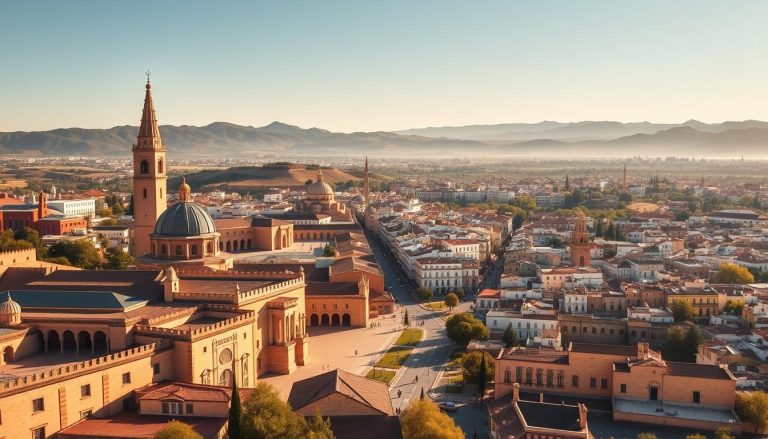
Ever wondered which European city was a beacon of learning and beauty in the 10th century? Meet Córdoba. This city in Andalusia shines with history and is full of cultural treasures. Discover ancient wonders like La Mezquita-Catedral and the Alcázar de los Reyes Cristianos. You’ll also find lively festivals and beautiful gardens. Whether you’re using a detailed travel guide or just looking for the best spots, your Córdoba journey begins now.
La Mezquita-Catedral de Córdoba
La Mezquita-Catedral de Córdoba is a key landmark in Córdoba, blending historical significance with amazing designs. First built as a mosque in 786 AD, it became a cathedral after 1236. Here, you see a unique mix of Islamic and Christian designs.
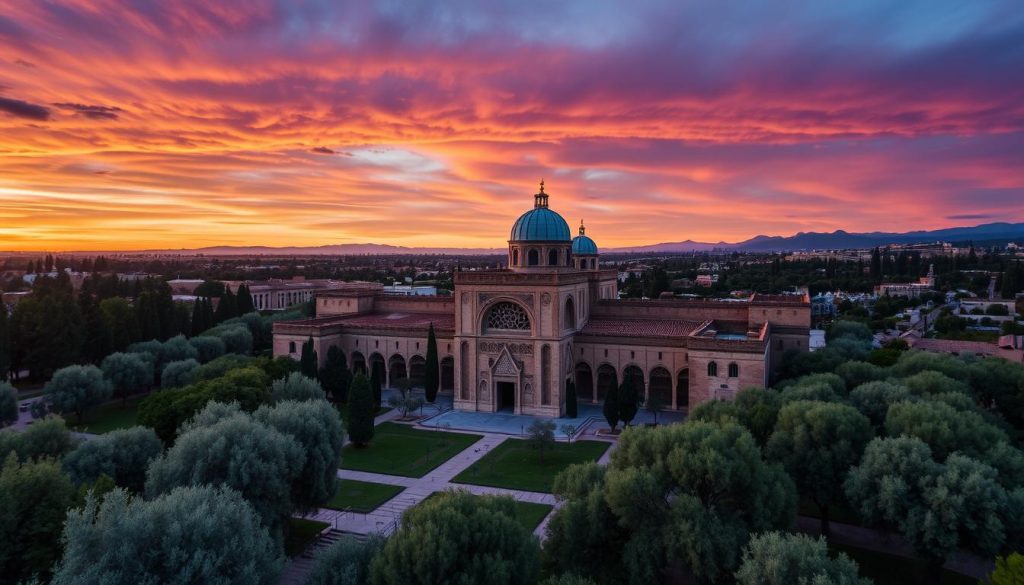
Covering 14,400 square meters, it’s among the world’s huge mosques. Originally with 1,293 columns, 856 stand today. Special features include beautiful horseshoe arches and a stunning mihrab, highlighted with gold mosaics by Al-Hakim II.
The bell tower soars 54 meters, giving wide views of Córdoba. Groups can go up every 30 minutes. Bell tower tickets are €2 and sell out fast, showing their demand.
The Capilla Mayor is remarkable, built over 250 years with different styles like plateresque and baroque. Additionally, there’s an engaging sound-and-light show twice nightly, not on Sundays, from March to October. This show costs €18, but there are discounts.
| Attraction | Details |
|---|---|
| Area | 14,400 sq meters |
| Original Construction | 786 AD |
| Columns | 1,293 originally, 856 remain |
| Bell Tower Height | 54 meters |
| Bell Tower Tickets | €2 |
| Capilla Mayor Construction | 1523 – 1766 |
| Sound-and-Light Show | €18, discounts for seniors and students |
| Main Altar Design | Plateresque, Renaissance, Baroque |
| General Admission Tickets | €10 adults, €5 children aged 10-14, free under 10 |
| Operating Hours | 10:00 AM – 7:00 PM (Monday to Saturday), free entry 8:30 AM – 9:30 AM Mondays |
Visiting La Mezquita-Catedral de Córdoba brings you into a historical significance of this beautiful spot. The large prayer hall shows off detailed architecture and a calm vibe. Whether it’s the detailed mosaics or the stunning arches, it reflects the mixed Muslim and Christian history of the city. It’s a must-visit Córdoba landmark.
Medina Azahara
Just 8 kilometers west of Córdoba lies Medina Azahara, an archaeological wonder. It shows the grandness of the Caliphate of Córdoba. Once a luxurious palace-city made by Caliph Abd ar-Rahman III in the 10th century, it gives us a look into history with its ruins and remains.
Construction started in 940 with 10,000 workers. They set an impressive 6,000 stone blocks per day. The city’s outer walls were 1,518 meters long east to west and 745 meters wide north to south. However, it was left behind in 981 due to changes in leadership and destroyed between 1010 and 1013 by Berber soldiers.
Those interested in these historical ruins and remains can get there by a shuttle bus from the museum. A round trip costs €2.10 for adults and €1.50 for children and seniors.
| Service | Adult Fare | Child Fare |
|---|---|---|
| Shuttle Bus (Museum to Medina Azahara) | €2.10 | €1.50 |
| Bus from Córdoba | €9.00 | €5.00 |
| Guided Tours (Córdoba Visión) | €20.00 | €10.00 |
The shuttle bus ride is 2 kilometers and takes about 3¼ hours round trip. It operates from Tuesday to Sunday. It offers morning and afternoon trips to fit different plans.
Visiting Medina Azahara lets you step back in time to see the glory of a once bustling city. Seeing these ruins and remains will surely give you lasting memories of Córdoba’s rich history.
Alcázar de los Reyes Cristianos
The Alcázar de los Reyes Cristianos was built in 1328 by King Alfonso XI of Castile. It’s a significant piece of history. Standing near the Guadalquivir River, it was home to King Ferdinand II and Queen Isabella I. They started the Spanish Inquisition in 1478 here.
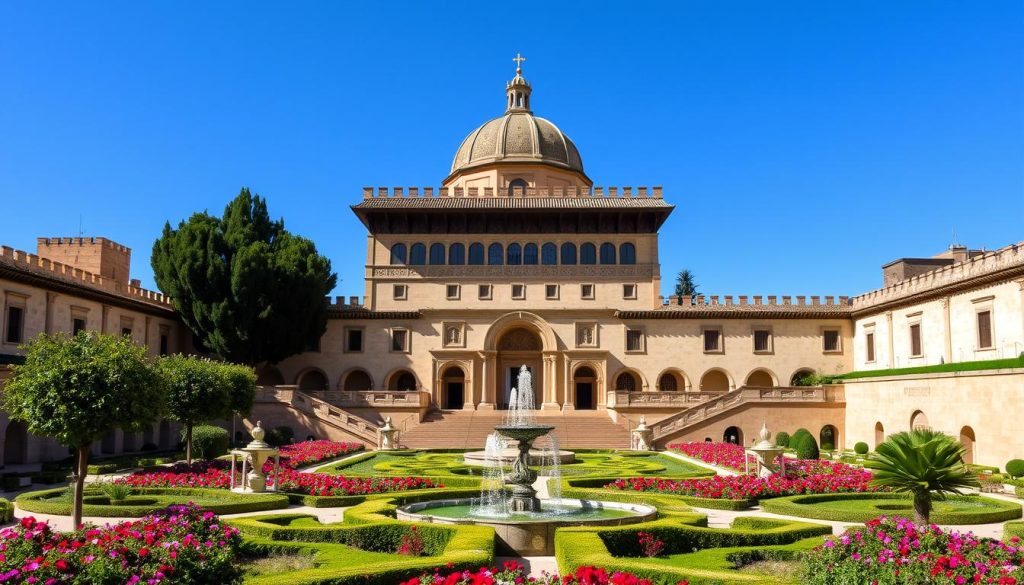
When you visit, the breathtaking gardens will catch your eye. With many fountains and colorful flowers, they show Mudéjar style. These gardens are a peaceful break from city life. Tourists love this spot for its beauty and historical importance.
| Highlights | Details |
|---|---|
| Tower of Inquisition | A square floor plan of 4,000 sqm, historically used for deportation and torture during the Inquisition. |
| Location | 425 meters from Cruce Medina Azahara bus stop (6-minute walk). |
| Opening Hours | Weekdays: 8:30 am to 8:45 pm. Sat: 8:30 am to 4:30 pm. Sun: 8:30 am to 3:00 pm (only from Sept 16 to Jun 15). |
| Visiting Time | Recommended for 2 hours. Best times: early morning or late afternoon, especially during spring and autumn. |
| Seasonal Operations | High Season: Jun 16 to Sept 15. Low Season: Sept 16 to Jun 15. |
The Alcázar de los Reyes Cristianos has been many things: a Roman governor’s house, a Visigoth stronghold. It was where Christopher Columbus met the Catholic Monarchs. Its architecture shows Gothic, Renaissance, and Mudéjar styles. This makes it a must-visit in Córdoba.
Centro Flamenco Fosforito
The Centro Flamenco Fosforito stands as a leading star among Córdoba’s cultural places. It’s often called the best flamenco museum in Andalusia. The center, found in the historic La Posada del Potro, focuses on flamenco’s interpretation, promotion, and display.
At the Centro Flamenco Fosforito, visitors find the heart of flamenco in Córdoba. The museum takes you through flamenco’s history and traditions. Exhibitions, films, and lots of information in English and Spanish are available for everyone to enjoy.
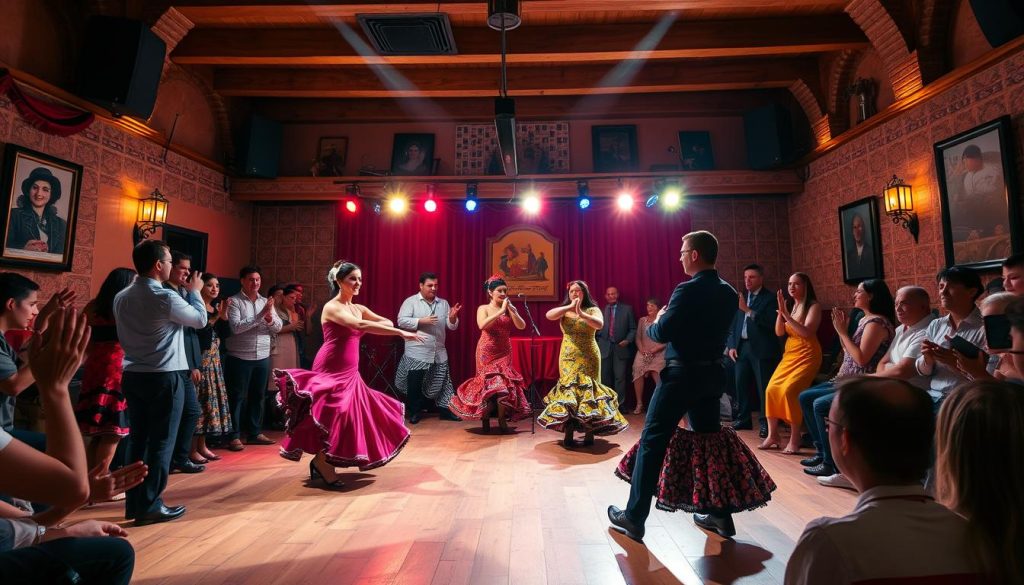
The center is known for its free flamenco shows on Sundays at noon. These shows offer a real feel of flamenco, with local artists performing. It’s a perfect opportunity for both dedicated fans and those new to flamenco to enjoy live performances.
There’s much to do at the center. It features in-depth exhibitions on flamenco’s history and multimedia presentations. Every part of the Centro Flamenco Fosforito guide is crafted to make you love this art form more.
- Free flamenco shows: Sundays at noon
- Multimedia exhibitions in English and Spanish
- Emphasis on interpretation, promotion, and exhibition of flamenco
Adding the Centro Flamenco Fosforito to your Córdoba visit makes it more rich. This guide opens up the colorful world of flamenco. It’s a crucial part of your cultural trip in the city.
Palacio de Viana
Take a trip back in time at the Palacio de Viana in Córdoba. This beautiful Renaissance palace is famous for its 12 patios. Each one is filled with green plants and bright flowers. They give a peaceful setting for enjoying the city’s old architecture.
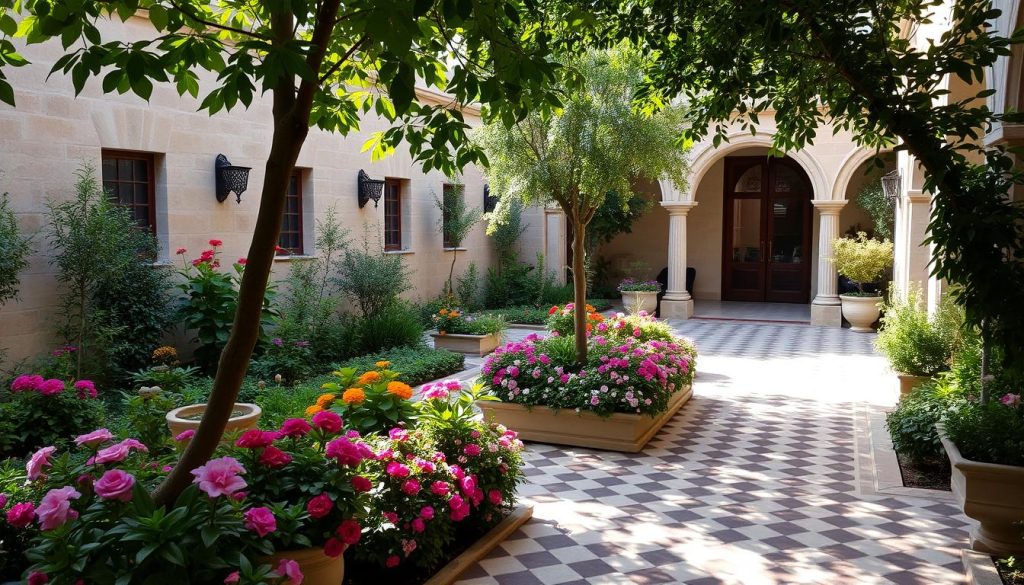
The Palacio de Viana’s patios show the beauty of Renaissance design. They let you see how people back then lived in luxury. You’ll discover different themes in each courtyard. This makes a walk here a fun journey through Córdoba’s design history.
In Córdoba, many places capture the Renaissance era. But, the Palacio de Viana is special for its amazing patios. They blend beautiful gardens with historic buildings perfectly. This place is a treat for both plant lovers and fans of old buildings.
Make sure you visit the patios and gardens of Córdoba. The Palacio de Viana is a must-see. Here, history and nature come together in a magical way.
Sinagoga and Casa de Sefarad
Discover the rich Jewish heritage in Córdoba with a visit to La Sinagoga de Córdoba. It’s one of the three remaining 14th-century synagogues in Spain. Built in 1315 with Mudéjar style, it reflects the lasting Jewish influence in this region.
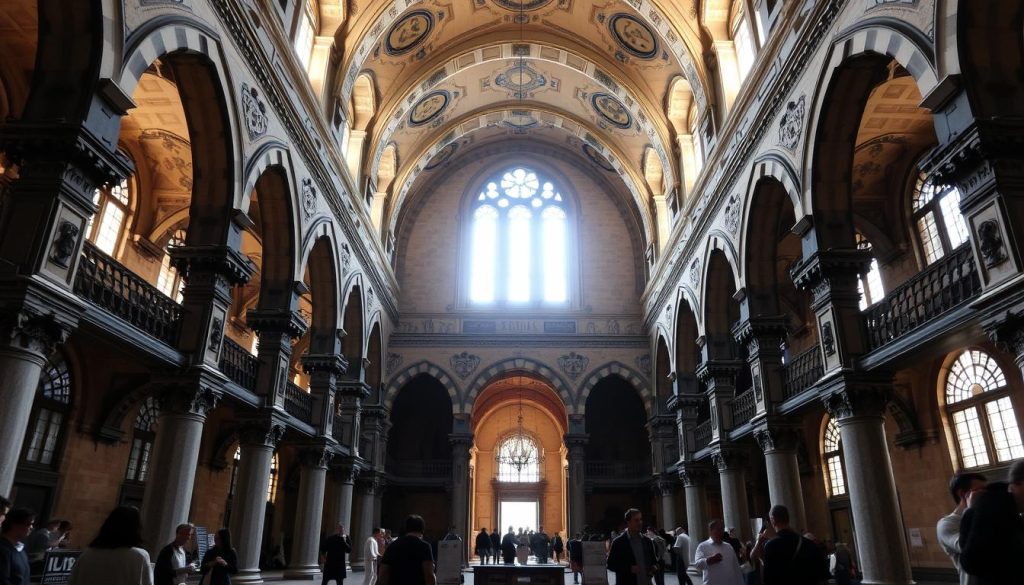
Join an informative Sinagoga tour to deepen your understanding of the Jewish history here. Step beyond the synagogue to explore Casa de Sefarad museum. The museum showcases the Sephardic Jews’ culture, language, literature, and crafts through its exhibits.
La Casa Andalusí offers a peek into the life of a 12th-century Jewish merchant. Next door, the Capilla Mudéjar (Iglesia de San Bartolomé) displays stunning Mudéjar art from the late 14th century. These places add depth to your discovery of Córdoba’s Jewish heritage.
The cultural treasures of Córdoba make it essential to include Sinagoga tours and the Casa de Sefarad museum in your plans. Experience the mix of cultures and faiths that have thrived in this historic city over the centuries.
| Place | Description |
|---|---|
| La Sinagoga de Córdoba | One of only three surviving 14th-century synagogues in Spain, showcasing Mudéjar architecture. |
| Casa de Sefarad | Museum focusing on Sephardic Jewish culture, language, and history. |
| La Casa Andalusí | Offers insights into a 12th-century Jewish merchant’s home. |
| Capilla Mudéjar | Features extraordinary Mudéjar art from the late 14th century. |
Puente Romano
The Puente Romano is an ancient bridge that crosses the Río Guadalquivir in Córdoba. It is a key part of the city’s Historical Context. Once, it was a section of the Via Augusta, crucial for travel during the Roman era. We know it as the Roman Bridge. It has 16 stone arches, but only two are from the original structure built in the 1st-century BC.
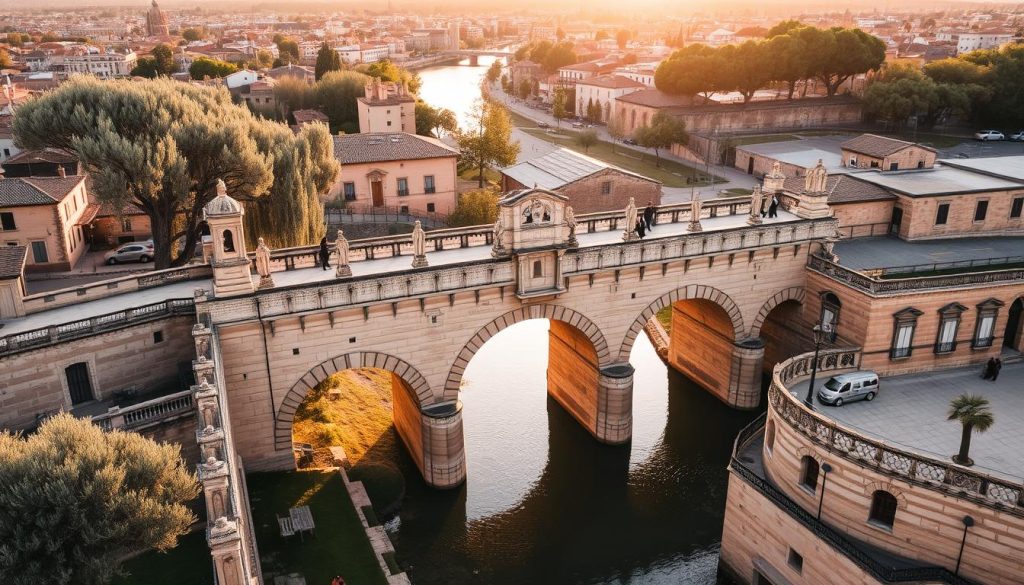
The Puente Romano today connects us with history and shows off Córdoba’s beauty. It’s a must-visit spot, blending ancient stories with today’s city life. When you walk across, you reach the Torre de la Calahorra. This gateway from the 12th century adds more depth to the Historical Context.
Here’s an overview of key details:
| Feature | Details |
|---|---|
| Location | Spans the Río Guadalquivir in Córdoba |
| Key structures | 16 stone arches, Torre de la Calahorra |
| Historical Importance | Part of Via Augusta, vital for Roman connectivity |
| Modern Relevance | Popular spot for scenic views and evening strolls |
| Historical Changes | Only 2 original arches remain from the 1st-century BC |
The Roman Bridge stands as a symbol of Córdoba’s long history, connecting the past and present. It’s more than just a pathway. It’s a trip through time that reveals the city’s Historical Context and its ongoing story.
Plaza de la Corredera
The Plaza de la Corredera is a stunning square from the 17th century, showing off the Andalusian Baroque style. This square proves how Córdoba’s amazing history contributes to its status as one of Spain’s 15 World Heritage Cities. It has roots dating back to Roman times, being a key commercial center with the Roman Circus.
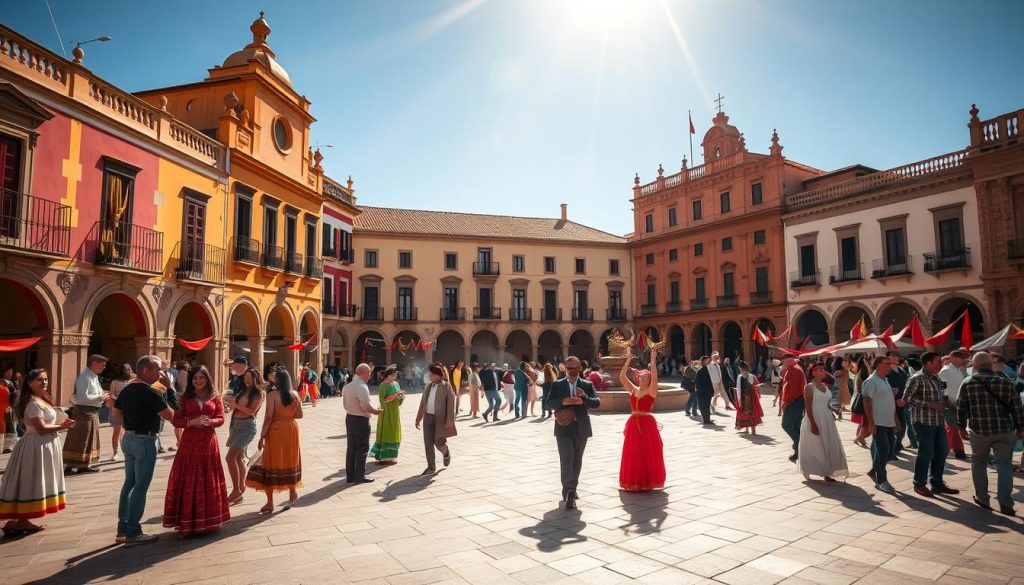
This square saw many public events, like exciting bullfights and grim Inquisition burnings. Now, it’s a lively spot where both locals and tourists come together. It’s full of life, making it a prime place to visit.
In January, the plaza turns into a huge Medieval Market. This highlights its role in hosting important events historically. To get a real feel of Córdoba’s history, a trip to this plaza is essential. It lets you dive into the city’s layered past.
Baños del Alcázar Califal
Nestled in the heart of Córdoba, the Baños del Alcázar Califal shows the city’s rich Islamic history. These ancient baths in Córdoba showcase medieval Islamic architecture’s beauty. By going on Baños del Alcázar Califal tours, you’ll explore an era that defined the area’s history.
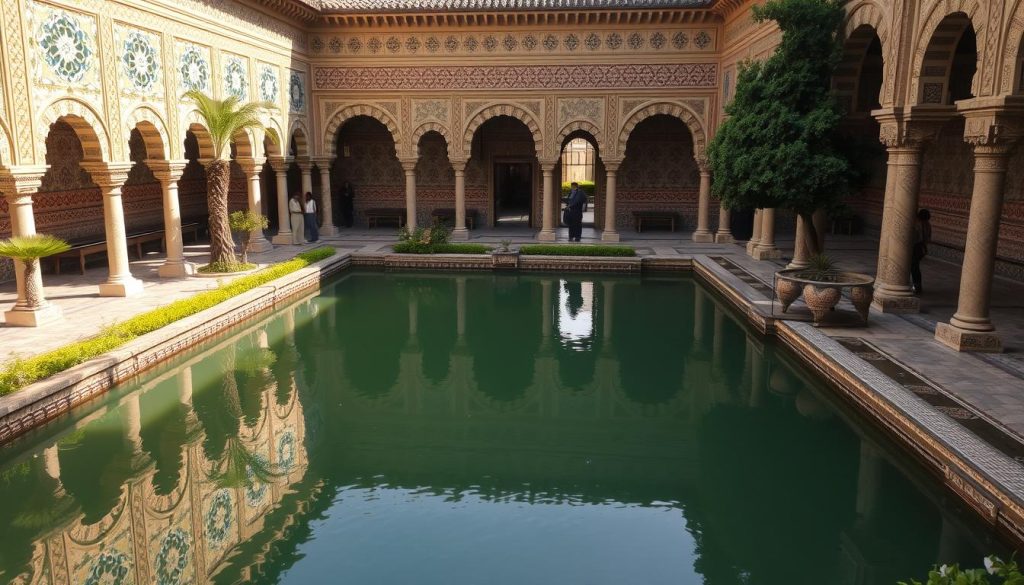
Exploring this place lets you see Islamic history in Córdoba everywhere you look. The beautiful designs and well-preserved buildings give a glimpse into ancient daily life. The tours explain how the baths were for more than just cleaning. They were also important for social and cultural events.
Guided tours are best for a full experience at the ancient baths in Córdoba. Experts will show you the importance of every detail. They’ll also share the stories these walls hold.
The Baños del Alcázar Califal is near many top hotels, making it easy to visit. It’s perfect for anyone interested in history or just wanting to see Córdoba’s past. Don’t miss out on this historic spot.
Here’s a quick look at the Baños del Alcázar Califal:
| Feature | Description |
|---|---|
| Historical Era | Medieval Islamic Period |
| Architecture | Islamic influences with arches and intricate designs |
| Guided Tours | Available with knowledgeable guides |
| Distance from Hotels | Within walking distance from major hotels |
Including these ancient baths in Córdoba in your trip lets you dive deep into Islamic history. This place adds to the city’s collection of historical sites. Together, they tell the full story of Córdoba’s rich, varied past.
Torre de la Calahorra
One of the must-see historical museums in Córdoba is the Torre de la Calahorra. This fortress stands as a beautiful historical site. It’s also a place where museum lovers can dive deep into history.
As part of a city with four UNESCO World Heritage designations, it’s a key spot. Visiting here lets you dive into Córdoba’s rich history.
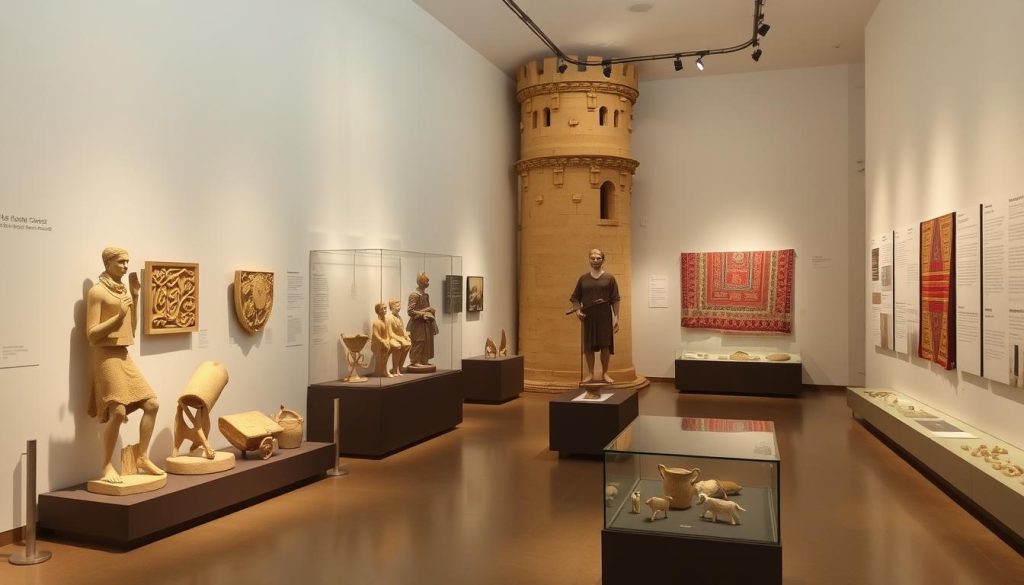
For just €4.50, you can explore the Museum Exhibits at the Torre de la Calahorra. This museum celebrates Córdoba’s multicultural golden age. It showcases the city’s Jewish, Muslim, and Christian influences. The Al-Andalus Living Museum inside has eight rooms. These rooms have audio-visual displays that show the past in an engaging way.
During your museum trips in Córdoba, the Torre de la Calahorra is a highlight. Its well-kept structure and educational displays stand out. The exhibits are both informative and interactive. This makes the visit rewarding for all ages. It’s also near other attractions like the Mezquita-Catedral de Córdoba. This makes planning your visit both simple and efficient.
Exploring the Torre de la Calahorra means diving into Córdoba’s historical heart. The museum helps you understand the city’s diverse heritage. This is key to knowing Córdoba’s historical role. As you go through the eight rooms with an hour-long audio guide, you’ll feel taken back in time. You’ll discover a time of great intellectual and artistic achievements.
Adding visits to places like the Torre de la Calahorra to your itinerary is enriching. It lets you appreciate the deep history and culture of Córdoba. Don’t skip this captivating museum. It’s essential for fully experiencing one of Spain’s most historic cities.
Top 10 Things to Do in Córdoba
Exploring Córdoba is a rich experience, especially with a recommended itinerary. Start at the Mezquita-Catedral de Córdoba. It’s famous for its vast, peaceful interior. Year-round, it draws many visitors and is a must-see.
Then, head to the beautiful Medina Azahara, just eight kilometers from the city. Here, you’ll see ancient ruins and learn about their history. It’s a key part of your Recommended Itinerary.
Visit the Alcázar de los Reyes Cristianos next. Built in the 13th and 14th centuries, it showcases a mix of Christian and Islamic design. Its beautiful gardens are a highlight of any Córdoba visit.
The Centro Flamenco Fosforito is a must for culture lovers. It’s considered the best flamenco museum in Andalucía. This place really shows the heart of flamenco culture.
Make sure to see the Palacio de Viana too. It boasts 12 gorgeous patios. Their blooms in spring show off the building’s beauty. It’s a truly immersive experience.
Tasting local food is key to understanding Córdoba. Indulge in salmorejo, a local specialty. This soup is a great introduction to Cordoban cuisine.
- Mezquita-Catedral de Córdoba
- Medina Azahara
- Alcázar de los Reyes Cristianos
- Centro Flamenco Fosforito
- Palacio de Viana
- Sinagoga and Casa de Sefarad
- Puente Romano
- Plaza de la Corredera
- Baños del Alcázar Califal
- Torre de la Calahorra
| Attraction | Highlight |
|---|---|
| Mezquita-Catedral | Spacious interior, historical significance |
| Medina Azahara | Proximity to Córdoba, historical ruins |
| Alcázar de los Reyes Cristianos | 13th & 14th-century architecture |
| Centro Flamenco Fosforito | Best flamenco museum in Andalucía |
| Palacio de Viana | 12 plant-filled patios |
This Recommended Itinerary provides a detailed look at Córdoba’s cultural and architectural wonders. Be sure to try the unique local dishes. Enjoy every moment of your historic journey in this city.
Conclusion
As you start your trip to Córdoba, get ready for a world full of wonders. The city is rich with history. You’ll see the amazing La Mezquita-Catedral that shows off centuries of building skill. The ruins of Medina Azahara are also waiting for you to explore Spain’s interesting past.
Walking through the Alcázar de los Reyes Cristianos is like following ancient footsteps. At the Centro Flamenco Fosforito, the music and dance will move you. Each moment here will be something you’ll never forget. Córdoba is filled with places to see like the beautiful Palacio de Viana, the Sinagoga, and Casa de Sefarad. The famous Puente Romano is also a sight you can’t miss. Every spot in this city promises a new story.
Don’t leave without visiting the Plaza de la Corredera. Take time to relax at the Baños del Alcázar Califal. The Torre de la Calahorra offers stunning views you should see. Córdoba is perfect whether you love history, art, or just want to experience a different culture. This city offers more than just sights; it’s a journey through history, culture, and heritage. It will touch your heart and mind in ways you’ll always remember.