Explore the Fascinating History of Carriacou
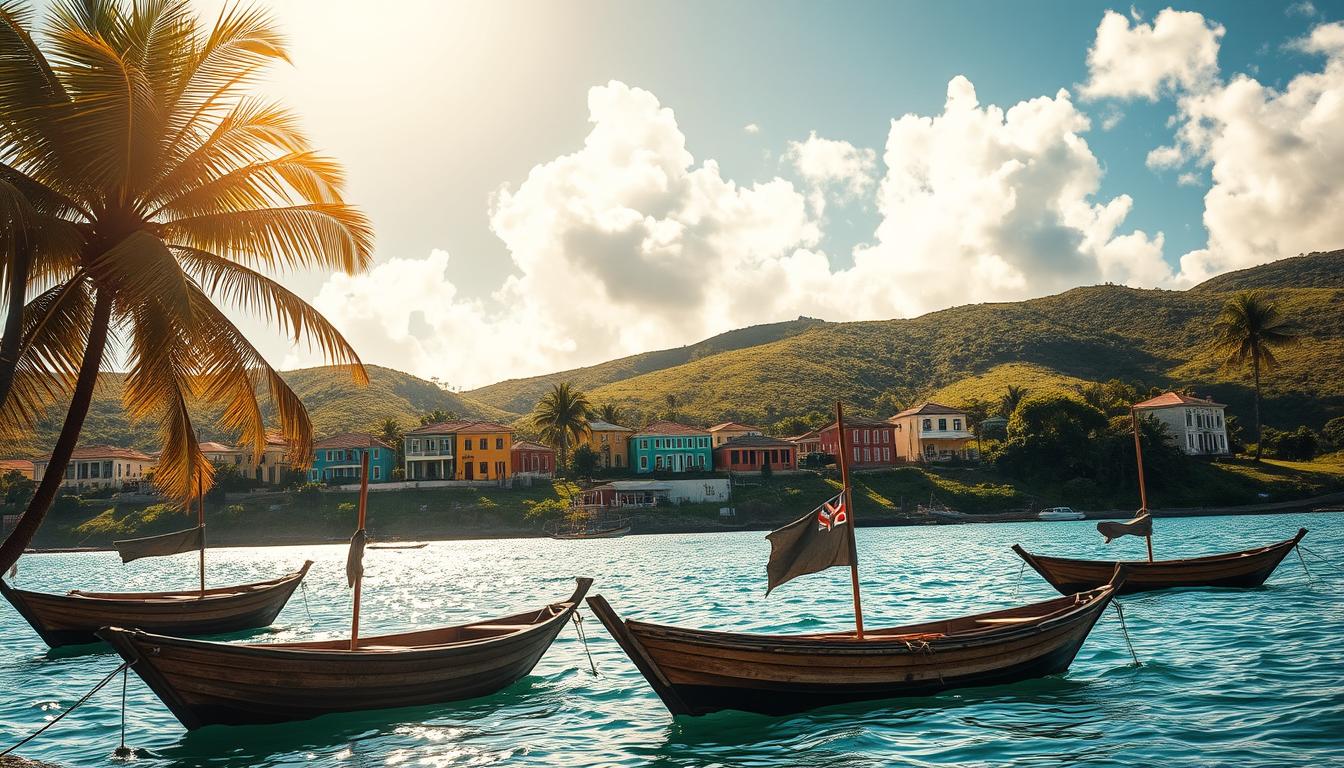
What is the history of Carriacou? This question sparks curiosity about the island’s rich cultural heritage. As you explore Carriacou’s past, you’ll find a mix of indigenous and colonial influences. The island’s history is a tale of change, shaped by its location in the Caribbean.
Carriacou’s story is marked by key events and figures. These have helped shape its unique identity. The island’s history is a captivating narrative waiting to be discovered.
With a circumference of about 24 to 27 miles, Carriacou is a small island with a big story. Its history is shaped by its reefs, mainly on the eastern coast. Exploring the island’s history, you’ll learn about its indigenous people, colonial rule, and how these have influenced its development.
Discovering Carriacou: An Introduction to the Caribbean’s Hidden Gem
Exploring Carriacou facts reveals a wealth of information about this small island. It’s in the southern Caribbean, part of the Grenadines, with about 8,000 people living there. Carriacou is rich in history and culture, making it a treasure to discover. Knowing the Carriacou timeline helps grasp its location and people.
Some important facts about Carriacou are:
- Travel from Grenada to Carriacou takes 20 minutes by plane or 2 hours by boat.
- Renting a car on the island is pricey compared to the local economy.
- Getting a Grenadian driver’s license costs EC$60.
Carriacou’s cultural significance in the Caribbean is unique. You can enjoy the Shakespeare Mas and the Heritage Museum of Carriacou. The island boasts white sand beaches and calm waters, perfect for relaxation.

Carriacou offers something for everyone, whether you’re into history, nature, or just relaxing. Start planning your trip to uncover the charm of this Caribbean gem.
The Original Inhabitants: Indigenous Peoples of Carriacou
Exploring Carriacou reveals a rich heritage and culture shaped by its indigenous peoples. The island was first home to the Amerindians. Their legacy is seen in the Sabazan archaeological site, occupied from AD 400 to AD 1400.
The indigenous peoples lived closely with the land and sea. They were expert fishermen and farmers. Their diet changed over time, with more mollusks and less fish.
Here are some key facts about the indigenous peoples of Carriacou:
- The Sabazan site was occupied by a minimum of 837 individuals.
- The site was occupied for over 1,000 years, with a continuous record of occupation from AD 400 to AD 1400.
- The indigenous peoples of Carriacou had a diverse diet that included fish, mollusks, and other seafood.
- Their way of life was closely tied to the land and the sea, with a strong emphasis on fishing and farming.
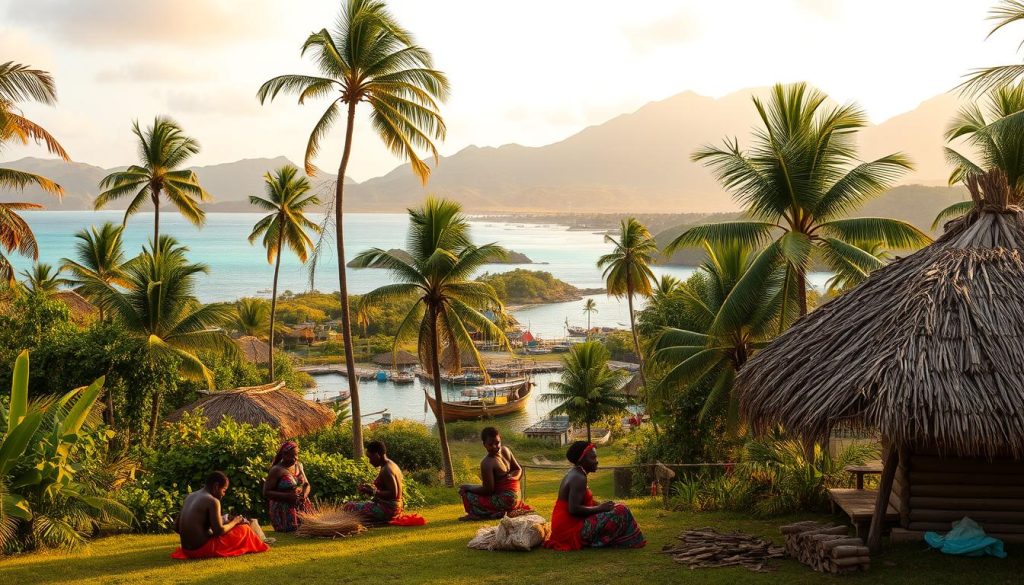
Today, Carriacou’s heritage and culture are celebrated. Many locals are proud of their indigenous roots. Exploring the island lets you experience the rich culture and heritage shaped by its indigenous peoples.
Pre-Colonial History and Archaeological Discoveries
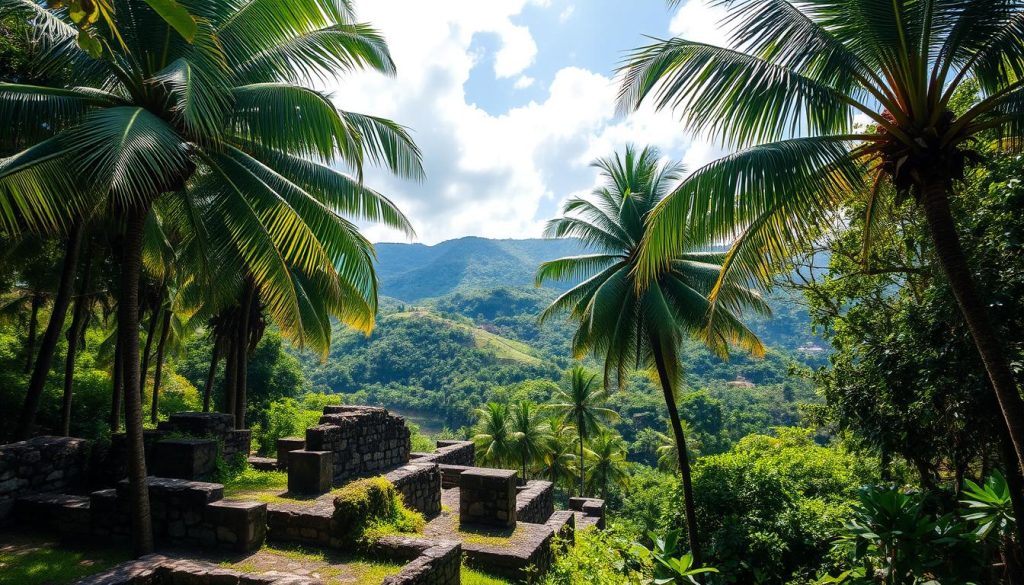
Exploring Carriacou’s history, you find it was home for at least 1,000 years, from AD 400 to 1400. Archaeologists have found many sites on the island, showing its importance before colonial times.
The island’s early days are filled with ancient artifacts. These tell us about the lives of Carriacou’s first people. Settlement started around AD 400, later than some nearby islands. There’s proof of trade with other islands and even mainland South America, like animals and pottery from elsewhere.
- Intensive late Ceramic Age occupation on Carriacou, dated between CAL. AD 400 and 1200
- Excavations at Grand Bay and Sabazan, which have been conducted over several seasons
- Research on the Grenadine Islands, which has been ongoing for over a decade, significantly improving the understanding of prehistoric settlement patterns
These findings have greatly improved our knowledge of Carriacou’s history. They give us a peek into the lives of the island’s first people.
What is the History of Carriacou? From Settlement to Colonial Era
Carriacou’s history is long, starting with indigenous Amerindians and then French and British rule. To grasp what is the history of Carriacou?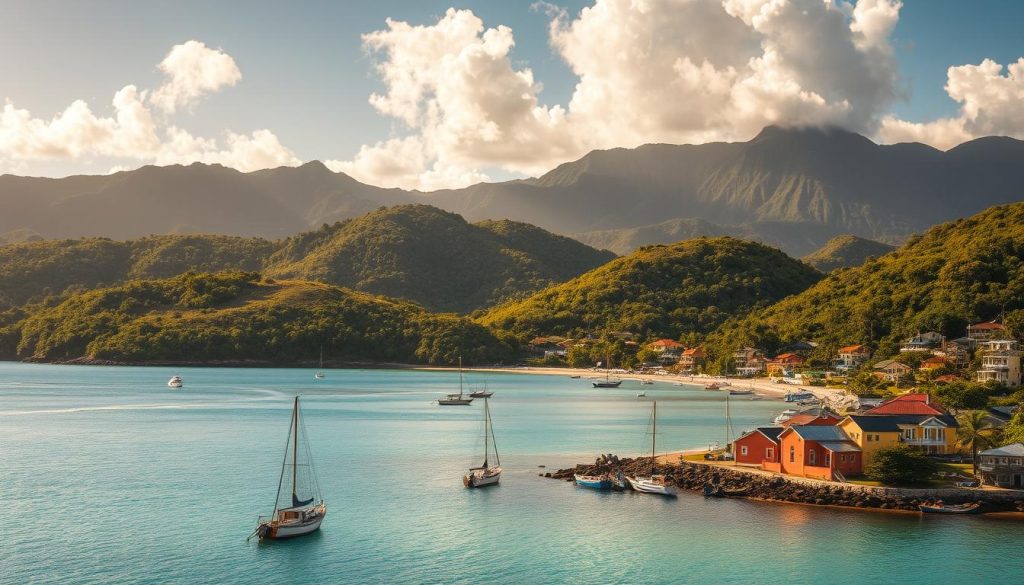
The Carriacou history is both rich and complex. It shows the influence of many cultures and empires. From the first settlers to the European colonizers, each group has made Carriacou what it is today. Some important events in Carriacou’s past include:
- Settlement by indigenous Amerindians
- Colonization by French and British rule
- Impact of colonialism on the indigenous population and the island’s culture
By diving into what is the history of Carriacou?, we learn more about the island’s past and its importance today. Carriacou history is a captivating subject that reveals the island’s growth and its people’s stories.
European Colonization and Its Impact
Exploring Carriacou’s history shows how European colonization changed the island. The culture here is a mix of the original people, European settlers, and African slaves. The French and British left their mark on buildings, landmarks, and traditions.
The French started settling Carriacou in the 18th century. Later, the British took over, influencing the island’s look and customs. This history makes Carriacou’s culture rich and diverse.

- Traditional music and dance, such as the Big Drum Nation Dance
- Delicious cuisine, including dishes such as pepper pot soup and curried goat
- Colorful festivals and celebrations, such as the Carriacou Carnival
These cultural practices are key to Carriacou’s history. They still shape the island’s identity today.
The Evolution of Carriacou’s Maritime Heritage
Carriacou’s maritime heritage is a big part of the island’s Carriacou culture. It has a long history of boat-building and sailing. This has shaped the island’s economy and Carriacou heritage.
Some interesting facts about Carriacou’s maritime heritage include:
- The island has more vessels per capita than anywhere else in the Caribbean.
- The maritime industry has contributed to the island’s economic growth and development.
- The island’s boat-building tradition is reflected in the Carriacou Underwater Sculpture Park, which features sculptures designed to act as artificial reefs.
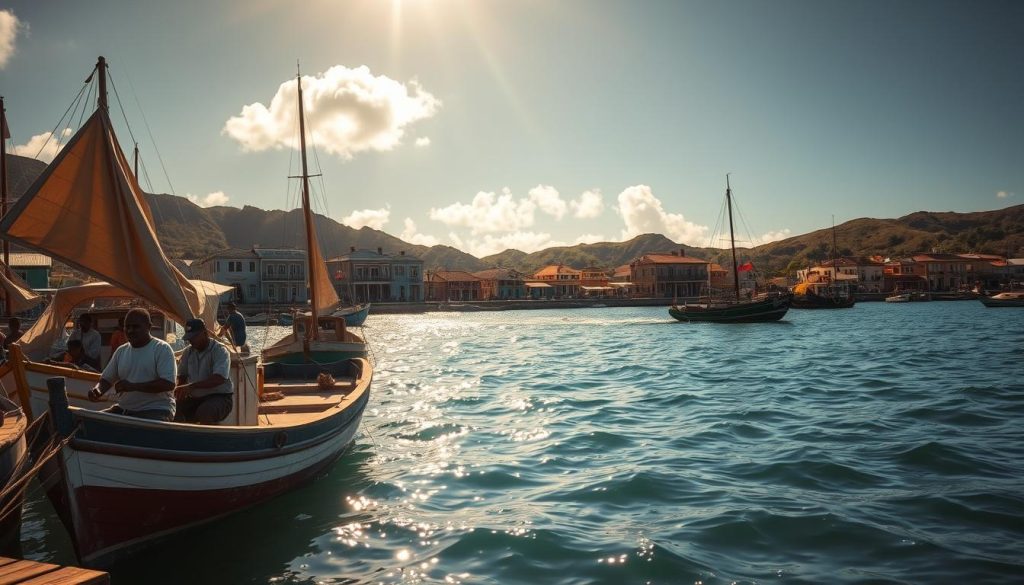
The evolution of Carriacou’s maritime heritage shows the island’s rich history and Carriacou culture. Exploring the island lets you see its maritime heritage up close. You can learn about the island’s unique identity.
Cultural Traditions and Festivals Through the Ages
Exploring Carriacou culture reveals a mix of African, European, and indigenous influences. The island’s traditions and festivals show its rich heritage. Events like the Big Drum Nation Dance and Maroon and String Band Music highlight its history and creativity.
Carriacou’s traditions are deeply rooted in its history. The Maroon Festival, for instance, celebrates the island’s African heritage. It features traditional music, dance, and food, including smoked dishes with rice and corn-based starchy dishes.
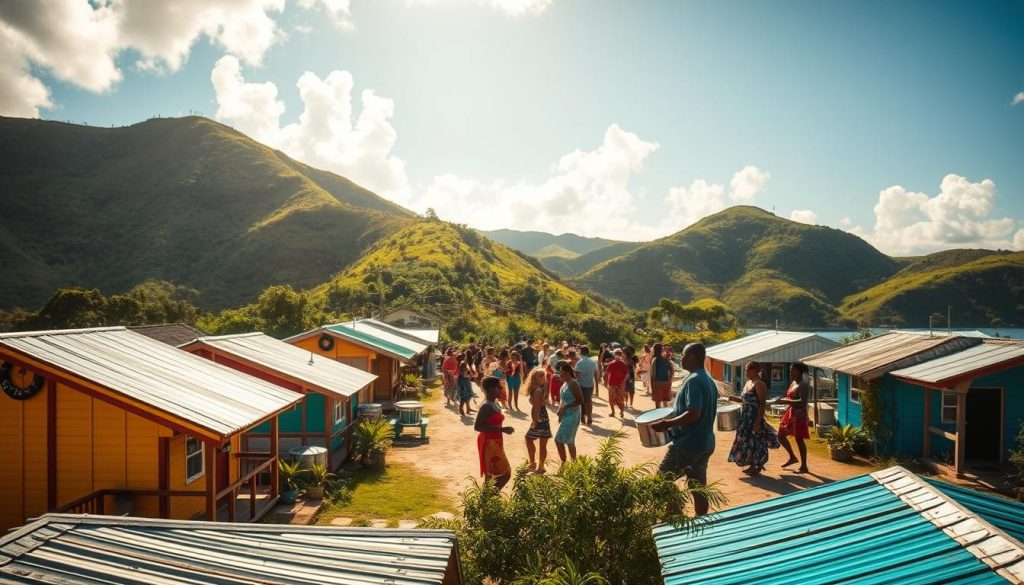
- Big Drum Nation Dance: a traditional dance that showcases the island’s African roots
- Maroon and String Band Music: a unique blend of African and European musical influences
- Carriacou Regatta: a sailing event that highlights the island’s maritime heritage
- Traditional boat building: a craft that has been passed down through generations, reflecting the island’s Scottish and African influences
By experiencing these traditions and festivals, you’ll understand Carriacou’s rich cultural heritage. The island’s unique cultural landscape is a testament to its history, creativity, and resilience. It’s a fascinating place to explore and discover.
Agricultural Legacy and Economic Development
Exploring Carriacou history shows how important agriculture is to the island’s economy. Farming and fishing are key to many people’s lives here. These industries make up about 6% of Grenada’s GDP, thanks to small-scale farmers.
The island’s farming is all about small-scale farming. Most farms are under five acres. This leads to a variety of crops like fruits, veggies, and spices. Fishing is also vital, with many fishermen using the sea’s bounty to survive.
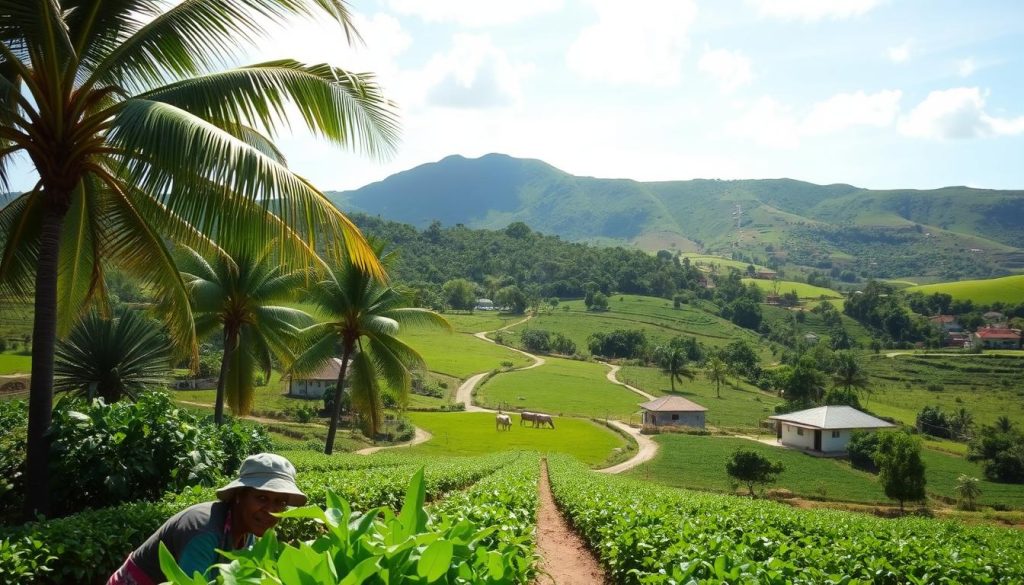
Here are some key facts about agriculture in Carriacou:
* Over 88% of farms in Grenada are small, under five acres.
* Agriculture employs 10% of the working population.
* It accounts for about 47% of Grenada’s exports.
These numbers show how crucial agriculture is to Carriacou’s economy. It’s vital to keep this heritage alive for the future.
The Role of Religion and Spirituality in Shaping Carriacou
Carriacou culture is deeply rooted in its rich spiritual heritage. The island’s history shows a blend of African, European, and indigenous cultures. This mix has created a unique Carriacou culture with its own traditions.
Religion has greatly influenced Carriacou traditions. Many residents mix African, European, and indigenous spiritual beliefs. The island’s spiritual scene is strong, with community coming together for religious holidays. 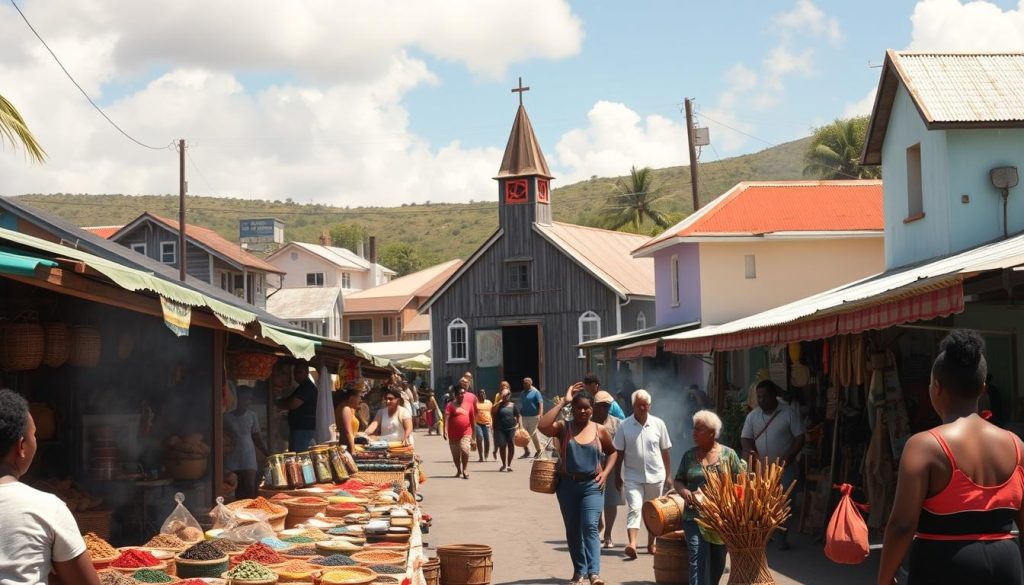
Some key influences on Carriacou culture include:
- African religious influences, shaped by slavery and the transatlantic slave trade
- Christian heritage, brought by European colonizers
- Indigenous spiritual practices, passed down through generations
The role of religion and spirituality in Carriacou is complex. It reflects the island’s rich cultural heritage and history of cultural exchange. By exploring these influences, we can appreciate the unique Carriacou traditions and practices.
Modern Development and Tourism Growth
Exploring Carriacou reveals its deep Carriacou history and Carriacou heritage. The island has seen a lot of modern growth and tourism. It aims to keep its natural beauty and cultural roots alive.
The tourism sector is now a big part of the island’s economy. Many come for its beautiful beaches, coral reefs, and lively culture. To meet this demand, the island has built hotels, restaurants, and places for water sports.
Some important facts about Carriacou’s tourism include:
- The island has about 9,600 people, with more tourists coming every year.
- The average temperature is around 82°F (28°C), perfect for those who love the sun.
- Carriacou has faced hurricanes but has worked hard to rebuild and recover.
Carriacou’s growth in tourism and development is linked to its history and heritage. By keeping its culture and nature alive, it can keep attracting visitors and supporting its economy.
Preserving Carriacou’s Historical Heritage Today
Exploring Carriacou shows the hard work to keep its history alive. The Carriacou heritage mixes African, European, and indigenous cultures. You can see this mix in its music, dance, and art.
Keeping historical sites and landmarks is key to the island’s culture. Important steps include:
- Conservation efforts to protect the island’s natural environment and historical sites
- Museum collections that showcase the island’s history and cultural heritage
- Educational initiatives that promote the island’s history and culture
These steps are vital to keep the Carriacou heritage and Carriacou culture alive for the future. By supporting these efforts, you help protect the island’s unique cultural identity.
Conclusion: Embracing Carriacou’s Rich Historical Legacy
Carriacou, a small Caribbean island, has a rich and varied history. It started with indigenous roots and was shaped by colonial influences. This story shows the island’s resilience and the blending of cultures. It also highlights the strong spirit of its people.
The history of Carriacou shows the island’s ability to overcome challenges. It has faced colonialism, slavery, and big changes. Today, Carriacou’s culture, like the famous Carriacou history Carnival, is still alive and vibrant. By celebrating these traditions, we keep the island’s heritage alive for future generations.
When you visit Carriacou, dive into its history. Let it shape your view of the present. This way, you’ll make your trip more meaningful. You’ll also help in preserving the island’s unique identity.