Explore Salalah’s Frankincense Land Museum’s History
Ever wondered how frankincense scent influenced a nation’s history? The Frankincense Land Museum in Salalah lets you dive into Oman’s deep heritage. This Oman historical museum opened in 2007, showing frankincense’s key role in ancient trade and culture.
Located in the UNESCO World Heritage Site of Al Baleed Archaeological Park, it has amazing artifacts. These pieces take you back to the bustling trade routes that connected Oman to the world.
Walking into this cultural gem, you’re not just looking at history. You’re experiencing the Salalah cultural heritage firsthand. The exhibits share the Dhofar region’s complex history and frankincense’s global importance.
They invite you to think about how this ancient trade impacted Oman’s society and economy.
The Unique Location of the Frankincense Land Museum
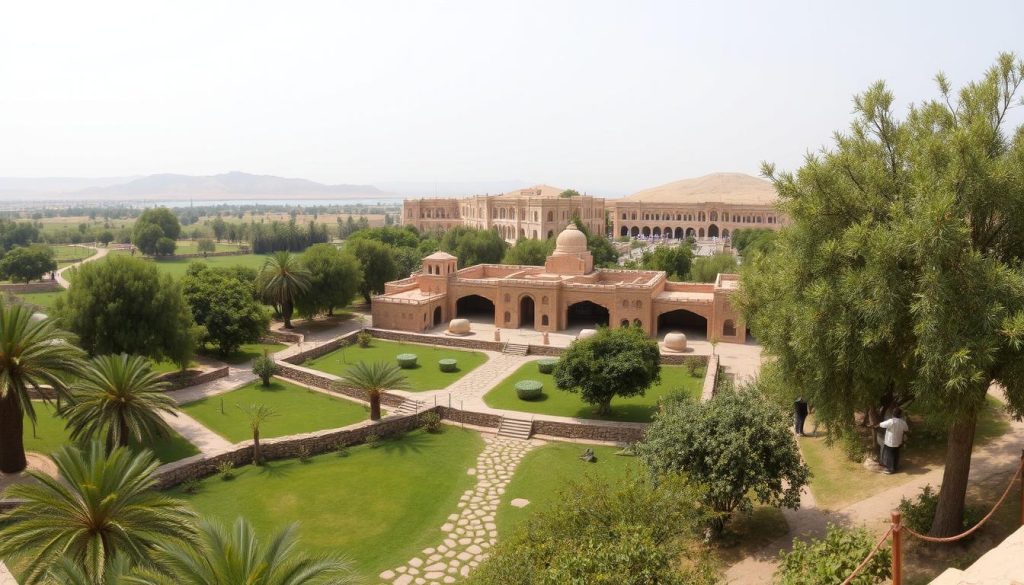
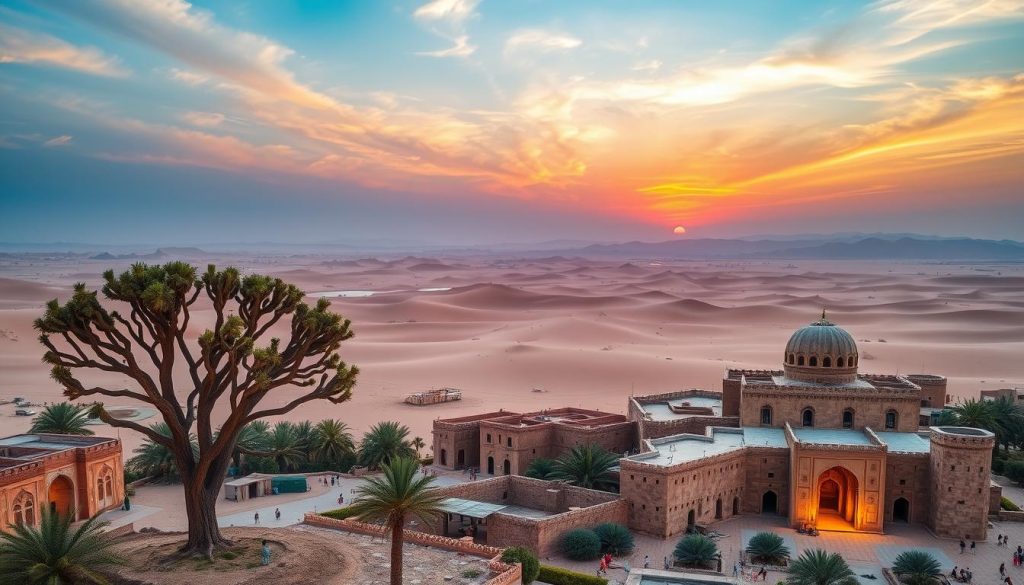
The Frankincense Land Museum is in Salalah, along the beautiful coastal strip. It’s in the Al Baleed Archaeological Park, a UNESCO World Heritage Site. Here, you can see ancient homes and mosques, giving a peek into Oman’s history.
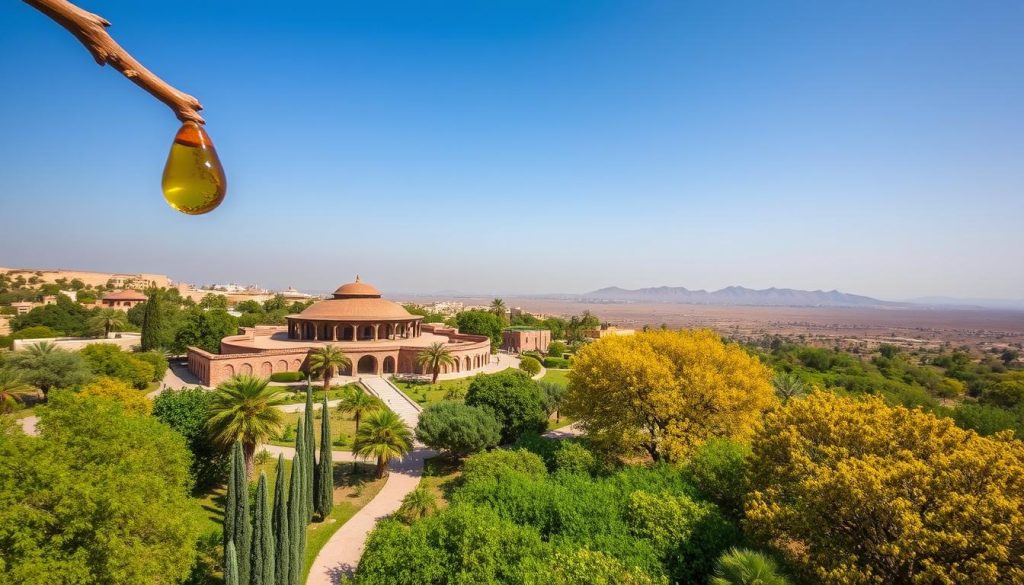
Visiting the Oman historical museum lets you see the Indian Ocean’s stunning views. This amazing view adds to your museum experience, linking the landscape with Omani history.
- The Frankincense Land Museum offers a fulfilling experience typically lasting 1-2 hours.
- Located within Al Baleed Archaeological Park, the museum illustrates the maritime history of Oman.
- The exhibits focus on the four major components of the Land of Frankincense: Khor Rori, Al Baleed, Shisr, and Wadi Dawkah.
- Significant trade relations with India, China, East Africa, the Mediterranean, the UK, and the USA are highlighted throughout the displays.
See the remains of Khor Rori and Al Baleed, key in frankincense trading. Khor Rori, known as Moscha Limen, was a major trading spot since the 1st century. Its location made it crucial for trade.
The best time to visit is October to February, when it’s cooler. Guided tours are available, offering deeper insights. Photography is allowed in some areas, so you can capture the museum’s beauty.
The museum’s location makes your visit even more special. It highlights frankincense’s role in Oman’s culture. It’s a must-see for anyone interested in this region’s history.
Significance of Frankincense in Omani Culture
Frankincense has been crucial in Omani culture for over 2,000 years. It connected Oman to ancient global trade. This resin is used in religious rituals, medicine, and cosmetics. It shows how frankincense is more than just a trade item; it’s a symbol of Omani identity.
In Salalah, frankincense production is key to the economy and culture. The Dhofar region’s climate is perfect for frankincense trees. This highlights frankincense’s role in local life. The Oman historical museum showcases its rich history through exhibits.
Visitors can learn about frankincense’s journey. The Roads of Abandonment show where merchants once traveled. Frankincense was traded from the Mediterranean to the Far East, making Oman important in ancient trade.

A Journey Through Dhofar’s History
Dhofar’s history is a rich mix of trade, settlement, and cultural exchanges over centuries. Located in southern Oman, it’s a key spot for learning about the Arabian Peninsula’s heritage. The Frankincense Land Museum is a major educational center, showcasing sites like Khor Rori and Al Baleed.
These sites are crucial for understanding frankincense’s role in global trade. They highlight its importance in ancient trade routes.
The port of Sumhuram, active since the 3rd century BC, was a major hub for frankincense export. It connected the Indian Ocean, Red Sea, and Mediterranean. UNESCO has recognized four key sites related to frankincense, showing their importance in Arabian Peninsula history.
Exploring the museum, you’ll see artifacts that tell the story of Salalah’s past. These artifacts bring to life the traditions of this land. Oman’s history, shaped by many civilizations, is deeply rooted in Dhofar’s history.
Today, frankincense production is on the rise again. This ensures Dhofar’s rich history will continue to inspire future generations.
How is the Frankincense Land Museum in Salalah significant to the history?
The Frankincense Land Museum in Salalah is key to understanding Oman’s rich culture and history. It highlights ancient trade routes, linking Oman, India, Africa, and more. This shows how frankincense trade shaped economies and cultural ties.
Connects to Ancient Trade Routes
Exhibits at the museum show frankincense’s role in ancient trade. They display how the spice was moved across regions, showing old commerce networks. This helps us see how ancient civilizations were connected through trade.
Preserves Cultural Heritage
The museum is vital for keeping the region’s cultural heritage alive. It showcases artifacts from frankincense trading, showing its importance in Omani life. The exhibits tell the story of frankincense, helping us value Oman’s traditions and history.
The Maritime Hall: Exploring Oman’s Seafaring Legacy
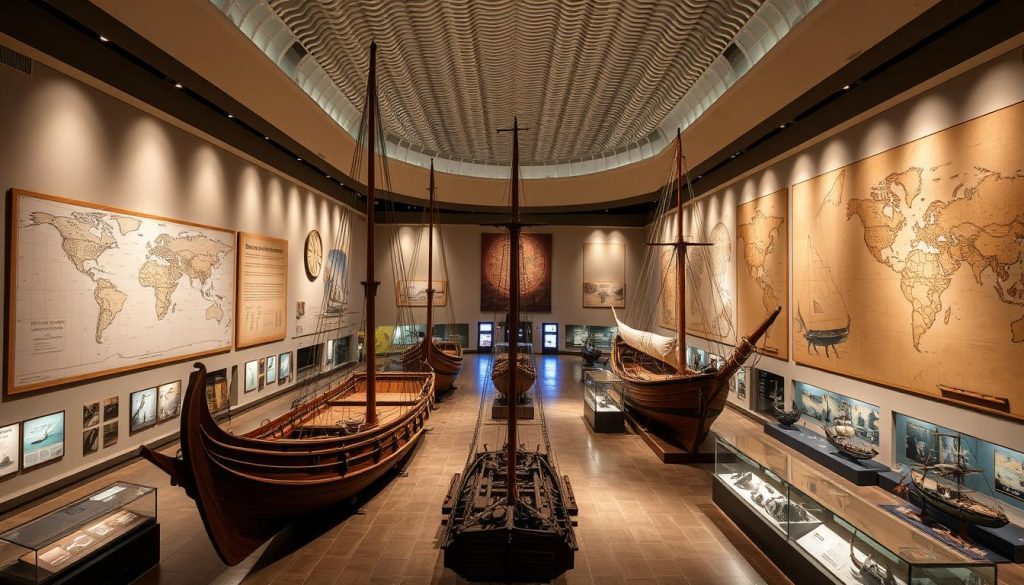
The Maritime Hall at the Frankincense Land Museum opens a window into Oman’s rich sea history. It displays traditional Omani ships, showing off centuries of naval skill and artistry. You’ll learn how these ships were key in building trade ties with the world.
Traditional Omani Vessels on Display
In the Maritime Hall, you’ll see many traditional Omani ships. They show the cleverness of Oman’s sea culture. The exhibit includes:
- Dhoum: A traditional wooden boat used for fishing and trade.
- Jahaz: Important for carrying frankincense, showing its trade importance.
- Baghlah: A big sailing ship used for long trips.
This collection not only shows Oman’s sea history but also connects to Salalah’s sea culture.
International Trade Relationships
Oman’s role in global trade is clear in this hall. It shows how Oman traded with places like India, Africa, and the Middle East. Key points include:
| Trade Partner | Trade Goods | Historical Impact |
|---|---|---|
| India | Spices, textiles | Strengthened economic ties through sea routes |
| Africa | Gold, ivory | Brought cultural exchanges and wealth |
| Middle East | Frankincense, myrrh | Made Oman a key trade center |
In the Maritime Hall, you see how trade and culture changed Omani society. It shows the sea’s big role in Oman’s history.
The History Hall: A Comprehensive Timeline
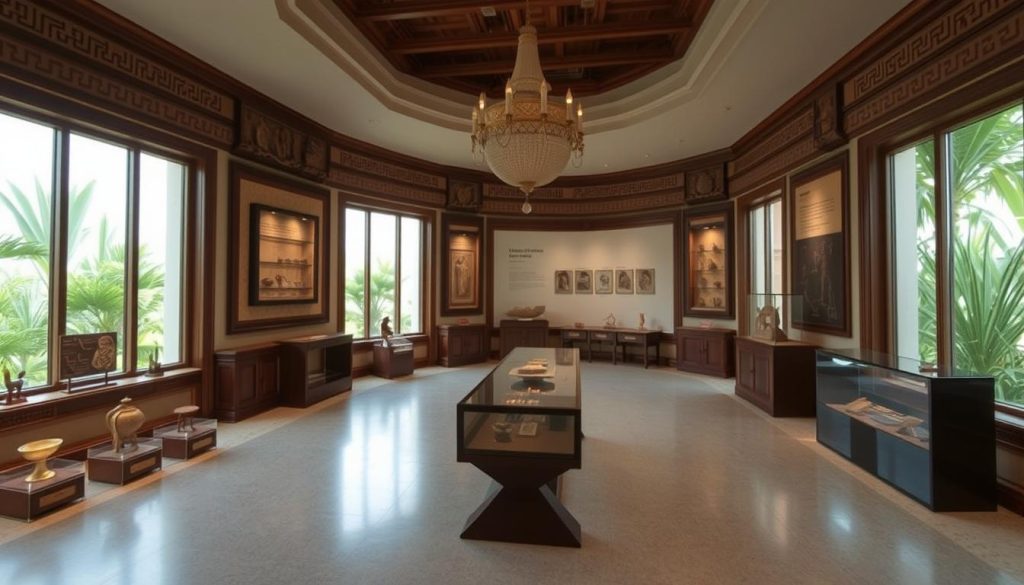
The History Hall in the Frankincense Land Museum offers a deep dive into Oman’s past. It presents a detailed timeline from ancient times to today. You’ll explore themes like Oman’s geography, key milestones, and the impact of Islam.
Key Exhibits Overview
In the History Hall, many exhibits cover important parts of Salalah’s museum history. You’ll see artifacts and displays that show how Oman evolved. Each exhibit helps you understand the journey and strength of its people.
Importance of Historical Context
Understanding the history behind the Frankincense Land Museum exhibits lets you fully grasp Oman’s cultural heritage. The timeline links major periods, showing how events shaped today’s Omani society and identity. Each part of the History Hall reveals the connection between the past and present.
| Exhibit Name | Theme | Year Established |
|---|---|---|
| Frankincense Exhibit | Trade History | 2015 |
| Oman Geography | Geographical Features | 2015 |
| Islamic Influence | Spread of Islam | 2015 |
| Military History | Pre-Islamic to Renaissance Period | 2008 |
UNESCO World Heritage Sites and their Importance
The Frankincense Land Museum opens a door to the Arabian Peninsula’s rich history. It shows how the frankincense trade shaped Oman’s past. This trade played a big role in the growth of civilizations in the area.
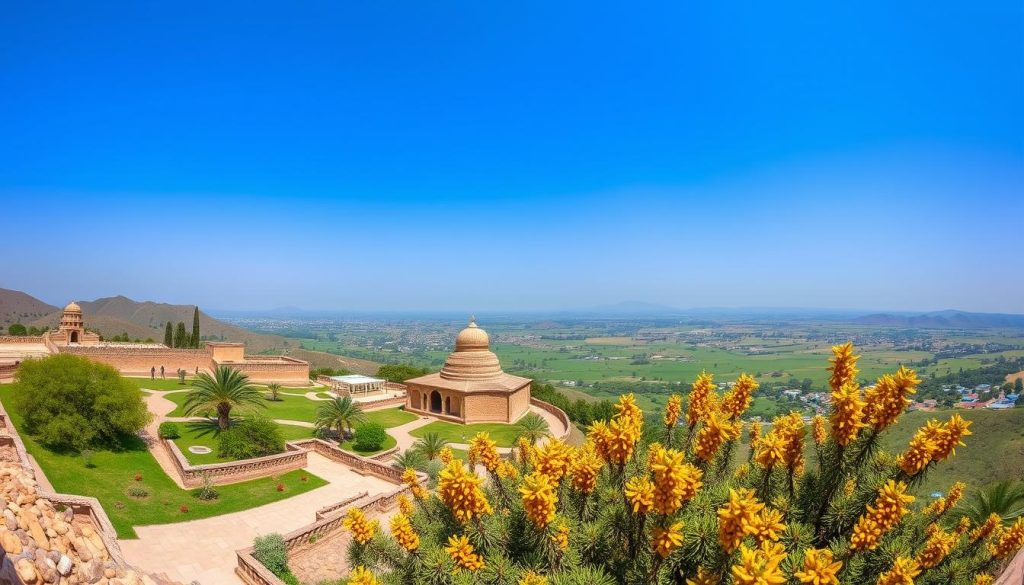
One key site is the Al Baleed Archaeological Park. It has ancient ports, forts, and buildings that show the frankincense trade’s importance. Visitors can see the 10th-century Grand Mosque and learn about the area’s history.
Wadi Dawkah, known as the ‘incense forest,’ is another important site. It has been growing frankincense for centuries. This area shows how ancient people sourced and traded frankincense.
Sumhuram is a site that gives us a glimpse into ancient city life. It was a major center in the frankincense trade. These sites together tell a story of shared culture and history.
Exhibits of the Frankincense Land Museum
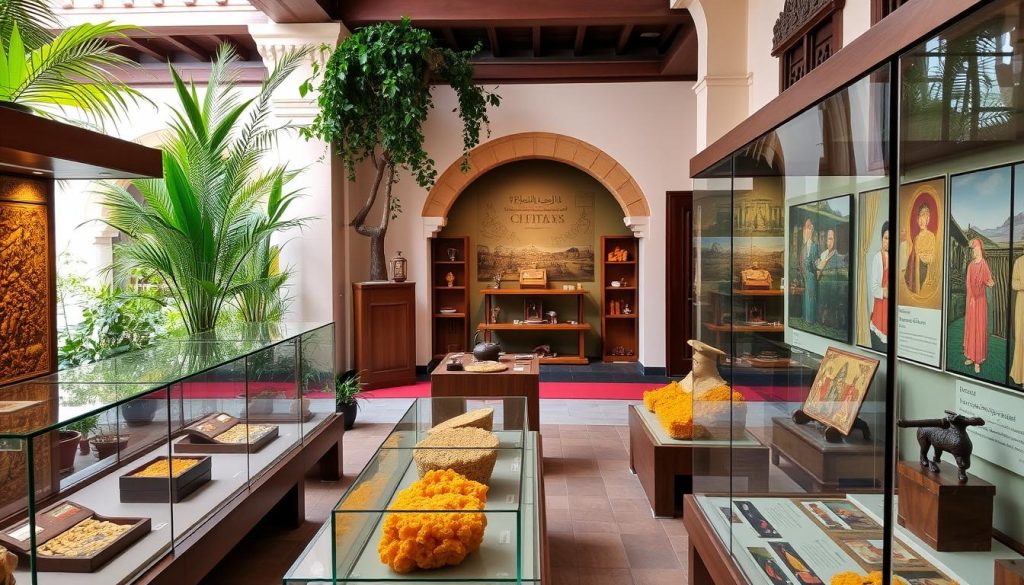
The Frankincense Land Museum is a key to understanding Salalah cultural heritage. It offers a wide range of exhibits that grab your attention. Here, you’ll see interactive displays and artifacts that bring frankincense’s history to life.
Interactive Displays and Artifacts
The Frankincense Land Museum exhibits are full of life. You’ll see models of old boats, maps of ancient trade paths, and artifacts that show Oman’s history. There are also activities that make learning fun, like:
- Frankincense Trail Tour explaining the historical importance of this aromatic resin.
- An Omani Cultural Experience that introduces visitors to local customs and the essential role of frankincense.
- Archaeology and History Workshop with hands-on activities related to the frankincense trade.
- Frankincense Harvesting Demonstration held in the museum’s gardens, showcasing traditional methods.
- Incense-Making Workshop where you can create blends using authentic ingredients.
Notable Collections from Different Eras
Explore the collections that show how frankincense was used in the past. It was used for spiritual, medicinal, and everyday purposes. The Oman historical museum also has:
- A 3D documentary screening detailing the impact of the frankincense trade on the region.
- A Photography Exhibit celebrating the scenic beauty of Dhofar and the historical context of the trade.
- A Children’s Discovery Zone with interactive activities designed for young learners.
- A Traditional Omani Music Demonstration showcasing the musical culture of Oman.
- A Documentary Film-Making Workshop for aspiring creators interested in cultural storytelling.
The Frankincense Land Museum offers engaging and educational experiences. It highlights frankincense’s role in Oman’s culture. Plan your visit during the monsoon season for a memorable experience.
Visiting the Frankincense Land Museum
Planning your visit to the Frankincense Land Museum? Choose the best time for a great experience. The best months are October to February, with comfortable temperatures between 20°C and 30°C. The museum is open from 8 AM to 2 PM and 4 PM to 8 PM, every day except Friday.
This schedule gives you plenty of time to see everything. You’ll learn about the rich Salalah museum history.
Best Times to Visit
- Optimal visiting period: October to February
- Mild temperatures averaging 20°C to 30°C
- Flexible hours: 8 AM to 2 PM and 4 PM to 8 PM
Visitor Experience Insights
Your visit to the Frankincense Land Museum will be both fun and educational. Many visitors love the guided tours. They learn a lot about the museum’s importance.
The museum has artifacts from the frankincense trade and Omani maritime culture. You’ll find parking, restrooms, and food vendors. Just remember, photography is allowed in some areas but not all.
Conclusion
The Frankincense Land Museum is a key part of Oman’s history and culture. It’s near UNESCO World Heritage sites like Al Baleed Archeological Park. This museum shows how important frankincense trade was over time.
Exploring the museum, you learn about Salalah’s big role in history. It connects trade routes and ancient ways of life. This helps you see how frankincense shaped Oman’s culture.
Visiting this museum is more than just seeing old things. It’s about understanding Oman’s role in trade and culture. Whether you love history or just enjoy traveling, the museum has stories that will stay with you. Make sure to visit and see why it’s a key part of Omani culture.