Explore Raleigh’s Top Historical Sites & Landmarks
Ever wondered how Raleigh’s history has shaped its identity today? As North Carolina’s capital, Raleigh is full of landmarks that tell the state’s heritage story. You’ll find everything from beautiful architecture to the stories of influential people who once walked its streets. This city offers a deep look into the past.
In this article, we’ll show you where to find Raleigh’s top historical sites. We’ll also highlight some of the best historical sites in Raleigh. These are perfect for history lovers and anyone curious about the city’s past.
Introduction to Raleigh’s Rich History
Raleigh started in 1792 as part of a strategic plan. It quickly became the state capital of North Carolina. This event began a journey through the Civil War and civil rights movements, shaping Raleigh’s identity.
Learning about Raleigh’s history helps you appreciate its historical sites. The city’s streets tell stories of resilience, innovation, and community spirit. You’ll see how Raleigh’s location helped North Carolina grow and develop.
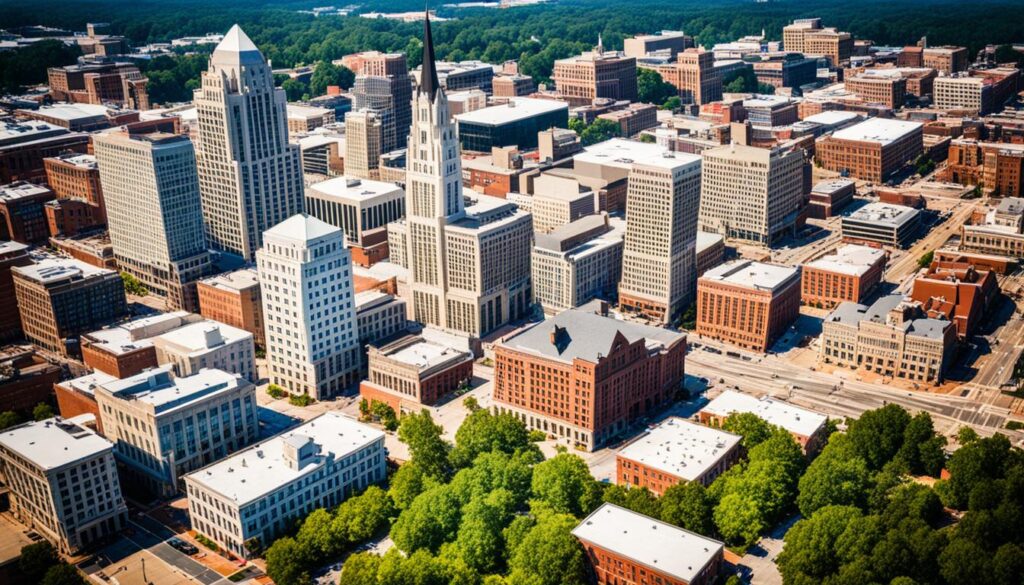
Visiting Raleigh’s historical spots lets you feel the city’s heritage. Every corner has past relics that tell unique stories. They invite everyone to dive into Raleigh’s rich history.
Where are Raleigh’s Top Historical Sites?
Exploring Raleigh’s history means knowing where to go. To answer Where are Raleigh’s top historical sites?, you’ll find many areas full of history. The Downtown Historic District is a key spot, showing off both old and new buildings.
The Historic Oakwood neighborhood is another gem, with beautiful homes from the late 19th century. These places make visiting Raleigh’s history easy and fun.
Getting around Raleigh is easy with buses and rideshares. A local map helps plan your trip to these important spots. This way, you won’t miss out on anything.
Knowing where to go is key to enjoying Raleigh’s history. Visiting these sites will deepen your love for the area’s heritage.

| Neighborhood | Historical Significance | Accessibility |
|---|---|---|
| Downtown Historic District | Blends modern and historic architecture | Public transport available |
| Historic Oakwood | Preserved homes from the 19th century | Walkable, easy access |
| State Capitol District | Center of government and live history events | Accessible via public transport |
Discovering Raleigh’s Historical Landmarks
Raleigh is full of culture and history, with landmarks that remind us of the past. The North Carolina State Capitol is a key Raleigh historical landmark. It’s known for its Greek Revival architecture. Visitors can take free tours to learn about its history.
The Governor’s Mansion is another important spot in Raleigh. It’s known for its beautiful design and gardens. Built in the 1880s, it hosts state events and lets visitors experience North Carolina’s rich political history.
City Market is a special place with its brick walkways and shops. It started in 1914 and is now a place where history and shopping meet. You can see shops that take you back in time, showing what life was like in old Raleigh.

Visiting these places lets you dive into Raleigh’s history. You’ll see beautiful buildings and learn about the city’s culture. Whether you’re walking through government buildings or shopping at a classic market, each place has a story to tell. Make sure to visit these landmarks to experience Raleigh’s historical journey.
The Best Historical Sites in Raleigh
Raleigh is full of history, with many sites and attractions that show its rich past. You can visit places that bring history to life and connect you with the past.
The Museum of History is a top spot. It shares North Carolina’s cultural heritage from the Colonial times to today. With interactive displays, learning about the state’s history is both fun and easy.
Don’t miss the Historic Yates Mill County Park. It’s a preserved mill and park that shows how important milling was in early Carolina life. There are walking trails, exhibits, and tours that tell you more about this important site.
| Site Name | Description | Unique Features |
|---|---|---|
| Museum of History | An informative museum showcasing North Carolina’s cultural heritage. | Interactive exhibits, artifacts, educational programs. |
| Historic Yates Mill County Park | A scenic park with a historic mill reflecting early milling practices. | Guided tours, nature trails, ecological exhibits. |
These spots are just a small part of what Raleigh has to offer. Each place helps you feel connected to the past. Make sure to visit these amazing sites and learn about their history.
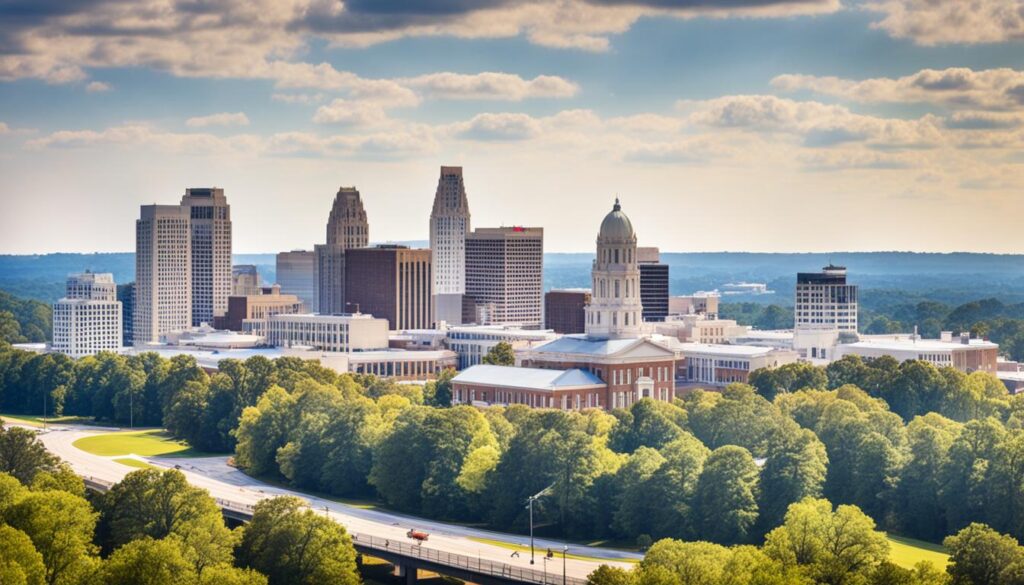
Raleigh Historical Attractions: A Visitor’s Guide
Exploring Raleigh’s history is an adventure filled with historical attractions. These places tell the city’s story and deepen your understanding of its past. Before you go, check the entry fees, hours, and guided tours available.
Many Raleigh historical sites host special events all year. These events can make your visit more meaningful. With themed visits and educational programs, you can pick what interests you most.
Here’s a quick guide to some historical attractions:
| Attraction | Entry Fee | Operating Hours | Guided Tours |
|---|---|---|---|
| North Carolina State Capitol | Free | Mon-Fri: 8:00 AM – 5:00 PM | Available on request |
| Marbles Kids Museum | $8 (Adults), $7 (Children) | Daily: 9:00 AM – 5:00 PM | Scheduled tours |
| North Carolina Museum of History | Free | Tue-Sun: 10:00 AM – 5:00 PM | Regular tours available |
| Historic Oakwood | Donation-based | Varies by event | Occasional guided tours |
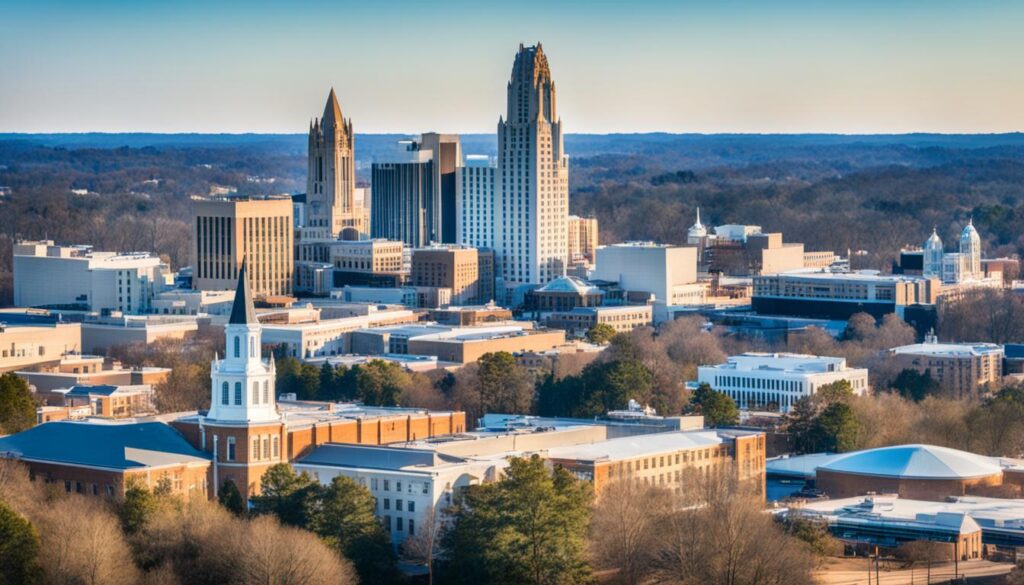
Visiting these sites will be both educational and fun. You’ll get to dive deep into Raleigh’s history. The stories and insights you gain will stay with you long after you leave.
Exploring Historic Places in Raleigh
Raleigh is full of historic places that tell its story. You’ll find both famous and hidden spots that show the area’s history. From museums to parks, each place has something special for visitors.
Notable Locations to Visit
Don’t miss these spots when you visit Raleigh’s landmarks:
- North Carolina Museum of Natural Sciences – This museum has exhibits on the region’s natural history.
- Historic Oakwood – A neighborhood with Victorian homes and gardens showing the city’s architecture.
- State Capitol – A beautiful building with tours about its government history.
- Marbles Kids Museum – Great for kids, it also has historical parts for all to learn and play.
Unique Historical Experiences
There’s more to Raleigh’s history than just visiting places. Look for these special experiences to learn more:
- Experience history at William B. Umstead State Park through reenactments.
- Go on guided tours of hidden spots to hear their stories.
- Enjoy festivals that celebrate Raleigh’s history with food, music, and crafts.

These activities will make your visit memorable and connect you with Raleigh’s history. Exploring both famous and hidden spots will inspire you to dive deeper into this city’s layers.
| Location | Type | Highlights |
|---|---|---|
| North Carolina Museum of Natural Sciences | Museum | Exhibits and interactive displays on natural history |
| Historic Oakwood | Residential Area | Beautiful Victorian architecture and gardens |
| State Capitol | Government Building | Tours highlighting its architectural and political significance |
| Marbles Kids Museum | Children’s Museum | Engaging and educational play experiences |
Raleigh History Sites: A Detailed Overview
Exploring Raleigh’s history sites lets you dive into the stories and events that shaped the city. Each site gives you a peek into the past, showing you what makes Raleigh special. You’ll see how these places mark important historical events and show off architectural styles and social changes over time.
Significance of Each Site
Visiting these Raleigh history sites makes your trip more meaningful. Some top spots include:
- State Capitol: A symbol of government, showcasing intricate architecture and rich political history.
- North Carolina Museum of History: This destination provides vital context about state heritage and its impact on national events.
- Historic Oakwood: Renowned for its Victorian-era homes, this neighborhood represents the evolution of local design preferences.
- Julian Carr’s House: The home of influential figures marking pivotal moments during the Civil War and Reconstruction eras.
Each site is crucial to Raleigh’s story. They help make up a Raleigh historic sites tour, deeply linking you to the city’s history.
Raleigh Historic Sites Tour: What to Expect
Going on a Raleigh historic sites tour is a great way to learn about the city’s past. You can pick from guided tours for a deeper look or self-guided tours for more freedom. Both types take you through Raleigh’s historical highlights.
Themed walking tours make the experience even more interesting. They focus on certain times or important people in Raleigh’s history. It’s a good idea to follow suggested itineraries. They cover must-see spots like the North Carolina State Capitol and the Joel Lane Museum House.
Starting your tour early is a smart move. It lets you see the sights without the crowds and enjoy the stories behind each place. Don’t forget to bring a camera to capture the stunning architecture and beautiful parks you’ll see.