Explore Must-See Attractions in Amman Now
Imagine a city where ancient history meets modern life. Amman, the capital of Jordan, is more than a stop on the way to Petra or the Dead Sea. It’s a place filled with attractions that are a must-see. This guide will show you the city’s hidden gems, from ancient ruins to local flavors.
Many people miss out on Amman’s rich culture and amazing experiences. Whether you love history, food, or adventure, there’s something for you here. Explore Amman and discover a city that’s full of surprises.
Introduction to Amman’s Attractions
Amman is a bustling city in Jordan, home to about 4 million people. It’s a key spot, making up nearly half of Jordan’s population. The city is rich in history, being one of the oldest cities around. It also has a vibrant arts scene, a variety of foods, and a friendly vibe for visitors.
Exploring Amman, you’ll find many attractions that mix old traditions with modern Middle Eastern culture. A two-night stay is a good idea to dive deep into what the city offers. Queen Alia International Airport is about 30 km from downtown, making it easy to get to. Taxi rides cost between 22 to 25 JD. You’ll find many hotels, from cozy boutiques to fancy places to stay.
The King Abdullah I Mosque is a must-see for non-Muslims. It’s a special place to learn about local faiths. Also, check out the street art during the Baladk Street Art Festival in spring. Walking tours show how art and culture blend in the city.
Trying local food, you’ll love the mezze, a mix of small dishes. Places like Hashem Restaurant and Falafel Al-Quds on Rainbow Street are must-visits. Rainbow Street is not just for food; it’s also known for its views and lively cafes.
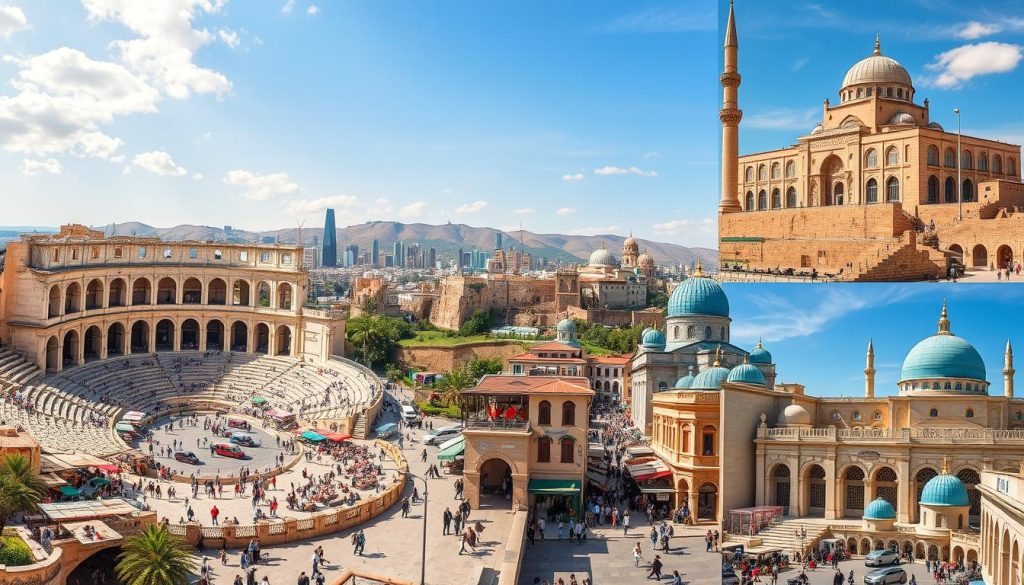
The Citadel: A Historical Gem
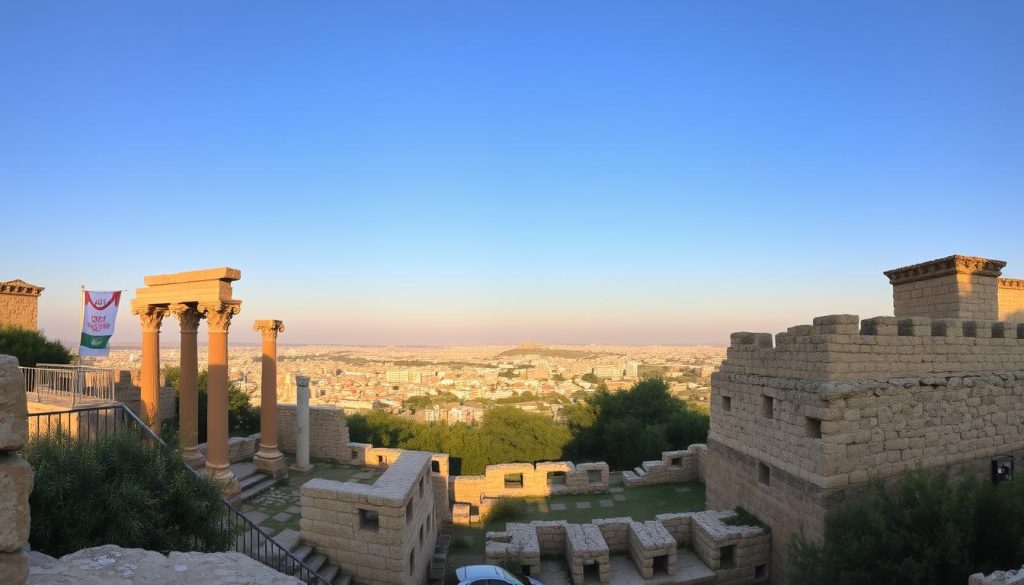
The Citadel in Amman is a key historical site. It sits on Jebel al-Qal’a and has a history over 4,000 years old. It shows how the city changed from the Bronze Age to different empires.
Visitors can see amazing views of Amman. They can also explore old structures that tell stories of past times.
Overview of the Citadel
The Citadel has been important for many cultures. It was first used around 3000 to 2000 BC. It’s a place where many cultures mixed over time.
It’s a top spot for history lovers. They come to learn about Jordan’s rich history.
Significant Structures within the Citadel
There are many important buildings in the Citadel:
- Temple of Hercules: This Roman temple has big columns and shows how Romans worshipped.
- Umayyad Palace: This palace shows early Islamic design. It was used for government and homes.
- Byzantine Church: This church shows early Christianity in the area. Its remains tell us about Byzantine beliefs.
Getting into the Citadel costs 3 JD (about $4 USD) for visitors. It’s open from 8:00 AM to 7:00 PM in summer. In winter, it’s open from 8:00 AM to 4:00 PM.
The nearby Roman Amphitheatre is also worth seeing. It shows Roman architecture and adds to Amman’s history.
Roman Theater: A Step Back in Time
The Roman Theater in Amman is a stunning reminder of the city’s ancient history. Built in the 2nd century AD, it shows off Roman architecture’s brilliance. It could hold up to 6,000 people, showing its grand size and cultural importance.
Historical Importance and Structure
The theater’s design shows the Roman class system. The rulers sat at the bottom, while the military and dignitaries were in the middle. The top was for the common people.
The theater faces north to protect viewers from the sun. It was built between 138-161 AD. It has the typical parts of a Roman theater: the Cavea, Orchestra, and Pulpitum. Restoration in 1957 made it ready for cultural events again.
Events and Cultural Significance
The Roman Theater hosts many events, adding to Amman’s cultural life. The Al-Balad Music Festival is a big hit, featuring local and regional artists. It also had gladiatorial contests back then.
This place is not just for music. It connects visitors with ancient Roman history. You can enjoy history and culture together here.
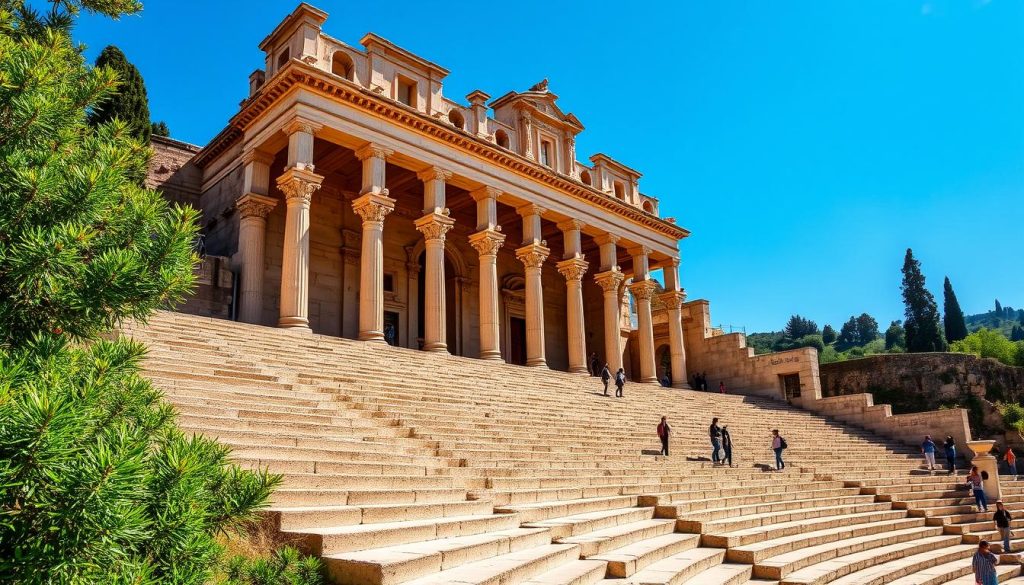
Plan to spend 60 to 90 minutes here. You can see the Roman Theater and nearby museums for 2 Jordanian Dinars. Spring and autumn are the best times to visit, avoiding the summer heat.
Rainbow Street: The Heart of Amman
Rainbow Street is a lively part of Amman, full of activities for everyone. It offers a mix of shopping and dining that shows the city’s spirit. Known for its energy, it’s a key spot for culture and food lovers.
Shopping and Dining Experiences
Rainbow Street is a top spot in Amman, with a variety of shops, cafes, and restaurants. It’s designed for walking, with a flat path perfect for strolls. You can enjoy:
- Iconic food places like Al Quds, famous for falafel since 1966.
- Family-run eateries with traditional and international dishes.
- Sufra, for a true taste of Jordanian hospitality.
- Dessert shops with sweet treats after meals.
Dining in Amman here is special, with flavors from around the world. Nights are lively, with a buzz on Thursdays.
Historical and Cultural Sites Along the Street
Rainbow Street is more than food; it’s a glimpse into history and culture. Cafes serve traditional tea and coffee, showing Jordan’s warm welcome. Summer markets like Souk Jara let you see local crafts and antiques. Scenic spots like Cantaloupe offer views of the Old City.
With its bright colors and lively crowd, Rainbow Street is a favorite for all. Getting there is easy with Uber, connecting you to other landmarks like al-Balad and the Roman theater.
| Category | Examples |
|---|---|
| Dining | Al Quds, Sufra |
| Shopping | Souk Jara |
| Scenic Views | Cantaloupe |
What are the must-see attractions in Amman?
Amman is full of attractions that show its rich history and lively culture. You’ll find sites for all interests. The Amman Citadel offers amazing views and ancient buildings from the Bronze Age.
The Roman Theater is a key part of Amman’s history. It can hold 6,000 people and is well-preserved from nearly 2,000 years ago.
For a glimpse of modern Amman, visit Rainbow Street. It’s filled with cafes, shops, and art galleries, lively on Thursday nights. Don’t miss the Jordan Museum to see the Dead Sea Scrolls and learn about Jordan’s past.
The King Abdullah Mosque is open to everyone and has beautiful architecture. Al Balad, the downtown area, is full of markets like Souk Jara and the Sugar Market. Here, you can find unique art and local foods.
Trying local food is a must. Take a cooking class at Beit Sitti to learn about Jordanian dishes, even vegetarian ones. The Baladk Street Art Festival in April/May is a great way to see Amman’s street art.

| Attraction | Entrance Fee (JD) | Highlights |
|---|---|---|
| Citadel | 3 JD (4.23 USD) | Historical structures, panoramic views |
| Roman Theater | 2 JD (2.83 USD) | Ancient architecture, cultural events |
| King Abdullah Mosque | 2 JD (cash only) | Stunning architecture, open to non-Muslims |
| Jordan Museum | Varies | Dead Sea Scrolls, archaeological exhibits |
| Beit Sitti | Varies | Cooking classes, vegetarian options |
Every trip to Amman reveals new cultural and historical wonders. It’s clear why it’s a top attraction in Amman.
The Jordan Museum: A Window into Jordanian History
The Jordan Museum is a key part of Jordan’s rich history and culture. It opened in 2014 and has become a top spot for visitors in Amman. Inside, you’ll find amazing artifacts from the Neolithic to the Islamic era, showing Jordan’s deep history.
Key Exhibits and Collections
The ‘Ain Ghazal statues are a highlight, dating back to around 7250 BC. They are among the oldest human statues found. The museum offers a deep dive into Jordan’s ancient past, perfect for all ages. You’ll see:
- Artifacts from different times, showing how Jordanian culture has changed.
- The Dead Sea Scrolls, which reveal early religious texts’ importance.
- Interactive exhibits that spark your curiosity.
Visiting Information and Tickets
Guided tours at the museum are a great way to learn more. They provide detailed info on the exhibits. The museum is on Ali Ben Abi Taleb Street, easy to find. Tickets cost 5 JD (about 7 USD) for foreigners.

Remember, the best times to visit Amman are spring (March-May) and autumn (September-November). The weather is mild then. Enjoy exploring Jordan’s history at the Jordan Museum!
Al Balad: The Vibrant Downtown of Amman
Al Balad is the heart of Amman, blending history with modern culture. It has been home since around 6500 BC. Here, you’ll find bustling markets and top-notch dining.
Walking through its streets, you’ll see souks full of spices, textiles, and crafts. It’s a place where history and today’s life meet.
Cultural Markets and Souks
Visiting Al Balad’s markets gives you a peek into local life. The souks are alive with color and energy. Here are some highlights:
- Historical Significance: The Duke Diwan, from 1924, hosts cultural events and exhibits.
- Marketplace Vibe: Shops open from 09:00 or 10:00 and close at 22:00. Fridays are shorter.
- Art and Culture: The Al Balad Music Festival happens twice a year, featuring music and art.
Dining Options in Al Balad
Dining in Al Balad is a top cultural experience in Amman. Places like Hashem Restaurant, open since 1952, serve amazing dishes like falafel and hummus. Here are some highlights:
| Restaurant | Specialty | Location |
|---|---|---|
| Hashem Restaurant | Falafel, Hummus | Al Balad |
| Jabri Restaurant | Baklava | Near Roman Amphitheater |
| Q Restaurant | Camel Burger | Rainbow Street |

Spending 2-3 hours here lets you dive into the local culture. The area’s lively vibe and authentic experiences will captivate you.
King Abdullah Mosque: An Architectural Marvel
The King Abdullah Mosque was finished in 1989. It honors the late King Abdullah I. This mosque is not just a place of worship but also a stunning architectural wonder in Amman. Its blue mosaic dome catches the eye of both locals and tourists.
Design and Features
The King Abdullah Mosque Amman is known for its detailed designs and large size. The main prayer hall can hold up to 7,000 people. The courtyard can welcome another 3,000, showing the mosque’s big role in the community.
The mosque welcomes visitors of all faiths. It’s a chance to see its beauty and learn about Islamic traditions. For just JOD 2 (about $2.80), you can explore a world of history and culture.
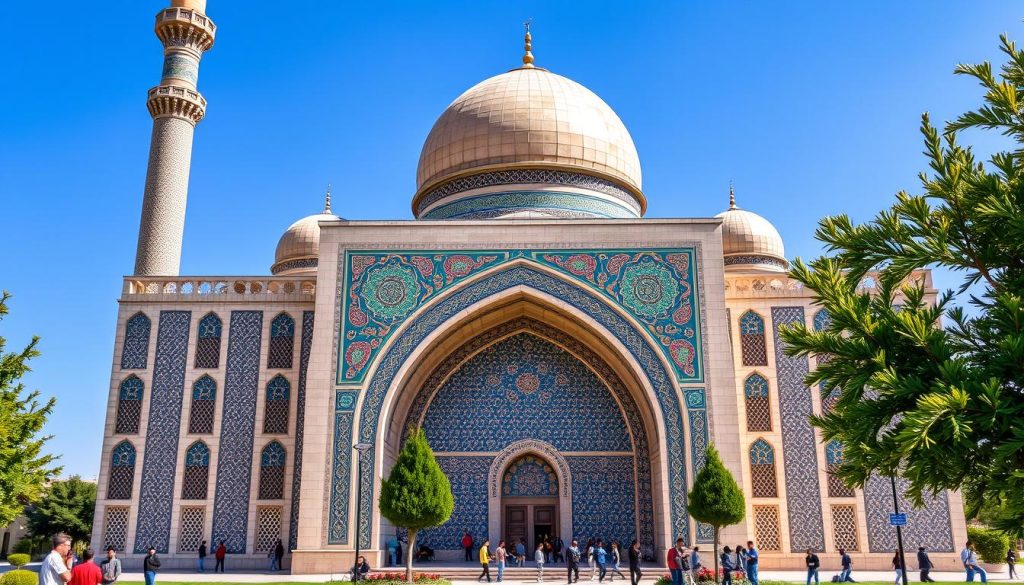
There are many activities to enjoy, like the Photography Workshop. It’s perfect for capturing the mosque’s beauty, best during sunset. You can also try guided meditation, Arabic calligraphy, and Islamic history lectures.
For families, there’s a Children’s Interactive Heritage Tour. It’s fun and educational, teaching kids about different cultures and religions. This makes the King Abdullah Mosque a must-see in Amman.
Royal Automobile Museum: A Unique Collection
The Royal Automobile Museum Amman is a treasure trove of automobile history in Jordan. It houses a stunning collection of vintage cars from the Jordanian royal family. Each car has its own tale, showing how cars and lifestyles have changed over time.
Highlights of the Collection
Some of the most impressive cars include:
- Aston Martin Lagonda (the original model)
- Porsche 959, a masterpiece of engineering
- Ferrari 599 GTB, known for its performance
- Bugatti Veyron 16.4, an early red and black version
- A one-off car resembling a giant Lotus Seven, showcasing a classic 30s/40s look
- Rolls-Royce Phantom IV, one of only 13 ever made
- Silver 1950s Mercedes 300 SL Gullwing, a true symbol of luxury
The collection shows a big change in car design over the years. Cars from the 30s and 40s were made for the aristocracy. This is something to see when you visit. Some might notice there’s no BMW classic models in the collection.
Visitor Information and Tours
The museum is at Al Hussein Park, making it easy to visit. The museum is small, but take your time to enjoy each car’s story. Guided tours are available for those who want to learn more about automobile history in Jordan and the collection’s importance.

Day Trips from Amman: Jerash and Beyond
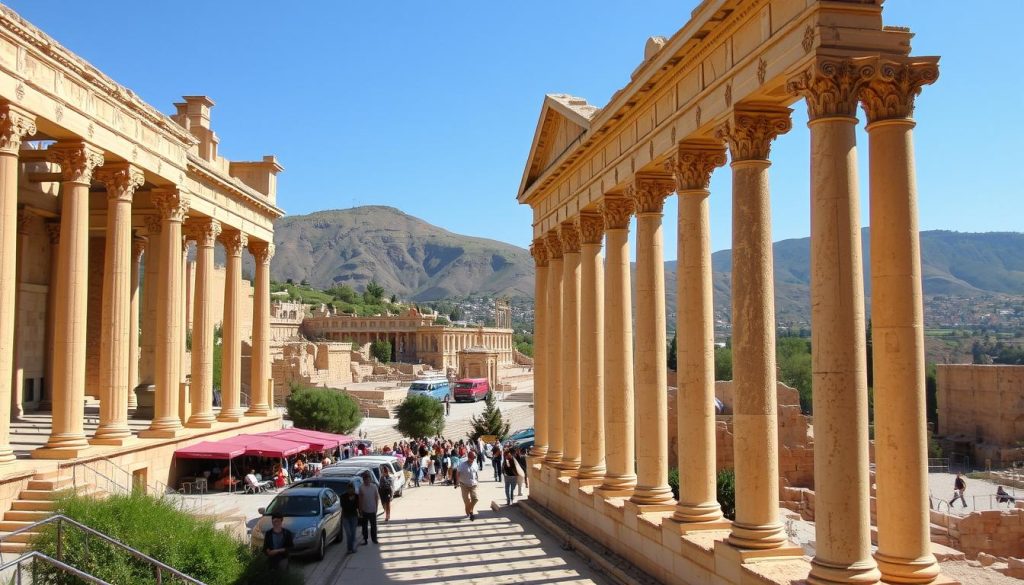
Planning your adventure in Jordan? Think about day trips from Amman. They show off the area’s rich history and beautiful landscapes. Jerash is a must-see, known for its well-preserved Roman ruins.
Just 30 miles from Amman, Jerash offers a unique look into the past. You’ll see impressive streets, theaters, and temples. It’s a trip you won’t forget.
Exploring the Ancient Ruins of Jerash
Visiting Jerash means exploring the Hippodrome, where chariot races were once held. It could hold up to 15,000 spectators before COVID. You’ll also see the Hadrian’s Arch and the Temples of Artemis.
Local guides are there to share the history of these sites. They add depth to your visit.
Tips for Planning Your Day Trip
For a better experience, visit Jerash early in the morning. This way, you avoid the crowds that come later. Also, check the weather before you go. It can affect your visit to outdoor sites.
If you have time, consider visiting Umm Qais or Mount Nebo. They offer different views of Jordan’s history and nature.
Modern Attractions: The Evolving City of Amman
Amman is a unique mix of old and new, with attractions for everyone. The city keeps getting better, making it a lively place for visitors. You’ll find cool cultural spots, places to shop, and fun areas to hang out.
Upcoming Attractions and Developments
Amman is always changing, with new things to see and do. Here are some highlights:
- Art Galleries: New art galleries are popping up, featuring local and international artists. They’re great for checking out modern art and meeting the local art community.
- Shopping Destinations: Places like Abdali Mall offer lots of shopping, food, and fun. They have something for everyone, from old favorites to new trends.
- Leisure Parks: New parks are coming, with outdoor fun and quiet spots. They’re perfect for families and anyone who loves nature and wants to get away from the city noise.
As Amman grows, it keeps its old charm while adding new things. These attractions will make your visit unforgettable. Seeing the city’s mix of old and new will really show you what makes it special.
Conclusion
Thinking about your next adventure? Explore Amman’s attractions, where history meets modernity. The Roman Theater, built around 140 CE, and the Citadel are just the start. Each site tells a piece of Jordan’s story.
Amman’s diversity means there’s something for everyone. Whether you love ancient ruins or modern food, you’ll find it here. It’s a city that captivates all who visit.
Plan to stay for two to five days to fully experience Amman. Use the Jordanian Dinar for shopping, and taxis or apps for getting around. Enjoy local food in Al Balad or see the city from the Citadel. Amman is a place you won’t want to miss.
Amman’s attractions, from the Grand Husseini Mosque to lively markets, offer a peek into its culture. This safe city is full of stories and experiences. Get ready to make memories in Amman!