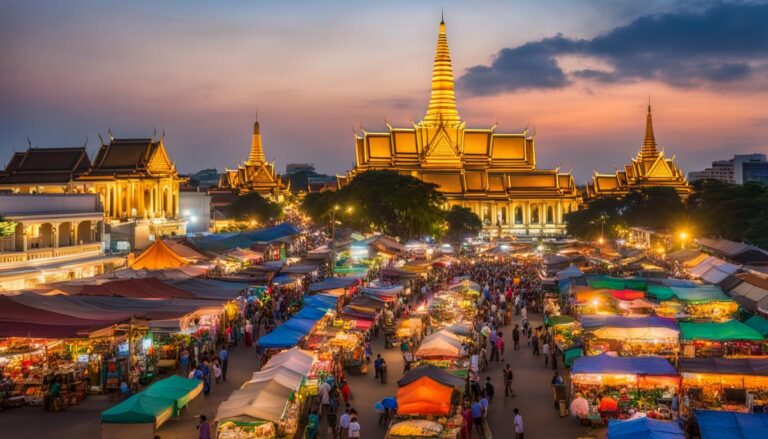
Explore Korea: Top 10 Things to Do in Gyeongju
Discover the enchanting city of Gyeongju in South Korea, known for its rich history and cultural heritage. Immerse yourself in unforgettable experiences as you explore the top Gyeongju attractions, historical sites, and outdoor activities of this UNESCO World Heritage city.
Explore the must-visit spots of Gyeongju, from the ancient temples and historical sites to the traditional villages and outdoor activities. Gyeongju sightseeing offers a remarkable blend of history, culture, and natural beauty, making it a perfect destination for travelers seeking unique cultural experiences.
While in Gyeongju, immerse yourself in the city’s historical sites, such as the Gyeongju National Museum, which houses a vast collection of artifacts that showcase the city’s ancient past. Experience the serenity of Bulguksa Temple, one of Korea’s most iconic Buddhist temples, or journey to the Seokguram Grotto, a magnificent rock-cut temple located on Mount Toham.
For those seeking outdoor activities, take a hike at Mount Namsan, which offers various trails that lead to stunning viewpoints and ancient Buddhist temples. And don’t forget to visit the world’s oldest astronomical observatory, Cheomseongdae, during your Gyeongju sightseeing.
Experience the traditional village life at Gyeongju Gyochon Traditional Village and indulge in traditional Korean cuisine at one of the village’s restaurants for a complete cultural experience.
Plan your trip with this comprehensive Gyeongju travel guide and create unforgettable memories in South Korea’s captivating city.
Gyeongju National Museum
As you begin your sightseeing journey in Gyeongju, a visit to the Gyeongju National Museum is a must. This museum is one of the most extensive repositories of Korean art and artifacts, showcasing a wealth of objects from the Silla Dynasty, one of the most powerful dynasties in Korean history. It is one of the top attractions in Gyeongju and offers a glimpse into the city’s rich cultural heritage.
The museum is well organized, with exhibits covering various aspects of Silla culture including history, religion, art, and crafts. You can explore the galleries and learn about Silla’s political, economic, and social life as well as its trade relations with other countries. The museum also houses a significant collection of Buddhist art, including statues, paintings, and relics.
One of the highlights of the museum is the Cheomseongdae Observatory display, showcasing the world’s oldest astronomical observatory built during the Silla Dynasty. You can learn about the essential role this structure played in studying the stars and marking important celestial events.
If you are a history enthusiast, this museum is a must-visit spot in Gyeongju. You can easily spend several hours here exploring the exhibits and learning about Korea’s ancient past. Admission is free, and audio guides are available in various languages for a small fee.
Opening Hours:
- March – October: 9:00 AM – 6:00 PM
- November – February: 9:00 AM – 5:00 PM
- Closed on Mondays and January 1st
Admission:
- Free admission
- Audio guide: KRW 2,000 (~$2)
Gyeongju Cultural Experience: Bulguksa Temple
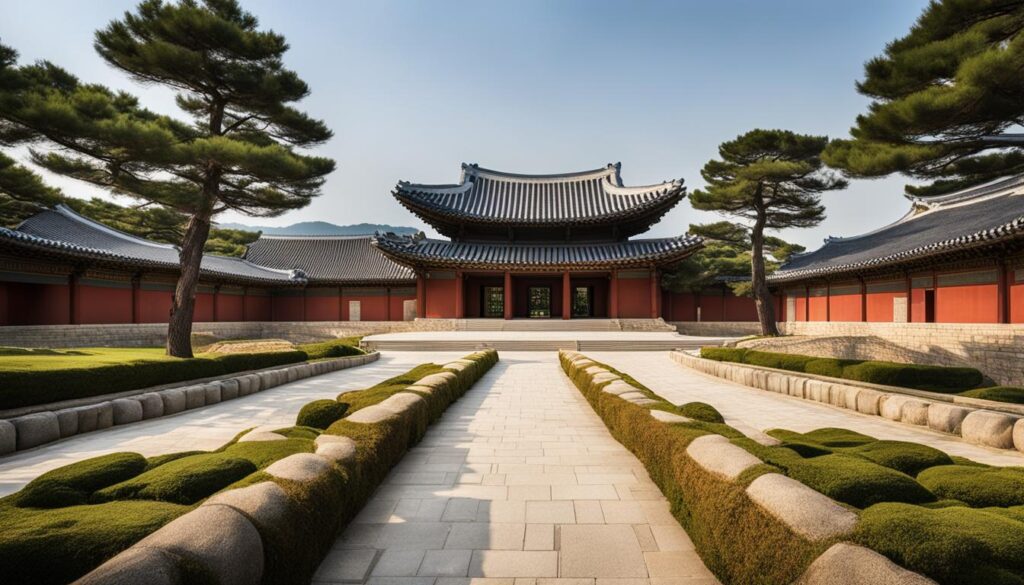
When visiting Gyeongju, a cultural experience is a must. And what better way to immerse yourself in Korean culture than by visiting Bulguksa Temple, one of the most iconic Buddhist temples in Korea. Located about 15 kilometers southeast of Gyeongju, Bulguksa Temple is a UNESCO World Heritage Site and a popular destination for both locals and tourists.
Founded in 528 AD, the Bulguksa Temple was destroyed several times and later restored to its current state in the 18th century. The temple complex features intricate architecture and art that has been preserved for centuries. The temple is a symbol of the Silla Dynasty’s golden age and represents the pinnacle of Korean Buddhist art and architecture.
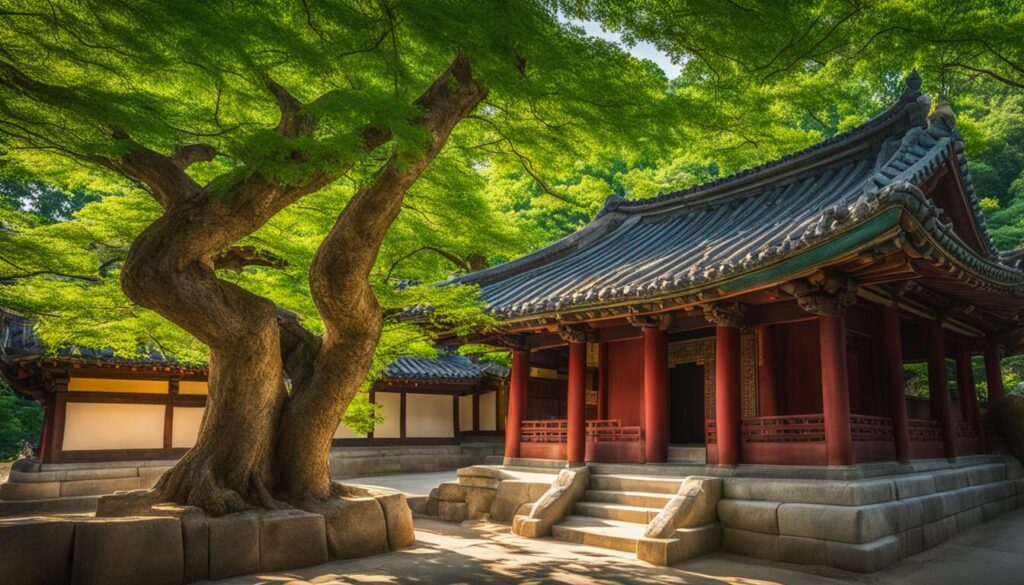
During your visit to Bulguksa Temple, make sure to check out the main hall, called the Daeungjeon. This building houses several statues of Buddha, including the Seokgamoni Buddha. The Birojeon, or Vairocana Buddha Hall, is another beautiful building that houses a statue of Vairocana Buddha.
Also, explore the rest of the temple complex to fully appreciate the beauty and history of this cultural gem. Take a peaceful stroll through the gardens and reflect on your experience at a temple that has stood the test of time.
Bulguksa Temple Hours and Admission Fees
| Admission Fees | Hours |
|---|---|
| Adults – KRW 5,000 | March to October: 6:00 am to 6:00 pm |
| Children – KRW 3,000 | November to February: 6:30 am to 5:30 pm |
Make sure to check the official website for updated information on ticket prices and hours of operation.
Visiting Bulguksa Temple is not just a sightseeing experience, but also a cultural journey that will leave you feeling inspired and enlightened.
Seokguram Grotto
Continue your sightseeing adventure in Gyeongju by visiting the Seokguram Grotto, another must-see historical site. The grotto is located on Mount Toham, surrounded by breathtaking views of the city’s landscape.
Seokguram Grotto is famous for its magnificent Buddha statue, considered a masterpiece of Buddhist art. The statue is housed within a small chamber in the center of the grotto and is a masterpiece of engineering and artistry.
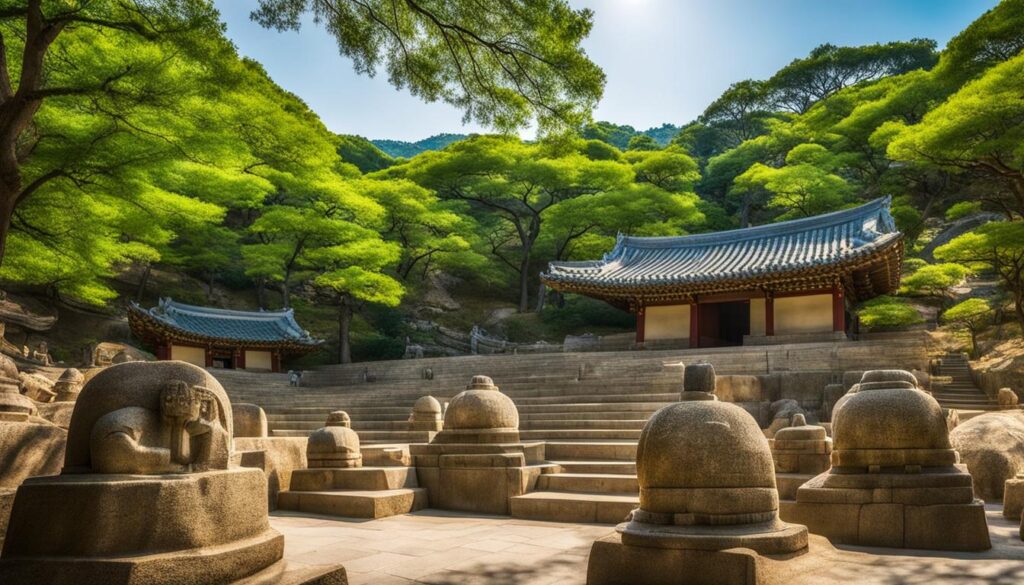
The construction of the grotto dates back to the 8th century during the Silla dynasty, and it is now a revered UNESCO World Heritage site worth visiting. The site has undergone several restorations over the years, but its original beauty and charm remain intact.
As you explore this fascinating site, take a moment to marvel at the intricate details and architectural design of the Seokguram Grotto. Don’t forget to capture the stunning panoramic views of Gyeongju from the mountaintop.
Gyeongju Attractions: Discover the Cheomseongdae Observatory
One of the top Gyeongju historical sites to add to your itinerary is the Cheomseongdae Observatory, a fascinating ancient structure built during the Silla dynasty. As the world’s oldest astronomical observatory, Cheomseongdae served as a vital tool for studying the stars and marking important celestial events. The name Cheomseongdae means “star gazing tower,” and it is a testament to the sophistication and ingenuity of the Silla dynasty.
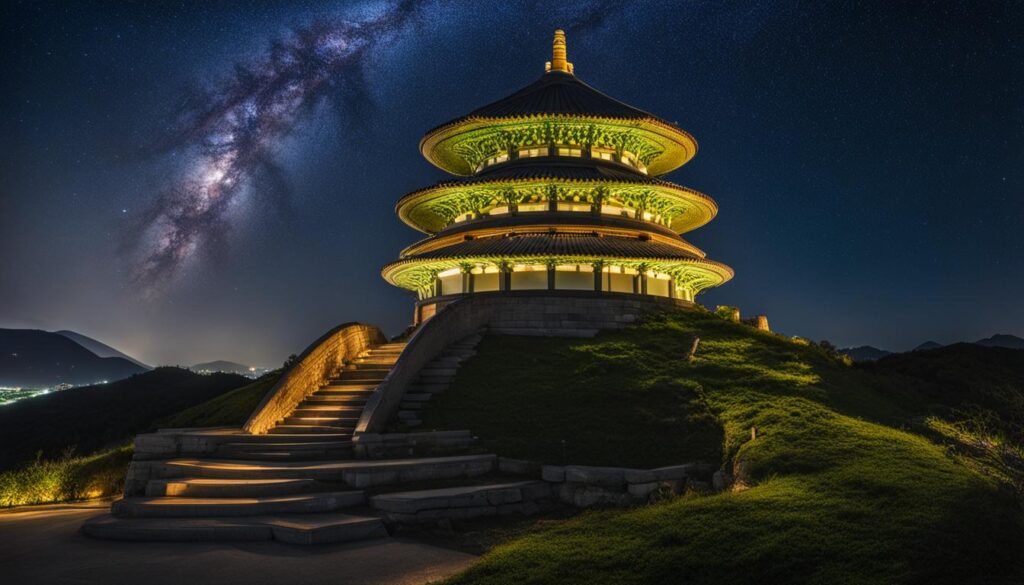
Constructed of 362 pieces of granite, Cheomseongdae was designed with 27 layers of stones to signify the 27 different constellations of the traditional Korean calendar. The structure stands at 9.4 meters high and has a diameter of 5.7 meters, making it an impressive sight to behold.
As you explore Cheomseongdae, take note of the intricate details of the structure, such as the small square windows and decorative patterns carved into the granite stones. Climb to the top of the observatory and enjoy a panoramic view of Gyeongju’s landscape.
Don’t miss the opportunity to experience a fascinating piece of history and add Cheomseongdae Observatory to your Gyeongju sightseeing itinerary.
Gyeongju Attractions: Anapji Pond, a Tranquil Haven
When visiting Gyeongju, make sure to add Anapji Pond to your list of must-see attractions. This historic artificial pond was created in the 7th century during the reign of the Silla dynasty and was used as a royal garden. The pond has an oval shape and is surrounded by three pavilions, reflecting the architectural style of the time.
Take a leisurely stroll along the pathways that surround the pond and enjoy the tranquil atmosphere. The reflection of the pavilions and nearby trees on the calm waters creates a peaceful and serene environment. Visit in the evening to see the pond beautifully lit up, making it an even more enchanting experience.
Anapji Pond is located within walking distance of other Gyeongju historical sites, such as the Gyeongju National Museum and Cheomseongdae Observatory. Plan your sightseeing route accordingly to ensure you can visit all the top attractions in one day.
Yangdong Village
Step back in time and experience the traditional way of life at Yangdong Village. This UNESCO World Heritage village showcases the architectural and cultural heritage of the Joseon dynasty. Wander through the narrow alleyways and visit traditional homes to immerse yourself in the village’s charm. Yangdong Village is one of the most popular Gyeongju attractions, offering a glimpse into the past and a chance to experience the locals’ way of life. You can also participate in traditional cultural experiences, such as making paper or pottery, or trying on traditional Korean clothes.
The village features well-preserved hanok houses, representing the architectural style of the Joseon period. These houses are made of natural materials like wood, clay, and stone and often feature graceful curves and beautiful eaves. Yangdong Village is also home to many cultural treasures, such as Seowon, traditional Confucian academies, and ancestral tablets.
To fully appreciate the cultural significance of this village, consider joining a guided tour with a knowledgeable local guide who can provide historical and cultural context. That way, you can gain deeper insight into the village’s importance and enjoy a more holistic experience of Gyeongju sightseeing.
Gyeongju Outdoor Activities: Hiking and Exploring Mount Namsan
If you’re looking for an outdoor adventure in Gyeongju, Mount Namsan is the place to be. This scenic mountain offers various hiking trails that lead to stunning viewpoints and ancient Buddhist temples. The most popular route is the Baek-un-dae trail, which takes about two hours to complete. The trail is steep and challenging, but the breathtaking views of Gyeongju’s landscape make it all worthwhile.
As you make your way up the mountain, you’ll come across various Buddhist sculptures and ruins, including Seokbinggo and the Seokgatap pagoda. Seokbinggo is a cave built to store ice during the summer months, while Seokgatap is a stone pagoda that stands at almost 5 meters tall. These ancient structures serve as a reminder of Gyeongju’s rich history and cultural heritage.
Once you reach the summit of Mount Namsan, you’ll be rewarded with panoramic views of the surrounding valley and the East Sea in the distance. Take a moment to relax and soak in the stunning scenery before making your way back down the mountain.
Trail Information
| Trail Name | Difficulty | Distance | Time |
|---|---|---|---|
| Baek-un-dae Trail | Challenging | 3.5 km | 2-3 hours |
| Jinhyeonggul Cave Trail | Moderate | 2.5 km | 1 hour |
| Yeongdeok-gil Trail | Easy | 2 km | 30 minutes |
Make sure to dress appropriately for your hike and bring plenty of water and snacks. It’s also recommended to bring a map or download a hiking app to help navigate the trails.
With its stunning natural beauty and historical significance, Mount Namsan is a must-visit destination for outdoor enthusiasts and history buffs alike.
Gyeongju Gyochon Traditional Village
Immerse yourself in the traditional Korean way of life at Gyeongju Gyochon Traditional Village, one of the most popular Gyeongju attractions. This cultural gem offers a glimpse into the daily life of Korean ancestors, showcasing well-preserved hanok houses, traditional crafts, and customs.
Wander through the narrow alleyways and admire the stunning architecture of the houses, which are made of natural materials such as wood, clay, and stone. The village offers a peaceful retreat from the bustling city, allowing you to connect with nature and experience the serene beauty of Gyeongju.
Visit one of the village’s numerous restaurants to indulge in traditional Korean cuisine, such as bibimbap, bulgogi, and kimchi. You can even participate in a cooking class to learn how to make these mouthwatering dishes yourself.
Don’t miss the opportunity to explore this Gyeongju cultural experience and gain a deeper understanding of Korean history and traditions.
Conclusion
If you’re planning a trip to South Korea, you cannot miss the enchanting city of Gyeongju. This city is a treasure trove of history, culture, and natural beauty. From exploring ancient temples and historical sites to experiencing traditional village life, Gyeongju has something for everyone to enjoy.
This comprehensive Gyeongju travel guide covers the top 10 must-visit spots, including the Gyeongju National Museum, Bulguksa Temple, Seokguram Grotto, Cheomseongdae Observatory, Anapji Pond, Yangdong Village, Mount Namsan, and Gyeongju Gyochon Traditional Village. Each of these attractions offers a unique and unforgettable experience.
Make the most out of your trip to Gyeongju by planning ahead with this guide. Remember to pack comfortable shoes for all the walking and hiking you’ll be doing. Immerse yourself in the city’s history, culture, and natural beauty as you create unforgettable memories. Happy travels!