Explore Egypt: Top 10 Things to Do in Luxor
Welcome to Luxor, a city that truly embodies the magic of ancient Egypt. With its rich cultural heritage and breathtaking sights, this city is a must-visit destination for anyone looking to experience the wonders of the world. Whether you are a history buff, an adventure seeker, or simply seeking a relaxing getaway, Luxor offers a unique blend of attractions and experiences.
From exploring historical landmarks to experiencing local culture, there are countless Luxor attractions to explore. As a tourist, you’ll find yourself absolutely spoilt for choice with Top 10 Things to Do in Luxor. This Luxor travel guide will provide you with a glimpse of Luxor tourist spots, Luxor sightseeing, Luxor points of interest, Luxor historical landmarks, Luxor must-see sites, and Luxor bucket list experiences that you simply can’t miss out on.
So, what are you waiting for? Let’s dive into the Top 10 Things to Do in Luxor and start planning your unforgettable trip today!
Visit the Luxor Temple
When you’re looking for Luxor attractions, the Luxor Temple is a must-see site.
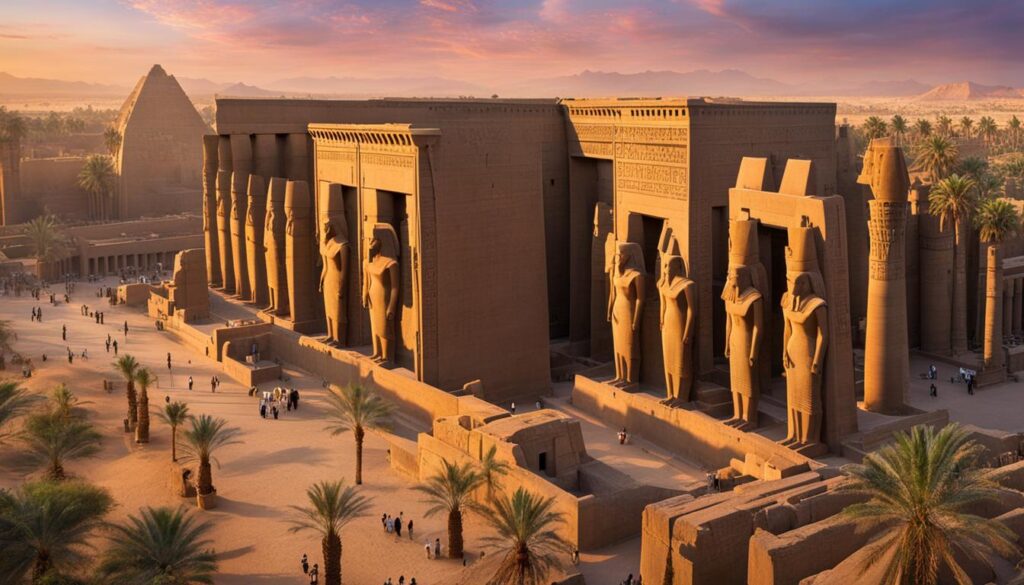
The Luxor Temple is one of the most impressive Luxor historical landmarks and is dedicated to the Theban Triad of the god Amun, his wife Mut, and their son Khonsu.
This magnificent temple complex is an architectural wonder that dates back to the 14th century BC. It features towering statues, intricate hieroglyphics, and majestic columns that will leave you in awe.
One of the most iconic features of the Luxor Temple is the Avenue of Sphinxes, a mile-long road lined with sphinx statues that once connected the Luxor and Karnak Temples.
Don’t forget to check out the obelisk of Ramses II in the courtyard, which stands at an impressive 82 feet tall.
Visiting the Luxor Temple: Practical Information
- Location: Luxor City, on the east bank of the Nile River.
- Opening hours: Daily from 6:00 am to 9:00 pm.
- Admission fee: Approximately $16 per person.
When visiting the Luxor Temple, it’s important to dress modestly and wear comfortable shoes since there’s a lot of walking involved. You’ll also want to bring water and sunscreen, as the Egyptian sun can be intense.
Discover the Valley of the Kings
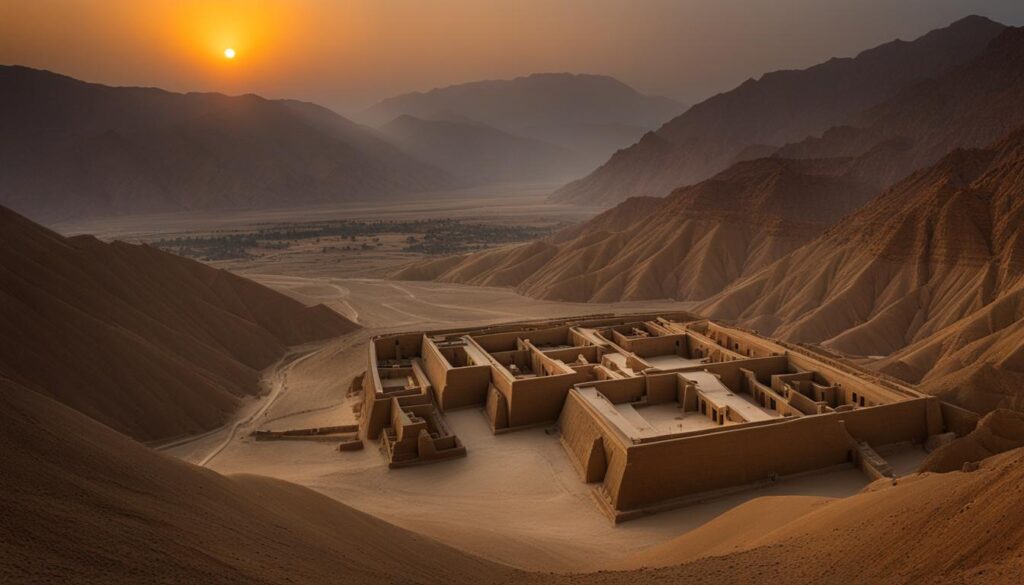
The Valley of the Kings is one of the most iconic attractions in Luxor, Egypt. Located on the west bank of the Nile River, this sprawling burial ground served as the final resting place for many pharaohs of the New Kingdom era. Today, the Valley of the Kings is a must-see site for history buffs and tourists alike.
History and Architecture
The Valley of the Kings was used to bury pharaohs and nobles from the 18th to the 20th dynasty. The site was chosen for its secluded location, making it difficult for tomb robbers to discover and loot the tombs.
The tomb complexes in the Valley of the Kings are renowned for their intricate decoration and architecture. Each tomb was designed to serve as a palace for the pharaoh in the afterlife, complete with elaborate paintings and carvings that depicted life in ancient Egypt.
Must-See Tombs
| Tomb | Description |
|---|---|
| Tutankhamun | The tomb of the famous boy king Tutankhamun was discovered in 1922 by Howard Carter. It is one of the most well-preserved tombs in the Valley of the Kings, and visitors can see many of the pharaoh’s personal belongings, including his golden mask. |
| Ramses III | The tomb of Ramses III features stunning paintings and reliefs that depict the pharaoh’s accomplishments and victories in battle. Visitors can also see the mummy of the pharaoh, which was discovered in the tomb. |
| Merenptah | The tomb of Merenptah is notable for its extensive decoration and the intricate carvings that depict various gods and goddesses. Visitors can also see the sarcophagus of the pharaoh, which is made of red quartzite. |
Planning Your Visit
If you’re planning a trip to Luxor, make sure to include a visit to the Valley of the Kings on your itinerary. The site is open daily from 6:00am to 4:00pm, and tickets cost EGP 240 per person.
- Wear comfortable shoes, as the site involves a lot of walking and climbing stairs.
- Bring sunscreen, a hat, and plenty of water to stay hydrated in the desert heat.
- Consider hiring a guide to help you navigate the site and learn more about the history and architecture of the tombs.
“The Valley of the Kings is a testament to the incredible skill and craftsmanship of ancient Egyptian artisans, and a must-see for anyone interested in the history and culture of Egypt.”
Explore the Karnak Temple Complex
Prepare to be amazed by the Karnak Temple Complex, one of the most remarkable Luxor attractions and a must-see site for any history enthusiast. This temple was once the center of ancient Egypt’s religious life and is a true testament to the grandeur of this civilization. The complex covers over 200 acres and is composed of three main temples.
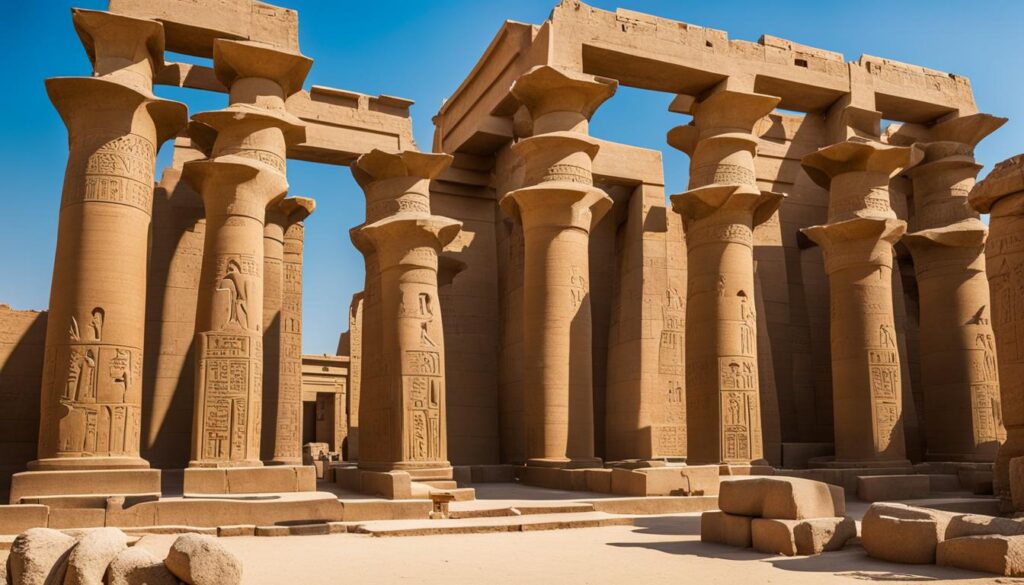
The most impressive part of the complex is the Great Temple of Amun. This temple is famous for its massive columns, which are the largest ever made in ancient times. These columns are intricately decorated with carvings of pharaohs, gods, and other important figures from Egyptian mythology.
An extraordinary feature of the Karnak Temple Complex is the Hypostyle Hall, which boasts 134 massive columns and a ceiling soaring over 80 feet high. The intricate hieroglyphics and reliefs on the columns depict significant events and rituals from the time of the pharaohs.
The Karnak Temple Complex also hosts the Sound and Light Show, a mesmerizing experience where the temple is illuminated by a spectacular light show accompanied by narration about the temple’s history and significance.
“The Karnak Temple Complex is one of the most extraordinary temple sites in all of Egypt.” – National Geographic
To make the most out of your visit to the Karnak Temple Complex, consider hiring a knowledgeable tour guide who can offer invaluable insight and context into this magnificent historical landmark.
Don’t miss out on this unforgettable Luxor attraction. Visit the Karnak Temple Complex and immerse yourself in the awe-inspiring history and culture of ancient Egypt.
Explore the Nile River: A Luxor Must-Do
When in Luxor, cruising along the Nile River is a bucket list experience you won’t want to miss. As one of the world’s most famous waterways, the Nile River played an important role in ancient Egyptian culture and remains a vital part of modern-day Egypt.
Your Luxor travel guide would not be complete without a Nile River adventure. Sailing along the river, you can take in the stunning scenery and picturesque views that surround the city. From the lush greenery of the riverbanks to the awe-inspiring temples that line the water’s edge, there’s no shortage of Luxor attractions to admire from the comfort of your boat.
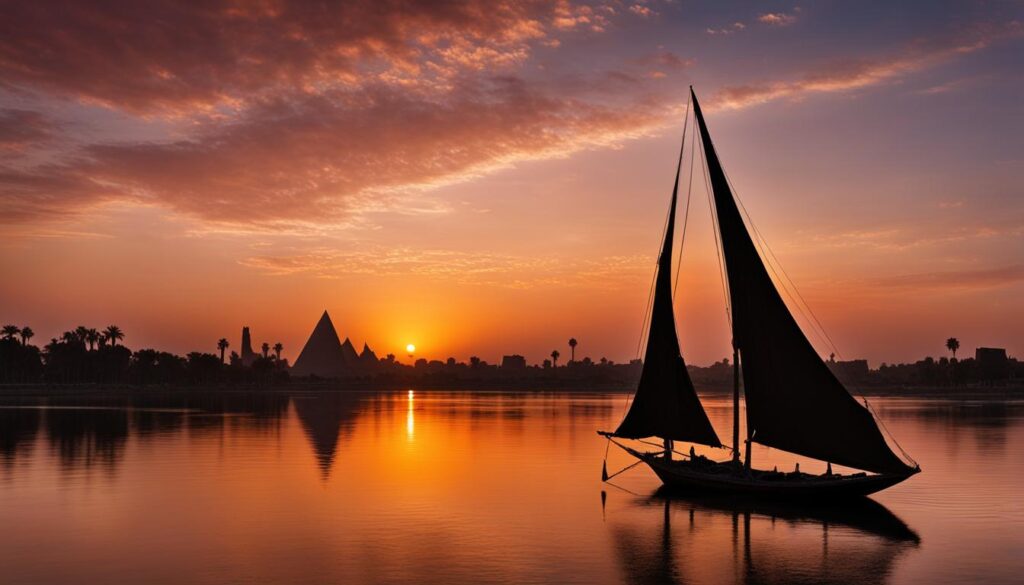
For those looking to add some excitement to their Luxor sightseeing, consider taking a felucca ride, a traditional wooden sailboat used along the Nile River for centuries. These small boats can be rented for a few hours or an entire day, giving you the freedom to explore the river at your own pace.
What to Expect on Your Nile River Cruise
Most Nile River cruises depart from Luxor and travel south to Aswan or north to Cairo. The duration of the cruise can vary from a few hours to several days, depending on your itinerary and preferences.
| Duration: | From a few hours to several days |
|---|---|
| Price Range: | Starting from $20 USD per person for a short sail to $1,000 USD per person or more for luxury multi-day cruises. |
| What’s Included: | Most Nile River cruises include meals, accommodations, and guided tours of Luxor attractions and other sites along the river. |
| What to Bring: | Sunscreen, sunglasses, a hat, comfortable clothing, and a camera to capture all the unforgettable moments. |
Whether you’re looking to relax and unwind or seeking an adventure, a Nile River cruise should definitely be on your Luxor bucket list. So, book your trip today and get ready to explore the beauty of the Nile River.
Visit the Colossi of Memnon
One of the most popular Luxor attractions is the Colossi of Memnon, two massive statues that once guarded the entrance of a now-vanished temple. These towering statues are not only impressive in size, standing at around 60 feet tall, but also hold great historical significance. Carved out of single blocks of stone, the statues depict Pharaoh Amenhotep III seated on his throne, gazing out at the sunrise.
According to ancient Greek mythology, the statues were said to sing at dawn, a phenomenon that was later explained as the result of wind passing through the stone. Nevertheless, the Colossi of Memnon remain a popular tourist destination and a must-see site for anyone visiting Luxor.
“The Colossi of Memnon stand as a testament to the grandeur of ancient Egyptian civilization.”
Step Back in Time at the Luxor Museum
If you’re interested in delving deeper into the fascinating world of ancient Egypt, the Luxor Museum should be at the top of your list of Luxor attractions to visit. This museum is home to an impressive collection of artifacts that showcases the rich cultural heritage of the region.
The Luxor Museum is conveniently located near the Luxor Temple, making it easy to include in your itinerary. Once inside, you’ll be transported back in time as you explore the exhibits and learn about the lives of the ancient Egyptians. From statues of pharaohs to intricately crafted jewelry, the Luxor Museum has something to fascinate visitors of all ages.
One highlight of the Luxor Museum is the mummy room, which houses several well-preserved mummies along with their sarcophagi. The intricate details and delicate preservation of these mummies are truly remarkable and provide a unique glimpse into ancient burial practices.
“The Luxor Museum is a must-visit for anyone interested in ancient Egyptian history and culture. The exhibits are well-curated, and the mummy room is particularly stunning. It’s definitely worth a visit!” – TripAdvisor Review
Make sure to set aside enough time to explore the Luxor Museum thoroughly. The exhibits are arranged in chronological order, giving you a sense of how Egyptian art and culture evolved over time. Don’t rush through the exhibits and take the time to appreciate the intricate details and craftsmanship on display.
Visiting the Luxor Museum is an excellent way to gain insights into Luxor’s rich history and cultural heritage. Whether you’re an avid history buff or simply looking for an educational activity to add to your itinerary, the Luxor Museum is definitely worth a visit.
Explore the Temple of Hatshepsut
One of the most impressive landmarks in Luxor is the Temple of Hatshepsut. Located on the west bank of the Nile River, this temple is a stunning example of ancient Egyptian architecture and design. Built over 3500 years ago, it remains one of the best-preserved pharaonic temples in the country.
The temple was erected to honor Queen Hatshepsut, one of Egypt’s most powerful female rulers, and features a unique design that integrates the natural landscape into its construction. The temple’s terraces, courts, and colonnades merge effortlessly with the towering cliffs behind, creating an awe-inspiring visual display.
Explore the temple’s three terraces, which are connected by long ramps, and take in the intricate reliefs that adorn the walls. These reliefs depict scenes from Hatshepsut’s life, including her divine birth, her reign as pharaoh, and her journey to the land of Punt, an ancient trading partner.
One of the most striking features of the Temple of Hatshepsut is its striking color scheme. The walls were once painted in bright hues of red, blue, and green, creating a vivid contrast against the desert landscape. Although much of the paint has faded over time, some of the colors are still visible, adding to the temple’s allure.
If you’re planning a trip to Luxor, the Temple of Hatshepsut is a must-see site. Make sure to include it in your itinerary and immerse yourself in the rich history and culture of ancient Egypt.
Discover the Luxor West Bank
When you’re exploring the city of Luxor, don’t forget to take a trip across the Nile River to the Luxor West Bank. This area is home to some of the most breathtaking historical landmarks in Egypt, including the Mortuary Temple of Ramesses III and the Valley of the Queens.
One of the highlights of the Luxor West Bank is the Valley of the Kings. This expansive burial ground is home to the ancient tombs of pharaohs and their consorts, including the famous tomb of Tutankhamun. As you explore the valley, marvel at the intricate hieroglyphics and intricate designs that adorn the tombs.
Another must-see site in the Luxor West Bank is the Mortuary Temple of Hatshepsut. This grand temple, dedicated to one of Egypt’s most powerful female pharaohs, is a masterpiece of ancient architecture. Admire the temple’s unique design and the intricate reliefs that tell the story of Queen Hatshepsut’s life and reign.
Other historical landmarks worth visiting on the Luxor West Bank include the Medinet Habu temple complex, the tombs of the Nobles, and the Ramesseum. Each site offers a unique glimpse into Egypt’s fascinating history and culture.
No trip to Luxor is complete without a visit to the Luxor West Bank. With its stunning architectural wonders and well-preserved tombs, this area offers a truly immersive and unforgettable experience.
Conclusion
Now that you have explored the top 10 things to do and see in Luxor, it’s time to start planning your trip. Whether you’re interested in history, culture, or adventure, Luxor has something for everyone.
Step Back in Time
Explore the Karnak Temple Complex and Luxor Temple to witness the grandeur of ancient Egypt. Discover the Valley of the Kings and the tombs of pharaohs, including Tutankhamun’s, and learn about their captivating stories.
Relaxation and Adventure
Cruise along the Nile River to witness the stunning beauty of Luxor. Visit quaint riverside villages and immerse yourself in the tranquil ambiance of this majestic river. Or venture across the Nile to the Luxor West Bank and explore a wealth of historical sites, including the Mortuary Temple of Ramesses III and the Valley of the Queens.
Architectural Wonders
Marvel at the Colossi of Memnon, two massive statues that once guarded the entrance of a now-vanished temple. Step back in time at the Luxor Museum, which houses a vast collection of artifacts, including statues, jewelry, and mummies. Explore the unique design and cliffside location of the Temple of Hatshepsut.
Luxor is a city steeped in history, offering a captivating blend of ancient wonders and modern charm. So, start planning your trip and get ready to embark on an unforgettable journey through the mystique of Egypt.