Explore Attractions Beyond Forbidden City & Great Wall
If you’re planning a trip to Beijing, chances are you have already added the Forbidden City and Great Wall to your itinerary. However, the city has so much more to offer beyond these iconic landmarks. Don’t miss out on the must-see attractions beyond Forbidden City and Great Wall that showcase Beijing’s cultural and historical heritage.
From the tranquil Summer Palace to the artistic hub of 798 Art District, Beijing offers a plethora of options for those looking to explore beyond the typical tourist spots. Get ready to discover hidden gems that will leave you in awe. Let’s explore the top attractions in Beijing beyond Forbidden City and Great Wall together.
The Temple of Heaven: A Symbol of Chinese Imperial Worship
If you’re looking for a unique cultural experience during your trip to Beijing, the Temple of Heaven is a must-see attraction. This stunning architectural masterpiece served as a sacred place of worship for emperors during the Ming and Qing dynasties.
The complex was originally built in 1420 and has since been restored and expanded throughout the centuries. The three main structures at the Temple of Heaven, the Hall of Prayer for Good Harvests, the Imperial Vault of Heaven, and the Circular Mound Altar, were all constructed using exquisite ancient Chinese building techniques that have stood the test of time.
Visitors to the Temple of Heaven will be amazed by the intricate carvings, vibrant colors, and sheer grandeur of the architecture. The halls and altars were designed to represent the relationship between heaven and earth, with the emperors of China believed to hold a divine status and able to communicate with the gods through prayer and offerings.
If you visit the Temple of Heaven early in the morning, you may see local residents practicing tai chi and other traditional exercises in the surrounding parks. The peaceful ambiance and stunning scenery offer the perfect backdrop for relaxation and reflection.
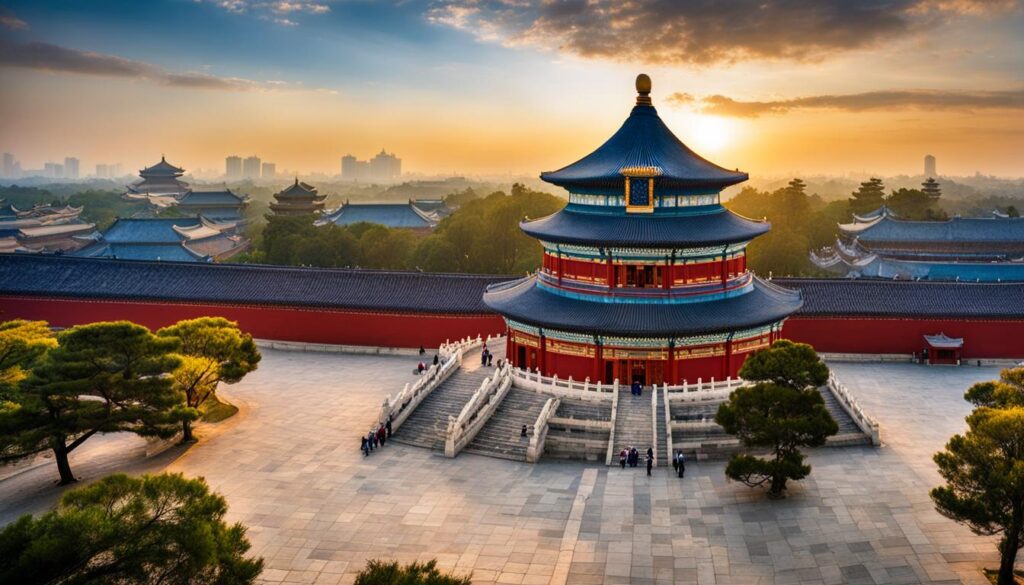
Did you know? The Temple of Heaven was designated as a UNESCO World Heritage Site in 1998, recognizing its cultural and historical significance.
Summer Palace: A Tranquil Retreat Outside the City
If you’re seeking a serene escape from the chaos of Beijing’s city center, look no further than the Summer Palace. This imperial garden, located just outside the bustling metropolis, offers a tranquil setting to unwind and connect with nature.
With its peaceful lakes, stunning pavilions, and lush landscapes, the Summer Palace is a must-visit for anyone seeking a tranquil retreat. Stroll through the gardens, admire the intricate architecture of the pavilions, and take in the natural beauty that surrounds you.
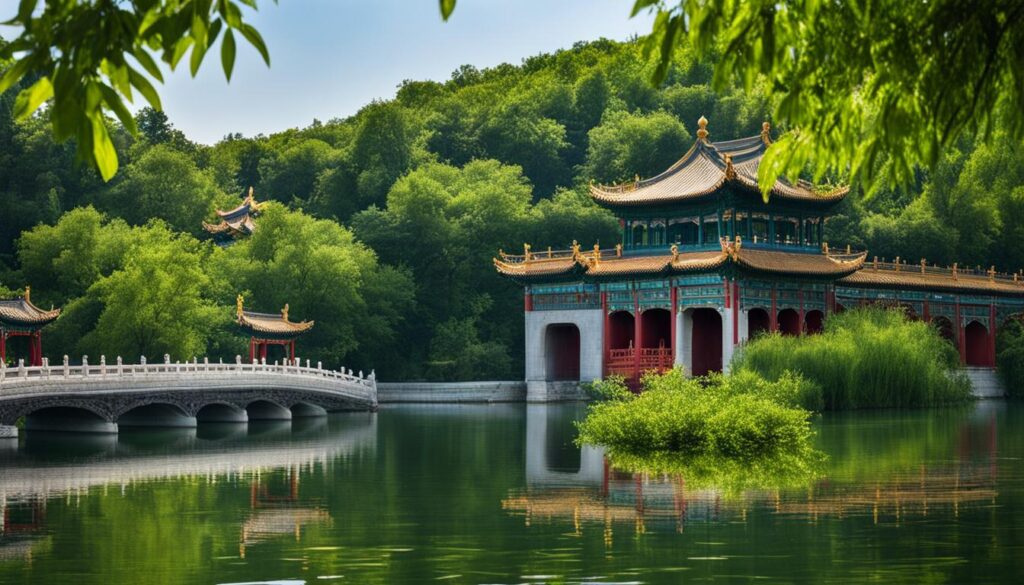
The Summer Palace was first built in the 18th century as a summer resort for the royal family. Spanning over 700 acres, it is now a UNESCO World Heritage Site and one of Beijing’s top attractions.
Don’t miss the chance to experience this hidden gem and take some time to relax in this picturesque oasis.
Beihai Park: A Hidden Oasis of Serenity
If you’re looking to escape the hustle and bustle of Beijing, Beihai Park is the perfect destination for you. This hidden gem offers a serene retreat in the heart of the city, complete with tranquil lakes and beautiful traditional architecture.
The park is home to several scenic spots, including the iconic White Pagoda, which offers stunning views of the surrounding area. You can also take a boat ride on the picturesque lake or simply relax on the peaceful shores.
One of the park’s highlights is the Nine-Dragon Screen, which is considered one of the finest examples of traditional Chinese architecture and design. This beautiful screen is made up of finely crafted glazed tiles that depict nine mythical dragons.
Whether you’re taking a leisurely stroll or simply soaking up the park’s serene atmosphere, Beihai is the perfect oasis of calm in the bustling city. Don’t miss out on this hidden gem!
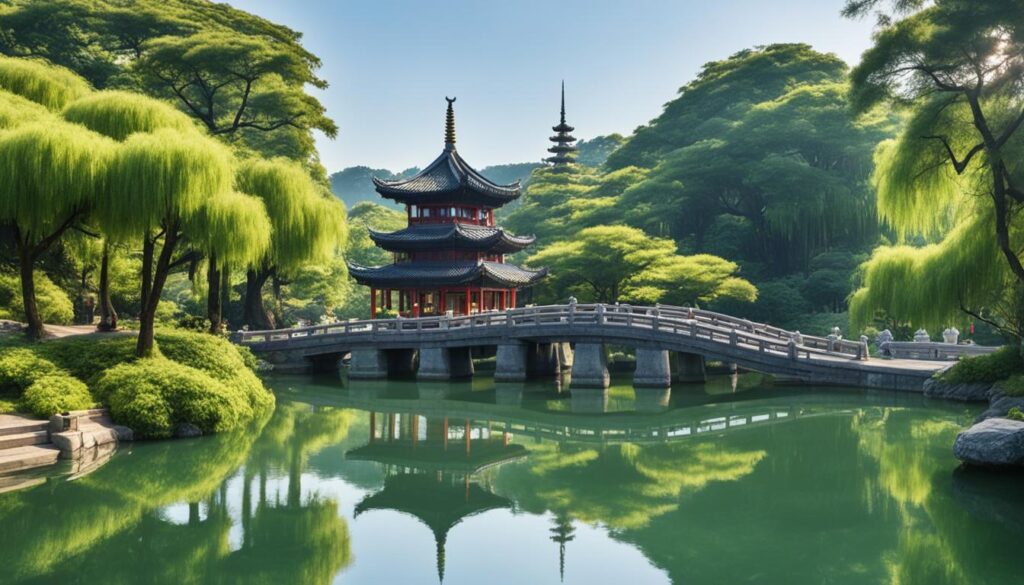
“Beihai Park is a hidden oasis of serenity, perfect for those looking to escape the busy city and unwind in a picturesque setting.”
798 Art District: Beijing’s Creative Hub
If you’re a fan of contemporary art, the 798 Art District shouldn’t be missed. This neighborhood, located in Dashanzi, is a former industrial area turned into an artistic hotspot and is one of the top attractions in Beijing beyond Forbidden City and Great Wall. You’ll find galleries, street art, and unique exhibitions that showcase a wide range of styles and genres.
The district’s name comes from the number of the factory that originally occupied the area, and many of the galleries are still housed in the industrial buildings that have been repurposed. 798 Art District is now Beijing’s creative hub, and a visit here is a great way to connect with the city’s thriving art scene.
Galleries and Exhibitions
Some of the galleries that you’ll find in the 798 Art District include the 98B COLLABoratory, the Art Futures Gallery, and the UCCA Center for Contemporary Art. The district also has plenty of outdoor installations and murals, making it a visually stunning place to explore.
Shopping and Dining
In addition to art, you’ll also find plenty of shopping and dining options in the 798 Art District. There are cafes, restaurants, and bars where you can grab a bite or a drink in between exploring the galleries.
Lama Temple: A Spiritual Haven in the Heart of Beijing
If you’re looking for a spiritual and serene experience, then the Lama Temple (Yonghe Temple) should be on your list of must-visit Beijing attractions. It is the largest and best-preserved Tibetan Buddhist temple in Beijing, dating back to the Qing Dynasty. Enter through the towering gates and witness the grandeur of its architecture, decorated with intricate carvings and colorful paintings.
The temple houses a plethora of cultural relics, including a 26-meter high statue of Maitreya Buddha, crafted from a single piece of white sandalwood and over 500 years old. Discover the numerous halls and prayer rooms, each with their own unique design and purpose.
One of the highlights of visiting the Lama Temple is witnessing the spiritual rituals practiced by monks and locals alike. Experience the peaceful atmosphere as the sound of chanting prayers fills the air.
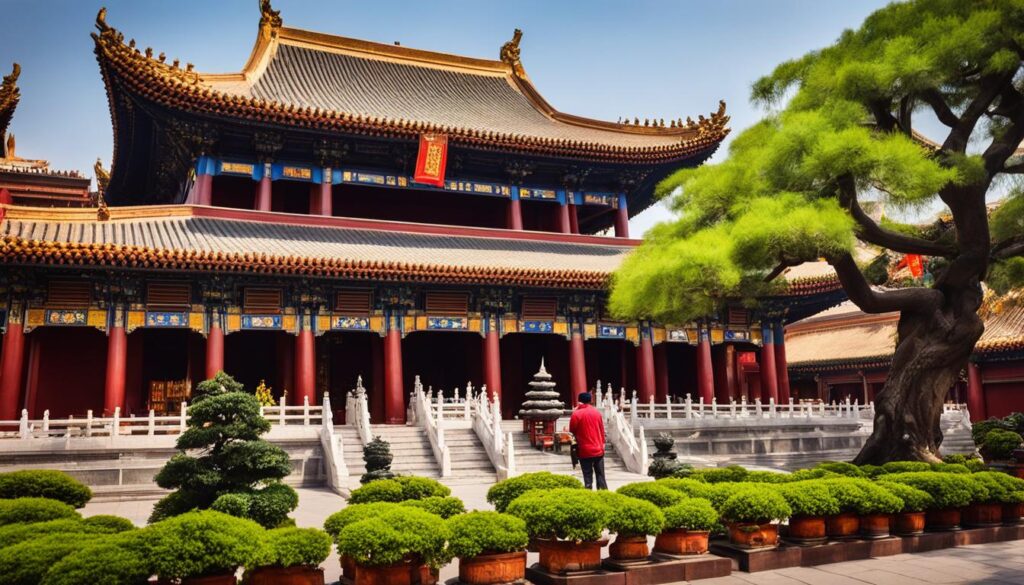
The Five Halls of the Lama Temple
| Hall | Feature |
|---|---|
| The Hall of the Heavenly Kings | Houses the statues of the Four Heavenly Kings, each representing a different season of the year |
| The Hall of Harmony and Peace | Home to a towering statue of Maitreya Buddha and exquisite murals depicting Tibetan Buddhism and Confucianism |
| The Hall of Everlasting Protection | Features an impressive 18-meter high statue of the Buddha of Medicine and intricate carvings made from sandalwood and ivory |
| The Hall of the Wheel of Law | Contains numerous statues and religious texts and is where the monks hold lectures and ceremonies |
| The Hall of the Boundless Light | Houses an enormous statue of the Amitabha Buddha, standing at 26 meters tall and crafted from a single sandalwood trunk |
Don’t miss the chance to visit the Lama Temple, a spiritual haven in the heart of bustling Beijing.
Old Summer Palace: A Haunting Reminder of China’s Past
Explore the ruins of the Old Summer Palace, one of the most tragic and controversial sites in Beijing’s history. Once a magnificent imperial garden that covered more than 3.5 square kilometers, the palace was destroyed during the Opium Wars, leaving behind haunting reminders of China’s past. As you walk through the ruins, you’ll discover the intricate archways, stone bridges, and marble sculptures that once adorned the palace, as well as the eerie silence that hangs in the air.
While the palace was initially designed as a peaceful retreat for emperors, it became a symbol of national pride and cultural heritage. Therefore, its destruction was more than just the loss of a few buildings, it was a deliberate attack on China’s past and identity.
“The looting of China’s Old Summer Palace by British and French troops 160 years ago remains one of the most notorious examples of cultural vandalism in history, as well as the subject of intense dispute between China and the West.” – The Guardian
Despite the tragedy that surrounds the Old Summer Palace, visiting the site is a valuable opportunity to learn about China’s complex and tumultuous past. As you journey through its ruins, you’ll gain insights into the country’s rich cultural heritage and its ongoing struggle to preserve its historical treasures.
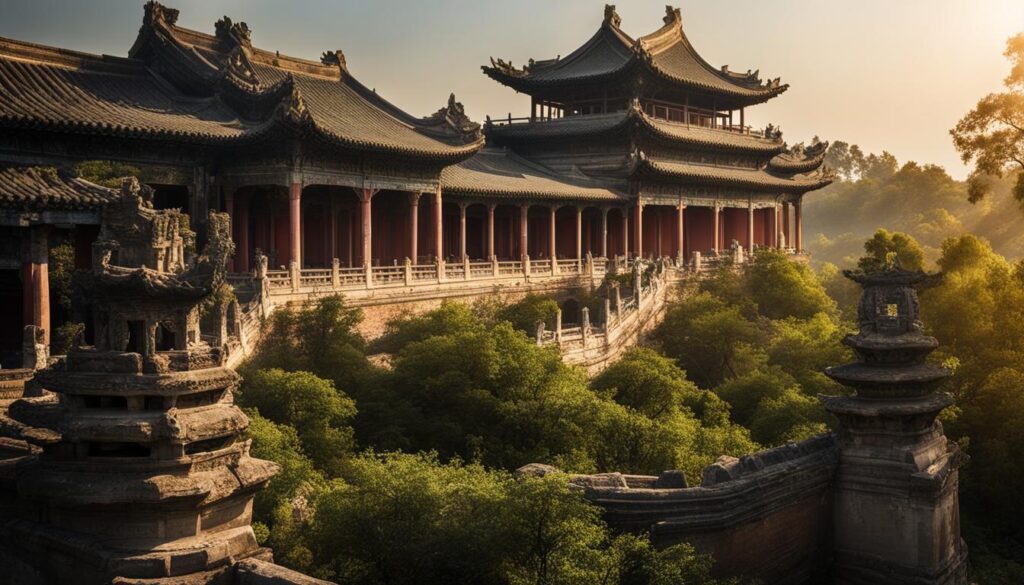
Don’t miss out on this haunting and enlightening attraction during your visit to Beijing.
Fragrant Hills Park: A Picturesque Escape in Autumn
During the autumn season, Fragrant Hills Park is a must-visit destination for nature lovers. The tranquil park exhibits picturesque colors that provide a perfect escape from the bustling city of Beijing.
The combination of colorful foliage and unblemished blue skies makes this park a remarkable scenic delight. Take a leisurely walk amidst the maple trees or hike one of the various trails to enjoy spectacular panoramic views of Beijing.
The park is home to numerous traditional Chinese pagodas, such as the Xiangjian Tower, which offers a 360-degree view. Besides its natural beauty, the park’s cultural heritage is also worth exploring.
Enjoy a historical tour of the Biyun Temple or uncover the past at the Fragrant Hills Pagoda Forest. The park is also home to a variety of flora and fauna that will appeal to nature enthusiasts. Remember to bring your camera to capture the beauty of this park and create unforgettable memories.
Peking Man Site at Zhoukoudian: Unveiling Human Evolution
Step into the past and explore the Peking Man Site at Zhoukoudian, one of the most important archaeological discoveries of human evolution. Located in southwest Beijing, this world-famous site is where the fossils of the Peking Man were discovered. The site features ancient fossils, relics, and stone tools that provide insights into the cultural and biological evolution of human beings.
At the site’s museum, you can see a wide variety of fossils, including the skull fossils of Peking Man. Researchers believe that the fossils are about 700,000 years old and belong to Homo erectus, an early human species that existed from approximately 2 million to 70,000 years ago. The fossils represent evidence of the first humans that used fire and lived in groups.
Visitors to the site can explore the area where the fossils were found and gain insights into human evolution. A guided tour is recommended to get a better understanding of the site’s significance and history. The site is open daily for visitors, and admission fees are charged.
Peking Man Site at Zhoukoudian
| Location | Zhoukoudian, Fangshan District, Beijing |
|---|---|
| Opening Hours | 9:00 a.m. – 5:00 p.m. (Tuesday to Sunday) |
| Admission Fee | CNY 30 per person |
| How to Get There | Take subway line 4 to Beijing South Railway Station, and then transfer to Fangshan line to Zhoukoudian station. From the station, you can take a bus to the Peking Man Site. |
Unlock the mysteries of human evolution and visit the Peking Man Site at Zhoukoudian, a must-see attraction for those interested in history, culture, and science.
Conclusion
Now that you know about the must-see attractions beyond the Forbidden City and Great Wall, it’s time to add them to your Beijing itinerary. From the tranquility of the Summer Palace to the spiritual haven of the Lama Temple, these off-the-beaten-path treasures offer a glimpse into the city’s rich history and culture.
Don’t forget to visit the 798 Art District, where you can immerse yourself in Beijing’s creative hub, and the Peking Man Site at Zhoukoudian for a journey into human evolution. And if you’re visiting during the autumn season, make sure to add Fragrant Hills Park to your list for a picturesque escape.
So, get ready to explore Beijing’s hidden gems and cultural treasures. Your trip to this vibrant city will be an unforgettable experience.