Experience Kyoto: Gardens & Tea Ceremonies Revealed
If you’re looking for a way to immerse yourself in the rich cultural heritage of Japan, there’s no better way than experiencing Kyoto’s traditional gardens and tea ceremonies. Kyoto, the former capital of Japan, is known for its stunning traditional gardens and the artistry of its tea ceremonies. In this article, we’ll explore the best way to experience Kyoto’s traditional gardens and tea ceremonies, examining the cultural significance of each and offering recommendations for venues and experiences.
Whether you’re a nature lover seeking serenity or an enthusiast of Japanese art and culture, Kyoto’s traditional gardens and tea ceremonies offer an opportunity for enlightenment, relaxation, and inspiration. Let’s uncover the secrets and beauty of Kyoto, starting with its traditional gardens and tea ceremonies.
A Journey Through Kyoto’s Traditional Gardens
Kyoto is renowned for its stunning traditional gardens, which have been carefully crafted over centuries to reflect the natural beauty and cultural heritage of Japan. Exploring these gardens is an essential part of experiencing the tranquility and serenity of Japanese life. Immerse yourself in the rich history and design principles of Kyoto’s traditional gardens by visiting these top recommended locations:
| Garden Name | Description | Location |
|---|---|---|
| Kinkaku-ji Temple Garden | Featuring a stunning golden pavilion and a serene pond, this garden was originally built as a retirement villa for a shogun in the 14th century. | Northern Kyoto |
| Ryoan-ji Zen Garden | A minimalist garden designed for contemplation and meditation, featuring meticulously-placed rocks and raked gravel. | Northwest Kyoto |
| Ginkaku-ji Silver Pavilion Garden | Surrounded by lush greenery, this garden features a reflective pond and a stream that runs alongside a gentle slope. | Eastern Kyoto |
To fully experience Kyoto’s traditional gardens, consider following these expert tips:
- Visit early in the morning or late in the afternoon to avoid crowds and enjoy a peaceful atmosphere.
- Wear comfortable shoes suitable for walking on uneven surfaces.
- Take your time to appreciate each garden’s unique features and design elements.
- Bring a camera to capture the natural beauty of the gardens.
Remember that each garden is a cultural treasure, so be respectful of the rules and regulations enforced in each location.
Enhancing Your Visit with Tea Ceremonies
Kyoto is widely known for its traditional tea ceremonies – a highly ritualistic and cultural art form that dates back to the 9th century. Experiencing a tea ceremony in Kyoto is not just about drinking tea but also about appreciating the harmony, respect, and tranquility that pervade Japanese culture.
There are different types of tea ceremonies in Kyoto, but the most common one is called chado, also known as the way of tea. Chado utilizes various techniques, including aesthetics, culinary art, and hospitality, to symbolize the connection between nature and human beings.
To make the most of your Kyoto tea ceremony experience, you need to find the right venue. Kyoto boasts of several tea houses that offer an authentic, immersive, and intimate atmosphere. A popular choice is the En Tea Ceremony, which provides visitors with a comprehensive introduction to chado, including the etiquette, history, and practice.
Some other tea houses include the Uji tea ceremony, Kurokoma tea ceremony, and Maikoya tea ceremony. These venues offer hands-on tea ceremony sessions that range from beginner to advanced levels.
What to Expect at a Traditional Tea Ceremony
A typical tea ceremony session in Kyoto lasts for about 1 to 2 hours and involves several symbolic activities, including:
| Activity | Description |
|---|---|
| Wagashi | Traditional Japanese sweets that are served before the tea is made |
| Mizuya | A preparatory area where tea utensils are cleansed and arranged |
| Tatami room | A cozy and serene room where the tea ceremony is conducted |
| Kaiseki meal | A multi-course meal that complements the tea |
| Tea preparation | The process of preparing the tea, which involves several symbolic gestures |
| Tea drinking | The sharing and drinking of the tea, which symbolizes harmony and respect |
Note that participating in a tea ceremony requires following specific etiquette and protocol such as wearing the appropriate attire and arriving on time. It is advisable to prepare and familiarize yourself with the ceremonies ahead of time to avoid any awkward moments.
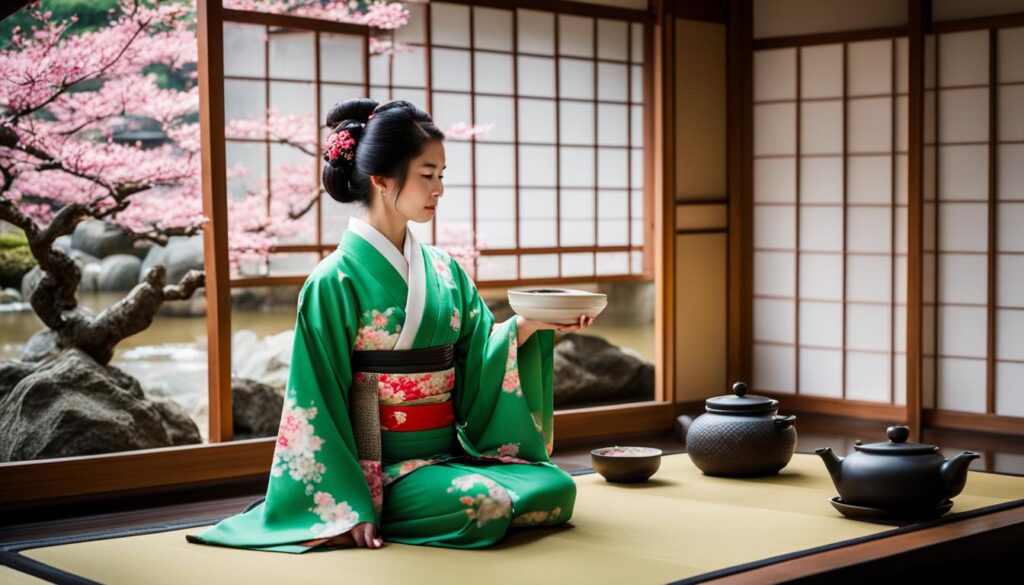
Participating in a traditional tea ceremony in Kyoto is an unforgettable and serene experience, allowing you to connect with Japanese culture in a meaningful way. By choosing the right venue and preparing for the ceremony, you can make the most of your tea ceremony experience and gain insights into the artistry, history, and cultural heritage of Kyoto.
Traditional Tea Houses: The Perfect Setting
Stepping into a traditional tea house is like entering a serene sanctuary where time stands still. These peaceful havens, deeply rooted in Japanese culture, offer a surreal experience where you can savor a cup of tea in a traditional setting that immerses you in the essence of Kyoto.
The traditional tea houses in Kyoto are renowned for their architectural beauty and tranquil ambiance that evoke the serenity of the Japanese tea culture. The spaces are designed with natural elements like wood, stone, and tatami mats to provide a serene and calming atmosphere that complements the tea ceremony experience.

There are numerous tea houses in Kyoto to choose from, and each has its unique qualities. Some have a long history and have hosted generations of tea ceremonies, while others offer views of the most beautiful gardens or a serene countryside.
Notable Tea Houses to Visit in Kyoto
| Tea House Name | Location | Special Feature |
|---|---|---|
| Ippodo Tea Co. | Teramachi-dori Nijo, Nakagyo-ku, Kyoto, Japan | A tea shop with its tea room and traditional tea house hidden at the back of the shop |
| Camellia | 424 Kitagawa Gioncho Higashiyama Ward, Kyoto, Japan | A small traditional tea house with views of Yasaka Pagoda and Gion district |
| En Tea Ceremony | 117-1 Fukakusa Shimodachiuricho Fushimi-ku, Kyoto, Japan | A renovated traditional townhouse with a beautiful garden view |
Keep in mind that many tea houses require reservations, and some require a Japanese interpreter to book. With so many options available, it’s best to consult a reputable tour operator or speak to a local expert to help you organize your visit, so you experience the full essence of the tea house culture.
Guided Tours and Cultural Experiences
If you want to delve deeper into Kyoto’s traditional gardens and tea ceremonies, joining a guided tour or cultural experience is highly recommended. Not only will you gain greater insight into Japanese culture and history, but you’ll also receive expert guidance and context for each experience.
There are many reputable tour operators in Kyoto that specialize in cultural experiences. Some popular options include Kyoto Urban Adventures, Arigato Japan Food Tours, and Walk Japan. These tours offer an immersive and interactive way to explore the city’s traditional gardens and tea houses while learning about Japanese customs and traditions.
For a truly unique experience, consider “Koto in Kyoto”. This tour combines a scenic stroll through Kyoto’s historic Geisha district with a private tea ceremony experience in a traditional tea house. “Wagashi in Kyoto” is another popular tour option that takes you on a visit to a renowned wagashi (Japanese sweets) shop before enjoying a tea ceremony.
Insider Tip: Book your guided tour or cultural experience in advance, as many popular tours tend to fill up quickly, especially during peak tourist season.
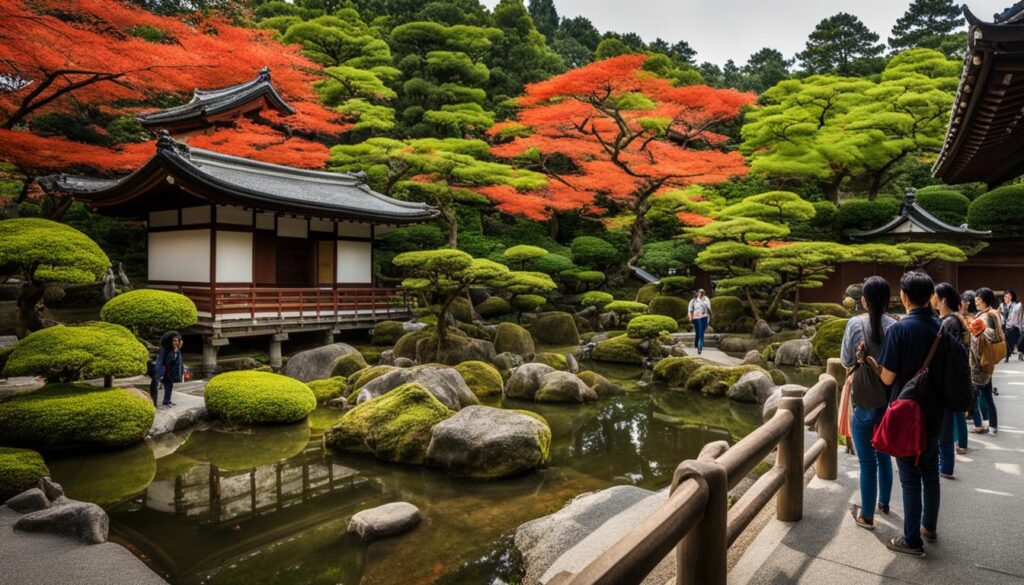
Top Guided Tours and Cultural Experiences in Kyoto
| Tour | Description | Duration | Price |
|---|---|---|---|
| Koto in Kyoto | Experience a private tea ceremony in a traditional tea house after a guided walk through the Geisha district. | 3 hours | $150 |
| Wagashi in Kyoto | Enjoy a visit to a famous wagashi shop and participate in a tea ceremony while learning about Japanese confectionery. | 2.5 hours | $120 |
| Kyoto Urban Adventures | Explore Kyoto’s hidden gems with a knowledgeable local guide, sampling local cuisine and visiting temples and shrines. | 4-5 hours | $93 |
| Arigato Japan Food Tours | Experience traditional Japanese cuisine and tea culture while learning about Kyoto’s rich history and culture. | 3-4 hours | $152 |
| Walk Japan | Join an expert-led walking tour of Kyoto’s temples, gardens, and streets, with in-depth insights into Japanese history and culture. | Varies | Depends on tour |
By joining a guided tour or cultural experience, you’ll gain a deeper understanding and appreciation of Kyoto’s traditional gardens and tea ceremonies. Plus, you’ll have the opportunity to meet like-minded travelers and make unforgettable memories along the way.
Experiencing the Seasons: Garden Highlights
One of the most captivating aspects of traditional gardens in Kyoto is how they transform so dramatically with each passing season. No matter which time of year you visit, there is always something new and fascinating to discover. Let’s take a closer look at the seasonal highlights you can experience in the city’s most beautiful gardens.
Spring: Cherry Blossoms in Full Bloom
There’s no denying that Kyoto is at its most charming during cherry blossom season. From late March to early April, delicate pink and white blooms adorn the trees of many gardens, creating a fairy tale-like atmosphere. For the quintessential spring experience, head to Maruyama Park, known for its impressive weeping cherry tree. Alternatively, visit Kyoto Imperial Palace Park for a peaceful stroll amidst a vast expanse of sakura trees.
| Garden | Highlight |
|---|---|
| Maruyama Park | The weeping cherry tree |
| Kyoto Imperial Palace Park | An expansive sakura garden |
Summer: Lush Greenery Everywhere
Summer in Kyoto can be hot and humid, but it’s also when the city’s gardens are at their lushest and greenest. Kinkaku-ji Temple is a Zen Buddhist temple known for its gold leaf-covered pavilion that is surrounded by a tranquil pond and lush greenery. It’s truly a peaceful escape from the city’s heat and crowds. Another great option is the garden of Daiun-in Temple, which impresses visitors with its serene rock gardens and winding paths lined with verdant foliage.
| Garden | Highlight |
|---|---|
| Kinkaku-ji Temple | A gold leaf-covered temple amidst lush greenery |
| Daiun-in Temple | Serene rock gardens and winding paths lined with greenery |
Fall: A Riot of Colors
Autumn in Kyoto is a breathtaking display of nature’s vivid hues, as the leaves of many trees change to vibrant shades of red, orange, and yellow. One must-visit garden during this season is Tofukuji Temple, where seemingly endless lines of maple trees compete for attention with a stunning view of the city beyond. For a peaceful escape from the masses, a visit to Kodai-ji Temple’s gardens is highly recommended, where a tranquil pond, elegant bridges, and vibrant foliage converge to create a harmonious scene.
| Garden | Highlight |
|---|---|
| Tofukuji Temple | Endless lines of maple trees and stunning views of the city. |
| Kodai-ji Temple | A tranquil pond, elegant bridges, and vibrant foliage. |
Winter: A Serene Wonderland
Winter in Kyoto may be chilly, but it’s also a magical time to visit the city’s gardens. The temple of Shoden-ji, with its striking red gates and minimalist rock gardens, is beautiful year-round, but truly stunning when blanketed in snow. Another must-visit garden during the winter months is Okochi-Sanso Villa, where winding paths lead through forests of bamboo, over peaceful streams, and past charming teahouses.
| Garden | Highlight |
|---|---|
| Shoden-ji Temple | Striking red gates and minimalist rock gardens, covered in snow |
| Okochi-Sanso Villa | Forests of bamboo, peaceful streams, and charming teahouses. |
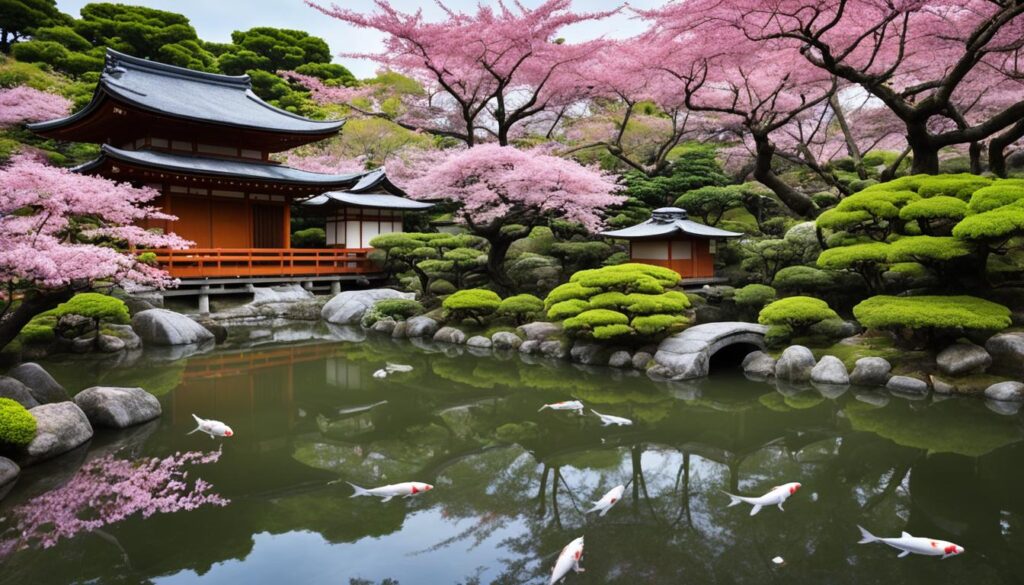
As you can see, Kyoto’s traditional gardens offer year-round beauty and delights for all your senses. Visiting during each season allows you to experience something unique and unforgettable. Whether you choose to visit during the cherry blossom season in spring, the hot and lush summer, the vibrant fall foliage, or the serene winter wonderland, the time is always right to discover Kyoto’s garden highlights.
Tea Ceremony Etiquette and Preparation
Immerse yourself in the cultural experience of a tea ceremony in Kyoto by following proper etiquette and preparation. Understanding the rituals and attire involved will ensure a respectful and authentic experience.
Tea Ceremony Etiquette
Respect is at the core of tea ceremony etiquette. Arrive on time and be present in the moment, focusing on the art and atmosphere of the ceremony. Do not touch any objects unless instructed to do so, and use respectful language to communicate with the host. Bow to express gratitude before and after the ceremony.
Attire for a tea ceremony should be neat and tidy. Men should wear dark suits or formal attire, and women should wear subdued colors and avoid excessive accessories.
Tea Ceremony Preparation
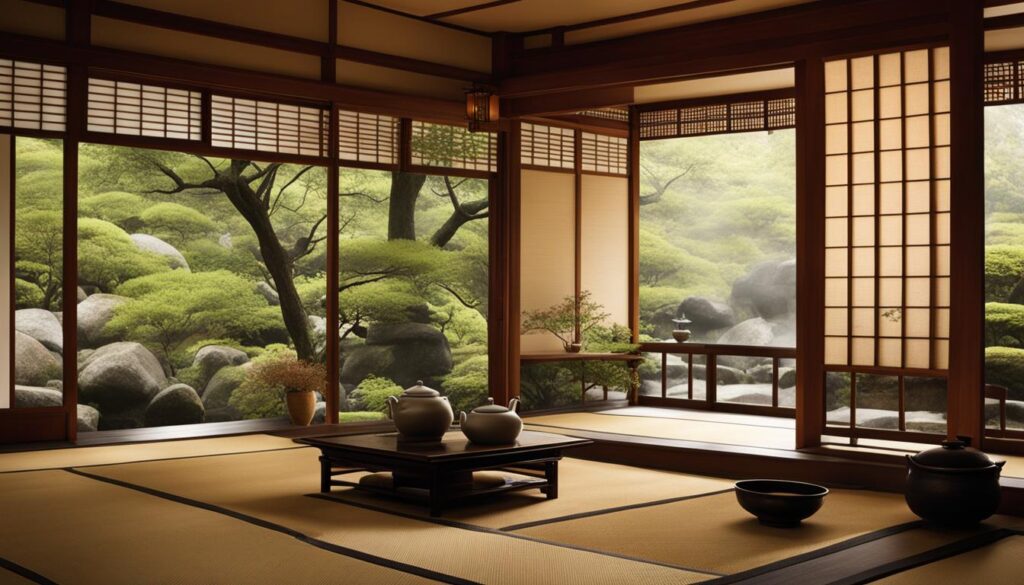
Before the ceremony, guests should cleanse their hands and mouths to signify a fresh start. The tea ceremony is often conducted on tatami mats, so it’s important to sit appropriately, folding your legs to one side. The host will offer sweets before the tea, to balance the bitterness of the tea.
| Types of Tea | Preparation Method |
|---|---|
| Matcha (powdered green tea) | The tea is whisked in hot water using a bamboo whisk until it froths. |
| Senkō (incense-smelling tea) | A piece of incense is burned, and the smoke is wafted around the tea room before tea is served. |
| Gyumuro (beef broth tea) | A soup made from beef broth is served instead of tea in winter months. |
Tea Ceremony Rituals
Each gesture, movement, and object has symbolic meaning in a tea ceremony. The ceremony focuses on the present, as the tea is prepared and served with careful attention to detail. Guests should follow the lead of the host, observing and savoring the beauty of the ceremony.
Prepare yourself for a serene and authentic experience with the proper tea ceremony etiquette and preparation.
Hidden Gems and Off-the-Beaten-Path Experiences
If you’re looking for a more intimate and unique experience, venture beyond the popular tourist spots and discover some of Kyoto’s hidden gems. Here are some of the lesser-known traditional gardens and secret tea houses worth exploring:
| Name | Description | Location |
|---|---|---|
| Hirano Shrine Garden | A peaceful and picturesque garden with a variety of cherry blossom trees | 180, Kitano-cho, Hirano, Kita Ward, Kyoto, 603-8322, Japan |
| Tenju-an Tea House | A secluded tea house with a beautiful garden view and a serene atmosphere | 25, Goken-cho, Nanzen-ji, Sakyo-ku, Kyoto, 606-8435, Japan |
| Shisen-do Temple Garden | A hidden treasure nestled in the mountains with a moss garden and stunning views | 27 Ichijoji Jisho-ji-cho, Sakyo Ward, Kyoto, 606-8435, Japan |
These hidden gardens and tea houses offer a more personal and authentic experience, away from the busy crowds of more popular locations. Immerse yourself in the tranquility and beauty of these off-the-beaten-path venues and enjoy a truly special Kyoto experience.
Conclusion
Now that you have discovered the serene beauty and cultural richness of Kyoto’s traditional gardens and tea ceremonies, it’s time to start planning your own journey of enlightenment. Remember to prioritize visiting the top gardens, experiencing a traditional tea ceremony, and immersing yourself in Japanese culture through guided tours and off-the-beaten-path experiences.
Whether you’re fascinated by the intricate designs of Japanese gardens or the ritualistic nature of tea ceremonies, Kyoto offers something for everyone. So take the time to appreciate the changing seasons and the tranquil atmosphere of traditional tea houses, and don’t forget to observe the proper etiquette and preparation for a respectful and authentic experience.
By exploring Kyoto’s cultural heritage, you not only gain a deeper understanding of Japan’s traditions and aesthetics but also embark on a transformative journey of inner peace and mindfulness. So pack your bags and get ready to experience the enchanting allure of Kyoto’s traditional gardens and tea ceremonies.