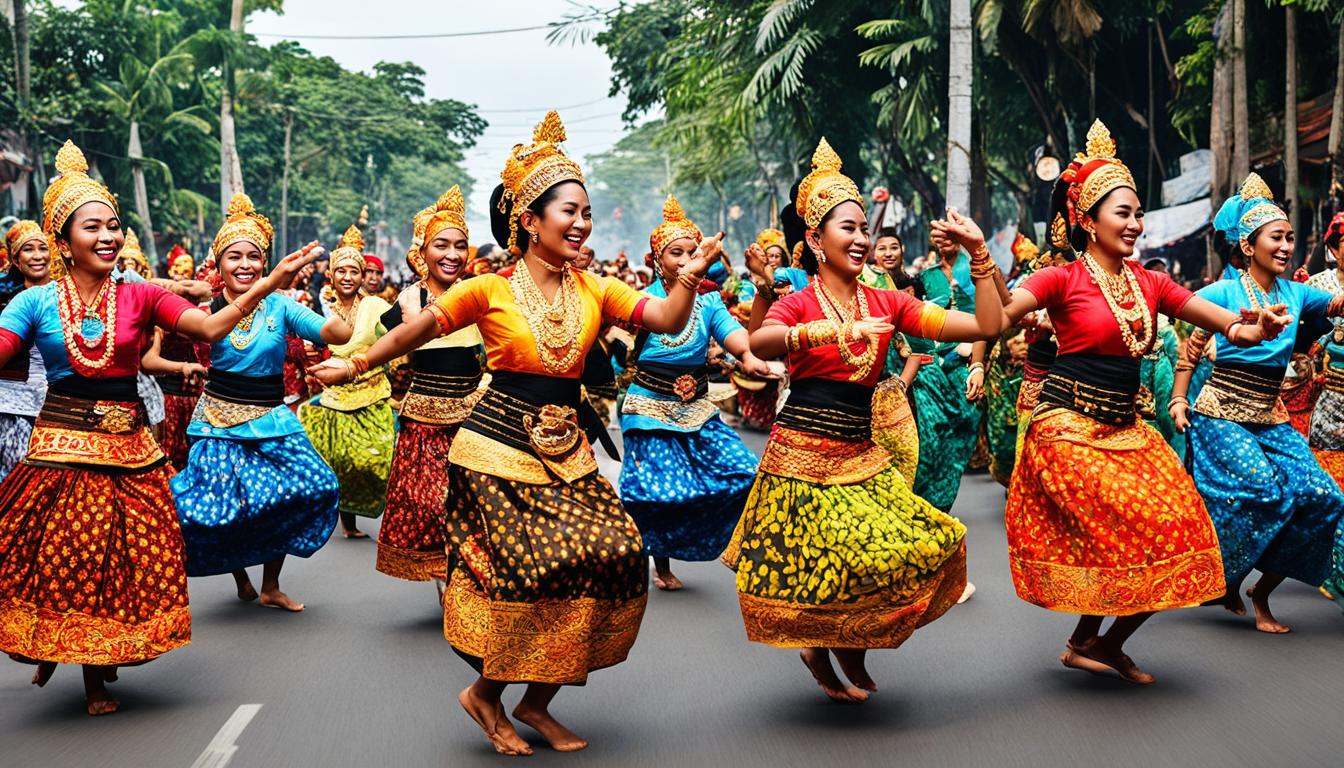
Experience Javanese Traditions at Local Festivals
If you’re looking to experience the rich cultural heritage of Java in Indonesia, then you won’t want to miss the local festivals and cultural events that take place throughout the year. These events offer a unique opportunity to witness and participate in Javanese traditions, from the vibrant music and dance performances to the mouth-watering culinary delights.
Attending Javanese cultural festivals is an excellent way to immerse yourself in the local customs, traditions, and way of life. You’ll get to interact with the friendly locals, admire their beautiful art, and experience the vibrant energy of the celebrations. So if you’re ready to explore the unique cultural tapestry of Java, join us as we take a closer look at what these local festivals have to offer.
Festivals Celebrating Javanese Heritage
If you’re looking to experience the rich culture and traditions of Java, there’s no better way than attending one of the many festivals celebrating Javanese heritage. These events provide a unique opportunity to witness and participate in traditional celebrations that have been passed down for generations.
One of the most popular traditional Javanese festivals is Jember Fashion Carnaval, which showcases the intricate and ornate costumes of the Javanese people. Another notable event is Grebeg Sudiro, which is held to honor the patron saint of Javanese sea traders. This festival features a lively parade and traditional food offerings.

Other notable festivals include Ngayogjazz, a music festival that emphasizes Javanese music, and Solo Batik Carnival, a parade of beautiful batik textiles that are traditional to Javanese culture. Additionally, the Sekaten Festival is a religious and cultural celebration that marks the anniversary of the birth of the Islamic prophet Mohammed.
These festivals celebrate the diversity and richness of Javanese culture with traditional music, dance, food, and clothing. Whether you’re a local or a visitor, attending these events is an excellent way to immerse yourself in the traditions and customs of the Javanese people.
Cultural Experiences at Javanese Festivals
If you’re looking for an immersive cultural experience, Javanese festivals are a must-visit. At these events, you can explore the rich tradition and history of Java through a variety of cultural experiences.
Traditional Performances and Music
One of the highlights of Javanese festivals is the traditional performances and music. From graceful dance shows to lively gamelan performances, you’ll have the opportunity to witness firsthand the unique artistry of Javanese culture.

Culinary Delights
Foodies will love the chance to try traditional Javanese dishes, such as gudeg, pecel, and sate. Many festivals have food stalls where you can sample different dishes and immerse yourself in the local culinary scene.
Arts and Crafts
Visitors can also witness traditional arts and crafts demonstrations, such as batik making, wood carving, and pottery. Whether you’re a hobbyist or simply interested in learning about the cultural significance of these art forms, these demonstrations provide a unique insight into Javanese artistry.
Bersama-sama – Unity and Togetherness
One of the unique aspects of Javanese festivals is the sense of bersama-sama, or unity and togetherness. Attending these events provides a chance to connect with people from all walks of life and experience the warmth and hospitality of Javanese culture.
The Grand Ceremony of Sekaten
The Grand Ceremony of Sekaten is one of the most significant festivals in Java, celebrating the birth of the Prophet Muhammad. It is held annually at the end of the Javanese month of Maulud, usually in December or January, and runs for a full week. During this time, the streets of Yogyakarta are filled with colorful processions, traditional music, and fascinating cultural displays.
The festival begins with the ceremonial opening of the ancient mosque of Yogyakarta, the Masjid Agung. Here, the sacred relics of the Prophet Muhammad’s hair are displayed and paraded through the streets in a traditional ‘grebeg’ procession. This is followed by a week-long market fair, known as Pasar Sekaten, where visitors can shop for local goods and taste traditional Javanese delicacies.
The highlight of the festival is the gamelan music performances, featuring the unique and enchanting sounds of the Javanese gamelan ensemble. The music is believed to have healing powers and is played throughout the night, adding to the mystical and spiritual atmosphere of the event.
Another fascinating aspect of the Sekaten festival is the annual competition to climb a greased pole. Participants attempt to climb a slippery coconut tree, greased with lard, in order to reach the prize at the top. This competition is believed to symbolize the journey to spiritual enlightenment and demonstrates the physical and mental strength required to reach this goal.
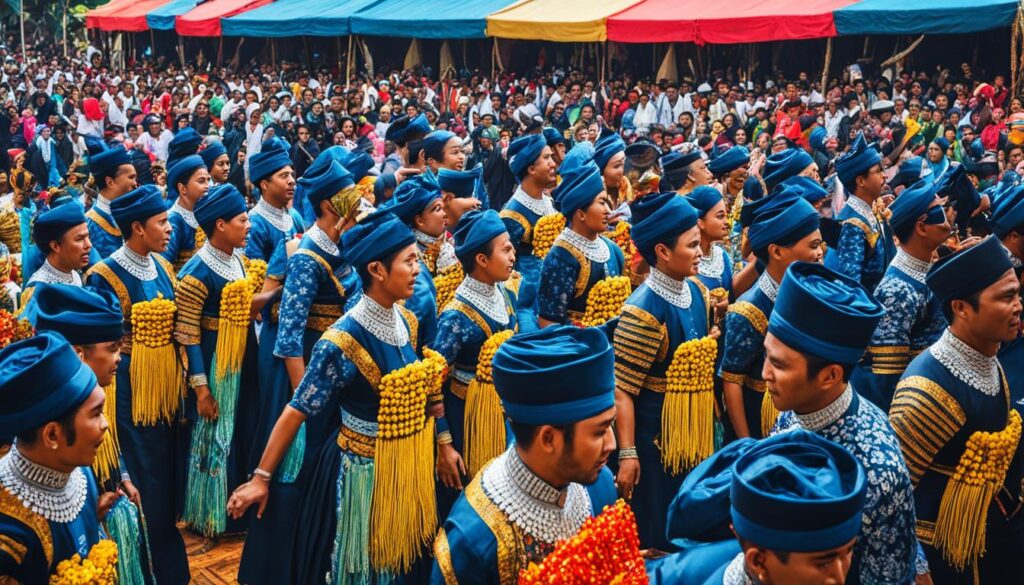
The Grand Ceremony of Sekaten is a truly unique and awe-inspiring event, providing visitors with the opportunity to experience firsthand the cultural heritage of Java. Whether you are interested in traditional music, dance, or simply the fascinating customs and traditions of the event, the Sekaten festival is not to be missed.
The Colorful Festival of Grebeg Maulud
One of the most vibrant festivals in Java is Grebeg Maulud. This festival celebrates the birth anniversary of Prophet Muhammad, and it is a colorful and joyful event that takes place in many towns and cities across the region. During this festival, you can see locals in traditional dress, and there are parades featuring live music and dance performances.
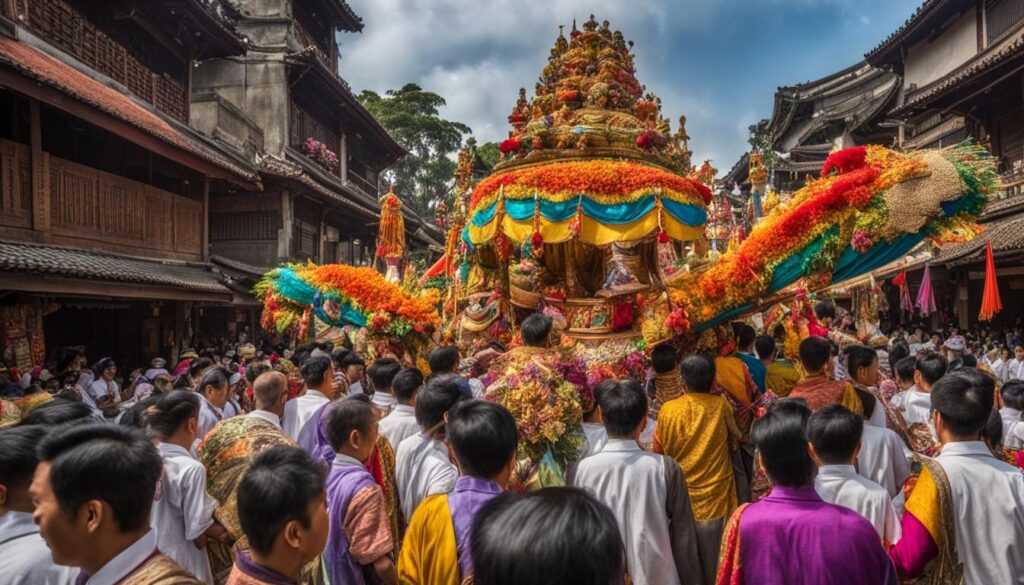
The highlight of Grebeg Maulud is the rice cone (gunungan) procession, a parade of beautifully decorated and colorful rice cones carried on the heads of locals. These rice cones represent blessings and are considered sacred by the Javanese community. Visitors can witness this procession and even partake in the festivities by trying traditional Javanese delicacies such as nasi gurih and klepon, which are rice cakes filled with palm sugar and coated in grated coconut.
A Spectacle of Culture and Beliefs
The Grebeg Maulud festival not only showcases Javanese cultural traditions but also emphasizes the religious beliefs of the community. The stunning rice cones and colorful decorations demonstrate the people’s gratitude for the bountiful harvest and blessings that they have received.
The Grebeg Maulud is truly a spectacular event that offers an immersive cultural and religious experience, with the joy and hospitality of the Javanese people on full display for all visitors to enjoy.
The Enchanting Wayang Kulit Performances
Javanese traditions and events are rich with cultural experiences that can be enjoyed by locals and tourists alike. The traditional art of Wayang Kulit presents a unique and enchanting performance that is a must-see for anyone interested in Javanese culture.
Wayang Kulit is a shadow puppetry performance that tells stories from Javanese mythology and folklore. The intricate design of the puppets and the way they are moved to create the shadows is a feat of skill and technique. This art form has been passed down for generations and is an important aspect of Javanese traditions.
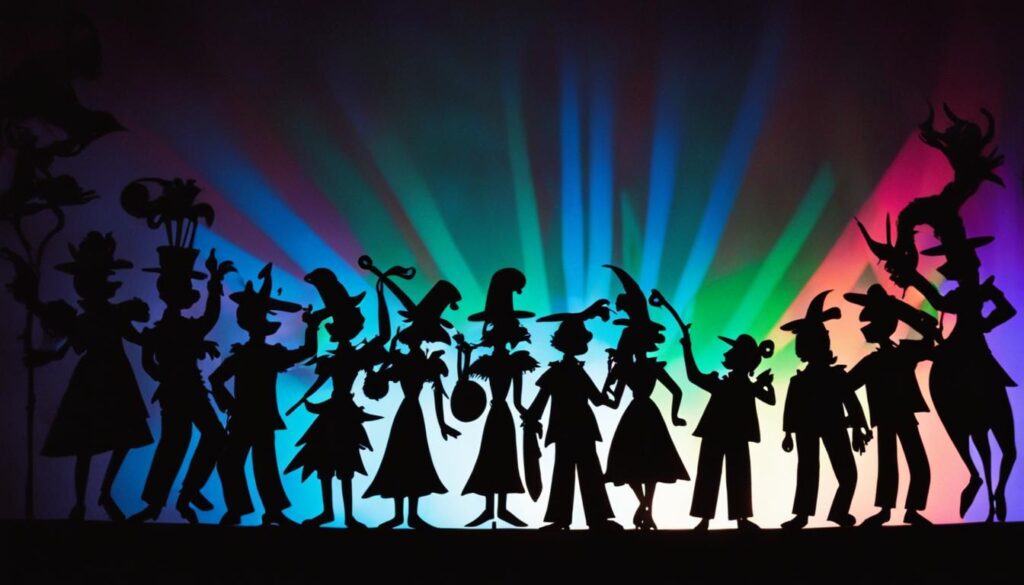
The stories told through Wayang Kulit performances are not only entertaining, but culturally significant. They often teach moral lessons and showcase the values that are important in Javanese culture.
Attending a Wayang Kulit performance is a must-do cultural experience for anyone interested in Javanese traditions and events. These performances can be found at various festivals and cultural events throughout Java. Make sure to add it to your itinerary for a truly unique and enchanting experience.
Batik Demonstrations and Workshops
One of the most iconic cultural experiences in Java is witnessing the intricate process of creating batik, a traditional Javanese textile. At local festivals and events, visitors can witness batik demonstrations by local artisans, showcasing the meticulous process of waxing and dyeing fabric to create beautiful designs. For those looking to delve deeper, various workshops also offer the opportunity to learn the art of batik-making and create your own unique piece.
By joining a batik workshop, you can learn about the different types of batik, traditional patterns, and colors used in Javanese culture. Experienced teachers guide you through the process of designing and creating your own batik textile, providing an immersive and educational experience. Whether you’re a seasoned artist or looking for a new hobby, batik workshops offer a unique opportunity to explore the rich Javanese cultural heritage.
The colorful and intricate designs of batik represent a unique aspect of Javanese culture. Participating in batik demonstrations and workshops is a must for anyone seeking authentic Javanese cultural experiences.
Gamelan Performances and Music Festivals
Experience the enchanting music of Javanese gamelan, a traditional ensemble that has been an integral part of Javanese culture for centuries. The gamelan orchestra typically consists of a variety of instruments, including gongs, metallophones, xylophones, drums, and flutes, all played in harmony to produce a mesmerizing sound.
Gamelan performances can be witnessed at various Javanese festivals and events, offering visitors a chance to immerse themselves in the unique Javanese musical traditions. One of the popular music festivals in Java is the Java Jazz Festival, which showcases not only Javanese traditional music but also international jazz performers.
The Javanese Gamelan
The Javanese gamelan is not only a musical instrument but also a cultural icon that reflects the Javanese way of life and philosophy. It is believed that the gamelan music has a spiritual power that can bring harmony and balance to the universe. Each gamelan ensemble has its unique tuning system, which is said to create a cosmic order when played.
“Gamelan is not just music; it’s a philosophy.”
Gamelan Festivals in Java
If you are interested in experiencing the Javanese gamelan, you can attend one of the many gamelan festivals held in Java throughout the year. Some of the popular gamelan festivals include:
| Festival Name | Date | Location |
|---|---|---|
| Pekan Kesenian Yogyakarta | June/July | Yogyakarta |
| Pasanggrahan Royal Court Music Festival | August | Surakarta |
| Kulon Progo Art and Culture Week | December | Kulon Progo |
Attending a gamelan festival is not only a treat for your ears but also an opportunity to witness the culture and traditions of the Javanese people.
Traditional Javanese Dance Performances
Experience the mesmerizing traditional Javanese dance performances, which showcase the grace, elegance, and cultural significance of this art form. These dances are often performed during Javanese cultural events and traditions, providing visitors with a unique insight into the Javanese culture.
The Javanese dances are categorized into three main genres: court dances, folk dances, and contemporary dances. Court dances are inspired by the elaborate performances of the Royal Court and signify the spiritual beliefs of the Javanese people. Folk dances, on the other hand, are performed by local communities and are influenced by their daily activities and beliefs. Contemporary dances are more modern, blending traditional styles with contemporary music and choreography.
One of the most popular traditional Javanese dances is the Lenggang Nyai, a court dance performed by female dancers. It features graceful movements and gestures, accompanied by classic Javanese music. Another mesmerizing dance is the Reog Ponorogo, a folk dance that originated in the Ponorogo region, featuring vibrant costumes, masks, and music.
Watching the traditional Javanese dances is a true cultural experience, as they provide a glimpse into the rich cultural heritage of Java. Visitors can witness these performances at various cultural events and festivals, such as the Sekaten and Grebeg Maulud festivals.
“The traditional Javanese dances are more than performances – they are an expression of the heart and soul of the Javanese people.”
Food Festivals and Culinary Delights
If you want to experience the rich flavors and unique ingredients of Javanese cuisine, attending a food festival is a must. These events offer a chance to sample delicious traditional dishes and learn more about the culinary customs of the Javanese people.
One popular food festival is the Jogja Food Festival held in Yogyakarta, where visitors can try everything from street food to sophisticated dishes. The event is filled with live performances and cooking demonstrations that showcase the diversity of Javanese cuisine.
Another festival to look out for is the Solo International Ethnic Music and Dance Festival, which offers a unique blend of cultural experiences. Besides music and dance performances, visitors can enjoy Javanese traditional cuisine such as the famous nasi liwet, a rice dish cooked in coconut milk and spices, or delicious satay served with mouth-watering peanut sauce.
Traditional Javanese Dishes
Javanese cuisine is characterized by its complex and flavorful dishes that use a variety of herbs and spices. One of the most well-known dishes is gudeg, a sweet stew made from young jackfruit, coconut milk, and palm sugar. Other popular dishes include opor ayam, a chicken dish cooked in rich coconut milk, and tahu tek, a crispy tofu dish served with a spicy peanut sauce.
“The flavors and aromas of Javanese cuisine are like no other. From sweet to savory, mild to spicy, there’s a dish to satisfy every taste bud.” – Chef Anika
Javanese Food Customs
Eating in Javanese culture is as much about the experience as it is the food itself. You’ll often find that meals are accompanied by a variety of side dishes, such as sambal (spicy condiments), emping (crispy crackers made from melinjo seeds), and raw vegetables.
Javanese cuisine is also known for its traditional serving style, with dishes usually presented in small portions on a banana leaf, and eaten with your hands. This communal style of eating is a reflection of the strong family and community values in Javanese culture.
Conclusion
In conclusion, attending local festivals and cultural events is one of the best ways to experience the rich Javanese traditions. As you actively participate in these events, you can immerse yourself in the culture, gain a deeper understanding, and develop a greater appreciation for Javanese heritage. Whether you are fascinated by traditional performances and music, culinary delights, or art and crafts, Javanese festivals have something for everyone. Through these experiences, you can create lasting memories and form a deeper connection to the Javanese community. So why not plan your next trip to Java and experience the magic of these cultural celebrations?