Experience Japan: Top 10 Things to Do in Nara for U.S. Travelers
If you’re planning a trip to Japan and looking for unforgettable experiences, Nara should be at the top of your list. This city, located in the Kansai region of Japan, is known for its rich cultural heritage, beautiful natural scenery, and friendly deer roaming the streets.
With so much to see and do, it can be overwhelming to plan your itinerary. That’s why we’ve curated the top 10 things to do in Nara, specifically tailored for U.S. travelers. From exploring historical sites to immersing in the local culture, Nara offers a unique and unforgettable experience.
Discover the beauty of Nara’s natural and cultural attractions, including Nara Park, Todaiji Temple, Kasuga Taisha Shrine, Horyuji Temple, Naramachi, Yoshikien Garden, Mount Yoshino, Nara Craft Museum, and Nara National Museum. Whether you’re a history buff, nature lover, or simply looking for a new adventure, Nara has something for everyone.
Don’t miss out on the top 10 things to do in Nara, and create memories that will last a lifetime.
Visit Nara Park and Feed the Friendly Deer
One of the most popular tourist spots in Nara is Nara Park, where you can interact with friendly deer that roam freely within the park. These deer are considered sacred messengers in Japanese culture and are known to be gentle and friendly, making them a favorite among visitors.
Feeding the deer deer crackers is a unique and unforgettable experience that you don’t want to miss. You can purchase deer crackers from vendors within the park to feed the deer. Make sure to hold onto your crackers tightly, as the deer can get quite assertive when they smell food.
Nara Park is a must-visit destination for anyone traveling to Japan. It’s amazing to see so many deer roaming freely without fear of humans. Feeding the deer is such a fun and unique activity that you won’t find anywhere else!
Aside from interacting with deer, Nara Park offers other attractions such as picturesque walking trails, tranquil gardens, and historical landmarks. The park is also home to several museums, including the Nara National Museum, which showcases a vast collection of Japanese art and artifacts.
Nara Park: Quick Facts
| Location | Nara, Japan |
|---|---|
| Size | Approximately 502 hectares |
| Deer Population | Over 1,000 |
| Notable Sites | Todaiji Temple, Kasuga Taisha Shrine, Nara National Museum |
With its beautiful landscapes and friendly deer, Nara Park is a must-visit destination for anyone traveling to Japan. Plan your visit accordingly and make the most of your time at one of the most unique and exciting tourist spots in Japan.
Explore Todaiji Temple and the Great Buddha
One of the must-visit Nara historical sites is Todaiji Temple, a UNESCO World Heritage Site and the largest wooden building in the world. The temple was originally built in the 8th century and has since undergone several renovations, but still remains an impressive feat of architecture.
As you enter the temple grounds, you’ll immediately notice the enormous bronze Great Buddha statue, which stands at over 50 feet tall. The statue is a sight to behold, and its intricately detailed features demonstrate the mastery of Japanese sculptors of the time.
Inside the temple hall, you’ll find a serene atmosphere perfect for contemplation. The interior is adorned with beautiful artwork and intricate wood carvings, providing a glimpse into the rich cultural heritage of Japan.
| Hours of Operation | Admission Fee |
|---|---|
| April – October: 7:30 am – 5:00 pm | Adults: 600 yen |
| November – March: 8:00 am – 4:30 pm | High School Students: 400 yen |
| Middle and Elementary School Students: 300 yen |
Don’t forget to explore the surrounding temple complex, which includes several smaller halls and pagodas. Take your time and immerse yourself in the tranquility of this ancient site.
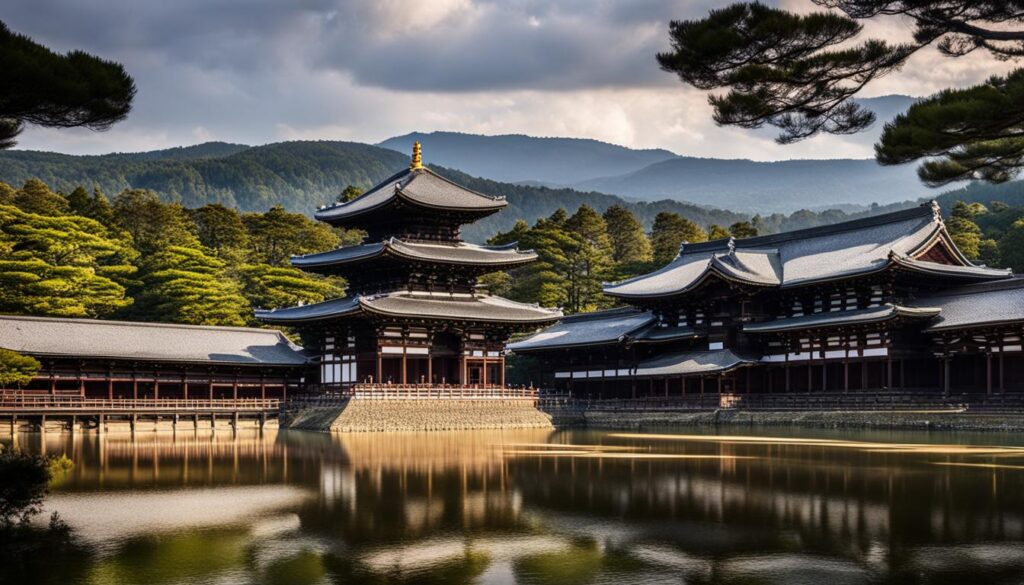
“Todaiji is one of the most historic and beautiful temples in Japan and a must-visit destination for anyone interested in Japanese culture and history.” – Traveler Review
Discover the Cultural Heritage of Kasuga Taisha Shrine
As one of the most important Shinto shrines in Nara, a visit to Kasuga Taisha Shrine is a must for cultural enthusiasts. Its vibrant vermilion-colored buildings and hundreds of stone lanterns create a striking visual spectacle, making it a popular destination for locals and tourists alike. The shrine was established over 1,200 years ago and is dedicated to the deity responsible for the protection of the city.
Take a moment to appreciate the intricate details of the shrine’s architecture, including the use of cypress bark for the roof, which is a traditional Japanese technique. You can also participate in a Shinto prayer ceremony, called “gongen-sai,” which takes place at the shrine four times a year.
More Than Just a Shrine
Kasuga Taisha Shrine is not just a religious site, but also an important cultural center. Visitors can enjoy traditional Japanese music and dance performances, as well as participate in workshops on local crafts such as pottery and calligraphy. These activities offer an immersive experience in Nara’s unique cultural heritage.
Stone Lanterns Galore
Kasuga Taisha Shrine is particularly known for its impressive collection of stone lanterns. It is said that there are over 3,000 lanterns lining the paths leading to the shrine, all donated by worshippers over the centuries. The lanterns create a serene and peaceful atmosphere, especially when illuminated during special events held at the shrine.
Getting to Kasuga Taisha Shrine
Kasuga Taisha Shrine is located in Nara Park, just a short walk from Todaiji Temple. You can easily reach it on foot or by taking the local bus from Nara Station. Entry to the shrine is free, but there may be additional fees for participating in workshops or attending performances.
- Location: 160 Kasugano-cho, Nara, Nara Prefecture 630-8212, Japan
- Opening Hours: 6:00 am – 6:00 pm (April-September), 6:30 am – 5:00 pm (October-March)
- Contact: +81 742-22-7788
Overall, a visit to Kasuga Taisha Shrine is a unique cultural experience not to be missed. From the impressive architecture to the traditional performances and crafts, it offers a glimpse into Japan’s fascinating cultural heritage.
Step Back in Time at Horyuji Temple
Horyuji Temple, located in the Ikaruga district of Nara, is a UNESCO World Heritage Site and one of the oldest wooden structures in the world. It was founded in the early 7th century and showcases the rich history of Buddhism in Japan. The temple complex consists of two areas: the Saiin Garan (Western Precinct) and Toin Garan (Eastern Precinct).
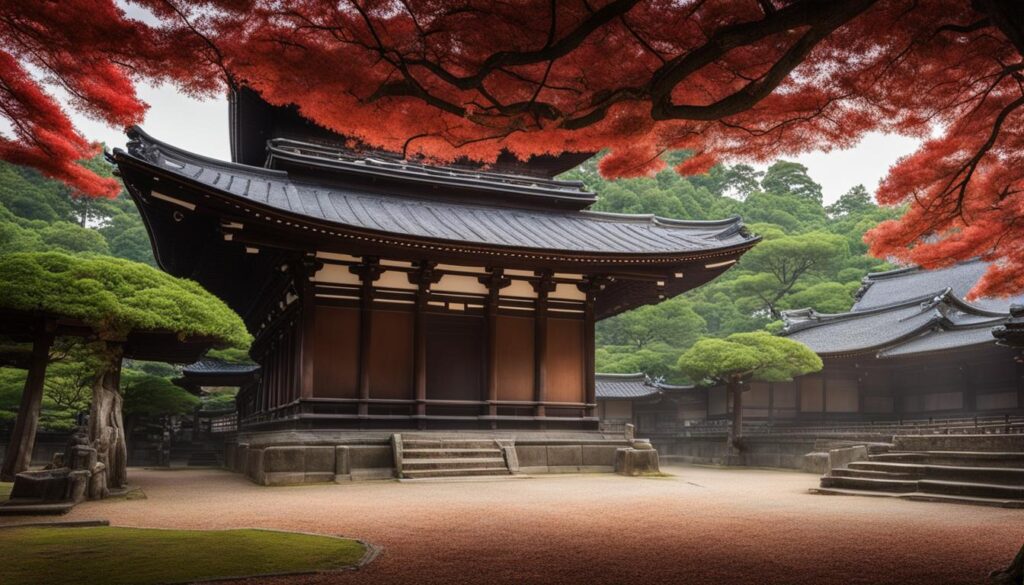
The Saiin Garan is home to the Kondo (Golden Hall), the main hall of the temple that houses the Shaka Nyorai statue, one of the oldest wooden statues of Buddha in Japan. The Kodo (Lecture Hall) is also located in the Saiin Garan and showcases beautiful wooden carvings and paintings that date back to the Nara Period.
The Toin Garan houses the Goju-no-to (Five-Story Pagoda), the oldest remaining wooden pagoda in Japan. The Yumedono (Hall of Visions) is another highlight of the Toin Garan, with its unique architecture and stunning golden decorations.
What to Expect
When visiting Horyuji Temple, you can expect to see a mix of stunning architecture, beautiful gardens, and historical artifacts. The structures have been beautifully preserved and provide a glimpse into Japan’s rich cultural heritage.
One of the must-see artifacts at Horyuji Temple is the Tamamushi Shrine, a small wooden shrine with intricate decorations that is said to date back to the Asuka Period.
How to Get There
Horyuji Temple is located in Ikaruga and can be accessed by taking the Kintetsu Nara Line from Kintetsu Nara Station to Horyuji Station. From there, it’s a short walk to the temple. Alternatively, you can take a bus from JR Nara Station or Kintetsu Nara Station.
Stroll Through the Traditional Streets of Naramachi
If you want to get a taste of the traditional way of life in Nara, a visit to Naramachi is a must. This well-preserved district features narrow streets lined with traditional machiya houses that showcase the architectural style of old Nara. You can also find charming shops selling local handicrafts, sweets, and souvenirs.
Take a stroll and feel like you went back in time to the Edo period. Admire the wooden lattice works and sliding doors of the houses and imagine how the locals lived centuries ago. You can also visit the Gangoji Temple, one of the oldest temples in Japan, and the Wakamiya Shrine, which is known for its beautiful autumn leaves.
As you walk around Naramachi, make sure to try some traditional sweets, such as yomogi mochi and kuzu mochi, which have been made in Nara for centuries.
The Naramachi area is a perfect example of how Nara preserves and celebrates its cultural heritage. It’s a great place to take a break from the tourist crowds and learn more about Nara’s rich history and traditions.
Experience the Tranquility of Yoshikien Garden
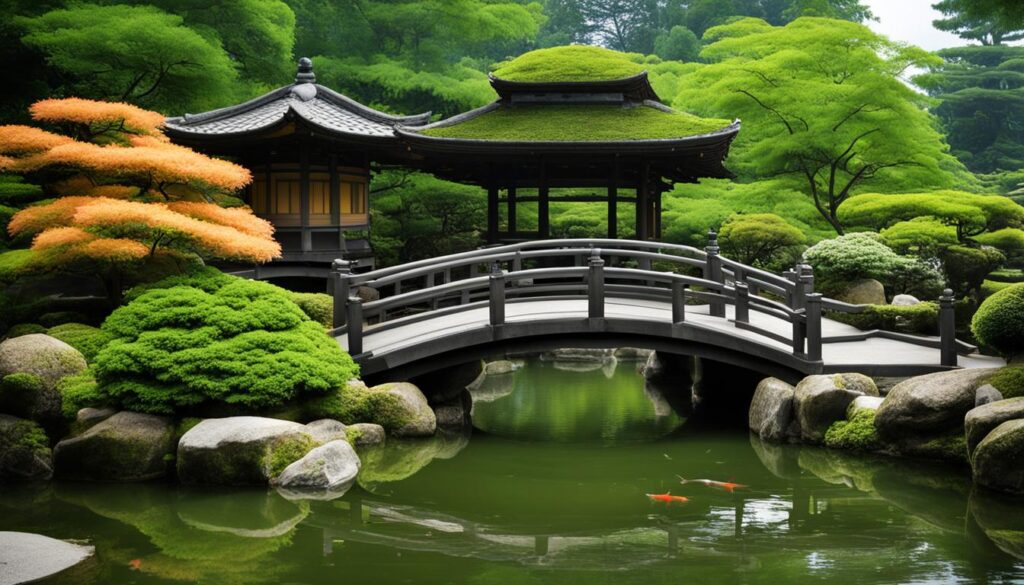
If you’re looking to escape the hustle and bustle of the city, Yoshikien Garden is the perfect place to unwind and immerse yourself in nature’s beauty. Located near Nara’s main sightseeing spots, this peaceful oasis features three distinct Japanese garden styles and is a must-visit destination on your trip to Nara.
With its serene atmosphere and stunning landscapes, Yoshikien Garden is an ideal spot for taking a leisurely stroll, admiring seasonal flowers, and enjoying the tranquility away from the bustling city. Take a moment to breathe in the fresh air and let your senses be delighted by the sights, sounds, and smells of the garden.
Three Unique Garden Styles
Yoshikien Garden is comprised of three distinct garden styles, each with its unique beauty and charm.
| Garden Style | Description |
|---|---|
| Tea Garden (Chisen-Kaiyu-Shiki) | A style of garden designed for tea ceremonies, featuring a pond, a water fountain, and a tea house. |
| Wetlands Garden (Hasso-no-Niwa) | A style of garden that reproduces the scenery of a Japanese marshland, featuring a small waterfall and a pond. |
| Dry Landscape Garden (Karesansui) | A style of garden that represents nature in a minimalist way, featuring rocks, gravel, and small plants. |
No matter which garden style you choose to explore, you’ll find yourself surrounded by natural beauty and serenity.
Visiting Yoshikien Garden
- Location: 31-1 Yoshikiencho, Nara, Nara Prefecture 630-8213, Japan
- Opening Hours: 9:00 AM – 5:00 PM (last entry at 4:30 PM)
- Admission Fee: 500 yen (adults), 250 yen (elementary, junior high and high school students)
- Website: https://nara-yoshikien.com/en/
Yoshikien Garden is conveniently located near other tourist spots in Nara, including Nara Park and Kasuga Taisha Shrine. Plan your visit accordingly to make the most of your time in this beautiful area.
Take a Day Trip to Mount Yoshino
If you’re looking for an outdoor adventure, taking a day trip to Mount Yoshino is a must-do activity during your Nara visit. This mountain is known for its picturesque hiking trails and is renowned for its stunning cherry blossom scenery in spring.
The hiking trails offer panoramic views of the surrounding countryside, making it a perfect escape from the bustling city. You can also enjoy the fresh mountain air and the peaceful atmosphere of the natural surroundings.
While Mount Yoshino is most famous for its cherry blossom scenery, it’s a beautiful place to visit year-round. In the fall, the changing leaves create a breathtaking landscape of vibrant colors. And in the winter, the snow-covered mountain provides a serene and tranquil setting for a winter hike.
Whether you’re an experienced hiker or a beginner, Mount Yoshino has trails suitable for all levels. Just make sure to wear comfortable shoes and bring enough water and snacks for your hike.
Getting There
Mount Yoshino is located about an hour and a half south of Nara by train. From Nara Station, take the Kintetsu Limited Express to Yoshino Station, then transfer to the Yoshino Ropeway to reach the mountain. Alternatively, you can take the JR Yamatoji Line to Kashiharajingu-Mae Station and transfer to the Yoshino Ropeway at Shimoichiguchi Station.
Useful Information
| Address | Mount Yoshino, Yoshino, Nara 639-3115, Japan |
|---|---|
| Admission | Free |
| Opening Hours | Open year-round |
| Best Time to Visit | Spring for cherry blossom viewing, fall for autumn leaves |
Nara Craft Museum: Immerse Yourself in Traditional Japanese Crafts
If you’re interested in traditional Japanese crafts, a visit to the Nara Craft Museum is a must-see during your trip to Nara. The museum showcases the exquisite craftsmanship of local artisans, offering a glimpse into the world of Japanese artistry.
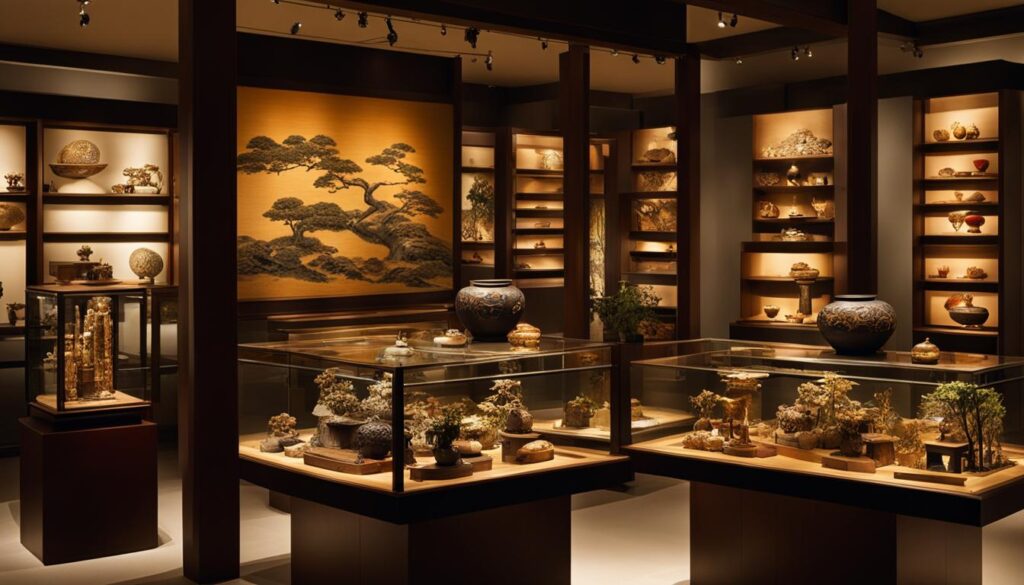
The museum displays a rich collection of ceramics, textiles, lacquerware, and metalwork. You can admire the intricate details and exquisite beauty of each piece, and gain a deeper appreciation for the skill and patience required to create them.
Additionally, the museum offers hands-on experiences for visitors to try their hand at traditional crafts. You can participate in workshops led by skilled artisans and learn techniques such as pottery, calligraphy, and weaving. This is a unique opportunity to create your own one-of-a-kind souvenir and take home a piece of Japanese culture.
Exhibits
The Nara Craft Museum’s exhibits are arranged by material, showcasing the unique features and artistic techniques of each craft. Here are some examples of the exhibits:
| Crafts | Description |
|---|---|
| Ceramics | Displaying pottery and porcelain pieces, this exhibit showcases the beauty of traditional Japanese ceramics. You can see unique glazes and shapes, as well as learn about the history and significance of ceramics in Japanese culture. |
| Textiles | This exhibit displays a variety of textile artifacts, including kimonos and fabrics. You can see the intricate patterns and designs, as well as learn about the dyeing and weaving techniques used to create them. |
| Lacquerware | Lacquerware is a unique Japanese craft that involves applying layers of lacquer to a wooden base. This exhibit features lacquerware pieces that showcase the craftsmanship and artistry of the artisans. |
| Metalwork | This exhibit showcases the beauty of Japanese metalwork, including tea ceremony utensils and Buddhist objects. You can see the intricate designs and techniques used to create them, as well as learn about their cultural significance. |
Workshops
The Nara Craft Museum offers workshops where visitors can learn traditional Japanese crafts. Here are some examples of the workshops:
- Pottery – Learn how to create a ceramic piece using traditional techniques, such as hand-building and wheel-throwing.
- Calligraphy – Learn the basics of Japanese calligraphy and create your own work of art using ink and a brush.
- Weaving – Learn how to weave textiles using a traditional Japanese loom.
These workshops provide a unique opportunity to learn from skilled artisans and create your own one-of-a-kind souvenir to take home.
Discover the Ancient Capital’s History at Nara National Museum
The Nara National Museum is a must-visit for history buffs and art enthusiasts. The museum houses a vast collection of art and artifacts dating back to the 8th century, depicting the rich cultural heritage of Nara and the ancient capital’s storied past.
The museum has two wings: the original 1895 building, designed in a Western-style, and the modern wing, known for its minimalist design. The exhibits are displayed in both wings, showcasing various aspects of Nara’s history and culture.
The Exhibits
The museum’s exhibits include Buddhist sculptures, paintings, calligraphy, and other masterpieces of Japanese art from the ancient Nara period to the Edo period.
- One of the highlights of the museum is the collection of Buddhist statues from the temples and shrines of Nara, including some of the oldest and most famous statues in Japan.
- Another must-see is the exhibit of the Shoso-in treasures, which are artifacts from the Imperial collection dating back to the 8th century.
- The museum also has a collection of ancient Chinese and Korean art, reflecting the cultural influences that shaped Japan’s artistic traditions.
The Architecture
The Nara National Museum’s Western-style building is a historical landmark and a masterpiece of Meiji-era architecture. The red brick exterior, arched windows, and grand staircase are a testament to Japan’s early modernization and Westernization.
The modern wing, in contrast, is a sleek and minimalist structure that complements the natural beauty of the surrounding forest. The use of glass and wood creates a seamless blend between the interior and exterior, immersing visitors in the serene landscape of Nara Park.
Plan Your Visit
The Nara National Museum is open daily except Mondays, from 9:30 am to 5:00 pm. The admission fee is 520 yen for adults and 260 yen for students. Audio guides are available in English, Chinese, and Korean.
Make sure to allocate at least 2-3 hours to fully appreciate the museum’s exhibits and architecture. The museum also hosts special exhibitions throughout the year, so check the schedule in advance to see what’s on display during your visit.
With its impressive collection of art and artifacts, the Nara National Museum offers a glimpse into the rich cultural heritage of Japan and Nara’s ancient capital.
Conclusion
In conclusion, your visit to Nara, Japan promises to be an unforgettable experience full of wonder and discovery. You can feed the friendly deer at Nara Park, explore the impressive Todaiji Temple, and discover the cultural heritage of Kasuga Taisha Shrine. Additionally, you can step back in time at Horyuji Temple, stroll the traditional streets of Naramachi, and experience the tranquility of Yoshikien Garden.
If you’re feeling adventurous, take a day trip to Mount Yoshino for stunning views of the surrounding countryside or learn about Japanese traditional crafts at the Nara Craft Museum. Finally, explore the rich cultural heritage of Nara at the Nara National Museum.
So, pack your bags and get ready for an incredible journey to one of Japan’s most fascinating destinations. Nara awaits you!