Ethical Elephant Experiences in Chitwan National Park
Have you ever thought about how your travel choices affect animals? In Chitwan National Park, you can find ethical elephant experiences. These experiences are not just fun but also help protect elephants and support sustainable tourism.
This UNESCO World Heritage Site is more than a place to visit. It’s a step towards treating elephants with respect and promoting green practices.
By choosing responsible tourism, you help conservation and support local people. Let’s explore how you can join this important journey in Nepal.
Introduction to Ethical Elephant Tourism
Ethical elephant tourism puts the well-being of elephants first. It supports conservation and offers meaningful travel experiences. This approach avoids elephant riding, which harms their health and happiness.
It encourages tourists to interact with elephants in ways that respect their natural behaviors. Activities like watching elephants in their habitats or helping with enrichment programs help us understand their needs. These experiences also support local communities by creating jobs through sustainable tourism.
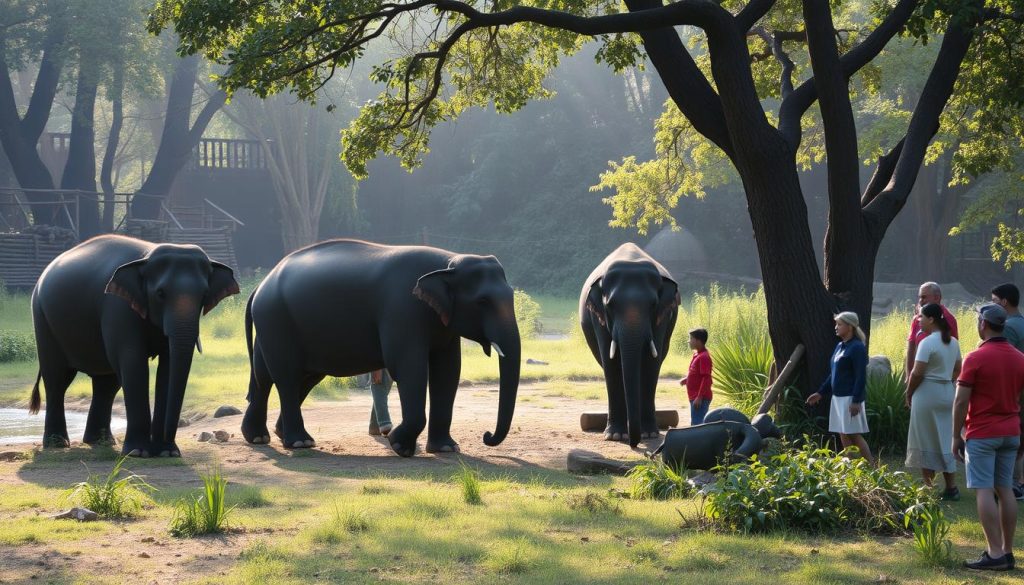
Supporting local communities through responsible tourism is key. It builds strong relationships between people and wildlife. By choosing ethical elephant tourism, you help protect wildlife and support local cultures.
The Importance of Chitwan National Park
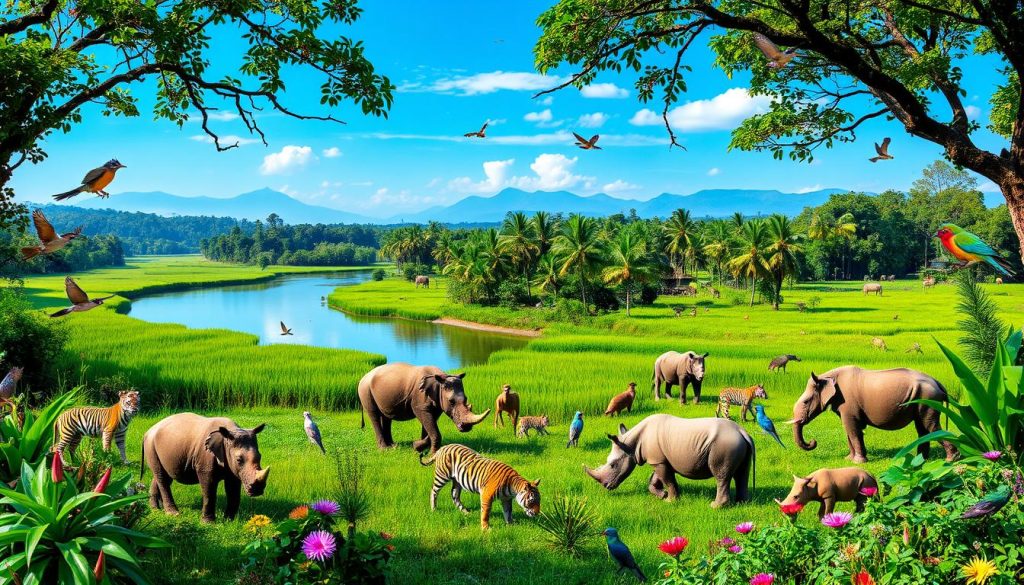
Chitwan National Park is a key spot for conservation in Nepal. It’s a UNESCO World Heritage Site that protects endangered species like the one-horned rhinoceros and the Bengal tiger. The park’s ecosystem is rich in plants and animals, making it a paradise for nature lovers.
Anti-poaching efforts have boosted wildlife numbers in the park. This shows the success of conservation plans. Local people are also involved, which helps them feel connected to their environment.
Chitwan National Park is crucial for both wildlife and local communities. By supporting sustainable tourism, you help protect endangered species and their homes. Your support is vital for the park’s future.
| Species | Status | Conservation Efforts |
|---|---|---|
| One-Horned Rhinoceros | Endangered | Anti-poaching patrols and habitat restoration |
| Bengal Tiger | Near Threatened | Protected areas and community awareness programs |
| Royal Bengal Tiger | Vulnerable | Monitoring and anti-poaching strategies |
Understanding Responsible Elephant Tourism
Responsible elephant tourism focuses on treating elephants well, whether they’re in captivity or free. The demand for seeing elephants can lead to bad treatment. But, good elephant tourism offers safe and respectful ways to see these animals.
Many old ways, like riding elephants, are now seen as wrong. Sanctuaries and eco-tours show elephants in better places. This helps people learn to love and protect these animals.
By choosing responsible elephant tourism, you help spread the word about treating animals right. Supporting places that care for elephants helps them live better in their homes. This way, you can have amazing experiences without hurting the animals.
| Aspect | Responsible Elephant Tourism | Exploitative Practices |
|---|---|---|
| Animal Welfare | Focus on humane treatment | Often harmful practices |
| Visitor Experience | Informed, educational interactions | Short-term thrills with no awareness |
| Conservation Impact | Supports conservation efforts | Neglects the needs of wildlife |
| Sustainability | Promotes long-term solutions | Focus on immediate profit |
Ethical Elephant Experiences in Chitwan National Park?
Visiting Chitwan National Park for ethical elephant experiences is a unique way to see these amazing animals. It supports their well-being and helps their conservation. You’ll enjoy your visit and also help the local environment and people.
Key Programs and Initiatives
Many groups offer responsible tourism programs in Chitwan National Park. Places like Tiger Tops focus on:
- Elephant rehabilitation: Helping elephants that were mistreated or used for work.
- Conservation education: Teaching visitors about elephants and how to treat them right.
- Community involvement: Helping local people join in conservation efforts, which helps their jobs and protects wildlife.
Benefits of Responsible Tourism
Responsible tourism does more than just entertain. It has many benefits, like:
- Wildlife habitat conservation: It helps keep the homes of elephants safe.
- Economic benefits for local communities: More visitors mean more money for local businesses and families.
- Awareness and advocacy: It teaches visitors to travel ethically, helping the world.
| Aspect | Description | Impact |
|---|---|---|
| Elephant Welfare | Focus on rehabilitation and care of elephants | Improved living conditions for elephants |
| Community Involvement | Engagement of locals in conservation efforts | Enhanced local economies and support for families |
| Conservation Education | Visitor education about ethical practices | Increased awareness and responsibility among tourists |
Chitwan National Park Elephant Sanctuary
The Chitwan National Park elephant sanctuary is a key place for captive elephants to heal and live peacefully. It focuses on the well-being of elephants, giving them the care they need. Visitors can learn about the struggles of elephants in bad situations.
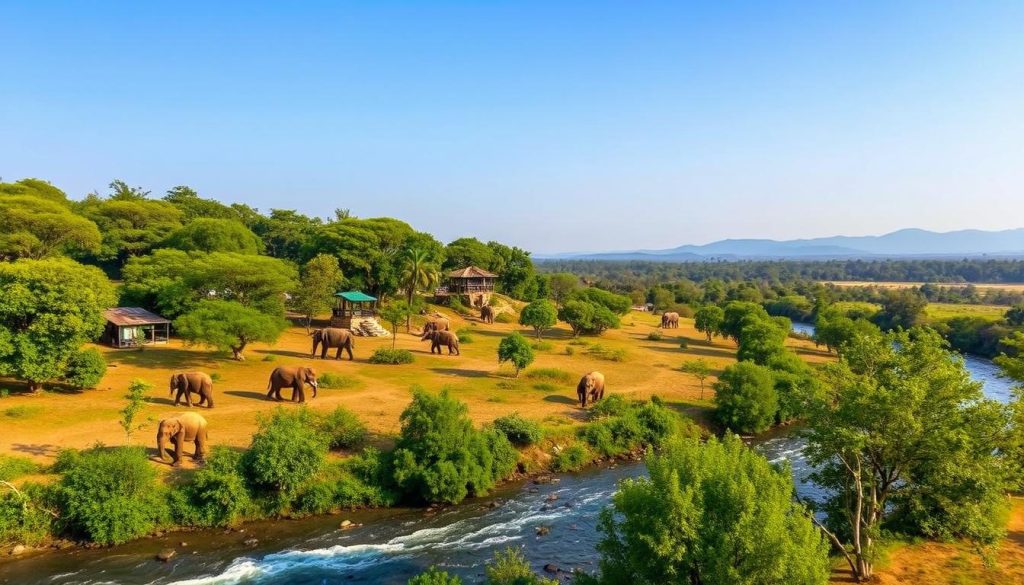
Here, you see how these amazing animals change in a better place. They get to act naturally, which is good for their health and mind.
“The welfare of each elephant is paramount; we create a stress-free environment conducive to healing.”
Learning is a big part of the sanctuary. Tours and workshops teach about the right way to treat elephants. It shows how knowing more can help change how we treat these animals.
| Sanctuary Features | Description |
|---|---|
| Natural Habitat | Elephants roam freely in environments that mimic their natural surroundings. |
| Rehabilitation Programs | Targeted therapies to support the physical and emotional recovery of elephants. |
| Educational Outreach | Programs designed to inform visitors about elephant welfare and ethical tourism practices. |
| Rescue Initiatives | Efforts to rescue elephants from harmful tourism scenarios, ensuring their long-term care. |
Supporting the Chitwan National Park elephant sanctuary helps improve elephant care. Your visit supports a vital cause and lets you see these animals in a place that respects their needs and dignity.
Conservation-Focused Elephant Interactions
Conservation-focused elephant interactions are key in ethical elephant tourism. They focus on the well-being of elephants and their habitats. This allows for meaningful engagement and learning.
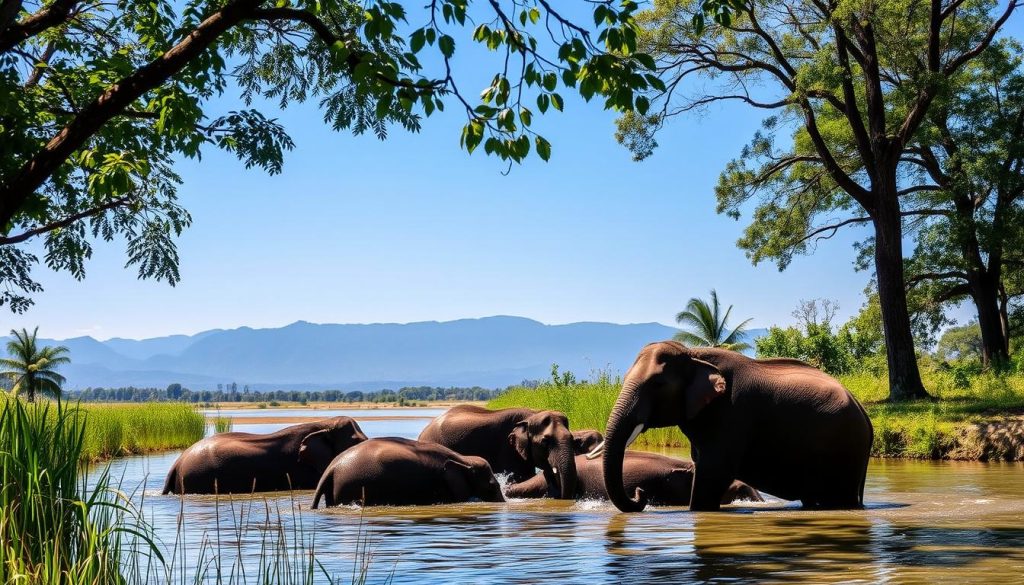
You can see elephants in their natural home. This helps them act naturally and teaches us about their role in nature.
How Conservation Affects Elephant Tourism
Conservation and tourism work together well. When you choose ethical elephant tourism, you help the local economy and wildlife. Your support goes to projects that keep elephants safe.
Businesses that focus on conservation-focused elephant interactions teach visitors about elephant challenges. This education is crucial.
The benefits are many:
- Supports local communities
- Encourages sustainable tourism
- Raises awareness about elephant conservation
By participating, you help elephants and enjoy Chitwan National Park’s beauty. It’s a win-win situation.
Choosing Eco-Friendly Elephant Tours
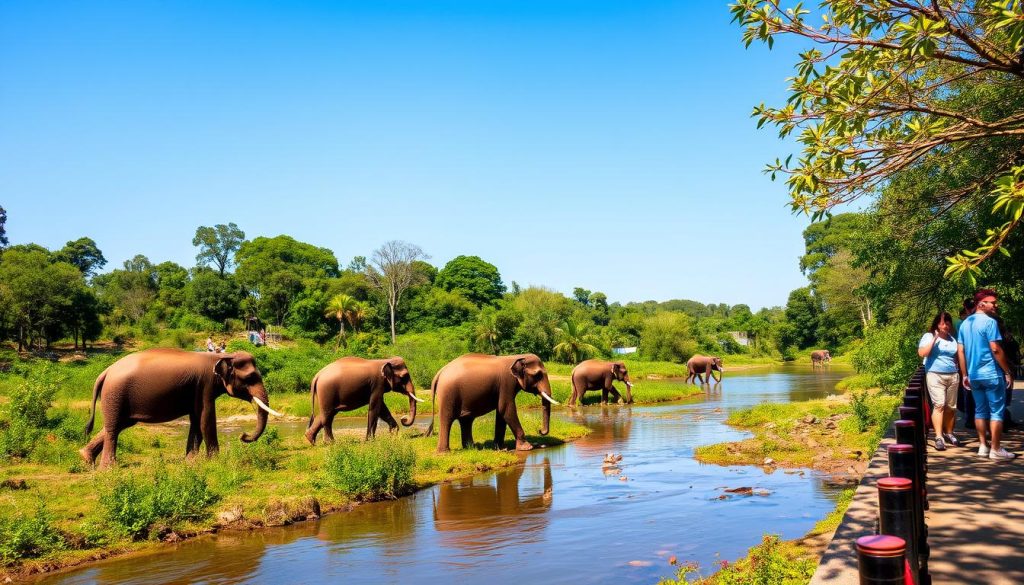
Visiting Chitwan National Park means making a choice about elephant tours. Choosing eco-friendly tours makes your visit better and helps elephants and their homes. Good tour operators care about elephants’ health and don’t let you ride them. This stops elephants from being stressed and hurt.
To find reliable tour operators, look for these things:
- No elephant riding policy: Make sure the tour doesn’t include riding, which disrupts their natural ways.
- Healthy living conditions: Check that elephants get vet care and have enough room to move.
- Conservation efforts: Pick tours that help with local conservation and animal care.
Your choices matter a lot for the local environment and animals. By picking eco-friendly tours, you help tourism that respects nature and animals. Knowing how your actions affect wildlife makes you think more about your travel.
The table below shows the difference between good and bad elephant tours:
| Tour Type | Impact on Elephants | Effect on Local Community | Contribution to Conservation |
|---|---|---|---|
| Ethical Elephant Tours | Promotes well-being and natural behaviors | Supports local jobs and education | Funds wildlife protection programs |
| Non-Ethical Tours | Leads to stress and health issues | Often exploits communities | Contributes to habitat destruction |
Sustainable Wildlife Tourism Practices
Sustainable wildlife tourism helps build a good relationship between nature and tourism. It makes sure travelers have great experiences and wildlife stays safe. By choosing ethical travel, you help protect endangered animals and their homes.
Here are some key practices for sustainable wildlife tourism:
- Minimizing environmental impact: Pick tours that are gentle on the environment. They should use less plastic and focus on conservation.
- Supporting local economies: Go for local guides who hire from the community. They also help with local conservation projects.
- Raising awareness: Join educational programs. They teach visitors about wildlife conservation and its successes.
Ethical practices are vital for respecting wildlife. Tour operators must follow rules that protect animals and the environment. This way, your trip helps conservation, making it more rewarding.
| Practice | Benefits |
|---|---|
| Low-Impact Tours | Reduces damage to ecosystems and habitats. |
| Community Support | Empowers local populations and promotes cultural preservation. |
| Education Programs | Increases visitor knowledge and promotes responsible behaviors. |
Your choices in sustainable wildlife tourism can shape the future of conservation. They help protect wildlife and offer amazing nature experiences.
Challenges in Elephant Conservation
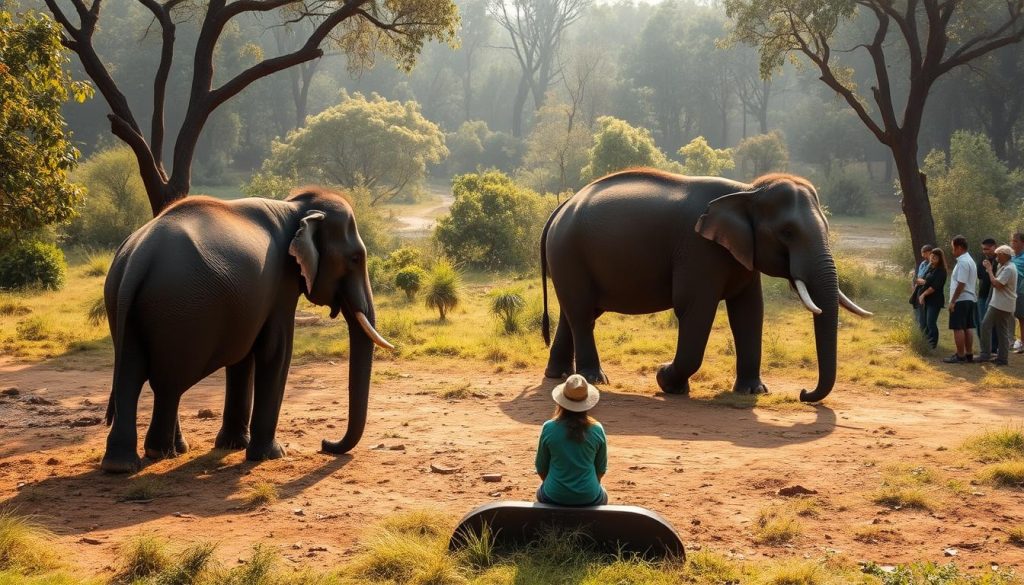
It’s key to know the challenges in saving elephants to protect them well. In Nepal, the main problem is the clash between humans and elephants. As more people live and farm, elephants move into farmland, causing big issues.
Human-Elephant Conflict in Nepal
This fight hurts both elephants and people. Farmers see elephants as dangers and sometimes hurt them. To solve this, we need to teach people and animals to live together.
Keeping elephant homes safe is crucial. This way, elephants have enough food and space, cutting down on human encounters. Using farming methods that don’t harm elephants’ homes helps too. Working together, we can make sure both humans and elephants do well.
| Conservation Strategy | Description | Impact on Human-Elephant Conflict |
|---|---|---|
| Community Awareness Programs | Educating locals about elephant behavior and conservation needs. | Reduces fear and promotes tolerance. |
| Habitat Preservation | Protecting natural habitats to ensure elephants have safe territory. | Decreases human encounter frequency. |
| Sustainable Agriculture | Implementing farming practices that do not infringe on elephant habitats. | Less competition for resources. |
| Conflict Mitigation Strategies | Using technology like repellents and barriers to deter elephants. | Prevents damage to crops while protecting elephants. |
Success Stories from Ethical Elephant Programs
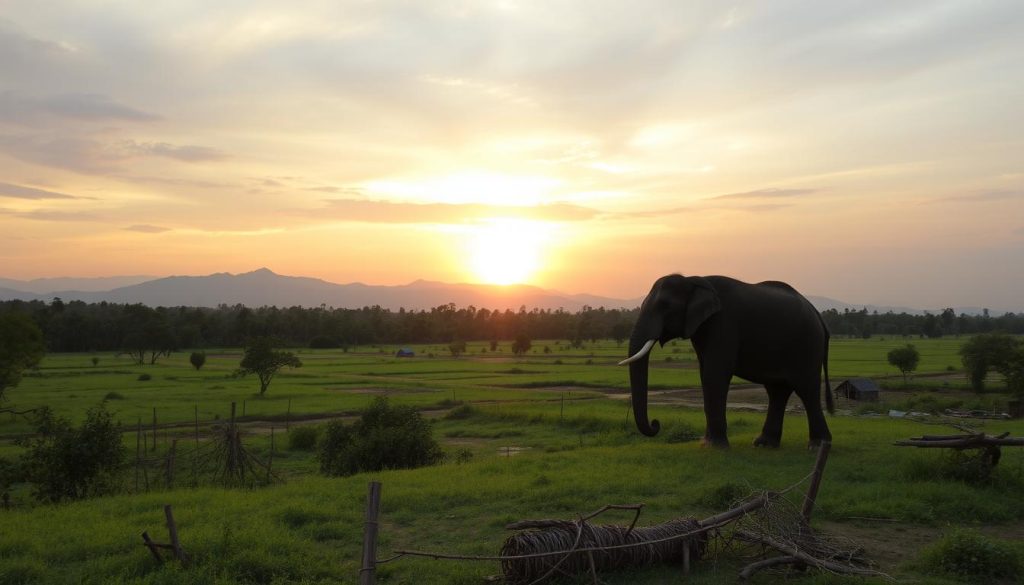
Many success stories in elephant conservation come from ethical programs. These stories show how hard work can make a big difference. They highlight how working together can lead to great conservation wins.
In Chitwan National Park, there are programs that improve elephant care and support sustainable tourism. Community-led efforts focus on the elephants’ well-being. They make sure the animals are healthy and help tourists connect with wildlife in a responsible way.
One big success was helping mahouts, or elephant caretakers, find new jobs. They now teach about conservation and ethical tourism. This change has raised awareness and respect for elephants and helped local families.
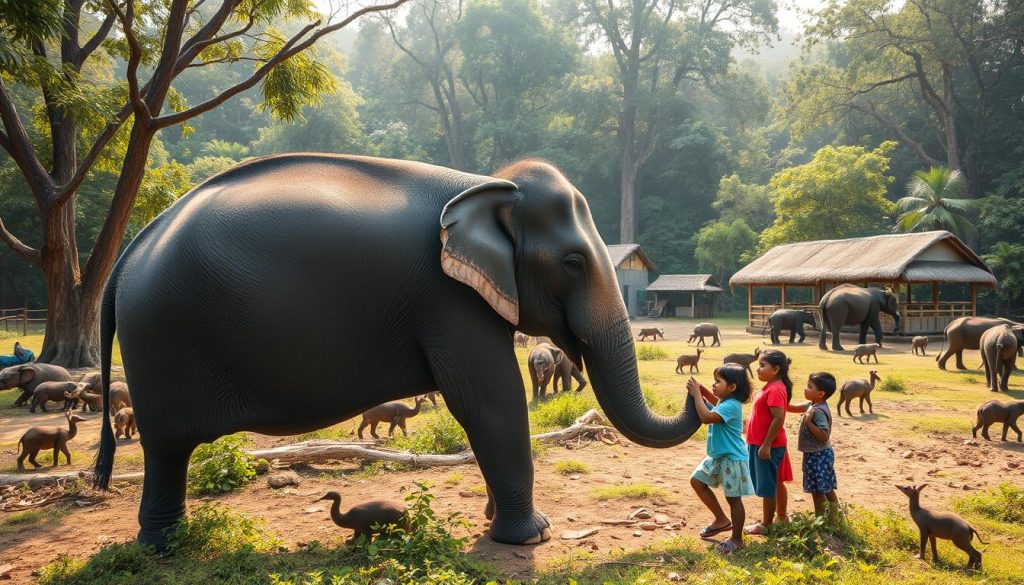
These programs also work on restoring habitats for elephants and their ecosystems. By fixing deforestation issues, they’ve brought back natural habitats. This has led to more elephants in the area. These successes are a guide for conservation efforts around the world.
Through hard work and teamwork, these stories show that protecting elephants and helping local communities go hand in hand. They prove that tourism and wildlife conservation can work together.
Conclusion
Visiting Chitwan National Park for ethical elephant experiences is unforgettable. It also helps protect wildlife. By choosing responsible elephant tourism, you support the well-being of these animals and sustainable tourism.
Your decision to go for these ethical experiences strengthens efforts to save elephants and their homes. It also helps keep the area’s culture alive.
Supporting sustainable tourism is key to protecting wildlife. It encourages future generations to value our natural world. Every trip to Chitwan reminds us of nature’s beauty and importance.
By choosing responsible elephant tourism, you help the environment. You also show a caring approach to wildlife. This is crucial for a healthier ecosystem.
Your choice to see elephants in Chitwan National Park makes a big difference. It enriches your experience and helps conservation. Remember, your actions help ensure these animals are around for future generations.