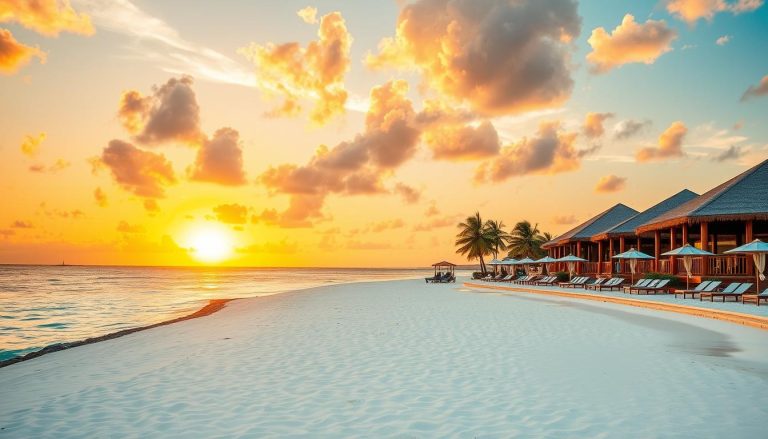
Encounter Pigeon Island’s Diverse Wildlife
What wildlife can you see on Pigeon Island, a beautiful island park off Sri Lanka’s coast? It’s home to unique and fascinating species. You can see native birds, marine life, and animals on land. It’s a great place for wildlife lovers to explore.
Planning a trip to Pigeon Island? You might wonder when to see its wildlife. The island has lush rainforests, wetlands, and coral reefs. These places are perfect for spotting endemic species found only here.
Introduction to Pigeon Island’s Ecosystem
Pigeon Island is in the Trincomalee District of Sri Lanka. It has diverse habitats. The island is part of the Pigeon Island National Park, covering 471.4 hectares. It includes shallow coral reefs.
The island’s ecosystem is rich. It has coral reefs, mangrove forests, and dry mixed forests. This makes it perfect for a wildlife guide.
The best time to see wildlife is from December to April. The weather is nice, and animals are more active. This is great for seeing the island’s wildlife diversity.
The island is very important for the environment. It supports many species. This helps keep the ecosystem balanced, which is key for marine life.
Geographical Location and Habitat Types
The island has two parts: Pigeon Island and Crow Island. Its location and habitats are ideal for different ecosystems. This includes coral reefs and mangrove forests.
Best Seasons for Wildlife Viewing
The dry season, from December to April, is best for wildlife watching. The weather is nice, and animals are more active. It’s the perfect time to see the island’s wildlife.
Island’s Ecological Significance
Pigeon Island is very important for the environment. Its unique location and habitats support many species. The island’s ecosystem is crucial for marine life and the environment.
What Wildlife Can Be Seen on Pigeon Island?
Exploring Pigeon Island reveals a wide variety of wildlife sightings. You’ll see many Pigeon Island bird species. The island boasts over 100 coral types and about 300 fish species, attracting marine life lovers.
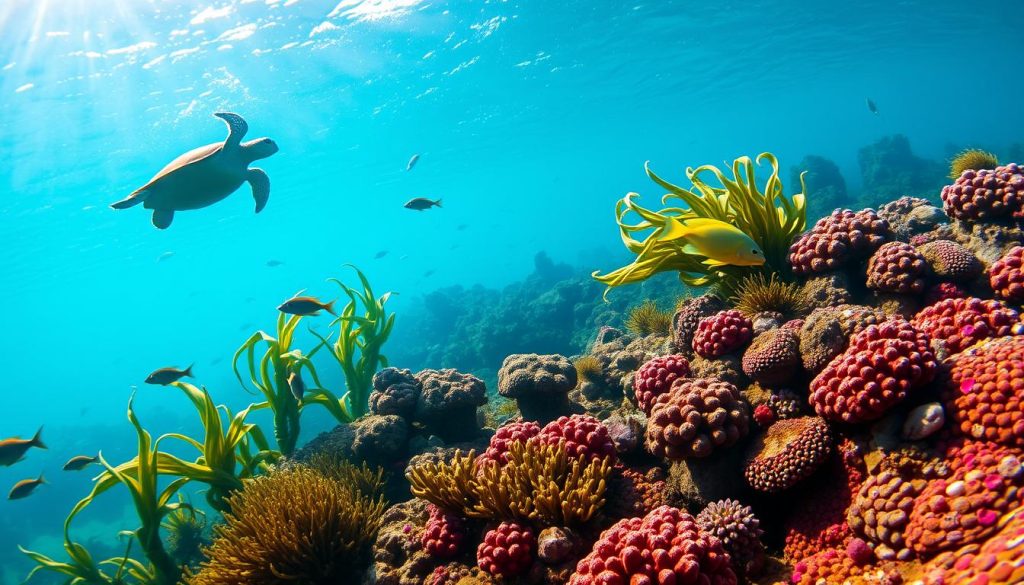
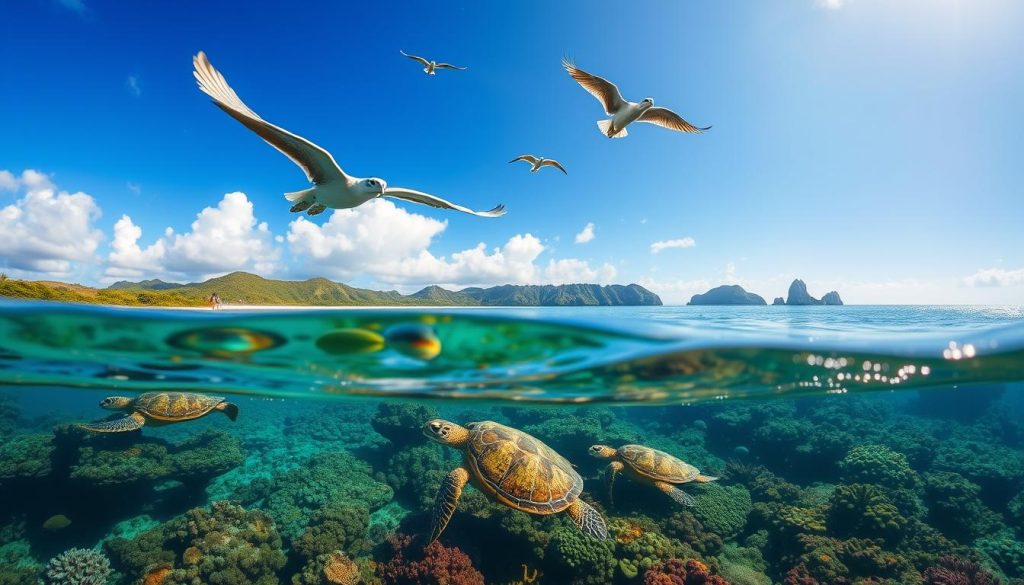
The Pigeon Island wildlife sanctuary is a safe space for its creatures. Here, visitors can see sea turtles like the Hawksbill and Green turtles. Also, the Blue Rock Pigeon breeds here in April.
Some key wildlife highlights on Pigeon Island include:
- Over 100 species of coral
- 300 species of fish
- Several species of sea turtles, including the Hawksbill sea turtle and Green turtle
- The Blue Rock Pigeon, which breeds on the island in April
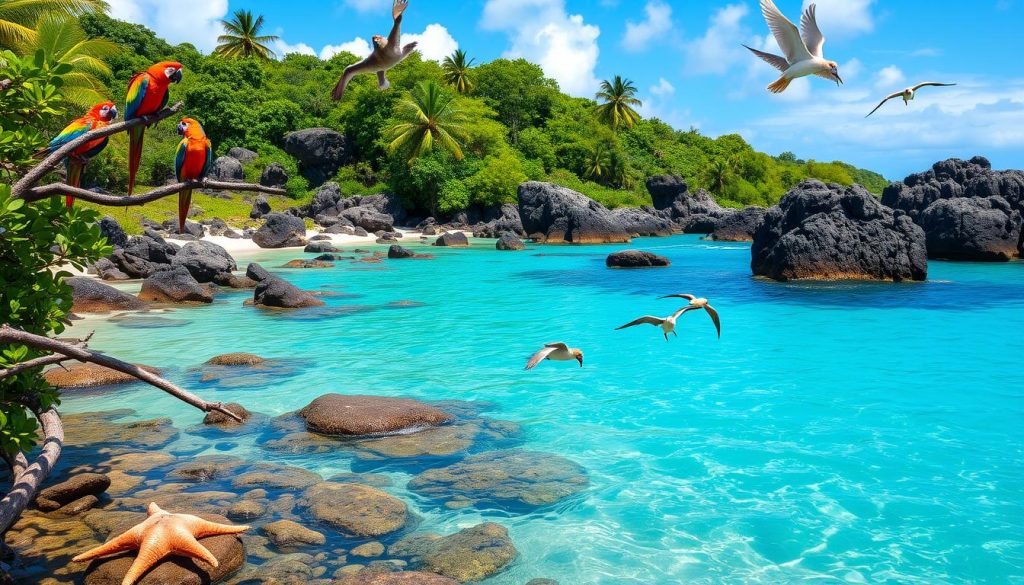
Pigeon Island is perfect for those who love marine and land wildlife. Its unique ecosystems make it a must-see for nature enthusiasts.
Native Bird Species and Their Habitats
Exploring Pigeon Island reveals a wide variety of native bird species. The island’s unique location and habitats make it a perfect home for many birds. The Blue Rock Pigeon, found only here, is a highlight. Pigeon Island’s wildlife is rich, with birds playing a crucial role in the ecosystem.
The coral reefs and coastal areas are home to seabirds and coastal birds. The forests host forest-dwelling birds. Pigeon Island’s bird species are vital to its biodiversity. Many species depend on the island’s habitats to survive. Some notable birds include:
Seabirds and Coastal Birds
- Seabirds, such as frigatebirds and boobies
- Coastal birds, such as sandpipers and plovers
Forest-Dwelling Birds
- Forest birds, such as parrots and hornbills
- Ground-dwelling birds, such as quails and pheasants

As you explore, you’ll see these amazing birds up close. You’ll also learn about the need to protect Pigeon Island’s wildlife and animals.
Marine Life Around Pigeon Island
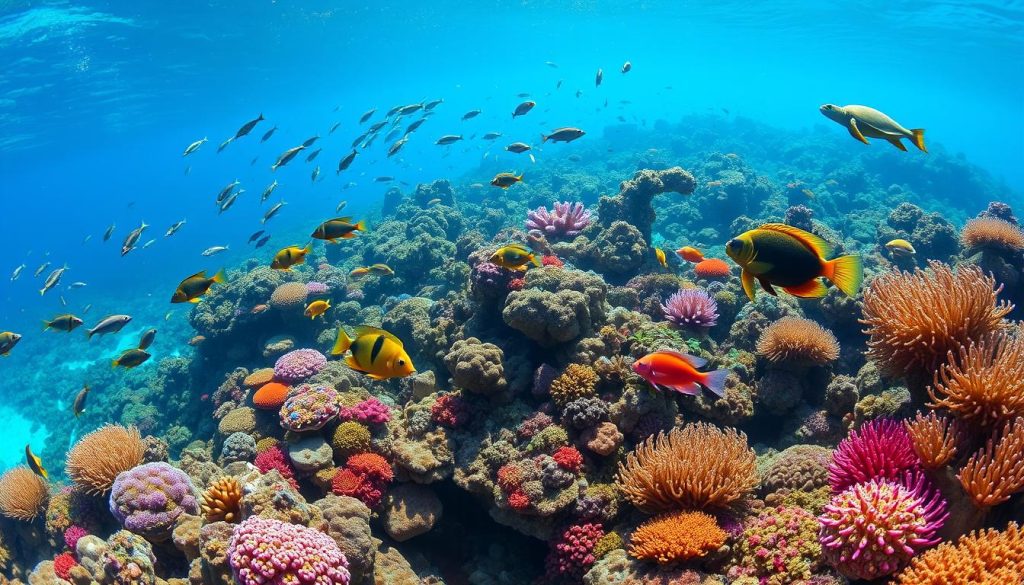
The waters around Pigeon Island are teeming with life. Over 100 species of corals call this place home. The island’s coral reef is vast and full of marine diversity.
Exploring the island, you might see Black Tip Reef Sharks. They can grow up to 2 meters long. There’s a special snorkeling area where you can see them up close.
The Pigeon Island wildlife sanctuary is a safe space for marine creatures. Here, you can see them in their natural setting. The island’s unique location supports a variety of marine life.
Some highlights of the marine life around Pigeon Island include:
- Over 100 species of corals
- Black Tip Reef Sharks
- Coral reefs that cover a significant portion of the surrounding sea
- A wide range of marine species
| Species | Length | Habitat |
|---|---|---|
| Black Tip Reef Sharks | Up to 2 meters | Coral reefs |
| Corals | Varying lengths | Coral reefs |
Terrestrial Animals and Reptiles
Exploring Pigeon Island reveals a wide variety of animals and reptiles. The island is home to native mammals, reptiles, and rare species. A Pigeon Island wildlife guide can enhance your visit by showing you the island’s unique ecosystem.
The island’s forests are home to snakes and lizards. You might see Hawksbill, Green, or Olive ridley turtles on the beaches. These turtles are key to the island’s wildlife.
Some notable species include:
- Native mammals, such as bats and rodents
- Reptile species, including snakes, lizards, and turtles
- Rare and endemic species, found nowhere else in the world
Pigeon Island’s unique location and habitats support a variety of species. By exploring and learning about its wildlife, you’ll appreciate conservation efforts more.
| Species | Habitat |
|---|---|
| Hawksbill sea turtle | Beaches |
| Green turtle | Beaches |
| Olive ridley turtle | Beaches |
Best Wildlife Viewing Locations
Visiting Pigeon Island lets you see a wide variety of wildlife. The island’s unique location and diverse ecosystem make it perfect for wildlife sightings. The Pigeon Island wildlife sanctuary is a safe place for many species, showing off the island’s rich wildlife diversity.
The coastal areas offer beautiful views and chances to see seabirds, turtles, and marine life. The forest trails are home to birds and reptiles that live in the forest.
Coastal Observation Points
The island’s beaches and rocky shores are great for spotting marine life. You can see colorful fish and coral species here.
Forest Trails
The forest trails let you explore the island’s interior. Here, you can see birds, reptiles, and insects that live in the forest.
Marine Viewing Areas
The marine viewing areas, like the coral reefs around the island, show the amazing marine life of Pigeon Island.
| Location | Best Time to Visit | Species to Spot |
|---|---|---|
| Coastal Areas | Early Morning | Seabirds, Turtles |
| Forest Trails | Late Afternoon | Forest-Dwelling Birds, Reptiles |
| Marine Viewing Areas | Any Time | Colorful Fish, Coral Species |
Wildlife Photography Tips and Guidelines
Exploring Pigeon Island lets you capture amazing photos of its Pigeon Island wildlife. To get the best shots, you need the right gear and know the island’s rules. The dry season, from December to April, is the best time. The weather is nice, and the Pigeon Island animals are more active.
A Pigeon Island wildlife guide can help you find the best spots and times. Places like Frenchman’s Creek and Pigeon Pond Nature Reserve are great. They’re home to many birds, like yellow-crowned night herons and brown pelicans. The reserve’s mangroves and channels are perfect for photos of sharks, fish, turtles, and conch.
When taking photos of Pigeon Island wildlife, follow the island’s rules. This keeps the animals safe and the environment protected. Stay far from the animals, don’t feed them, and don’t litter. With the right gear and following these tips, you can take amazing photos and help protect the island.
| Location | Best Time for Photography | Species to Photograph |
|---|---|---|
| Frenchman’s Creek and Pigeon Pond Nature Reserve | Early morning and late afternoon | Yellow-crowned night herons, green herons, brown pelicans |
| Northwest Point Marine National Park | Winter months | Humpback whales, sea turtles |
Always put the Pigeon Island wildlife and the island’s ecosystem first. Enjoy your time taking photos on this beautiful island.
Conservation Efforts and Wildlife Protection
Exploring the Pigeon Island wildlife sanctuary shows the importance of conservation. The island’s marine life is key to its ecosystem. Programs aim to keep this life safe.
Protecting coral reefs is a big focus. Efforts include setting up a buoyancy line to help reefs grow. Your support helps protect the island’s wildlife and ecosystem.
Here are ways to help:
- Follow the island’s rules to reduce your impact
- Don’t disturb the wildlife, including marine life
- Support conservation by donating or volunteering
Together, we can protect the Pigeon Island wildlife sanctuary. This includes its amazing marine life.
| Conservation Effort | Goal | Impact |
|---|---|---|
| Coral Reef Conservation | Protect and develop existing coral reefs | Promote biodiversity and support Pigeon Island marine life |
| Wildlife Protection Programs | Preserve the island’s unique ecosystem and wildlife diversity | Ensure the long-term survival of the Pigeon Island wildlife sanctuary |
Safety Guidelines When Observing Wildlife
Exploring Pigeon Island for wildlife sightings is exciting. But, it’s crucial to follow safety guidelines to protect both the wildlife and yourself. A Pigeon Island wildlife guide can offer valuable tips on observing the island’s diverse wildlife.
To have a safe and fun time, keep a safe distance from wildlife. This means staying at least 100 yards away, even more when animals are nesting or pupping. This distance helps avoid disturbing them and keeps them safe.
Some important guidelines for observing wildlife on Pigeon Island include:
- Keep a safe distance from wildlife, specially during nesting or pupping seasons.
- Avoid feeding the wildlife, as it can mess with their natural behavior and diet.
- Don’t disturb their habitat, like nests, burrows, or other shelter areas.
By following these guidelines and respecting wildlife’s space, you help protect the Pigeon Island wildlife sanctuary. This way, you ensure a safe and enjoyable experience for both you and the animals. Always check with a reliable Pigeon Island wildlife guide for more info on observing wildlife responsibly.
For more on responsible wildlife viewing and conservation, visit the official Pigeon Island website or talk to a local wildlife expert.
| Wildlife Species | Viewing Tips | Conservation Status |
|---|---|---|
| Seabirds | Maintain a safe distance, avoid loud noises | Vulnerable |
| Harbor Seals | Respect pupping areas, avoid disturbance | Protected |
| Pinnipeds | Avoid disturbing resting or preening areas | Conservation-dependent |
Conclusion: Preserving Pigeon Island’s Natural Heritage
Pigeon Island is a true gem, filled with diverse wildlife and animals. It’s crucial to preserve it for future generations. By following the island’s guidelines and supporting conservation, you can help protect its wildlife and ecosystem.
The island’s location and varied habitats make it a sanctuary for many species. This includes seabirds, forest-dwelling birds, marine life, and terrestrial animals. Preserving this natural heritage is vital for the island’s ecosystem and enriches the visitor experience.
Your actions as a visitor can have a lasting impact. Respect the guidelines, be mindful of the wildlife, and support conservation efforts. Together, we can protect Pigeon Island’s natural beauty for generations to come. This will allow it to continue inspiring and captivating all who explore its treasures.