Discover Top Attractions in Gyumri: Must-See Spots
Have you ever wondered how a city can rise from tragedy and become a vibrant cultural hub? Gyumri, Armenia’s creative capital, is a shining example. It’s not just a place to visit but a symbol of resilience, art, and history. Located in the Shirak Province, Gyumri’s story is told in its unique black-and-apricot stone buildings.
In 1988, a devastating earthquake hit Gyumri, killing an estimated 25,000 to 50,000 people and destroying much of its culture. Yet, the city’s spirit remains strong. It’s now undergoing a major restoration while welcoming visitors from all over.
With more tourists coming thanks to new budget flights, exploring Gyumri is now easier than ever. You can be drawn by its rich history, unique architecture, or the artistic ventures that define it. This article will take you through Gyumri’s top attractions, showing you the must-see places that reflect its historical and creative essence.
Introduction to Gyumri: Armenia’s Creative Capital
Gyumri, Armenia’s second-largest city, is a mix of rich history and vibrant culture. It covers 54 km² (21 sq mi) and sits at 1,509 m (4,951 ft) above sea level. Home to 112,301 people as of 2022, it has a strong spirit despite facing big challenges.
The 1988 Spitak earthquake was a major setback, killing about 25,000 people. Yet, Gyumri keeps thriving, becoming a hub for arts and crafts. It draws visitors who want to see its beautiful spots.
The Kumayri historic district is a highlight, showcasing authentic Armenian architecture from the 19th century. Walking here, you’ll see landmarks that show the city’s creativity and history. Gyumri’s past, from ancient times to the Russian Empire, adds depth to your visit.
In Gyumri, you can dive into the local art scene, try unique foods, and see the city’s craftsmanship. The city’s mix of traditional crafts and history will captivate you.
What are the top attractions in Gyumri?
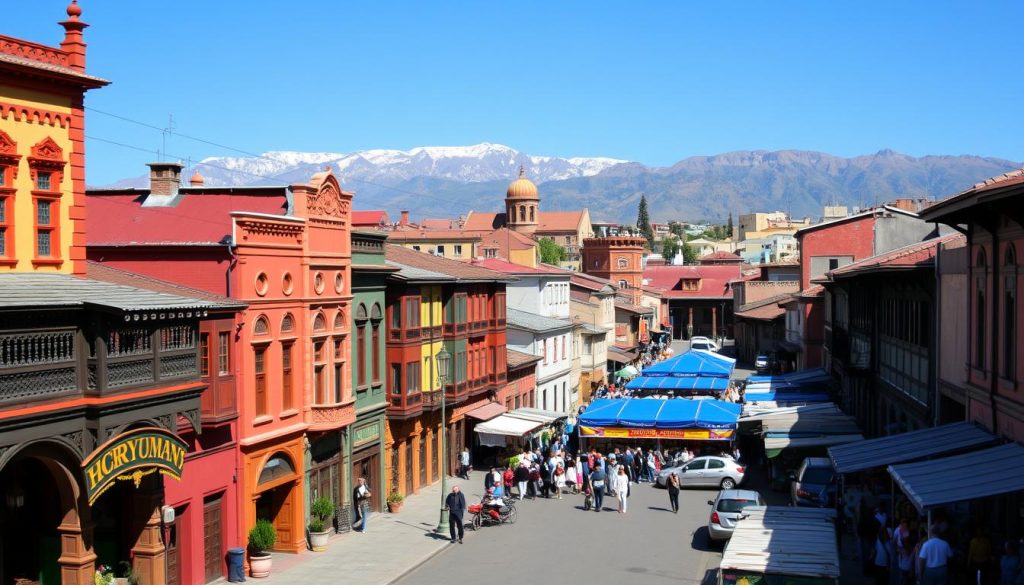
Gyumri, Armenia’s second city, is known for its art, culture, and history. As you explore, you’ll find landmarks that show its rich past and lively present. Gyumri is full of Gyumri sightseeing spots, keeping its architecture and art alive.
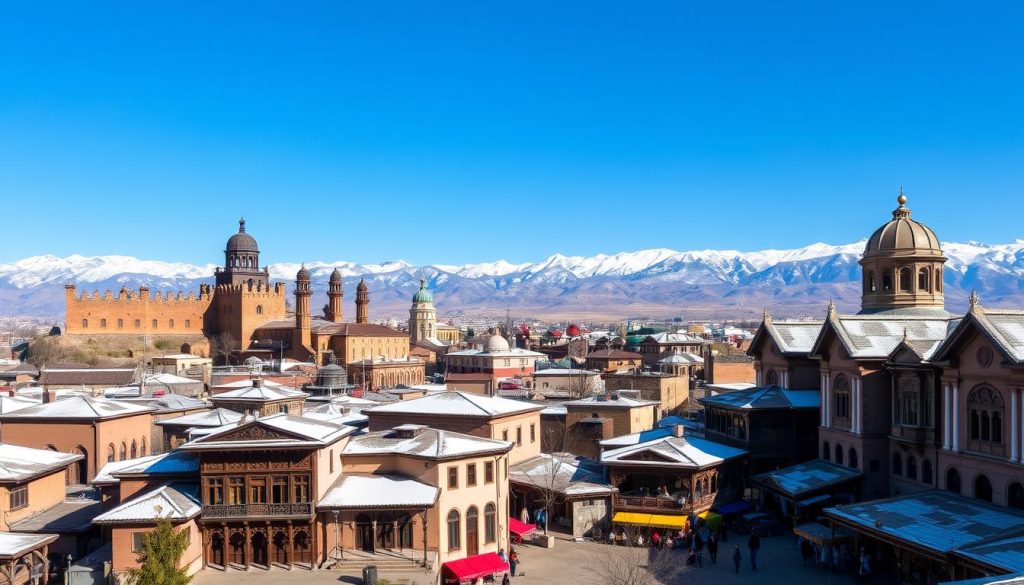
Vartanants Square is a key spot in Gyumri. It has monuments like a memorial to the Battle of Avarayr and a statue of Vardan Mamikonian. Walking through, you see the city’s strong spirit in its beautiful buildings.
The Holy Savior’s Church is another must-see. It’s Armenia’s tallest church, standing at 36 meters. It shows Gyumri’s focus on keeping its spiritual and architectural heritage alive. Don’t miss the Aslamazyan Sisters Museum, with over 600 artworks by famous artists Mariam and Eranuhi Aslamazyan.
Gyumri is more than history. Its markets show the city’s daily life and culture. Here, you can see the city’s love for craftsmanship and art, making your visit unforgettable.
| Attraction | Description | Location |
|---|---|---|
| Vartanants Square | Central square featuring monuments and memorials | City center |
| Holy Savior’s Church | The highest church in Armenia | Near Vartanants Square |
| Aslamazyan Sisters Museum | Showcasing over 600 artworks by Armenian artists | Central Gyumri |
| Gyumri Shuka Market | Vibrant market featuring local crafts and delicacies | Downtown Gyumri |
Vartanants Square: The Heart of the City
Vartanants Square is a lively spot in Gyumri, known for its culture and community. It’s a key place where people come together for events. Here, you’ll see a blend of old and new, showing Gyumri’s true spirit.
The Historical Significance of Vartanants Square
Vartanants Square has been around since 1930. It’s seen many important moments in Armenian history. For example, it hosted a mass led by Pope Francis, showing its value to everyone.
The square’s main feature is a statue of Vardan Mamikonyan. He’s a hero in Armenian history, known for fighting against Persia. Visiting this square is a deep dive into Gyumri’s culture and heritage.
Architectural Highlights Around the Square
The buildings around Vartanants Square are a feast for the eyes. They mix black volcanic tuff with orange-gold details. This look is unique and shows Gyumri’s character.
Next to the square, there are more beautiful buildings. They add to the square’s beauty and invite people to explore. The architecture around Vartanants Square is not just pretty. It shows Gyumri’s strength and creativity.
Amenaprkich (Holy Saviour’s Church): A Testament of Resilience
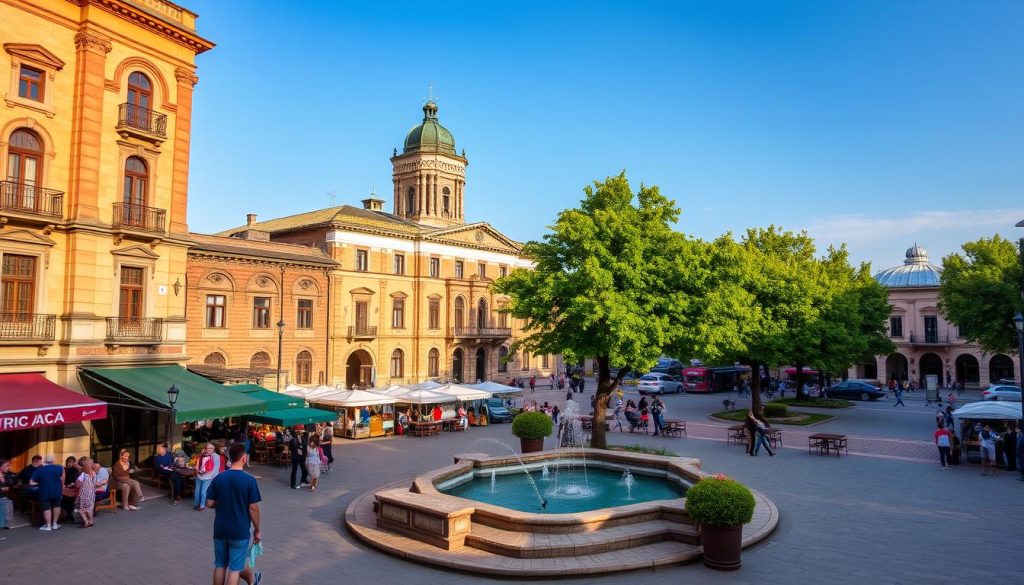
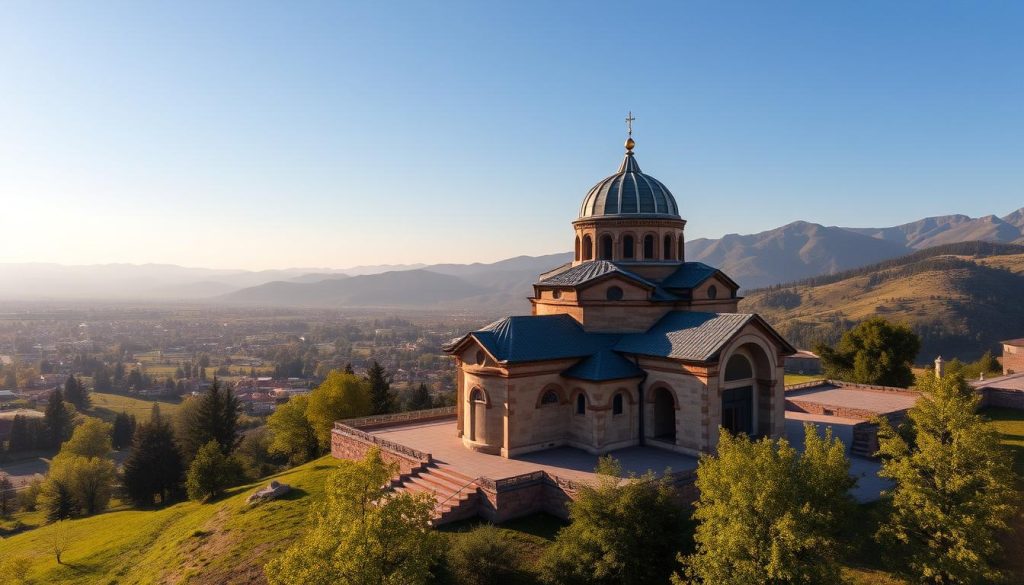
The Holy Saviour’s Church is a key symbol of Gyumri’s spiritual and cultural heritage. It’s a major attraction in Gyumri, showing the community’s strength after the 1988 earthquake. Its history and cultural significance make it a top spot to visit in this beautiful city.
Historical Background of Holy Saviour’s Church
The construction of the Holy Saviour’s Church started in 1858 and finished in 1872. It’s famous for its stunning Armenian architectural style. Over time, it has been a place of comfort for many, even after the 1988 earthquake damaged it.
The earthquake destroyed the church’s bell tower, leaving a big impact. Restoration efforts began in 2002 to save this important site and honor those who lost their lives.
Memorials and Monuments at the Church
At the Holy Saviour’s Church, you’ll find memorials and monuments for the earthquake victims. These inscriptions remind us of the past and the community’s resilience. They blend well with the church’s design, drawing both pilgrims and tourists.
Exploring this site, you’ll see how history and spirituality come together. It shows the strong spirit of Gyumri.
| Feature | Details |
|---|---|
| Name | Holy Saviour’s Church |
| Construction Period | 1858 – 1872 |
| Location | Vartanants Square, Gyumri |
| Significance | Prominent religious site and memorial |
| Restoration Start | 2002 |
| Damage | 1988 earthquake – bell tower destroyed |
| Visitors’ Focus | Worship, memorial, architectural beauty |
Yot Verk Church: A Spiritual Landmark
Yot Verk Church is a key landmark in Gyumri, showing the area’s rich spiritual and architectural history. This historic site, known as the Church of the Seven Wounds, dates back to the 19th century. It has become a vital part of the local community’s identity.
The Architectural Distinctiveness of Yot Verk Church
Yot Verk Church was built with black tuff stone, making it stand out and distinctly Armenian. Its design reflects the city’s cultural influences and its historical strength. After a major earthquake in 1988 damaged it, the church was fully restored.
Remarkably, two of the original domes were saved. They now symbolize the locals’ endurance.
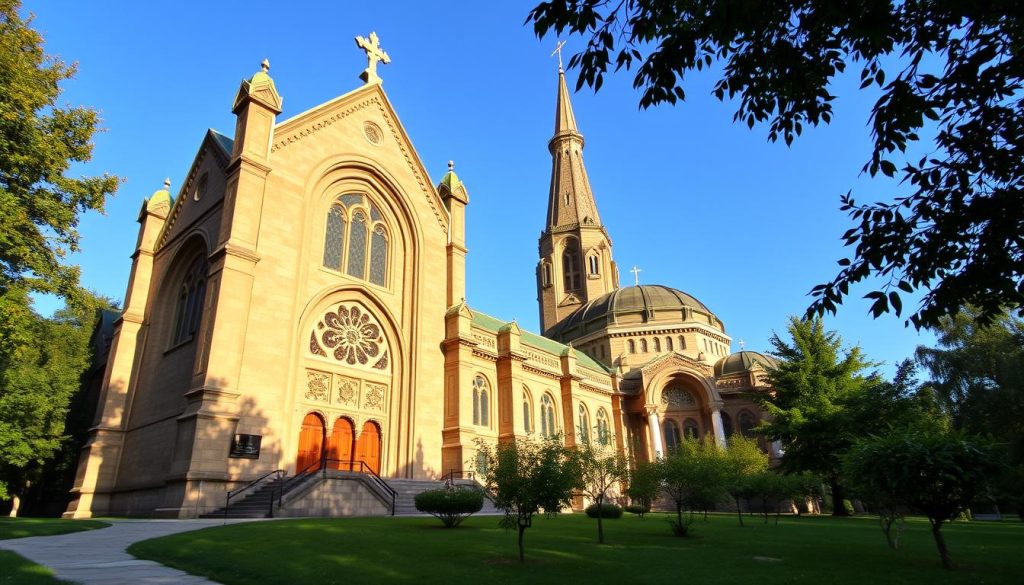
The church is not just a beautiful building but also a spiritual center in Gyumri. During mass, it offers a peaceful space away from the city’s noise. The area around it is calm, with two fallen pyramids outside as reminders of the city’s past.
With its stunning beauty and deep spiritual meaning, Yot Verk Church draws visitors seeking knowledge and peace.
Sev Berd: The Black Fortress of Gyumri
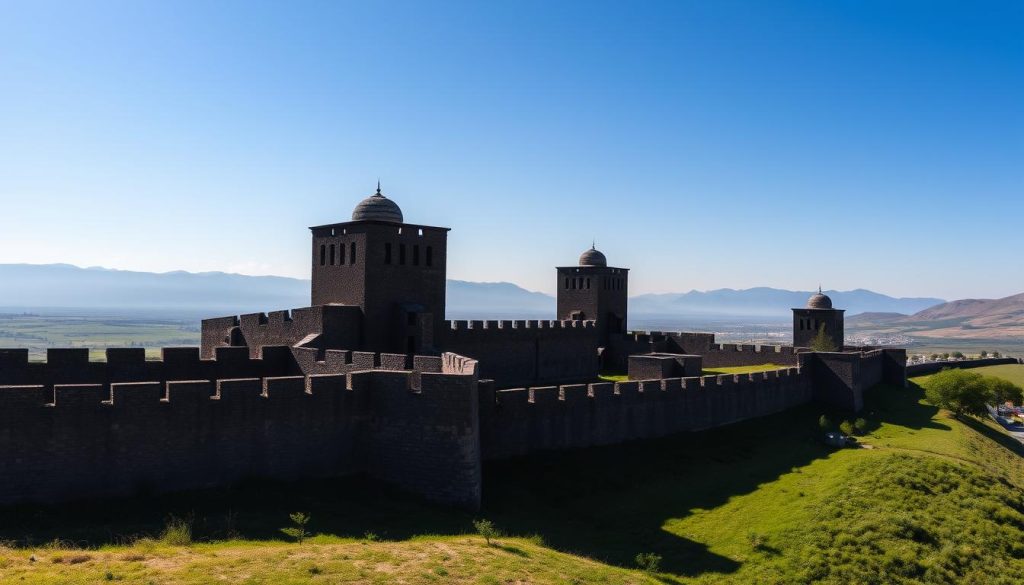
Sev Berd, or the Black Fortress, is a key part of Gyumri’s history and culture. Built in the 19th century, it’s made from red and black tufa stone. It was a military outpost during many conflicts. Today, it’s a top spot for Gyumri sightseeing, offering history and modern attractions.
Historical Context of Sev Berd Fortress
Sev Berd Fortress has deep historical roots in the Russian Empire. Its strong structure and strategic location near the Turkish border made it crucial. Now, it tells stories of past wars and changes, attracting history lovers. With 62 historical sites in Gyumri, Sev Berd is a highlight of Armenia’s history and architecture.
Visitor Experience and Attractions Inside the Fortress
Visiting Sev Berd offers many activities for all interests. You can enjoy interactive experiences and peaceful moments. Here are some highlights:
- Photography at Black Fortress: Capture the stunning architecture and historical features.
- Armenian Cooking Class: Learn to prepare traditional dishes like dolma and khorovats.
- Armenian Wine Tasting: Discover the local winemaking tradition with curated tastings.
- Black Fortress Night Tour: Experience the fortress’ beauty under the night sky.
- Medieval Weapons Demonstration: Gain insights into Armenia’s martial history.
- Folklore Evening: Enjoy traditional music and dance performances, enriching your cultural understanding.
- Sunset Watching: Reflect while enjoying picturesque views at dusk.
- Traditional Armenian Dance Workshop: Immerse yourself in Armenia’s vibrant culture through dance.
- Stargazing Events: Utilize telescopes for stunning celestial observations.
- Historical Role-Playing Games: Engage in challenges to interactive history narratives.
Visitors can also enjoy a picnic with traditional food and views of nature and history. Sev Berd Fortress offers a unique setting for learning about Gyumri’s past.
| Activity | Description |
|---|---|
| Photography Workshop | Guided sessions to capture the fortress’s beauty. |
| Cooking Class | Learn to cook traditional Armenian dishes. |
| Night Tour | Discover the fort’s allure under the stars. |
| Folklore Evening | Experience cultural music and dance. |
| Stargazing | Watch constellations through telescopes. |
Mother Armenia: An Icon of Strength and Remembrance
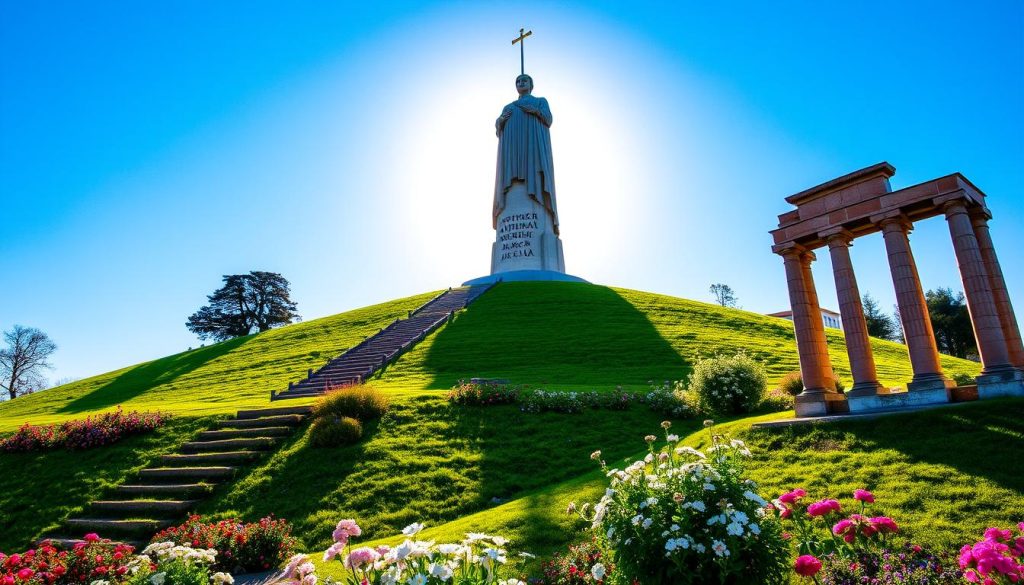
The Mother Armenia Monument is a key attraction in Gyumri. Built in 1975, it stands tall at 22 meters high. Including its pedestal, it reaches 51 meters. It honors Soviet victory in World War II and remembers Armenia’s struggles.
Artistic Components of the Mother Armenia Monument
Made from copper and basalt, the monument shows Armenia’s strength. It draws visitors’ attention and makes them think about the past. Standing before it, you can see the artist’s vision of national pride.
Surrounding Parks and Memorial Spaces
Victory Park adds to the Mother Armenia Monument’s appeal. Its gardens and memorials offer a place for reflection. You can see lists of battles and soldiers’ names. Walking through these parks deepens your understanding of Gyumri’s history.
Exploring Gyumri’s Rich Market Scene
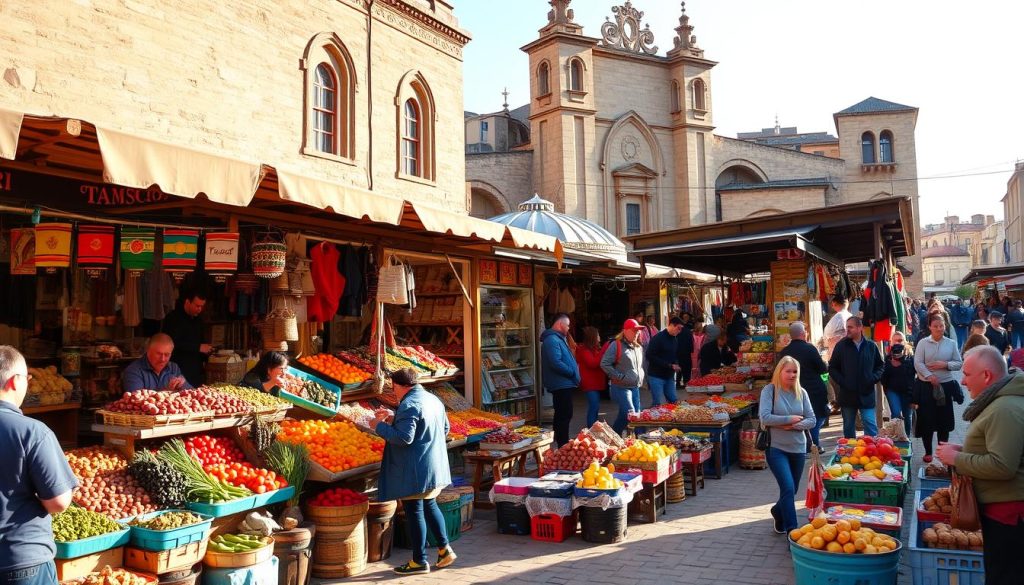
Gyumri’s market scene is a window into Armenian culture and food. The Gyumri Market, or Gyumri Shuka, is a feast for the senses. It’s filled with colorful stalls, fresh produce, and the smells of traditional dishes. As you explore, you’ll discover the flavors of Armenia come to life.
Gyumri Market (Gyumri Shuka): A Culinary Delight
The Gyumri Market is a hub for both locals and tourists. You’ll find everything from fresh veggies to spices. The market’s energy is infectious, with vendors ready to share their stories and products. It’s a true reflection of Gyumri’s spirit.
Local Delicacies and Specialties to Try
Try traditional Armenian dishes to fully experience Gyumri’s flavors.
- Khorovats – Grilled meats with a smoky taste, great for a filling meal.
- Dolma – Grape leaves stuffed with flavor, seasoned with local herbs.
- Lavash – Essential Armenian flatbread, perfect for any meal.
- Gata – Sweet pastry, a wonderful dessert to finish your meal.
Don’t miss out on seasonal fruits and cheeses. They add to the market’s charm. These experiences deepen your understanding of Gyumri’s culinary heritage.
Must-Visit Museums and Cultural Centers
Exploring Gyumri’s art and history adds depth to your city visit. Gyumri’s museums and cultural centers are key, offering deep insights into the area’s past.
The Aslamazyan Sisters Museum: A Unique Cultural Experience
The Aslamazyan Sisters Museum celebrates Mariam and Yeranuhi Aslamazyan, two groundbreaking female artists. Their museum, once their home, showcases over 600 pieces. These works highlight the female experience and are a big part of Armenia’s art history.
Visiting this museum takes you into their creative world. You’ll see personal items and art that defined their lives.

Visiting the Gyumri Historical Museum
The Gyumri Historical Museum opens doors to the city’s history. It explores Gyumri’s role in major events, including the Armenian Genocide. This museum offers a learning experience that is both powerful and informative.
This museum is a perfect match for the Aslamazyan Sisters Museum. Together, they offer a complete cultural experience in Gyumri.
| Museum | Focus | Highlights |
|---|---|---|
| Aslamazyan Sisters Museum | Female Artists | Over 600 art pieces, personal history of the Aslamazyan sisters |
| Gyumri Historical Museum | City’s History | Exhibits on Armenian Genocide, local history, significant artifacts |
| Dzitoghtsyan House of Ethnography | Ethnographic Studies | Collection of urban life artifacts, household items |
Conclusion
As you finish exploring Gyumri, you’ll see its mix of history, art, and spirit. The Black Fortress is a key spot, blending history with culture. The Kumayri Historic District offers close-up views of the city’s heart.
More people are visiting Gyumri, showing its growing appeal. It’s a place where history meets modern life, attracting many.
Your trip to Gyumri’s markets and attractions shows why it’s a top sightseeing spot. Museums here tell the city’s story through architecture and local tales. Gyumri is also focusing on eco-friendly tourism, making visits more meaningful and responsible.
Thinking of a day trip from Yerevan or a longer stay to dive into Armenian culture? Gyumri has plenty to offer. With better attractions and transport, it’s set to become a memorable spot for travelers worldwide.