Discover the Captivating History Behind Ponce’s Architecture
Exploring Ponce, Puerto Rico, makes you curious about its architecture. Known as ‘La Perla del Sur,’ Ponce is famous for its stunning buildings and lively festivals. These reflect the island’s mix of cultures.
From ancient times to today, Ponce’s architecture has changed a lot. This journey through time shows how the city’s buildings have shaped its identity. With landmarks like the Parque de Bombas and the Museo de Arte de Ponce, you’ll wonder about Ponce’s architectural history.
The Origins of Ponce’s Architectural Heritage
Ponce, Puerto Rico, is known for its rich historical architecture. This architecture shows the city’s unique culture. You’ll see a mix of indigenous, Spanish, and modern styles as you explore.
With 40 historic sites on the National Register, Ponce is a key player in Puerto Rico’s architectural history. It rivals San Juan in its architectural beauty.
The city’s buildings are mainly Neoclassical, Ponce Creole, and Art Deco. Architects like Blas Silva helped create the Ponce Creole style. This style is known for its wood and stucco, wide porches, and colorful balconies.

Pre-Colonial Indigenous Influences
The Taíno people started Ponce’s architectural story. Their early urban plans set the stage for later changes.
Spanish Colonial Foundations
The Spanish brought new building methods and styles. These changes blended with the city’s existing architecture. This mix created Ponce’s unique historical architecture.
Early Urban Development Patterns
As Ponce grew, so did its buildings and streets. This growth has made Ponce a treasure for those who love architecture and history.
| Architectural Style | Description |
|---|---|
| Neoclassical | Characterized by classical elements, such as columns and pediments |
| Ponce Creole | Blend of wood and masonry, influenced by Classical Revival, Spanish Revival, and Victorian styles |
| Art Deco | Features geometric shapes, metallic materials, and bold colors |
What is the History of Ponce’s Architecture? A Timeline of Evolution
Ponce’s architecture is a mix of many styles, shaped by different cultures. The city’s buildings show Spanish, Creole, and modern styles. This mix tells the story of Ponce’s history and culture.
Since the early 1900s, Ponce landmarks architecture has been influenced by architects like Alfredo Wiechers and Blas Silva Boucher. They were inspired by Catalan modernism. Their designs, with castle towers and carved gems, are now symbols of Ponce.
Looking at Ponce’s architecture timeline, we see a story of growth and change. Some important moments include:
- Pre-Colonial Indigenous Influences: The earliest styles in Ponce came from the indigenous people.
- Spanish Colonial Era: Spanish colonizers brought new styles, like stone, brick, and tile.
- Creole Architecture Movement: This movement, starting in the early 1900s, used local materials and mixed Spanish and African traditions.
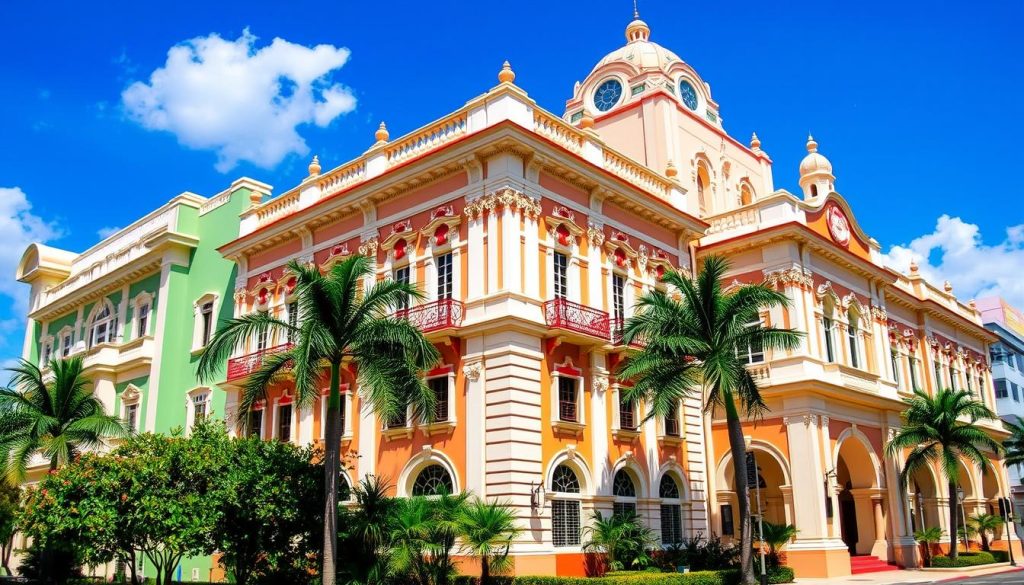
The evolution of Ponce’s architecture shows the city’s rich culture and ability to change and grow. By exploring Ponce architectural styles and Ponce landmarks architecture, visitors can understand the city’s history and people better.
| Architectural Style | Period | Notable Features |
|---|---|---|
| Spanish Colonial | 16th-19th centuries | Use of stone, brick, and tile |
| Creole | Early 20th century | Use of local materials, traditional Spanish and African elements |
| Modern | Mid-20th century onwards | Use of new materials, innovative designs |
The Golden Age: Ponce’s Architectural Renaissance
Exploring Ponce’s architecture reveals a mix of Spanish design and a local twist. This mix is seen in the Creole architecture of the late 19th to early 20th centuries. It shows the city’s unique architectural influence.
The city’s architecture was shaped by European styles, mainly from Spain and France. Architects like Alfredo Wiechers and Blas Silva Boucher helped create a distinctly Puerto Rican style.
The Impact of European Styles
Many buildings in Ponce show the influence of Spanish Renaissance and French colonial styles. Features like arches, heavy wooden doors, and terracotta add to the city’s charm. These elements reflect Ponce’s architectural heritage.
Creole Adaptations
Creole architecture is a mix of Spanish design and local touches. It uses materials like wood and stone and includes indigenous and African influences. This style is a key part of Ponce’s architectural heritage.
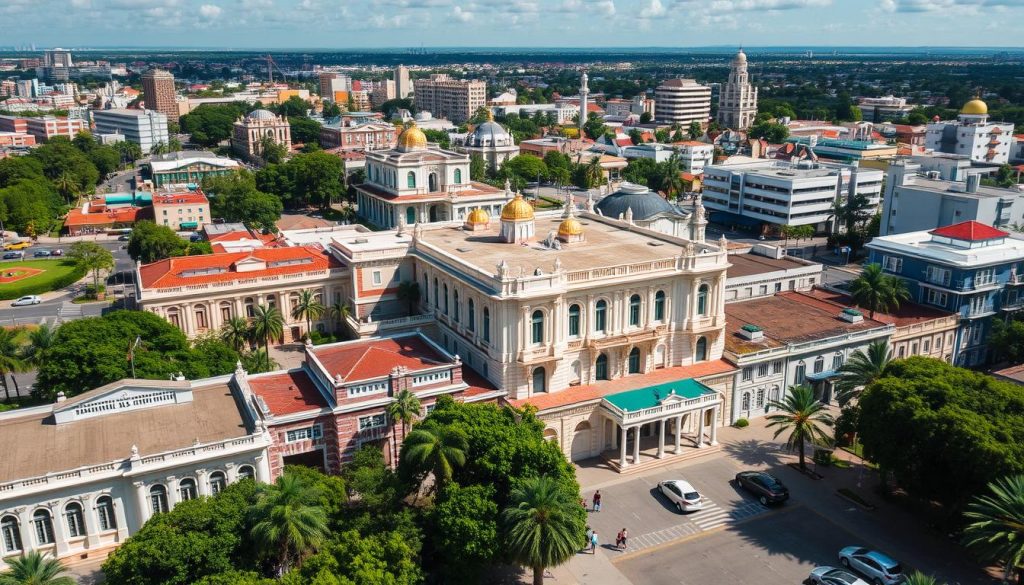
Notable Architects of the Period
Architects like Alfredo Wiechers and Blas Silva Boucher were crucial in shaping Ponce’s architecture. Their work can still be seen in many buildings from that time. Their influence is a big part of Ponce’s architectural heritage.
Distinctive Features of Ponce’s Colonial Architecture
Exploring Ponce’s urban planning reveals a unique touch. The city uses rounded corners, called “chaflan.” This feature adds charm and improves traffic flow, reducing noise. It shows the evolution of Ponce colonial architecture evolution over time.
The city’s colonial buildings stand out with their “chaflan” corners. These rounded corners are both beautiful and practical. Some notable buildings include:
- Casa Wiechers-Villaronga, a prime example of Ponce Creole architecture
- Casa Font Ubides, or Casa Monsanto, which recently opened as an Airbnb
- The Museo de la Música Puertoriqueña and the Museo de la Historia de Ponce, which are among the historic buildings available for visits in Ponce
These buildings highlight the historical architecture in Ponce. They feature pilasters, rusticated podium, cornice, and relief motifs. The Ponce colonial architecture evolution is seen in the mix of styles, like Moorish and Italianate.
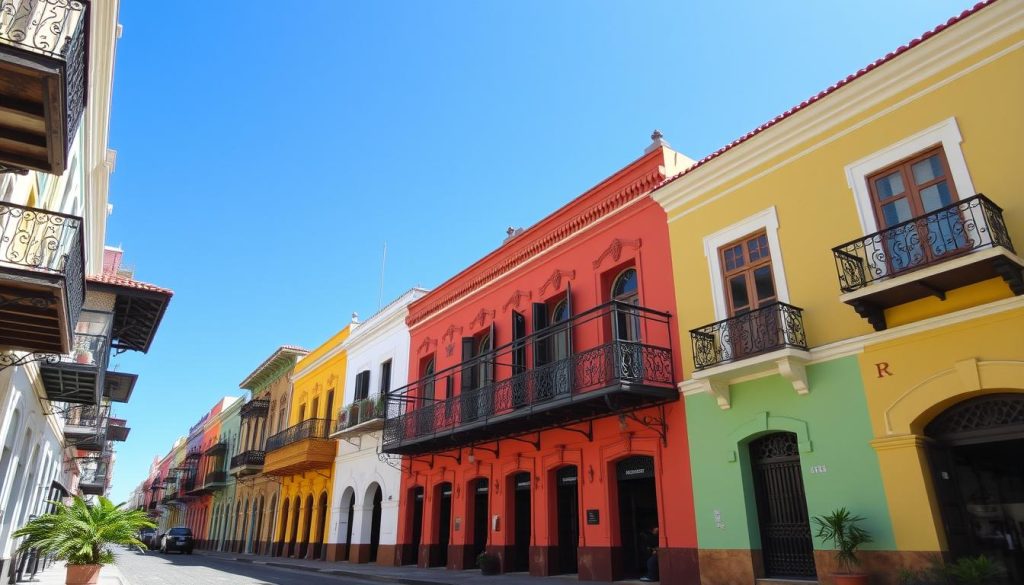
The city’s architecture reflects its history, climate, and culture. With 40 historic properties on the National Register, Ponce values its heritage. Understanding Ponce’s colonial architecture helps you appreciate the city’s historical buildings and their evolution.
| Building | Style | Year Built |
|---|---|---|
| Casa Wiechers-Villaronga | Creole | 1911 |
| Casa Font Ubides | Creole | 1910 |
| Salazar-Candal Residence | Eclectic | 1911 |
Neoclassical Splendor in the Pearl of the South
Exploring Ponce reveals a city rich in architectural heritage. It combines Spanish colonial, local, and French neoclassical styles. The city’s landmarks show its history and cultural importance.
The neoclassical movement greatly influenced Ponce’s buildings. The Ponce Cathedral and Casa Wiechers-Villaronga are prime examples. They feature columns, pediments, and symmetry, typical of neoclassical architecture in Ponce.
Iconic Buildings and Their Stories
Casa Wiechers-Villaronga is known for its resemblance to a wedding cake. Casa-Font Ubides, now an Airbnb, has outdoor columns and wrought iron, showing grandeur. These buildings tell stories of the people and events that shaped them.
Architectural Elements and Motifs
Neoclassical style in Ponce is known for columns, pediments, and symmetry. These are seen in the Ponce Cathedral and the Pearl Theatre, designed by Juan Bertoli in 1864. These elements highlight Ponce’s rich cultural and architectural heritage.
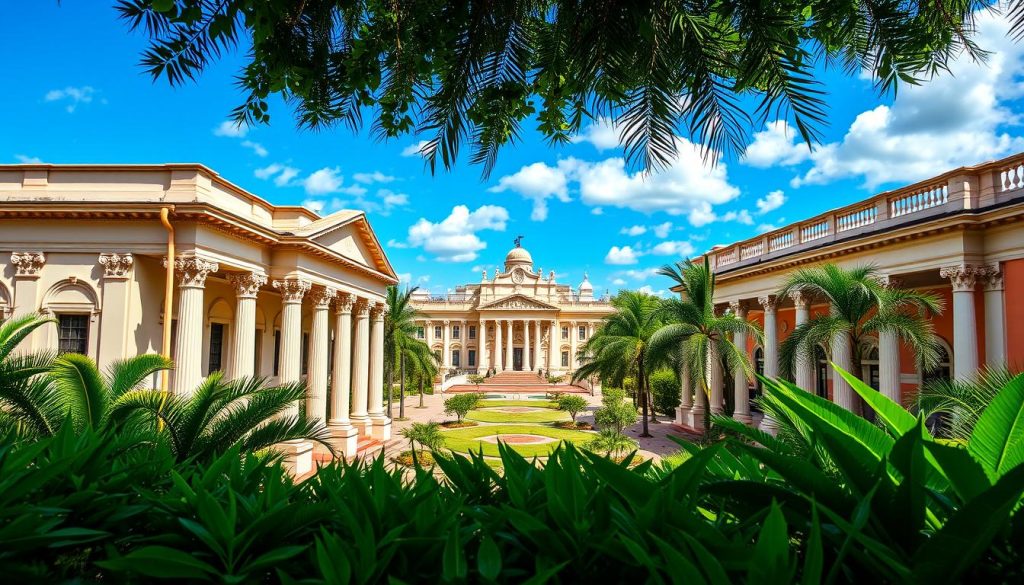
Exploring Ponce’s architecture shows its unique blend of styles. The city’s neoclassical beauty reflects its history, culture, and architectural prestige. It’s known as the “Pearl of the South”.
The Influence of Art Nouveau and Art Deco
As you explore Ponce’s architecture, you’ll see the impact of Art Nouveau and Art Deco. These styles greatly influenced the city’s Ponce architectural evolution. They show the city’s growing wealth and desire to be a global city.
The Ponce architectural influence of these styles is clear in the city’s historic centre. Buildings there have detailed designs, curved lines, and shapes. Some key examples include:
- La Casa de la Música, a stunning example of Art Nouveau architecture
- El Teatro La Perla, a historic theater with Art Deco elements
These styles made the city more beautiful and showed its cultural and economic growth. Ponce’s mix of architectural styles, like neoclassical, Art Nouveau, and Art Deco, is a key part of its Ponce architectural evolution.
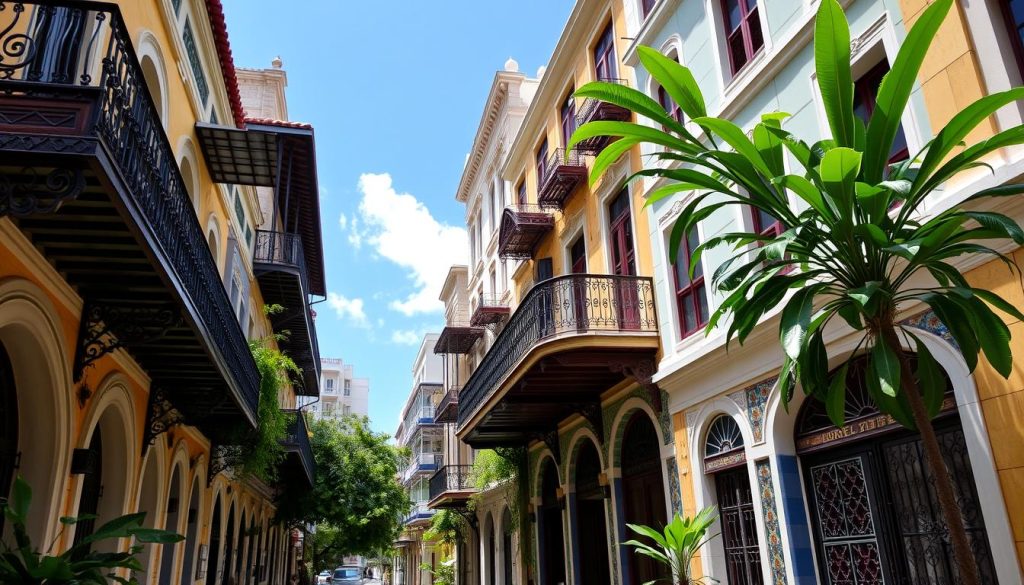
Today, visitors can see the city’s rich architectural history by walking through the historic centre. They can visit famous buildings and enjoy the unique mix of styles. Ponce is a true architectural treasure.
| Architectural Style | Notable Features |
|---|---|
| Art Nouveau | Intricate ornamentation, curved lines, and organic forms |
| Art Deco | Geometric shapes, metallic materials, and bold colors |
Modern Preservation and Restoration Efforts
Exploring Ponce’s architecture shows the city’s dedication to keeping its historical buildings intact. Despite losing some properties in the 1970s, many structures remain. They tell a story of resilience and preservation.
The renovation of the College’s Ponce de Leon started in 1971. It aimed to update facilities while keeping historical features like fireplaces and tiling. The Museo de Arte de Ponce is also being repaired after earthquakes in 2020.
Some notable preservation efforts include:
- The Ponce de Leon Inlet Lighthouse Preservation Association has done millions of dollars’ worth of restoration work over 50 years.
- The Museo de Arte de Ponce restoration project, led by RMA Architects PCS, is supported by historic preservation experts.
- The College’s Ponce de Leon renovation project balanced modernization with preserving history.
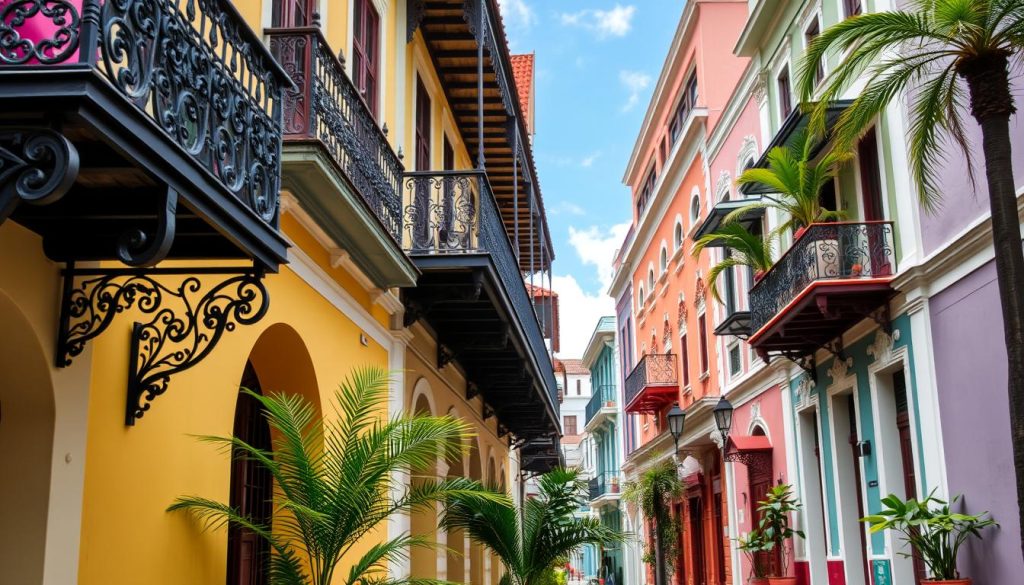
These efforts show Ponce’s commitment to preserving its architectural heritage. By supporting these projects, you help keep Ponce’s unique character alive for future generations.
| Preservation Project | Year | Location |
|---|---|---|
| Ponce de Leon Inlet Lighthouse Preservation | 1970s | Ponce Inlet |
| Museo de Arte de Ponce Restoration | 2020 | Ponce |
| College’s Ponce de Leon Renovation | 1971 | Ponce |
Contemporary Architectural Developments
Exploring Ponce’s architecture history reveals a mix of old and new. The city’s architecture is rich in culture, with 40 historic sites listed on the National Register of Historic Places. This shows Ponce’s dedication to keeping its architectural past alive.
Some key features of Ponce’s modern architecture include:
- Creole architecture, a mix of Spanish design and local touches
- Modernist influences, seen in the city’s spot on the Ruta del Modernisme
- Sustainable design, using green tech and saving energy
The city’s buildings today show a mix of old and new. Ponce’s contemporary architects blend old traditions with new ideas. They create buildings that meet today’s needs while respecting the city’s history.
The Museum of Puerto Rican Art in Ponce is a great example. It’s a key part of the local art scene. It has a vast collection that shows how Puerto Rican art has changed over time.

Looking into Ponce’s modern architecture, you’ll find new landmarks changing the city’s look. This journey through modern developments will give you a full picture of Ponce’s architecture. It shows how the city’s architecture has grown from its past to today.
| Architectural Style | Description |
|---|---|
| Creole | A blend of traditional Spanish design with local nuances |
| Modernist | Influenced by Catalan modernist architecture, as seen in the city’s inclusion on the Ruta del Modernisme |
| Sustainable | Incorporating green technologies and energy-efficient systems |
Conclusion: Ponce’s Architectural Legacy and Future
Ponce’s architectural heritage is truly captivating. The city’s story is told through its buildings. From its indigenous roots to Spanish and European influences, Ponce’s architecture shows the diverse cultures that have shaped it.
The late 19th and early 20th centuries were Ponce’s “Golden Age.” Iconic buildings like the Ponce Punta Diamante lighthouse and the Parque de Bombas fire station showcase Creole adaptations of neoclassical and Art Nouveau styles. Today, visitors and locals alike can explore these treasures.
Ponce is committed to preserving its architectural heritage. With UNESCO recognition and community efforts, the city aims to keep its unique character alive. By embracing Ponce’s history, you can help shape its future.