Discover Paro’s Unique Cultural Experiences Beyond Monasteries
Have you ever wondered what secrets lie beyond the majestic monasteries of Paro, Bhutan? While the awe-inspiring Tiger’s Nest Monastery draws visitors from around the world, this enchanting town holds a wealth of unique cultural experiences waiting to be uncovered. From vibrant festivals to hidden gems nestled within its valleys, Paro offers a rich tapestry of authentic Bhutanese experiences that go far beyond its iconic spiritual landmarks.
As you embark on a journey with AV Holiday World, you will quickly discover why more than 1000 satisfied customers have chosen to explore Bhutan cultural tours here. With customer care available around the clock, you can confidently immerse yourself in Paro’s culture, participating in cherished local traditions and engaging with the friendly community.
Introduction to Paro: A Cultural Gem of Bhutan
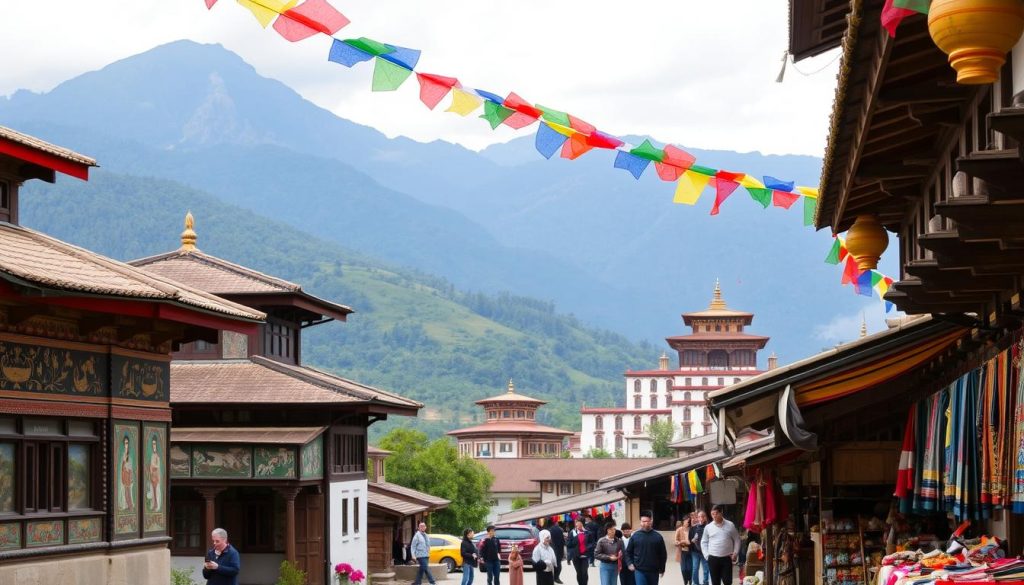
Paro is a cultural treasure in the heart of Bhutan, showing off the country’s rich heritage. It’s the main entry for many visitors, thanks to its international airport. The area’s beauty is not just for looks; it’s deeply rooted in Bhutan’s traditions.
The Rinpung Dzong is at the heart of Paro’s beauty, a key spot for both government and religion. The town is full of Bhutan attractions that tell stories of history and faith. For example, Kyichu Lhakhang is one of Bhutan’s oldest temples, built in the 7th century.
Visiting Paro means seeing the Tiger’s Nest Monastery, a famous hike. It takes about 2-3 hours to get there, offering amazing views. The National Museum of Bhutan, in a former watchtower, is also a must-see. It takes 1-2 hours to explore its rich history.
The local culture is alive in Paro, from the weekend market to traditional crafts. Paro is not just a starting point; it’s a place where you can truly experience Bhutan’s culture.
| Attraction | Significance | Approx. Visit Duration |
|---|---|---|
| Rinpung Dzong | Administrative and religious center | 1-1.5 hours |
| Tiger’s Nest Monastery | Iconic spiritual site | 2-3 hours hike |
| National Museum of Bhutan | Showcases cultural artifacts | 1-2 hours |
| Kyichu Lhakhang | One of Bhutan’s oldest temples | 30-60 minutes |
| Chele La Pass | Highest motorable road in Bhutan | 1-2 hours for exploration |
The Gateway to Bhutan: Your Arrival in Paro
Traveling to Bhutan starts at Paro airport, the only international gateway. This airport is known for its traditional Bhutanese architecture. It offers a stunning view as you land, surrounded by high peaks.
When you arrive in Paro, you’ll need to meet Bhutan’s visa requirements. These visas must be arranged through licensed Bhutanese tour operators. Knowing this helps you smoothly enter this culturally rich nation. You’ll also need travel permits for areas beyond Paro to explore more.
Arriving in Paro opens up many cultural experiences. Iconic landmarks like the Paro Taktsang, or Tiger’s Nest Monastery, offer spiritual insights and breathtaking views. The National Museum of Paro also showcases artifacts that tell the history and culture of Bhutan.
The Bhutanese people’s warmth is evident from the airport. Locals are often eager to share their traditions and stories. This interaction enriches your experience, giving you a true taste of Bhutan’s hospitality.

Traveling to Bhutan reveals many attractions beyond Paro. Thimphu is vibrant, with markets and landmarks like the Buddha Dordenma. The Tashichho Dzong is the administrative heart of Bhutan. Across the country, sites like the Punakha Dzong showcase Bhutanese architectural brilliance.
Spring and autumn are the best seasons to visit, with pleasant weather. Understanding how to arrive in Paro prepares you for an unforgettable journey through Bhutan’s landscapes and culture.
Exploring Unique Cultural Experiences in Paro Beyond Monasteries?
Discover the rich culture of Bhutan in Paro. The area is alive with experiences beyond the usual tourist spots. Dive into the local community and see how tradition meets everyday life.
Embrace Authentic Bhutanese Life
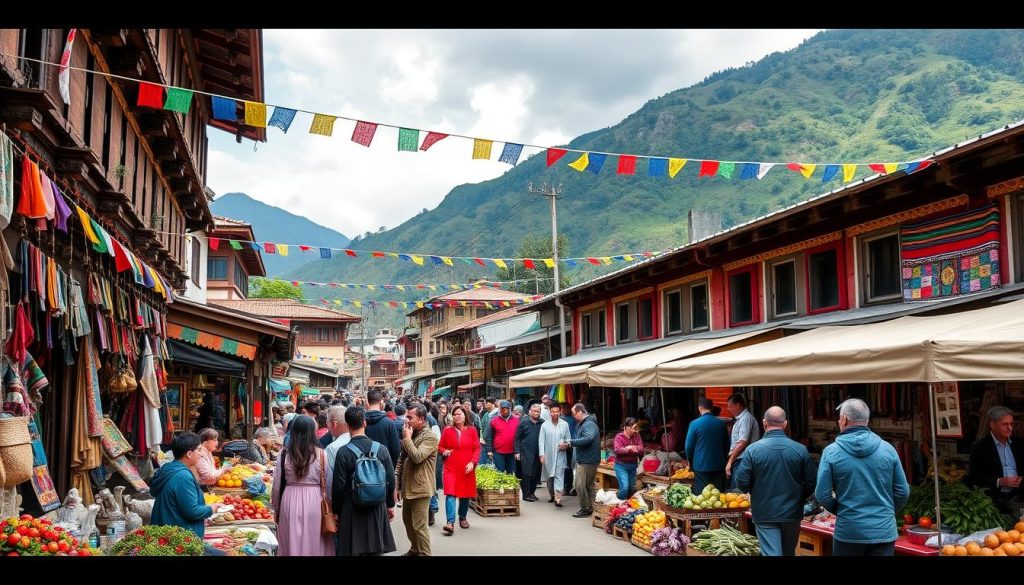
In Paro, you can really connect with the local way of life. Visit markets filled with crafts, food, and daily activities. These moments show the true spirit of Bhutanese hospitality and offer a glimpse into their daily lives.
Engage with the Local Community
Join in Bhutanese cultural activities to feel the warmth of Paro’s locals. Sharing meals or joining community events highlights the strong bonds and traditions of Bhutan. These experiences make your visit truly memorable.
| Experience | Description | Best Time to Visit |
|---|---|---|
| Visit Centenary Farmers Market | Experience local produce, crafts, and culinary delights. | Spring, Autumn |
| Participate in Local Festivals | Join vibrant celebrations and witness traditional performances. | Throughout the Year |
| Traditional Meal Share | Enjoy home-cooked meals with local families, learning about their customs. | Anytime |
| Home Visits | Experience local architecture and lifestyle firsthand. | Anytime |
Your journey into Paro’s culture is enriching and connects you deeply with Bhutan. Every interaction and shared moment builds a lasting appreciation for this magical place.
Discover Traditional Bhutanese Festivals in Paro
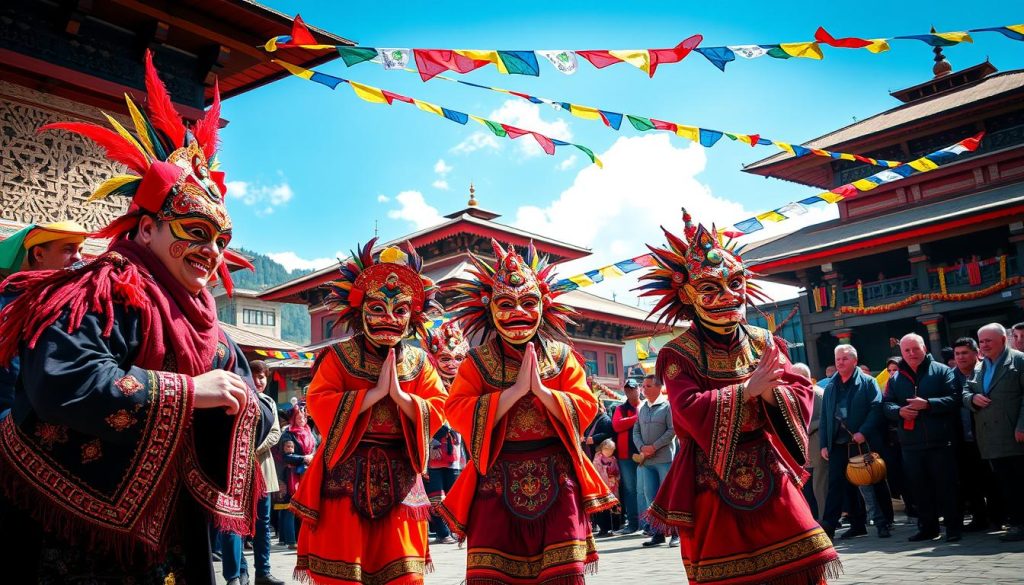
Exploring traditional Bhutanese festivals gives you a peek into Bhutan’s rich culture and history. The Paro Tsechu is a highlight, filled with sacred dances and ceremonies. It draws locals and visitors alike, eager to join in the fun.
Paro Tsechu: A Cultural Extravaganza
The Paro Tsechu takes place in March or April at Paro Dzong. It showcases sacred dances by monks and laymen in stunning costumes. The festival’s lively atmosphere is unforgettable, with its colorful outfits and music telling ancient stories.
Local Celebrations: What to Expect
Paro hosts many cultural events all year, showing off local traditions. These include traditional music, dance, and food, making visitors feel part of the community. Here are some notable festivals:
| Festival Name | Location | Date | Highlights |
|---|---|---|---|
| Thimphu Tsechu | Tashichho Dzong, Thimphu | September/October | Largest festival in Bhutan; |
| Punakha Drubchen | Punakha Dzong | February/March | Traditional warrior dances; |
| Jambay Lhakhang Drup | Jambay Lhakhang | October/November | Sacred fire dance and nighttime naked dance; |
Joining these festivals offers a deep dive into local culture. To enjoy fully, dress modestly, respect customs, and ask before taking photos, like of monks. For a guided experience, consider booking with Hi Tours for access to Paro’s cultural events.
Hidden Gems in Paro: Off-the-Beaten-Path Attractions
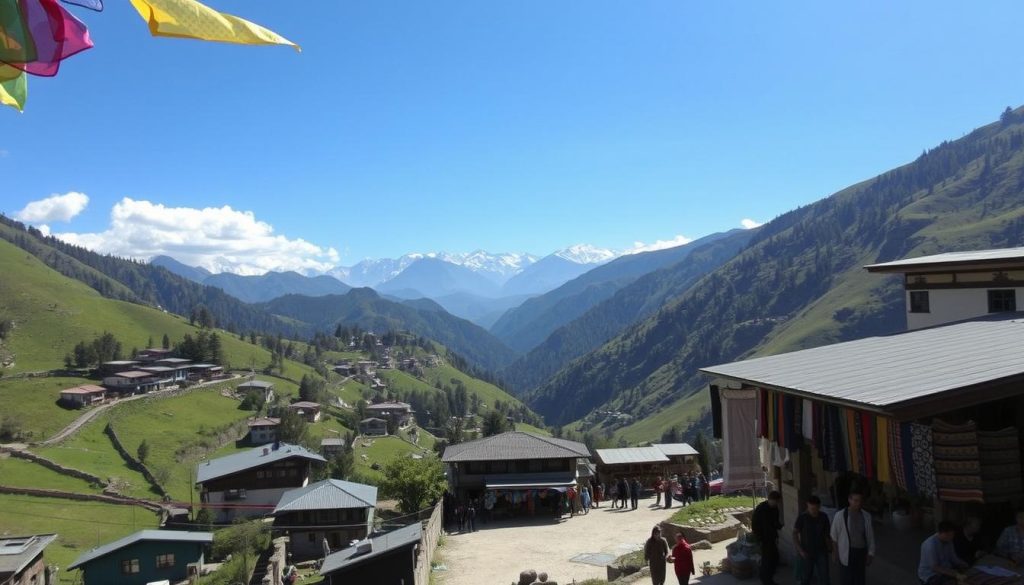
Exploring Paro reveals more than just the famous spots. You’ll find hidden gems that show Bhutan’s culture up close. These attractions are perfect for those wanting to see the less-known sides of this stunning country. You can discover serene places in Paro that offer peace and a deeper look into Bhutanese traditions.
The Serenity of Kyichu Lhakhang
Kyichu Lhakhang is one of Bhutan’s oldest temples. It’s a marvel of architecture and spirituality. Its tranquil gardens and murals enchant visitors. The calm atmosphere invites reflection and a connection to Bhutan’s spiritual side.
It’s a great place for quiet contemplation, away from the crowds.
Drukgyel Dzong: A Glimpse into History
Drukgyel Dzong, though ruined, holds a significant part of Bhutan’s history. It’s set against the stunning Himalayas, once a defense against invaders. Today, it reminds us of Bhutan’s strong spirit and resilience.
Visiting this site offers a glimpse into Bhutan’s heritage and amazing views. It’s a hidden gem in Paro that every traveler should see.
Paro’s Rich Culinary Landscape: Authentic Bhutanese Experiences
Paro’s food scene is a colorful mix of flavors. Each dish shows off Bhutan’s rich culture and heritage. By trying local food, you get to see the true heart of this amazing country. You’ll taste unique ingredients and traditional recipes that make Bhutanese cuisine special.
Must-Try Bhutanese Dishes
Visiting Paro means trying some iconic dishes. Here are a few you should not miss:
- Ema Datshi: A famous chili cheese stew, known for its fiery heat, often reaching up to 200,000 Scoville heat units.
- Jasha Maru: A spicy chicken dish cooked with local spices and aromatics, delivering a delightful kick to your palate.
- Phaksha Paa: This dish features pork and red chilies, a staple in Bhutanese homes.
Where to Eat in Paro?
Dining in Paro lets you dive into Bhutanese culture. Here are some top places for a real culinary adventure:
- Sonam Trophel Restaurant: A beloved local eatery known for its welcoming atmosphere and traditional dishes.
- Bhutan Kitchen: Offers a menu rich with Bhutanese cuisine, highlighting unique flavors and fresh ingredients.

Nature and Adventure: Complementing Cultural Experiences
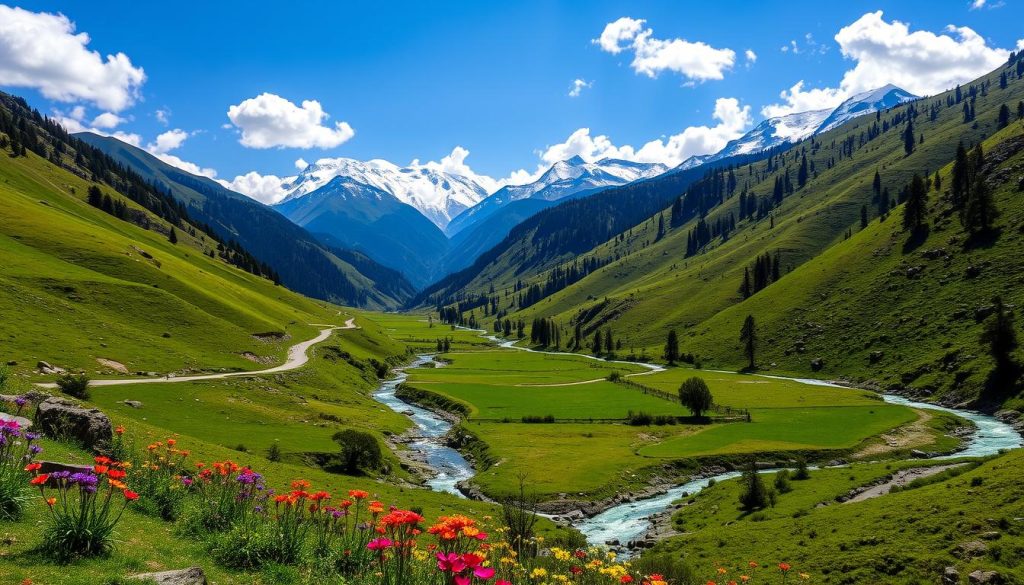
Paro is a magical mix of culture and nature. You can enjoy thrilling adventures and see amazing scenic views in Bhutan. Whether you love outdoor fun or just want to be in nature, your trip will be memorable.
Chele La Pass: A Scenic Escape
Chele La Pass is a top spot for nature lovers in Paro. It’s over 3,800 meters high and has stunning views of the Himalayas. Hiking here takes you through beautiful landscapes, great for photos.
This adventure lets you see unique plants and animals of Bhutan. It makes your trip even more special.
Haa Valley: Traditional Bhutanese Life
The Haa Valley experiences offer a chance to see traditional Bhutanese life. It’s surrounded by forests and rivers, away from most tourists. Here, you can join in local activities and festivals.
This lets you really get to know Bhutan’s culture. The Haa Valley adds a special touch to your cultural journey.
| Adventure Activity | Location | Level of Difficulty |
|---|---|---|
| Hiking to Tiger’s Nest | Paro | Moderate |
| Rafting | Pho Chhu and Mo Chhu | Challenging |
| Mountain Biking | Paro to Punakha | Moderate |
| Paragliding | Bumthang Valley | Varies by Experience |
| Rock Climbing | Thimphu | Varies by Skill Level |
By exploring nature and adventure in Paro, you see the best of Bhutan. You’ll learn about Bhutan’s culture in a unique way. Each experience brings you closer to understanding this special place.
Engaging in Cultural Activities: Learning Opportunities
Exploring cultural activities in Paro lets you dive into valuable learning experiences. These activities make your trip richer and connect you with the local culture.
Participate in a Traditional Archery Match
Archery is Bhutan’s national sport, a thrilling way to connect with others and the community. Being on the archery field lets you see this sport up close. You’ll learn about archery and share laughs with locals.
The lively atmosphere and cultural importance of each match show Bhutan’s values and friendship.
Experience a Hot Stone Bath
A hot stone bath is a traditional way to relax, showing Bhutan’s ancient wellness traditions. As you relax, hot stones from a fire are added to the bath. This experience helps you connect with locals and learn about their lifestyle.
Activities like archery and hot stone baths are key parts of your journey in Paro. They offer deep insights into Bhutan’s culture and help you feel part of the community. By taking part in these experiences, you make your trip unforgettable and gain valuable memories.
| Cultural Activity | Description | Key Learning Opportunity |
|---|---|---|
| Traditional Archery Match | Participate in or observe Bhutan’s national sport. | Understanding Bhutanese community spirit and teamwork. |
| Hot Stone Bath | Experience traditional wellness with local participants. | Learning about Bhutanese holistic health practices. |
Practical Tips for Visitors: Making the Most of Your Cultural Journey
To enjoy your trip to Paro, knowing a few tips is key. Plan your visit, respect local customs, and prepare well. This will make your stay unforgettable.
Best Time to Visit Paro
The best times to visit Paro are spring and autumn. These seasons offer great weather for exploring and festivals. You’ll see vibrant cultural events, enriching your trip.
Monsoon season, from June to mid-September, brings heavy rain. It might limit outdoor activities.
Cultural Etiquette in Bhutan
Respecting Bhutan’s culture is crucial for good interactions with locals. Here are some tips:
- Greet people with a smile and a slight bow of the head.
- Wear modest clothes, like long sleeves and pants, when visiting temples.
- Remove your shoes before entering homes and monasteries.
- Don’t point your feet at someone and avoid touching monks.
Following these tips will deepen your cultural experience. It will help you connect more with Paro.
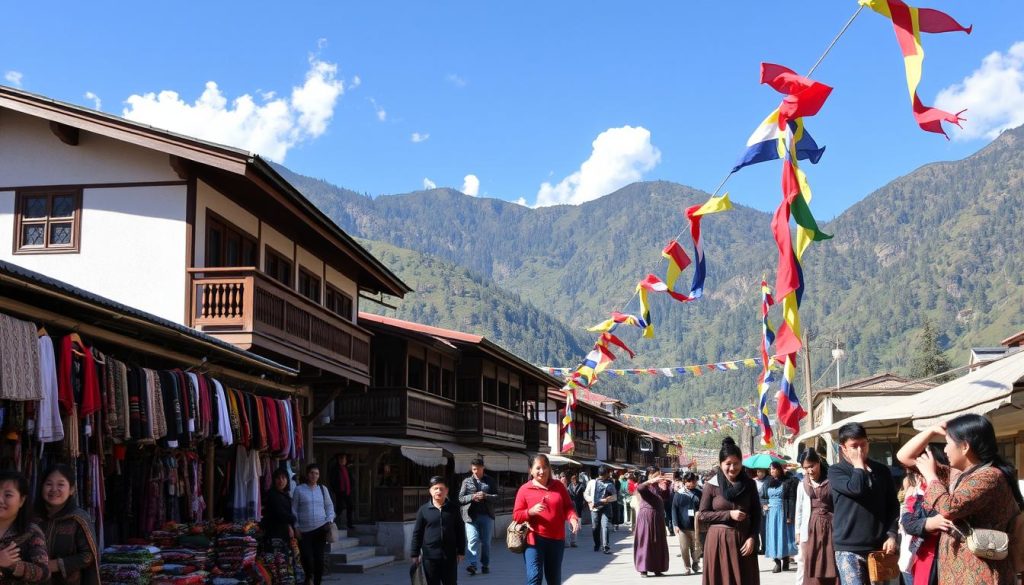
| Season | Weather | Cultural Activities |
|---|---|---|
| Spring (March to May) | Pleasant temperatures and blooming flowers | Paro Tsechu festival; flower festivals |
| Autumn (September to November) | Cool and clear skies | Trekking, local harvest festivals |
| Monsoon (June to mid-September) | Heavy rainfall | Limited outdoor events; focus on indoor attractions |
Where to Stay: Accommodations that Enhance Cultural Experiences
Exploring unique stays in Bhutan, accommodations in Paro offer many options. They make your experience in this amazing region even better. You can choose from luxurious retreats to cozy guesthouses, all enhancing your cultural journey.
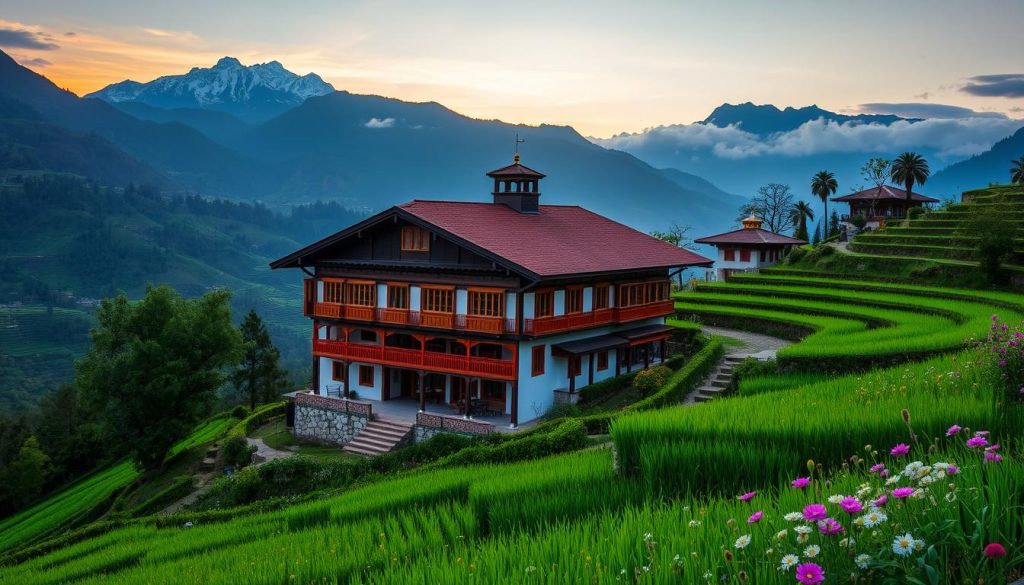
Zhiwa Ling Heritage is a top choice for comfort and culture. It’s a five-star hotel with traditional Bhutanese design and a focus on sustainability. The Menlha Spa offers wellness services like a fitness center, sauna, and outdoor hot-stone bath. These services are for guests only, ensuring a peaceful stay.
For those looking for a balance of luxury and nature, Le Méridien Paro Riverfront is great. It costs between $500 to $1,000 per night. For a more affordable option, Hotel Sonam Trophel offers warm hospitality at lower prices. This lets visitors truly experience local culture.
Looking at different price ranges can help you find unique stays in Bhutan. For example, Tenzinling Luxury Villa Tents offers glamping with outdoor adventures. Prices in Paro vary, from $2,500 to $4,500 per night at Amankora Paro Lodge to $50 to $70 per night at Olathang Hotel.
| Hotel Name | Price Range (Per Night) | Unique Features |
|---|---|---|
| Zhiwa Ling Heritage | $500 – $1,200 | Traditional architecture, Menlha Spa services |
| Le Méridien Paro Riverfront | $500 – $1,000 | Stunning river views, modern amenities |
| Amankora Paro Lodge | $2,500 – $4,500 | Luxe accommodations with personalized service |
| Tenzinling Luxury Villa Tents | $150 – $200 | Glamping experience in nature |
| Hotel Sonam Trophel | $50 – $70 | Authentic local experience and hospitality |
Knowing where to stay in Paro can make your trip better. It lets you dive deeper into the culture and beauty of this area. Each place offers a special look into Bhutanese hospitality and lifestyle.
Conclusion
Paro is more than just its famous monasteries. It’s a place where old traditions meet lively festivals and stunning nature. This mix creates a unique experience that’s both authentic and adventurous.
Joining the Paro Tsechu festival or seeing the traditions at Paro Dzong is unforgettable. These moments deeply connect you to Bhutan’s culture.
Hiking to Tiger’s Nest Monastery is a breathtaking experience. It shows you the beauty of Bhutan’s landscape and its spiritual side. Every moment, from dancing to trying local food, helps you understand Bhutanese culture.
Traveling to Bhutan is full of exciting discoveries. From Chele La Pass to the friendly locals, there’s always something new. Plan your trip for spring or autumn to enjoy the best cultural experiences. Paro will stay in your heart forever.