Discover More Sundanese Cuisine Beyond the Basics
If you’re a fan of nasi timbel and sate maranggi, you already know the delicious flavors of Sundanese cuisine. But did you know that there’s so much more to explore beyond these beloved dishes? Embark on a culinary adventure and discover the authentic Sundanese cuisine that goes beyond nasi timbel and sate maranggi. You’ll be amazed by the vast array of traditional dishes, street food, and desserts that make up Sundanese culinary delights.
The Rich Diversity of Sundanese Cuisine
If you are a fan of Indonesian cuisine, you cannot miss the diverse flavors of Sundanese cuisine. Sundanese dishes are known for their authentic taste and unique blend of ingredients that can tantalize any palate. From meat to vegetables, Sundanese food culture offers a wide range of dishes that boast of distinct flavors.
Traditional Sundanese dishes are prepared using a range of spices, including turmeric, galangal, and ginger, that give them a distinct aroma and flavor. The emphasis on using local produce, including freshwater fish, vegetables, fruits, and tubers, reflects the region’s agricultural heritage.
The diverse flavors of Sundanese cuisine are what truly set it apart. From spicy and savory to sweet and aromatic, the cuisine encompasses a wide range of taste sensations. For those who enjoy spicy food, dishes like sambal oncom and pepes ikan (steamed fish in banana leaves) are a must-try. Meanwhile, for those with a sweet tooth, Kue Nagasari (steamed banana cake) is the perfect dessert after a hearty meal.

Sundanese cuisine is a beautiful melting pot of flavors and aromas. No wonder it is considered one of the best culinary cultures in Indonesia.
A Journey Through Sundanese Food Culture
Immerse yourself in the rich heritage of Sundanese food culture to truly appreciate the cuisine. Each dish has a unique story to tell about the customs and beliefs of the Sundanese people, passed down from generation to generation.
Traditional Sundanese dishes are prepared with fresh ingredients, using techniques that have stood the test of time. These dishes reflect the simplicity and humility of the Sundanese way of life, emphasizing the importance of moderation and respect for nature.
Mealtime is an important aspect of Sundanese culture, where food is not only nourishment but also a symbol of togetherness and harmony. In many households, mealtime is a communal affair, where family and friends gather around a table and share in the joy of good food and conversation.
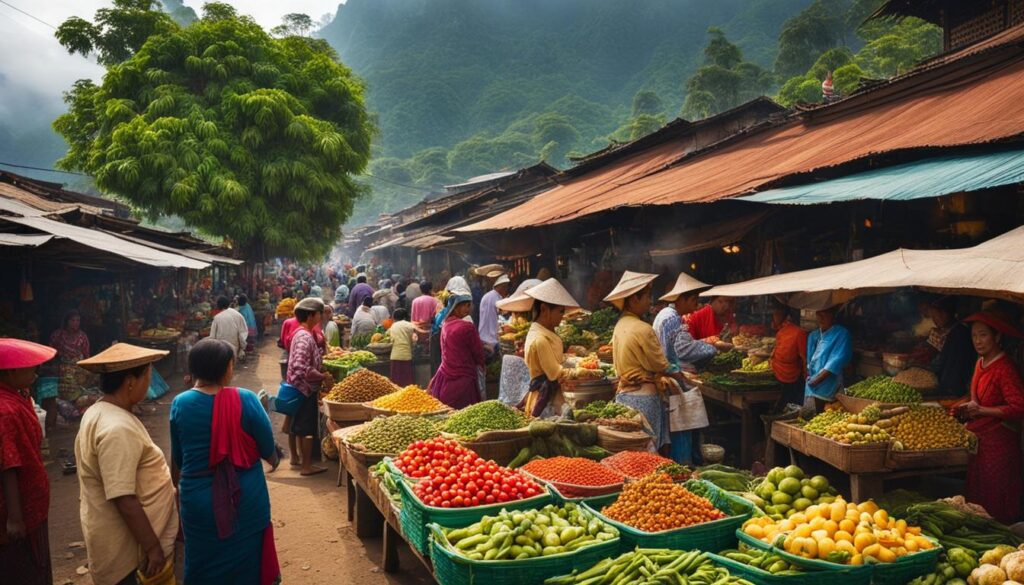
“The beauty of Sundanese cuisine lies not only in the taste but also in the cultural significance of each dish. It’s a window into the soul of the Sundanese people.”
Exploring Beyond Nasi Timbel
Nasi timbel is undeniably a quintessential Sundanese dish, but if you limit yourself to this indescribably delightful culinary creation, you’ll be missing out on a world of gastronomy. Hence, take a journey with us and discover the lesser-known traditional Sundanese dishes that will prove to be a surreal experience to your taste buds.
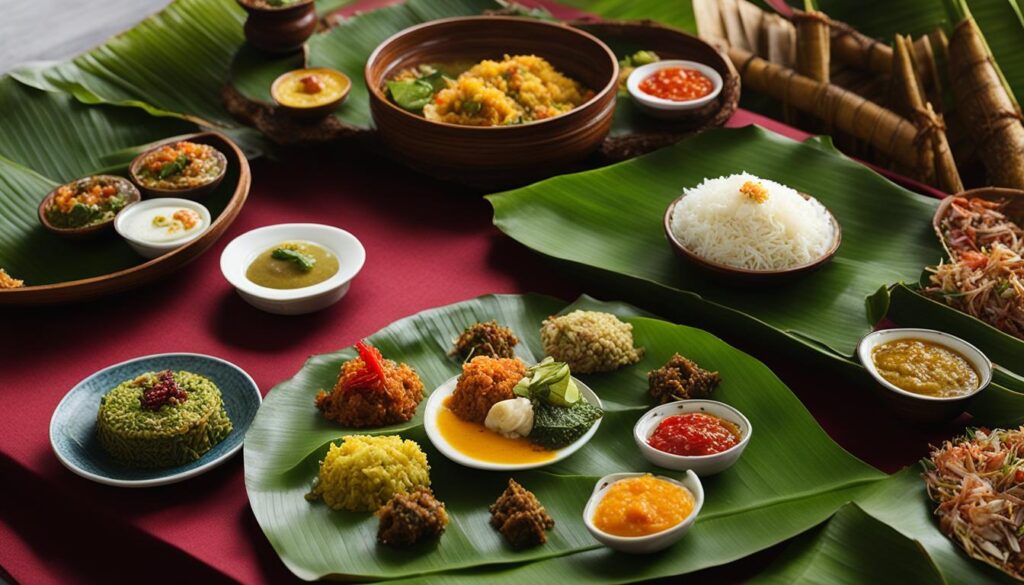
One such hidden gem is Pepes ikan. Wrapped in banana leaves, Pepes ikan is a medley of marinated fish, coconut milk, herbs, and spices, and steamed to perfection. Another dish worth mentioning is Soto Bandung, which is a soup made with beef, noodles, and vegetables. The use of turmeric brightens the dish’s color, while kaffir lime leaves and lemongrass infuse it with a heavenly aroma.
If you crave something spicy, give Ayam Goreng Kalasan a try, which is a fried chicken dish marinated with coconut water, galangal, shallots, garlic, turmeric, and coriander. The result is a crispy-skinned chicken that is tender and deeply flavorful thanks to these aromatic spices.
Don’t forget to save room for dessert and indulge in the sweet delicacy of Bubur Sumsum, a rice flour pudding drizzled with palm sugar, coconut milk, and pandan leaves.
Unveiling the Secrets of Sate Maranggi
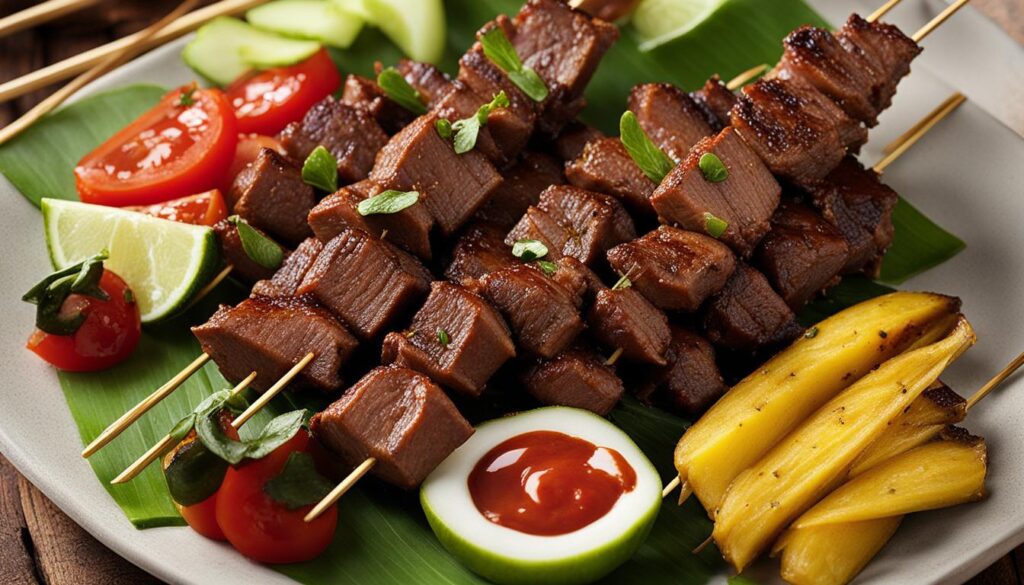
If you think you know everything about Sate Maranggi, think again. This popular Sundanese dish has a rich history and unique preparation methods that make it one of a kind. The name “maranggi” is derived from the Minangkabau word for “fire,” which is fitting considering how this dish is traditionally cooked. Sate Maranggi is made from beef marinated in a mixture of sweet soy sauce, garlic, and other spices before being grilled over an open flame.
The real secret to the distinctive flavor of Sate Maranggi lies in the marinade. While recipes may vary, the marinade is typically made by combining kecap manis (sweet soy sauce), minced garlic, ginger, galangal, and turmeric. The beef is then marinated in the mixture for several hours, allowing the flavors to penetrate the meat.
Sate Maranggi is usually served with either raw sliced shallots or a spicy tomato-based sauce. The meat is typically cut into small, bite-sized pieces and skewered onto bamboo or lemongrass sticks. While beef is the traditional meat used in this dish, there are also variations with chicken or lamb.
This popular dish is widely available in restaurants and street food stalls throughout West Java, but for the most authentic version, head to Purwakarta, where Sate Maranggi originated.
The Origins of Sate Maranggi
Sate Maranggi originated in Purwakarta, a city in West Java known for its grilled beef and seafood dishes. Local legend has it that the dish was first created by a man named Haji Salim, who was inspired by a similar dish from the neighboring city of Bogor. However, Haji Salim added his own twist to the recipe by marinating the meat in a blend of local spices and herbs, and the rest is history.
Variations of Sate Maranggi
While beef is the most popular meat used in Sate Maranggi, there are also variations of the dish made with chicken or lamb. Some versions also incorporate different ingredients into the marinade, such as tamarind paste or shrimp paste.
Where to Try Sate Maranggi
If you’re in Purwakarta, head to one of the local restaurants or street food stalls to sample some of the best Sate Maranggi in the region. Some popular spots include Sate Maranggi Aas, Sate Jando, and Sate Kambing Afung.
No trip to West Java is complete without trying Sate Maranggi, a dish that truly embodies the unique flavors and culinary traditions of Sundanese cuisine.
Must-Try Sundanese Street Food
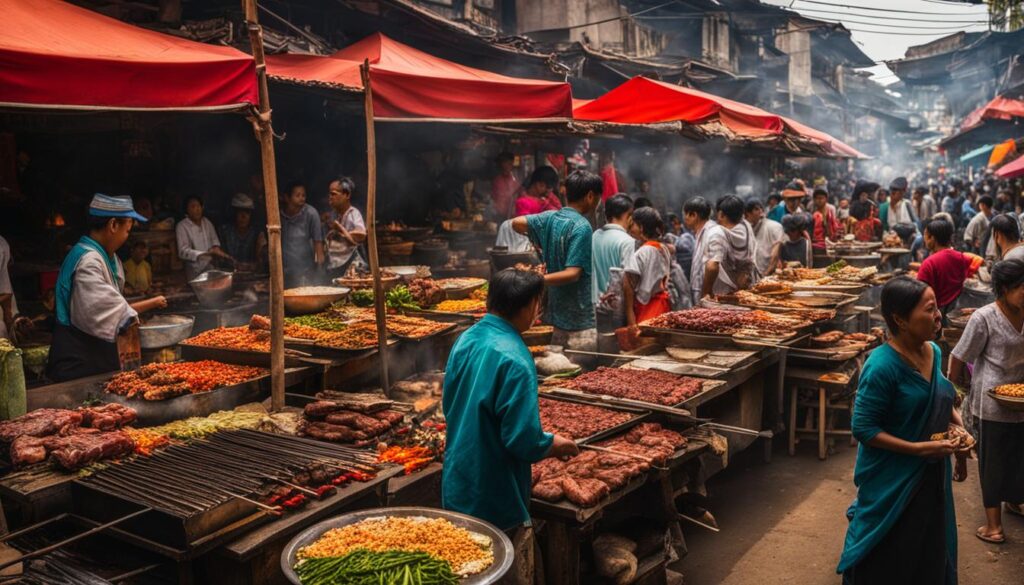
When it comes to experiencing Sundanese culinary delights, exploring the bustling street food scene is a must. From savory snacks to sweet treats, traditional Sundanese dishes can be found on every corner. Here are some of the must-try street foods that will give you a taste of Sundanese food culture:
| Street Food Dish | Description |
|---|---|
| Surabi | A delicious pancake made from rice flour and coconut milk, topped with savory or sweet toppings such as cheese, chocolate, or shredded coconut. |
| Cilok | A popular snack made from tapioca starch mixed with savory spices, then boiled or fried, and served with spicy peanut sauce. |
| Ketan Bakar | Grilled sticky rice served with savory toppings such as peanut sauce, shredded coconut, or fried onions, this dish is a perfect blend of sweet and savory. |
| Tahu Gejrot | Deep-fried tofu served with sweet and sour sauce made from palm sugar, vinegar, chili, and shallots. The dish is usually served with fresh cucumbers and beansprouts. |
These are just a few of the many delicious traditional dishes you can find in Sundanese street food stalls. Don’t miss the chance to try these dishes and discover the innovativeness and creativity of Sundanese cuisine!
Vegetarian and Vegan Options in Sundanese Cuisine
Sundanese cuisine is known for its wide range of vegetarian and vegan options, making it a great choice for plant-based eaters. Many traditional Sundanese dishes are already vegetarian or vegan and still offer the same flavorful and satisfying experience.
One popular vegetarian dish is nasi liwet, a rice dish cooked with coconut milk and a mix of vegetables such as carrots, peas, and long beans. It’s often served with a side of fried tempeh or tofu for added protein.
Lalap is another flavorful and healthy option for vegetarians and vegans. It’s a plate of raw or blanched vegetables like cabbage, cucumber, and bean sprouts, served with a side of spicy chili sauce and a warm bowl of rice.
For something heartier, try sayur asem, a sour vegetable soup made with tamarind and a variety of vegetables such as corn, chayote squash, and tomatoes.
| Sundanese Vegetarian and Vegan Dishes | Description |
|---|---|
| Nasi liwet | A rice dish cooked with coconut milk and vegetables, often served with fried tempeh or tofu |
| Lalap | A plate of raw or blanched vegetables served with spicy chili sauce and rice |
| Sayur asem | A sour vegetable soup made with tamarind and a mix of vegetables |
In addition to these dishes, many other traditional Sundanese dishes can be easily adapted to be vegetarian or vegan by substituting meat with tofu or tempeh. Simply ask the chef or cook if they can make the dish vegetarian or vegan friendly.
The Role of Ingredients in Sundanese Cuisine
Authentic Sundanese cuisine is characterized by a vast array of traditional dishes made from unique, locally-sourced ingredients that add depth and complexity to the flavors. Each ingredient plays a crucial role in creating the distinctive taste of traditional Sundanese dishes.
Some of the key ingredients commonly used in Sundanese cuisine are:
| Ingredient | Description |
|---|---|
| Kencur | A pungent herb often used in Indonesian dishes, kencur adds a spicy, earthy flavor to Sundanese cuisine. |
| Kaffir lime leaves | The aromatic leaves of the kaffir lime tree add a distinct tangy flavor and fragrance to many Sundanese dishes. |
| Coconut milk | A creamy, rich base used in many savory and sweet Sundanese dishes, coconut milk adds depth and sweetness to the flavors. |
| Petai | A type of green bean with a uniquely strong and bitter flavor, petai is often used in Sundanese dishes to add a bold contrast to other, milder flavors. |
The abundance of flavorful ingredients in Sundanese cuisine allows for a wide range of tastes and textures, making it a diverse and dynamic culinary tradition.
Traditional Sundanese Desserts and Beverages
After indulging in a satisfying meal of authentic Sundanese cuisine, it’s time to satisfy your sweet tooth with traditional Sundanese desserts and beverages. These delightful treats showcase the unique culinary heritage of the region and offer a sweet finish to any meal.
Sweet Treats
One of the most popular desserts in Sundanese cuisine is bubur sumsum. This sweet porridge is made with rice flour, coconut milk, and pandan leaves. It’s served with palm sugar syrup and grated coconut, giving it a deliciously sweet and aromatic flavor.
Another classic dessert is kolak, which is a sweet pudding made with palm sugar, coconut milk, and various fruits such as plantains, jackfruit, and sweet potatoes. It’s commonly served during Ramadan and other religious holidays.
TIP: For a modern twist on traditional Sundanese desserts, try the green tea panna cotta at Kayu Api Coffee. This dessert combines the flavors of Japan and Indonesia and is the perfect way to experience the fusion of different culinary influences in Sundanese cuisine.
Refreshing Beverages
As the weather heats up, nothing is as refreshing as traditional Sundanese beverages. Es cendol is a popular drink made with coconut milk, palm sugar, and green rice flour jelly. It’s served over shaved ice for a cool and creamy treat.
If you’re looking for something with a little more kick, try bandrek. This warm beverage is made with ginger, palm sugar, cinnamon, and cloves, making it the perfect drink for cooler weather.
Whether you’re indulging in a sweet treat or sipping on a refreshing beverage, traditional Sundanese desserts and beverages are the perfect complement to any meal. Don’t miss out on experiencing the rich flavors and culinary heritage of Sundanese cuisine.
Influences and Distinguishing Features of Sundanese Cuisine
Sundanese cuisine is a blend of indigenous and foreign influences, resulting in a unique culinary experience. The Indonesian archipelago has a rich history of trade and migration, which has impacted the development of Sundanese cuisine over the centuries.
Sundanese dishes feature a balance of sweet, sour, spicy, and salty flavors and incorporate fresh ingredients such as vegetables, herbs, and spices. The cuisine is known for its simplicity, with an emphasis on highlighting the natural flavors of the ingredients.
One of the key influences on Sundanese cuisine has been Chinese cuisine, which has contributed ingredients such as soy sauce and tofu and cooking techniques such as stir-frying. Indian cuisine has also made an impact on Sundanese cuisine, introducing spices such as curry and coriander.
Another significant influence is the Dutch colonial era, which introduced ingredients such as potatoes and carrots and cooking techniques such as baking and stewing. The Dutch also influenced the adoption of wheat-based dishes such as bread and cakes.
Sambal, a popular chili paste in Indonesian cuisine, is a staple condiment in Sundanese cuisine. It is made with a blend of chilies, tomatoes, garlic, shallots, and shrimp paste, providing a spicy kick to any dish.
Emping, a type of cracker made from the seeds of the melinjo fruit, is another staple snack in Sundanese cuisine.
The distinguishing features of Sundanese cuisine are its emphasis on fresh ingredients, balance of flavors, and simple cooking techniques. Each dish is a representation of the region’s culture and traditions, making Sundanese cuisine an authentic and unique dining experience.
Conclusion
Congratulations on embarking on a culinary journey to discover the authentic flavors of Sundanese cuisine. Through exploring the diverse range of traditional dishes, street food, desserts, and beverages, you have gained a deeper understanding of Sundanese food culture and its unique place within Indonesian cuisine.
Remember, there is so much more to explore beyond the popular dishes like nasi timbel and sate maranggi. With its use of local ingredients, aromatic spices, and creative cooking techniques, Sundanese cuisine offers a wealth of culinary delights waiting to be discovered.
We hope this article has inspired you to try new flavors and dishes from the Sundanese cuisine repertoire. Whether you are a meat-lover, vegetarian, or vegan, there are options for everyone. So, why not venture out to a local Sundanese restaurant or try recreating some of the recipes at home?
Thank you for joining us on this journey, and we hope you have enjoyed the vibrant and flavorful world of Sundanese cuisine.